




 NFSIJ Home



Abstract
Background: Primary dysmenorrhea (PD) is a prevalent gynecological condition marked by cyclic pelvic pain associated with menstruation, without any detectable pelvic abnormalities. It can have a considerable impact on women’s quality of life, daily activities, and overall productivity. Due to the drawbacks and adverse effects associated with conventional therapies, there is increasing attention toward the use of natural and herbal alternatives.
Objective: To investigate the phytochemical characterization of Fennel, Ginger and Chamomile.
Methods: This randomized controlled trial included 60 females aged 15–45 years with primary dysmenorrhea and regular menstrual cycles. Candidates were initially selected using convenience sampling and then randomly placed in treatment (n = 30) and control (n = 30) groups. Eligibility was evaluated with PSST, VAS, VRS, PBAC, and VRSS tools. The treatment group received a 1-gram herbal tea (containing chamomile, fennel, and ginger) once daily during the first 7 days of menstruation for 3 successive months. The control group received inert capsules under the same conditions. Post-intervention data were collected to evaluate changes in dysmenorrhea symptoms.
Results: PSST, VAS, VRS, PBAC, and VRSS were among the validated assessment instruments used to gather post-treatment data from both groups following a three-month intervention. Within each group, pre- and post-intervention ratings were compared statistically using paired sample t-tests. Regular users of the polyherbal tea blend with chamomile, fennel, and ginger showed notable improvements in a number of outcome variables, such as menstrual flow, pain severity, and related psychological and physical symptoms. A p-value of less than 0.005 was obtained from the analysis, indicating that the effects were statistically significant and unlikely to be the result of chance. These findings point to the herbal formulation’s potential as a secure, all-natural, and successful treatment by indicating that it provided a clinically significant therapeutic benefit in the treatment of primary dysmenorrhea.
Conclusion: The study demonstrated that daily consumption of herbal tea containing ginger, fennel, and chamomile significantly alleviate the severity of primary dysmenorrhea symptoms. These findings support the idea that this natural remedy may serve as an effective, safe, and accessible alternative for managing period pain in women.
Keywords:Ginger; Primary Dysmenorrhea; VAS; VMS; Foeniculum vulgare; Chamomile; Matricaria; Mood disorders.
Introductıon
Dysmenorrhea, or painful periods, is the most common gynecological problem in teenage girls. It shows pain during menstruation, which can be mild to severe. A lot of teenage girls and young women have this disorder, which makes it hard for them to do things like go to school and live their lives. The cramping pain that comes with dysmenorrhea usually starts in the pelvic area or lower abdomen and can spread to the upper legs and back. The pain usually gets worse during the first few days of your period and then slowly gets better [1]. The prevalence of primary dysmenorrhea is high, particularly among adolescents. Over 50% of women and up to 90% of teenage girls worldwide report having their period, with 10% to 20% describing their symptoms as severe and distressing [2]. More than 92% of Saudi women had primary dysmenorrhea, while 7% had secondary dysmenorrhea, according to a cross-sectional study done in Saudi Arabia in 2022 [3]. The prevalence of dysmenorrhea and its contributing causes among female university students in Lahore, Pakistan, was the subject of another study. The results showed that almost 91.5% of the participants had dysmenorrhea, which was an extremely high incidence in this community [4].
Lower abdominal cramps that are severe and spasmodic that happen right before or at the beginning of menstruation without any discernible pelvic pathology are referred to as primary dysmenorrhea (PD). One of the most common gynecological problems that affects both teenage and adult females, it usually appears 6 to 24 months following menarche [5]. It typically surfaces six months post-menarche and only during ovulatory cycles. The duration of pain usually ranges from 8 to 72 hours, reaching its peak intensity during the initial two days of menstruation due to elevated prostaglandin release. Accompanying symptoms, consistent across menstrual periods, include nausea, vomiting, diarrhea, lower back pain, migraines, dizziness, fatigue, insomnia, and in rare instances, fainting and fever [6].
The pathophysiology of primary dysmenorrhea focuses on abnormal uterine contractility caused by the action of specific hormones known as prostaglandins or their analogs. Prostaglandins are analogs of hormones that are important in the shedding of the uterine lining as the contractions of the uterus during menstruation. In primary dysmenorrhea, however, the prostaglandins produced are in significantly higher levels than that of in women with normal menstrual cycles. This results in more intense and painful contractions of the uterus which leads to the characteristic cramping pain. This supports the theory that there is an association between excessive secretion of prostaglandins and the severity of the pain experienced during menstruation by women with dysmenorrhea [7].
Secondary dysmenorrhea is typically associated with identifiable gynecological or pelvic abnormalities. These conditions disrupt normal menstrual function and contribute to pain that is usually more persistent, chronic, and severe compared to primary dysmenorrhea. Secondary dysmenorrhea often develops later in life, typically after the age of 25, and is more common in women with a history of pelvic surgery, childbirth, or certain medical conditions [8]. Various physiological, lifestyle, psychosocial, and medical factors contribute to dysmenorrhea. These include young age, low body mass index, early onset of menstruation, prolonged menstrual periods, premenstrual syndrome, smoking, high caffeine intake, mental disorders, lack of social support, alexithymia, neuroticism, and prior instances of sexual assault [9].
Methods of treating primary dysmenorrhea aim at pain relief, reduction of the severity of symptoms, and improvement of the general state of well-being of the individuals involved [10]. Healthcare providers should be ready to provide health teaching and psychological support to the patients. Lifestyle modifications can control primary dysmenorrheal, reduce pain, and prevent recurrence. Evidence has shown that women who keep a habit of exercising regularly experience less severe menstrual pain [11]. The inflammation linked to prostaglandin generation may be lessened by a well-balanced diet high in anti-inflammatory foods (such as omega-3 fatty acids, which are present in nuts, seeds, and seafood). Furthermore, cutting back on alcohol, coffee, and too much sweets may help ease some of the symptoms of dysmenorrhea [12].
Mefenamic acid and other non-steroidal anti-inflammatory medicines (NSAIDs) are frequently prescribed as the first line of pharmacological treatment for dysmenorrhea. Even though traditional treatments like NSAIDs and oral contraceptives work well to reduce menstrual pain, they can also have negative side effects, such as moderate neurological and gastrointestinal issues [13]. In addition to alleviating nausea, vomiting, and mood swings associated with menstruation, pregnancy, and chemotherapy, nutraceutical supplements have shown promise in preventing cancer. Fennel, chamomile, and ginger are promising components [14].
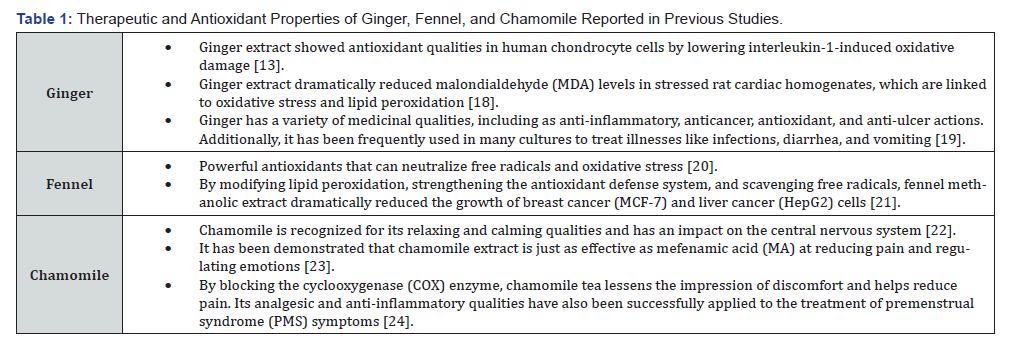
Ginger is known for its anti-spasmodic effect. Chamomile extract, tea, or drops have shown beneficial effects on dysmenorrhea and premenstrual syndrome symptoms [15]. Fennel, traditionally used in the Mediterranean region to alleviate painful menstruation, has demonstrated anti-spasmodic effects in studies on isolated mouse uterine tissue [16]. Given the significance of these properties, efforts have been made to evaluate the clinical efficacy of ginger, fennel, and chamomile tea in primary dysmenorrheal [17] (Table 1).
Numerous attempts have been undertaken to assess the clinical effectiveness of ginger, fennel, and chamomile tea in the treatment of primary dysmenorrhea due to the therapeutic potential of these qualities [25].
Material and Methods
Study design
The study design used for this research was randomized control trial.
Sample size
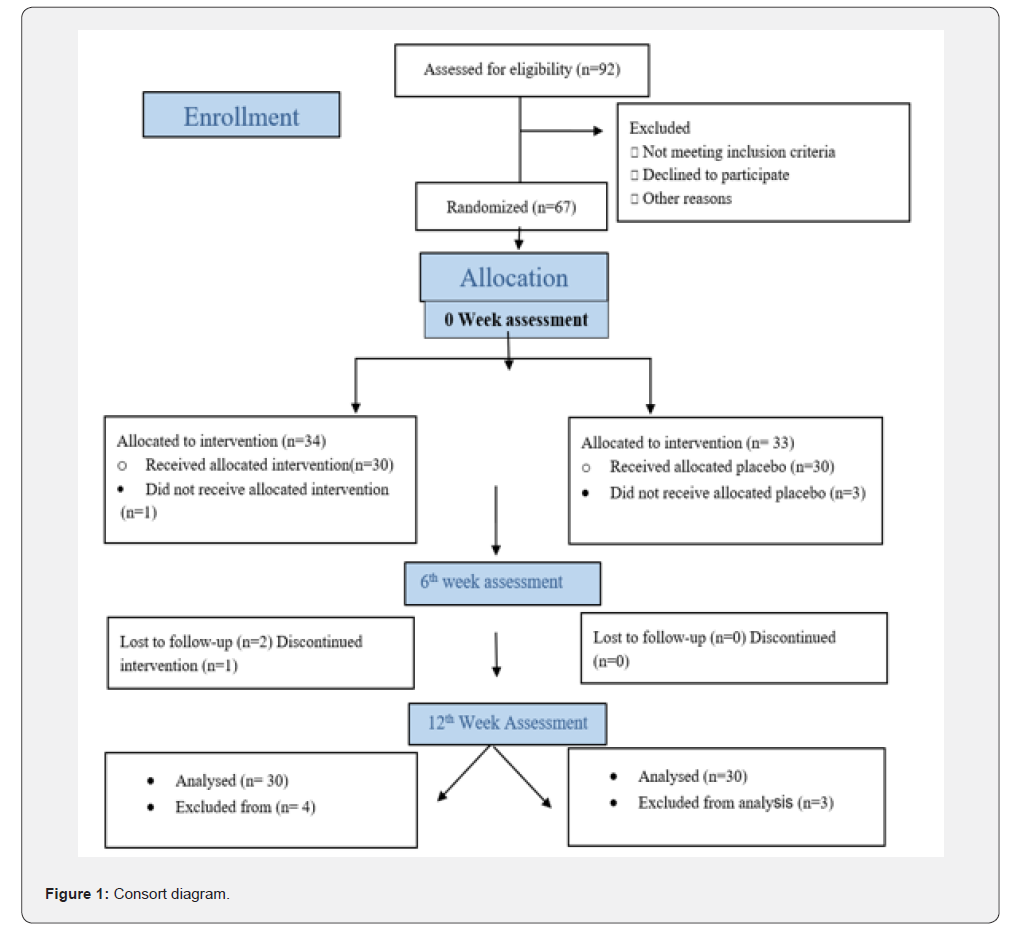
The study included total 60 participants which were divided into two groups, 30 each.
Study duration
The study duration was of 9 months after the approval of the research board.
Study setting
The study was conducted at Riphah International University Lahore and Bismillah Surgical Hospital.
Selection criteria
Inclusion criteria:
i. Age between 15 and 45 years on regular menstruation
on having dysmenorrhea symptoms
ii. The patient reports taking no medication (based on
their own statement)
iii. Without any History of allergy to herbal drugs (based on
the individual’s own statement)
iv. No surgical procedures have been performed in the
previous six months.
Exclusion criteria:
i. During the research, using any medicine that affects
premenstrual syndrome
ii. Irregular use of medications
iii. Reluctance to continue collaborating throughout the
research.
iv. Inducing allergic reactions to fennel, ginger, or
chamomile
Ethical considerations
Approval was obtained from the Ethical committee of the Riphah international university Lahore, Pakistan prior to the commencement of study. Written informed consent was taken from all the patients and all information and data were kept confidential. Subjects were informed that there was no risk of study and they were free to withdraw any time during process of study.
Procurement of raw material
Tea bags: To make 1-gram tea bags amount of ingredients as follows: Funnel: 300mg (dried), Chamomile: 300mg (dried) and Ginger: 400mg (dried). The tea was administered to dysmenorrheal patients 1 time a day during menstrual cycle for consecutive 3 months to analyze the efficacy of product in reducing pain and other symptoms.
Antioxidants activity tests
DPPH antioxidant capacity assay: The DPPH (2,2-diphenyl- 1-picrylhydrazyl) Antioxidant Capacity Assay Kit is a popular technique for assessing a variety of compounds’ capacity to scavenge free radicals, including plant extracts and phytochemicals. The stable DPPH+ radical cation, which has a rich purple color and a prominent absorbance peak at 517 nm, is reduced in this experiment. Antioxidant substances that can donate electrons or hydrogen atoms interact with DPPH•+ to turn it into a colorless or pale-yellow form. This reduction results in a discernible decrease in absorbance at 517 nm, which is directly related to the antioxidant capacity of the sample [26]. Because of its simplicity, speed, and sensitivity, this assay is a valuable tool in phytochemical and nutritional research, allowing for comparisons of antioxidant activity across different natural products.
Ferric Reducing Antioxidant Power (FRAP) assay: The FRAP assay, which gauges a sample’s ability to change ferric ions (Fe³⁺) into ferrous ions (Fe²⁺), is a widely used method for assessing a sample’s total antioxidant capacity. Alongside this redox process, a blue-colored Fe2+ tripyridyl triazine complex forms, which absorbs most at 593 nm. The intensity of the final color is directly related to the antioxidants’ reducing power in the sample [27].
Total phenolic content: The Folin–Ciocalteu (FC) reagent is commonly used to determine a sample’s total phenolic content. A blue chromophore that absorbs light at approximately 765 nm is formed when phenolic compounds reduce the FC reagent under alkaline conditions; the intensity of the color produced is directly proportional to the concentration of phenolic compounds, allowing for quantification, which is typically expressed in gallic acid equivalents (GAE) [28].
Tools
PSST (premenstrual symptoms screening tool): A standardized 19-item test called the PSST is used to determine whether premenstrual symptoms are present and how severe they are. It has two domains: the first has 14 items about behavioral symptoms (such changes in food or sleep patterns), somatic symptoms (like breast pain, bloating), and psychological symptoms (like mood swings, irritability). Five items in the second domain assess how these symptoms affect a woman’s ability to function on a daily basis, including her ability to work efficiently, maintain social relationships, and take care of her family. A fourpoint Likert scale, with 0 denoting “not at all” and 3 denoting “severe,” is used to score each item. The PSST helps medical professionals diagnose and organize individualized treatment by facilitating the early identification and classification of PMS and PMDD [29]. A validated tool for detecting premenstrual disorders, the Premenstrual Symptoms Screening Tool (PSST) was used to screen study participants. Based on their results, participants were divided into two groups: Premenstrual Dysphoric Disorder (PMDD) and Premenstrual Syndrome (PMS). By properly selecting dysmenorrhea patients with notable premenstrual symptoms, the PSST added clinical rigor to the participant selection process and increased the reliability of the findings about how well the herbal combination treated dysmenorrhea.
VAS: The Visual Analogue Scale is a measurement tool used to assess characteristics or feelings, such as pain intensity, that are believed to exist on a continuum and cannot be measured directly. People’s perceptions of pain, for example, vary greatly, ranging from nothing at all to excruciating. They contend that, contrary to what labels like mild, moderate, severe, and none might imply, this spectrum is smooth and free of clear transitions. The Visual Analogue Scale (VAS) accurately reflected this notion of an uninterrupted continuity of pain experience. Typically, a VAS is a 100 mm horizontal line with word descriptors at either end. The patient indicates the point on the line that, in their opinion, most accurately depicts their current situation [30].
Verbal multidimensional scoring system (VMSS): A verbal adaptation of the Visual Analog Scale that offers a more thorough explanation of pain is the (VMSS). Additionally, patients may be asked to use verbal descriptors such as aching, burning, soreness, cramping, tingling, and numbness to describe the type of pain they are experiencing. The intensity and quality scores are then added to determine the VMSS scores, which provide a thorough picture of the patient’s pain experience. (VMSS) is a 0–3 grading system used to evaluate a person’s functional ability, whether systemic symptoms are present, and whether analgesic intervention is necessary [31].
PBAC (pictorial blood loss assessment chart): The Pictorial Blood Loss Assessment Chart (PBAC) is a visual tool used to estimate blood loss during surgery or other medical procedures. It facilitates accurate detection and documentation of blood loss by medical professionals. The chart typically consists of several images or representations that show different levels of blood loss, ranging from slight to substantial. Because each image is assigned a corresponding score or value, medical professionals can quickly determine the amount of blood loss based on how the blood appears in the surgical field or on absorbent pads.
The PBAC chart usually includes images of:
i. Small amounts of blood (e.g., a few drops)
ii. Moderate blood loss (e.g., a small puddle)
iii. Large blood loss (e.g., a large puddle or a saturated
absorbent pad)
iv. Severe blood loss (e.g., a large volume of blood in the
surgical field) [32].
Verbal rating scale (VRS): Since the Verbal Rating Scale (VRS) is an ordinal scale, the data it generates are best analyzed using non-parametric statistical methods. The VRS uses a series of descriptive terms to represent increasing levels of pain intensity, frequently including: no pain, mild pain, moderate pain, and severe or intense pain. These descriptors are typically assigned numerical values for ease of documentation, but this numerical ranking may misleadingly suggest that the intervals between descriptors are equal, which is not true and may introduce error [33].
Data collection procedure
Convenience sampling was used to recruit participants from the target population for the first phase of this study, and those who met the inclusion criteria were randomly assigned to either the treatment or control group. A structured questionnaire was used to collect data, and standardized tools, including the Premenstrual Symptoms Screening Tool (PSST), Visual Analogue Scale (VAS), Verbal Rating Scale (VRS), Pictorial Blood Assessment Chart (PBAC), and the Verbal Multidimensional Scoring System (VMSS), were used to assess the presence and severity of PMS symptoms. A total of 60 female participants were chosen, 30 of whom were placed in the treatment group and 30 in the control group.
Data analysis
Data were analyzed using both descriptive and inferential statistical methods. Descriptive statistics, including frequencies, percentages, mean, and median, were applied to summarize the demographic characteristics of the participants and the distribution of pain rating scores. To evaluate the effectiveness of the intervention, a paired sample t-test was performed to compare pre- and post-intervention scores on the pain rating scales. This test was used to determine whether a significant difference existed in the level of dysmenorrhea symptoms before and after the intervention within each group. For all analyses, a p-value of less than 0.05 was considered statistically significant. (Figure 1)
Results
DPPH and FRAP assays were used to assess the antioxidant capacity, TFC, and TPC of ginger, fennel, and chamomile in order to investigate their phytochemical profiles. Its ethanolic extract was used in these in vitro tests. The ethanolic extract was selected due to its efficacy in removing polyphenols and flavonoids, which are known to have antioxidant and medicinal properties. The mean ± standard deviation (n = 3) is used to express the values. The Folin Ciocalteu technique was used to calculate TPC, which was then represented as gallic acid equivalents (GAE). The aluminum chloride colorimetric method was used to determine TFC, which was then represented as quercetin equivalents. DPPH and FRAP assays were used to assess the antioxidant activity of the ethanolic extract of chamomile, ginger, and fennel. While FRAP readings show the extract’s reducing power, measured in millimolar ferrous sulfate (FeSO₄) equivalents per milliliter of extract, DPPH data show the percentage inhibition of free radicals.
In order to assess the treatment effectiveness of a new herbal intervention tea bag made with fennel, chamomile, and ginger on teenage females with primary dysmenorrhea, this study was painstakingly planned. The phytochemical analysis of the individual herbs prior to clinical application showed strong antioxidant profiles: chamomile had the highest FRAP value (18.28 mM FeSO₄), fennel had the highest DPPH scavenging activity (61.25%), and all three herbs had rich phenolic and flavonoid contents (TPC: 2215 mg GAE/100 mL in fennel; TFC: 1400.50 μg/mL in fennel). The VAS, VRS, VMSS, PBAC, and PSST were among the thorough baseline tests used to ensure a multifaceted assessment of functional, emotional, and physical symptoms.
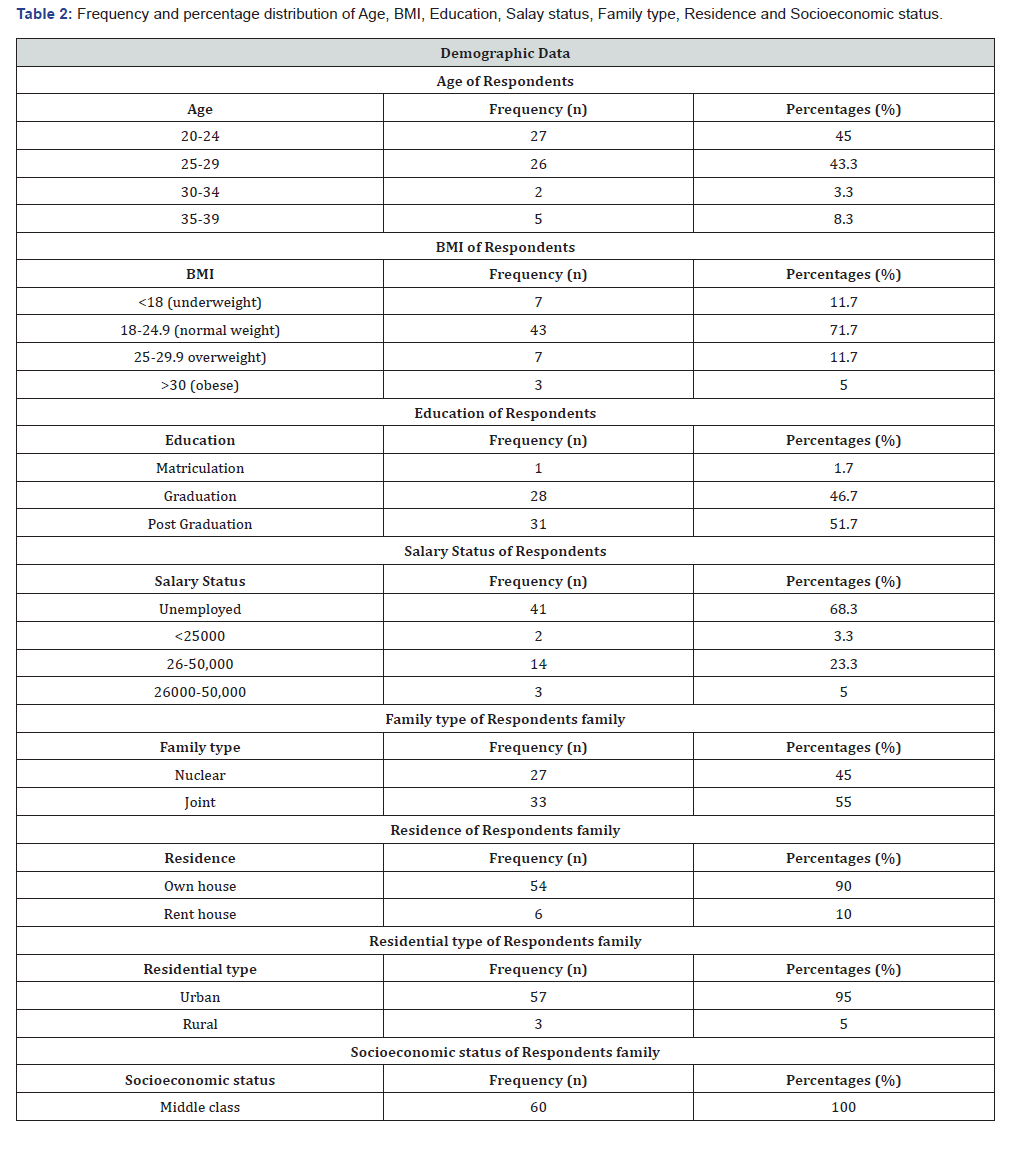
The study involved 60 participants in total. The largest percentage (45%) of respondents were in the 20–24 age range, with the majority (88.3%) being between the ages of 20 and 29. The majority of participants (71.7%) had a body mass index (BMI) that was within the normal weight range (18–24.9), 11.7 percent were underweight, 11.7 percent were overweight, and 5% were obese.
A sizable percentage of respondents had advanced degrees, with 46.7% holding graduate degrees and 51.7% having finished post-graduation coursework. Just 1.7% of them had finished matriculating. According to employment data, 28.3% of participants reported earning between PKR 26,000 and PKR 50,000 per month, while 68.3% of participants were unemployed. A little percentage (3.3%) made less than PKR 25,000. According to family makeup, 45% of respondents lived in nuclear households, while 55% of respondents were part of joint families. According to housing data, just 10% of participants lived in rental housing, while 90% of them lived in their own homes. Just 5% of people lived in rural areas, while the great majority (95%) did. Every single participant (100%) said they were from the middle socioeconomic class (Table 2).
Phytochemical Analysis
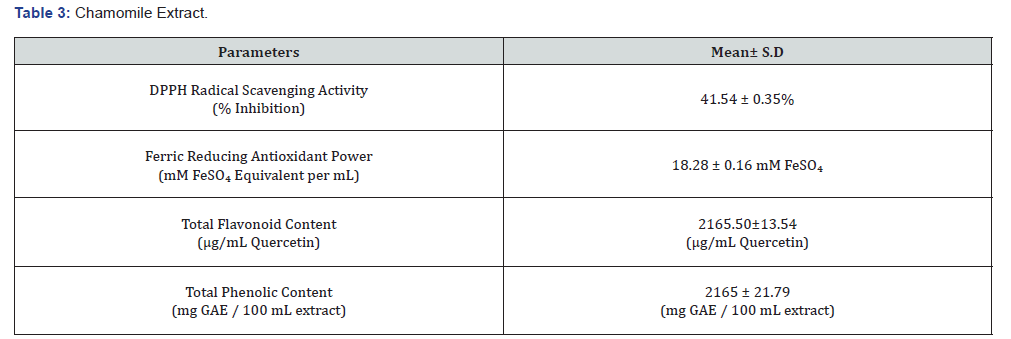
The antioxidant and phytochemical properties of Matricaria chamomilla (Chamomile) extract were evaluated using standard biochemical assays, and the results are presented as mean ± standard deviation (SD) from triplicate measurements (Table 3). Chamomile extract exhibited a DPPH free radical scavenging activity of 41.54 ± 0.35%, indicating a moderate antioxidant potential. The low standard deviation reflects consistency and precision in the measurements. This level of inhibition suggests that chamomile is effective in neutralizing free radicals, thereby potentially reducing oxidative stress. Ferric Reducing Antioxidant Power value was found to be 18.28 ± 0.16 mM FeSO₄ equivalent per mL, demonstrating the extract’s ability to act as a strong electron donor, reducing Fe³⁺ to Fe²⁺. This result supports the presence of compounds capable of maintaining redox balance and preventing cellular damage caused by oxidative reactions.

All the values are mean ± S.D, paired sample t-test was applied at the level of significance of ≤ 0.05.

All the values are mean ± S.D, paired sample t-test was applied at the level of significance of ≤ 0.05.

All the values are mean ± S.D, paired sample t-test was applied at the level of significance of ≤ 0.05.

All the values are mean ± S.D, paired sample t-test was applied at the level of significance of ≤ 0.05.

All the values are mean ± S.D, paired sample t-test was applied at the level of significance of ≤ 0.05.

All the values are mean ± S.D, paired sample t-test was applied at the level of significance of ≤ 0.05.
The chamomile extract’s total flavonoid content (quercetin equivalent) was 2165.50 ± 13.54 μg/ml. This high flavonoid content indicates the existence of bioactive substances including quercetin, luteolin, and apigenin, which are known to have important biological effects that are protective, antiinflammatory, and antioxidant. Total Phenolic extract was also rich in polyphenols, with a total phenolic content of 2165 ± 21.79 mg GAE/100 mL extract. Polyphenolic compounds are wellestablished antioxidants, and their abundance further reinforces the strong antioxidant profile of chamomile. These compounds play a crucial role in scavenging reactive oxygen species (ROS) and mitigating oxidative damage (Table 4).
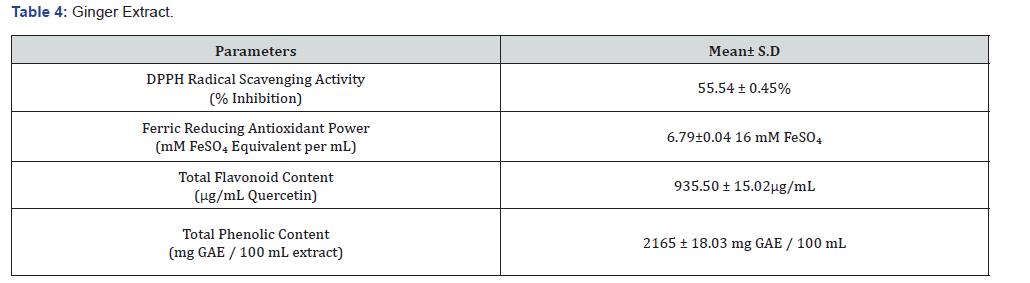
Ginger extract exhibited a DPPH scavenging activity of 55.54 ± 0.45%, indicating strong free radical inhibition. This relatively high percentage implies a potent antioxidant potential, suggesting that ginger constituents effectively neutralize reactive oxygen species (ROS). The small standard deviation confirms consistent experimental results. Ferric Reducing Antioxidant Power (FRAP) value was measured at 6.79 ± 0.04 mM FeSO₄ equivalent per mL, indicating the ginger extract’s ability to act as an electron donor and reduce Fe³⁺ to Fe²⁺. Although lower than chamomile’s FRAP value, this result still confirms that ginger possesses a noteworthy reducing ability, contributing to its antioxidant profile.
The total flavonoid content (quercetin equivalent) was 935.50 ± 15.02 μg/mL. This indicates a moderate number of flavonoid molecules, which are recognized for their ability to chelate metals, scavenge free radicals, and have anti-inflammatory and anti-cancer effects. This SD represents a small replicate variation that falls within allowable experimental bounds. The total phenolic concentration of ginger extract was 2165 ± 18.03 mg GAE/100 mL, which is comparable to chamomile’s high phenolic content. The anti-inflammatory, antibacterial, and antioxidant properties of phenolic chemicals are widely known. The sample measurements’ consistency and dependability are further supported by the narrow SD (Table 5).
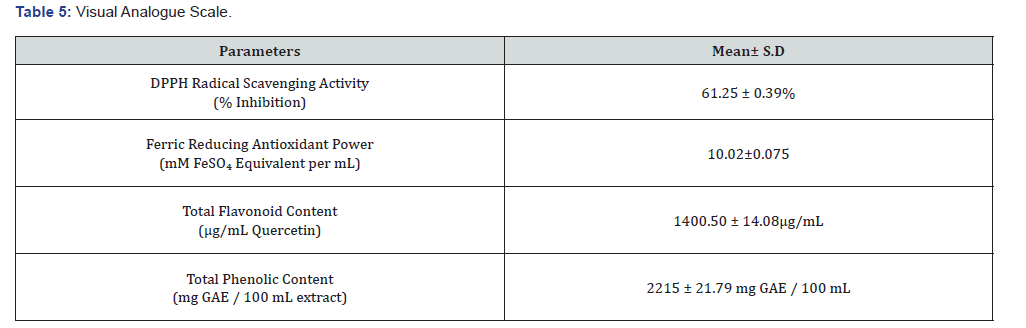
Fennel extract exhibited a DPPH of 61.25 ± 0.39%, the highest among the tested extracts. This indicates strong free radical inhibition, reflecting a high antioxidant potential. The low standard deviation confirms the consistency of the measurements. Ferric Reducing Antioxidant Power value for fennel was recorded as 10.02 ± 0.075 mM FeSO₄ equivalent/mL, demonstrating a strong reducing power. This suggests fennel has the ability to act as an electron donor, reducing ferric ions (Fe³⁺) to ferrous ions (Fe²⁺), and contributing to its overall antioxidant action.
The measurement of the total flavonoid content (quercetin equivalent) was 1400.50±14.08 μg/mL. This suggests a high level of flavonoids, which are recognized for their anti-inflammatory, enzyme-inhibiting, and free radical-neutralizing properties. The SD shows that there is little difference between replicates. The highest total phenolic content of all the herbal extracts evaluated was 2215 ± 21.79 mg GAE/100 mL extract. Phenolic chemicals greatly enhance the medicinal qualities of fennel and are essential to antioxidant defense systems. (Table 6).
The intervention group's mean VAS score dropped from 6.13 to 3.03, which is a significant decrease of more than 3 points on the 10-point pain scale. This change shows a considerable reduction in pain perception following the intervention and is both clinically important and statistically significant (p = 0.000). Additionally, the standard deviation decreased from 1.833 to 1.033, indicating that following the intervention, participants' pain levels were more uniform and reduced. These findings unequivocally show that the intervention was successful in lowering the VAS-measured intensity of menstrual pain. The VAS scores in the control group hardly altered, going from 6.10 to 6.00, only a little improvement that was not statistically significant (p = 0.083).
Participants' menstrual pain levels remained unchanged in the absence of the intervention, as evidenced by the lack of a discernible shift in pain scores. Real clinical improvement is not indicated by the minor decline, which could be due to measurement inconsistencies, natural variation, or placebo effects. VAS pain scores significantly decreased as a result of the intervention (p = 0.000); however, the control group did not experience this benefit (p = 0.083). This offers compelling proof that the tea bag intervention was successful in lessening the severity of menstruation discomfort, and it may be taken into consideration for wider application or additional testing in bigger clinical trials (Table 7).
Members in the intervention group showed a significant decrease in VMSS scores, from 2.57 to 1.90, following the intervention. This decrease is statistically significant (p = 0.000), well below your threshold of 0.005. The mean reduction of 0.67 points suggests a clinically meaningful improvement in symptom burden. Furthermore, the drop in standard deviation from 0.679 to 0.305 implies that responses became more consistent postintervention, indicating that most participants benefited similarly from the intervention. These findings strongly support the effectiveness of the intervention in alleviating multidimensional symptoms assessed by the VMSS. In Control group the mean score decreased slightly from 2.57 to 2.50, but the p-value is 0.161, that is not significant statistically. This indicates no meaningful improvement in symptoms in the absence of the intervention. The standard deviation remains similar, suggesting no real change in response pattern (Table 8).
The comparison of VRS scores between the intervention and control groups is shown in this table. After the intervention, the VRS scores of the intervention group decreased from 4.13 to 2.13, indicating a highly significant reduction. This two-point decrease indicates a significant and clinically significant reduction in the intensity of the pain or symptoms. Additionally, the standard deviation dropped from 0.973 to 0.571, suggesting that after the intervention, participant responses became more reliable. This consistency implies that the majority of people benefited equally from the intervention. The reduction is extremely statistically significant, as confirmed by the p-value of 0.000, which amply supports the intervention's efficacy in reducing the assessed symptoms.
The VRS scores of the control group, on the other hand, slightly decreased (from 4.20 to 4.10), although this difference was not statistically significant (p = 0.083). Given that the standard deviation stayed constant, the small variation might be the result of chance or a negligible placebo effect. This absence of discernible improvement in the control group supports the idea that the intervention itself, rather than time, expectations, or natural healing, was the likely cause of the symptom reduction seen in the intervention group. A statistically significant decrease in VRS scores (p = 0.000) indicates that the intervention significantly reduced the severity of the symptoms, while the control group did not exhibit any meaningful change (p = 0.083) (Table 9).
Participants in the intervention group demonstrated a marked and statistically significant reduction in PBAC scores, from 3.00 to 1.77. This decline suggests a clinically meaningful decrease in menstrual blood loss following the intervention. Additionally, the standard deviation decreased (from 0.643 to 0.504), suggesting that there was less variety in participant outcomes after the intervention, suggesting that the group as a whole benefited consistently. The observed decrease is unlikely to be the result of chance and can be ascribed to the intervention, as indicated by the p-value of 0.000, which validates that this finding is highly statistically significant.
Only a slight and statistically insignificant decline in PBAC scores (2.80 to 2.70) was seen in the control group. The slight alteration can be the result of reporting fluctuations or inherent variability rather than a treatment effect. There has been no discernible change in this group, as indicated by the p-value of 0.083, which is higher than your significance level of 0.005. This consistency demonstrates that the intervention group's decrease was caused by the treatment itself, not by outside factors or placebo effects. As indicated by the PBAC score, the data unequivocally demonstrate that the intervention was successful in considerably lowering menstrual blood loss. High statistical significance is indicated by the intervention group's p-value of 0.000, and the control group's lack of change (p = 0.083) supports the intervention's particular impact (Table 10).
The mean score for the intervention group rose from 1.30 to 2.00, and the p-value is 0.000, indicating a highly significant statistical relationship. The post-test score of 2.00 ± 0.000 indicates that every individual achieved the highest possible score, demonstrating consistent and total progress. This suggests that PMDD symptoms were significantly reduced or eliminated by the treatments. The p-value of 0.083, which is not statistically significant (higher than 0.05), indicates that the mean score in the control group increased marginally from 1.60 to 1.70. This implies that the control group's PMDD symptoms did not significantly alter (Table 11).
With a p-value of 0.000, the intervention group's mean PMS score rose from 1.00 to 1.80, indicating a highly statistically significant change (p < 0.05). This suggests that after the intervention, PMS symptoms significantly improved. The overall improvement is evident and steady, even if the standard deviation increased somewhat, indicating that individuals' replies varied a little more after the exam. Group of Control The p-value is 0.083, which is not statistically significant, but the mean score increased marginally from 1.10 to 1.20. This implies that the control group did not experience any appreciable improvement.
Premenstrual symptoms screening tool (PSST) graphical representation
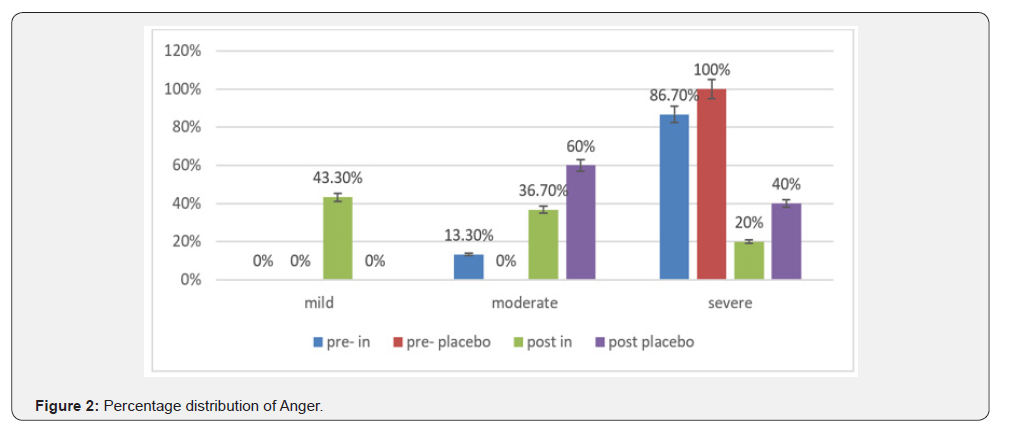
According to the frequency distribution of anger levels, the intervention group's participants' symptom intensity significantly decreased, with moderate anger levels reaching 43.3% of participants and severe anger dropping from 86.7% pre-treatment to 20% post-treatment (Figure 2). The placebo group, on the other hand, similarly shown a decrease in severe anger (from 100% to 40%), but none of them advanced to the mild category; instead, most only had a moderate shift. This indicates that, in comparison to a placebo, the intervention produced a more significant and clinically relevant change in the intensity of rage (Figure 3).
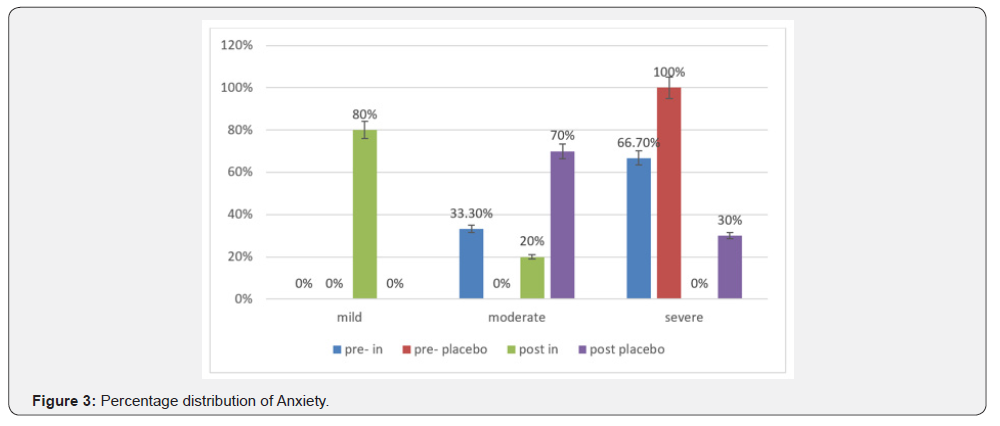
This graph displays the frequency distribution of anxiety levels in four groups: pre-intervention, pre-placebo, postintervention, and post-placebo. The anxiety levels are classified as mild, moderate, severe, and not at all. The majority of individuals in the intervention group reported having severe anxiety prior to the intervention (66.7%), followed by moderate anxiety (33.3%) and mild anxiety (none). At baseline, 100% of participants in the placebo group reported having significant anxiety. 80% of participants reported mild anxiety, 20% reported moderate anxiety, and none reported severe anxiety after the intervention, indicating a significant change. With 70% reporting considerable anxiety, 30% still experiencing severe anxiety, and no cases of mild anxiety, the placebo group, on the other hand, only somewhat improved (Figure 4).
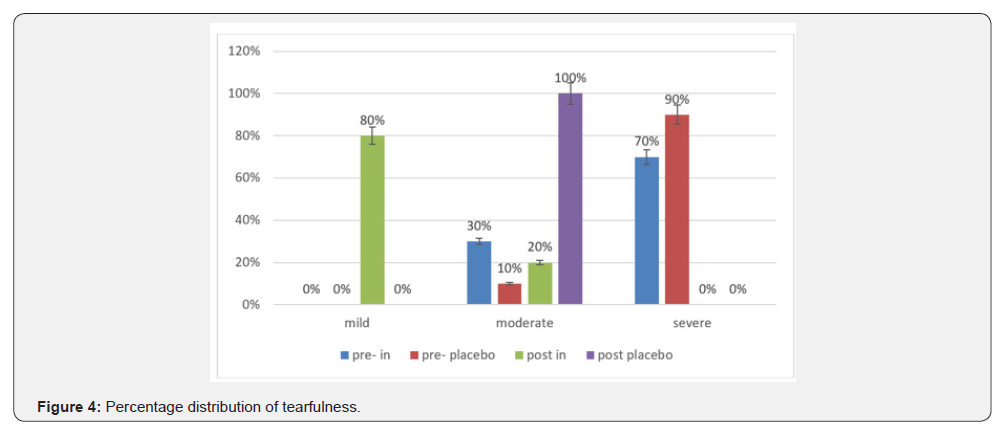
The frequency distribution of crying during pre-intervention, pre-placebo, post-intervention, and post-placebo is shown in this graph. Thirty percent of individuals in the pre-intervention group had moderate symptoms, seventy percent reported severe symptoms, and none reported mild symptoms. Comparably, 90% of individuals in the pre-placebo group had severe tearfulness, 10% reported moderate tearfulness, and there were no instances of mild symptoms. After the session, 80% of participants reported mild tearfulness, 20% reported moderate tearfulness, and none reported severe symptoms, indicating a significant improvement. With 100% of participants reporting moderate tearfulness and no instances of either mild or severe symptoms, the post-placebo group, on the other hand, demonstrated a shift from severe to moderate symptoms. According to these findings, the intervention was substantially more successful in lowering the intensity of tearfulness and causing a change toward milder symptoms, whereas the placebo mainly decreased the intensity from severe to moderate (Figure 5).
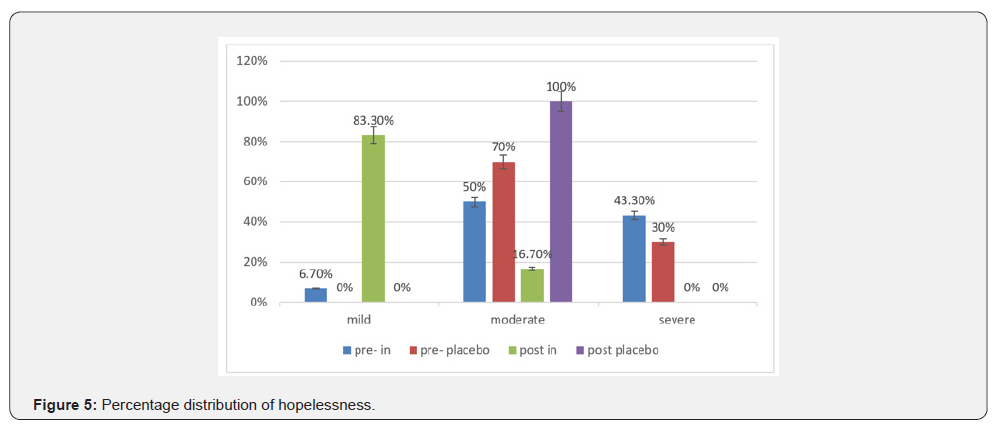
Participants in the intervention group reported much less severe symptoms, according to the graph showing the frequency distribution of hopelessness. At the beginning, 50% of subjects were categorized as moderate and 43.3% as severe. 83.3% moved into the mild group after the intervention, suggesting a noticeable improvement. The placebo group, on the other hand, also shown a slight decrease in extreme hopelessness, going from 30% to 0%; still, 70% of participants stayed in the moderate category, with none falling into the mild category. These results imply that, in comparison to the placebo, the intervention resulted in a more significant and clinically significant improvement in the degree of hopelessness (Figure 6).
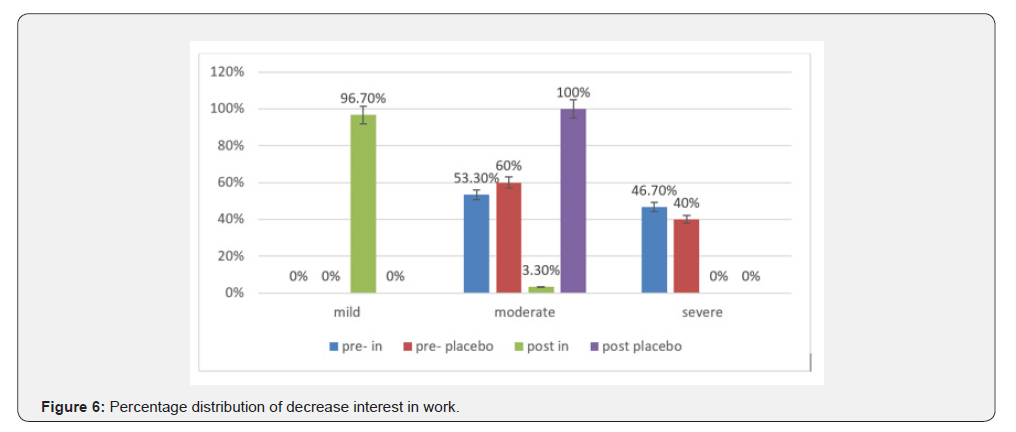
The intervention group exhibited a significant improvement in the frequency distribution of reduced interest in work. There were no cases in the mild category prior to the intervention, with 46.7% of patients reporting severe symptoms and 53.3% reporting moderate symptoms. With 96.7% of participants reporting mild symptoms and only 3.3% remaining in the moderate category following the intervention, the distribution underwent a significant change, suggesting a significant decrease in symptom severity. According to baseline data, 60% of patients in the placebo group had moderate symptoms, and 40% had severe symptoms. All individuals (100%) had moderate symptoms after taking the placebo; no severe nor mild symptoms were reported. This implies that although the placebo resulted in a decrease in severe symptoms, the intervention was much more successful, causing almost all individuals to experience a shift toward mild symptomatology in addition to a reduction in intensity (Figure 7).
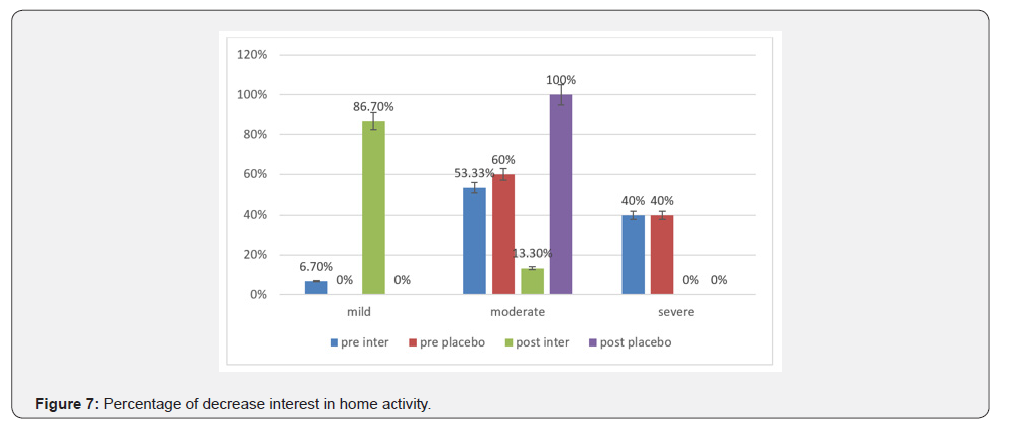
The frequency distribution of decreased interest in home activity demonstrated a positive shift in symptom severity following the intervention. Before the intervention, 40% of participants reported severe symptoms, 53.3% reported moderate symptoms, and only 6.7% fell into the mild category. After the intervention, the proportion of participants reporting mild symptoms increased significantly to 86.7%, while only 13.3% remained in the moderate category, and no participants reported severe symptoms. In contrast, the placebo group showed a more limited improvement. Initially, 40% of participants reported severe symptoms and 60% reported moderate symptoms. Following the placebo, all participants (100%) reported moderate symptoms, with no shift toward the mild category. These findings suggest that the intervention led to a more meaningful and clinically significant improvement in participants’ engagement with home activities compared to the placebo, which primarily reduced severe symptoms but failed to promote recovery into the mild range (Figure 8).
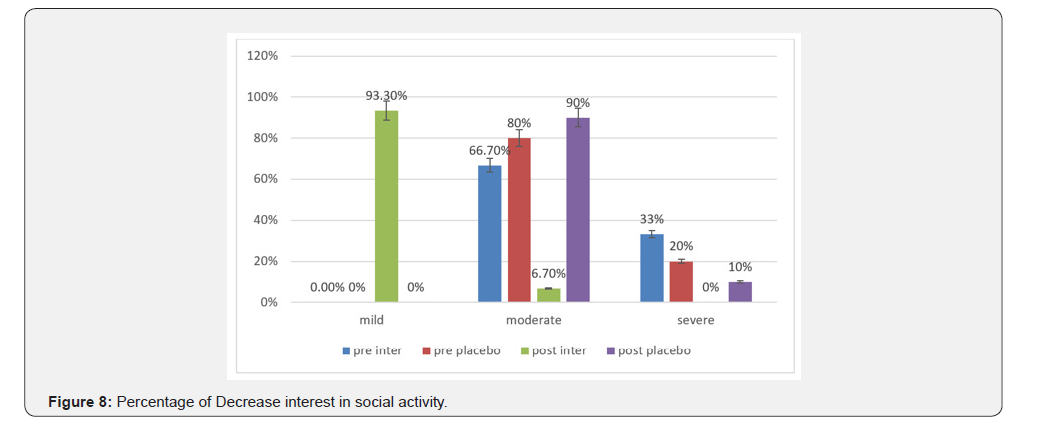
The intervention group exhibited a considerable improvement in the frequency distribution of reduced interest in social activities. 33.3% of participants reported having severe symptoms before to the intervention, whereas 66.7% reported having moderate symptoms. Following the intervention, 93.3% of participants reported mild symptoms, with only 6.7% still falling into the moderate group. This suggests that the intervention was highly effective in reducing the severity of the participants’ symptoms. Conversely, there was no discernible improvement in the placebo group. 80% of subjects had mild symptoms at baseline, whereas 20% reported severe symptoms. Following the placebo, no subjects saw a shift to mild symptoms, with 20% still reporting severe symptoms and 80% remaining in the moderate range. These findings demonstrate the intervention’s unmistakable efficacy in lowering social disengagement, while the placebo group’s symptom severity did not significantly alter (Figure 9).
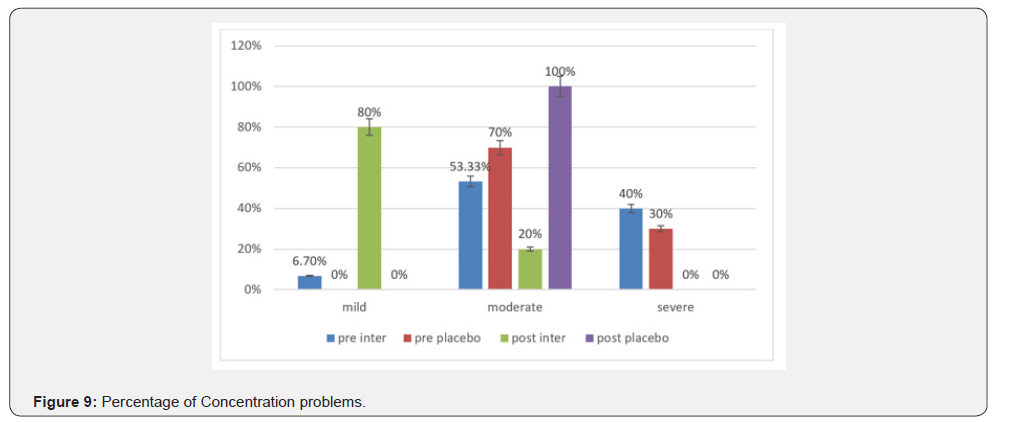
The frequency distribution of concentration problems indicates a notable improvement in the intervention group following treatment. Prior to the intervention, 40% of participants reported severe symptoms, 53.3% reported moderate symptoms, and only 6.7% reported mild symptoms. After the intervention, the severity of symptoms decreased significantly, with 80% of participants shifting to the mild category and only 20% remaining in the moderate category eliminating severe symptoms entirely. In contrast, the placebo group showed a more limited response. Initially, 30% of participants had severe symptoms and 70% had moderate symptoms. Following the placebo, all participants (100%) reported moderate symptoms, with no improvement toward the mild category. These results suggest that the intervention was effective in significantly reducing concentration difficulties, while the placebo had minimal impact on symptom severity (Figure 10).
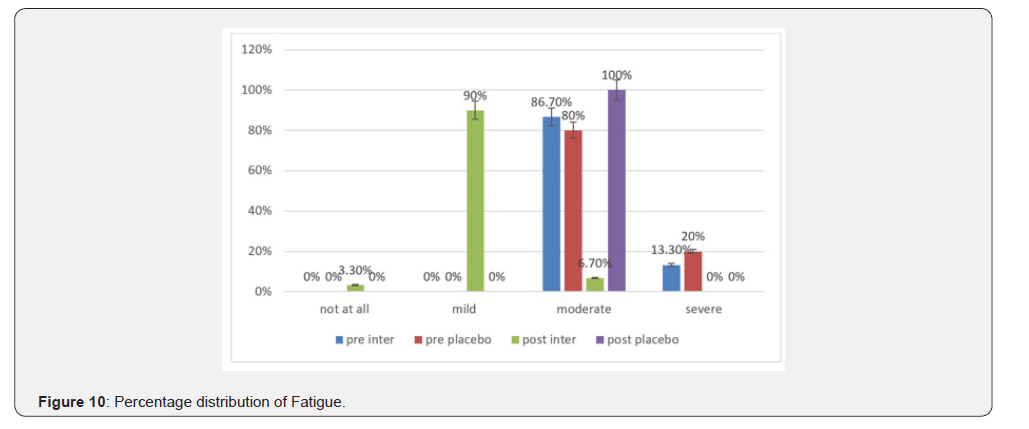
The percentage distribution of fatigue symptoms reveals a clear improvement in the intervention group following treatment. Before the intervention, 13.3% of participants reported severe fatigue, and 86.7% reported moderate fatigue, with no cases in the mild or symptom-free categories. After the intervention, a significant shift occurred: 90% of participants reported mild symptoms, 6.7% remained in the moderate category, and 3.3% reported no fatigue at all indicating a substantial reduction in both severity and prevalence. In contrast, the placebo group showed only a limited change. Initially, 20% of participants experienced severe fatigue and 80% moderate fatigue. After the placebo, all participants (100%) reported moderate fatigue, with no progression to mild or no symptoms. These findings highlight the greater effectiveness of the intervention in alleviating fatigue symptoms compared to the placebo, which showed no significant impact on symptom severity (Figure 11).
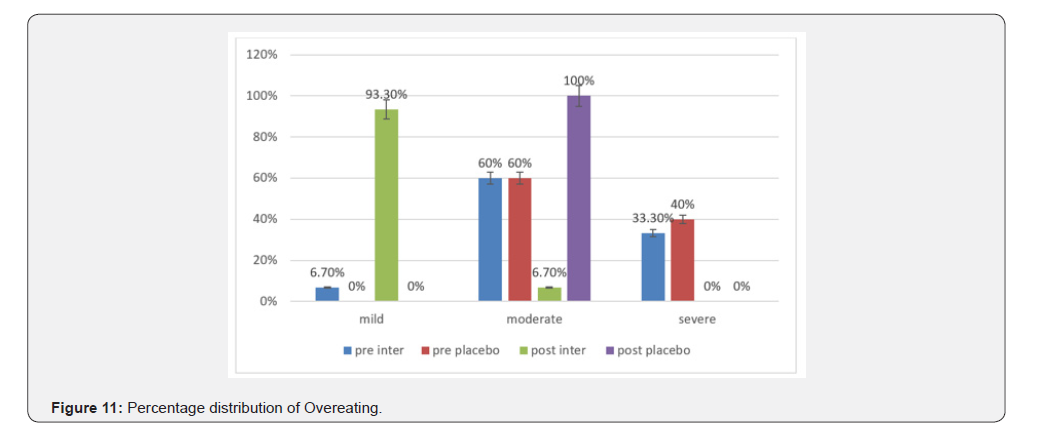
The percentage distribution of symptoms related to overeating before and after the intervention and placebo treatments is depicted in this graph. 33.3% of subjects reported severe symptoms, 60% had moderate symptoms, and 6.7% had mild symptoms before receiving any medication. After the intervention, 93.3% of participants had mild symptoms, and only 6.7% still had moderate symptoms, indicating a significant decrease in symptom severity. Following the intervention, none of the subjects experienced significant symptoms, indicating that the treatment was very successful. The placebo treatment, on the other hand, had little effect. 60% of subjects experienced mild symptoms prior to the placebo, and 40% experienced severe symptoms. 100% of individuals continued to have moderate symptoms after taking the placebo; mild symptoms did not improve. This demonstrates the superior efficacy of the real intervention by showing that the placebo had little to no effect on lowering symptoms of overeating (Figure 12).
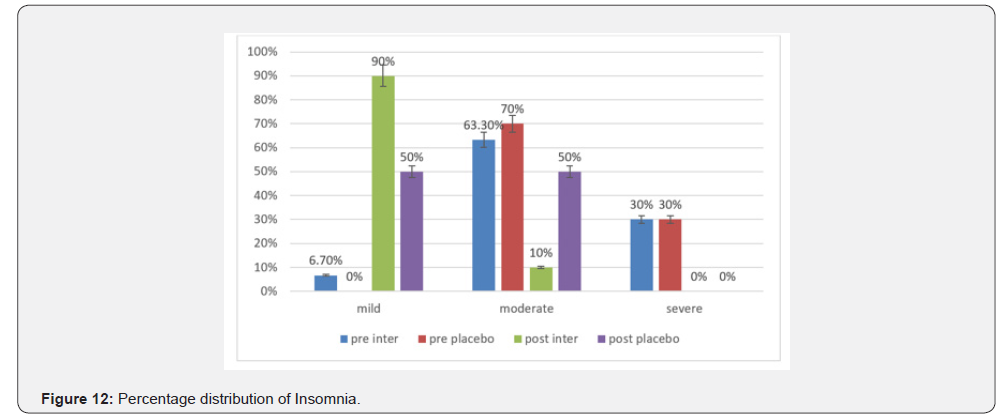
The percentage distribution of insomnia symptoms demonstrates a significant reduction in symptom severity following the intervention. At baseline, 30% of participants in the intervention group experienced severe insomnia, 63.3% reported moderate symptoms, and only 6.7% had mild symptoms. After the intervention, there was a marked improvement, with 90% of participants reporting mild insomnia and only 10% remaining in the moderate category completely eliminating severe cases. In comparison, the placebo group showed a more modest improvement. Initially, 30% of participants reported severe symptoms and 70% moderate. Post-placebo, symptom severity decreased, with 50% of participants shifting to mild insomnia and the other 50% remaining in the moderate category; however, severe symptoms were resolved. While both groups experienced some improvement, the intervention group showed a more substantial and complete reduction in insomnia severity, particularly in shifting the majority of participants into the mild category (Figure 13).
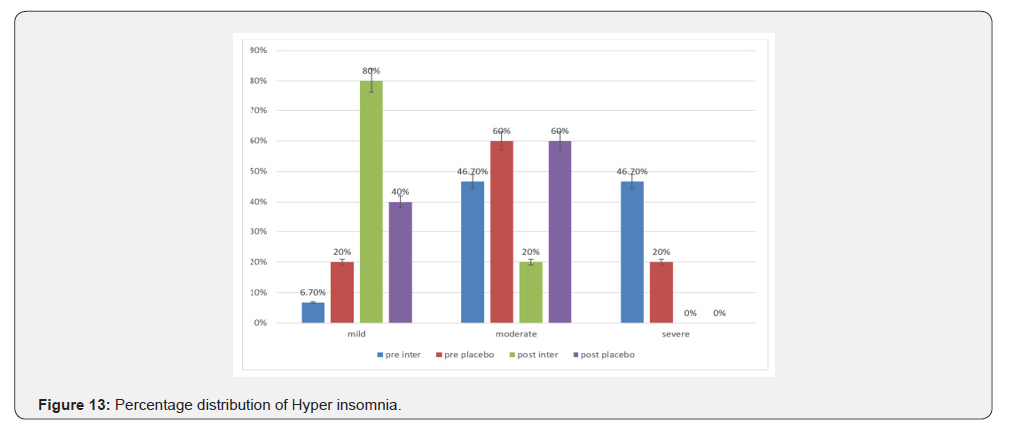
The severity of hypersomnia symptoms significantly decreased after the intervention, according to the percentage distribution of symptoms. Only 6.7% of individuals reported mild symptoms prior to the intervention, compared to 46.7% who reported severe symptoms and another 46.7% who reported moderate symptoms. Following the intervention, there was a significant change in the degree of symptoms; 80% of participants reported mild symptoms, while 20% remained in the moderate category, thereby excluding severe cases. The placebo group, on the other hand, had a less noticeable improvement. At the beginning, 60% of subjects experienced moderate symptoms of hypersomnia, while 20% reported severe symptoms. The distribution marginally improved after the placebo, with 60% of people staying in the moderate range and 40% of participants moving to the mild category, but severe symptoms were no longer present. The intervention group showed a more significant and clinically meaningful improvement, with a higher percentage of patients falling into the mild category and no severe cases remaining, even though both groups had some reduction in symptom severity (Figure 14).
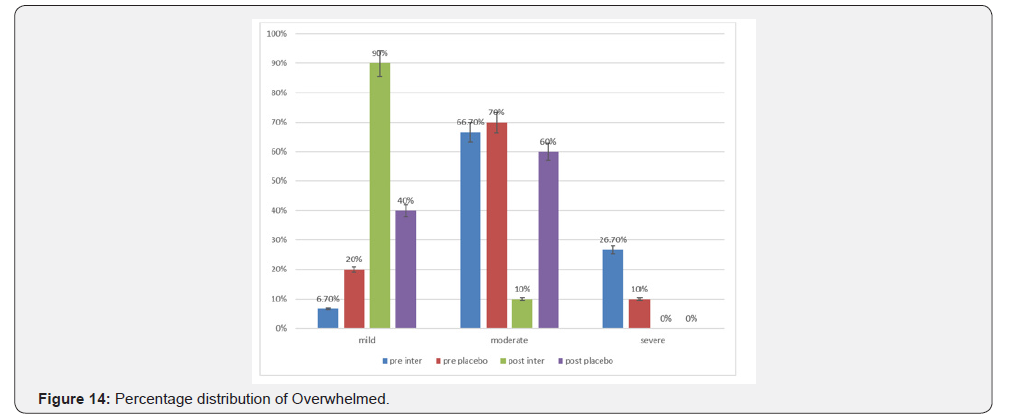
This graph shows that before the intervention, 26.7% of participants reported severe symptoms, 66.7% had moderate symptoms, and only 6.7% experienced mild symptoms. After the intervention, a substantial shift occurred: 90% of participants reported mild symptoms, and only 10% remained in the moderate category eliminating all severe cases. In contrast, the placebo group showed a more modest improvement. Initially, 10% of participants experienced severe symptoms and 70% reported moderate symptoms. After the placebo, 60% remained in the moderate category and 40% shifted to mild, with no severe symptoms remaining. While both groups experienced reductions in severity, the intervention group demonstrated a significantly greater improvement (Figure 15).
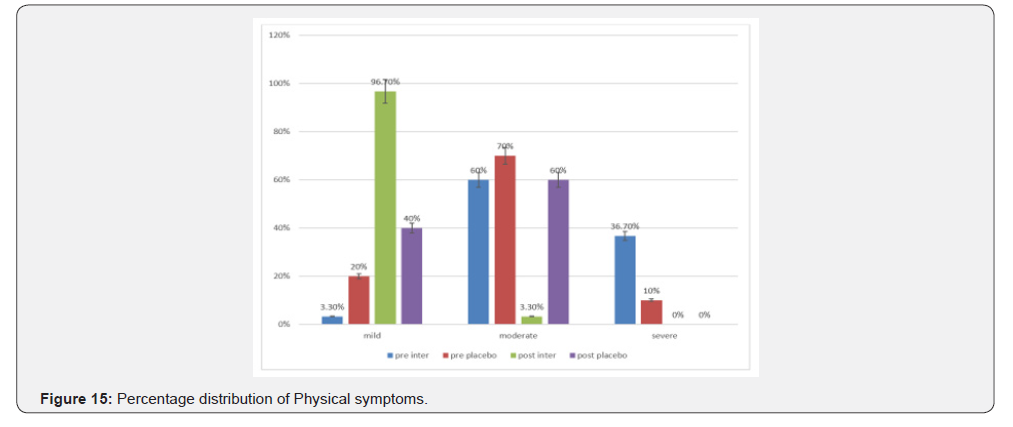
At baseline, 36.7% of participants in the intervention group reported severe symptoms, 60% had moderate symptoms, and only 3.3% were in the mild category. After the intervention, there was a dramatic improvement, with 96.7% of participants reporting mild symptoms and only 3.3% remaining in the moderate category completely eliminating severe symptoms. In contrast, the placebo group showed a more limited response. Initially, 10% of participants reported severe physical symptoms, 70% had moderate symptoms, and 20% were in the mild category. After the placebo, the distribution shifted slightly, with 60% reporting moderate symptoms and 40% mild, but severe symptoms were resolved. While both groups saw reductions in severe symptoms, the intervention group experienced a far more pronounced improvement, with nearly all participants reaching the mild category, indicating the intervention’s strong effectiveness in alleviating physical symptom burden.
Discussion
One of the most common gynecological symptoms among young women and teenagers is primary dysmenorrhea, which frequently affects everyday activities, academic performance, and quality of life. In this study, the effects of a polyherbal tea blend containing fennel (Foeniculum vulgare), chamomile (Matricaria chamomilla), and ginger (Zingiber officinale) on the symptoms of primary dysmenorrhea in teenage females were assessed. Pain severity was significantly reduced as evidenced by lower post-intervention ratings on the VAS, VRS, VMSS, PMS, and PMDD measures. The Pictorial Blood Loss Assessment Chart (PBAC) showed a noticeable decrease in menstrual blood loss, while the Premenstrual Screening Tool (PSST) showed improvements in menstruation-related emotional symptoms and functional impairment. Overall, the tea including chamomile, ginger, and fennel was more effective than the placebo at lowering dysmenorrhea symptoms (p < 0.005).
Prioritizing the pain-related results, the mean Visual Analogue Scale (VAS) score of the intervention group fell sharply from 6.13 ± 1.83 after the first menstrual cycle to 3.03 ± 1.03 after the third. Conversely, the placebo group’s VAS scores barely changed, going from 6.10 ± 1.32 to 6.00 ± 1.51. These findings clearly demonstrate that the intervention was effective in progressively reducing the intensity of menstrual discomfort. These results are consistent with previous studies. For instance, a significant reduction in menstrual discomfort was shown in clinical research evaluating the efficacy of the ginger extract formulation GINFORT. In that study, the GINFORT group’s VAS score dropped considerably from 6.92 ± 1.00 to 1.12 ± 0.44 between the first (day 28) and second (day 56) menstrual cycles. Contrarily, the placebo group saw a very minor decline, going from 7.08 ± 0.40 to 6.24 ± 0.66. The statistically significant changes between the groups (P < 0.05) demonstrate how effective ginger is at treating dysmenorrhea [34].
In addition to reducing pain, the current study demonstrated notable improvements in mood-related symptoms, which emphasizes the use of chamomile in the formulation. The intensity of mood-related symptoms significantly decreased for those in the intervention group who drank tea infused with chamomile, fennel, and ginger. In addition to alleviating the physical symptoms of menstruation, this study suggests that chamomile may help enhance mental health. Because of its active ingredients, which include flavonoids and apigenin, chamomile is known to have mild sedative and anxiolytic effects. These chemicals promote relaxation and mood stabilization by interacting with the brain’s GABA receptors. The results of this study are in line with earlier studies that showed chamomile can effectively reduce symptoms like mood swings, anxiety, and irritability, particularly in people with premenstrual syndrome (PMS)[15]. These results lend credence to chamomile’s potential as an extra herbal remedy for physical and mental issues associated with the menstrual cycle. According to studies, chamomile extract can considerably lessen the intensity of PMS symptoms. It also demonstrated a stronger effect on psychological and overall PMS symptoms than mefenamic acid, which is consistent with the current study’s findings.
Similarly, in Dadfar’s study [35] to determine the effectiveness of chamomile extract in treating premenstrual syndrome and dysmenorrhea symptoms, chamomile extract consumption significantly decreased the psychological and physical symptoms of PMS [36]. One of chamomile’s main bioactive ingredients, flavonoids, has been demonstrated to increase progesterone levels by directly influencing the pituitary gland, which helps manage the symptoms of premenstrual depression. Additionally, substances like chamazulene and flavonoids give chamomile its relaxing and anxiolytic qualities, which increase its effectiveness in reducing premenstrual mood issues [37].
The rise in PMS ratings supports these findings. The control group’s PMS scores only slightly and statistically insignificantly increased from 1.10 ± 0.31 to 1.20 ± 0.41 (p = 0.083), while the intervention group’s scores significantly improved from 1.00 ± 0.00 to 1.80 ± 0.41 (p = 0.000), indicating symptom improvement. One such study evaluated the effects of Foeniculum vulgare (FV) and Echium amoenum (EA) using the SF-36 questionnaire. With the exception of the domain relating to role limits caused by emotional difficulties (p = 0.07), all SF-36 subscales demonstrated substantial improvement in the intervention group (p < 0.05). The total SF-36 score also significantly improved following the intervention (Z = -5.304; p < 0.005), whereas there was no discernible improvement in the control group (Z = -0.43; p = 0.66). These findings demonstrate how FV and EA combinations may help reduce PMS symptoms and improve the general quality of life for those who are impacted [38].
The function of fennel, another essential ingredient in the herbal blend, follows naturally from this. The antioxidant study of fennel extract demonstrated a substantial ability to donate electrons, with a ferric reducing antioxidant power of 10.02 ± 0.075 mM FeSO₄ equivalent per mL and a DPPH inhibition value of 61.25 ± 0.39%. The extract’s rich phytochemical composition was demonstrated by the large number of flavonoids (1,400.50 ± 14.08 μg/mL quercetin equivalent) and much greater total phenolic content (2,215 ± 21.79 mg GAE/100 mL). These bioactive substances are widely recognized for their ability to modify pain pathways, lessen oxidative stress, and reduce inflammation. According to earlier studies, fennel (Foeniculum vulgare) contains significant phenolics, such as rosmarinic acid, chlorogenic acid, and derivatives of quercetin, which support its antispasmodic, anti-inflammatory, and antioxidant qualities, particularly in diseases like primary dysmenorrhea [39].
When combined, the study’s findings provide credence to the theory that bioactive compounds such as apigenin (found in chamomile), anethole (found in fennel), and gingerols (found in ginger) may have significant analgesic, antispasmodic, and antiinflammatory properties. This supports recent research that suggests each of these herbs by itself may have the ability to change prostaglandin activity, reduce uterine contractions, and improve menstrual health in general. The study’s distinctiveness, however, is in the rigorous clinical technique used in its development and evaluation, which offers a simple and safe alternative to conventional pharmaceutical treatments. The current study showed better symptom relief when compared to similar herbal therapies documented in earlier literature. This is probably because many herbs target different physiological pathways. For example, prior research has mostly concentrated on individual herbs; however, our method may produce better therapeutic results by combining their distinct phytochemical characteristics.
Conclusion
The study’s findings demonstrate that a polyherbal tea blend containing ginger (Zingiber officinale), chamomile (Matricaria chamomilla), and fennel (Foeniculum vulgare) can successfully alleviate the symptoms of primary dysmenorrhea. Participants in the herbal tea group reported significantly lower levels of pain, menstrual blood loss, and mood-related symptoms than those in the placebo group. Its therapeutic potential is further supported by improvements in mental health and functional ability. Together, the formulation’s bioactive components gingerols, apigenin, and anethole which are well-known for their analgesic, anti-inflammatory, antispasmodic, and anxiolytic properties produce its positive effects. These phytochemicals may work through complementary mechanisms like uterine smooth muscle contraction regulation, oxidative stress reduction, prostaglandin modulation, and hormonal balance support. Because of its safety record and lack of known adverse effects, herbal tea is a readily available and culturally acceptable alternative to conventional pharmaceutical treatments. Its tasty taste and ease of preparation may increase patient compliance, particularly in adolescents.
Limitations of the study
Despite the encouraging outcomes, several limitations must
be considered.
Firstly, the sample size may not be representative of the overall
population, even though it is adequate for exploratory studies.
Secondly, it is challenging to assess the intervention’s longterm
safety and effectiveness due to its comparatively short
duration.
Finally, because participants’ perceptions may be influenced
by subjective factors, using self-reported outcome measures
increases the risk of response bias.
Recommendations
i. To verify the herbal composition’s long-term efficacy
and safety, conduct extensive, multicenter clinical trials with
prolonged follow-up.
ii. Examine the distinct benefits and workings of ginger,
fennel, and chamomile in the management of dysmenorrhea.
iii. To promote hormonal balance and lessen menstrual
symptoms, implement structured nutrition education programs
for women who are of reproductive age.
iv. To draw attention to the link between menstruation
and mental health, schedule frequent awareness seminars in
community centers and schools.
v. Normalize symptoms like anxiety, sleeplessness, and
emotional distress that are frequently disregarded. Through
educational sessions, encourage early detection and intervention.
vi. Work together with medical experts to guarantee
accurate information distribution and enhance access to suitable
support services.
vii. As part of public health initiatives, promote healthy
lifestyle choices like consistent exercise, stress reduction, and
enough sleep.
viii. Start community-based wellness initiatives that support
useful menstrual health interventions like yoga, mindfulness, and
a balanced diet.
ix. Increase the reach of menstrual health education by
using digital channels like webinars, podcasts, and social media.
References
- Yasar OJ (2021) Dysmenorrhea experiences of young girls: A phenomenological study. International Journal of Caring Sciences 14(2): 1343-1351.
- Awad NS, Mourad MH, Lamadah SMJASNJ (2022) Effect of spleen 6-point acupressure on pain intensity among late adolescents nursing students with primary dysmenorrhea 24(3): 114-124.
- Jareebi MA, Almraysi SA, Otayf DA, Alneel GA, Zughaibi AH, et al. Dysmenorrhea among women living in Saudi Arabia: Prevalence, determinants, and impact. 15(1): 108.
- Ullah A, Fayyaz K, Javed U, Usman M, Malik R, et al. (2021) Prevalence of dysmenorrhea and determinants of pain intensity among university-age women. Pain Med 22(12): 2851-2862.
- Itani R, Soubra L, Karout S, Rahme D, Karout L, Khojah HM (2022) Primary dysmenorrhea: pathophysiology, diagnosis, and treatment updates Korean J Fam Med 43(2): 101.
- Kho KA, Shields JK (2020) Diagnosis and management of primary dysmenorrhea. Jama Insights 323(3): 268-269.
- Iacovides S (2015) What We Know About Primary Dysmenorrhea Today: A Critical Review. Hum Reprod Update 21(6): 762-767.
- Karout S, Soubra L, Rahme D, Karout L, Khojah HM, et al. (2021) Prevalence, risk factors, and management practices of primary dysmenorrhea among young females. BMC Womens Health 21(1): 392.
- El-Ahmady S, Ibrahim N, Farag N, Gabr S (2021) Apiaceae plants growing in the East: Centuries of healing traditions and culture. Ethnopharmacology of Wild Plants: CRC Press, United States pp.246-300.
- Hazem SA, Mohamed DM, Mohamed SAEH, Botla (2025) Effect of Low-Level Laser Therapy and Anti-Inflammatory Diet on Primary Dysmenorrhea: A Randomized Controlled Trial 93(03): 305-312.
- Dehnavi ZM, Jafarnejad F, Kamali (2018) The Effect of aerobic exercise on primary dysmenorrhea: A clinical trial study J Edu Health Promot 7(1): 3.
- Cortes H, Hernández-Parra H, Bernal-Chávez SA, Caballero-Florán IH, Aguilar-Vázquez R, et al. (2023) Current status of the therapeutic approach for dysmenorrhea. Cell Mol Biol 69(3): 52-63.
- Ozkur M, Benlier N, Takan I, Vasileiou C, Georgakilas AG, et al. (2022) Ginger for healthy ageing: a systematic review on current evidence of its antioxidant, anti-inflammatory, and anticancer properties. Oxid Med Cell Longev 4748447.
- Jain A, Oli AK, Javaregowda PK, Neravi A, Kamat L (2025) Nutraceuticals and Their Impact on Menstrual Disorders. Nutraceuticals for the Treatment and Prevention of Sexual Disorders, Apple Academic Press, North America pp.203-215.
- Mollabashi EN, Ziaie T, Khalesi, (2021) The effect of Matricaria chamomile on menstrual related mood disorders. Eur J Obstet Gynecol Reprod Biol X 12: 100134.
- Vella A, Cammilleri G, Pulvirenti A, Galluzzo F, Randisi B, et al. (2021) High hydroxycinnamic acids contents in fennel honey produced in Southern Italy. Nat Prod Res 35(21): 4104-4109.
- Rad HA, Basirat Z, Bakouei F, Moghadamnia AA, Khafri S, et al. (2018) Effect of Ginger and Novafen on menstrual pain: A cross-over trial. Taiwan J Obstet Gynecol 57(6): 806-869.
- Carnuta MG, Deleanu M, Barbalata T, Toma L, Raileanu M, et al. (2018) Zingiber officinale extract administration diminishes steroyl-CoA desaturase gene expression and activity in hyperlipidemic hamster liver by reducing the oxidative and endoplasmic reticulum stress. Phytomedicine 48: 62-69.
- Nikkhah Bodagh M, Maleki I, Hekmatdoost A (2019) Ginger in gastrointestinal disorders: A systematic review of clinical trials Food Sci Nutr 7(1): 96-108.
- Chang S, Mohammadi Nafchi A, Karim AJJoEOR. (2016) Chemical composition, antioxidant activity and antimicrobial properties of three selected varieties of Iranian fennel seeds. Journal of Essential Oil Research 28(4): 357-363.
- Ke W, Wang H, Zhao X, Lu Z (2021) Foeniculum vulgare seed extract exerts anti-cancer effects on hepatocellular carcinoma Food Funct 12(4): 1482-1497.
- Sayyar Z, Yazdinezhad A, Hassan M, Jafari Anarkooli I (2018) Protective effect of Matricaria chamomilla ethanolic extract on hippocampal neuron damage in rats exposed to formaldehyde. Oxid Med Cell Longev 2018(1): 6414317.
- Khalesi ZB, Beiranvand SP, Bokaie M (2019) Efficacy of chamomile in the treatment of premenstrual syndrome: a systematic review. J Pharmacopuncture 22(4): 204.
- El Joumaa MM, Borjac J (2022) Matricaria chamomilla: A valuable insight into recent advances in medicinal uses and pharmacological activities. Phytochemistry Reviews 21(6): 1913-1940.
- Singletary KWJNT (2023) Ginger update: potential health benefits. Nutrition Today 58(6): 263-273.
- Gulcin İ, Alwasel S (2023) DPPH radical scavenging assay. Processes 11(8): 2248.
- Benzie IF, Strain JJJAb (1996) The ferric reducing ability of plasma (FRAP) as a measure of “antioxidant power”: the FRAP assay. 239(1): 70-76.
- Sánchez-Rangel JC, Benavides J, Heredia JB, Cisneros-Zevallos L, Jacobo-Velázquez (2013) The Folin–Ciocalteu assay revisited: improvement of its specificity for total phenolic content determination 5(21): 5990-5999.
- Steiner M, Peer M, Palova E, Freeman EW, Macdougall M, Soares CN (2011) The Premenstrual Symptoms Screening Tool revised for adolescents (PSST-A): prevalence of severe PMS and premenstrual dysphoric disorder in adolescents. Arch Womens Ment Health 14(1): 77-81.
- Heller GZ, Manuguerra M, Chow RJ (2016) How to analyze the Visual Analogue Scale: Myths, truths and clinical relevance. Scand J Pain 13(1): 67-75.
- Situmorang H, Sutanto RL, Tjoa K, Rivaldo R, Adrian MJ (2024) Prevalence and risk factors of primary dysmenorrhoea among medical students: a cross-sectional survey in Indonesia. BMG Open 14(10): e086052.
- El-Nashar SA, Shazly SA, Famuyide AO (2011) Pictorial blood loss assessment chart for quantification of menstrual blood loss: a systematic review. Gynecological Surgery 12(3): 157-163.
- Karcioglu O, Topacoglu H, Dikme O, Dikme OJ (2018) A systematic review of the pain scales in adults: which to use? Am J Emerg Med 36(4): 707-714.
- Nirvanashetty S, Panda SK, Michel SJ (2011) High potency ginger extract reduces menstrual discomfort in healthy participants with recurrent dysmenorrhea linked to hypercontractility of the uterus: a randomized, double-blind, placebo-controlled trial. OAJCAM 82(1): 38-43.
- Shabani F, Narenji F, Vakilian K, Zareian MA, Bozorgi M, Bioos S, et al. (2022) Comparing the effect of chamomile and mefenamic acid on primary dysmenorrhea symptoms and menstrual bleeding: a randomized clinical trial. The Open Public Health Journal 15(1).
- Dadfar FJ (2015) Effectiveness of Chamomile (Matricaria chamomilla) extracts on the reduction of dysmenorrhea and premenstrual syndrome symptoms. Scholars Research Library 7(12): 454-458.
- Chauhan ES, Jaya AJ (2017) Chamomile an ancient aromatic plant-A review. Journal of Ayurveda Medical Sciences 2(4): 251-255.
- Pazoki H, Bolouri G, Farokhi F, Azerbayjani MA (2016) Comparing the effects of aerobic exercise and Foeniculum vulgare on pre-menstrual syndrome. Cochrane Central Register of Controlled Trials 21(1): 61-64.
- Akbari A, Izadi-Darbandi A, Bahmani K, Farhadpour M, Ebrahimi M, et al. (2023) Assessment of phenolic profile, and antioxidant activity in developed breeding populations of fennel (Foeniculum vulgare Mill) 48: 102639.

























