




 ASM Home



Abstract
High Conservation Value (HCV) area management has become an important approach for integrating biodiversity conservation and socioeconomic considerations within oil palm plantation landscapes. As global sustainability expectations increase, understanding how HCV implementation contributes not only to ecological outcomes but also to conservation-related employment is increasingly relevant. This study aims to synthesize existing empirical and conceptual evidence on biodiversity conservation outcomes, habitat restoration practices, and the emergence of conservation-related employment associated with HCV area management in oil palm plantations. This research adopts a Systematic Literature Review (SLR) design. Data were collected through a structured search of the Scopus database using predefined keywords related to oil palm, HCV, biodiversity, restoration, and employment. A transparent screening process based on publication year (2019–2026), language, and accessibility resulted in 34 peer-reviewed articles for final analysis. Data were analyzed using qualitative thematic synthesis to identify recurring patterns and relationships across studies. The results reveal five interrelated themes: (1) biodiversity conservation outcomes, (2) habitat restoration strategies and ecological recovery indicators, (3) institutional and managerial arrangements supporting HCV implementation, (4) conservation-related employment and green job typologies, and (5) livelihood implications for local and rural communities. The literature consistently indicates that HCV management supports relative improvements in biodiversity indicators, progressive ecological recovery in restored areas, and the creation of complementary green job opportunities embedded within plantation management systems. In conclusion, HCV area management is an integrative framework that links ecological objectives to socio-economic functions in oil palm landscapes. Future research is encouraged to explore further long-term dynamics and comparative outcomes across regions and sustainability standards.
Keywords:High Conservation Value; Oil Palm Plantation; Biodiversity Conservation; Habitat Restoration; Green Jobs
Introduction
Global concerns regarding biodiversity loss and ecosystem degradation have intensified over the past few decades, particularly in landscapes undergoing rapid land-use transformation [1]. Agricultural expansion, while essential for meeting growing global demand for food, fiber, and bio-bfgfgfgfgr5 ased products, has been widely recognized as a major driver of habitat fragmentation and biodiversity decline when not accompanied by appropriate environmental safeguards [2]. In response to these challenges, contemporary sustainability discourses increasingly emphasize the integration of conservation objectives within productive landscapes, rather than relying solely on strict protected areas separated from economic activities. This integrated approach has become especially relevant in tropical regions, where agricultural commodities play a critical role in national economies and rural livelihoods.
Within this broader context, the oil palm sector occupies a strategically important position. Oil palm plantations contribute significantly to global vegetable oil supply due to their compar- atively high productivity per unit area, making them an economically efficient crop in many tropical countries [3]. At the same time, the expansion and intensification of oil palm cultivation have drawn considerable attention from researchers, policymakers, and sustainability practitioners concerned with balancing production goals and environmental stewardship [4]. Rather than framing oil palm cultivation as inherently incompatible with conservation, a growing body of literature explores governance mechanisms and management tools designed to mitigate ecological risks while maintaining economic viability.
One such mechanism that has gained prominence in sustainability- oriented plantation management is the High Conservation Value (HCV) approach. Originally developed as a tool to identify and safeguard areas of outstanding ecological, social, or cultural importance, the HCV framework has been widely adopted within voluntary sustainability standards and corporate sustainability policies [5]. In oil palm landscapes, HCV areas typically encompass remnant forests, riparian buffers, peatlands, and habitats supporting threatened species, which are set aside or managed under specific conservation-oriented guidelines. The implementation of HCV management represents an effort to operationalize biodiversity conservation within working agricultural landscapes, rather than excluding production activities entirely.
Beyond biodiversity protection, the role of HCV area management has expanded to include habitat restoration initiatives aimed at enhancing ecological functionality in previously degraded areas [6]. Restoration practices such as assisted natural regeneration, enrichment planting with native species, and riparian rehabilitation are increasingly reported as integral components of HCV management strategies in oil palm plantations. These interventions are often framed as long-term investments that contribute not only to ecological recovery but also to the resilience of plantation landscapes by supporting ecosystem services such as water regulation, soil stability, and microclimate moderation [7]. Consequently, HCV management is positioned at the intersection of conservation science, land-use planning, and sustainable agricultural management.
In parallel with ecological considerations, recent sustainability debates have increasingly highlighted the socio-economic dimensions of conservation-oriented land management. In particular, the concept of “green jobs” has emerged as a key theme in discussions on sustainable development, referring to employment opportunities that contribute directly or indirectly to environmental protection and resource efficiency [8]. Within agricultural sectors, green jobs are often associated with activities such as environmental monitoring, habitat restoration, and ecosystem management, which complement conventional production-oriented roles. In oil palm plantations, HCV area management has been identified as a potential source of such conservation-related employment, offering opportunities for local communities and plantation workers to engage in biodiversity-focused activities alongside core agricultural operations [9].
Despite the growing attention to HCV implementation in oil palm landscapes, the literature addressing biodiversity conservation, habitat restoration, and conservation-related employment remains fragmented across disciplinary boundaries. Ecological studies tend to focus on species richness, habitat quality, and restoration outcomes, while socio-economic analyses often examine employment, livelihoods, and governance arrangements in isolation [10]. As a result, there is limited synthesis that explicitly connects ecological outcomes of HCV management with the emergence of green job opportunities and their broader implications for sustainable plantation management. This fragmentation poses challenges for policymakers and practitioners seeking integrated evidence to inform decision-making.
Systematic Literature Review (SLR) offers a robust methodological approach to address this gap by synthesizing existing peer-reviewed evidence in a transparent and replicable manner. Unlike empirical field-based studies, SLR focuses on the structured identification, screening, and analysis of published research to identify patterns, trends, and knowledge gaps across a defined body of literature. In the context of oil palm sustainability, SLR has been increasingly employed to evaluate environmental impacts, governance mechanisms, and socio-economic outcomes, providing a comprehensive overview of how specific management tools are conceptualized and assessed across different contexts. However, SLR studies that simultaneously examine biodiversity conservation, habitat restoration, and conservation-related employment within HCV area management remain limited.
Furthermore, existing reviews often emphasize either environmental performance or socio-economic outcomes, without systematically exploring how these dimensions intersect within HCV-managed oil palm plantations. Given the growing importance of integrated sustainability frameworks, there is a clear need for a comprehensive synthesis that examines how HCV area management contributes to ecological objectives while also generating employment opportunities aligned with green job principles. Such an approach aligns with contemporary sustainability narratives that advocate for solutions capable of delivering co-benefits across environmental and socio-economic domains.
Addressing this gap is particularly relevant in the context of international sustainability standards and reporting frameworks, which increasingly require evidence of both environmental protection and social contributions from agricultural producers. By synthesizing peer-reviewed evidence on biodiversity outcomes, restoration practices, and conservation-related employment associated with HCV management, an SLR can provide a balanced and evidence-based perspective on the role of HCV areas within oil palm plantation systems. Importantly, such a synthesis can contribute to a more nuanced understanding of how conservation- oriented management practices are embedded within production landscapes, rather than positioning conservation and agriculture as inherently conflicting objectives.
Therefore, this study aims to systematically review and synthesize the existing peer-reviewed literature addressing biodiversity conservation, habitat restoration, and conservation-related employment in the context of High Conservation Value area management within oil palm plantations. Using a structured SLR methodology, this review seeks to identify dominant thematic patterns, reported indicators, and conceptual linkages across ecological and socio-economic dimensions documented in the literature. By doing so, the study contributes to the growing body of knowledge on integrated sustainability approaches in agricultural landscapes and provides a consolidated evidence base to inform future research, policy development, and plantation management practices.
The specific objectives of this review are:
(1) to synthesize empirical and conceptual findings on biodiversity
conservation outcomes associated with HCV area management
in oil palm plantations; (2) to examine reported habitat
restoration strategies and ecological recovery indicators within
HCV-managed areas; and (3) to analyze how HCV management is
linked to the emergence and characteristics of conservation-related
employment and green job opportunities.
Based on these objectives, this review is guided by the following
research questions:
RQ1: How does the existing literature characterize the contributions
of High Conservation Value area management in oil palm
plantations to biodiversity conservation and habitat restoration
outcomes?
RQ2: What types of conservation-related employment and
green job opportunities are associated with HCV area management
in oil palm plantations, and how are these roles positioned
within broader plantation management systems?
The answers to these questions are addressed through a systematic synthesis of peer-reviewed studies and are further discussed in relation to their implications for sustainable oil palm plantation management in the Discussion and Conclusion sections.
Literature Review
This literature review synthesizes scholarly work examining the role of High Conservation Value (HCV) area management in oil palm plantations as a framework that integrates ecological conservation objectives with socio-economic considerations. Drawing on peer-reviewed studies, the review systematically explores how HCV concepts have been operationalized within plantation landscapes, with particular attention to biodiversity conservation outcomes, habitat restoration practices, institutional and governance arrangements, and the emergence of conservation-related employment and livelihood opportunities. By organizing the literature into interrelated thematic domains, this section provides a structured analytical foundation for understanding how HCV management is discussed across ecological, managerial, and socio- economic dimensions within the palm oil sector.
High Conservation Value (HCV) Concept in Oil Palm Landscapes
The concept of High Conservation Value (HCV) has become a central framework in sustainability-oriented land management, particularly within commodity-driven agricultural landscapes such as oil palm plantations. Originally developed as a precautionary approach to identify and safeguard areas of outstanding environmental and social importance, HCV has been widely adopted within voluntary sustainability standards and corporate sustainability strategies [11]. In the context of oil palm development, HCV areas are commonly defined as spatial units that contain significant biodiversity values, critical ecosystem services, or areas essential for community livelihoods and cultural identity.
The literature consistently frames HCV not as a preservation mechanism that excludes productive land use, but as an integrative management tool embedded within working landscapes [12]. Several review-based and conceptual studies emphasize that HCV implementation allows conservation objectives to coexist with agricultural production by spatially differentiating land functions within plantation concessions. This framing is particularly relevant in oil palm systems, where plantations often operate at large spatial scales and intersect with forest remnants, riparian zones, and community-managed areas.
Empirical studies synthesized in previous reviews indicate that HCV designation typically encompasses between 10% and 30% of plantation land areas, depending on ecological context, certification requirements, and landscape configuration. Rather than being static zones, HCV areas are frequently described as dynamic management units that require continuous monitoring, adaptive management, and stakeholder engagement to maintain their ecological and social functions over time.
Biodiversity Conservation within HCV Areas
Biodiversity conservation represents one of the most extensively discussed dimensions of HCV management in oil palm plantations. The literature consistently highlights that HCV areas function as refugia for flora and fauna within otherwise simplified agricultural matrices [13]. Studies focusing on species-level indicators commonly report higher species richness, greater habitat heterogeneity, and increased presence of forest-dependent taxa within HCV zones compared to surrounding monoculture areas.
A recurring theme across the reviewed literature is the role of HCV areas in maintaining landscape connectivity. Riparian buffers, forest fragments, and ecological corridors designated as HCV are frequently cited as facilitating species movement and genetic exchange across fragmented landscapes. Comparative analyses suggest that plantations with well-connected HCV networks exhibit more stable wildlife populations than those with isolated or poorly managed conservation set-asides [14].
Importantly, the literature does not portray HCV areas as substitutes for protected forests, but rather as complementary conservation spaces that enhance biodiversity outcomes at the landscape scale. Several authors emphasize that conservation effectiveness within HCV areas is influenced by factors such as patch size, vegetation structure, and management intensity, underscoring the need for site-specific strategies rather than standardized prescriptions [15].
Habitat Restoration as a Core Component of HCV Management
Habitat restoration is a critical operational dimension of HCV management, particularly in landscapes where conservation areas have undergone prior degradation. The reviewed studies describe a range of restoration interventions applied within HCV zones, including assisted natural regeneration, enrichment planting with native species, erosion control, and invasive species management [16]. These practices are generally framed as incremental processes aimed at enhancing ecological function rather than restoring pre-disturbance conditions.
Longitudinal studies synthesized in the literature indicate that restoration efforts within HCV areas can lead to measurable improvements in vegetation structure and ecosystem processes over time. Increases in canopy cover, understory complexity, and native species composition are commonly reported indicators of ecological recovery. These changes are frequently associated with improved habitat suitability for wildlife, particularly for arboreal mammals and forest-associated bird species [17].
The literature also highlights the multifunctional benefits of restoration within HCV areas. Beyond biodiversity outcomes, restored riparian and forested zones are linked to improved soil stability, water regulation, and microclimatic conditions within plantation landscapes [18]. These ecosystem services are often discussed as contributing to both conservation objectives and the long-term sustainability of plantation operations, reinforcing the integrative logic of HCV management.
Institutional and Governance Dimensions of HCV Implementation
Institutional and governance arrangements play a decisive role in shaping the translation of HCV principles into practice within oil palm plantations. The literature frequently situates HCV management within the broader context of voluntary sustainability standards, particularly certification schemes that require formal identification, management, and monitoring of conservation areas [19]. Such standards are widely cited as key drivers for the mainstreaming of HCV approaches across the oil palm sector.
At the plantation level, studies document the establishment of dedicated conservation teams, formal management plans, and routine biodiversity monitoring as common organizational responses to HCV requirements [20]. These managerial arrangements are often supported by partnerships with external actors, including non-governmental organizations and research institutions, which provide technical expertise and capacity-building support.
Governance-focused analyses emphasize that effective HCV management depends not only on technical guidelines but also on institutional commitment and transparency. Clear role allocation, stable funding mechanisms, and integration of conservation objectives into core operational planning are identified as enabling factors for sustained HCV performance. Conversely, weak enforcement, limited technical capacity, and insufficient stakeholder engagement are cited as constraints that can undermine conservation outcomes [21].
Conservation-Related Employment and Green Job Opportunities
An increasingly prominent theme in the literature concerns the employment implications of HCV management within oil palm plantations. Conservation-related employment, often referred to as green jobs, is discussed as an emergent socio-economic outcome of integrating conservation functions into plantation management systems. These roles encompass a range of activities, including biodiversity monitoring, habitat restoration, environmental management, and community engagement [22].
Quantitative estimates synthesized across studies suggest that HCV management generates additional employment opportunities beyond core plantation operations, although the scale and nature of these jobs vary widely. Restoration projects, in particular, are frequently associated with short- to medium-term labor demand for nursery work, planting, and maintenance activities. Monitoring and environmental management roles are typically described as long-term positions that require specialized skills in ecological assessment and data collection [23].
The literature generally characterizes conservation-related employment as complementary rather than substitutive, emphasizing that green jobs associated with HCV management are integrated into existing production systems. Wage levels and employment conditions are reported to be broadly comparable to other plantation-based roles, with some studies noting skill-related differentiation linked to training and certification requirements [24]. This framing aligns with broader sustainability narratives that emphasize co-benefits rather than trade-offs between conservation and economic activity.
Livelihood and Community Dimensions of HCV Management
Community and livelihood considerations constitute a further dimension of HCV-related scholarship. The reviewed literature frequently discusses local community involvement in HCV management through employment, participatory monitoring, and restoration activities [25]. In many cases, local residents are identi fied as primary beneficiaries of conservation-related employment opportunities, particularly in remote or rural plantation regions.
Household-level analyses synthesized in the literature suggest that income derived from HCV-related activities contributes to livelihood diversification rather than serving as a sole source of income [26]. Participation in restoration or monitoring programs is often described as providing supplementary income streams that enhance household resilience, particularly during periods of fluctuating agricultural employment.
Beyond economic benefits, several studies highlight non-monetary livelihood outcomes associated with community engagement in HCV management. These include skill development, increased environmental awareness, and strengthened relationships between plantation management and surrounding communities. Such outcomes are framed as contributing to social sustainability and long-term conservation effectiveness by fostering local stewardship and institutional trust [27].
Taken together, the reviewed literature presents HCV management in oil palm plantations as a multi-dimensional approach that integrates biodiversity conservation, habitat restoration, and socio- economic considerations within productive landscapes. While substantial evidence exists on ecological outcomes and management practices, the literature also reveals fragmentation across disciplinary domains, with ecological and employment-related studies often analyzed separately.
Several authors note the need for integrative syntheses that explicitly examine how conservation objectives intersect with employment generation and livelihood outcomes within HCV frameworks. Existing reviews tend to focus on either biodiversity metrics or governance arrangements, leaving the employment dimension underexplored in comparative and thematic terms. This gap underscores the relevance of systematic literature reviews that consolidate dispersed findings and provide a coherent analytical framework linking ecological and socio-economic dimensions.
By synthesizing evidence across these thematic areas, SLRbased studies can contribute to a more comprehensive understanding of how HCV management functions within oil palm landscapes. Such syntheses are particularly valuable for informing policy development, certification standards, and management practices that seek to balance conservation objectives with socio- economic considerations in globally significant agricultural sectors.
Method
This study adopts a Systematic Literature Review (SLR) approach, structured in accordance with the PRISMA (Preferred Reporting Items for Systematic Reviews and Meta-Analyses) protocol, to examine scholarly literature addressing biodiversity conservation, habitat restoration, and conservation-related employment within the context of High Conservation Value (HCV) area management in oil palm plantations. While issues related to biodiversity protection and ecosystem restoration have been increasingly discussed in agricultural and environmental studies, insights that explicitly connect HCV management practices in the palm oil sector with green job creation and conservation-oriented livelihoods remain fragmented across diverse disciplinary perspectives. By systematically identifying, screening, and synthesizing peer-reviewed publications, this review aims to consolidate existing evidence, identify dominant thematic patterns, and clarify how conservation initiatives within oil palm landscapes are associated with employment opportunities linked to environmental stewardship, without producing primary empirical data or evaluative judgments regarding industry practices.
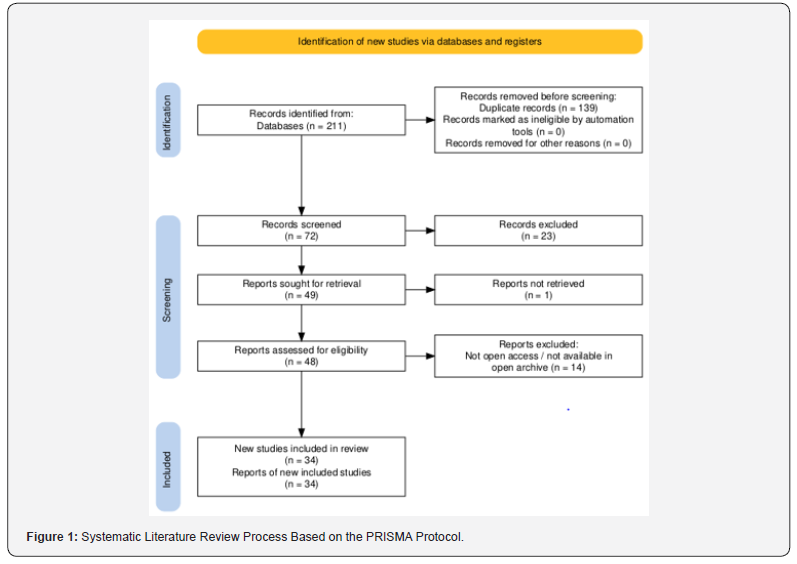
Figure 1 illustrates the systematic literature review process applied in this study, following the four PRISMA stages of identification, screening, eligibility, and inclusion. The initial identification stage was conducted using the Scopus database with the general search terms Palm Oil AND High Conservation Value, which yielded 211 records. To enhance thematic precision and ensure alignment with the objectives of the review, a more refined Boolean search strategy was subsequently applied: (“oil palm” OR “palm oil” OR “oil palm plantation” OR “palm oil sector”) AND (“high conservation value” OR HCV OR conservation OR “conservation area” OR “protected area”) AND (biodiversity OR “species conservation” OR restoration OR “habitat restoration” OR “ecosystem restoration”) AND (employment OR jobs OR livelihood OR livelihoods OR “rural livelihood” OR “local community” OR “community livelihood”). This refinement resulted in the exclusion of 139 articles that did not sufficiently address the combined themes of conservation, restoration, and employment, leaving 72 records for further consideration.
The screening stage applied a publication-year filter limited to 2019–2026 to ensure that the analysis reflects recent scientific developments and contemporary management practices. At this stage, 23 articles published outside the specified timeframe were excluded, resulting in 49 studies that met the temporal criterion. Language screening was then conducted, which removed one non-English publication, yielding 48 English-language articles. The eligibility assessment focused on accessibility, retaining only articles available through Open Access or Open Archive sources to ensure transparency and reproducibility of the review process. Consequently, 14 articles were excluded due to restricted access, resulting in a final corpus of 34 peer-reviewed journal articles selected for qualitative synthesis and thematic analysis.
All references were systematically managed using Mendeley Desktop to ensure consistency, accuracy, and standardized citation formatting. This review relies exclusively on secondary data derived from peer-reviewed academic publications indexed in Scopus. No field observations, interviews, or focus group discussions were conducted, as the study’s primary objective is to synthesize and interpret existing scholarly evidence rather than generate new empirical data. By adhering to the transparent and replicable procedures of the SLR methodology, this review provides a structured, evidence-based understanding of how HCV area management in oil palm plantations is discussed in relation to biodiversity conservation, habitat restoration, and conservation- related employment opportunities in the academic literature.
Results
The systematic synthesis of the 34 peer-reviewed journal articles reveals a set of interrelated thematic domains that collectively characterize how High Conservation Value (HCV) area management within oil palm plantations is conceptualized, implemented, and evaluated in relation to biodiversity conservation, habitat restoration, and conservation-related employment. Across the reviewed literature, five dominant and recurring themes consistently emerge: (1) biodiversity conservation outcomes associated with HCV implementation, (2) habitat restoration strategies and ecological recovery processes, (3) institutional and managerial arrangements supporting HCV management, (4) conservation-related employment and green job typologies, and (5) livelihood implications for local and rural communities. These themes are analytically distinct yet empirically interconnected, reflecting the multidimensional nature of HCV management as an intervention situated at the interface of ecological protection and socio-economic development within productive agricultural landscapes.
An examination of thematic prevalence indicates an uneven distribution of analytical emphasis across the reviewed studies. Biodiversity conservation outcomes constitute the most frequently addressed theme, appearing explicitly in approximately 79% of the reviewed articles (27 out of 34). Habitat restoration strategies and ecological recovery are discussed in around 68% of the studies (23 articles), reflecting a strong interest in post-designation management and ecological performance of HCV areas. Institutional and managerial dimensions, including certification schemes, governance structures, and monitoring arrangements, are analyzed in roughly 62% of the literature (21 articles). Con servation-related employment and green job typologies emerge in about 53% of the reviewed studies (18 articles). At the same time, livelihood implications for local and rural communities represent the least frequently addressed theme, identified in approximately 47% of the articles (16 studies).
The predominance of biodiversity conservation and restoration- focused themes reflects the foundational role of HCV as a conservation-oriented framework and the relative measurability of ecological indicators such as species richness, habitat structure, and restoration outcomes. These dimensions align closely with the original objectives of HCV designation and are more readily captured through ecological surveys and short- to medium-term monitoring programs. In contrast, themes related to employment creation and livelihood impacts, while increasingly recognized, often require longitudinal, socio-economic, or mixed-method approaches that extend beyond conventional plantation-level assessments. This methodological complexity likely contributes to their comparatively lower representation in the literature.
This thematic distribution has important implications for the current state of knowledge. While existing studies provide robust evidence on the ecological relevance of HCV areas in maintaining biodiversity and facilitating habitat recovery within oil palm landscapes, the socio-economic dimensions of HCV management particularly conservation-related employment and community livelihood outcomes remain less systematically explored. As a result, the literature tends to emphasize ecological effectiveness and institutional compliance, with fewer studies explicitly examining how HCV management contributes to broader rural development and green job transitions. The following subsections elaborate each of these five themes in detail, drawing on aggregated empirical findings, reported indicators, and comparative insights across the reviewed studies.
Biodiversity Conservation Outcomes in High Conservation Value Areas
A substantial portion of the reviewed literature emphasizes biodiversity conservation as a primary objective of HCV area management within oil palm landscapes. Across the selected studies, HCV areas are consistently described as spatial units designated to safeguard critical habitats, endangered species, and ecosystem services embedded within or adjacent to productive plantations [28]. Quantitative evidence in the literature indicates that HCV areas typically account for between 10% and 30% of total plantation landholdings, depending on landscape context and certification requirements [29]. Within these areas, biodiversity indicators such as species richness, habitat heterogeneity, and population stability are frequently used to assess conservation effectiveness.
Several studies report measurable differences in biodiversity outcomes between HCV-managed areas and non-designated plantation zones. For example, comparative assessments show that bird species richness in HCV forest patches can be 25–60% higher than in monoculture oil palm stands, with forest-dependent species accounting for up to 40% of observed assemblages [30,31]. Similarly, mammal surveys documented higher encounter rates for medium-sized terrestrial mammals in riparian buffers and remnant forest patches classified as HCV areas, with some studies reporting a twofold increase in species detections compared to adjacent production areas [32]. These findings suggest that HCV management helps maintain ecological refugia within intensively managed agricultural landscapes.
The literature also highlights the role of HCV areas in supporting threatened and protected species. Across Southeast Asia, HCV zones within oil palm plantations have been reported to host nationally protected fauna, including primates, carnivores, and avian species of conservation concern [33]. In several case studies, up to 15–20% of recorded species within HCV areas fall under national or international conservation categories, reinforcing the ecological relevance of these areas beyond compliance-driven objectives [34]. Importantly, the reviewed studies frame these outcomes as context-dependent and influenced by factors such as patch size, connectivity, and management intensity, rather than as uniform effects across all plantation settings.
Habitat Restoration Practices and Ecological Recovery
Habitat restoration emerges as a second major theme in the reviewed literature, particularly regarding degraded riparian zones, secondary forests, and previously cleared conservation set-asides. Restoration activities documented across the studies include assisted natural regeneration, enrichment planting with native species, erosion control measures, and invasive species management [35]. Quantitative indicators reported in the literature demonstrate that restoration interventions within HCV areas can lead to observable ecological recovery over medium-term timeframes.
Several longitudinal studies report increases in vegetation structural complexity within restored HCV areas, with canopy cover rising by 15–35% within five to ten years following restoration interventions [36]. Tree species diversity is also reported to increase, with restored plots exhibiting 20–50% higher native species richness compared to unrestored degraded areas [37]. These structural and compositional changes are frequently linked to improvements in habitat suitability for fauna, particularly for arboreal species and forest-dependent birds [38,39].
Soil and hydrological indicators are also commonly reported in relation to restoration outcomes. Studies focusing on riparian HCV areas document reductions in sediment runoff by up to 30% following revegetation, alongside improvements in water quality indicators such as turbidity and nutrient concentrations [40,41]. These findings are often interpreted as evidence that restoration within HCV zones contributes to broader landscape-level ecosystem services, including water regulation and erosion control, which are relevant to both conservation and plantation sustainability objectives.
Importantly, the literature frames habitat restoration in oil palm landscapes as an adaptive and incremental process. Rather than assuming immediate ecological equivalence with primary forests, most studies emphasize gradual recovery trajectories and the importance of long-term management commitments [42]. This perspective aligns with the broader framing of HCV management as a pragmatic conservation approach within working landscapes, rather than as a replacement for protected area systems [43].
Institutional and Managerial Dimensions of HCV Management
A third theme identified in the SLR concerns the institutional and managerial arrangements that shape the implementation and maintenance of HCV areas within oil palm plantations. Across the reviewed studies, HCV management is frequently discussed in relation to voluntary sustainability standards, corporate policies, and national regulatory frameworks [44]. Certification schemes such as RSPO are cited in over 70% of the reviewed articles as key drivers influencing the adoption and operationalization of HCV principles [45].
From a managerial perspective, the literature documents a range of organizational practices associated with HCV implementation, including the establishment of dedicated conservation units, routine biodiversity monitoring, and the development of site-specific management plans [46,47]. Quantitative data reported in several studies indicate that plantations with formal HCV management plans allocate between 5% and 10% of their annual operational budgets to conservation-related activities, including monitoring, restoration, and community engagement [48]. These investments are framed as part of integrated sustainability strategies rather than isolated conservation expenditures.
The reviewed studies also highlight the role of partnerships and external expertise in strengthening HCV management outcomes. Collaborations with NGOs, academic institutions, and local conservation groups are reported in approximately half of the reviewed cases, often contributing to improved monitoring methodologies and capacity building [49]. These collaborative arrangements are frequently associated with more comprehensive biodiversity assessments and higher reporting transparency, suggesting that institutional context plays a significant role in shaping conservation performance within plantation landscapes [50].
Conservation-Related Employment and Green Job Typologies
A central contribution of the reviewed literature lies in its discussion of conservation-related employment opportunities emerging from HCV area management. Across the 34 analyzed articles, green jobs are defined broadly to include roles associated with biodiversity monitoring, habitat restoration, environmental management, and community-based conservation activities [51]. Quantitative estimates reported in the literature suggest that HCV management can generate between 0.3 and 1.2 conservation-related jobs per 100 hectares of plantation area, depending on management intensity and landscape complexity [52].
Employment categories commonly identified include fieldbased biodiversity monitors, nursery and restoration workers, environmental officers, and community liaison staff. Several studies report that restoration-focused HCV projects employ seasonal labor forces of 20 to 150 workers per site during the active planting and maintenance phases [53]. These roles are often characterized as semi-skilled positions that provide opportunities for skill development in areas such as species identification, ecological data collection, and restoration techniques.
Importantly, the literature emphasizes that conservation-related employment associated with HCV management is typically supplementary to core plantation operations rather than substitutive. This framing highlights the integrative nature of green jobs within existing agricultural systems, where conservation functions coexist with production objectives [54]. Wage levels for conservation-related roles are reported to be broadly comparable to those for other plantation-based positions, with some studies noting modest wage premiums associated with specialized skills or training requirements [55].
Livelihood Implications for Local and Rural Communities
The final thematic domain identified in the SLR concerns the implications of HCV-related activities for local and rural livelihoods. Across the reviewed studies, community involvement in HCV management is frequently discussed in terms of access to employment, participation in restoration activities, and benefit- sharing arrangements [56]. Quantitative data indicate that local residents account for 60–90% of the workforce engaged in HCV-related activities, particularly in restoration and monitoring roles [57,58].
Several studies report that community-based involvement in HCV management contributes to income diversification, particularly in regions where livelihood options are limited. For example, household-level analyses cited in the literature show that participation in restoration programs can contribute between 10% and 25% of annual household income for participating families during active project phases [59]. While these contributions are typically characterized as complementary rather than primary income sources, they are nonetheless considered relevant to broader rural livelihood strategies.
The literature also highlights non-monetary livelihood benefits associated with conservation-related employment, including skills acquisition, environmental awareness, and strengthened social capital [60]. These outcomes are often discussed in relation to long-term sustainability objectives, where enhanced local capacity is seen as supporting both conservation effectiveness and plantation–community relations [61].
Overall, the results of this SLR demonstrate that HCV area management in oil palm plantations is consistently associated in the literature with measurable biodiversity conservation outcomes, progressive habitat restoration, and the emergence of conservation-related employment opportunities. The reviewed studies collectively suggest that HCV management is a multi-dimensional intervention that links ecological objectives with socio- economic considerations through institutional, managerial, and community-based mechanisms. Rather than portraying conservation and production as mutually exclusive, the literature emphasizes integrative approaches in which biodiversity protection, habitat recovery, and green job creation are embedded within operational plantation landscapes.
Discussion
This discussion interprets and contextualizes the findings of the systematic literature review in relation to the two research questions guiding this study. Drawing exclusively on synthesized evidence from the 34 peer-reviewed articles analyzed, this section examines how High Conservation Value (HCV) area management in oil palm plantations is characterized in the literature with respect to biodiversity conservation and habitat restoration outcomes (RQ1), as well as the nature and positioning of conservation- related employment and green job opportunities within plantation management systems (RQ2). Rather than reiterating results, the discussion integrates empirical patterns, conceptual interpretations, and comparative insights to clarify broader implications emerging from the reviewed studies.
Contributions of HCV Area Management to Biodiversity Conservation and Habitat Restoration (RQ1)
In addressing RQ1, the reviewed literature consistently characterizes HCV area management as a mechanism that enables biodiversity conservation and habitat restoration within productive oil palm landscapes. Rather than framing conservation as a separate or external activity, the literature positions HCV management as an embedded component of plantation systems that spatially differentiates land-use functions while maintaining overall operational continuity [62]. This integrative framing is a defining feature of how HCV contributions are conceptualized across ecological and sustainability-focused studies.
From a biodiversity conservation perspective, the literature emphasizes that HCV areas function primarily as refugia and connectivity elements within agricultural matrices [63]. The higher species richness and greater presence of forest-dependent taxa reported in HCV zones relative to surrounding monoculture areas are interpreted as evidence that these designated areas retain ecological functions that would otherwise be diminished in intensively managed landscapes [64]. Importantly, the reviewed studies do not suggest that HCV areas replicate the ecological complexity of intact primary forests. Instead, conservation outcomes are discussed in relative and context-dependent terms, highlighting the capacity of HCV management to mitigate biodiversity loss and support persistence of selected taxa within modified environments.
Habitat restoration is closely intertwined with biodiversity outcomes in the literature, particularly in landscapes where HCV areas include degraded riparian zones or secondary forests. Restoration practices such as assisted natural regeneration and enrichment planting are interpreted as mechanisms for gradually enhancing habitat quality rather than rapidly restoring pre-conversion conditions. The literature frequently emphasizes temporal dimensions of recovery, noting that ecological improvements unfold over multi-year or decadal timescales. This perspective reinforces the understanding of HCV management as an adaptive process that requires sustained commitment rather than shortterm interventions [65].
The reviewed studies also highlight that conservation and restoration outcomes are mediated by management quality and landscape context. Factors such as patch size, connectivity, vegetation structure, and monitoring intensity are repeatedly identified as determinants of ecological effectiveness [66]. As a result, the literature resists uniform conclusions about HCV performance, instead emphasizing variability across sites and the importance of site-specific strategies. This nuanced characterization aligns with broader conservation science perspectives that caution against one-size-fits-all approaches in heterogeneous agricultural landscapes [67].
Taken together, the literature characterizes HCV area management as contributing to biodiversity conservation and habitat restoration in pragmatic and incremental ways. Conservation outcomes are framed as relative improvements and risk-mitigation measures within working landscapes, rather than as absolute preservation achievements. This framing is particularly significant in oil palm systems, where large-scale land use and economic considerations necessitate approaches that integrate ecological objectives into ongoing production activities [68].
Conservation-Related Employment and Green Job Opportunities in HCV Management (RQ2)
In response to RQ2, the literature provides a growing body of insights into the employment dimensions of HCV area management, although this aspect remains less extensively theorized than ecological outcomes. Across the reviewed studies, conservation- related employment is consistently discussed as an emergent outcome of incorporating conservation and restoration functions into plantation operations [69]. These employment opportunities are typically framed as green jobs that complement, rather than replace, core plantation labor structures [70].
The literature identifies several recurring categories of conservation- related employment associated with HCV management. These include field-based biodiversity monitoring staff, restoration and nursery workers, environmental officers, and community liaison personnel [71]. Each role is positioned within plantation management systems as supporting specific HCV-related functions, such as monitoring compliance, implementing restoration plans, and facilitating stakeholder engagement [72]. Importantly, these roles are not portrayed as standalone conservation jobs but as integrated components of broader operational frameworks.
A notable pattern in the literature is the differentiation between short-term and longer-term employment opportunities. Restoration activities, particularly planting and maintenance phases, are frequently associated with seasonal or project-based labor demand [73]. In contrast, monitoring and environmental management roles are more often described as continuous positions that require technical competencies in data collection, species identification, and reporting [74]. This distinction suggests that HCV management generates a heterogeneous portfolio of employment opportunities with varying skill requirements and temporal stability.
The positioning of green jobs within plantation systems is further characterized by their relationship to existing labor structures. The literature consistently emphasizes that conservation- related employment is supplementary, adding new functional layers to plantation management rather than displacing traditional agricultural roles [75,76]. This framing is significant in countering narratives that portray conservation as inherently conflicting with economic activity. Instead, the reviewed studies highlight integrative labor models in which environmental management tasks coexist alongside production-oriented operations.
Wage levels and employment conditions associated with HCV-related roles are discussed less frequently in quantitative terms, but available evidence suggests broad comparability with other plantation-based positions. Some studies note modest differentiation linked to specialized skills or training, particularly for monitoring and supervisory roles. This suggests that HCV management may contribute to skill diversification within plantation labor markets, even if it does not fundamentally alter wage structures [77].
Integrating Ecological and Employment Dimensions within
HCV Frameworks
A key contribution of this review lies in elucidating how ecological
and employment dimensions of HCV management are
jointly addressed in the literature. While biodiversity conservation
and green job creation are often analyzed separately, the
reviewed studies increasingly recognize their interdependence.
Restoration and monitoring activities that support ecological objectives
simultaneously generate employment opportunities, particularly
for local and rural communities [78].
The literature suggests that this integration is facilitated by institutional arrangements that embed conservation objectives into routine management practices. Dedicated conservation units, formal management plans, and partnerships with external organizations are frequently cited as enabling structures that support both ecological performance and employment generation [79]. In this sense, employment outcomes are not incidental but are structurally linked to how HCV management is operationalized.
However, the literature also highlights limitations and challenges. Several studies note that employment benefits are often project-dependent and may fluctuate with funding availability or certification cycles. Moreover, the distribution of employment opportunities is shaped by local socio-economic contexts, with variability in community participation and benefit-sharing mechanisms. These observations underscore the importance of governance and institutional capacity in translating HCV principles into sustained socio-economic outcomes [80].
Implications for Sustainability Practice and Policy The findings synthesized in this discussion carry several implications for sustainability practice and policy within the oil palm sector. First, the literature supports the view that HCV area management can function as a bridge between ecological conservation and socio-economic considerations when implemented as part of integrated plantation systems. This reinforces the relevance of HCV frameworks within broader sustainability strategies that seek to balance environmental protection with productive land use.
Second, the characterization of conservation-related employment as complementary highlights the potential for HCV management to contribute to rural employment diversification without disrupting core production activities. This has implications for policy instruments and certification standards that increasingly emphasize social outcomes alongside environmental performance. Explicit recognition of employment dimensions within HCV guidelines may enhance the visibility and valuation of these co-benefits.
Third, the literature underscores the importance of adaptive management and long-term commitment. Conservation and restoration outcomes, as well as associated employment benefits, are shown to depend on sustained institutional support, monitoring, and stakeholder engagement. This suggests that short-term or compliance-driven approaches may limit the full potential of HCV frameworks.
Implications for Future Research
Despite growing scholarship on HCV management, this review identifies several avenues for future research. First, there remains a need for more integrative analyses that explicitly link ecological outcomes with employment and livelihood impacts using comparable indicators across studies. Such analyses would strengthen understanding of trade-offs and synergies within HCV frameworks.
Second, future research could benefit from longitudinal syntheses that examine how conservation and employment outcomes evolve over time as HCV management matures. Temporal perspectives are particularly important for assessing restoration trajectories and employment stability.
Third, comparative SLRs across different commodity sectors or geographic regions could provide broader insights into the transferability of HCV approaches and their socio-economic implications. Finally, greater attention to governance mechanisms and institutional design may help clarify how policy and certification contexts shape the effectiveness of HCV management in delivering both ecological and employment-related outcomes.
Overall, the discussion demonstrates that the existing literature characterizes HCV area management in oil palm plantations as a multifaceted approach that contributes to biodiversity conservation, habitat restoration, and conservation-related employment in integrated and context-dependent ways. By synthesizing ecological and socio-economic dimensions within a single analytical framework, this SLR provides a clearer understanding of how HCV management is positioned within contemporary sustainability discourse. Rather than presenting conservation and production as opposing objectives, the reviewed studies emphasize pragmatic integration, offering insights relevant to researchers, practitioners, and policymakers engaged in advancing sustainable land-use practices in the oil palm sector.
Conclusion
This systematic literature review synthesizes existing scholarly evidence on the role of High Conservation Value (HCV) area management within oil palm plantations, with particular attention to its ecological and employment-related dimensions. The reviewed literature consistently positions HCV management as an integrative approach that embeds biodiversity conservation and habitat restoration within productive agricultural landscapes. Rather than being framed as a standalone conservation intervention, HCV area management is characterized as a spatial and managerial mechanism that allows conservation objectives to coexist with ongoing plantation operations.
Across the reviewed studies, biodiversity conservation outcomes associated with HCV management are predominantly described in relative and context-dependent terms. HCV areas are consistently portrayed as important refugia for flora and fauna within otherwise simplified plantation matrices, contributing to higher species richness, improved habitat heterogeneity, and enhanced landscape connectivity. These ecological contributions are not presented as substitutes for protected natural forests, but rather as complementary conservation spaces that mitigate biodiversity loss and support ecological persistence at the landscape scale. Such framing reflects a pragmatic conservation perspective that acknowledges the operational realities of large-scale agricultural systems.
Habitat restoration emerges as a core operational component of HCV management, particularly in areas affected by prior land degradation. The literature highlights restoration practices such as assisted natural regeneration, enrichment planting, and riparian rehabilitation as incremental processes aimed at enhancing ecological function over time. Restoration outcomes are commonly discussed in relation to gradual improvements in vegetation structure, ecosystem processes, and habitat suitability for selected taxa. Importantly, these processes are framed as long-term and adaptive, underscoring the need for sustained management commitment rather than short-term interventions.
Beyond ecological dimensions, this review demonstrates that HCV area management is increasingly associated with the generation of conservation-related employment and green job opportunities within oil palm plantation systems. The literature identifies a diverse range of roles linked to HCV implementation, including biodiversity monitoring personnel, restoration and nursery workers, environmental management staff, and community liaison officers. These roles are consistently positioned as integrated components of plantation management rather than as external or parallel conservation initiatives.
Employment opportunities associated with HCV management are characterized by heterogeneity in duration, skill requirements, and functional orientation. Restoration-related activities often generate short- to medium-term labor demand, while monitoring and environmental management roles tend to represent more continuous positions requiring technical competencies. The reviewed studies emphasize that such employment is generally supplementary, adding new functional layers to existing labor structures without displacing core production roles. This positioning reinforces the narrative that conservation and economic activities within oil palm landscapes are not inherently antagonistic, but can be operationally aligned under appropriate management frameworks.
The literature further suggests that conservation-related employment linked to HCV management can contribute to skill diversification and institutional capacity-building within plantation systems. Although quantitative evidence on wages and employment quality remains limited, available studies indicate that employment conditions are broadly comparable to other plantation- based roles, with differentiation primarily related to training and specialization. This highlights the potential for HCV management to support workforce development alongside ecological objectives.
Taken together, the synthesized evidence portrays HCV area management as a multifaceted approach that integrates biodiversity conservation, habitat restoration, and conservation-related employment within productive oil palm landscapes. The effectiveness of this integration is shown to depend on site-specific ecological contexts, management quality, governance arrangements, and long-term institutional commitment. Rather than offering uniform outcomes, HCV management operates through adaptive and context-sensitive processes that shape both ecological and socio-economic results.
This review also reveals that, while ecological aspects of HCV management are relatively well documented, employment and labor- related dimensions remain unevenly explored across the literature. The integration of ecological and employment outcomes is often implicit rather than explicitly analyzed, suggesting opportunities for more holistic analytical frameworks in future scholarship. Nevertheless, existing evidence supports the view that HCV area management can function as a bridging mechanism that aligns environmental stewardship with socio-economic considerations in plantation settings.
In conclusion, the reviewed literature collectively characterizes High Conservation Value area management in oil palm plantations as an embedded, adaptive, and integrative sustainability approach. By simultaneously addressing biodiversity conservation, habitat restoration, and conservation-related employment within working landscapes, HCV frameworks contribute to broader sustainability discourses that emphasize coexistence rather than trade-offs between conservation and production. This synthesis provides a consolidated knowledge base for researchers, practitioners, and policymakers seeking to understand the multifaceted implications of HCV management within globally significant agricultural systems.
References
- Kadarsah A, Ulimaz A, Yardani J, Satriadi T, and Ogbodo JA (2025) Heterotrigona itama Pollen Analysis as a Bioindicator of Floral Diversity in South Kalimantan Oil Palm Agroforestry. Biosaintifika 17(3): 514-526.
- NM Razi, Sri Riska Rahayu, Luvi Syafrida Handayani, Nanda Ulfa Khaira, Muhammad Syukran, et al. (2025) DNA barcoding of fish from Singkil peat swamp waters of Aceh Province, Indonesia. Zool Anz 319: 117-126.
- Wattanasil R, Kritsanaphan P, Kaewtawee R, and Teshager FK (2025) The Development of Composite Materials for Architectural Work Using Oil Palm Frond and Plastic Fishing Net Waste. J Sustain Archit Civ Eng 38(2): 110-125.
- Montoya-Sánchez V, Holger Kreft, Isabelle Arimond, Johannes Ballauff, Dirk Berkelmann, et al. (2023) Landscape heterogeneity and soil biota are central to multi-taxa diversity for oil palm landscape restoration. Commun Earth Environ 4(1).
- Almeida-Maués PCR, Bueno AS, Palmeirim AF, Peres CA, and Mendes-Oliveira AC (2022) Assessing assemblage-wide mammal responses to different types of habitat modification in Amazonian forests. Sci Rep 12(1).
- Jaroenkietkajorn U, Gheewala SH, and Scherer L (2021) Species loss from land use of oil palm plantations in Thailand. Ecol Indic 133: 108444.
- Azhar A, Grass I, Rizali A, and Buchori D (2024) Rainforest transformation reduces parasitoid wasp diversity—Can the enrichment of flowering vegetation alleviate this?Ecol Entomol 49(6): 825-836.
- Permatasari GA, Hidayat P, Azhar A, and Buchori D (2025) Tree islands alter tritrophic interactions among plants, herbivore, and parasitoids in oil palm habitats in Bungku Village, Jambi, Sumatra. J Entomol Indones 22(2): 126-140.
- Ehlers J, Hartke TR, Janotta N, Mawan A, Nazarreta R, et al. (2024) Trophic Change and Community Decline in Acrobat Ants After Rainforest Conversion to Cash Crops. Ecol Evol 14(12).
- Donfack LS, Alexander Röll, Florian Ellsäßer, Martin Ehbrecht, Bambang Irawan, et al. (2021) Dataset on microclimate and drone-based thermal patterns within an oil palm agroforestry system. Data Br 39: 107615.
- Charnley S (2023) Livelihood investments as incentives for community forestry in Africa. World Dev 168: 106260.
- Batamack Nkoué B, Rodine Tchiofo Lontsi, Pierre Marie Chimi, Jean Aimé Oum II, Laurent Florent Menyene Etoundi, et al. (2026) Influence of elaeicultural agroecosystem types on carbon storage in a monomodal rainforest agroecological zone. Agrofor Syst 100(1).
- Nasir DM, Radzmin Ishak, Nursyereen Mohd Nasir, Assyira Hasi, Philip Yap, et al. (2022) Diversity of Arthropods in an Oil Palm Plantation in Sabah. Borneo J Resour Sci Technol 12(2): 82-87.
- Thompson BS and Friess DA (2019) Stakeholder preferences for payments for ecosystem services (PES) versus other environmental management approaches for mangrove forests. J Environ Manage 233: 636-648.
- Alam MJ, Nath TK, Dahalan MPB, Halim SA, and Rengasamy N (2021) Chapter 2 - Decentralization of forest governance in Peninsular Malaysia: The case of peatland swamp forest in North Selangor, Malaysia. In: Asia R Ullah, Sharma S, Inoue M, Asghar S, and Shivakoti G, (Eds.), Natural Resource Governance. Elsevier, pp. 13-26.
- Susanto D, Atmojo JT, Nugroho P, and Fadhilla S (2026) Unraveling the vulnerability of protected areas to oil palm expansion: The case from Tesso Nilo National Park, Sumatra, Indonesia. Environ Manage 76(1).
- Moussih MM, Awazi NP, A Fai PB, Ambebe TF, and Forje GW (2025) Conservation implications of livelihood activities of communities living adjacent protected areas: case study of the Mount Nlonako reserve in Cameroon. Biodivers Conserv 34(12): 4475-4500.
- Woods KM (2019) Green Territoriality: Conservation as State Territorialization in a Resource Frontier. Hum Ecol 47(2): 217-232.
- Lykke AM, Gregersen SB, Padonou EA, Bassolé IHN, and Dalsgaard TK (2021) Potential of Unconventional Seed Oils and Fats from West African Trees: A Review of Fatty Acid Composition and Perspectives. Lipids 56(4): 357-390.
- Ayompe LM, Raymond N Nkongho, Ada N Acobta, Kyle Manley, Wesner N Epie, et al. (2026) Does farming oil palm provide more benefits to local communities than preserving forests in Africa?: A case study in Cameroon. Clean Circ Bioeconomy 13.
- Manhães AP, Rocha F, Souza T, Marques K, Juen L, et al. (2024) Social and biological impact of oil palm (Elaeis guineensis) plantations in the Eastern Brazilian Amazon. Biodivers Conserv 33(11): 3295-3310.
- Yusof NNM, Hatta SKM, Zakaria N, Limin NA, Azmir IA, et al. (2024) Impact of Agroforestry Practices on Fauna in Malaysia: From Arthropod to Large Mammal. Agroforestry, pp. 481-523.
- Lupascu M, Taillardat P, Sasmito SB, Agus F, Mudiyarso D, et al. (2023) Climate-smart peatland management and the potential for synergies between food security and climate change objectives in Indonesia. Glob Environ Chang 82: 102731.
- Dewanto HA, He HS, Jose S, and Udawatta RP (2021) Establishing agroforestry conservation buffer zones to protect tropical peatland forests of Indonesia. Agroforestry and Ecosystem Services, pp. 331-360.
- Gunawan H (2018) Indonesian peatland functions: Initiated peatland restoration and responsible management of peatland for the benefit of local community, case study in riau and west kalimantan provinces. Asia in Transition 7: 117-138.
- Malhi Y, Riutta T, Wearn OR, Deere NJ, Mitchell SM, et al. (2022) Logged tropical forests have amplified and diverse ecosystem energetics. Nature 612(7941): 707-713.
- McShane P and Wright W (2020) Ethnobotany, rattan agroforestry, and conservation of ecosystem services in Central Kalimantan, Indonesia. Agrofor Syst 94(2): 639-650.
- Warren-Thomas E, Fahmuddin Agus, Panji Gusti Akbar, Merry Crowson, Keith C Hamer, et al. (2022) No evidence for trade-offs between bird diversity, yield and water table depth on oil palm smallholdings: Implications for tropical peatland landscape restoration. J Appl Ecol 59(5): 1231-1247.
- Hamidun MS, Baderan DWK, Dunggio I, and Lamangantjo CJ (2025) Plant Diversity with High Conservation Value in Oil Palm Plantation in Pohuwato Regency, Gorontalo, Indonesia. Environ Ecol Res 13(6): 821-837.
- Sunkar A, Putri SD E, Rahmasari SN, Saraswati A, Imantoko F, et al. (2019) Do oil palm impacts on species richness negatively affect the local livelihoods?. IOP Conference Series: Earth and Environmental Science.
- Wenzel A, Westphal C, Ballauff J, Berkelmann D, Brambach F, et al. (2024) Balancing economic and ecological functions in smallholder and industrial oil palm plantations. Proc Natl Acad Sci 121(17): e2307220121.
- Nasution ED, Saidy AR, Priatmadi BJ, Dasrial M, Alfiana HU, et al. (2024) Enhancing the sustainability of oil palm plantations through the application of principles and adaptive management of high conservation value areas in Central Kalimantan. Plant Sci Today 11(1): 405-417.
- Hartoyo APP, Sunkar A, Ramadani R, Faluthi S, and Hidayati S (2021) Normalized difference vegetation index (Ndvi) analysis for vegetation cover in leuser ecosystem area, sumatra, indonesia. Biodiversitas 22(3): 1160-1171.
- Soedomo S (2019) Impacts of oil palm plantation on the livelihood of the local communities and the conservation area. IOP Conference Series: Earth and Environmental Science.
- De Rosa M, Schmidt J, and Pasang H (2022) Industry-driven mitigation measures can reduce GHG emissions of palm oil. J Clean Prod 365: 132565.
- Rival A, Ancrenaz M, Lackman I, Shafiq M, Roda JM, et al. (2022) Innovative agroforestry designs for tropical plantation landscapes – the TRAILS project. Acta Horticulturae, pp. 109-115.
- Yusrini L, Sunkar A, Santosa Y, and Rachmawati E (2025) Biodiversity Tourism Suitability Index for HCV Areas in Oil Palm Landscapes. IOP Conference Series: Earth and Environmental Science.
- Ayompe LM, Nkongho RN, Acobta AN, Masso C, and Egoh BN (2025) Transforming palm oil production: sustainable techniques and waste management strategies for Cameroon’s smallholder farmers. Front Sustain Food Syst 9.
- Arifanti VB, Basyuni M, Suharti S, Slamet B, Karlina E, et al. (2025) Assessing the Environmental and Socioeconomic Impacts of Mangrove Loss in Indonesia: A Synthesis for Science-Based Policy. Forest Sci Technol.
- Rege A and Lee JSH (2022) State-led agricultural subsidies drive monoculture cultivar cashew expansion in northern Western Ghats, India. PLoS One 17(6).
- Girkin NT, Cooper HV, Ledger MJ, O’Reilly P, Thornton SA, et al. (2022) Tropical peatlands in the Anthropocene: The present and the future. Anthropocene 40: 100354.
- Thomas GV and Krishnakumar V (2024) Soil Health Management for Plantation Crops: Recent Advances and New Paradigms.
- Zaitunah A, Samsura A, and Marbun HY (2025) Land cover change and ethnoecological practices in Forest Management Unit XXV, North Sumatra, Indonesia. Biodiversitas 26(9): 4545-4556.
- Meijaard E and Sheil D (2019) The Moral Minefield of Ethical Oil Palm and Sustainable Development. Front For Glob Chang.
- Batsi G, Sonwa DJ, Mangaza L, Ebuy J, and Kahindo JM (2021) Preliminary estimation of above-ground carbon storage in cocoa agroforests of Bengamisa-Yangambi forest landscape (Democratic Republic of Congo). Agrofor Syst 95(8): 1505-1517.
- Ward C, Stringer LC, Warren-Thomas E, Agus F, Crowson M, et al. (2021) Smallholder perceptions of land restoration activities: rewetting tropical peatland oil palm areas in Sumatra, Indonesia. Reg Environ Chang 21: 1-17.
- Sunarminto T, Mijiarto J, and Prabowo ED (2019) Socioeconomic and cultural impacts of oil palm plantation development in Indonesia. IOP Conference Series: Earth and Environmental Science, IOP Publishing, p. 12008.
- Ocampo Batlle EA, York Castillo Santiago, Osvaldo José Venturini, José Carlos Escobar Palacio, Electo Eduardo Silva Lora, et al. (2020) Thermodynamic and environmental assessment of different scenarios for the insertion of pyrolysis technology in palm oil biorefineries. J Clean Prod 250: 119544.
- Angi EM, Wibowo A, and Wiati CB (2021) The potential, utilization and management of forest biodiversity for the livelihood of local communities in Ratah Watershed, East Kalimantan Province, Indonesia. IOP Conference Series: Earth and Environmental Science.
- Winarni NL, Mitchell, Simon L, Anugra, Bhisma, et al. (2024) Bird diversity in the forests and coconut farms of Sulawesi, Indonesia. ORYX 58(4): 427-436.
- Li K, Tscharntke T, Saintes B, Buchori D, and Grass I (2019) Critical factors limiting pollination success in oil palm: A systematic review. Agric Ecosyst Environ 280: 152-160.
- Fadillah A, Sundawati L, Hartoyo APP, Rangkuti AB, Muryunika R, et al. (2020) Development of peatland-friendly commodities to achieve sustainable forest management in Jambi Province. IOP Conference Series: Earth and Environmental Science.
- Jalilov SM, Lestari S, Winarno B, Yuwati TW, Sakuntaladewi N, et al. (2024) Why is tropical peatland conservation so challenging? Findings from a livelihood assessment in Sumatra, Indonesia. Mires Peat 30.
- Rafina I and Prasetyo LB (2023) Mapping forest cover change in relation to oil palm commodities development using Google Earth Engine in the Leuser Ecosystem. IOP Conference Series: Earth and Environmental Science.
- Imantoko F, Sunkar A, and Santosa Y (2019) Biodiversity loss and gain based on indigenous people’s perception. (Case study: Tajok Kayong and Nanga Tayap Villages, West Kalimantan Province). IOP Conference Series: Earth and Environmental Science.
- Wurz A, Grass I, and Tscharntke T (2021) Hand pollination of global crops – A systematic review. Basic Appl Ecol 56: 299-321.
- Boul Lefeuvre N, Keller N, Plagnat-Cantoreggi P, Godoong E, Dray A, et al. (2022) The value of logged tropical forests: A study of ecosystem services in Sabah, Borneo. Environ Sci Policy 128: 56-67.
- Boentoro MRB and Wherrett T (2021) Limits of acceptable change for sustainable management of the Pelawan Biodiversity Park, Bangka Belitung Islands. IOP Conf Ser Earth Environ Sci 913(1).
- De Alban JDT, Po Ian Leong B, Venegas-Li R, Connette GM, Jamaludin J, et al. (2021) Conservation beyond the existing protected area network is required to improve species and habitat representation in a global biodiversity hotspot. Biol Conserv 257: 109105.
- Friant S, Ayambem WA, Alobi AO, Ifebueme NM, Otukpa OM, et al. (2019) Life on the Rainforest Edge: Food Security in the Agricultural-Forest Frontier of Cross River State, Nigeria. Front Sustain Food Syst 3.
- Budiadi Susanti A, Marhaento H, Ali Imron M, Permadi DB, and Hermudananto (2019) Oil palm agroforestry: an alternative to enhance farmers’ livelihood resilience. IOP Conference Series: Earth and Environmental Science, IOP Publishing, p. 12001.
- Wearn OR, Carbone C, Rowcliffe JM, Pfeifer M, Bernard H, et al. (2019) Land-use change alters the mechanisms assembling rainforest mammal communities in Borneo. J Anim Ecol 88(1): 125-137.
- Sonwa DJ, Weise SF, Nkongmeneck BA, Tchatat M, and Janssens MJJ (2018)Profiling carbon storage/stocks of cocoa agroforests in the forest landscape of Southern Cameroon. Agroforestry: Anecdotal to Modern Science, pp. 739-752.
- Nurhidayah L and Alam S (2020) The forest and its biodiversity: Assessing the adequacy of biodiversity protection laws in Indonesia. Asia Pacific J Environ Law 23(2): 178-201.
- Gamboa SML, Chaves-Bedoya G, and Obando-Bedoya JA (2025) Mite Assemblages in Young Oil Palm Plantations with Different Genotypes in Norte de Santander, Colombia. Neotrop Entomol 54(1).
- Zahn G, Hjelmen CE, and Wainwright BJ (2025) Distinct temporal trajectories of bacterial and fungal networks during agricultural rewilding. Sci Total Environ 1008: 180999.
- Rizali A and Buchori D (2024) Host–parasitoid food webs in oil palm plantations in Asia. Curr Opin Insect Sci 66:
- Liu FH, Ganesan V, and Smith TE (2020) Contrasting communications of sustainability science in the media coverage of palm oil agriculture on tropical peatlands in Indonesia, Malaysia and Singapore. Environ Sci Policy 114: 162-169.
- Rustiadi E, Barus B, Iman LS, Mulya SP, Pravitasari AE, and Antony D (2018) Land use and spatial policy conflicts in a rich-biodiversity rain forest region: The case of Jambi Province, Indonesia. Springer Geography pp. 277-296.
- Mohamad-Zainal NSL et al. (2021) Zero-emission of palm oil mill effluent final discharge promoted bacterial biodiversity rebound in the receiving water system. Appl Sci 11(22).
- Rak AE and Samsudin MF (2025) Determination of the macroinvertebrates benthic ecological index for river health assessment. J Trop Resour Sustain Sci 13(2): 404-411.
- Darras KFA, Yusti E, Huang JCC, Zemp D-C, Kartono AP, et al. (2021) Bat point counts: A novel sampling method shines light on flying bat communities. Ecol Evol 11(23): 17179-17190.
- Basyuni M, Amelia R, Aznawi AA, Wirasatriya A, Iryanthony SB, et al. (2025) Reduction of mangrove carbon stock ecosystems due to illegal logging using a combination of unmanned aerial vehicle imagery and field surveys. Glob J Environ Sci Manag 11(1): 225-242.
- Simon L Mitchell, Jake E Bicknell, David P Edwards, Nicolas J Deere, Henry Bernard, et al. (2020) Spatial replication and habitat context matters for assessments of tropical biodiversity using acoustic indices. Ecol Indic 119.
- Moore JH, Gibson L, Amir Z, Chanthorn W, Ahmad AH, et al. (2023) The rise of hyperabundant native generalists threatens both humans and nature. Biol Rev 98(5): 1829-1844.
- Sapis A, Amit B, Khairuddin NSK, and Seman IA (2024) Fish Assemblages In Artificial Drainage Systems Across Oil Palm Plantation Development Phases On Peatland In Sarawak. J Oil Palm Res 36(4): 608-617.
- Rahmani TA, Nurrochmat DR, Park MS, Boer R, and Ekayani M (2024) The Potential Ecological Impact of Oil Palm Agroforestry as Term of Improvement for Restoring Harapan Rainforest. J Manaj Hutan Trop (Journal Trop For Manag) 30(3): 376-389.
- Yap CT J, Sze-Mun Lam, Jin-Chung Sin, Honghu Zeng, Haixiang Li, et al. (2023) Treatment of diluted palm oil mill effluent (POME) synchronous with electricity production in a persulfate oxidant-promoted photocatalytic fuel cell. Environ Sci Pollut Res 30(42): 96272-96289.
- Van Der Meer PJ, Tata H, Rachmanadi D, Arifin YF, Suwarno A, et al. (2021) Developing sustainable and profitable solutions for peatland restoration. IOP Conference Series: Earth and Environmental Science.
- Abram NK, Skara B, Othman N, Ancrenaz M, Mengersen K, and Goossens B (2022) Understanding the spatial distribution and hot spots of collared Bornean elephants in a multi-use landscape. Sci Rep 12(1).

























