




 ARTOAJ Home



Abstract
Panax notoginseng is a valuable medicinal rhizome crop widely cultivated in mountainous regions, where traditional manual harvesting remains labor-intensive and inefficient. To address the lack of integrated collection systems in existing harvesters, this study focuses on the design, analysis, and experimental evaluation of a collecting device for a self-propelled Panax notoginseng combine harvester. The device, consisting of a collection box, support frame, and hydraulic system, was designed based on agronomic requirements and operational conditions. Finite element analysis using ANSYS Workbench was conducted to evaluate structural strength, deformation, and reliability under working loads, confirming that the device meets design requirements. Experimental investigations were carried out to analyze the effects of lifting speed, lifting angle, and spacing between lifting and collecting devices on collection performance. Results showed that the collection rate decreases with increasing lifting speed and angle, while optimal performance is achieved at a spacing of approximately 250 mm. Field tests demonstrated stable operation, high collection efficiency, and minimal rhizome loss, indicating that the proposed device provides an effective solution for mechanized harvesting.
Keywords: Panax Notoginseng; Collecting Device; Ansys Workbench; Harvesting Mechanization; Collection Rate; Parameter Optimization
Introduction
Panax notoginseng is a rhizome crop, mainly growing in Yunnan, China, and is a valuable traditional Chinese medicine [1,2]. Flowers, leaves, stems, and rhizomes can all be used as medicine. Modern medical research has found that Panax Notoginseng is rich in saponins, flavonoids, and various amino acids [3]. Used for trauma, it can shorten the coagulation time to stop bleeding, increase coronary blood flow in the heart, and increase the blood oxygen supply of myocardial cells against myocardial ischemia. Postoperative pain, inflammation, and anti-aging effects; unique saponin components have a strong inhibitory effect on cancer cells [4,5]. Currently, the main harvesting method for Panax notoginseng remains manual collection, which is labor-intensive and lowefficiency [6]. Mechanized harvesting and collecting of Panax notoginseng can reduce labor intensity for farmers and improve harvesting efficiency. Current research models are predominantly traction or small self-propelled types, with a notable absence of large, intelligent combine harvesters. Studies have primarily focused on the excavation shovel, conveyor, and soil separation mechanisms. These existing machines lack integrated postprocessing functions such as collection, cleaning, and unloading, an area that remains significantly under-researched [7, 8].
Jianguo Zhou [9] designed a potato collection device that can collect potatoes and manually unload them when the box is complete. Li Guojie [10] et al. designed a potato collection device consisting of a potato collection box, a self-unloading hydraulic cylinder, and a supporting rotating shaft to improve the cassava combine harvester. The device has a capacity of 3 m2. When developing a self-propelled Panax notoginseng combine harvester lifting device, we can draw on these mature experiences, consider the characteristics of Panax notoginseng and the harvesting requirements, and make targeted improvements and innovations to design a more efficient, reliable, and suitable collection device for Panax notoginseng harvesters. The ANSYS program analyzes the machine parts and measures the stress, deformation, and strain forces exerted on them. From the analysis results, the best manufacturer of machine parts that guarantees their tolerance to operating conditions is deduced. ANSYS software program was used for virtual assembly associative design and finite element analysis for digging a spade of Panax Notoginseng harvester single row. It’s mainly used for lifting and transporting ground substances, including soil, Panax Notoginseng rhizomes, roots, grass, and the separating device during harvesting operations [11-14].
Panax notoginseng is widely cultivated in mountainous regions, where manual harvesting and collection remain laborintensive and inefficient. Due to the lack of integrated collection systems in existing harvesters, this study focuses on the design, analysis, and performance evaluation of an advanced collecting device tailored for Panax notoginseng combine harvesters. The device is developed to efficiently handle soil, rhizomes, and plant residues during harvesting operations. Finite element analysis using ANSYS Workbench is employed to evaluate stress, deformation, and structural reliability under working conditions. Experimental validation will be conducted to determine optimal operational parameters that enhance collection efficiency, ensure smooth material flow, and minimize rhizome damage.
Materials and Methods
Design and theoretical analysis of the collecting device
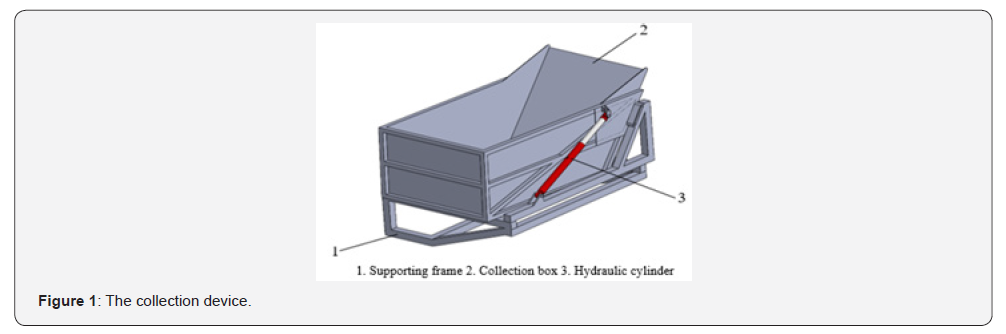
In the mechanized harvesting of rhizome and tuber crops, the design of the collecting device plays a key role in improving harvesting efficiency and quality. The design of the collecting device accounts for various harvester collection methods, the actual farmland conditions in hilly and mountainous areas, and the basic physical parameters of Panax notoginseng rhizome. Therefore, the collecting device of the self-propelled Panax notoginseng combine harvester was designed for loading and unloading processes. The structure of the collecting device is shown in (Figure 1) and mainly comprises a collecting box, a support frame, and a hydraulic cylinder. When the collection box is in a normal working state, its bottom is flat on the support frame. The lifting device lifts the Panax notoginseng rhizome and falls into the collection box. When the collection box is complete, the piston rod of the hydraulic cylinder extends, and the collection box rotates and tilts around the hinge point to realize the unloading of the rhizome.
Technical parameters of the collecting device
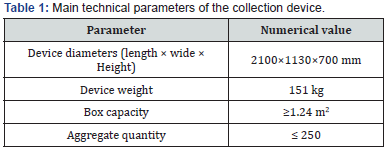
Based on the agronomic requirements of Panax notoginseng in different places of Yunnan Province and the physical characteristics of Panax notoginseng during the harvest period, the main technical parameters of the collecting device of the selfpropelled Panax notoginseng combine harvester are determined based on the design and calculation of the whole device parts, as shown in (Table 1).
Structural design of the collecting box
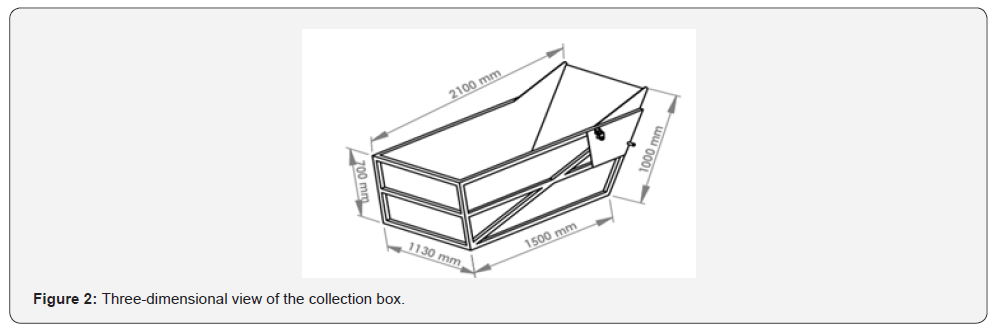
The shape and capacity of the collection box mainly depend on the ridge width during mechanical harvesting of Panax notoginseng, the method of conveying and collecting rhizomes, the length of the plot of land for mechanical operation, and the supporting power. Combined with the actual work needs, the size of the collection box is determined as shown in (Figure 2). When the box is complete, the hydraulic cylinders on both sides of the box body are extended to realize the rotation of the collection box around the hinge point between it and the support frame, to realize the dumping of the collection box, and complete the loading and unloading of Panax notoginseng rhizome. When designing the collection box, it is necessary to ensure that the box has a large capacity, high strength, complete loading and unloading, and the working process is as labor-saving as possible. Combined with the overall design of the Panax notoginseng combine harvester and the actual harvesting needs, the collection box adopts a trapezoidal structure. During unloading, as the collection box tilts, the Panax notoginseng rhizome can slide smoothly along the inclined edge to ensure complete dumping.
Theoretical analysis of the collection device
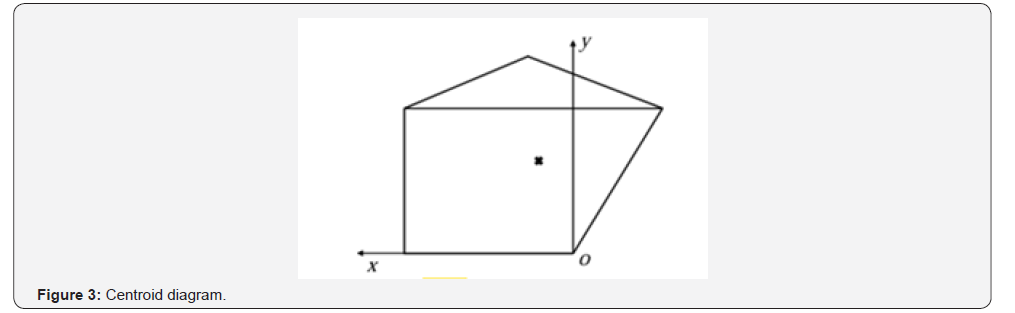
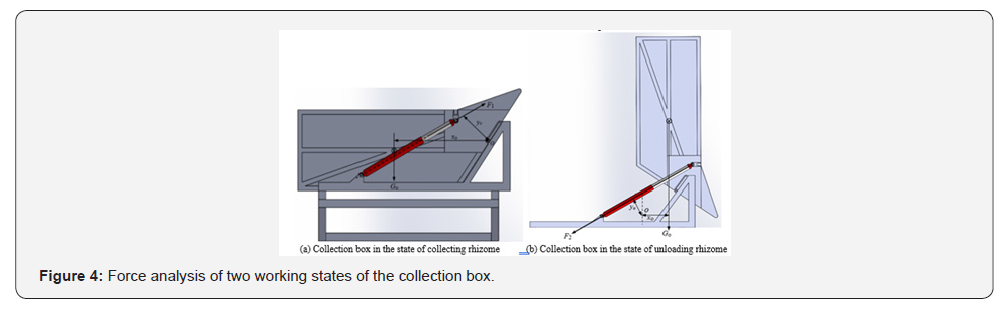
The mass of the box is 62 kg, the height of the upper part is 2100 mm, the length of the lower bottom is 1500 mm, and the height is 700 mm. The ideal volume of the collection box is calculated to be 1.4238 m3. From the Li Manman experiment [15] it can be seen that the actual collection of Panax notoginseng rhizomes was 409.04 kg, and the yield of Panax notoginseng per mu was 800 kg. Therefore, the designed collection box can collect about 0.5 mu of Panax notoginseng. When the collection box is filled with Panax notoginseng rhizomes, the total weight of the collection box and Panax notoginseng rhizomes is about 450 kg. The box and Panax notoginseng rhizome are regarded as a whole, as shown in (Figure 3). The maximum thrust of a single hydraulic cylinder at 16 MPa is 80,000 N, and the maximum pulling force is 50,000 N. That is, the maximum thrust that two hydraulic cylinders can provide at a working pressure of 2 MPa is 20,000 N, and the maximum pulling force that they can provide is 12,500 N. The effect of a force on a rigid body changes the body’s motion, including its movement and rotation. The force vector can measure the movement effect of force on the rigid body, while the rotation effect of force on the rigid body can be measured by the moment of force on a point (referred to as torque). That is, torque is a physical quantity that measures the rotational effect of a force on a rigid body [16]. As shown in (Figure 4), the hinge point O is the moment center, and the vertical distances x0 and y0 from point O to the line of action of force F are the force arms. According to the principle of moment balance, the force analysis of the two working states of the collection box, namely, the collection and unloading, is carried out:
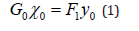
where:
G0: Total weight of the box and the rhizome, take 3200 N;
x0: The force arm of G0 to point O, mm;
F1: The maximum thrust required, N;
y0: The force arm of F1 to point O, mm.
It can be calculated that F1 =2521 N<20000 N, so the requirements are met.
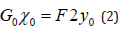
where:
F2: The maximum pulling force required, N.
It can be calculated that F2 = 6592 N<12500 N, so it meets the
requirements.
Finite element analysis of the collecting device
The solution process of finite element analysis typically includes the preprocessing, load-solving, and post-processing modules [17]. Finite element analysis is often used to improve reliability in studying the stress and strain of the research object [18]. When designing the collecting box, it is necessary to ensure that the components will not deform under the weight of the Panax notoginseng rhizome during collection, loading, and unloading. During unloading, the rotating support point is subjected to a significant force and is therefore more likely to deform; therefore, a static analysis of the collecting box’s unloading state is performed. (Figure 4) displays the three-dimensional model of the collecting box rotating support point. Two square tubes are welded on the side of the box. When the hydraulic cylinder is working, the force acts on the tube through a 500×370×8 mm thin sheet rather than directly on the box surface. The strength and deformation of the thin sheet directly affect the collection and loading effect. sThe assembly file of the collection and loading device created in SolidWorks 2022 was saved in “Parasolid” format and imported into ANSYS Workbench 2022R1. The finite element analysis software was used to perform static analysis on the thin sheet. The analysis process is as follows:
Define the material
The material is defined as Q235 carbon structural steel, with Young’s modulus set to 206000 MPa, density to 7850 kg.m-3, yield strength to 235 MPa, and Poisson’s ratio to 0.3.
Mesh division
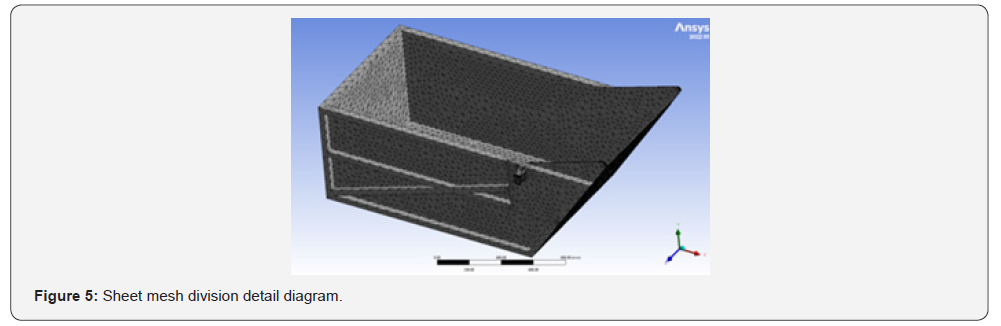
The accuracy of mesh division is directly related to the accuracy of the simulation results. Meshes are generally divided into two types: tetrahedral and hexahedral. A tetrahedral mesh is easy to calculate and has high accuracy [19]. Therefore, this study uses tetrahedral meshes; the mesh is generated using Mesh; the mesh transition is smooth; and the cell mesh size is set to 10 mm, as shown in (Figure 5). Since the finite element analysis is mainly performed on thin sheets, to increase the simulation accuracy, the chosen component was separated into meshes based on each element surfaces surface force. Consequently, there should be a considerable increase in the number of cells and nodes; there are 180494 nodes and 120345 cells. These numbers can significantly improve the simulation’s efficacy.
Simulation results
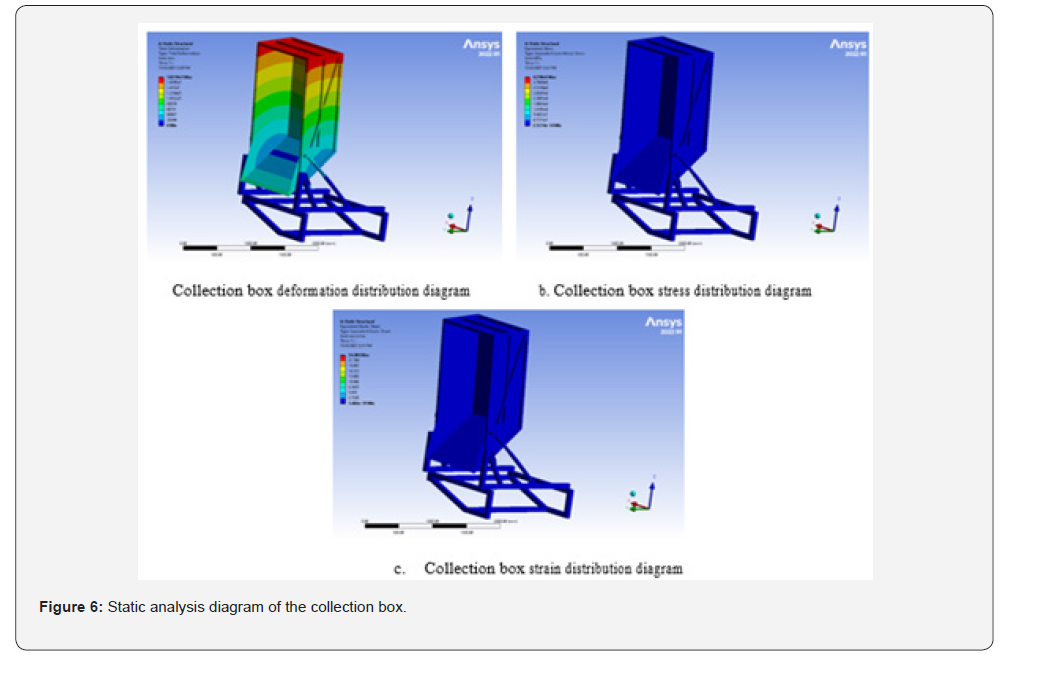
The total deformation diagram, equivalent stress, and equivalent strain of the collecting device obtained by ANSYS Workbench static analysis are shown in (Figure 6). The maximum deformation of the collecting box occurs at its rear end, with a deformation of 1.8219 mm. The maximum equivalent stress and equivalent strain are at the bracket where the rotation point is located, with values of 4.258 and 24.484 MPa, respectively, which are much lower than the material’s yield strength of 235 MPa. Therefore, the collecting box designed in this paper meets the strength and stiffness requirements and will not break or deform during the loading and unloading of Panax notoginseng stems.
Field validation experiment
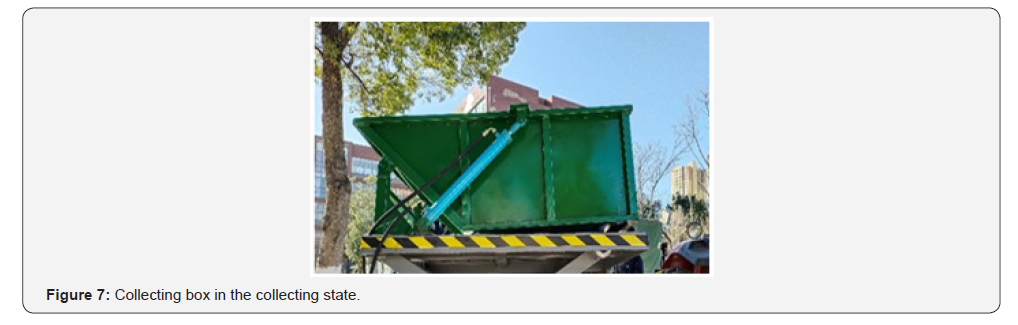
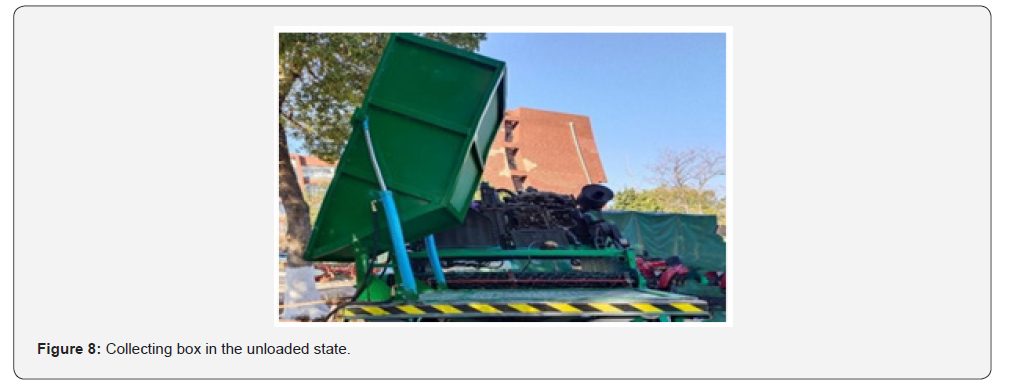
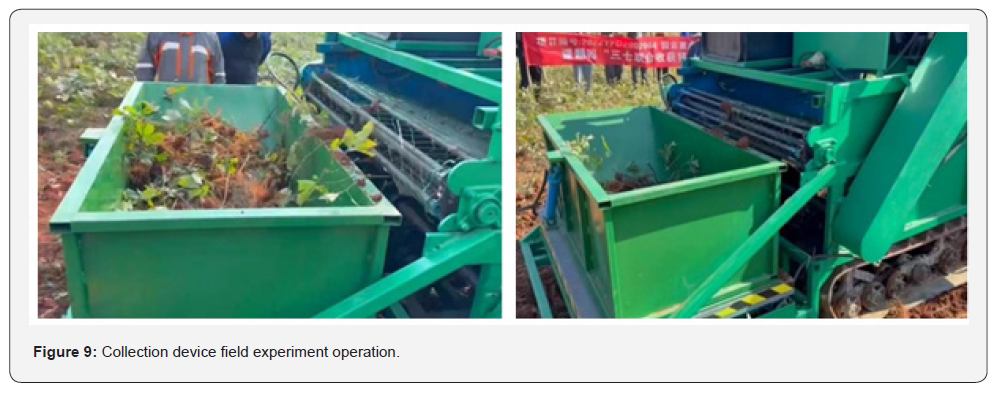
The collecting device is located at the rear end of the Panax notoginseng harvester. When the collecting box is full of Panax notoginseng stems, the hydraulic cylinder of the lifting platform extends, causing the collecting box to rise vertically (Figure 7). When the collecting box reaches the predetermined height, the hydraulic cylinder of the collecting box is controlled to flip the collecting box over (Figure 8), thereby completely emptying the Panax notoginseng stems. When the Panax notoginseng stems are completely unloaded, the hydraulic cylinder of the collecting box retracts, restoring the collecting box to the collecting state. Subsequently, the hydraulic cylinder of the lifting platform retracts due to its own weight, and the collecting device returns to its initial state. In actual harvesting operations, the collection device performed well. Its components were rationally arranged, ensuring smooth collection of Panax notoginseng rhizomes. The tight fit at the junction with the previous stage effectively reduced rhizome loss during the transfer process, resulting in a high collection rate. The actual operation is shown in (Figure 9).
Plant resources relationship regulation
If the resources in canopy crown, such as appropriate canopy [8] or suitable leaf amount, or root system, such as soil water resources in the maximum infiltration depth is smaller than space resources use limit by plants or resources use limit by plants, the Plant resources relationship enters the critical period of plant resource relationship regulation. If the plant density is more than the vegetation carrying capacity in the critical period of plant resource relationship regulation, we should regulate the plant resources relationship in critical period of plant resources relationship to obtain maximum yield and service. For economic species or crops, we should also regulate the relationship between vegetative growth and reproductive growth according to suitable leaf amount, the appropriate amounts of leaves when the plant density is equal to vegetation carrying capacity, and the relationship between the leaves and the number of fruits that meet the market demand to carry out sustainable use of resources and Agriculture high quality development (Figure 3).
Experimental Plan and Evaluation Metrics
Determination of Experimental Metrics
With reference to relevant standards such as the “Technical Specifications for Quality Evaluation of Harvested Rhizomatous Medicinal Materials” and in conjunction with the operational requirements of actual fieldwork, the collecting device is required to demonstrate superior collecting and unloading performance. To determine the optimal operating parameters for the collecting device, the evaluation metrics are defined as the collecting rate; the calculation equation is as follows:
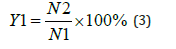
Where:
Y1: Collection rate, %;
N1: Number of rhizomes lifted from the lifting device;
N2: Number of rhizomes collected in the collecting device;
Experiment factors
Numerous factors influence the collecting performance of the self-propelled Panax notoginseng combine harvester; the primary factors include lifting speed, lifting angle, and the spacing between the lifting and the collecting devices. Based on theoretical calculations and the team’s prior research [20], experiments were conducted using the following parameter ranges: a lifting speed of 0.2–0.6 m·s-1, a lifting angle of 60–80°, and a two-device spacing of 150–350 mm. Through these experiments, the degree to which each factor affects operational performance was systematically analyzed, and the appropriate parameter ranges for the key factors were determined, thereby providing a crucial reference basis for the experiment results. During the experimental process, 100 Panax notoginseng rhizomes were randomly selected and fed into the front end of the lifting device to simulate the actual working conditions of the rhizome lifting, collecting, and unloading process. The number of rhizomes successfully conveyed and collected was recorded for each trial; each experimental group was repeated three times, and the average value of these three trials was adopted as the final data.
Results
Single-Factor Experiment on Lifting Speed
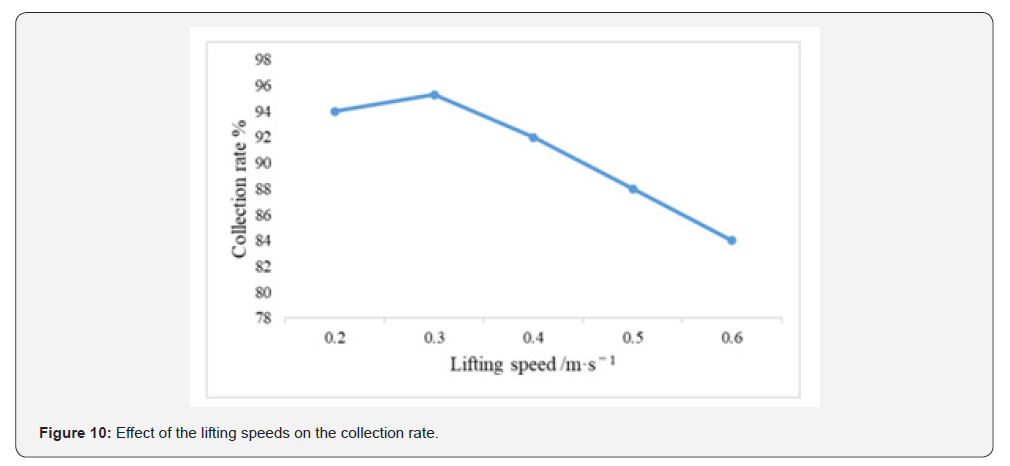
During the single-factor experiment on lifting speed, the lifting angle was set to 70° and the spacing between lifting and collecting devices to 250 mm. The objective was to investigate the degree of impact of various lifting speeds, specifically 0.2 m·s-1, 0.3 m·s-1, 0.4 m· s-1, 0.5 m· s-1, and 0.6 m· s-1, on each of the evaluation indicators. The observed trends are illustrated in (Figure 10). As illustrated in (Figure 10), the collection rate gradually decreases as the lifting speed increases; this is because, with higher lifting speeds, the horizontal distance traveled by the Panax notoginseng rhizome as they are ejected from the end of the lifting mechanism also increases, resulting in some roots falling outside the collection bin. However, when the lifting speed varies within the range of 0.2 to 0.4 m· s-1, the variation in the collection rate remains relatively minor.
Single-Factor Experiment on Lifting Angle
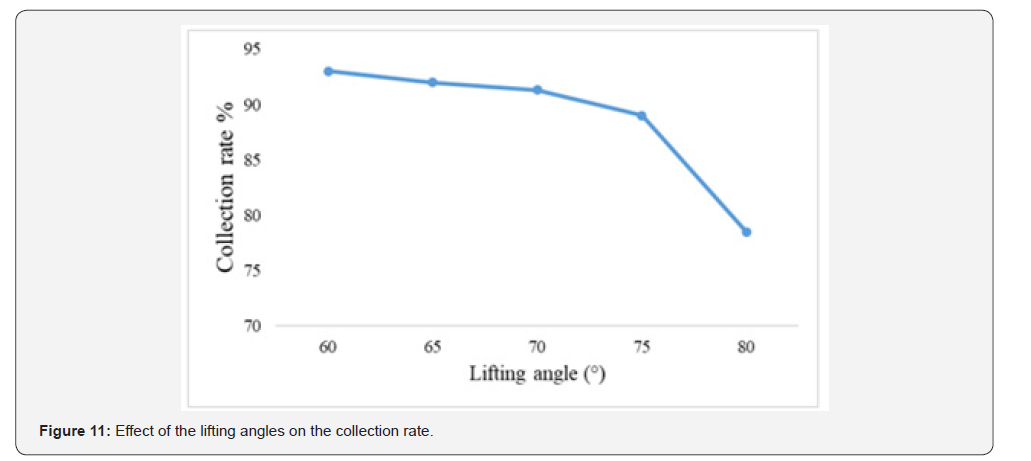
During the single-factor experiment on the lifting angle, the lifting speed is 0.4 m/s, and the spacing between the lifting and collecting devices is 250 mm. The experiment investigated the degree of impact on various performance indicators at lifting angles of 60°, 65°, 70°, 75°, and 80°. The observed trends are illustrated in (Figure 11). As illustrated in (Figure 11), the collection rate exhibits a downward trend as the lifting angle progressively increases. This is because, as the angle of the lifting device increases, the horizontal displacement of the rhizomes during their parabolic trajectory from the end of the lifting device correspondingly decreases. Furthermore, as the lifting angle is gradually increased, the projection distance of the rhizomes as they undergo parabolic motion at the end of the lifting device increases accordingly; this may cause some of the rhizomes to overshoot the collection box after being projected, leading to a subsequent decline in the collection rate.
Single-Factor Experiment on Spacing Between the Lifting and Collecting Devices
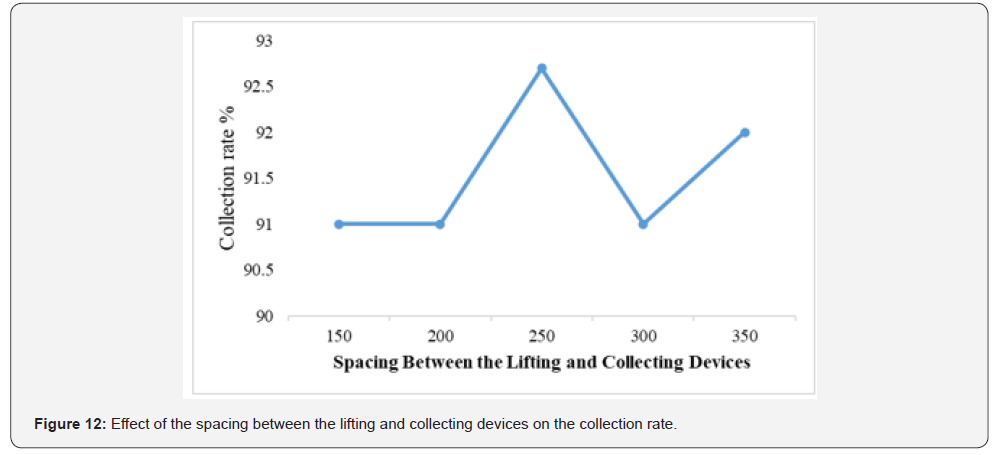
During the single-factor experiment on spacing between the lifting and collecting devices, the lifting angle to 70°, and the lifting speed was set to 0.4 m/s. The objective was to investigate the degree of impact on various performance indicators at spacing between the lifting and collecting devices’ levels of 150 mm, 200 mm, 250 mm, 300 mm, and 350 mm. The observed trends are illustrated in (Figure 12). As illustrated in (Figure 12), the collection rate initially increases and then decreases with the increase in spacing between the lifting and collecting devices. This is because appropriate spacing allows the Panax notoginseng rhizomes to follow a suitable trajectory into the collection box, while excessive spacing causes some rhizomes to miss the collection box. When the spacing is around 250 mm, the collection rate reaches its maximum, indicating optimal performance.
Conclusion
In this study, a collecting device for a self-propelled Panax notoginseng combine harvester was designed, analyzed, and experimentally validated to improve harvesting efficiency and reduce labor intensity. Based on the agronomic characteristics of Panax notoginseng and the operational requirements in hilly and mountainous regions, a collecting system consisting of a collection box, support frame, and hydraulic cylinder was developed. The trapezoidal structure of the collection box ensured smooth loading and unloading of rhizomes while maintaining sufficient capacity and structural strength. Theoretical analysis demonstrated that the hydraulic system provided adequate thrust and pulling force to ensure stable operation during both collection and unloading processes. Finite element analysis using ANSYS Workbench showed that the maximum deformation, stress, and strain values were significantly lower than the material yield strength, confirming that the designed collecting device meets strength and stiffness requirements and can operate safely under working conditions. Experimental results indicated that key operational parameters, including lifting speed, lifting angle, and spacing between lifting and collecting devices, significantly affect collection performance. The collection rate decreased with increasing lifting speed and lifting angle, while it first increased and then decreased with spacing, achieving optimal performance at approximately 250 mm. These findings highlight the importance of parameter optimization in improving collection efficiency. Field validation experiments further confirmed that the collecting device operates reliably, with smooth material flow and minimal rhizome loss. The system effectively integrates the lifting, collecting, and unloading processes, addressing the limitations of traditional harvesting methods. Overall, the proposed collecting device provides a practical and efficient solution for mechanized harvesting of Panax notoginseng. The results offer valuable technical support and reference for the development of intelligent and integrated harvesting equipment for rhizome crops in complex terrains.
Acknowledgement
We would like to express our sincere appreciation to all those who supported and contributed to this research. Special thanks to the Research Center on Mechanization Engineering of Chinese Medicinal Materials in Yunnan Universities for providing invaluable resources and support throughout this study, under project number 2022YFD2002004. We also extend our gratitude to the Faculty of Mechanical and Electrical Engineering and Faculty of Modern Agricultural Engineering, Kunming University of Science and Technology, Kunming, China, for their collaboration and valuable contributions, Additionally, we acknowledge the School of Tea and Coffee, Puer University, Puer, China.
References
- Lin Y, Zhang F, Li LX, Shi L, Zhu Y, et al. (2022) Identification of Panax not ginseng powder in different parts based on the electronic nose and time-domain feature extraction. Journal of the Electrochemical Society 169(4): 047510.
- Issa IIM, Zhaoguo Z, El-Kolaly W, Faan W (2025) Design, Simulation Analysis, and Experiment on Excavation Device of Self-Propelled Panax Noto-ginseng Combine Harvester. AMA, Agricultural Mechanization in Asia, Africa and Latin America 56(9): 384-407.
- Zhou J, Ye Z, Cui X, Zeng J, Zhao A, Zhu L (2010) Study on the pharmacodynamics of not ginsenosides R1, R2 and ginsenoside R b1. Chinese Patent Medicine 32(09): 1494-1497.
- Wang Y, Xu Y, Wei L, Ma X, Wei Z (2015) Research progress on saponin components and pharmacological effects of Panax notoginseng. Chinese Herbal Medicine 46(09): 1381-1392.
- Zeng J, Cui X, Zhou J, Jiang Z, Zhang X, et al. (2007) Research on the chemical composition of Panax not ginseng rhizomes. Chinese Material Medical 11: 1388-1391.
- Zhenmeng C, Zhaoguo Z, Faan W, Dan,Z, Haihui Y (2018) Kinematic analysis and optimal design of vibration-type device for Panax notoginseng root-soil separation. Journal of Northwest A&F University (Natural Science Edition 46(11): 146-154.
- Liu L, Liu Y, Wang F, Liu S, Hu H, et al. (2017) The Current Development Situation and Suggestion of Panax notoginseng in Yunnan Pronince. Mod Chin Med 19(9): 1331-1335.
- Zhong W, Chen P, Xia M, Yao J, Zhang Z (2020) Investigation and Evaluation of Traditional Medicinal Plant Resources in Wenshan,Yunnan Province. Journal of Chinese Medicinal Materials 43(10): 2390-2395.
- Zhou J, Yang S, Li M, Chen Z, Zhou J, et al. (2021) Design and experiment of a self-propelled crawler-potato harvester for hilly and mountainous areas. Inmateh-Agricultural Engineering 16(4).
- Guojie L, Ganran D, Hongzhu W, Shuang Z, Zhende C, et al. (2022) Design and experiment of 4UMZ-1400 rear⁃ collected type cassava combined harvester. Journal of Chinese Agricultural Mechanization 43(3): 1.
- Li S, Lin H, Wu L, Bao W, Qi JM (2023) Innovative Design and Mechanical Analysis of Low-Resistance Fritilariae Ussuriensis Maxim Excavation Device. Applied Sciences 13(18): 10204.
- Wang H, Zhang Z, Ibrahim I, Xie KT, El-Kolaly W, et al. (2021) Design and experiment of small-sized potato harvester suitable for hilly and mountainous areas. Acta Agriculturae Zhejiangensis 33(4): 724-738.
- Issa IIM, Zhang Z, El-Kolally W, Wang Fa, Wang Y (2025) Innovated design, simulation and evaluation of potato harvester excavation and separation conveyors. International Journal of Agricultural and Biological Engineering 18(2): 132-145.
- Issa IIM, Zhang Z, Omer AAA, Kaiting X, Zhuma G (2025) A Comprehensive Review of Harvesting Equipment for Rhizome and Tuber Crops: A Bibliometric and Thematic Analysis of Trends, Influences, Intellectual Structures, and Future Directions. Revista De La Facultad De Ciencias Agrarias 57(1): 93-121.
- Coleman R (2010) A detailed analysis of the brachistochrone problem.
- Gianino C (2009) An MBL experiment to analyze the torque on a rigid body. The Physics Teacher 47(4): 224-225.
- Yu H, Zhao X, Sang Y, Wu T (2015) Parametric modeling and moving simulation of vibrating screen and tubers on potato harvester. Advance Journal of Food Science and Technology 7(6): 474-478.
- Issa IIM, Zhang Z, El-Kolaly W, Yang X, Wang H (2020) Design, ansys analysis and performance evaluation of potato digger harvester. International Agricultural Engineering Journal 29(1): 60-73.
- Gui Y, Ganqiang T, Zhonghua Z, Haidi S (2022) Reliability Analysis of High and Steep Slopes in Open Pit Mines Based on Numerical Simulation. Journal of University of South China (Science and Technology) 36(3): 15-21.
- Yue Z (2024) Research on Lifting and Collecting Device of Self-propelled Panax notoginseng Combine Harvester, in Faculty of Modern Agricultural Engineering, Kunming University of Science and Technology, Kunming, China.

























