




 ARTOAJ Home



Abstract
The agricultural field has adopted an innovative solution by combining metal/metal oxide nanoparticles with organic acids which shows potential across various agricultural areas including plant growth promotion and pest control implementation. The seed germination enhancement and nutritional uptake capabilities along with pest management advantages and stress protection functions are demonstrated by silver (AgNPs) copper (CuNPs), iron (Fe2O3, Fe3O4) and zinc oxide (ZnO NPs) among meta/metal oxide nanoparticles. The combination of organic acids including citric, acetic, and humic acids through active enhancement of soil properties leads to better nutrient availability for mobile atoms and microbial population growth which further advances soil fertility. When metal oxides nanoparticles (MNPs) merge with organic acids, they produce synergistic outcomes that double their separate advantages and provide a complete solution for agricultural productivity improvement. This review investigates the operational principles behind MNPs and their pairing with organic acids as well as their function in soil enhancement and plant vitality and their environmental impact when utilized. Although MNPs bring notable advantages to the table there are unresolved challenges concerning their environmental hazards as well as their ecological impact and optimal applicational scenarios. Additional study is essential to maximize the safe and sustainable agricultural application of MNPs combined with organic acids according to this article. This review explores the synergistic applications of metal/metal oxide nanoparticles and organic acids in agriculture, highlighting their effects on plant growth, nutrient uptake, stress tolerance, and pathogen resistance.
Keywords: Metal Oxide Nanoparticles; Organic Acid; Agriculture; Sustainable Agriculture
Abbreviations: MNPs: Magnetite Nanoparticles; MNPs: Metal Oxide Nanoparticles; ROS: Reactive Oxygen Species; SOD: Dismutase; CAT: Catalase
Introduction
Modern agricultural systems require an integration of two key goals which maintain environmental sustainability together with improved crop yields. Pesticide resistance leads to soil deterioration developing because environmental pollution emerges from agricultural practices based on chemicals. A growing scientific interest prompted increased focus on environmental research in agricultural development [1,2].
Nanotechnology enables the use of metal and metal oxide nanoparticles (MNPs) to provide modern agriculture with an attractive solution for its current challenges. The combined antimicrobial features together with extensive surface contact and high reactivity of AgNPs and CuNPs with ZnO NPs makes these nanoparticles suitable for agricultural usage. Studies prove that both seed germination and plant growth advance through metal oxide nanoparticles [3] and these nanoparticles enhance both nutrient absorption and defense against plant pathogens.
Natural organic acids such as citric acid and acetic acid along with humic substances activate dual soil health development and nutrient release capacity. The essential plant nutrients achieve enhanced bioavailability through organic acids that provide two functions: controlling microbial rhizosphere activity and adjusting soil pH levels [4]. Metal nanoparticles benefit from organic acids which stabilize their composition and enhance their field application efficiency in agricultural practices [5].
The agricultural utilization of MNPs shows positive results although many issues remain when utilizing these compounds. The main drawback of using nanoparticles stems from their toxic side effects that damage beneficial plant microbes as well as plants [6]. The impacts of magnetite nanoparticles (MNPs) on sustainability and environment within the agricultural system should be investigated into the future scope of research [7]. Although many investigations have examined the effects of organic acids on soil quality extensively, more studies are required to assess the benefits and risk of combining MNPs and organic acids in agro-based applications [3,8] Figure 1.

Background
The review article encompasses detailed findings from modern agricultural research about MNP utilization in combination with organic acids applications. Research findings indicate that plants get enhanced growth capabilities as nutrients absorb more efficiently and become stronger to diseases and the soil quality improves thanks to these integrated technologies. The review demonstrates how MNP and organic acid combinations enhance agricultural technology development dedicated to sustainable food production systems. This review covers five major objectives.
i. Detect different MNPs utilized in agriculture alongside
their operational mechanisms.
ii. Assess the function of organic acids when they are used
to improve soil fertility combined with bioavailable nutrients and
healthy plant growth.
iii. Begin a study to determine the dual impact of MNPs with
organic acids for improving agricultural output results.
iv. Researchers must identify and address the issues and
operational boundaries that exist when MNPs and organic acids
are combined for agricultural applications.
v. Propose research directions which will enhance
agricultural utilization of these materials.
Sustainable agricultural productivity can be achieved by applying both metal or metal oxide nanoparticles and organic acids together. This innovative type provides necessary support for the agricultural industry because it enables it to handle growing population needs while protecting the environment. The study examines this potential method thoroughly to enhance knowledge of its capabilities and establish base research for agricultural applications extension. An extensive examination collected vital research data regarding MNP utilization with organic acids for agricultural garden uses.
The research analysis involved predominantly peer-reviewed articles that examined agricultural outcomes between metalbased nanoparticles and organic acids to boost plant development and soil quality and defend against pests. In their extensive metaanalysis, Kwaslema and Michael [9] reviewed 495 experiments from 70 publications to endorse the interaction between nanomaterials and plants under the salinity concentration. They emphasized noticeable discrepancies in experimental conditions, which varied in nanoparticle types, dosages, applied methods, plant types, and growth media. Such variability makes it difficult to make direct comparisons and emphasizes the need to create standardized methods in nanomaterials research to reach consistent and reliable conclusions.
The research utilized distinguished academic search platforms consisting of Google Scholar and PubMed and additionally included both Scopus together with Web of Science and SpringerLink. The selection of multiple academic databases allowed researchers to access extensive peer-reviewed materials focused on agricultural and environmental science and nanotechnology fields. The research incorporated searches for “metal or metal oxide nanoparticles in agriculture” with “organic acids and nanoparticles” and included “synergistic effects of MNPs and organic acids” and “nanotechnology in farming.” The research terms went through progressive development using Boolean search tools to refine the collection results.
Nanoparticles
Metal or metal oxide nanoparticles function as nano-scale objects below 100 nanometers that show unique behaviors because of their large surface area as well as high reactivity and antimicrobial actions. Agricultural applications of these nanoparticles have increased because these particles improve harvest production while increasing pest tolerance and supporting soil health maintenance. The cellular level plant interaction capacity of MNPs enables efficient growth promotion together with enhanced nutrient acquisition capacity and stress protection against multiple forms of biological and environmental threats [3,10].
Nanotechnology, and specifically MNPs, offers several advantages over conventional agrochemical products. Through precise delivery systems they reduce environmental contamination although they enhance their performance output. Nanoparticles of MNPs obtain their special attributes from their small dimensions that create an elevated surface-to-volume proportion and increase their fast response with plant organisms and microorganisms [11]. Table 1 compares the key properties and applications of different metal or metal oxide nanoparticles in agriculture.

Metal or Metal Oxide Nanoparticles in Agriculture
Nanoparticles function as agricultural fertilizers and pesticides in agricultural applications and scientists classify them as nanofertilizers and nanopesticides respectively. Research shows that agricultural use of nanoparticles as nanofertilizers increases nutrient consumption efficiency [13-15]. Nanopesticides applied in the form of nanoparticles serve to protect crops from both fungal and bacterial infections [16]. The ongoing effects of nanoparticles on plant-associated microorganisms have not received clear scientific explanations. Microbial communities which serve as crucial and sensitive indicators for nanoparticle environmental risks need more scientific studies despite limited research in this field [17,18].
Research studies show that applying nanotechnology to agriculture brings benefits, but some investigators still raise warnings about the potential agricultural consequences of using nanoparticles [19]. The agroecosystem experiences nanoparticle infiltration through both nano-based agricultural amendments application and industrial and household waste emissions [20,21]. Nanoparticle effects depend on the combination of nanoparticle form and dimensions and plant taxonomy as well as concentration level and measurement duration in soil [22]. The research findings published by [23] demonstrated that silver nanoparticles led to higher levels of ascorbate and chlorophyll in asparagus (Asparagus officinalis L.) leaves.
Types Of Metal and Metal Oxide Nanoparticles Used in Agriculture
Several types of MNPs are utilized in agriculture, each offering distinct benefits depending on the application.
Silver Nanoparticles (AgNPs)
Scientists primarily study AgNPs among magnetic nanoparticles because of their demonstrated antimicrobial properties. The antibacterial property of AgNPs possesses the ability to both limit fungal development while killing bacterial and viral entities. The antibacterial substance and antifungal characteristics of the nanoparticles defend crops from traditional chemical pest management through dual protective operations. The application of AgNPs stimulates seed germination simultaneously with root enhancements and enhances chlorophyll production throughout agricultural crops [10]. Scientists validated that silver nanoparticles enhanced seedling development for tomatoes and cucumbers since they enhanced nutrient uptake abilities [3].
Copper Nanoparticles (CuNPs)
Copper nanoparticles find wide applications because they possess both fungicidal and bactericidal properties. Nanoparticles demonstrate robust potential to control bacterial blight while simultaneously defending against harmful fungal diseases affecting tomato and wheat plant crops. Researchers confirmed that CuNPs enhance plant uptake of nutrients by simultaneously developing robust root systems for nutrient-deficient soil survival [1,12]. Plants gain superior protection against drought and salinity stress through copper nanoparticle treatment because these nanoparticles enhance antioxidant properties in plants [10].
Zinc Oxide Nanoparticles (ZnO NPs)
Research studies have focused on zinc oxide nanoparticles because they serve as necessary micronutrient compounds while also acting as microbial protection materials. Zinc oxide nanoparticles supply bioavailable forms of zinc to plants as plants need this essential nutrient to drive photosynthesis combined with chlorophyll synthesis and essential development processes. The application of ZnO NPs plays a double role in improving soil quality through heavy metal detoxification processes and better nutrient uptake [11]. The research shows ZnO NPs enhance germination success rates alongside enhancing root growth in plants such as maize and rice [12].
Zn serves an essential role in growth across animals and humans and plants because plant nutrition requires this micronutrient during enzymatic reactions and metabolic pathways as well as oxidation reduction reactions [24,25]. Enzymes that perform nitrogen metabolism and energy transfer and protein synthesis heavily depend on Zn for their optimal functionality [26]. The primary mechanisms affecting experimental outcomes depend on experiment nature and plant species as well as including Zn utilization in tissues and Zn uptake.
Genotypes showing efficiency under Zn deficiency demonstrate elevated activities of both Cu/Zn anhydrase and carbonic anhydrase. The total soil Zn content depends on numerous soil qualities including pH and CaCO3 content together with organic matter levels as well as the crop variety and soil nutrient interactions during Zn uptake and plant growth [27]. The roots of plants absorb Zn from various soil contents through both Zn2+ ions and organic acid chelates [28] before transferring it through the xylem to upper plant parts [29]. Research indicates that plants can absorb Zn through their leaves when applied through foliar spray [30].
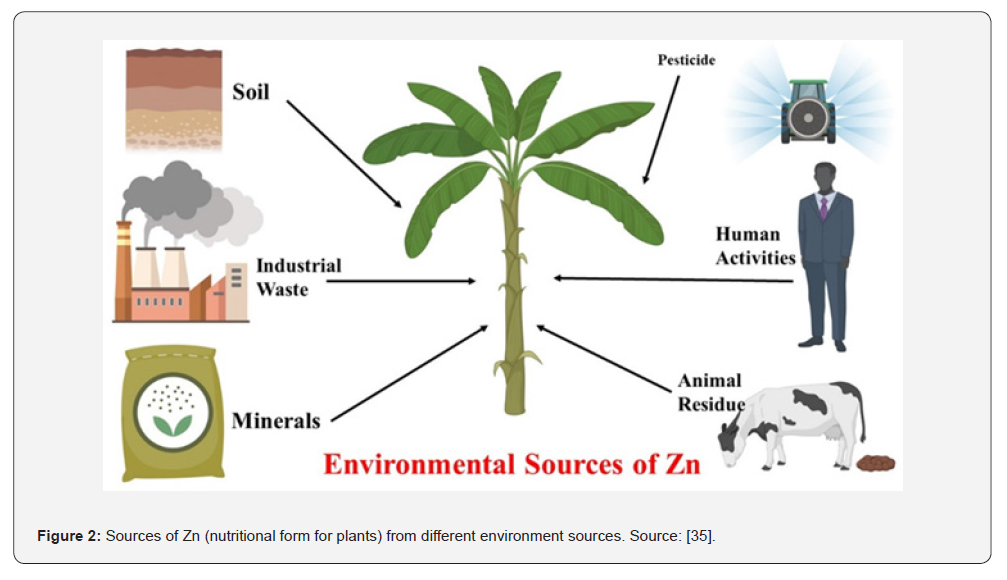
Scientific research has not determined the actual underlying process. The transport mechanism of nutrients depends on leaf surface characteristics as documented for various elements including Cu [31-34]. Leaf zinc absorption involves understanding both the leaf cuticle’s chemical structure and waxy layer thickness together with leaf trichome and stomata features and density in addition to leaf cuticle density. Figure 2 displays the Zn absorption through different environmental sources under diverse environmental conditions.
Mechanisms of Action
The mechanisms of action by which MNPs affect plants can be categorized into direct and indirect pathways.
Direct Mechanisms
The permeable structure of plant cells enables metal/metal oxide nanoparticles to enter cells so they can actively connect with components such as membranes and cell walls along with organelles. The interaction with metal oxide nanoparticles leads to biochemical along with physiological responses through antioxidant activity enhancement that improves disease resistance and stress tolerance [26]. MNPs enhance nutrient absorption through two mechanisms which involve membrane permeability increase and improved root system nutrient transport.
Indirect Mechanisms
Plants demonstrate growth effects because the transformation of soil environment occurs with MNPs. Plants experience reduced toxic impacts from lead and cadmium metal ions after silver nanoparticles bind with these toxic substances to enhance soil quality [1]. Soil microbial activity receives numerous positive effects from zinc oxide nanoparticles which simultaneously enhances soil fertility and drives plant growth [11]. Plants show hormonal changes including auxins and cytokinins due to exposure to MNPs according to research by [10].
Applications of Metal or Metal Oxide Nanoparticles in Agriculture
MNPs serve various agricultural purposes because they support plant health together with pest management and improve soil conditions.
Pest and Disease Control
Plant pathogens demonstrate vulnerability to antimicrobial effects from AgNPs and CuNPs when among the various MNPs group of substances. MNPs show antimicrobial properties which fight against Pseudomonas syringae in combination with Fusarium oxysporum and various viruses. Through their application these materials eliminate requirements for traditional chemical pesticides which enhances food security and reduces environmental contamination [36].
Improvement of Plant Growth and Nutrient Uptake
Studies confirm MNP administration speeds up seed sprouting and supports leaf expansion as well as root advancement and produces greater levels of chlorophyll in plant tissues. Experimental research demonstrates that MNP materials enhance agricultural output and create superior final products as reported by Faizan et al. [12]. Research conducted by Singh et al. demonstrated that zinc oxide nanoparticles at nanometer scale boost chlorophyll production and photosynthetic activity in both wheat and rice species.
Stress Tolerance
Nanomaterials applied as MNP interventions enhance plant performance under stressful conditions through their ability to improve plant resistance against drought stress as well as salt toxicity along with toxic metal stress. Plants experience decreased environmental stress damage when exposed to nanoparticles because these materials enhance their antioxidant defense capabilities to achieve faster growth rates and enhanced yield efficiency during harsh conditions [36].
Environmental Impact and Toxicity of Metal/Metal Oxide Nanoparticles
Independent investigations need to study both toxic effects and environmental risks of MNPs even when specific agricultural benefits have been established. Scientific studies prove that MNPs have the potential to harm multiple non-target species including both microorganisms found in soil and earthworms in addition to aquatic organisms [6].
Bioaccumulation in Plants
Plants that take up MNP develop health conditions which decreases the nutrition quality of agricultural crops. Scientific research demonstrates that the accumulation of MNP in food chains creates health threats for both human beings and animal populations according to Dey et al. [37].
Effect on Soil Microbes
Nanoparticles used in soil disturbs microbial composition triggering important biological processes such as nitrogen fixation and organic matter degradation to become imperfect. The passing of time causes fundamental soil health and fertility depletion thus reducing the effectiveness of agricultural systems [6].
Organic Acids in Agriculture
Plant cells utilize organic acids as metabolic intermediates which support various biochemical pathways including glycolysis and the tricarboxylic acid cycle and photorespiration besides the glyoxylate cycle and the photosynthetic C4 cycle. Organic acids function as unanticipated controllers of whole plant physiological processes according to recent compelling scientific evidence. A broad range of research laboratories is investigating plants with different organic acid concentrations resulting in unexpected observations [38-41].
A wide spectrum of basic cellular functions receive regulation through organic acids by using both pH modification and redox state modulation. The evidence suggests these compounds function to regulate various biochemical and physiological processes within living organisms because of their natural role in cellular processes. The signaling function of organic acids has been extensively researched in relation to sugars based on findings by Finkemeier et al. [42].
Together with their demonstrated ability to alter membrane transport Hedrich and Marten [43] and De Angeli et al. [44], organic acids are positioning themselves as important signaling messengers. Science has demonstrated that biochemical reactions involving cytosolic organic acid metabolism serve during cold acclimation processes [45]. Organic acids participate in proteinbased chemical reactions which modify protein structure therefore affecting it’s in vivo activity as researchers have confirmed through acetylation and succinylation studies [46,47]. Organic acids became the focus in both plant cell biochemistry and whole plant physiology research because of their new functions.
Role of Organic Acids in Soil Health
Soil health improvement depends on organic acids because these substances influence both physical characteristics and chemical composition and biological activity. The fundamental soil operating processes regulate by four main acidic compounds where nature generates citric acid followed by acetic acid then humic acid which culminates in lactic acid. Organic acids applied to soils produce various vital effects that bring better plant growth and sustainable farming practices.
The acidifying characteristic of organic acids enables them to lower soil pH which subsequently increases the availability of essential nutrients phosphorus along with iron and zinc for plant uptake. The chelation capacity of organic acids in alkaline soils dissolves mineral salts through breaking processes which results in nutrient forms available to plants. Citric acid demonstrates its effectiveness in dissolving phosphates that are commonly linked with calcium in calcareous soils thus enabling plant nutrient uptake [12]. The system serves as a solution for agricultural areas experiencing deficiencies of micronutrients together with deficiencies of macronutrients.
The catalytic property of organic acids activates soil microorganisms which enhance both the structural composition and decomposition process of organic matter in the soil. Organic material transformation into valuable humus depends on biological populations which include bacteria fungi and actinomycetes because their enhanced performance works to deconstruct organic material. The addition of organic material becomes possible through acid action which leads to improved soil aggregation and consequently increases water and oxygen availability for root growth. Plant roots alongside soil microorganisms show better relationship after organic acids transform the rhizosphere conditions [3].
Soil organisms use organic acids as biological buffers because these substances create constant stability in their environment to regulate pH changes. Soil buffering mechanisms formed by these compounds safeguard microbial life along with plant development through controlled management of environmental changes that frequently occur due to acid or alkaline conditions [48]. Several different operations enable organic acids to serve multiple functions in retaining both soil fertility and environmental health thus making them fundamental for maintaining sustainable agricultural operations. Table 2 presents organic acids with their agricultural applications and how they affect the quality of soil and plant health.

Mechanisms of Action of Organic Acids
Plants experience three important mechanisms of influence from organic acids to improve nutrient intake while developing stress-resistance and improving soil condition.
Nutrient Mobilization
Citric acid along with acetic acid mobilizes nutrients in the soil through chelation as their main mechanism. Essential minerals such as phosphorus and zinc and iron bind to chelating organic acids that are present in insoluble forms. The bioavailability of plants’ roots receives enhancement through organic acid solubilization of important nutrients particularly in alkaline environments [11,12]. The plants benefit substantially from these enhanced nutrients because they improve their ability to grow, which becomes particularly important in infertile soils. Soil nutrient availability increases using organic acids including citric acid and humic acid resulting in better plant growth and health [52].
Stress Alleviation
Organic acids show important functions in increasing plant stress tolerance for abiotic conditions like drought stress and salinity problems and heavy metal toxities. Plants become better able to handle stress because organic acids enhance their defense mechanisms against antioxidants. The stress-tolerant properties of plants are enhanced when they use lactic acid and acetic acid because these organic acids induce production of antioxidant defenses including superoxide dismutase (SOD) and catalase (CAT) that break down reactive oxygen species (ROS). Plants regulated with organic acids demonstrate better resilience and growth performance under poor environmental conditions by lowering their oxidative damage [58].
Microbial Regulation
Soil microbiomes are influenced by organic acids because they stimulate beneficial microorganisms to grow and inhibit harmful pathogens. Visible increases of microbial diversity occur when organic acids enter the soil thus enhancing nutrient cycling while simultaneously improving soil structure. Humic acid as a complex organic acid enables the growth of mycorrhizal fungi which facilitates nutrient absorption mainly of phosphorus and improves water retention for plants.
The antimicrobial agents in lactic acid together with other organic acids suppress soil-borne diseases by preventing the growth of pathogenic fungi and bacteria [3,52]. The application of organic acids benefits plant development and strengthening because these acids: make the nutrients more mobile, build resistance against stress factors and modify the activity of soil microorganisms. Therefore, they constitute essential components for sustainable agriculture.
Applications of Organic Acids in Agriculture
Modern agricultural practice benefits from organic acids because they provide multiple advantages to plant growth together with disease resistance along with soil health management. Organic acids serve applications which include both soil enhancement and fertilizer boosting and disease treatment and stress tolerance benefiting plants.
Soil Amendment and Fertilizer Supplementation
Organic acids represent common chemicals used to adjust soil pH alongside increasing nutrient accessibility for alkaline and weak-fertility soil environments. Citric acid and acetic acid function commonly in the market to enhance soil phosphorus and micronutrient availability while releasing plant-unavailable minerals bound within the soil. Soils containing high calcium levels become more accessible to nutrients through the process of mineral release achieved by organic acids acting as chelators [11]. The application of microbial technology represents a primary tool for organic farmers since synthetic fertilizers remain out of their production methodologies.
Bio-fertilizers made from decomposed humic acids extracted from plant and animal substances enhance microbial health while improving the structure of the soil. The combination of sustainable soil fertility depends on humic substances because they increase microbial diversity and nutrient cycling functions to serve as important tools for maintaining soil health. Bio-fertilizer organic acids function as water retainers in sandy soils thus delivering better water accessibility for plants when there is drought [52]. Nanoparticles demonstrate notable potential to improve soil conditions along with building sustainable farming approaches that help confront concerns related to food security [28].
Plant Growth Promotion
The research confirms organic acids as direct promoters of plant development. The rhizosphere environment shows beneficial alterations while experiencing improved nutrient acquisition because organic acids advance both root growth and seed germination. Plant health benefits from humic acid exposure because the compound extends the root system length and enlarges leaves says [12]. The natural organic acid Citric acid provides dual benefits by improving the rhizosphere microbiology as well as plant nutrient intake under stress situations [58].
Stress Management and Biocontrol
Different research studies have shown organic acids reduce abiotic stresses that occur during drought conditions and salt exposure and heavy metal pollution situations. Plant growth gets restricted through the activation of damaging reactive oxygen species (ROS) by stressful conditions. Plants develop improved stress tolerance and maintain their growth under adverse conditions because organic acids serve as antioxidants to combat oxidative stress [3].
Lactic acid together with acetic acid serves as biological antipathogen agents to control plant diseases. These acids change the rhizospheric pH and produce antimicrobial substances that prevent dangerous fungal and bacterial growth to provide an environmentally friendly alternative to synthetic pesticides [52]. Organic acids applied in soil treatments lower farmers’ dependency on chemical fungicides and bactericides to support sustainable farming methods.
Limitations and Potential Risks of Organic Acids
The agricultural implementation of organic acids presents both benefits to agriculture and particular drawbacks alongside risks for safety. Soil acidification stands as the main difficult aspect since organic acids accumulate at damaging levels which leads to lower pH values. Prolonged soil acidification reduces the ability to obtain calcium and potassium as well as magnesium thus disrupting essential nutrient balance [3]. The excessive use of organic acids causes essential microorganisms in soil to perish because they function as key agents in both soil nutrient cycling and organic matter decomposition. The preservation of soil environment requires precise organic acid dosing schemes because misapplication may harm environmental balance along with the diverse soil microbial communities.
Organic acids with absorption-enhancing properties like citric acid and acetic acid function well but their high concentrations cause phytotoxic damage to root which reduces plant growth across different plant varieties. The accurate analysis of dosage measurements stands essential because plants show toxic behavior when reaching specific concentration levels [11]. The cultivation of plants and generation of fertile soil and stresstolerant crops require organic acids used in farming platforms since these acids offer distinct advantages.
The sustainable agricultural system takes advantage of organic acids because they function as key elements to help microorganisms obtain nutrition and lower stress factors in the environment. Research needs to investigate all potentially negative effects of organic acids on agricultural systems due to their sustainable implementation which could lead to two significant limitations including soil acidification and phytotoxins in plant growth. Scientists must develop effective agricultural applications of organic acids to resolve existing barriers for sustainable increases in farm quantity. Combined Effects of Metal/ Metal Oxide Nanoparticles and Organic Acids in Agriculture.
Introduction to Synergistic Effects
Agricultural practices adopted the method of using metal/ metal oxide nanoparticles (MNPs) with organic acids as a promising approach to produce better results than stand-alone applications. MNPs work well with organic acids through their individual supportive actions that include mobile nutrient activation along with stress tolerance mechanisms and antimicrobial defense resulting in improved plant development and soil quality. The independent application of Metal/metal oxide Nanoparticles causes limited growth improvement mainly because bioavailability affects their effectiveness and creates toxic side-effects and environmental influence. The bioavailability and solubility of nutrients improve when organic acids are used to surpass the restrictions that exist in agricultural practices [11].
Together MNPs and organic acids develop a perfect growth environment that enhances nutrient absorption along with protection against abiotic stress factors including salt damage and dehydration and toxic metals. The complete system demonstrates exceptional value for sustainable agriculture since it enables improved production along with reduced environmental consequences. Table 3 represents some recent research work on synthesis, mechanism, and effect of MNPs in agriculture with a view of their application in various crops, their increased uptake, resistance against diseases, and their drought tolerance, as well as their environmental benefits. Each study utilizes organ acids or plants extract for synthesizing nanoparticles with enhanced biocompatibility and controlled release.

Mechanisms of Synergistic Action with Organic Acids
Multiple mechanisms combine MNPs with organic acids allowing their joint influence to increase the effects of each compound. The plant availability of MNPs increases through two organic acids known as citric acid and acetic acid which support dispersion of MNPs in soil and enhance their bioavailability. The stability of manganese oxides improves with organic acids because these acids dissolve metallic components which prevents aggregation and enhances the efficiency of nutrient absorption [1]. Overall, the cooperative system of organic acids with MNPs produces enhanced nutrient bioavailability including crucial growth elements phosphorus, iron and zinc [11].
MNPs show dual properties which simultaneously affect stability together with the efficiency of organic acids in soil conditions. When MNPs interact with rhizosphere environments they initiate root organic acid release which enhances acid concentrations and activates the root system. The transformation process enhances root organic acid concentration and thus improves micronutrient absorption in plants [3]. The antimicrobial elements in MNPs generate silver nanoparticles that act as biological pest and disease protection systems for agricultural crops [12].
Zn nanoparticles actively participate in seed germination of plants. Some results indicate that the addition of Zn nanoparticles favors the germination of certain plants, such as beans Nguyen et al. [63], Capsicum annuum García-López et al. [72], A. hypogaea Prasad et al. [73], T. aestivum and Linum usitatissimum (Bayat et al. [14], Zea mays Estrada-Urbina et al. [74], Citrus reticulata Hussain et al. [75], T. aestivum Davydova et al. [76]. In general, the effects on different germination parameters indicate a dependence on the concentration of Zn nanoparticles, showing no effect or positive effect at low concentrations and an inhibitory effect at higher concentrations of these nanoparticles.
These effects have been described or several crops such as Z. mays (Ahmed et al. [77]; López-Moreno et al., 2017) [78], S. lycopersicum Raliya et al. [79]; Singh et al. [75], Brassica nigra Zafar et al. [80], Brassica oleracea Singh et al. (2013), L. sativa and Raphanus sativus Ko and Kong (2014); Singh and Kumar (2019), Sinapis alba Landa et al. [81], L. sativa Liu et al. [82], Lepidim sativum Jośko and Oleszczuk [83], Cucumis sativus de la Rosa et al. (2013), Lactuca sativa Ko and Kong (2014), Oryza sativa Li et al. [84], Allium cepa Raskar and Laware (2014) and Phaseolus vulgaris Savassa et al. [85] Table 4.
Agricultural Applications of Combined MNPs and Organic Acids
Agricultural research combines manganese particles (MNP) with organic acids to generate successful findings which enhance plant well-being and pest resistance as well as soil quality improvement.
Plant Growth Promotion
Integration of organic acids into magnetite nanoparticle hybrids leads to simultaneous improvements in seed germination and root growth as well as enhanced chlorophyll photosynthetic activities. Research demonstrates how copper nanoparticle and citric acid integration results in effective seed germination improvement alongside longer root survival times for tomato and cucumber plants [3]. Plants produce better crop quality with increased yield through the combination of fertilizers containing zinc and phosphorus that become more accessible to plant absorption when organic acids are added. The combination of metal nanoparticles with organic acids enhances both plant health as well as soil quality according to extensive studies [89].

Stress Tolerance
Scientific evidence shows how organic acid treatment with MNPs strengthens plants against adverse environmental conditions. The combined treatment of drought-stressed maize roots with ZnO NPs and acetic acid enhances water uptake efficiency according to Faizan et al. [12]. The addition of lactic acid in silver nanoparticle solutions enhances plant salt defense mechanisms since this combined treatment protects antioxidants while stopping reactive oxygen species from decomposition Yadav et al. [90]. Research shows that metal oxide nanoparticles particularly zinc oxide nanoparticles (ZnO NPs) increase nutrient absorption along with stress tolerance ability and enhanced photosynthesis in agricultural crops [91].
Pest and Disease Control
Organic acids demonstrate disease control ability through antimicrobial properties as they work together with Minnesota Polymer nanometric particles. Ecological laboratory data confirms that mixing silver nanoparticles (AgNPs) with acetic acid effectively stops bacterial blight disease in tomato plants. The pathogen control efficiency of AgNPs strengthens as the organic acids create an acidic environmental condition [92]. This mixture of components produces a secure alternative to chemical pesticides.
Soil Remediation
The remediation of contaminated soil through toxic metal removal occurs effectively when using zinc oxide nanoparticles (ZnO NPs) as MNPs. Hence hybridization with organic acids enhances the ability of MNPs to minimize environmental contamination in soils and promote soil health improvement. The addition of organic acids improves heavy metal mobilization which enables MNPs to enhance their binding capacity to heavy metals thus reducing substrate bioavailability and protecting plant health [6].
Environmental and Toxicological Considerations
Multiple agricultural advantages come from using metal/ metal oxide nanoparticles (MNPs) with organic acids, but researchers must examine their environmental effects and toxicity levels. Future research must investigate the unknown long-term ecological effects of combination treatments with MNPs and organic acids since scientists currently lack knowledge about their environmental and non-target organism consequences.
Bioaccumulation and Toxicity in Plants and Soil
Plant tissues accumulate MNPs through their multiple distribution path. This capability includes tissue penetration into roots and distribution within leaves including fruits. Bioaccumulation of these substances serves as a threat for plants and people who consume them. Research studies demonstrate that silver nanoparticles (AgNPs) that enter plants accumulate within edible plant parts which threaten nutritional values of crops.
The antimicrobial features added to nanoparticles during engineering processes do not restrict their harmful effects on the beneficial organisms present in soil such as microorganisms and earthworms which disrupt the essential functioning of the ecosystem [6]. The combination of nanoparticles with organic acids makes soil particles more toxic leading to increased particle mobilization which enhances plant bioavailability and might result in soil contamination. Research studies demonstrate environmental harm and metal nanoparticle toxicity because plants bio-accumulate metal particles and toxic effects harm soil microorganisms [93].
Soil and Water Contamination
Active release of MNPs into soil and aquatic environments results in water pollution which affects aquatic habitats. The movement of MNPs from agricultural systems creates adverse impacts on aquatic organisms because these nanoparticles accumulate throughout the food chain. The soil-enhancing properties of zinc oxide nanoparticles (ZnO NPs) trigger ecotoxicity in aquatic animals while they migrate into water bodies thus creating structural changes in ecosystems and biodiversity patterns [11]. The usage of organic acids as MNP effectiveness enhancers produces two negative effects: first by causing soil pH decline and second by creating acidification conditions. Soil acidification through organic acid use releases aluminum and cadmium which damage both plant life and soil organisms [59].
Microbial Impact
The combination of MNP applications with organic acids contributes to substantial problems in disrupting natural soil microbial communities. Application of high amounts of organic acids results in suppressed microbial diversity even though they initially stimulate beneficial microorganisms in the soil environment. The interplay between organic acids and soil pH and chemical composition can manifest as microbes that benefit from the changes while microbes that fail to thrive thus disrupt the native microbiota [11].
The disturbed microbial equilibrium causes harm to critical soil operational processes including nutrient cycling together with organic matter disposal while nitrogen fixation remains essential for fertile soil health. The regulation of MNPs and organic acids application remains strict due to their potential risks for environmental safety. The environmental behavior of MNP alongside organic acids needs extensive long-term observation through research focused on their toxicological effects and their persistence in the environment.
Future Perspectives and Research Gaps
Scientific research needs to focus on several challenges to achieve the full potential of metal/metal oxide nanoparticle (MNP) and organic acid combination for agricultural practices enhancement. To maximize combined benefits from MNP and organic acid usage with minimal adverse effects on the environmental scientific, research must focus on three key components:
Long-Term Environmental Impact Studies
Scientific research needs to resolve multiple barriers to make metal/metal oxide nanoparticle (MNP) and organic acid combinations reach their maximum agricultural benefit potentially. Research should emphasize three key solutions for optimizing both MNP/OA combinations’ environmental treatment methods and their resulting benefits.
Nanoparticle and Organic Acid Optimization
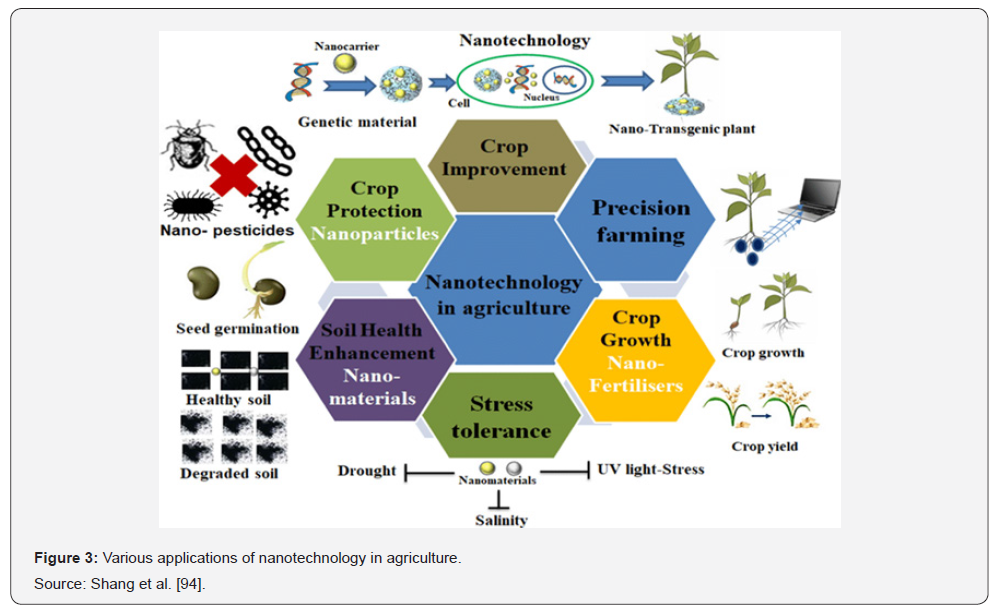
Optimization of MNPs and organic acids as agents require research to advance both their mixture methods and application procedures until their complete optimization. Fundamental research must determine optimal concentration levels for MNP – organic acid combinations because this will maximize plant benefits while ensuring no soil quality loss or toxic damage. Research on mixed treatments of diverse MNPs and organic acids must proceed because their effects differ depending on the type of nanoparticle and acid used [1]. Different MNPs applied with organic acids exhibit possible synergistic reactions to boost plant nutrient intake and disease protection. The application of organic acids as microbial stress alleviators helps to improve soil fertility in addition to promoting plant health regardless of environmental degradation [53] Figure 3
Eco-Friendly Alternatives and Green Synthesis
Research actively pursues sustainable alternative methods for producing MNPs and synthetic organic acids instead of traditional approaches. Science teams are currently investigating green synthesis production strategies because these approaches use plant extracts or microbial systems to make MNPs and organic acids. Green synthesis techniques offer environmentally beneficial approaches because they minimize the ecological impacts of nanoparticles manufacturing [1]. A biological systems approach to MNPs and organic acids application in agriculture provides a sustainable method.
Regulation and Policy Frameworks
Secure and efficient agricultural utilization of MNPs and organic acids requires the development of well-established regulatory and policy approaches. A defined framework must establish protected application approaches for MNP and organic acid products to defend agricultural systems from damage while minimizing environmental impact. The implementation of these technologies requires scientific researchers to collaborate with policymakers who will create regulatory frameworks from present scientific research along with developing complete monitoring systems for ecosystem effects. The combination of metal/metal oxide nanoparticles with organic acids demonstrates excellent potential to increase agricultural yields and protect soil ecosystems and to develop protective measures for plants.
Effective performance of this technology demands a complete evaluation of environmental impact and sustainability guarantees. The current research initiatives must identify essential gaps of knowledge to create safer approaches for technological implementation which yields optimal performance. The implementation of MNP and organic acid technologies for agriculture needs both the development of green farming techniques and environmental safety guidelines through policy creation. Modern MNP technology together with organic acid innovations demonstrate their usefulness for future agricultural systems which defend food production while protecting environmental ecosystems.
Synthesis and Discussion
Key Findings from Literature
Metal and metal oxide nanoparticles combined with organic acids provide the agriculture sector multiple benefits which help manage plant development for nutrient acquisition alongside pest protection for maintaining healthy soils. Agricultural sustainability benefits from MNPs combined with organic acids which produce enhanced synergistic functions through the multiplication of their separate benefits.
Effect on Plant Growth and Yield
Plant development stimulates through manganese nanoparticles with silver (AgNPs), copper (CuNPs) and zinc oxide (ZnO NPs) according to scientific research thus leading to improved seed germination and enhanced root elongation and better photosynthetic activities [90]. The presence of organic acids like acetic acid and citric acid increases soil nutrient accessibility which enables plants to extract multiple solution components better. Plants present better growth performance along with higher chlorophyll levels when treated with solutionbased processes [3]. Effective application of suitable technology combinations results in better crop productivity on both deficient and stress-prone grounds.
Disease and Pest Resistance
Research studies indicate antimicrobial behavior exists in MNPs since they block plant pathogens’ growth including bacteria, fungi and viruses [36]. The rhizosphere solutions become acidic due to the organic acid’s acetic acid and lactic acid which restrains harmful soil pathogens present in the environment. MNP-based pest management that uses dual defense mechanisms works when it teams up with organic acids [11]. Organic acids combined with Magnetic Nanoparticles offer an optimal pest management solution because they present contemporary alternatives for traditional pest control practices.
Soil Health and Stress Tolerance
The addition of organic acids to MNP materials strengthens the positive effects on maintaining soil health activities. A combination of organic acids with humic acid allows the production of a new substance which fortifies soil structure and activates microorganisms to enhance both soil quality and microbial activity [12]. Soil contaminated layer treatment becomes more effective for lead and cadmium removal through MNP technology that employs AgNPs and ZnO NPs [6]. Plants show greater stress tolerance against environmental factors after receiving MNP material applications containing organic acids because these elements both boost antioxidants and enhance moisture retention [95].
Plant growth enhancement as well as microbial well-being and nutrient cycle improvement function through the combination of acetic acid and humic acid organic acids [96]. Soil nutrient availability increases both in plant development and agricultural output when metal/metal oxide nanoparticles are employed [97]. The utilization of nanotechnology in combination with organic acids produces effective solutions which improve nutrient uptake and boost plant adaptability under hostile environments.
Long-Term Environmental Impact
Scientific data confirms that MNP and organic acid utilization produce immediate advantages although researchers need additional environmental impact research. Plants and contaminated water and soil accumulations of MNP particles create a sustainability dilemma since scientists lack adequate knowledge about MNP toxicity impacts and environmental effects [11]. Scientists need extensive research to determine both the health impacts of these technologies when combined and their impact on stability within ecosystems throughout heavy operational periods. Nanomaterials produce important environmental impacts that require attention since they can become absorbed by plants which could lead to harm in soil ecosystems [98].
Optimal Application Rates
The combination of MNP materials with organic acids promotes plant development which requires scientists to learn suitable handling techniques for different geographical areas. Soil acidification caused by MNP materials in contact with organic acids results in plant health decline and developmental complications for plants. Studies need to determine the best MNP material and organic acid pairings for promoting ideal plant growth across different environmental scenarios [12].
Regulatory Standards
Regulatory frameworks should create usage guidelines that guarantee the security of MNP diagnostic tools during application with organic acid agricultural methods. The requirement for sustainable management mandates proper standards to regulate these technologies because environmental law compliance and soil condition examination along with plant variety selection within proper weather conditions are necessary.
Mechanistic Insights
The relationship between MNP exposure and organic acid exposure on plant growth requires deeper study though researchers lack details about molecular processes. Research needs improvement since it lacks essential explanations about molecular interaction dynamics between MNP treatment and organic acids regarding their effects on nutrient absorption alongside oxidative stress activity and microbial activity alterations.
Practical Implications for Agricultural Practices
The combination of metal/metal oxide nanoparticles and organic acids allows agricultural sustainability to be reached because such methods improve production yields. The utilization of metal/metal oxide nanoparticles together with organic acids in agriculture shows long-term viability because they reduce farmers’ need for traditional chemical tools. The agricultural industry benefits from existing MNP organic acid integration solutions which efficiently address problems that emerge from soil deterioration and nutritional deficits alongside environmental plant stresses.
Integrated Pest and Disease Management
The agricultural value of MNPs rises through their combination with organic acids because this combined system demonstrates powerful pest and disease management abilities. The antimicrobial properties of MNPs and organic acids enable agricultural producers to reduce their dependence on pesticides and herbicides when these combination elements are used together. The strong antimicrobial properties of silver nanoparticles (AgNPs) lead to successful bacterial and fungal disease management of Fusarium and Pythium infections [77]. Acetic and lactic acids present in rhizosphere environments create environments where helpful microbes thrive because these acids inhibit the survival of dangerous microbes.
Enhancement of Plant Growth and Yield
Plants reach their maximum growth potential in combination with productivity when they receive organic acids along with MNPs at the same time. Soil structural development and nutrient release abilities increase when citric acid alongside organic acids operate with humic acid to enhance critical mineral nutrients such as phosphorus zinc and iron. Plants benefit from acidic compounds because the acids break insoluble nutrient bonds to produce soluble compounds that plants can absorb easily according to [12]. The fertilizer application provides significant advantages to the alkaline and calcareous nutrient-deficient soils.
Research shows that the seed germination and root elongation and chlorophyll synthesis process can be stimulated through the use of zinc oxide nanoparticles (ZnO NPs) and copper nanoparticles (CuNPs). Research indicates that ZnO NPs increase photosynthetic capability and chlorophyll rates which results in greater plant growth with higher crop output [90]. Plants treated with organic acids along with MNPs effectively absorb nutrients for better plant health which results in increased biomass and superior production under normal and stressful environmental conditions.
Soil Remediation and Fertility Enhancement
A promising application of using MNPs with organic acids involves soil remediation techniques. The organic acids citric acid and acetic acid perform effective chelation of toxic metals such as lead, cadmium and arsenic from contaminated soils by making them available for more plant-friendly removal from the soil. The incorporation of MNPs with acids strengthens their pollutant removal efficiency from surroundings which reduces their availability to plant root systems [6].
Soil remediation processes achieve restoration of natural soil potential quality for future agricultural farming after industrial contamination. Recent studies indicate that united organic acids with nano-based additives demonstrate capabilities for outstanding soil quality maintenance while simultaneously improving plant health in adverse environmental conditions [99]. The advantages of metal/ metal oxide nanoparticles provide essential support to sustainable agricultural systems because they enhance crop yields by minimizing conventional agrochemical usage [100].
Practical Application in Organic Farming
Organic acids in MNP demonstrate effective benefits toward organic agricultural management implementation. Farmeroperated organic systems allow them to work with natural additives while the practice of synthetic control methods decreases chemical requirements. The combination of MNP organic acids delivers an eco-friendly solution to replace synthetic fertilizers and pesticides so farmers can work sustainably. When farmers use organic acid from humic acid, they can achieve improved performance from their soil fertility and increased activity from the microbial community in organic farming systems.
Organic acids applied to soil promote microbial activity at high levels since they aid nutrient release which results in improved soil fertility [101]. Through its environmental safety aspect MNPs let farmers use modern pest protection tools that perform better than current chemical pesticides systems [102-108]. The implementation of bio-based nanomaterials particularly MNPs nanoparticles within organic farming leads to resistant agricultural systems which promote sustainable farming operations under environmental stress [1, 109-112].
Conclusion
Research reveals how metal/metal oxide nanoparticles linked with organic acids produce advantageous outcomes for plant development and nutrient acquisition together with better disease defense mechanisms alongside maintaining ecological stability in soil. The major metal/metal oxide nanoparticles (MNPs) investigated by researchers for seed germination property examinations are AgNPs, CuNPs, Fe2 O3 /Fe3 O4 and ZnO NPs. Nanoparticles enhance the accessibility of important soil nutrients so deficient-soil conditions benefit from them because it allows plants to absorb nutrients more effectively.
The mobilization of essential nutrients becomes possible through organic acids including citric acid and acetic acid and humic acid since these acids make phosphorus, iron, and zinc more accessible to the plants. The mechanism of these compounds makes nutrients more soluble thus improving both plant nutrition and overall plant well-being. The utilization of organic acids maintains both rich soil fertility and sustainable farming practices by creating beneficial microbial activity, enhancing soil structure, and holding water.
Synergistic collaboration between MNPs and organic acids intensifies each participant’s capability for action. Amounts of organic acids create a stabilization that helps nanoparticles spread more evenly through the soil while making them more accessible as plant nutrients. The antimicrobial actions of MNPs in addition to their disease resistance and drought resistance properties serve multiple purposes in soils.
The review emphasizes major problems regarding the permanent environmental effects of these technological systems. Promising short-term results in studies exist but researchers must investigate the harmful effects of MNP buildup inside plants and soil and their toxicity toward non-targeted organisms. Additional investigation of long-term safety and eco-toxicity needs to take place due to these potential risks.
Based on the findings of this review, several key recommendations are proposed to optimize the use of MNPs and organic acids in agricultural practices while addressing the existing challenges:
Research-based environment monitoring across extended periods provides complete knowledge of sustainability levels for MNPs and organic acid applications in agriculture. The positive initial outcomes from these technologies remain visible yet researchers have only started collecting data regarding their combined effects on the health of the soil and natural ecosystems and food quality. Further research must analyze the biological buildup of MNPs in plants and soil and their damaging impacts on non-target species as well as their effects on microbial communities that reside in soil systems. Research on biodegradability of nanoparticles must occur to determine their persistent eco-toxicological risks [11].
Different optimization studies must find the best application methods of MNPs combined with organic acids according to crop types and distinct soil conditions. The same outcomes of soil acidification and phytotoxicity and nutrient imbalance can occur when either component is used in excess. Fundamental research should establish proper use levels which maximize benefits yet prevent adverse pH changes within the soil and plant health system. The investigation of different combined formulations between MNPs and organic acids will help identify optimal combinations between them to achieve maximum synergy without going beyond acceptable thresholds of application [12].
Future investigation needs to establish green and sustainable production methods for manufacturing Magnetic Nanoparticles. The traditional method of nanoparticle synthesis through chemical processes requires dangerous substances that represent potential environmental hazards. Researchers use biological methods of green synthesis to develop sustainable environmental methods that enable product creation from plant extracts and fungal or bacterial technologies. Bio-based production techniques minimize ecological impact while generating specific products that naturally disintegrate whether biological or non-harmful [1].
The increasing agricultural use of MNP and organic acid substances requires sufficient regulatory standards so farmers can use them safely. Research-supported standards should be used for assessing environmental effects and health consequences of using nanoparticles and organic acids in agriculture. The regulatory framework needs to outline the maximum nanoparticle and organic acid limits during applications along with specific methods for protected agricultural deployment. Complete regulatory frameworks for protecting both human health and environmental quality require researcher partnership with policy authorities [6].
The combined use of MNP and organic acids within current agricultural systems delivers optimal effectiveness in this technology. Multiple crop kinds subject to different soil environments in various ecological zones must undergo testing for component compatibility during the integration process. Organic farming systems that integrate precision agriculture methods present the optimal candidates to utilize MNP and organic acids as the main approach for sustainable farming without chemicals. Agricultural use of MNP organic acids demands farmers to obtain proper training about safe handling of materials.
The public needs total understanding about MNP benefits together with the risks and organic acids used in agricultural farming practices. Multi-faceted implementation of sustainable agricultural technologies requires proper knowledge transfer to farmer’s workers and consumer groups about secure usage of the technologies. The development of essential learning programs by organizations through workshops and information-sharing networks enables users to understand proper methods resulting in positive technological outcomes.
Current sustainable agricultural methods result from uniting organic acids with MNPs for agricultural applications. These evaluated solutions provide significant advantages for plants along with amendments to soil health and protection against diseases superior to typical chemical materials. Sustainable resource management evaluations combined with continuous environmental monitoring are required conditions for deploying these environment-safe technologies. Regulatory control and optimization research integration make these technologies the foundation for enhancing food security while safeguarding the environment.
References
- Chhipa H (2019) Nanotechnology in agriculture: A review. Nature Scientific Reports 10: 1016.
- Yadav N, Garg VK, Chhillar AK, Rana JS (2023) Recent advances in nanotechnology for the improvement of conventional agricultural systems: A review. Plants and Agriculture 2: 100032.
- Ruttkay-Nedecky B, Krystofova O, Nejdl L, Adam V (2017) Nanoparticles based on essential metals and their phytotoxicity. J Nanobiotechnology 15(1): 33.
- Sindhu SS, Sehrawat A, Glick BR (2022) The involvement of organic acids in soil fertility, plant health and environment sustainability. Arch Microbiol 204(12): 720.
- Siddiqi KS, Husen A (2017) Plant Response to Engineered Metal Oxide Nanoparticles. Nanoscale Res Lett 12(1): 92.
- Sengul AB, Asmatulu E (2020) Toxicity of metal and metal oxide nanoparticles: a review. Environ Chem Lett 18: 1659-1683.
- Tang Y, Zhang T, Li Y, Wang Q, Zhao W, et al. (2025) Magnetic Nanoparticles in Agriculture: Unraveling the Impact of Nickel Ferrite Nanoparticles on Peanut Growth and Seed Nutritional Quality. Plants 14(7): 1011.
- Elwan SE, Dahdouh SM, Abu-hashim M, Merwad ARM (2025) The role of organic amendments combined with nitrogen fertilizers in enhancing nitrogen use efficiency for wheat in saline calcareous soil. Journal of Plant Nutrition 48(5): 839-863.
- Kwaslema DR, Michael P (2024) Meta-analysis of nanomaterials and plants interaction under salinity stress. Physiologia Plantarum 176(4): e14445.
- Ingle AP (2021) Nanotechnology in plant growth promotion and protection. John Wiley & Sons, Incorporated.
- Singh P, Dutta P, Chakrabarty D (2021) miRNAs play critical roles in response to abiotic stress by modulating cross-talk of phytohormone signaling. Plant Cell Reports 40(9): 1617-1630.
- Faizan M, Yu F, Chen C, Faraz A, Hayat S (2021) Zinc Oxide Nanoparticles Help to Enhance Plant Growth and Alleviate Abiotic Stress: A Review. Curr Protein Pept Sci 22(5): 362-375.
- Toksha B, Sonawale VAM, Vanarase A, Bornare D, Tonde S, Hazra C, et al. (2021) Nanofertilizers: A review on synthesis and impact of their use on crop yield and environment. Environmental Technology & Innovation 24: 101986.
- Ndaba B, Roopnarain A, Rama H, Maaza M (2022) Biosynthesized metallic nanoparticles as fertilizers: An emerging precision agriculture strategy. Journal of Integrative Agriculture 21(5): 1225-1242.
- Rabalao TM, Ndaba B, Roopnarain A, Vatsha B (2022) Towards a circular economy: The influence of extraction methods on phytosynthesis of metallic nanoparticles and their impact on crop growth and protection. JSFA Reports 2: 208-221.
- Yadav SA, Suvathika G, Alghuthaymi MA, Abd-Elsalam KA (2022) Fungal-derived nanoparticles for the control of plant pathogens and pests. In Elsevier (Ed.), Advances in Fungal Biotechnology for Industry, Agriculture, and Medicine Elsevier pp: 159-176.
- Brookes PC (1995) The use of microbial parameters in monitoring soil pollution by heavy metals. Biology and Fertility of Soils 19: 269-279.
- Holden PA, Schimel JP, Godwin HA (2014) Five reasons to use bacteria when assessing manufactured nanomaterial environmental hazards and fates. Current Opinion in Biotechnology 27: 73-78.
- Khan ST, Adil SF, Shaik MR, Alkhathlan HZ, Khan M, et al. (2022) Engineered nanomaterials in soil: Their impact on soil microbiome and plant health. Plants 11(1): 109.
- Weir A, Westerhoff P, Fabricius L, Hristovski K, Von Goetz N (2012) Titanium dioxide nanoparticles in food and personal care products. Environmental Science & Technology 46(4): 2242-2250.
- Sánchez-Quiles D, Tovar-Sánchez A (2014) Sunscreens as a source of hydrogen peroxide production in coastal waters. Environmental Science & Technology 48(16): 9037-9042.
- Duan X, Li Y (2013) Physicochemical characteristics of nanoparticles affect circulation, biodistribution, cellular internalization, and trafficking. Small 9(9-10): 1521-1532.
- An J, Zhang M, Wang S, Tang J (2008) Physical, chemical and microbiological changes in stored green asparagus spears as affected by coating of silver nanoparticles-PVP. LWT - Food Science and Technology 41(6): 1100-1107.
- Semida WM, Abdelkhalik A, Mohamed G, El-Mageed A, Taia A, et al. (2021) Foliar application of zinc oxide nanoparticles promotes drought stress tolerance in eggplant (Solanum melongena) Plants 10(2): 421.
- Shi WG, Li H, Liu TX, Polle A, Peng CH, et al. (2015) Exogenous abscisic acid alleviates zinc uptake and accumulation in Populus × canescens exposed to excess zinc. Plant, Cell & Environment 38(2): 207-223.
- Zhang J, Wang S, Song S, Xu F, Pan Y, et al. (2019) Transcriptomic and proteomic analyses reveal new insight into chlorophyll synthesis and chloroplast structure of maize leaves under zinc deficiency stress. Journal of Proteomics 199: 123-134.
- Khan MIR, Jahan B, Alajmi MF, Rehman MT, Khan NA (2019) Exogenously-sourced ethylene modulates defense mechanisms and promotes tolerance to zinc stress in mustard (Brassica juncea). Plants 8(12): 540.
- Javed Z, Dashora K, Mishra M, Fasake VD, Srivastva A (2019) Effect of accumulation of nanoparticles in soil health: A concern on future. Frontiers in Nanosci & Nanotech 5.
- Rizwan M, Ali S, Ali B, Adrees M, Arshad M, et al. (2019) Zinc and iron oxide nanoparticles improved the plant growth and reduced the oxidative stress and cadmium concentration in wheat. Chemosphere 214: 269-277.
- Paunov M, Koleva L, Vassilev A, Vangronsveld J, Goltsev V (2018) Effects of different metals on photosynthesis: Cadmium and zinc affect chlorophyll fluorescence in durum wheat. International Journal of Molecular Sciences 19(3): 787.
- Saleem MH, Fahad S, Adnan M, Ali M, Rana MS, et al. (2020) Foliar application of gibberellic acid endorsed phytoextraction of copper and alleviates oxidative stress in jute (Corchorus capsularis) plant grown in highly copper-contaminated soil of China. Environmental Science and Pollution Research 27(29): 37121-37133.
- Saleem MH, Wang X, Ali S, Zafar S, Nawaz M, et al. (2021) Interactive effects of gibberellic acid and NPK on morpho-physio-biochemical traits and organic acid exudation pattern in coriander (Coriandrum sativum) grown in soil artificially spiked with boron. Plant Physiology and Biochemistry 167: 884-900.
- Afzal J, Wang X, Saleem MH, Sun X, Hussain S, et al. (2021) Application of ferrous sulfate alleviates negative impact of cadmium in rice (Oryza sativa). Biocell 45(7): 1631-1649.
- Afzal J, Saleem MH, Batool F, Elyamine AM, Rana MS, et al. (2020) Role of ferrous sulfate (FeSO₄) in resistance to cadmium stress in two rice (Oryza sativa) genotypes. Biomolecules 10(12): 1693.
- Al Jabri H, Saleem MH, Rizwan M, Hussain I, Usman K, et al. (2022) Zinc Oxide Nanoparticles and Their Biosynthesis: Overview. Life (Basel, Switzerland) 12(4): 594.
- Wang D, Saleh NB, Byro A, Zepp R, Sahle-Demessie E, et al. (2022) Nano-enabled pesticides for sustainable agriculture and global food security. Nature nanotechnology 17(4): 347-360.
- Dey N, Vinayagam S, Kamaraj C, Gnanasekaran L, Goyal K, et al. (2025) Ecotoxicological evaluation of nanosized particles with emerging contaminants and their impact assessment in the aquatic environment: a review. Journal of Nanoparticle Research 27(4): 1-21.
- Zell MB, Fahnenstich H, Maier A, Saigo M, Voznesenskaya EV, et al. (2010) Analysis of Arabidopsis with highly reduced levels of malate and fumarate sheds light on the role of these organic acids as storage carbon molecules. Plant Physiology 152(3): 1251-1262.
- Centeno DC, Osorio S, Nunes-Nesi A, Bertolo AL, Carneiro RT, et al. (2011) Malate plays a crucial role in starch metabolism, ripening, and soluble solid content of tomato fruit and affects postharvest softening. Plant Cell 23(1): 162-184.
- Penfield S, Clements S, Bailey KJ, Gilday AD, Leegood RC, et al. (2012) Expression and manipulation of phosphoenolpyruvate carboxykinase 1 identifies a role for malate metabolism in stomatal closure. Plant Journal 69(4): 679-688.
- Medeiros DB, Martins SC, Cavalcanti JH, Daloso DM, Martinoia E, et al. (2016) Enhanced photosynthesis and growth in atquac1 knockout mutants are due to altered organic acid accumulation and an increase in both stomatal and mesophyll conductance. Plant Physiology 170(1): 86-101.
- Finkemeier I, König AC, Heard W, Nunes-Nesi A, Pham PA, et al. (2013) Transcriptomic analysis of the role of carboxylic acids in metabolite signaling in Arabidopsis leaves. Plant Physiology 162(1): 239-253.
- Hedrich R, Marten I (1993) Malate-induced feedback regulation of plasma membrane anion channels could provide a CO₂ sensor to guard cells. EMBO Journal 12(3): 897-901.
- De Angeli A, Zhang J, Meyer S, Martinoia E (2013) AtALMT9 is a malate-activated vacuolar chloride channel required for stomatal opening in Arabidopsis. Nature Communications 4: 1804.
- Dyson BC, Miller MA, Feil R, Rattray N, Bowsher C, et al. (2016) FUM2, a cytosolic fumarase, is essential for acclimation to low temperature in Arabidopsis thaliana. Plant Physiology 172(1): 118-127.
- Zhang Z, Tan M, Xie Z, Dai L, Chen Y, et al. (2011) Identification of lysine succinylation as a new post-translational modification. Nature Chemical Biology 7(1): 58-63.
- Weinert BT, Schölz C, Wagner SA, Iesmantavicius V, Su D, et al. (2013) Lysine succinylation is a frequently occurring modification in prokaryotes and eukaryotes and extensively overlaps with acetylation. Cell Reports 4(4): 842-851.
- Suazo-Hernández J, Arancibia-Miranda N, Mlih R, Cáceres-Jensen L, Bolan N, et al. (2023) Impact on Some Soil Physical and Chemical Properties Caused by Metal and Metallic Oxide Engineered Nanoparticles: A Review. Nanomaterials (Basel, Switzerland) 13(3): 572.
- Mihoub A (2022) Citric acid acidification of wheat straw derived biochar for overcoming nutrient deficiency in alkaline calcareous soil (Case of Phosphorus). Int J Agric Sc Food Technol 8(3): 248-252.
- Ibrahim EA (2023) Effect of citric acid on phytoextraction potential of Cucurbita pepo, Lagenaria siceraria, and Raphanus sativus plants exposed to multi-metal stress. Sci Rep13(1): 13070.
- Rahman MM, Keya SS, Sahu A, Gupta A, Dhingra A, et al. (2024) Acetic acid: a cheap but chief metabolic regulator for abiotic stress tolerance in plants. Stress biology 4(1): 34.
- Muniba F, Rana MAK, Ahmad R, Zaheer AV (2023) Roles of Organic Acids in Plant Stress Tolerance, Food Security, and Soil Remediation. In: Hasanuzzaman M (Ed.), Climate-Resilient Agriculture, Springer Cham 1.
- Ampong K, Thilakaranthna MS, Gorim LY (2022) Understanding the role of humic acids on crop performance and soil health. Frontiers in Agriculture 4: 848621.
- Yan Li, Feng Fang, Jianlin Wei, Xiaobin Wu, Rongzong Cui, et al. (2019) Humic Acid Fertilizer Improved Soil Properties and Soil Microbial Diversity of Continuous Cropping Peanut: A Three-Year Experiment. Sci Rep 9: 12014.
- Iftikhar H, Arshad A, Tamreen Y, Shahid S, Firdous M, et al. (2025) Influence of Exogenous Ascorbic Acid Levels on Growth and Physiological Responses of Wheat (Triticum aestivum) Exposed to Drought Stress. Indus Journal of Bioscience Research 3(4): 424-437.
- Gaafar AA, Ali SI, El-Shawadfy MA, Salama ZA, Sekara A, et al. (2020) Ascorbic Acid Induces the Increase of Secondary Metabolites, Antioxidant Activity, Growth, and Productivity of the Common Bean under Water Stress Conditions. Plants (Basel, Switzerland) 9(5): 627.
- Akram NA, Shafiq F, Ashraf M (2017) Ascorbic acid-a potential oxidant scavenger and its role in plant development and abiotic stress tolerance. Frontiers in plant science 8: 613.
- Geng J, Zhang C, Deng S, Liu, B., Cheng M, et al. (2024) Low-Molecular-Weight Organic Acid as an Alternative to Promote the Rooting of Persimmon Rootstock Shoot Cuttings. Plants (Basel, Switzerland) 13(23): 3440.
- Zhou XQ, Hayat Z, Zhang DD, Li MY, Hu S, et al. (2023) Zinc Oxide Nanoparticles: Synthesis, Characterization, Modification, and Applications in Food and Agriculture. Processes 11(4): 1193.
- Muneeba Anum Nazir, Murtaza Hasan, Ghazala Mustafa, Tuba Tariq, Muhammad Mahmood Ahmed, et al. (2024) Zinc oxide nano-fertilizer differentially effect on morphological and physiological identity of redox-enzymes and biochemical attributes in wheat (Triticum aestivum L.). Sci Rep 14: 13091.
- Wang Z, Wang S, Ma T, Liang Y, Huo Z, et al. (2023) Synthesis of Zinc Oxide Nanoparticles and Their Applications in Enhancing Plant Stress Resistance: A Review. Agronomy 13(12): 3060.
- Šimonová Z, Krbečková V, Vilamová Z, Dobročka E, Klejdus B, et al. (2022) The effects of nature-inspired synthesis on silver nanoparticle generation. ACS omega 7(6): 4850-4858.
- Nguyen NPU, Dang NT, Doan L, Nguyen TTH (2023) Synthesis of silver nanoparticles: from conventional to ‘modern’methods-a review. Processes 11(9): 2617.
- Madeeha Ansari, Shakil Ahmed, Asim Abbasi, Muhammad Tajammal Khan, Mishal Subhan, et al. (2023) Plant mediated fabrication of silver nanoparticles, process optimization, and impact on tomato plant. Sci Rep 13(1): 18048.
- Mikelashvili V, Kekutia S, Markhulia J, Saneblidze L, Maisuradze N, et al. (2023) Synthesis and Characterization of Citric Acid-Modified Iron Oxide Nanoparticles Prepared with Electrohydraulic Discharge Treatment. Materials (Basel, Switzerland) 16(2): 746.
- Israeel M, Iqbal J, Abbasi BA, et al. (2024) Potential biological applications of environment friendly synthesized iron oxide nanoparticles using Sageretia thea root extract. Sci Rep14: 28310.
- Sidra Ahmad, Nayab Ahmad, Md Shahinoor Islam, Mian Afaq Ahmad, Sezai Ercisli, et al. (2024) Rice seeds biofortification using biogenic ıron oxide nanoparticles synthesized by using Glycyrrhiza glabra: a study on growth and yield ımprovement. Sci Rep 14(1): 12368.
- Al-Saif AM, Sas-Paszt L, Mosa WF (2024) Olive performance under the soil application of humic acid and the spraying of titanium and zinc nanoparticles under soil salinity stress. Horticulturae 10(3): 295.
- Huy VN, Methela NJ, Al-Azawi TNI, Khan M, Faluku M, et al. (2025) Fulvic acid-releasing chitosan nanoparticles promote the growth and salt stress tolerance of soybean plants. Physiologia Plantarum 177(3): e70254.
- Ortega-Ortiz H, Gaucin-Delgado JM, Preciado-Rangel P, Fortis-Hernandez M, Hernandez-Montiel LG, et al. (2022) Copper oxide nanoparticles biosynthetized improve germination and bioactive compounds in wheat sprouts. Notulae Botanicae Horti Agrobotanici Cluj-Napoca 50(1): 12657-12657.
- Khaldari I, Naghavi MR, Motamedi E (2021) Synthesis of green and pure copper oxide nanoparticles using two plant resources via solid-state route and their phytotoxicity assessment. RSC advances 11(6): 3346-3353.
- García-López, JI, Zavala-García F, Olivares-Sáenz, E, Lira-Saldívar RH, Barriga-Castro ED, et al. (2018) Zinc oxide nanoparticles boost phenolic compounds and antioxidant activity of Capsicum annuum during germination. Agronomy 8(10): 215.
- Prasad T, Sudhakar P, Sreenivasulu Y, Latha PM, Munaswamy V, et al. (2012) Effect of nanoscale zinc oxide particles on the germination, growth, and yield of peanut. Journal of Plant Nutrition 35(6): 905-927.
- Estrada-Urbina J, Cruz-Alonso A, Santander-González M, Méndez-Albores A, Vázquez-Durán A (2018) Nanoscale zinc oxide particles for improving the physiological and sanitary quality of a Mexican landrace of red maize. Nanomaterials 8(4): 247.
- Singh A, Singh NB, Hussain I, Singh H, Yadav V, et al. (2016) Green synthesis of nano zinc oxide and evaluation of its impact on germination and metabolic activity of Solanum lycopersicum. Journal of Biotechnology 233: 84-94.
- Davydova NV, Zamana SP, Krokhmal II, Ryezepkin AM, Romanova ES, et al. (2019) Spring wheat features in response to seed treatment by metal nanoparticles. Nanotechnologies in Russia 14(6): 572-581.
- Jian Y, Chen X, Ahmed T, Shang Q, Zhang S, et al. (2021) Toxicity and action mechanisms of silver nanoparticles against the mycotoxin-producing fungus Fusarium graminearum. Journal of advanced research 38: 1-12.
- López-Moreno ML, Rosa GD, Cruz-Jiménez G, Castellano LE, Peralta-Videa JR, et al. (2017) Effect of ZnO nanoparticles on corn seedlings at different temperatures; X-ray absorption spectroscopy and ICP/OES studies. Microchemical Journal 134: 54-61.
- Raliya R, Nair R, Chavalmane S, Wang WN, Biswas P (2015) Mechanistic evaluation of translocation and physiological impact of titanium dioxide and zinc oxide nanoparticles on the tomato (Solanum lycopersicum) plant. Metallomics 7(10): 1584-1594.
- Zafar H, Ali A, Ali JS, Haq IU, Zia M (2016) In vitro germination and biochemical profiling of Citrus reticulata in response to green synthesized zinc and copper nanoparticles. IET Nanobiotechnology 17: 790-796.
- Landa P, Cyrusova T, Jerabkova J, Drabek O, Vanek T, et al. (2016) Effect of metal oxides on plant germination: Phytotoxicity of nanoparticles, bulk materials, and metal ions. Water, Air, & Soil Pollution 227(8): 448.
- Liu R, Zhang H, Lal R (2016) Effects of stabilized nanoparticles of copper, zinc, manganese, and iron oxides in low concentrations on lettuce (Lactuca sativa) seed germination: Nanotoxicants or nanonutrients? Water, Air, & Soil Pollution 227(1): 42.
- Jośko I, Oleszczuk P (2013) Influence of soil type and environmental conditions on ZnO, TiO₂, and Ni nanoparticles phytotoxicity. Chemosphere 92(1): 91-99.
- Zhao X, Chen Y, Li H, Lu J (2021) Influence of seed coating with copper, iron and zinc nanoparticles on growth and yield of tomato. IET Nanobiotechnology 15(8): 674-679.
- Savassa SM, Duran NM, Rodrigues ES, de Almeida E, van Gestel CAM, et al. (2018) Effects of ZnO nanoparticles on Phaseolus vulgaris germination and seedling development determined by X-ray spectroscopy. ACS Applied Nano Materials 1(10): 6414-6426.
- Doğaroğlu ZG, Ece F, Çiftci BN, Yıldırımcan S, Erat S (2021) Evaluation of stress factor on wheat (Triticum aestivum): The effect of ZnO and Ni-doped ZnO nanoparticles. Toxicology and Environmental Chemistry 103(5): 382-398.
- Raja K, Sowmya R, Sudhagar R, Moorthy PS, Govindaraju K, et al. (2019) Biogenic ZnO and Cu nanoparticles to improve seed germination quality in blackgram (Vigna mungo). Materials Letters 235: 164-167.
- Subbaiah LV, Prasad TN, Krishna TG, Sudhakar P, Reddy BR, et al. (2016) Novel effects of nanoparticulate delivery of zinc on growth, productivity, and zinc biofortification in maize (Zea mays). Journal of Agricultural and Food Chemistry 64(19): 3778-3788.
- Santás-Miguel V, Arias-Estévez M, Rodríguez-Seijo A, Arenas-Lago D (2023) Use of metal nanoparticles in agriculture: A review on the effects on plant germination. Environmental Pollution 334: 122222.
- Yadav A, et al. (2021) Organic acids for sustainable agriculture: Benefits, applications, and environmental considerations. Journal of Environmental Management 273: 111131.
- Awan S, Shahzadi K, Javad S, Tariq A, Ahmad A, et al. (2021) A preliminary study of influence of zinc oxide nanoparticles on growth parameters of Brassica oleracea var italic. Journal of the Saudi Society of Agricultural Sciences 20(1): 18-24.
- Rodrigues AS, Batista JG, Rodrigues MÁ, Thipe VC, Minarini LA, et al. (2024) Advances in silver nanoparticles: a comprehensive review on their potential as antimicrobial agents and their mechanisms of action elucidated by proteomics. Frontiers in Microbiology 15: 1440065.
- Gardea-Torresdey, Zhao L, Bai T, Wei HJL, Keller A, et al. (2022) Nano-biotechnology-based strategies for enhanced crop stress resilience to mitigate yield loss in a changing climate. Nature Food 3(10): 829-836.
- Shang Y, Hasan MK, Ahammed GJ, Li M, Yin H, et al. (2019) Applications of nanotechnology in plant growth and crop protection: A review. Molecules 24(14): 2558.
- Verma KK, Joshi A, Song XP, Singh S, Kumari A, et al. (2024) Synergistic interactions of nanoparticles and plant growth promoting rhizobacteria enhancing soil-plant systems: a multigenerational perspective. Frontiers in Plant Science 15: 1376214.
- Panchal P, Miller AJ, Giri J (2021) Organic acids: Versatile stress response roles in plants. Journal of Experimental Botany 72(11): 4032-4047.
- Paul McManus, Joshua Hortin, Anne J Anderson, Astrid R Jacobson, David W Britt, et al. (2018) Rhizosphere interactions between copper oxide nanoparticles and wheat root exudates in a sand matrix: Influences on copper bioavailability and uptake, Environmental Toxicology and Chemistry, Volume 37(10): 2619-2632.
- Usman M, Farooq M, Wakeel A, Nawaz A, Cheema SA, et al. (2020) Nanotechnology in agriculture: Current status, challenges and future opportunities. Science of the Total Environment 721: 137778.
- Wang Z, Yue L (2020) Nano-enabled improvements of growth and nutritional quality in food plants driven by rhizosphere processes. Environment International 142: 105831.
- Sarkar MR, Rashid MH, Rahman A, Kafi MA, Hosen MI, et al. (2022) Recent advances in nanomaterials-based sustainable agriculture: An overview. Environmental Nanotechnology, Monitoring & Management 18: 100687.
- Furtak K, Galazka A (2019) Effect of organic farming on soil microbiological parameters. Polish Journal of Soil Science 52(2): 259-268.
- Guo J, Fu Q, Tang M, Bai J, Liu R, Zhang H, et al. (2024) Fulvic acid modified ZnO nanoparticles improve nanoparticle stability, mung bean growth, grain zinc content, and soil biodiversity. Science of the Total Environment 913: 169840.
- Habib M, Fatima H, Anwar T, Qureshi H, Aisida S, et al. (2024) Green synthesis, characterization, and application of iron and molybdenum nanoparticles and their composites for enhancing the growth of Solanum lycopersicum. Open Chemistry 22(1): 20230196.
- Javed R, Zia M, Naz S, Aisida SO, Ain NU, et al. (2020) Role of capping agents in the application of nanoparticles in biomedicine and environmental remediation: recent trends and future prospects. J Nanobiotechnology 18(1): 172.
- Jiang Y, Zhou P, Zhang P, Adeel M, Shakoor N, et al. (2022) Green synthesis of metal-based nanoparticles for sustainable agriculture. Environmental Pollution 309: 119755.
- Mahmud S, Kamruzzaman M, Bhattacharyya S, Alharbi K, Abd El Moneim D, et al. (2023) Acetic acid positively modulates proline metabolism for mitigating PEG-mediated drought stress in Maize and Arabidopsis. Frontiers in plant science 14: 1167238.
- Mgadi K, Ndaba B, Roopnarain A, Rama H, Adeleke R (2024) Nanoparticle applications in agriculture: Overview and response of plant-associated microorganisms. Frontiers in Microbiology 15: 1354440.
- Portilla DA, Arturo A, Velázquez López, Rosalva Mora Escobedo, Hernani Yee Madeira (2024) Citrate coated iron oxide nanoparticles: Synthesis, characterization, and performance in protein adsorption[J]. AIMS Materials Science 11(5): 991-1012.
- Rothstein HR, Sutton AJ, Borenstein M (2005) Publication bias in meta-analysis: Prevention, assessment and adjustments. Wiley.
- Voloshyna IM, Netiaha YM, Nechaiuk YV, Khomenko VG, Shkotova LV (2024) The influence of metal nanoparticles on plants. Biopolymers and Cell 40(2): 83-95.
- Zhao L, Lu L, Wang A, Zhang H, Huang M, et al. (2020) Nano-biotechnology in agriculture: use of nanomaterials to promote plant growth and stress tolerance. Journal of agricultural and food chemistry 68(7): 1935-1947.
- Zhou J, Li Z, Zhou T, Xin Z, Wu L, et al. (2020) Aluminum toxicity decreases the phytoextraction capability by cadmium/zinc hyperaccumulator Sedum plumbizincicola in acid soils. The Science of the total environment 711: 134591.

























