




 AIBM Home



The Nature of Antibiotic Resistance of Foodborne Bacteria in Ready-To-Eat Foods: A Growing Public Health Concern
Okoronkwo Christopher U*
Department of Microbiology, Abia State Univerrsity, Uturu, Nigeria
Submission:April 27, 2026; Published: May 12, 2026
*Corresponding author:Okoronkwo Christopher U, Department of Microbiology, Abia State Univerrsity, Uturu, Nigeria
How to cite this article:Okoronkwo Christopher U. The Nature of Antibiotic Resistance of Foodborne Bacteria in Ready-To-Eat Foods: A Growing Public Health Concern. Adv Biotech & Micro. 2026; 19(3): 556013.DOI:10.19080/AIBM.2026.19.556013
Abstract
Antibiotic resistance in foodborne bacteria has become a significant public health concern, particularly in ready-to-eat (RTE) foods that are consumed without further processing. This review examines the nature, sources, mechanisms, and health implications of antibiotic-resistant bacteria in RTE foods. These foods are easily contaminated at different stages of production, handling, and distribution, making them effective vehicles for transmitting resistant pathogens. Resistance in foodborne bacteria is driven by mechanisms such as enzymatic drug inactivation, target modification, efflux pumps, reduced membrane permeability, biofilm formation, and horizontal gene transfer. These processes contribute to the emergence and spread of multidrug-resistant (MDR) strains. Major sources include animal products, environmental contamination, poor food handling practices, and processing environments. The presence of resistant bacteria in food leads to treatment failure, prolonged illness, increased healthcare costs, and higher mortality rates, with antimicrobial resistance contributing to millions of deaths globally each year. The review concludes that controlling antibiotic resistance in food systems requires improved hygiene, responsible antibiotic use, effective surveillance, and a one Health approach integrating human, animal, and environmental health.
Keywords: Antibiotic; Processing; Resistance; Foodborne Bacteria; Ready-To-Eat Foods
Abbrevations: RTE: Ready-To-Eat; MDR: Multidrug-Resistant; AMR: Antimicrobial Resistance; ESBLs: Extended-spectrum β-lactamases; MRSA: Methicillin-Resistant Strains
Introduction
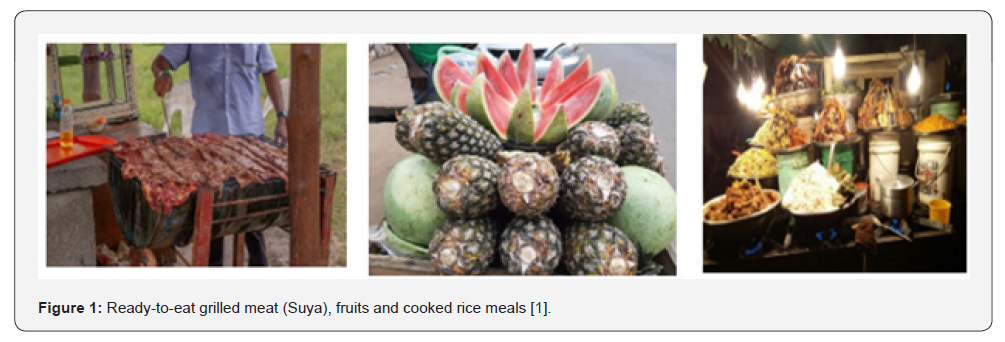
Ready-to-eat (RTE) foods are foods that can be consumed immediately without further cooking, heating, or processing [1]. They include street-vended meals, cooked rice and meat dishes, salads, dairy products, pastries, and minimally processed foods that are widely consumed across both developed and developing countries [2]. In places such as Nigeria, RTE foods have become an essential part of everyday life due to their affordability [3], accessibility [2], and the increasing demand for convenience in fast-paced urban environments [1]. For many individuals, especially students, workers, and low-income populations, these foods serve as a reliable and often necessary source of daily nutrition. Despite their importance, ready-to-eat (RTE) foods are highly susceptible to contamination because they are typically consumed without additional heat treatment that could eliminate harmful microorganisms [4]. Contamination can occur at multiple stages, including raw material sourcing, processing, transportation, storage, and final handling before consumption [5]. Food handlers, utensils, water used in preparation, and environmental exposure all play significant roles in introducing microbial contaminants [4]. As a result, foodborne pathogens such as Escherichia coli, Salmonella spp., Staphylococcus aureus, and Listeria monocytogenes are frequently detected in RTE foods and are responsible for a wide range of foodborne illnesses [6,4] (Figure 1).
Beyond general microbial contamination, the issue of antibiotic resistance has added a new and more complex dimension to food safety concerns. Antibiotic resistance, which is part of the broader concept of antimicrobial resistance (AMR), refers to the ability of microorganisms to survive exposure to antimicrobial drugs that were previously effective against them [7,6]. This phenomenon reduces the effectiveness of standard treatments, leading to prolonged illness, increased healthcare costs, and a higher risk of complications [7]. Recent global estimates indicate that antimicrobial resistance is responsible for approximately 1.27 million direct deaths annually and is associated with nearly 4.95 million deaths each year worldwide [8]. This means that AMR now ranks among the leading global causes of death, surpassing several major infectious diseases. The increasing mortality burden highlights its serious public health impact and the urgent need for stronger control measures across human health, veterinary practice, and the food chain.
From a broader perspective, the burden of foodborne diseases remains substantial worldwide, and the involvement of resistant bacteria is making the situation more difficult to manage. Foodborne infections are already widespread, the emergence of resistant strains means that even common infections can become harder to treat. This has drawn attention to the role of food, particularly RTE foods, as important pathways through which resistant bacteria can be transmitted from the environment and animal sources to humans [9]. The development and spread of antibiotic resistance in foodborne bacteria are strongly linked to human activities. One of the major contributing factors is the widespread use of antibiotics in agriculture, especially in livestock production. Antibiotics are often used not only for treating infections but also for promoting growth and preventing disease in animals. This creates selective pressure that encourages the survival and multiplication of resistant bacteria. These bacteria can then enter the food chain during slaughtering, processing, or handling of animal products [10,11,12].
In addition to animal sources, environmental factors play a crucial role in the spread of antibiotic resistance. Contaminated water used for irrigation, poor waste management, and the presence of antibiotic residues in soil can introduce resistant bacteria into plant-based foods. RTE vegetables and salads are particularly at risk because they are often consumed raw [5]. Recent studies have also reported the presence of antibiotic resistance genes in fresh and ready-to-eat vegetables, even when overall microbial loads appear low [13]. Another important aspect of antibiotic resistance is the ability of bacteria to exchange genetic material. Through mechanisms such as horizontal gene transfer, bacteria can share resistance genes via plasmids, transposons, and integrons. This allows resistance traits to spread rapidly not only within the same species but also across different bacterial species. As a result, even non-pathogenic bacteria present in RTE foods can act as reservoirs of resistance genes that may later be transferred to pathogenic bacteria in the human gastrointestinal tract [14,15].
Recent studies have increasingly highlighted the role of RTE foods in the spread of antibiotic-resistant bacteria. RTE foods have been identified as potential reservoirs of resistant pathogens, emphasizing the need for stricter food safety controls [16]. Similarly, studies on street-vended foods have reported a high prevalence of antibiotic-resistant bacteria, often linked to poor hygiene practices and inadequate regulatory oversight [5]. These findings are consistent with global surveillance reports showing rising resistance trends in foodborne bacteria [17,16]. Furthermore, the rise of multidrug-resistant (MDR) bacteria in RTE foods presents an additional challenge, MDR bacteria are resistant to multiple classes of antibiotics, making infections difficult to treat with commonly available drugs. The presence of such bacteria in everyday foods increases the risk of treatment failure and complicates disease management. Studies conducted in different regions, including Africa, have reported the occurrence of MDR strains in commonly consumed RTE foods [18,19].
Another emerging concern is the role of food supply chains and globalization in the spread of antibiotic resistance. With increased international trade and movement of food products, resistant bacteria can easily cross geographical boundaries. This means that contamination in one region can have far-reaching effects, contributing to the global spread of resistance. In addition, inadequate monitoring systems and weak enforcement of food safety regulations in some regions further increase the risk of widespread contamination [5,12]. Consumer behavior and awareness also influence the safety of RTE foods, improper handling, such as poor storage and inadequate hygiene during consumption, can increase exposure to contaminated foods. At the same time, limited awareness about antibiotic resistance among food handlers and consumers contributes to the persistence of the problem [7,6].
Nature of antibiotic resistance in foodborne bacteria
Antibiotic resistance in foodborne bacteria refers to the ability of microorganisms present in food to withstand the effects of antibiotics that were originally effective against them. This resistance is not a single process but a combination of biological, genetic, and environmental factors that enable bacteria to survive, multiply, and spread even under antimicrobial pressure. In readyto- eat (RTE) food systems, this phenomenon is particularly concerning because contaminated food provides a direct route of exposure to humans without further microbial elimination steps [7]. One of the fundamental characteristics of antibiotic resistance is its adaptive nature, bacteria are highly flexible organisms that can quickly adjust to environmental stress, including exposure to antibiotics. When antibiotics are used repeatedly or improperly, susceptible bacteria are eliminated while resistant ones survive and proliferate. Over time, this selective pressure leads to the dominance of resistant strains in food environments [11,7].
Mechanisms of resistance in foodborne bacteria
Antibiotic resistance in foodborne bacteria develops through a combination of biochemical, structural, and genetic strategies that enable microorganisms to survive exposure to antimicrobial agents. These mechanisms may occur independently or synergistically, making resistant strains particularly difficult to eliminate from food systems, especially in ready-to-eat foods where no further heat treatment is applied before consumption [7].
Enzymatic inactivation of antibiotics
One of the most common mechanisms of resistance is the production of enzymes that chemically inactivate antibiotics. A well-known example is the production of β-lactamase enzymes, which hydrolyze β-lactam antibiotics such as penicillins and cephalosporins before they can act on bacterial cell walls. This mechanism is widely reported in foodborne pathogens such as Escherichia coli and Salmonella spp., contributing to treatment challenges [15,7]. Extended-spectrum β-lactamases (ESBLs) are particularly concerning because they can inactivate a wide range of antibiotics, including advanced-generation cephalosporins.
Alteration of antibiotic target sites
Bacteria can develop resistance by modifying the cellular targets of antibiotics. Structural changes in these targets prevent effective binding of the drug, thereby reducing its efficacy. For example, alterations in penicillin-binding proteins reduce the effectiveness of β-lactam antibiotics, while modifications in ribosomal subunits interfere with protein synthesis inhibitors [14]. This mechanism is well documented in Staphylococcus aureus, including methicillin-resistant strains (MRSA) found in food environments.
Efflux pump systems
Efflux pumps are membrane-associated transport proteins that actively expel antibiotics from bacterial cells. They act by reducing intracellular drug concentration to sub-lethal levels, these systems enable bacterial survival. Efflux-mediated resistance is particularly significant in multidrug-resistant bacteria because a single pump may confer resistance to multiple antibiotic classes. This mechanism has been observed in both Gram-positive and Gram-negative foodborne bacteria [20].
Reduced membrane permeability
Resistance can also arise through decreased permeability of the bacterial outer membrane, limiting antibiotic entry into the cell. In Gram-negative bacteria, alterations in porin proteins reduce the uptake of antimicrobial agents. This mechanism often works in combination with others, enhancing resistance levels in foodborne pathogens [11].
Biofilm formation
Biofilm formation is a critical survival strategy in foodborne bacteria, biofilms are structured microbial communities embedded in a self-produced extracellular matrix that adheres to food surfaces, utensils, and processing equipment. Within biofilms, bacteria exhibit increased resistance due to limited antibiotic penetration, reduced metabolic activity, and the presence of persister cells. These structures are common in food processing environments and contribute significantly to persistent contamination in RTE foods [6].
Horizontal gene transfer (HGT)
Horizontal gene transfer is one of the most important drivers of antibiotic resistance, just like vertical transmission, HGT allows bacteria to exchange genetic material across species boundaries. This occurs through conjugation (plasmid transfer), transformation (uptake of free DNA), and transduction (bacteriophage-mediated transfer). Through these processes, resistance genes can spread rapidly in food environments, particularly in RTE foods where diverse bacterial populations coexist. As a result, food acts as a reservoir for resistance gene dissemination [14,20].
Genetic basis of antibiotic resistance
The genetic basis of antibiotic resistance in foodborne bacteria explains how resistance traits are acquired, expressed, and transmitted among bacterial populations [21]. Unlike simple physiological adaptation, antibiotic resistance is primarily driven by genetic changes that arise either through spontaneous mutations in bacterial DNA or through acquisition of resistance genes from other microorganisms. In ready-to-eat (RTE) food systems, this is particularly important because multiple bacterial species coexist in the same environment, creating favorable conditions for gene exchange [21].
Chromosomal mutations
One major source of antibiotic resistance is spontaneous mutation in the bacterial chromosome, these mutations occur during DNA replication and may alter the structure of bacterial proteins targeted by antibiotics. For example, mutations affecting ribosomal binding sites can reduce susceptibility to protein synthesis inhibitors, while alterations in cell wall associated genes can reduce sensitivity to β-lactam antibiotics [22]. Although these mutations occur naturally, antibiotic exposure in food production systems increases selective pressure, allowing resistant mutants to survive and dominate bacterial populations [7].
Plasmid-mediated resistance
Plasmid-mediated resistance is a major mechanism in foodborne bacteria, plasmids are extra-chromosomal DNA elements that carry antibiotic resistance genes and can move between bacteria [23]. Plasmids can be transferred across species boundaries, they enable rapid dissemination of resistance from environmental bacteria to pathogens such as Escherichia coli and Salmonella enterica, particularly in contaminated food environments [23]. This mechanism is especially important in ready-to-eat foods where multiple bacterial species coexist and interact.
Transposons and Iintegrons
Bacteria also spread resistance through transposons and
integrons,
• Transposons are mobile DNA sequences that move
within and between genomes, often carrying resistance genes.
• Integrons are genetic platforms that capture and express
gene cassettes, many of which encode antibiotic resistance.
These elements contribute to the accumulation of multiple resistance genes within a single bacterium, resulting in multidrugresistant strains [24].
Horizontal gene transfer (HGT)
Horizontal gene transfer allows bacteria to exchange genetic
material directly instead of inheriting it from parent cells [25].
It occurs through:
• Conjugation (plasmid transfer through cell contact)
• Transformation (uptake of free DNA)
• Transduction (virus-mediated DNA transfer)
HGT is particularly important in food environments where
bacteria from different sources coexist on food surfaces and
equipment, promoting rapid gene exchange [25].
Mobile genetic elements and resistance clusters
Antibiotic resistance genes are often grouped in mobile genetic elements that carry multiple resistance traits [26]. These clusters allow bacteria to become resistant to several antibiotic classes simultaneously, leading to multidrug-resistant (MDR) strains that are difficult to treat once established in food systems [26].
Environmental genetic reservoirs
Environmental reservoirs such as soil, water, and animal waste also contain large pools of antibiotic resistance genes, these genes can enter the food chain through irrigation, contamination during processing, or poor handling practices. Even when food appears microbiologically safe, resistance genes may still be present and detectable using molecular methods such as metagenomics [27].
Multidrug resistance (MDR) in food Systems
Multidrug resistance (MDR) refers to the ability of bacteria to resist the effects of three or more classes of antibiotics, making infections increasingly difficult to treat and posing a serious public health challenge. In food systems, particularly in readyto- eat (RTE) foods, MDR has become a major concern because contaminated food provides a direct route of exposure to resistant bacteria without any further cooking or microbial elimination step [28]. The emergence of MDR is largely driven by the continuous and often inappropriate use of antibiotics in human medicine, veterinary practice, and food animal production. This widespread use creates strong selective pressure that allows resistant bacteria to survive, multiply, and gradually accumulate multiple resistance traits over time [28,29]. In livestock production systems, antibiotics are frequently used not only for therapeutic purposes but also for disease prevention and growth promotion. This practice contributes significantly to the development of resistant bacterial populations, which can subsequently enter the food chain through meat, milk, eggs, and other animal-derived products. Once introduced into food systems, these resistant organisms may persist through processing, distribution, and retail stages, ultimately reaching consumers through contaminated food products [11,9]. In RTE foods, this risk is even higher because such foods are consumed without further heat treatment that could eliminate pathogenic or resistant bacteria.
The presence of MDR bacteria in food systems has been widely documented, particularly in street-vended and improperly handled foods. Studies have reported MDR strains of Escherichia coli, Salmonella spp., and Staphylococcus aureus in ready-toeat foods, especially in environments with poor sanitation and inadequate hygiene practices [30,9]. These conditions include the use of contaminated water during preparation, improper food storage, cross-contamination from utensils, and exposure to contaminated surfaces. In many developing regions, informal food vending systems contribute significantly to the spread of MDR bacteria due to limited regulatory enforcement and insufficient food safety infrastructure [9]. The public health implications of MDR in food systems are severe. Infections caused by multidrugresistant organisms are more difficult to treat because commonly used antibiotics become ineffective, leading to prolonged illness, increased hospital admissions, higher medical costs, and a greater risk of complications and death. Global estimates indicate that antimicrobial resistance is responsible for approximately 1.27 million direct deaths annually and is associated with nearly 4.95 million deaths worldwide [9]. When MDR bacteria are transmitted through food, especially RTE foods, they pose an additional risk because exposure occurs directly through consumption.
The spread of MDR in food systems is further facilitated by the movement of bacteria along the food chain. Contamination may originate from animal production, environmental sources such as water and soil, or from food handling practices during processing and distribution. Poor hygiene in food preparation environments also contributes to cross-contamination between raw and cooked foods. Once established in food environments, MDR bacteria can persist on surfaces and within biofilms, making them more difficult to eliminate and increasing the risk of repeated contamination [6]. A key factor that enhances the spread of MDR is horizontal gene transfer, which allows bacteria to exchange genetic material such as plasmids, transposons, and integrons. Through these processes, bacteria can acquire multiple resistance genes simultaneously, leading to the development of highly resistant strains within food environments. This genetic exchange is particularly significant in RTE foods where different bacterial species coexist, increasing the likelihood of resistance gene dissemination [31,28]. Recent global surveillance data show a continuous rise in MDR bacteria in food systems. Reports from international monitoring agencies indicate increasing resistance to commonly used antibiotics such as ampicillin, tetracycline, and fluoroquinolones among foodborne isolates. This trend is more pronounced in regions where antibiotic regulation in agriculture is weaker and food safety enforcement is limited, particularly in low- and middle-income countries [9]. As a result, MDR bacteria in ready-to-eat foods represent a growing global concern that requires urgent attention.
Environmental and food chain influence on antibiotic resistance in foodborne bacteria
The environment and the food chain play a central role in the emergence, maintenance, and spread of antibiotic-resistant bacteria, particularly within ready-to-eat (RTE) food systems. Antibiotic resistance is not limited to clinical settings; rather, it is deeply connected to ecological systems where humans, animals, and the environment continuously interact. These interconnected pathways allow resistant bacteria and resistance genes to circulate widely, making food a key transmission route to humans [28,29]. One of the major environmental contributors to antibiotic resistance is the use of antibiotics in livestock production. Antibiotics are frequently administered to food-producing animals for therapeutic purposes, disease prevention, and in some cases, growth promotion. This practice creates selective pressure that encourages the survival of resistant bacteria in animal intestines. These bacteria can then contaminate meat, milk, and other animal-derived products during slaughtering, processing, or handling. Once introduced into the food chain, they can persist through distribution and reach consumers, especially in RTE foods that are consumed without further cooking [11,32].
Environmental contamination is another important pathway, animal waste containing antibiotic residues and resistant bacteria is often used as manure in agriculture. When improperly managed, it can contaminate soil and water systems. Irrigation with contaminated water introduces resistant bacteria into crops, particularly leafy vegetables that are commonly consumed raw in RTE salads. Environmental matrices such as soil and irrigation water have been identified as long-term reservoirs of antibiotic resistance genes [27,33]. In addition, wastewater discharge from hospitals, pharmaceutical industries, and animal farms contributes significantly to environmental contamination. These waste streams often contain antibiotic residues and resistant microorganisms, which enter rivers and groundwater systems. Such contaminated water is frequently used for domestic purposes, food processing, and irrigation in many developing regions, thereby increasing the risk of transmission through the food chain [28,34].
Within the food chain itself, multiple stages contribute to the spread of resistant bacteria, including primary production, slaughtering, processing, transportation, retail, and final preparation. At each stage, poor hygiene practices, inadequate sanitation, and cross-contamination can facilitate the movement of resistant bacteria from one source to another. For example, contaminated utensils, cutting boards, and food-contact surfaces can transfer bacteria from raw meat to ready-to-eat foods. In informal food vending systems, where infrastructure is limited, these risks are significantly higher [9]. Another important aspect is the role of bacterial persistence in the environment, some resistant bacteria can survive for long periods outside a host, particularly in moist environments such as water, soil, and foodhandling surfaces. Many of these bacteria form biofilms, which enhance survival and increase resistance to disinfectants and antimicrobial agents. This persistence increases the likelihood of contamination of RTE foods during preparation and handling [6].
Recent evidence also highlights fresh produce as emerging reservoirs of antibiotic resistance. Vegetables and fruits can become contaminated through irrigation water, manure, soil, and handling practices. Because these foods are often consumed raw or minimally processed, they provide a direct pathway for exposure to resistant bacteria, particularly in urban diets where salads and fresh produce are common [7,9]. The environmental and food chain influence on antibiotic resistance demonstrates that antimicrobial resistance is a complex ecological problem rather than solely a medical issue. The continuous interaction between humans, animals, and the environment facilitates the circulation of resistant bacteria and genes, making containment difficult without integrated intervention strategies. Addressing this challenge requires improved waste management, responsible antibiotic use in agriculture, strict food hygiene practices, and strengthened surveillance systems across the entire food chain [5,28].
Public health implications of the nature of antibiotic resistance
The nature of antibiotic resistance in foodborne bacteria has significant and far-reaching public health implications, particularly because it affects how infections are prevented, treated, and controlled within human populations. When resistant bacteria are present in ready-to-eat (RTE) foods, they create a direct pathway for human exposure, since such foods are consumed without further cooking or microbial inactivation [6]. This increases the likelihood of infection with organisms that are difficult to treat, thereby complicating routine clinical management of foodborne diseases. One of the most serious implications is the reduction in treatment effectiveness. Antibiotic-resistant bacteria often do not respond to first-line drugs, forcing healthcare providers to use alternative medications that are usually more expensive, less available, or associated with more side effects. In severe cases, infections may become untreatable. This contributes to prolonged illness duration, increased hospital admissions, and higher healthcare costs for both individuals and health systems [7,6].
healthcare costs for both individuals and health systems [7,6]. Another important implication is the increased risk of morbidity and mortality. Resistant foodborne pathogens such as Escherichia coli, Salmonella spp., and Staphylococcus aureus can cause infections ranging from mild gastrointestinal illness to severe systemic conditions such as septicemia. The presence of multidrug-resistant (MDR) strains further increases the risk of complications and death, particularly among vulnerable groups such as children, the elderly, pregnant women, and immunecompromised individuals. Recent global estimates indicate that antimicrobial resistance is associated with approximately 4.95 million deaths annually, with about 1.27 million deaths directly attributable to resistant infections [29]. This highlights the magnitude of AMR as a global health threat. The nature of antibiotic resistance also contributes to the silent spread of resistant genes within the human population. When resistant bacteria are ingested through contaminated food, they can temporarily or permanently colonize the human gut. During this colonization, resistance genes may be transferred to other harmless or pathogenic bacteria in the gastrointestinal tract through horizontal gene transfer. This process increases the overall reservoir of resistance genes within the human microbiome, even in the absence of active infection [14] (Figure 2).
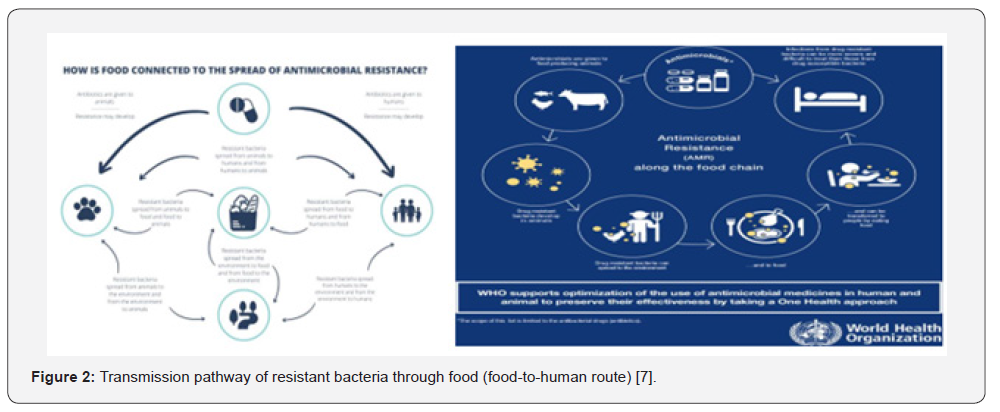
In addition, antibiotic resistance in foodborne bacteria has significant implications for public health surveillance and disease control systems. The presence of resistant organisms in food complicates routine outbreak investigations because standard treatment protocols may fail, and laboratory identification of resistance patterns may require advanced diagnostic tools. In many low- and middle-income countries, limited access to such diagnostic capacity further delays effective response and control measures [14]. The problem is further intensified by the economic burden on healthcare systems and households. Treating infections caused by resistant bacteria often requires longer hospital stays, the use of second- or third-line antibiotics, and additional diagnostic tests. This increases healthcare expenditure and places financial strain on families, particularly in regions where out-of-pocket healthcare payment is common. At a national level, antimicrobial resistance can reduce productivity due to illnessrelated absenteeism and increased healthcare demand [14].
Another major concern is the impact on food safety and consumer confidence. The detection of antibiotic-resistant bacteria in ready-to-eat foods can reduce public trust in food systems, especially street-vended foods that are widely consumed in urban areas. This may affect livelihoods of food vendors while also highlighting gaps in food hygiene regulation and enforcement. The public health implications of antibiotic resistance extend to the global spread of resistant organisms through trade and travel. In an interconnected world, contaminated food products can cross borders easily, facilitating the international dissemination of resistant bacteria. This makes antimicrobial resistance not only a local or regional issue but a global public health challenge requiring coordinated international action [5,7].
Sources of antibiotic-resistant bacteria in ready-to-eat (RTE) foods
Animal-origin sources
Antibiotic-resistant bacteria in ready-to-eat (RTE) foods commonly originate from animal-derived food products. Foodproducing animals such as poultry, cattle, and pigs are frequently exposed to antibiotics for treatment, disease prevention, and growth promotion. This exposure creates selective pressure that encourages the survival and multiplication of resistant bacteria within the animals’ gut microbiota. During slaughtering, processing, and handling, these resistant bacteria can contaminate meat, milk, eggs, and other animal products, which are later used in the preparation of RTE foods such as cooked meats, sausages, and street-vended meals [11,12].
Environmental sources (Soil and water contamination)
Environmental contamination is another major source of antibiotic-resistant bacteria in RTE foods. Antibiotic residues and resistant microorganisms enter the environment through livestock waste, agricultural runoff, and improper disposal of pharmaceuticals. When contaminated water is used for irrigation, washing, or food processing, resistant bacteria can be introduced into crops, especially vegetables and fruits. These plant-based foods are often consumed raw or minimally processed, making them an important route of exposure to consumers [5,7].
Food handlers and vendor hygiene
Food handlers play a critical role in the contamination of RTE foods with antibiotic-resistant bacteria. Poor personal hygiene practices, such as inadequate handwashing, handling food with contaminated hands, and improper food storage, contribute significantly to bacterial transfer. In street-vended food systems, cross-contamination between raw and cooked foods is common due to the use of shared utensils, surfaces, and limited access to clean water. These practices increase the risk of spreading resistant bacteria directly to consumers [29].
Food processing and equipment contamination
Food processing environments and equipment also serve as persistent sources of contamination. Surfaces such as cutting boards, knives, containers, and processing machinery can harbor resistant bacteria, particularly when biofilms are formed. Biofilms protect bacteria from cleaning agents and allow them to survive for long periods, leading to repeated contamination of food products. Once established, these bacterial communities are difficult to eliminate completely, increasing the risk of contamination in RTE foods [6].
Agricultural waste and fertilizers
Animal manure and untreated organic waste used as fertilizers are important sources of antibiotic-resistant bacteria in the environment. Livestock waste often contains both antibiotic residues and resistant bacteria, which can contaminate agricultural soils when improperly treated. Similarly, the use of untreated sewage for irrigation introduces resistant bacteria into crops. These bacteria can persist on plant surfaces and enter the food chain through fresh produce consumed as RTE foods [5].
Cross-contamination in retail and street food settings
Cross-contamination during food retail and street vending is another major source of antibiotic-resistant bacteria. In informal food markets, foods are often displayed openly without adequate protection from dust, insects, and environmental exposure. The close proximity of raw and cooked foods increases the likelihood of bacterial transfer. Additionally, warm environmental conditions common in many tropical regions promote bacterial growth, further increasing contamination risks [18].
Plant-based foods as emerging sources
Fresh fruits and vegetables are increasingly recognized as emerging sources of antibiotic-resistant bacteria. These foods can become contaminated through irrigation water, soil, fertilizers, and handling during harvesting and transportation. Since they are often consumed raw or minimally processed in RTE meals such as salads and fruit mixes, they provide a direct pathway for exposure to resistant bacteria [35,36,9].
Public health implications of antibiotic resistance in foodborne bacteria
Treatment failure and reduced drug effectiveness
Antibiotic resistance in foodborne bacteria significantly weakens the effectiveness of commonly used antimicrobial drugs, making routine infections harder to manage. When individuals consume contaminated ready-to-eat (RTE) foods, they may be exposed to resistant pathogens that do not respond to first-line antibiotics such as penicillins, tetracyclines, and sulfonamides. This leads to treatment failure, where infections persist even after medication is administered, requiring stronger and often more expensive alternatives. In many cases, these second-line drugs may have limited availability, more severe side effects, or require hospital-based administration. This situation increases the complexity of clinical management and places additional pressure on already burdened healthcare systems [7,6].
Increased morbidity and mortality
The presence of antibiotic-resistant bacteria in food significantly increases both the severity and duration of foodborne illnesses. Pathogens such as Escherichia coli, Salmonella spp., and Staphylococcus aureus can cause mild gastrointestinal symptoms under normal circumstances; however, when they are resistant to multiple antibiotics, infections may progress to severe dehydration, systemic infection, or septicemia. Vulnerable groups such as children, pregnant women, the elderly, and immune-compromised individuals are at even greater risk of complications and death. Global data indicate that antimicrobial resistance is associated with approximately 1.27 million direct deaths annually and contributes to nearly 4.95 million deaths worldwide, demonstrating its growing role as a major global cause of mortality [29].
Silent spread of resistance within the human body
One of the less visible but highly important public health effects of foodborne antibiotic resistance is the silent spread of resistance genes within the human gut. When resistant bacteria are ingested through contaminated RTE foods, they may survive and temporarily or permanently colonize the intestinal tract without necessarily causing immediate illness. During this colonization, they can transfer resistance genes to other harmless or pathogenic bacteria through horizontal gene transfer. This process increases the overall reservoir of resistance genes within the human microbiome, meaning that individuals can become carriers of resistance even without showing symptoms. Over time, this hidden reservoir contributes to the broader spread of antimicrobial resistance in the population [14,37,38].
Burden on healthcare systems
Antibiotic resistance in foodborne bacteria places a heavy burden on healthcare systems by increasing the cost, duration, and complexity of treatment. Patients infected with resistant organisms often require prolonged hospitalization, advanced diagnostic testing, and the use of more expensive or toxic antibiotics. This not only increases healthcare expenditure but also reduces hospital bed availability and strains healthcare personnel. In low- and middle-income countries, where healthcare resources are already limited, the impact is even more severe. The inability to effectively manage resistant infections also leads to higher rates of complications and readmissions, further stressing healthcare infrastructure [7].
Economic and social consequences
Beyond health outcomes, antibiotic resistance has significant economic and social consequences. Individuals and families may experience financial hardship due to increased medical expenses, especially where healthcare is largely paid for out-ofpocket. Prolonged illness also leads to loss of productivity, school absenteeism, and reduced workforce efficiency. At a broader level, national economies may suffer losses due to decreased productivity and increased public health spending [39,7]. Additionally, communities that depend on informal food vending may experience reduced income if consumers lose confidence in the safety of ready-to-eat foods, thereby affecting livelihoods and local economies [1].
Impact on food safety and consumer confidence
The detection of antibiotic-resistant bacteria in ready-to-eat (RTE) foods undermines public confidence in food safety systems. Consumers may become increasingly cautious about purchasing street-vended or minimally processed foods, which are often affordable and widely consumed in urban areas. This loss of confidence can have negative implications for both public health and the informal food sector [40]. At the same time, it exposes weaknesses in food hygiene practices, regulatory enforcement, and public health monitoring systems, particularly in developing regions where food safety oversight may be limited [7,5].
Global spread and one health concern
Antibiotic resistance in foodborne bacteria is not confined to local settings but has global implications due to international food trade and human mobility. Contaminated food products can be transported across borders, allowing resistant bacteria to spread between countries and continents. This global movement of resistance genes makes antimicrobial resistance a transboundary public health threat. It also highlights the importance of the one Health approach, which integrates human health, animal health, and environmental management to control the spread of resistance at all levels of the food chain [5].
Factors contributing to the problem of antibiotic resistance in foodborne bacteria
Misuse and overuse of antibiotics in humans and animals
One of the major drivers of antibiotic resistance in foodborne bacteria is the misuse and overuse of antibiotics in both human healthcare and animal production systems. In human medicine, antibiotics are sometimes taken without proper prescription, used for viral infections, or not completed as prescribed, all of which promote the survival of resistant bacteria. In animal husbandry, antibiotics are frequently used not only for treatment but also for disease prevention and growth promotion, creating constant selective pressure that encourages resistant strains to emerge and persist [7,11].
Poor food handling and hygiene practices
Inadequate hygiene during food preparation, processing, and vending significantly contributes to the spread of antibioticresistant bacteria in ready-to-eat (RTE) foods. Poor handwashing practices, use of contaminated water, improper cleaning of utensils, and cross-contamination between raw and cooked foods allow resistant bacteria to be transferred directly into food. These practices are especially common in informal street food vending environments where access to clean water and sanitation facilities may be limited [40].
Environmental contamination
Environmental pollution is another important factor contributing to the problem. Waste from hospitals, pharmaceutical industries, and livestock farms often contains antibiotic residues and resistant bacteria. When this waste is discharged into soil and water systems without proper treatment, it contaminates agricultural land and irrigation water. These contaminated resources are then used in food production, allowing resistant bacteria to enter the food chain through crops and fresh produce [5,7].
Weak regulatory and surveillance systems
In many developing regions, weak enforcement of food safety regulations and limited surveillance of antibiotic use in agriculture contribute significantly to the spread of resistance. Inadequate monitoring of antibiotic distribution and usage allows uncontrolled access to antibiotics, while poor inspection of food production and vending systems increases the risk of contaminated ready-to-eat foods reaching consumers [5].
Poor sanitation and inadequate infrastructure
Lack of proper sanitation facilities, clean water supply, and waste management systems also plays a major role in the spread of antibiotic-resistant bacteria. In environments where sanitation is poor, bacteria can easily circulate between humans, animals, and the environment. This increases the likelihood of contamination at every stage of the food chain, particularly in informal food vending settings [7].
Globalization and food trade
The global movement of food products and increased international trade have also contributed to the spread of antibiotic-resistant bacteria. Contaminated food can be transported across borders, allowing resistant strains to spread between countries and regions. This globalization of food supply chains makes it difficult to contain resistance within a single geographic area, turning it into a global public health challenge [5].
Lack of awareness and education
Limited awareness among food handlers, consumers, and even some healthcare providers contributes to the persistence of antibiotic resistance. Many individuals are unaware of the consequences of improper antibiotic use or poor food hygiene practices. This lack of knowledge leads to behaviors that continue to promote the spread of resistant bacteria in food systems [7]. Overall, the factors contributing to antibiotic resistance in foodborne bacteria are multifaceted and interconnected. They include antibiotic misuse, poor hygiene practices, environmental contamination, weak regulatory systems, inadequate sanitation, globalization of food trade, and lack of awareness. Addressing this problem requires a coordinated One Health approach that integrates human health, animal health, environmental management, and food safety interventions.
Control and prevention strategies
Rational use of antibiotics (Antibiotic stewardship)
One of the most effective strategies for controlling antibiotic resistance in foodborne bacteria is the promotion of rational antibiotic use in both human medicine and animal production. Antibiotics should only be used when prescribed by qualified healthcare professionals, and treatment courses should be completed as directed to prevent the survival of partially resistant bacteria. In livestock production, antibiotics should be restricted to therapeutic use only, with strict regulation against non-therapeutic applications such as growth promotion. Effective antibiotic stewardship programs help reduce selective pressure that drives the emergence of resistant strains [7,6].
Improved food hygiene and sanitation practices
Proper food hygiene is essential in preventing the contamination of ready-to-eat (RTE) foods with antibioticresistant bacteria. Food handlers should maintain strict personal hygiene, including regular handwashing with clean water and soap, proper cleaning of utensils, and safe food storage practices. Cross-contamination between raw and cooked foods should be avoided by using separate preparation surfaces and equipment. In addition, access to clean water and sanitation facilities is critical in reducing microbial contamination in food vending environments [40].
Strengthening food safety regulation and surveillance
Governments and regulatory bodies play a key role in controlling antibiotic resistance by enforcing food safety standards and monitoring antibiotic use in agriculture. Regular inspection of food production, processing, and vending sites can help identify and reduce sources of contamination. Surveillance systems should also be strengthened to track antibiotic resistance patterns in foodborne bacteria, enabling early detection and response to emerging threats [5].
Environmental management and waste control
Proper management of environmental waste is essential in reducing the spread of antibiotic-resistant bacteria. Hospital, industrial, and agricultural wastes containing antibiotics and resistant microorganisms should be properly treated before being discharged into the environment. Safe disposal of animal manure and wastewater treatment can reduce contamination of soil and water sources used in food production. This helps break the cycle of transmission from the environment to the food chain [7].
Education and public awareness
Increasing awareness among food handlers, consumers, farmers, and healthcare workers is critical in controlling antibiotic resistance. Education programs should focus on the dangers of antibiotic misuse, the importance of food hygiene, and safe food handling practices. When individuals understand how resistant bacteria spread through food, they are more likely to adopt safer behaviors that reduce contamination risks [6].
One health approach implementation
A comprehensive strategy for controlling antibiotic resistance requires a One Health approach, which integrates human health, animal health, and environmental management. This approach recognizes that antibiotic resistance spreads across all three sectors and therefore requires coordinated action. Collaboration between veterinarians, medical professionals, environmental scientists, and food safety authorities is essential for developing effective and sustainable interventions [5].
Promotion of safe food processing technologies
The use of improved food processing technologies such as pasteurization, irradiation, and proper thermal treatment can help reduce bacterial contamination in food products. Even though RTE foods are often consumed without additional cooking, implementing safer processing and packaging methods can reduce initial contamination levels and extend food safety. Proper cold chain maintenance during storage and transportation also helps inhibit bacterial growth. Controlling antibiotic resistance in foodborne bacteria requires a multi-sectoral and integrated approach. Key strategies include rational antibiotic use, improved hygiene practices, strong regulatory systems, environmental management, public education, and the implementation of a one Health framework. These combined efforts are essential to reduce the spread of resistant bacteria in ready-to-eat foods and protect public health [5].
Conclusion
Antibiotic resistance in foodborne bacteria, particularly within ready-to-eat (RTE) foods, represents a growing and complex public health challenge that links food safety, environmental health, and clinical medicine. This review has shown that RTE foods serve as important vehicles for the transmission of antibiotic-resistant bacteria due to their direct consumption without further heat treatment. As a result, any contamination occurring along the food chain from production to consumption can directly expose humans to resistant pathogens. The nature of antibiotic resistance is driven by multiple biological and genetic mechanisms, including enzymatic drug inactivation, alteration of target sites, efflux pump activity, reduced membrane permeability, biofilm formation, and horizontal gene transfer. These mechanisms enable bacteria not only to survive antibiotic exposure but also to spread resistance traits across different species and environments. Furthermore, the genetic basis of resistance, involving plasmids, transposons, and integrons, facilitates rapid dissemination of multidrug resistance within food systems.
The review also highlights that multidrug-resistant (MDR) bacteria are increasingly being detected in food systems globally, including RTE foods. This development limits available treatment options, increases disease severity, and contributes significantly to global morbidity and mortality. Environmental contamination, agricultural practices, poor hygiene, and weak regulatory systems all contribute to the persistence and spread of resistant bacteria along the food chain. From a public health perspective, antibiotic resistance in foodborne bacteria leads to treatment failures, prolonged illness, increased healthcare costs, and higher mortality rates. It also imposes economic burdens on individuals, healthcare systems, and national economies, while reducing consumer confidence in food safety systems. The global nature of food trade further exacerbates the problem by enabling the crossborder spread of resistant organisms.
Antibiotic resistance in foodborne bacteria is not an isolated issue but a multifactorial global health threat that requires urgent and coordinated action. Effective control depends on the implementation of antibiotic stewardship, improved food hygiene practices, strengthened surveillance systems, environmental management, and a One Health approach that integrates human, animal, and environmental health strategies. Addressing these challenges is essential to safeguarding public health and ensuring the safety of ready-to-eat foods in both current and future food systems.
Acknowledgement
The authors sincerely appreciate all individuals and institutions whose support and assistance contributed to the successful completion of this study.
- (2019) Food and Agriculture Organization of the UnitSed Nations. The state of food and agriculture 2019: Moving forward on food loss and waste reduction.
- Mensah P, Yeboah-Manu D, Owusu-Darko K, Ablordey A (2013) Street foods in Accra, Ghana: How safe are they? Bulletin of the World Health Organization 80(7): 546-554.
- Oranusi S, Braide W (2012) A study of microbial safety of ready-to-eat foods vended on highways: Onitsha-Owerri, southeast Nigeria. International Research Journal of Microbiology 3(2): 066-071.
- (2015) World Health Organization. Estimates of the global burden of foodborne diseases. WHO.
- (2020) Food and Agriculture Organization & World Health Organization. Antimicrobial resistance in the food chain: Guidance for risk analysis.
- (2023) Centers for Disease Control and Prevention. Antibiotic resistance threats in the United States. U.S. Department of Health and Human Services.
- (2021) World Health Organization. Antimicrobial resistance and the food chain. WHO.
- Christopher JL Murray, Kevin S Ikuta, Fablina Sharara (2022) Global burden of bacterial antimicrobial resistance in 2019: A systematic analysis. The Lancet 399(10325): 629-655.
- (2023) European Food Safety Authority & European Centre for Disease Prevention and Control. The European Union summary report on antimicrobial resistance in zoonotic and indicator bacteria from humans, animals and food. EFSA Journal 21(3): e07812.
- Marshall BM, Levy SB (2011) Food animals and antimicrobials: Impacts on human health. Clinical Microbiology Reviews 24(4): 718-733.
- Van Boeckel TP, Brower C, Gilbert M, Grenfell BT, Levin SA, et al. (2015) Global trends in antimicrobial use in food animals. Proceedings of the National Academy of Sciences 112(18): 5649-5654.
- O’Neill J (2016) Tackling drug-resistant infections globally: Final report and recommendations. Review on Antimicrobial Resistance.
- Zhang Y, Li X, Luo Y, Huang C, Zeng H (2023) Occurrence of antibiotic resistance genes in fresh vegetables. Science of the Total Environment 857: 159-167.
- Davies J, Davies D (2010) Origins and evolution of antibiotic resistance. Microbiology and Molecular Biology Reviews 74(3): 417-433.
- Bush K, Bradford PA (2020) Epidemiology of β-lactamase-producing pathogens. Cold Spring Harbor Perspectives in Medicine 10(8): a025247.
- (2022) World Health Organization. Global antimicrobial resistance and use surveillance system report.
- (2023) European Food Safety Authority. The European Union summary report on antimicrobial resistance in zoonotic and indicator bacteria from humans, animals and food. EFSA.
- Igbinosa EO, Beshiru A, Akporehe LU, Ogofure AG, Igbinosa IH (2016) Prevalence of antibiotic-resistant bacteria in ready-to-eat foods. Frontiers in Microbiology 7: 1-8.
- Ayukekbong JA, Ntemgwa M, Atabe AN (2017) The threat of antimicrobial resistance in developing countries. Infectious Diseases of Poverty 6(1): 47.
- Li XZ, Plésiat P, Nikaido H (2015) The challenge of efflux-mediated antibiotic resistance in Gram-negative bacteria. Clinical Microbiology Reviews 28(2): 337-418.
- Blair JMA, Webber MA, Baylay AJ, Ogbolu DO, Piddock LJV (2015) Molecular mechanisms of antibiotic resistance. Nature Reviews Microbiology 13(1): 42-51.
- Munita JM, Arias CA (2016) Mechanisms of antibiotic resistance. Microbiology Spectrum 4(2).
- Carattoli A (2013) Plasmids and the spread of resistance. International Journal of Medical Microbiology 303(6-7): 298-304.
- Gillings MR (2014) Integrons: Past, present, and future. Microbiology and Molecular Biology Reviews 78(2): 257-277.
- Frost LS, Leplae R, Summers AO, Toussaint A (2005) Mobile genetic elements and bacterial adaptation. Nature Reviews Microbiology 3(9): 722-732.
- Partridge SR, Kwong SM, Firth N, Jensen SO (2018) Mobile genetic elements associated with antimicrobial resistance. Clinical Microbiology Reviews 31(4): e00088-17.
- Berendonk TU, Manaia CM, Merlin C, Fatta-Kassinos D, Cytryn E, et al. (2015) Tackling antibiotic resistance: The environmental framework. Nature Reviews Microbiology 13(5): 310-317.
- (2024) World Health Organization. Antimicrobial resistance: Global report on surveillance.
- Murray CJL, Ikuta KS, Sharara F, Swetschinski L, Robles Aguilar G, et al. (2022) Global burden of bacterial antimicrobial resistance in 2019: A systematic analysis. The Lancet 399(10325): 629-655.
- Schar D, Zhao C (2021) Antibiotic resistance in foodborne pathogens: A global review. Clinical Microbiology and Infection 27(6): 823-833
- Laxminarayan R, Duse A, Wattal C, Zaidi AKM, Wertheim HFL, et al. (2023) Antibiotic resistance-the need for global solutions. The Lancet Infectious Diseases 23(9): e355-e364
- (2023) Food and Agriculture Organization of the United Nations. Drivers, dynamics and epidemiology of antimicrobial resistance in animal production systems. FAO.
- Singer AC, Shaw H, Rhodes V, Hart A (2016) Review of antimicrobial resistance in the environment and its relevance to food systems. Environmental International 94: 1-10.
- (2023) United Nations Environment Programme. Bracing for superbugs: Strengthening environmental action in the One Health response to antimicrobial resistance.
- Sharma S, Chatterjee S, Datta S, Dutta S (2021) Microbial contamination in fresh produce and its public health implications. Journal of Food Science and Technology 58(4): 1234-1246
- Monteiro MS, Pereira R, Malcata FX (2020) Microbiological safety of fresh fruits and vegetables: A review. Food Control 112: 107-115.
- Sommer MOA, Dantas G, Church GM (2009) Functional characterization of the antibiotic resistance reservoir in the human microflora. Science 325(5944): 1128-1131.
- Van Schaik W (2015) The human gut resistome. Philosophical Transactions of the Royal Society B 370(1670): 20140087.
- World Bank (2017) Drug-resistant infections: A threat to our economic future. World Bank Group.
- Odeyemi OA, Alegbeleye OO, Strateva M, Stratev D (2020) Understanding antibiotic resistance in foodborne pathogens: Implications for public health and food safety. Food Control 112: 107-115.

























