




 PBSIJ Home



Abstract
Background: Extensive research on perinatal depression in high-income nations has led to the development of guidelines. In contrast, over 80% of low- and middle-income countries have yet to develop perinatal mental health guidelines.
Aim: This study involved healthcare providers in developing contextual guidelines for managing perinatal depression.
Method: The study utilized a qualitative design (nominal group technique) with a purposive sample of 12 healthcare providers in Namibia and followed the steps of AGREE II: Advancing guideline development, reporting, and evaluation in healthcare. Data were analyzed using thematic analysis.
Findings: Healthcare providers developed several guidelines to manage perinatal depression, including prerequisites for screening with a validated tool, incorporating psychosocial assessments into perinatal care, effectively managing perinatal depression, establishing clear referral pathways, addressing suicide risks, and evaluating the acceptability and feasibility of the guidelines and interventions.
Conclusion: The guidelines for addressing perinatal depression would help healthcare providers recognize, treat, and refer women with severe cases. They also aim to enhance access to mental health services and ensure women’s safety during the perinatal period. The newly formulated guidelines await implementation in clinical settings, with thorough training sessions planned to prepare all staff.
Keywords:Depression; Perinatal depression; Perinatal period; Perinatal guidelines
Background
Perinatal depression has long been overlooked as a public health issue, but it has only gained significant recognition in the last 20-30 years [1]. It refers to a non-psychotic depressive episode that can occur during pregnancy, the postnatal period, or within a year postpartum [2]. This condition is associated with various adverse outcomes, including hindered maternal functioning, impaired mother-infant interactions, and delays in the infant’s growth and development, along with psychological, behavioural, and cognitive challenges in children [3].
In 2023, the global prevalence of perinatal depression was reported at 26.3% and 24.3% [4]. This condition is particularly prevalent in low- and middle-income countries, where it affects 1 in 4 perinatal women, with a combined prevalence of 25.5% [5].
Although perinatal depression has been extensively studied in higher-income nations, management guidelines have been established. In contrast, over 80% of low—and middle-income countries, including Namibia, still lack such guidelines [6]. The effectiveness of targeting women during the perinatal period in low-income countries remains under investigation [7].
Namibia has established perinatal guidelines; however, these do not address perinatal mental health, and mental health services are often unavailable (Ministry of Health and Social Services [8] [MOHSS]. The perinatal care in Namibia comprises taking medical histories, performing physical and laboratory examinations, administering prophylactic medications, providing vaccines, and conducting pap smears during the first six weeks following childbirth [9]. Midwives are the primary providers of this care. The absence of guidelines for managing perinatal depression can have serious negative consequences for women and their children. These may include poor medical care adherence, worsening of medical conditions, loss of personal and financial resources, substance misuse, suicide, and infanticide [10].
Despite facing difficulties in attaining the maternal and child health Millennium Development Goals, Namibia has successfully reached 95% in perinatal care, surpassing the established target [9]. The researcher believes that the high enrolment in perinatal care across various regions of the country presents a valuable opportunity to implement guidelines for managing perinatal depression. Furthermore, addressing perinatal depression and its underlying factors could contribute to achieving Sustainable Development Goal (SDG) 3, which aims to ensure healthy lives and promote well-being for all ages [11]. There is an urgent global demand for countries to enhance services for women experiencing mental disorders, including perinatal depression [12,13] indicate that perinatal depression is frequently more prevalent in low- and middle-income countries compared to highincome ones. Thus, it is essential to emphasize evidence-based approaches for identifying and addressing perinatal depression to reduce its impact on mothers and their infants, thereby ensuring optimal care.
This article discusses part of a comprehensive study divided into three phases focused on creating guidelines for managing perinatal depression. In phase 1, researchers carried out a qualitative study to investigate and articulate the needs of women experiencing perinatal depressive symptoms, as well as healthcare providers’ experiences in managing this condition in Namibia. Phase 2 involved conducting a systematic review to pinpoint existing global guidelines for the management of perinatal depression. In phase 3, discussed in this article, the researcher used a formal consensus process known as the Nominal Group Technique (NGT). Various stakeholders created and endorsed recommendations for the local primary care environment. Participants in the NGT set clear criteria, considering contextual factors to enhance the practicality of implementing the recommendations.
Methods
Design and context of the study
A consensus research design used a nominal group technique (NGT) to gather insights from healthcare providers on guidelines for managing perinatal depression. The NGT, a structured brainstorming method, generated many suggestions for these guidelines. The researcher ensured all members had opportunities to contribute and reach consensus. The five steps of NGT, as detailed by [14], included opening the session, silently generating written ideas, recording them in a round-robin format, discussing ideas serially, and voting to identify the most significant concepts.
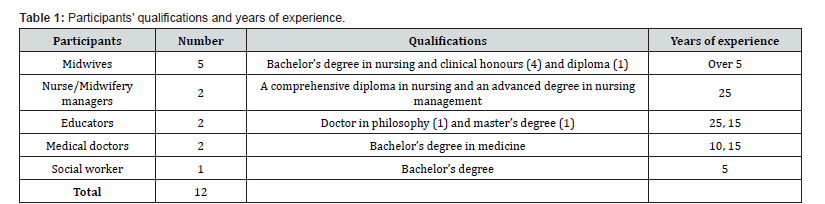
The researcher invited 12 stakeholders to the NGT discussion, including staff from government maternity hospitals and clinics and two lecturers from the University of Namibia’s Midwifery Department. Each had a midwifery background and over five years of experience in perinatal care or mental health in Namibia. Table 1 details their qualifications and experience.
Data collection
The NGT consensus method produces research information to address issues and set guidelines. Before participating, stakeholders signed informed consent forms. The principal researcher reserved a boardroom at Windhoek Central Hospital, spacious enough for all participants, arranged in a U-shape with tables and chairs. Each participant received a pen and A4 sheet, with a flip chart at the U’s open end. The data collection process followed the key steps of the NGT as per. Below are the five NGT steps utilized in the study from [14].
Step 1: Introduction and explanation
The participants completed a registration form with their demographic information: names, contact details, occupations, years of service, and experience. The researcher thanked them for attending. In phase 3 of a broader study, participants viewed evidence from phase 1, receiving printed findings that included two tools: the Edinburgh Postnatal Depression Scale (EPDS) for screening perinatal depression and the Antenatal Risk Questionnaire (ANRQ) for evaluating psychosocial risks.
Step 2: Silent generation of ideas
The researcher provided each participant with a sheet of paper with the following three questions:

Participants needed to record each response (idea) on the worksheet, indicating whether they supported, modified, or opposed the initial research findings. During this stage, they were discouraged from seeking help or sharing their responses with others. Completing Step 2 required roughly 25 to 30 minutes.
Step 3: Round robin
The researcher invited the participants to share their recorded answers. She asked each participant to read one answer from their worksheets. This process continued until all the answers to the questions were recorded. This was done to ensure all participants had an equal chance to contribute. This task took about 40 minutes.
Step 4: Serial discussion of the ideas
This phase helped participants express the meaning of the idea and their understanding of the logic behind it and its relative importance. All ideas were debated and clarified to ensure that informed decisions were made when voting. This task took about 30 minutes.
Step 5: Voting to select the most important ideas or to rank themes.
The researcher gave each participant five index cards. Participants were instructed to choose five important ideas (themes) from the flip chart and write each on a separate card. This step offered participants a last chance to reassess their choices. The principal researcher actively facilitated this process to maintain engagement and ensure a high response rate. The collected records were then analyzed. This task lasted approximately 40 minutes.
Data Analysis
In Step 4, we analyzed the data collected in Step 3 of the NGT. The researcher collaborated with stakeholders to group the generated ideas according to the questions from the NGT. Thematic analysis was used for categorization, and similar ideas expressed in varying statements were unified into a single statement with identical wording for easier comparison during analysis. Ideas that were alike were then clustered into themes and subthemes.
Rigour
To ensure the accuracy and consistency of the findings, participants were invited to review the results and share their insights. This collaborative approach fostered an open dialogue, enabling participants to verify and reflect on their opinions. The researcher consciously set aside her own beliefs, opinions, perceptions, and personal experiences regarding perinatal depression, creating a space where the voices of the participants could truly resonate. By prioritizing their ideas and viewpoints, the development of the guidelines became a more inclusive and authentic representation of their experiences and needs.
Ethical considerations
The study received ethical approval and permission from the Research Ethics Committee (Ref 49/2021). Approval was also secured from the Ministry of Health and Social Services (Ref 17/3/3 SKH). The researchers established credibility by audio recording the interviews, transcribing the recordings verbatim, taking observational notes, and conducting memberchecking. Confirmability was supported by maintaining an audit trail, recorded interviews, and substantiating the themes with participants’ quotations. To ensure data consistency, the researchers reached a consensus on the final themes and subthemes, which assured dependability. The study’s transferability was enhanced by providing a detailed description of the participants’ context, study setting, and characteristics.

Findings
The themes and sub-themes generated from the data
formulated the guidelines for managing perinatal depression. The
participants were divided into three groups, and their identities
were kept anonymous. They were referred to by their group
number, for example, Group 1, Group 2, and Group 3. Table 2
depicts the themes and sub-themes generated from the NGT.
Rationale for developing guidelines to manage perinatal
depression: In Namibia, there are currently no evidence-based
guidelines for managing perinatal depression. Research on this
condition has been limited, with only a few studies exploring
psychosocial risk factors. As a result, healthcare providers in
Namibia who specialize in perinatal mental health struggle with
screening for perinatal depression due to the lack of practical
guidelines. The participants in this study believe that creating
guidelines will establish reliable methods for evaluating
psychosocial risks and aid in developing clear referral pathways
for health practitioners.
I. Early detection and management of perinatal depression
Developing guidelines is of paramount importance because
it would provide for the early detection and management of
perinatal depression. It would also offer a systematic, uniform
method for preventing severe depression and improving maternal
mental health in Namibia. According to participants:
Guidelines would provide a systematic and uniform method
for the early detection and management of perinatal depression.
Guidelines would improve the management of women with
depression.
Guidelines would help improve maternal mental health in the country [Namibia], resulting in healthier mothers and infants.
Prerequisites before screening for perinatal depression: Participants recommended prerequisites for ethical matters to be considered before screening for perinatal depression. This included informed consent, confidentiality, and involvement of family members in screening for depression, and follow-up visits.
Informed consent
Participants and patients should be informed about the purpose of screening before it occurs. Consent can be integrated with the consent processes for existing routine perinatal care procedures. If a woman does not consent to screening, this should be documented, and screening should be offered at subsequent consultations.
Before screening takes place, an explanation of the purpose of screening should be given.
Women should be informed about available healthcare support and options, and screening for any women who refuse should be done during their next visit.
Consent should be integrated with already existing perinatal care.
Confidentiality: The participants noted the need to inform women that screening is part of routine perinatal care and that results would remain confidential. Information will only be shared with others if there is a risk of suicide. The participants believed that when women are provided with the necessary information regarding confidentiality, a non-judgmental caring environment, and the availability of space for privacy, they will be more willing to reveal personal information.
A non-judgmental, caring, and confidential relationship between healthcare providers and patients is crucial for successful screening.
Women should be informed that screening is part of routine perinatal care and that results will remain confidential, except in cases where there is a perceived risk of harm to the woman or her baby.
There should be an adequate number of screening rooms, and only the healthcare provider should be present during screening to ensure privacy and confidentiality.
I. Involvement of family members in screening for depression
The participants also believed that when family members were involved, they would provide solid support, and these women would have the opportunity to recover.
Healthcare providers cannot effectively manage perinatal depression in isolation; the active involvement of family members is essential. It is crucial to explore diverse strategies that incorporate family engagement to address this significant issue.
Family members often serve as a cornerstone of support within a woman’s social network, offering understanding, empathy, and practical assistance during a vulnerable time. By recognizing family involvement as a critical element in treatment, we can design targeted interventions aimed at reducing the prevalence of perinatal depression.
This collaborative approach fosters a nurturing environment and empowers families to play a vital role in the recovery and well-being of their loved ones.
II. Follow-up visits
Participants strongly supported scheduled follow-up visits for women with perinatal depression, stating that such measures could significantly improve their mental well-being. They raised concerns about barriers to access, particularly financial issues like inadequate transportation that could hinder follow-ups. Participants suggested that the government provide transportation services for healthcare providers to support these women during their recovery effectively.
Developing a follow-up program for women with perinatal depression is crucial for enhancing their mental health and fostering support during tough periods. The government must prioritize overcoming transportation barriers that hinder access to essential home and community follow-up visits for all women.
To maximize attendance, schedule follow-up visits when women and their families are free from work commitments. These consultations should also align with supportive programs tailored to the community’s needs.
Enhance engagement by conducting follow-ups in familiar community settings instead of intimidating medical environments. Addressing social determinants of health is crucial; for instance, tackling illiteracy is essential for understanding mental health interventions. Utilizing nonverbal materials and visual aids during follow-ups improves communication in high-illiteracy communities, ensuring no woman feels isolated or misunderstood in her recovery journey.
Screening for perinatal depression using a validated tool: Participants in the (NGT) highlighted the need for a streamlined, validated assessment tool for fast-paced, low-resource environments. They emphasized that a brief, self-administered tool would be particularly beneficial in Namibia’s perinatal care settings, where time and resources are limited. Such an instrument could enhance care delivery efficiency, ensuring essential information is gathered swiftly, ultimately improving outcomes for mothers and newborns in these challenging circumstances.
I. A valid tool to screen for perinatal depression
The participants unanimously agreed that the screening tool
should be concise and efficient, minimizing the time required
for completion. Following the presentation of the EPDS, all
participants expressed strong support for incorporating this
screening method during the perinatal period. They emphasized
the importance of identifying potential mental health issues early,
recognizing that this tool is vital for the well-being of women
during this critical phase. According to the insights shared by the
participants:
Women should be screened using a reliable and validated
assessment tool. Given the hectic nature of perinatal clinics,
it’s essential that this tool is concise and quick to complete,
ensuring it fits seamlessly into our busy environment.
We are seeking a brief instrument that respects our time constraints and is straightforward to interpret. This would allow for efficient and effective evaluations of women’s health during this crucial period.
II. Timing of screening and allocation of scores
The participants suggested that the screening should be done during the second antenatal contact because, during the first contact, there were already many assessments to be done. They were concerned that screening at the first contact would be challenging because it would overlap with other comprehensive assessments already done at that specific contact. In addition, the participants suggested that women should be screened twice during pregnancy.
Screening should be done during the second contact around 20 gestational weeks because, during the initial visit, there are many assessments, and there should be clear policies on how to detect and manage perinatal depression.
During screening at 20 gestational weeks, it might be easier to identify signs and symptoms of depression because most women no longer experience early signs of pregnancy.
Screening is to be repeated during the sixth contact around 36 gestational weeks because depression may develop during a later trimester, and women may be experiencing some problems not detected at the early stage of pregnancy. Screening for depression should be conducted before abdominal examinations are done on women.
III. Allocation of scores
The participants were presented with the findings, and the
method of allocating scores was explained to them. Therefore,
the participants agreed that a lower cut of 10 should be adopted
as probable depression. Women who screened more than 10 on
the EPDS should be assessed after two weeks or when clinically
needed. According to participants:
.
Utilize the (EPDS) to effectively screen women for potential
depressive symptoms during the perinatal period, which
encompasses pregnancy and the postpartum phase. A cut-off
score of 10 is recommended to indicate probable depression,
signalling the need for further evaluation.
For women who score above 10 on the EPDS, a follow-up assessment should be arranged within two weeks or sooner if symptoms warrant immediate attention.
It is crucial to conduct a more comprehensive evaluation for those perinatal women who achieve a score of 13 or higher on the EPDS, as this indicates a higher level of concern and the need for targeted support and interventions.
Integrating psychosocial assessment and depression screening in primary healthcare: Participants through the (NGT), highlighting the need to integrate perinatal mental health services into primary healthcare. This approach can elevate standard perinatal care into a holistic model that addresses both physical and mental health needs of women during and after pregnancy. They emphasized the importance of routine screenings for perinatal depression and comprehensive psychosocial evaluations. They also believe this could enhance the identification of the complex social challenges women face during perinatal depression and lead to more effective interventions and support systems.
I. Assessing women with or at risk of psychosocial factors
The participants expressed the view that a comprehensive psychosocial assessment should be integrated into the perinatal interview process. They proposed utilizing a validated structured psychosocial assessment tool, which would allow for a thorough exploration of the emotional, social, and psychological factors affecting individuals during this critical period. This approach aims to ensure that all relevant aspects of a person’s well-being are considered, ultimately leading to better support and outcomes for those involved.
All women should undergo a psychosocial risk assessment using a validated tool as part of their perinatal care. This starts with the midwife building rapport, allowing her to ask about the woman’s physical and emotional health during pregnancy. It is crucial to explain the importance of psychosocial assessment in a holistic care approach, highlighting its impact on both the mother’s and the baby’s health.
The initial assessment should occur around 20 weeks of gestation, followed by a second during the sixth prenatal visit, around 36 weeks. A score of 23 or higher indicates increased psychosocial risk that may need further attention.
A comprehensive evaluation is also recommended, covering past mental health, experiences of domestic violence, childhood abuse, and substance misuse. This thorough approach helps identify and address risk factors, promoting the best outcomes for mother and child.
II. Incorporating screening for depression and assessment of psychosocial risk factors into perinatal care
Participants strongly advocated for the inclusion of the EPDS and ANRQ into the perinatal care passport. They highlighted the critical importance of systematically screening for perinatal depression and conducting comprehensive psychosocial assessments within perinatal care settings. Many emphasized that integrating these tools would not only support early identification of mental health issues but also facilitate a more holistic approach to care during this vulnerable period.
To enhance the effectiveness of perinatal mental health support, it is essential to integrate the EPDS and ANRQ into the existing assessment guide. This integration should also extend to the perinatal health passport, thereby streamlining the processes for screening and assessment of perinatal depression. A comprehensive psychosocial assessment using a validated tool is essential for identifying perinatal depression symptoms. This assessment informs appropriate interventions during this vulnerable time. Extensive training for healthcare professionals on the significance of screenings is crucial. Training should emphasize the use of both the EPDS and ANRQ, allowing practitioners to conduct thorough evaluations of patients’ mental health.
A minimum set of professional competencies should be established to ensure primary healthcare practitioners possess the skills to conduct effective screenings and psychosocial assessments. These competencies should cover technical evaluation aspects and the ability to approach sensitive topics with empathy, creating a supportive environment for patients facing perinatal mental health challenges.
III. Creating awareness of psychosocial risk factors
The participants maintained that women should be provided with the necessary information about psychosocial risk factors of perinatal depression by placing posters around clinics. Women should be educated on the possible causes of perinatal depression.
Create awareness about psychosocial risk factors of perinatal depression by placing posters around clinics about psychosocial risk factors, such as gender-based violence, and many more. Discuss with the woman the possible impact of psychosocial risk factors (she has endorsed) on her mental health and provide information about available assistance.
educate all women about the possible causes of perinatal depression and the significance of enquiring about, and attending to, any mental health problems that might arise across the perinatal period,
Create awareness by placing posters about perinatal depression around clinics. Women should be informed about available healthcare support and options.
Management of perinatal depression: The participants expressed a strong consensus on the urgent necessity to implement psychosocial interventions tailored for women experiencing mild, moderate, and severe perinatal depression. They highlighted the importance of addressing the unique emotional and psychological challenges faced by these women during the perinatal period.
Healthcare providers must prioritize the implementation of comprehensive psychosocial interventions for women diagnosed with perinatal depression. This includes not only offering psychoeducation but also providing tailored support strategies for varying levels of depression, from mild to severe.
For those experiencing mild to moderate depression, direct counselling sessions can be instrumental in equipping women with coping mechanisms and understanding their condition. In cases of severe depression, a more intensive approach may be necessary, incorporating a variety of evidence-based psychosocial interventions such as group therapy, peer support networks, and mindfulness practices.
Expanding awareness and access to these diverse interventions is crucial, as they collectively contribute to enhancing the mental well-being and overall quality of life for women navigating the challenges of perinatal depression.
Outline clear referral care pathways: Participants emphasized the critical absence of standardized referral pathways, which could significantly impact the low rates of referral for women experiencing severe symptoms of perinatal depression. This lack of clear protocols may hinder timely access to necessary mental health support, ultimately affecting the well-being of these women during a vulnerable period in their lives.
I. Referral for women suffering from severe depression
The participants emphasized the urgent necessity to create well-defined referral pathways for women experiencing severe depression. They expressed that these pathways should ensure timely access to mental health resources and support services, highlighting the importance of clear communication among healthcare providers. According to the participants, establishing these protocols could significantly improve the quality of care and outcomes for women facing such challenging mental health issues.
Designated healthcare providers must assist women with safety and concerns about fetal or infant well-being. Professionals like psychiatrists and psychologists should be identified for expert advice before referrals. All coordinated care aspects, including consultations and follow-ups, must be documented for seamless support. Clearly defined referral pathways should outline steps for women suffering from severe depression, ensuring equitable access to mental health resources in both rural and urban areas.
Management of suicide risk: A significant sub-theme that surfaced was the evaluation of suicide risk and strategies for effectively managing this identified risk. This encompasses a comprehensive assessment of the various factors contributing to an individual’s vulnerability and the implementation of targeted interventions to address and mitigate these risks.
I. Assessing the risk of suicide
The participants expressed a strong belief that it is essential to conduct a thorough evaluation of suicide risk for women who disclose having suicidal thoughts. They emphasized that understanding the nuances of everyone’s situation is crucial in addressing their mental health needs effectively.
Identifying suicide risk warning signs in women is vital for support. Key indicators are hopelessness, social withdrawal, drastic behaviour changes, and mood shifts. Establishing coping strategies like counselling, mindfulness, or a safety plan is essential for managing feelings effectively.
Healthcare providers must conduct a comprehensive suicide risk assessment for any woman disclosing suicidal thoughts. This determines if her condition can be managed within the clinic or requires a specialized mental health referral.
It is vital to consider the well-being of any infants involved. A thorough assessment will evaluate the risks to the child and develop safety strategies. Locating supportive individuals within the woman’s network can be invaluable. This might include family members, friends, or social workers who can aid and encourage during difficult times. By fostering this support system and empowering the woman with coping strategies, we can significantly reduce her risk and promote a path toward recovery.
Acceptability and feasibility of guidelines and interventions Participants in this study expressed a compelling wish for the guidelines and interventions created to be acceptable in terms of their content and practical and actionable in real-world settings.
Provide adequate resources. The participants strongly believed that the proposed resources would significantly enhance the screening and management processes for women experiencing perinatal depression. They emphasized that the success and practicality of these interventions predominantly hinge on the government’s commitment to allocate necessary resources, including financial backing and qualified personnel.
To address perinatal depression, more staff should be appointed for screenings. The government must prioritize qualified mental health specialists in perinatal clinics to support new and expectant mothers. Higher education institutions must enhance their curricula with components on screening and managing perinatal depression, equipping future professionals with essential skills.
Midwife training programs should ensure proficiency in sensitive screening implementation. Clinic staff must support mothers during this vulnerable time. Efficient logistics are needed to transport mental health specialists to antenatal clinics for regular visits and continuity of care. A supportive supervision framework and strong monitoring mechanisms are also required to assess strategy effectiveness.
Adequate funding and resources are essential to implement these guidelines. The government must provide unwavering support, including financial backing and necessary human resources. Sufficient space and materials must also be allocated to foster a conducive environment for addressing perinatal mental health.
Discussion
This study marks the first effort to create guidelines for managing perinatal depression in Namibia. Clinical guidelines are systematically developed statements that guide healthcare providers and service users in making appropriate management/ treatment decisions for specific conditions, such as perinatal depression [15]. Guidelines should originate from the best available research evidence, using predetermined and systematic methods to identify and assess evidence on specific conditions such as perinatal depression, as demonstrated in this study. In instances where evidence is lacking, guidelines include statements and recommendations derived from expert consensus, as observed in this study.
During the NGT session, participants emphasized that women’s information must remain confidential and be cared for. With private rooms available, women may disclose personal information. A study by [16] showed that women with perinatal depression struggle to reveal their condition due to insufficient confidentiality and privacy in care settings. Healthcare providers have an ethical duty to ensure screening results are communicated responsibly, preventing misunderstanding or misuse that could harm patients and others, including families, community members, healthcare providers, and policymakers [17].
In this study, participants were recommended to conduct follow-up visits for admitted women to evaluate their home coping skills. Ensuring continuity of care and follow-up visits for women diagnosed with perinatal depressive symptoms is crucial for fostering a strong trust-based relationship between practitioner and patient [16]. It increases the acceptance of perinatal mental health services, as women are more likely to engage in treatment when they receive follow-up support.
In phase 1 of the study, women voiced the necessity for perinatal depression screenings. Concurrently, healthcare providers indicated they were not conducting these screenings due to the lack of guidelines [17]. Participants in the Nominal Group Technique (NGT) integrated the findings to develop guidelines for managing perinatal depression. The findings of this study align with organizational factors noted in existing literature, such as the lack of screening tools, guidelines, operational manuals, and treatment protocols. These factors may contribute to inadequate screening for perinatal depression [18-21]. Hence, clinical practice guidelines are essential to facilitate the implementation of high-value healthcare, grounded in the benefits and harms most pertinent to healthcare providers, their patients, and society overall [22]. To establish an effective program for screening and managing depression nationwide, it is crucial to resolve the issue of a lack of guidelines.
The participants in the NGT indicated the need to have short and validated tools that could be used in busy and low-resource settings. A brief, self-administered tool is favourable in perinatal settings, such as Namibia, where limited resources and time exist. A valid and reliable screening tool is required to assist in detecting depressive symptoms and treating and referring women during perinatal care in low- and middle-income settings, where depressive disorders are more prevalent, and where access to complete diagnostic workups is non-existent [23]. The study adopted the Edinburgh Postnatal Depression Scale (EPDS). The EPDS is a tool specifically designed to identify antenatal and postnatal depressive symptoms. The EPDS was chosen for its straightforward application across various African nations, its established reliability in identifying perinatal depression, and its cost-effectiveness in integrating into patient assessments [24;25].
Stakeholders in the NGT indicated that women should complete the EPDS preferably twice, during the antenatal period. The first screen should be done at the 2nd antenatal contact because there are many assessments during the 1st contact. The stakeholders in the NGT also added that diagnosing perinatal depression might be very challenging during the first trimester, because the regular physiological changes of pregnancy may mask the pregnancy symptoms. A study by [26] revealed that six in every ten women suffered from insomnia during mid-pregnancy, while 10% reported it during mid-pregnancy and the postpartum period.
Participants in NGT stress integrating perinatal mental health into primary care. This could transform routine settings into holistic care clinics for physical and mental health [27] states that psychosocial assessment and depression screening should be part of the same program within primary healthcare. Participants recommend conducting the assessment process thoroughly. Healthcare professionals need proper training to identify perinatal depression and related psychosocial risk factors. Training should include the effective use of screening and assessment tools. Clear guidelines must outline methods for utilizing and interpreting psychosocial interviews, which are crucial for monitoring thresholds and implementing interventions. Open communication with women about the impact of psychosocial risk factors on their mental health is vital. Women should receive comprehensive information about available support resources to empower them to seek help and understand their mental health during this critical period. The findings were noted in the study by [28].
Namibia has developed perinatal guidelines but lacks a focus on perinatal mental health, a pressing issue. Access to mental health services remains limited, leaving many unsupported during the critical period. A recent study explored healthcare providers’ perspectives, especially midwives, on managing perinatal depression within these guidelines [29]. Participants agreed on the need for integrating systematic depression screening into routine care. Midwives noted the importance of shared responsibilities among healthcare teams for comprehensive care and emphasized raising awareness about perinatal depression for both providers and new parents. By improving understanding of perinatal depression and available resources, they believe more individuals can receive support during this vulnerable time.
In the same study, several participants conveyed a spectrum of emotions, ranging from enthusiasm to apprehension, regarding applying the guidelines in perinatal care [29]. They emphasized the importance of maintaining the tool’s clarity and practicality to facilitate its practical implementation in everyday practice. Among the primary challenges identified for applying the guidelines were a notable lack of awareness and understanding of perinatal depression management among healthcare providers, along with negative attitudes that hindered the delivery of supportive care. Additionally, the need for greater ethical considerations in clinical practices was recognized. Participants highlighted the necessity of targeted training programs before the guidelines are officially introduced, acknowledging that boosting knowledge and enhancing skills are vital for ensuring the successful application of these guidelines in real-world scenarios [29]. The newly developed guidelines are pending implementation in clinical settings. Prior to their effective execution, comprehensive training sessions will be conducted to ensure all staff are adequately prepared.
Perinatal mental healthcare includes screening, management, and referral [30]. An integrated approach linking screening and assessment to a straightforward referral process could improve management accessibility and effectiveness, resulting in better clinical and cost outcomes for depression.
Guidelines suggest psychosocial treatment as the first approach for mild to moderate perinatal depression [31]. A systematic review in eight low- and middle-income countries found that educational interventions, including psychoeducation, interpersonal psychotherapy, problem-solving therapy, cognitive behavioral therapy, and parenting education, improved maternal mental health knowledge [12]. In Nigeria, [31] discovered that high-intensity interventions for perinatal depression by non-specialist primary maternal care providers were feasible, acceptable, and effective in raising community awareness of maternal depression.
The participants maintained that women should receive information about the psychosocial risk factors of perinatal depression through posters in clinics. They should learn about factors like gender-based violence to know where to seek support. It found that a significant barrier to accessing mental health services in low- and middle-income countries was insufficient knowledge about mental health issues among patients and families. Thus, women should be educated on the causes of perinatal depression during the perinatal period.
The participants expressed the need to identify other healthcare providers from whom they could seek advice or support before referral, such as mental health specialists, regarding mental health care in the perinatal period. For screening to be successful in the identification of women with severe perinatal depression, positive screening results require timely intervention, proper treatment, and referral [33].
Participants emphasized the importance of assessing suicide risk in women with suicidal ideation. Healthcare providers should inquire about infant safety and assess risk by asking about suicidal thoughts, including their frequency and persistence [15]. Legazpi PCC [34] found that 2.6% of pregnant women reported experiencing suicidal thoughts. The research identified several risk factors, including a history of depression, various sociodemographic issues, and unemployment. The study highlighted the importance of implementing screening and preventive interventions specifically designed for pregnant women to help reduce the risk of suicidal behaviour.
The participants expressed concerns about the government’s insufficient capacity, readiness, and prioritization in screening and managing perinatal depression, which may impede the acceptability and feasibility of perinatal mental health initiatives. Barriers related to perinatal mental health services include a lack of adequate staffing in health facilities, a burdensome workload for the available healthcare providers, particularly midwives, and insufficient training for those healthcare providers in perinatal mental health [18].
Implications
A nominal group used in this study is an effective technique in generating ideas and participants reaching a consensus on what guidelines to manage perinatal depression should entail. Future research should focus on the implementation of the guidelines to manage perinatal depression in perinatal care settings in Namibia. To assess the effectiveness of these guidelines.
Conclusion
Guidelines developed in this study may provide a systematic and uniform method for the early detection and management of perinatal depression. Furthermore, the development of the guidelines is essential for the early identification and management of women with depressive symptoms, leading to improvement of their mental health. This might broaden the local mental health agenda by decreasing the treatment gap for women affected by perinatal depression.
References
- Burger M, Hoosain M, Einspieler C, Unger M, Niehaus D (2020) Maternal perinatal mental health and infant and toddler neurodevelopment-evidence from low and middle-income countries. A systematic review. Journal of Affective Disorders 268(1): 158-172.
- Lund C, Schneider M, Garman EC, Davies T (2019) Khayelitsha, South Africa: Effects on antenatal and postnatal outcomes in an individual randomized controlled trial.
- Gentile S (2017) Untreated depression during pregnancy: short- and long-term effects in offspring. A systematic review. Neuroscience 342(9): 154-166.
- Al-Abri K, Edge D, Armitage CJ (2023) Prevalence and correlates of perinatal depression. Soc Psychiatry Psychiatr Epidemiol 58(11): 1581-1590.
- Roddy Mitchell A, Gordon H, Lindquist A, Walker SP, Homer CS, et al. (2023) Prevalence of Perinatal Depression in Low-and Middle-Income Countries: A Systematic Review and Meta-analysis. JAMA Psychiatry 80(5): 425-431.
- Cui Q, Jiang S, Nie Y (2018) The perinatal mental health project: a critical appraisal of program 186 viability, accessibility, and sustainability. Basel, Switzerland.
- Woody CA, Ferrari AJ, Siskind DJ, Whiteford HA, Harris MG (2017) A systematic review and meta-regression of the prevalence and incidence of perinatal depression. J Affect Disord 219: 86-92.
- MOHSS (2020) National guidelines: antenatal care for a positive pregnancy experience. Ministry of Health and Social Services, Windhoek, Namibia.
- MOHSS (2017) Namibia 2014/15 Health Accounts Report. Ministry of Health and Social Services, Windhoek, 1-64.
- Kendig S, Keats JP, Hoffman MC, Kay LB, Miller ES, et al. (2017) Consensus bundle on maternal mental health: perinatal depression and anxiety. Obstet Gynecol 129(3): 422-430.
- Patel V, Saxena S, Lund C, Thornicroft G, Baingana F, et al. (2018) The Lancet Commission on global mental health an sustainable development. Lancet 392(10157): 1553-1598.
- Rahman A, Surkan PJ, Cayetano CE, Rwagatare P, Dickson K.E (2013) Grand challenges: integrating maternal mental health into maternal and child health programs. PLoS medicine 10(5): e1001442.
- Birbeck GL, Wiysonge CS, Mills EJ, Frenk JJ, Zhou XN, et al. (2013) Global health: the importance of evidence-based medicine. BMC Medicine 11(1): 1-9.
- Abdullah MM, Islam R (2011) Nominal group technique and its applications in managing quality in higher education. Pakistan Journal of Commerce and Social Sciences 5(1): 81-99.
- Austin MP, Highet N, The Expert Working Group (2017) Mental health care in the perinatal period: Australian clinical practice guideline. Centre of Perinatal Excellence, Melbourne, Australia.
- Forder PM, Rich J, Harris S, Chojenta C, Reilly N, et al. (2020) Honesty and comfort levels in mothers when screened for perinatal depression and anxiety. Women Birth 33(2): e142-e150.
- Hatupopi SK (2023) Guidelines to manage perinatal depression in Namibia (Doctoral dissertation, University of Pretoria).
- Bayrampour H, Hapsari AP, Pavlovic J (2018) Barriers to addressing perinatal mental health issues in midwifery settings. Midwifery 59: 47-58.
- Adjorlolo S, Aziato L (2020) Barriers to addressing mental health issues in childbearing women in Ghana. Nursing Open 7(6): 1779-1786.
- Baron EC, Hanlon C, Mall S, Honikman S, Breuer E, et al. (2016) Maternal mental health in primary care in five low- and middle-income countries: A situational analysis. BMC Health Services Research 16(1): 53.
- Ng’oma M, Meltzer-Brody S, Chirwa E, Stewart RC (2019) “Passing through difficult times”: Perceptions of perinatal depression and treatment needs in Malawi - A qualitative study to inform the development of a culturally sensitive intervention. Plos One 14(6): e0217102.
- Habbema JDF, Wilt TJ, Etzioni R, Nelson HD, Schechter CB, et al. (2014) Models in the development of clinical practice guidelines. Annals of Internal Medicine 161(11): 812-818.
- Maselko J, Sikander S, Turner EL, Bates LM, Ahmad I, et al. (2020) Effectiveness of a peer-delivered, psychosocial intervention on maternal depression and child development at 3 years postnatal: a cluster randomized trial in Pakistan. Lancet Psychiatry 7(9): 775-787.
- Mukasa DC, Ononge S, Namagembe I, Byamugisha J, Sekikubo M, et al. (2024) The Luganda Edinburgh Postnatal depression scale: cross-cultural adaptation and validation for prenatal screening of depression in a Ugandan sample. Afr Health Sci 24(4): 214-223.
- Shrestha SD, Pradhan R, Tran TD, Gualano RC, Fisher JR (2016) Reliability and validity of the Edinburgh Postnatal Depression Scale (EPDS) for detecting perinatal common mental disorders (PCMDs) among women in low-and lower-middle-income countries: a systematic review. BMC pregnancy and childbirth 16: 72.
- Osnes RS, Eberhard-Gran M, Follestad T, Kallestad H, Morken G, et al. (2021) Mid-pregnancy insomnia and its association with perinatal depressive symptoms: a prospective cohort study. Behav Sleep Med 19(3): 285-302.
- Austin M, Kingston D (2016) Psychosocial assessment and depression screening in the perinatal period: benefits, challenges, and implementation. Seattle, WA, USA.
- Bauer A, Knapp M, Weng J, Ndaferankhande D, Stubbs E, et al. (2024). Exploring the return-on-investment for scaling screening and psychosocial treatment for women with common perinatal mental health problems in Malawi: Developing a cost-benefit calculator tool. PLoS One 19(8): e0308667.
- Hatupopi S, Nuumbosho H, Amwaalanga M (2024) Implementing Guidelines to Manage Perinatal Depression: Exploration of the Healthcare Provider’s Perceptions. New Voices in Psychology 14(1): 18.
- Hirshler Y, Gemmill AW, Milgrom J (2021) An Australian perspective on treating perinatal depression and anxiety: a brief review of efficacy and evidence-based practice in screening, psychosocial assessment, and management. Annalidell'Istitutosuperiore di sanita 57(1): 40-50.
- Gureje O, Oladeji BD, Montgomery A, Araya R, Bello T, et al. (2019) High-versus low-intensity interventions for perinatal depression delivered by non-specialist primary maternal care providers in Nigeria: Cluster randomized controlled trial (the EXPONATE trial). Br J Psychiatry 215(3): 528-535.
- Sarikhani Y, Bastani P, Rafiee M, Kavosi Z, Ravangard R (2019) Key barriers to the provision and utilization of mental health services in low- and middle-income countries: a scoping study. Community Ment Health J 57(5): 836-852.
- Xue WQ, Cheng KK, Xu D, Jin X, Gong WJ (2020) Uptake of referrals for women with positive perinatal depression screening results and the effectiveness of interventions to increase uptake: a systematic review and meta-analysis. Epidemiology and Psychiatric Sciences 29(e143): 1-17.
- Legazpi PCC, Rodríguez-Muñoz MF, Le HN, Balbuena CS, Olivares ME, et al. (2022) Suicidal ideation: Prevalence and risk factors during pregnancy. Midwifery 106: 103226.

























