




 OAJGGM Home



Abstract
Introduction: Frailty is associated with increased vulnerability to a poorer state of health. There is a growing interest in understanding the associations between frailty and chronic kidney disease. The present review explores the current knowledge regarding trajectories and transitions of frailty in patients with chronic kidney disease.
Material & Method: We conducted a search in different databases such as PubMed, Web of Science, Oxford Academic, Redalyc.org, and the Cochrane Library to identify articles addressing the topic, including those published between July 2015 and July 2022. Two independent researchers assessed the eligibility of the articles following PRISMA guidelines.
Results: The literature search yielded 38 articles, of which 7 met the inclusion criteria and were analyzed in the review. We found that frailty is a dynamic process in patients both before and after kidney transplantation, regardless of age. It initially worsens after the surgical procedure but then improves significantly, probably associated with renal function improvement. Pre-transplant assessment and interventions such as rehabilitation can successfully increase the number of recipients whose frailty improves after transplantation.
Conclusion: Physical frailty assessment and treatment seems crucial in pre and post kidney transplant patients.
Keywords: Chronic nephropathy; Hemodialysis; Renal transplant; Post-transplant; Physical frailty, trajectories; Frailty transitions
Introduction
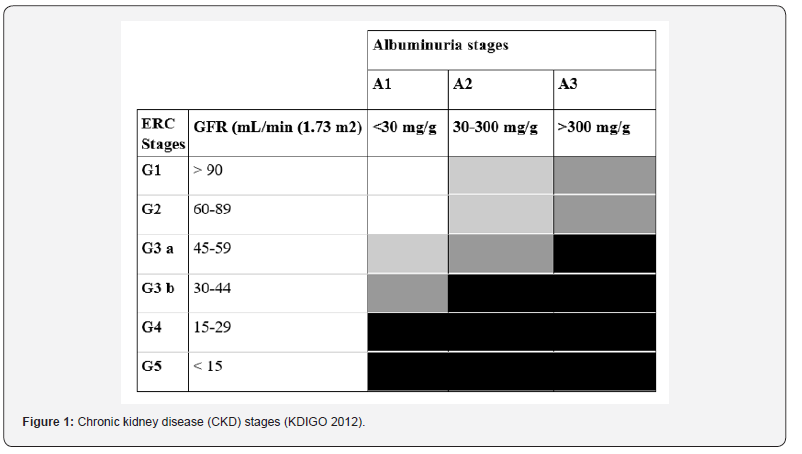
Physical frailty is defined as a clinical syndrome with multiple causes and contributors, characterized by a decline in strength, endurance, and physiological function that increases vulnerability to developing dependence or death, which can be preventable and treatable [1]. Although frailty increases the risk of adverse outcomes such as falls, delirium, and disability [2], there are currently no universally accepted criteria for its clinical definition. In this regard, two theoretical concepts attempt to address the assessment of frailty: the frailty phenotype (FP) and the frailty index (FI). The FP was proposed by Fried [3] and is based on the evaluation of 5 physical components: unintended weight loss, weakness or decreased muscle strength, slow walking speed, fatigue, and low level of physical activity. Those who meet three or more of these criteria are considered frail, those with one or two of the components are considered pre-frail, and those with none are non-frail [3]. The FI was proposed by Rockwood, considering frailty as the accumulation of deficits in multiple systems, including social and psychological aspects [4]. It is worth mentioning that currently, multiple screening or assessment tools are derived from both concepts of frailty. Frailty can be understood as a continuum between being robust and frail, with an intermediate state known as pre-frailty [3]. This imparts a dynamic nature to frailty, involving progression or regression between stages of frailty [5]. Transitions in frailty are defined as changes or fluctuations between stages of frailty, exhibiting changing intraindividual variability over time, while trajectories are defined as groups of individuals displaying a similar progression of frailty over time [6]. The concept of transition can be seen as a sign of loss of homeostasis, vulnerability to the level of frailty, and its long-term change [7]. Chronic Kidney Disease (CKD) is defined as structural or functional abnormalities in kidney function that persist for more than three months. The most commonly used diagnostic criteria include an increase in the albuminuria/creatinuria ratio ≧30 mg/g, or a reduction in the estimated glomerular filtration rate (eGFR) <60 ml/min/1.73 m2 [3]. Renal biopsy, renal ultrasound abnormalities, and renal hematuria have also been used as diagnostic criteria. CKD is divided into 5 stages based on eGFR and albuminuria values, as shown in Figure 1. Patients with CKD, especially those with an eGFR ˂ 45 ml/min/1.73 m2, have an increased risk of death from any cause and cardiovascular causes, a phenomenon associated with all age groups, with greater risk observed in individuals over the age of 75 [8].
The definition of End-Stage Renal Disease (ESRD) is based on two criteria [9]: establishing the presence of uremia and the chronic need for renal replacement therapy (RRT) (lasting more than three months). Defining ESRD presents some challenges [9]: Firstly, defining it based on an eGFR <15 mL/min/1.73 m² is controversial, as this condition is diagnosed when the nephrologist determines that the benefits of RRT outweigh the risk of being on a waiting list for kidney transplantation. Secondly, when RRT is prescribed (whether dialysis or transplantation), independent of whether it is initiated or not, ESRD is considered the diagnosis. Thirdly, in the context of acute kidney injury (AKI) requiring RRT or leading to death, it is also considered to be ESRD. The classification of CKD by The Kidney Dialysis Outcome Quality Initiative (K-DOQI) is mainly based on the degree of renal function rather than the etiology of the pathology, which includes transplant recipients [10]. One of the major benefits of including transplant patients in this classification is that it also encompasses those who require nephroprotection management.
Little is known about changes in frailty status in individuals with chronic kidney disease. The prevalence of physical frailty has been evaluated across various stages of CKD, with fatigue and muscle weakness being the most frequently observed characteristics. The presence of frailty also independently and significantly increases short-term mortality in CKD patients. In 2009, Wilhelm-Leen estimated the prevalence of frailty in patients with chronic kidney disease to be approximately 2.8%, and in patients with moderate-severe CKD (eGFR < 45 ml/min/1.73 m2), frailty was found to have a prevalence of 20.9% [11]. Some strategies have been made to assess the impact of frailty in hemodialysis. Bao et al. [12] demonstrated that the presence of frailty is significantly associated with an increased risk of hospitalization and long-term mortality in a cohort of 1,576 patients [12]. McAdams Di Marco et al. [13] evaluated the physical frailty phenotype in 537 patients who were on the waiting list for kidney transplantation and described that manifest frailty was present in 20% of the patients, pre-frailty in 33%, concluding that over 50% of the patients on the list had an increased vulnerability to endogenous and exogenous stressors. The aim of this review is to search the databases for publications on trajectories and transitions among different stages of physical frailty, its components, and associated factors in various stages of chronic kidney disease.
Materials and Methods
Search Strategy
We conducted a review based on PRISMA (Preferred Reporting Items for Systematic Reviews and Meta-Analyses) guidelines [14]. The following English terms were used to identify articles that assessed trajectories or transitions of frailty in chronic kidney disease: 'end stage renal disease' OR 'kidney disease' OR 'chronic nephropathy' AND 'frailty transitions' OR 'frailty trajectories'. The following databases were searched: PubMed, Web of Science, Oxford Academic, Redalyc.org, and the Cochrane Library, including articles published between July 2015 and July 2022. The reference lists of key articles were also evaluated.
Selection criteria
Inclusion criteria embraced articles that analyzed trajectories and transitions between stages of frailty in chronic kidney disease across any stage, including dialysis and transplantation. Articles were excluded if they were written in a language other than English or Spanish. In cases where multiple analyses were conducted on the same study population, the analysis most aligned with the objectives of this review was selected for analysis.
Data Extraction
Two reviewers independently examined the abstracts of the studies according to the outlined criteria. In the event of differences of opinion on whether to include a study, a third reviewer was consulted. A data extraction table was created, including demographic information, sample size, method for assessing frailty, evaluated chronic kidney disease, and outcomes such as changes in frailty stage.
Results
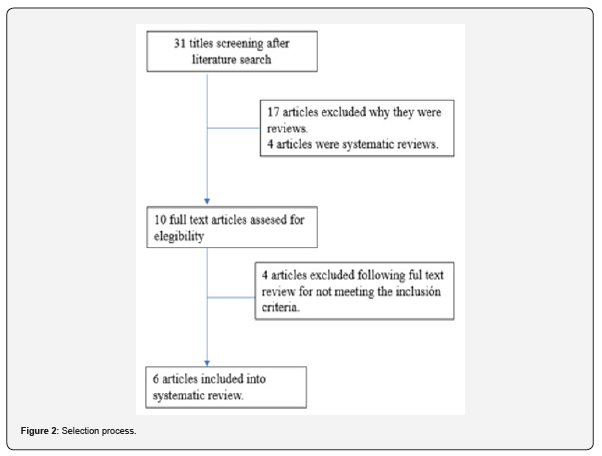
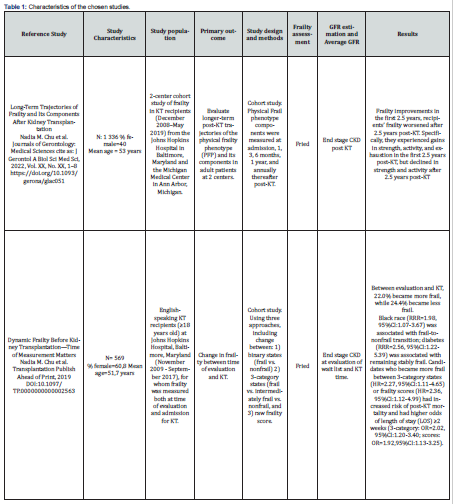
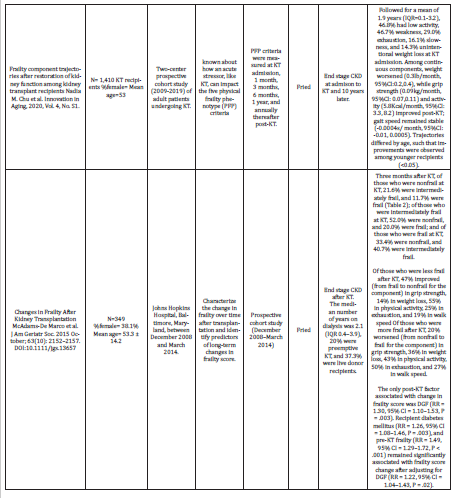
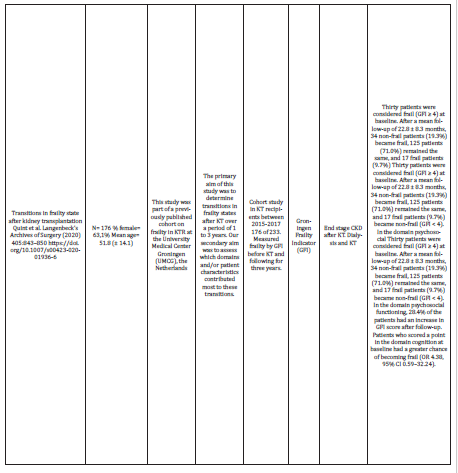
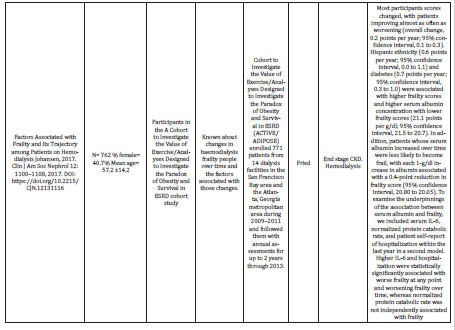
A total of 34 publications were identified. After removing duplicates, the abstracts and titles of 31 articles were reviewed. Finally, 10 articles were chosen, of which six met the inclusion criteria. The selection process is illustrated in Figure 2. Among the selected publications, three [15-17] describe frailty trajectories under the concept of FP. Three studies [18-20] described transitions between stages of frailty, two of which used FP and one used the Groningen Frailty Indicator (GFI), consisting of 15 elements that encompass physical, cognitive, psychological, and social components of frailty; with a score ≥ 4, the patient is classified as frail [21]. The characteristics of the selected studies are presented in Table 1.
Trajectories and transitions between frailty stages
a) Frailty in hemodialysis
In the study by Johansen et al. [17], the mean frailty scores measured by FP changed over a 2-year follow-up period, with an overall change of 0.2 points per year (95% CI: 0.1-0.3). Being Hispanic (0.6 points per year; 95% CI: 0.0-1.1) and having diabetes mellitus (0.7 points per year; 95% CI: 0.3-1.0) were associated with higher frailty scores. Conversely, a normal level of serum albumin was associated with lower frailty scores (21.1 points per g/dL; 95% CI: 21.5-20.7). Additionally, patients whose serum albumin concentration increased over time were less likely to become frail, with a reduction of 0.4 points in frailty score for every 1 g/dL increase in albumin (95% CI: 20.8-20.05). High levels of IL-6 and hospitalization were significantly associated with worse frailty stage and worsening over time, noting that normalized catabolic protein rate did not have an independent association with frailty.
b) Frailty on the transplant waiting list and on transplant recipients
In the study by Chu et al. [18], 22% of patients progressed to a higher frailty stage, while 24% regressed to lower stages. Being of Black race showed a Relative Risk Ratio (RRR) of 1.98 (95% CI: 1.07-3.67) and was associated with transition from frail to non-frail stage. Diabetes mellitus was associated with stability between frailty stages (RRR: 2.56, 95% CI: 1.22-5.39). High frailty scores increased the risk of post-transplant mortality (HR: 2.36, 95% CI: 1.12-4.99), and a greater likelihood of hospital stay exceeding 2 weeks (OR: 2.02, 95% CI: 1.20-3.40).
c) Frailty after kidney transplantation
Chu et al. [15] reported an improvement in frailty stage within the first 2.5 years, followed by a worsening after this time. Specifically, patients showed improvement in physical frailty components: strength, level of physical activity, and fatigue, with a decline in strength and physical activity after 2.5 years. The study by McAdams-DeMarco et al. [19] demonstrated that within the first 3 months after transplantation, among those who were not frail prior to the procedure, 21.6% progressed to pre-frailty and 11.7% to frailty. Among those who were pre-frail prior to the procedure, 52% reverted to a non-frail stage and 20% progressed to frailty. The only factor associated with a change in frailty score post-transplantation was delayed graft function (DGF) (RR: 1.30; 95% CI: 1.1-1.53, p=0.003). Transplanted patients with diabetes mellitus (RR = 1.26, 95% CI: 1.08–1.46, P = .003) and pre-transplant frailty (RR=1.49, 95% CI: 1.29–1.72, P < .001) had a significant association with frailty score modification, even after adjusting for DGF (RR: 1.22, 95% CI: 1.04-1.43, P=0.02). In the study by Quint et al. [20], thirty patients were considered frail (GFI ≥ 4) at baseline, and after a follow-up of 22.8 ± 8.3 months, 34 non-frail patients (19.3%) became frail, 125 patients (71%) remained stable, and 17 frail patients (9.7%) reverted to non-frailty. In the psychosocial functioning domain, 28.4% of patients increased their GFI score after follow-up, and those with cognitive domain scores at baseline were more likely to become frail (OR 4.38, 95% CI: 0.59–32.24).
d) Components of frailty phenotype in post-kidney transplantation
In the study by Chu et al. [16], an assessment of frailty components was conducted at admission and during follow-up, over a period of 1.9 years (IQR=0.1-3.2). At admission, 46.8% had low physical activity, 46.7% had weakness, 29% had fatigue, 16.1% showed decreased walking speed, and 14.3% had unintentional weight loss. When comparing measurements at admission and follow-up, it was observed that weight worsened (0.3 lb/month, 95% CI: 0.2-0.4), while grip strength (0.09 kg/month, 95% CI: 0.07-0.11), and physical activity (5.8 Kcal/month, 95% CI: 3.3-8.2) improved after transplantation; walking speed remained stable (-0.0004 s/month, 95% CI: -0.01 - 0.0005). Trajectories differed by age, with better outcomes observed in younger recipients (p < 0.05). In the study by McAdams-DeMarco et al. [19], among those who were frail prior to transplantation, 33.4% reverted to non-frailty and 40.7% reverted to pre-frailty. Among those who transitioned from frail to non-frail stage, improvement was observed in various components of the frailty phenotype: 47% improved grip strength, 14% reduced weight loss, 55% improved physical activity, 25% improved fatigue, and 19% improved walking speed. For those who progressed from non-frail to frail stage post-transplantation, a worsening of frailty phenotype components was observed as follows: 20% in grip strength, 36% in weight loss, 43% in physical activity, 50% in fatigue, and 27% in walking speed.
Discussion
There are few studies on trajectories and transitions of frailty in patients with chronic kidney disease, including studies involving patients on hemodialysis and transplant candidates. As has been shown in various scenarios, frailty is described as a dynamic syndrome with transitions between its stages and is amenable to intervention, especially in older individuals.
In hemodialysis [17], sex, ethnic origin, and diabetes mellitus were associated with frailty cross-sectionally but not longitudinally. The study period was likely too short to detect subtle differences in frailty trajectories among women, Hispanic patients, and those with diabetes mellitus, who are more likely to experience acute events that impact the development of frailty but not its trajectory. The study describes three trajectories (improvement, no change or stability, and worsening) based on patterns of transitions [17]. Serum albumin was associated with change in frailty stage in the initial study model, but not in subsequent explorations; inflammation and hospitalization appear to partially explain the relationship between albumin and frailty. To explain this finding, the normalized protein catabolic rate (nPCR) was calculated, which was not associated with frailty. This may indicate that low protein intake is a less significant contributor to frailty or that its contribution is not independent of other factors like inflammation or comorbidity [17]. These findings suggest that hospitalization could be a major trigger for frailty, and attention should be focused on post-hospitalization management, which could be beneficial. Further studies are needed to determine if interventions targeting inflammation management can improve frailty, or if assessment and rehabilitation immediately after hospitalization could be useful for predicting readmissions and mortality.
Most of the studies focus on various stages of the kidney transplantation process. Frailty is observed in 18.4% of kidney transplant candidates on the waiting list [22], and 19% of transplant recipients are frail at the time of the procedure [23]. A recent survey conducted in kidney transplant centers in the United States concluded that while most centers assess frailty during the initial evaluation, there is a lack of follow-up during the kidney transplantation process [24]. This is due to the extended wait times on the lists between these two points, neglecting the dynamic nature of frailty and its associated factors, as seen in community-dwelling older adults [25], hemodialysis patients [17], and transplant recipients [19]. In the study by Chu et al. [18], the average time between initial evaluation and transplantation was 1.1 years, with 46% of patients receiving a transplant within the first year of evaluation. The observed transition between frailty stages revealed that 7% remained frail, 9.5% of frail individuals reverted to non-frailty, 9% of non-frail individuals became frail, and 74.5% remained non-frail. Recipient factors associated with progression between frailty stages included age, diabetes mellitus, and the cause of ESRD. Hypertension was the most prevalent comorbidity in the transition from non-frail to frail, possibly due to hemodynamic changes inherent in the RRT required in many cases during the early post-transplant months, or it could be attributed to the effects of polypharmacy.
Kidney transplantation restores renal function and is the preferred treatment for end-stage renal disease. It provides numerous benefits across all age groups, doubling the remaining life expectancy and reducing mortality [26,27]. However, even after renal function is restored, transplant recipients continue to age, placing them at risk of developing or worsening geriatric conditions such as frailty. Chu et al. [15] found that transplant recipients had a lower likelihood of being frail in the first 2.5 years post-transplant, but a higher likelihood of developing frailty between 2.5 and 5 years post-transplant. These findings corroborate the dynamic nature of frailty observed in previous studies conducted before and after transplantation [18, 19], emphasizing the overall benefit of kidney transplantation and renal function recovery, independent of the physiological impact of the surgical procedure on patients with limited physiological reserves. The observations demonstrating an increased likelihood of becoming frail after 2.5 years post-transplant are reflected through the components of the frailty phenotype. Stabilization was observed in weight, gait speed, and fatigue, while a decline was noted in grip strength and physical activity. This could be explained by chronic consumption of immunosuppressive medications [28] and their impact on weight. Additionally, the contribution of comorbidities such as long-standing diabetes mellitus and its complications may also play a role. This underscores the need for more frequent monitoring with timely modifications to improve prognosis. Further research is necessary to determine factors associated with post-transplant frailty and potential interventions. All transplant recipients are at risk of secondary frailty due to chronic kidney disease, the stress of transplantation itself, and the use of immunosuppressive medications. This has been demonstrated in young patients who, with optimal immunosuppressive doses, experienced a significant increase in weight compared to older patients receiving lower doses in the first 2.5 years post-transplant. This difference reflects variations in post-operative management, as older individuals tend to be frailer, and this frailty increases the risk of immunosuppressive intolerance [29-32]. Additionally, certain medications within this class can induce glucose intolerance, hyperlipidemia, and weight gain. In the prospective cohort study conducted by McAdams-DeMarco et al. [19] at a single center with long-term follow-up, it was found that frailty exhibits a dynamic pattern. It worsened in the first month post-transplant, reverted to the pre-procedure frailty stage in the second month, and improved in the third month. At 3 months, 74% of transplanted individuals who were initially frail returned to a pre-frail or non-frail state, with a 2.6 times probability of improving frailty status, even when analyzing factors associated with the recipient, the donor, and the transplant itself. Frailty status at the time of kidney transplantation, the presence of diabetes mellitus in the recipient, and delayed graft function (DGF) were the only factors associated with long-term progression trajectories of frailty [19]. The results suggest that frailty initially worsens, presumably due to surgical stress, but then improves, likely attributable to the restoration of renal function and other benefits of kidney transplantation. These benefits include improved appetite, increased physical activity resulting from the cessation of dialysis, and an overall enhanced quality of life, which in turn contributes to the improvement of frailty status.
A likely combination of physiological and psychosocial factors may contribute to the improvement in frailty after transplantation. In the study by Quint et al. [20], frailty scores were measured using the Groningen Frailty Indicator (GFI), which provides a holistic perspective of frailty by encompassing both physical and psychological components. The study observed that one-fifth of non-frail patients became frail. The domains of frailty, specifically cognition and psychosocial functioning, appear to be the primary contributors to these changes. An initially positive cognition score was associated with a four-fold higher likelihood of becoming frail, and psychosocial functioning also contributed to the transition from a non-frail to a frail state.
Conclusion
Frailty is a dynamic process in renal transplant recipients of all ages, initially worsening after major surgical insult but subsequently showing significant improvement, likely due to the restoration of renal function. Pre-transplant assessment and interventions such as prehabilitation can successfully increase the number of transplant recipients whose frailty status improves post-transplant. The primary components of the frailty phenotype that improve after transplantation are strength, physical activity, and fatigue, but these may deteriorate in the long term, particularly strength and physical activity in older transplant recipients. The comprehensive care program for patients on the transplant waiting list and renal transplant recipients should include periodic functional assessment to detect changes amenable to intervention.
References
- Morley JE, Vellas B, van Kan GA, Anker SD, Bauer JM, et al. (2013) Frailty consensus: a call to action. J Am Med Dir Assoc 14(6): 392-397.
- Clegg A, Young J, Iliffe S, Rikkert MO, Rockwood K (2013) Frailty in elderly people. Lancet 381(9868): 752-762.
- Fried LPTC, Walston J, Tangen CM, Newman AB, Hirsch C, et al. (2001) Frailty in older adults: evidence for a phenotype. J Gerontol A Biol Sci Med Sci 56(3): 146-157.
- Rockwood K, Mitnitski A (2007) Frailty in Relation to the Accumulation of Deficits. Journal of Gerontology 62(7): 722-727.
- López LL, López RL, Maseda A, Buján A, Villamil RJL, et al. (2019) Changes in frailty status in a community-dwelling cohort of older adults: The VERISAÚDE study. Maturitas 119: 54-60.
- O Caoimh R, Galluzzo L, Laso RÁ, Van der Heyden J, Ranhoff AH, et al. (2018) Transitions and trajectories in frailty states over time: a systematic review of the European Joint Action ADVANTAGE. Ann Ist Super Sanita 54(3): 246-252.
- Stolz E, Mayerl H, Freidl W (2019) Fluctuations in frailty among older adults. Age Ageing 48(4): 547-552.
- Ortiz A, Raso MF, Soler MJ, Fouque D (2022) Ageing meets kidney disease. Age Ageing 38(3): 523-526.
- Agarwal R (2016) Defining end-stage renal disease in clinical trials: a framework for adjudication. Nephrology Dialysis Transplantation 31(6): 864-867.
- National Kidney Foundation (2002) K/DOQI clinical practice guidelines for chronic kidney disease: evaluation, classification, and stratification. Am J Kidney Dis 39(2 Suppl 1): 1-266.
- Leen WER, Hall YN, M KT, Chertow GM (2009) Frailty and chronic kidney disease: the Third National Health and Nutrition Evaluation Survey. Am J Med 122(7): 664-671.
- Bao Y, Dalrymple L, Chertow GM, Kaysen GA, Johansen KL (2012) Frailty, dialysis initiation, and mortality in end-stage renal disease. Arch Intern Med 172(14): 1071-1077.
- DeMarco MMA, Law A, King E, Orandi B, Salter M, et al. (2015) Frailty and mortality in kidney transplant recipients. Am J Transplant 15(1): 149-154.
- Tricco AC, Lillie E, Zarin W, O'Brien KK, Colquhoun H, et al. (2018) PRISMA Extension for Scoping Reviews (PRISMA-ScR): Checklist and Explanation. Ann Intern Med 169(7): 467-473.
- Chu NM, Ruck J, Chen X, Xue QL, Norman SP, et al. (2022) Long-term Trajectories of Frailty and its Components after Kidney Transplantation. J Gerontol A Biol Sci Med Sci 77(12): 2474-2481.
- Chu N, Chen X, Segev D, DeMarco MM (2020) Frailty Component Trajectories After Restoration of Kidney Function Among Kidney Transplant Recipients. Innov Aging. 4: © The Author(s) 2020. Published by Oxford University Press on behalf of The Gerontological Society of America pp. 270.
- Johansen KL, Dalrymple LS, Delgado C, Chertow GM, Segal MR, et al. (2017) Factors Associated with Frailty and Its Trajectory among Patients on Hemodialysis. Clin J Am Soc Nephrol 12(7) :1100-1108.
- Chu NM, Deng A, Ying H, Haugen CE, Wang JMG, et al. (2019) Dynamic Frailty Before Kidney Transplantation: Time of Measurement Matters. Transplantation 103(8): 1700-1704.
- DeMarco MMA, Isaacs K, Darko L, Salter ML, Gupta N, et al. (2015) Changes in Frailty After Kidney Transplantation. Journal of the American Geriatrics Society 63(10): 2152-2157.
- Quint EE, Schopmeyer L, Banning LBD, Moers C, El Moumni M, et al. (2020) Transitions in frailty state after kidney transplantation. Langenbecks Arch Surg 405(6): 843-850.
- Peters LL, Boter H, Burgerhof JG, Slaets JP, Buskens E (2015) Construct validity of the Groningen Frailty Indicator established in a large sample of home-dwelling elderly persons: Evidence of stability across age and gender. Exp Gerontol 69: 129-141.
- DeMarco MMA, Ying H, Thomas AG, Warsame F, Shaffer AA, et al. (2018) Frailty, Inflammatory Markers, and Waitlist Mortality Among Patients With End-stage Renal Disease in a Prospective Cohort Study. Transplantation 102(10): 1740-1746.
- DeMarco MMA, Suresh S, Law A, Salter ML, Gimenez LF, et al. (2013) Frailty and falls among adult patients undergoing chronic hemodialysis: a prospective cohort study. BMC Nephrol 14: 224.
- Kobashigawa J, Khush K, Colvin M, Acker M, Van Bakel A, et al. (2017) Report From the American Society of Transplantation Conference on Donor Heart Selection in Adult Cardiac Transplantation in the United States. Am J Transplant 17(10): 2559-2566.
- Gill TM, Gahbauer EA, Allore HG, Han L (2006) Transitions between frailty states among community-living older persons. Arch Intern Med 166(4): 418-423.
- Wolfe RA, Ashby VB, Milford EL, Ojo AO, Ettenger RE, et al. (1999) Comparison of mortality in all patients on dialysis, patients on dialysis awaiting transplantation, and recipients of a first cadaveric transplant. N Engl J Med 341(23): 1725-1730.
- Knoll GA (2009) Is kidney transplantation for everyone? The example of the older dialysis patient. Clin J Am Soc Nephrol 4(12): 2040-2044.
- DeMarco MMA, Law A, Tan J, Delp C, King EA, et al. (2015) Frailty, mycophenolate reduction, and graft loss in kidney transplant recipients. Transplantation 99(4): 805-810.
- DeMarco MMA, Chu NM, Segev DL (2019) Frailty and Long-Term Post-Kidney Transplant Outcomes. Curr Transplant Rep 6(1): 45-51.
- Musso CG, Jauregui JR, Núñez MJF (2015) Frailty phenotype and chronic kidney disease: a review of the literature. Int Urol Nephrol 47(11): 1801-1807.
- Martinez AG, Agudelo HS, Hernández CC, Barbosa CO, Terrasa SA, et al. (2023) Frailty status improvement after kidney transplantation. Irish Journal of Medical Science.
- Conti C, Mysler DM, Echeverri G, Heldal K (2019) Frailty in Kidney Transplantation. In: Musso CG, Jauregui JR, JF Núñez M, Covic A (Eds). Frailty in kidney disease. A practical guide to clinical management. Cham. Springer pp. 173-181.

























