



 CTFTTE Home



Abstract
The study focuses on Cora Grace Traditional Gift Boxes created in Palvancha village, Bhadradri Kothagudem district, Telangana, where 20-50 women artisans are engaged through CSR-based empowerment and design training programs. These artisans produce innovative and eco-friendly gift packaging inspired by traditional craftsmanship. The paper explores design innovation and process development using Computer-Aided Design (CAD), integrating sustainable, zero-waste practices with digital design tools to enhance precision, creativity, and market appeal. By combining traditional skills with modern sensibilities, the study highlights how Cora Grace creations embody aesthetic excellence, environmental consciousness, and cultural preservation. This initiative aligns with India’s “Vocal for Local” vision, demonstrating how design innovation can act as a catalyst for sustainable livelihoods and positive social transformation. The paper highlights zero-waste Kora Grass gift packaging from Telangana and emphasizes the role of local and global media in promoting its importance. It blends traditional craftsmanship with CAD design to advance sustainability, women’s empowerment, cultural preservation, and eco-friendly innovation through modern design approaches.
Keywords: Kora grass craft; Baskets; Traditional craft; Eco-friendly, Product design
Abbreviations: PVA: Poly Vinyl Chloride; CSR: Corporate Social Responsibility; CAD: Computer Aided Design; FGDs: Focus Group Discussions; SHGs: Self-Help Groups
Introduction
In the agricultural fields along the Godavari, Bhadrachalam, Erragunta, Karakavagu, Paloncha and Pattiseema regions, wire grass sways gracefully on the banks of the farmlands, adding a touch of serene natural beauty. Growing to an impressive height, this lush green grass is a delightful sight to behold. Nestled in this lap of nature, Kora grass holds a special place as a vital artistic craft material. With Kora grass, artisans skillfully create a wide range of eco-friendly packaging and product designs, contributing to zero-waste craftsmanship and sustainable development. For many of these artisans, their stalls filled with beautifully handcrafted gift boxes are not just workplaces they are the essence of their lives, reflecting their creativity, heritage, and livelihood.
Problem of identification: Many farmers, after completing their farming, used to make their household tools based on brooms, grass, palm leaves, swim leaves, bamboo, cane, coconut leaves, and other household items, such as agricultural implements, baskets, and other items that they would carry home after they had finished their farming. In addition, they also made love crafts, weaving agricultural implements, baskets, and packaging various items. They independently made Kora grass making products, pemu products that you make, and products that would have to measure like a model to put in a showcase.
History of Kora Grass Craft
Kora Grass (in telugu = Gaddi) is a traditional handicraft with a rich and enduring history, deeply rooted in the southern states of Andhra Pradesh, Telangana, Tamil Nadu, karnataka and Kerala. For generations, local artisans have skillfully woven mats, baskets, and household articles from this natural grass, creating vibrant and sustainable products within their family traditions. Long before the introduction of plastic, these communities relied entirely on nature for their daily needs, crafting functional and artistic items from materials found in their environment. The name Kora, also known as Korai, kori Grass, or kurry, refers to the soft, flexible grass that thrives in the fertile river basins of the Godavari Thunga bhdra, and Cauvery. The constant availability of water in these regions supports the abundant growth of this grass, enabling artisans to produce a variety of eco-friendly packaging materials and woven crafts. This timeless tradition continues to embody sustainability, creativity, and a deep connection between people and nature.
Objectives
a. To design and develop Cora Grace products by integrating
traditional gift box craftsmanship with CAD-based design innovation.
b. To study innovative, promote handcrafted market-oriented,
eco-friendly handcrafted products developing design that
current market trends.
c. To empower women through skill training in sustainable
craftsmanship.
Research Methodology
This study primarily involves the collection of both primary and secondary data. The field research component includes interviews with skilled craftsmen and artisans, as well as detailed documentation of their processes in creating Kora grass–based packaging boxes and utility design products. Observations focus on traditional techniques, material applications, design methods, and the aesthetic and functional qualities of these handcrafted items, highlighting the blend of cultural heritage and sustainable craftsmanship.
Nava Women Empowerment Centre, Palvancha Responsibility
A group of 10–12 Nava Women Empowerment Centre, palvancha engaged in hands-on CSR projects gained valuable skills in traditional crafts, sustainable product design, and eco-friendly packaging techniques. They developed entrepreneurial abilities, learning to create marketable products and explore small business opportunities. The program enhanced sustainability awareness, emphasizing zero-waste practices and responsible material use. Students also contributed to cultural preservation by promoting heritage arts and handicrafts. Through teamwork and practical projects, they built confidence, leadership, and decision-making skills. Additionally, they applied CAD and design tools to innovate traditional crafts, creating meaningful media and social impact by supporting artisans and local communities.
Corporate Social Responsibility (CSR) activities often include
a. Supporting Education and Skill Development: Assisting
local communities near Palvancha by providing training and
educational opportunities.
b. Promoting Environmental Sustainability: Encouraging
artisans to work with eco-friendly materials such as palm leaf,
Kora grass, and jute to produce baskets and bags. Training also
includes computer skills, face beautification, tailoring, and school
uniform production.
c. Encouraging Community Welfare: Supporting tribal,
underprivileged, and middle-class women by offering skill development,
vocational training, and empowerment initiatives.
Preserving Cultural Heritage
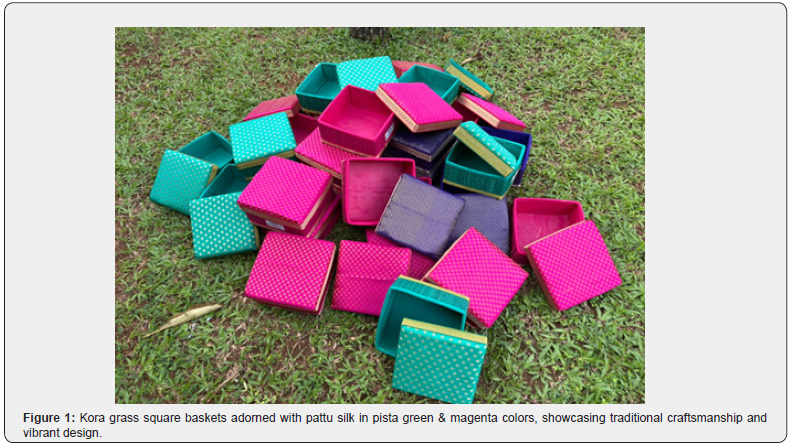
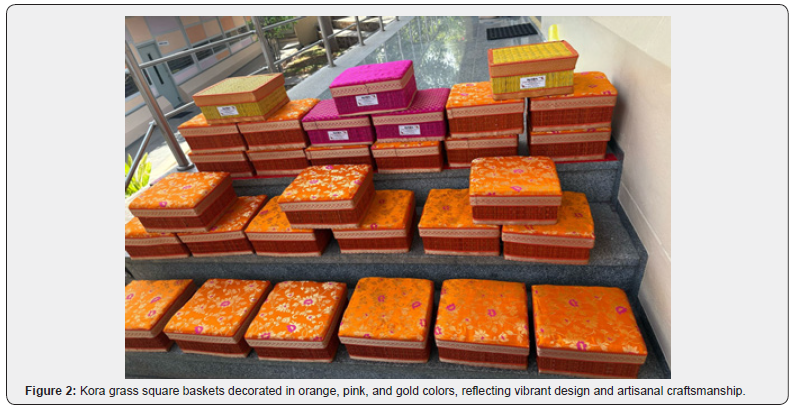
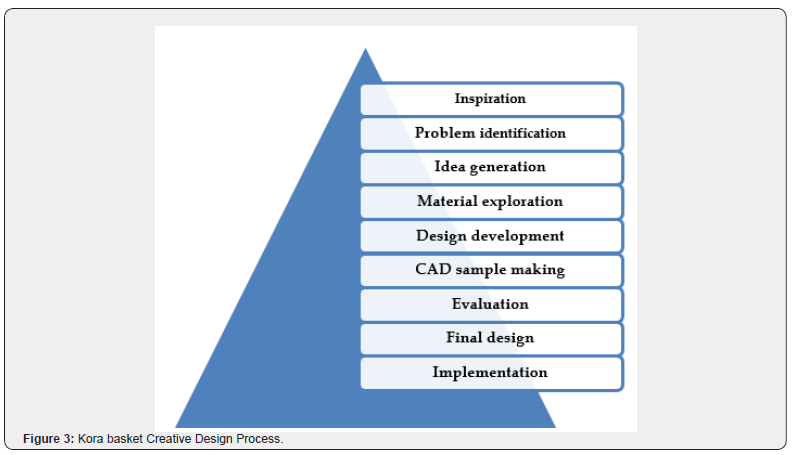
Promoting traditional artisan crafts through hands-on training, job support, and sustainable production of palm leaf, jute, and Kora grass baskets (Figure 1-3).
Kora grass gift box rendering process
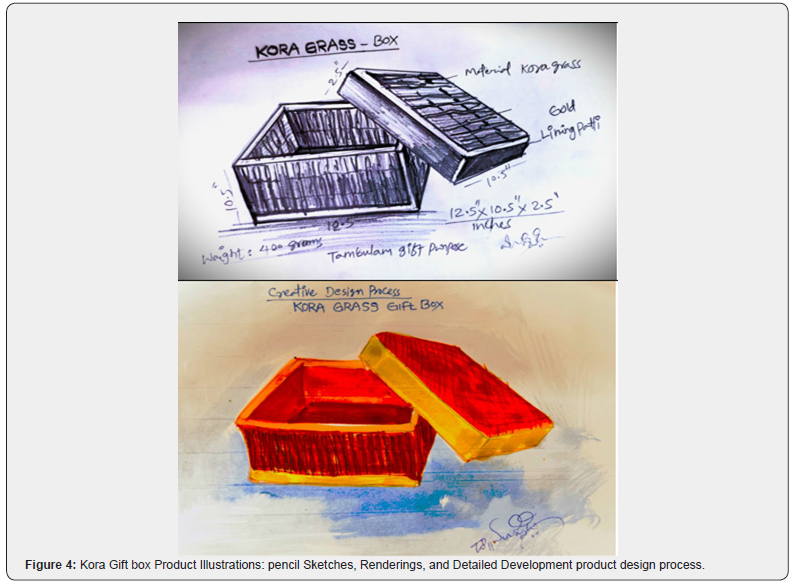
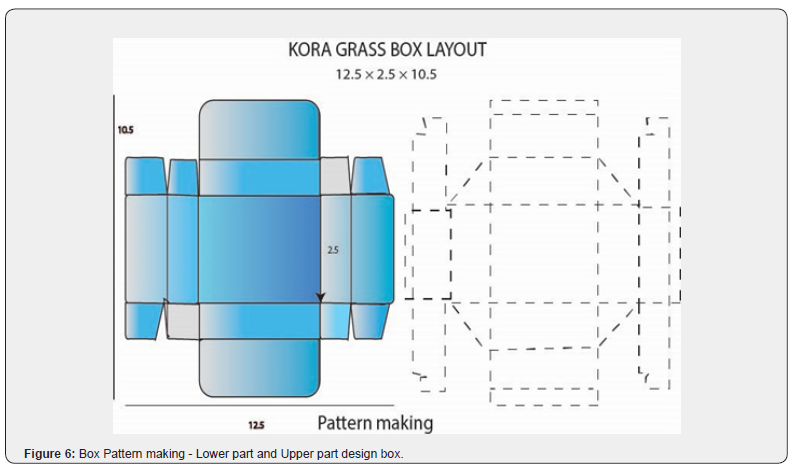
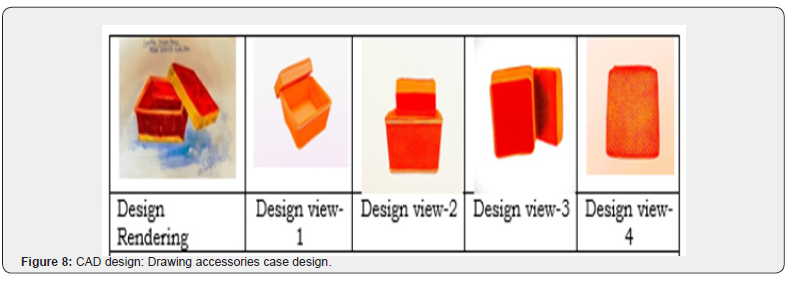
(Sample-1) Gift box Pencil Sketch and Rendering Process: A kora box 12.5×2.5×10.5 Inches was first drawn using a pencil sketch to outline its shape and structure. After detailing, poster colors were applied for texture and color tones. The rendering highlighted shadows, stitches, and upper part details, enhancing the realistic appearance.
Importance of Local Craft Promotion Through Media
The importance of local crafts lies in their power to bridge traditional art and modern communication, transforming regional recognition into global appreciation. In ancient India, palm leaf and grass basket weaving were essential crafts used for agricultural and household purposes. In the modern era, these crafts are being rediscovered and revived through innovative design and technology. Media both local and global plays a key role in promoting, preserving, and giving new identity to these traditional art forms. Many 19th- and 20th-century packaging designs were influenced by such indigenous crafts. The revival of basket weaving not only preserves cultural heritage but also reflects women’s empowerment, as these products are skillfully created by rural women artisans. Promoting such crafts through media helps ensure their continuity, inspires sustainable design practices, and connects communities to India’s artistic roots. Strengthening media influence is therefore vital to safeguard and globalize India’s unique craft legacy.
Basket Color Rendering Process
The color rendering process in basket making involves applying natural or synthetic dyes to enhance the aesthetic and cultural value of handwoven products such as Kora grass, palm leaf, and bamboo baskets. Traditionally, natural coloring methods were used, derived from plants, roots, barks, and minerals, which ensured eco-friendliness and sustainability. In the modern era, designers integrate both traditional dyeing and digital color visualization techniques for better consistency and innovation.
Preparation process: Material Preparation: Clean, soak, and dry grass for flexibility. Natural Dye Extraction: Prepare eco-friendly dyes from plants, roots, and minerals. Dyeing Process: Immerse materials in heated dye solution, rinse, and sun-dry. Modern Rendering (Digital Integration): Use CAD tools for color visualization and design accuracy.
Finishing: Apply oils for shine and durability (Figure 4).
CAD rendering in 3D Modeling: The Kora box pad case of 12.5 × 2.5 × 10.5 inches was developed using CAD 3D modeling to visualize its form and texture. The model showcased material properties, stitching, and zipper placement. Rendering tools added realistic lighting, shadows, and surface finishes, giving a lifelike virtual prototype before production.
List of Materials
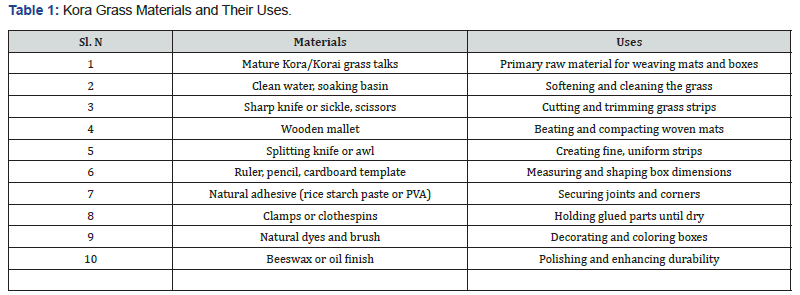
These Kora grass materials are sourced from areas near Vellore and Thanjavur, Tamil Nadu, available in various vibrant colors including magenta, yellow, gold, blue, green, and red. Each meter costs approximately ₹200, excluding transport charges. The material is lightweight, sustainable, and eco-friendly, ensuring zero waste and no pollution. Using these materials in craft and packaging supports environmental conservation while promoting traditional artisan practices. For production, artisans spend 3 to 5 hours per day creating 2 to 3 baskets or products. After weaving, the items undergo packaging and beautification, where silk thread accents are added. Finally, each product passes through quality checking before packaging for sale or distribution (Table 1).
Making Process
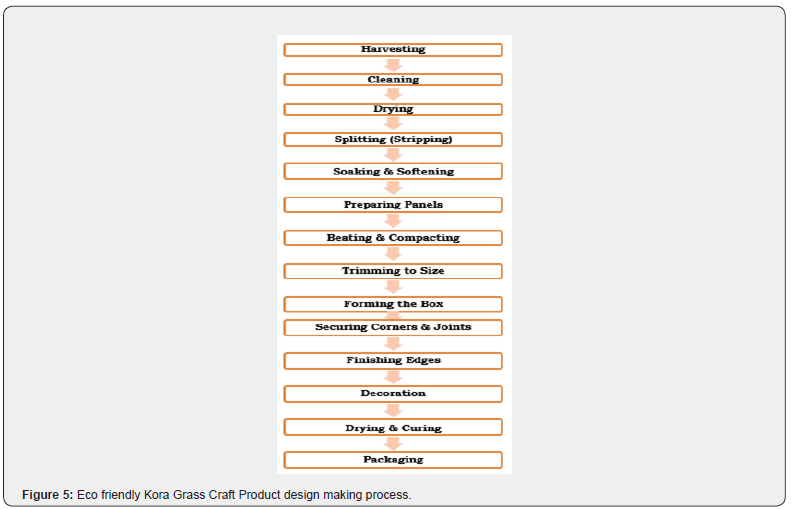
The creation of Kora grass packaging boxes begins with the careful harvesting of mature Kora grass, which is then cleaned, dried, and softened for weaving. Artisans skillfully split the grass into fine strips and weave them into strong, flexible mats using traditional hand techniques. These woven sheets are then cut, folded, and shaped into box forms with precision. Natural adhesives and eco-friendly reinforcements are used to ensure durability without compromising sustainability. Finally, the boxes are decorated with simple, aesthetic patterns or natural dyes, creating elegant, zero-waste packaging that reflects both environmental consciousness and cultural craftsmans (Figure 5 & 6).
Review of Literature
a. Lipsa Mohapatra: The information presented here reflects positive outcomes and highlights the special attention given to the products created. These handicrafts are being developed in tribal and rural areas to foster creativity and generate sustainable income for local artisans. The crafts not only preserve traditional knowledge but also contribute to the community’s economic growth. Odisha government officials are actively supporting these initiatives by providing business development guidelines and linking artisans with Focus Group Discussions (FGDs) and art clusters. Special Self-Help Groups (SHGs) are also playing a vital role in promoting and designing these handicrafts to enhance their market potential [1].
b. Sasmita: Sabai grass is predominantly found in the low hills and highlands of Mayurbhanj, Odisha. For the villagers living in nearby areas, it has become an important source of livelihood and income. Sabai grass handicrafts have been widely studied and developed due to their cultural and economic significance. The local people depend heavily on its production, using it to create ropes, furniture, and various handcrafted products. Over time, Sabai grass has turned into a vital material for rural artisans, who skillfully twist and weave it into artistic and functional items. This craft plays a crucial role in sustaining the livelihoods of communities like those in Tomodiya village. It also bears a very close resemblance to Kora Grass [2].
c. Shivanshu sagar: Sivarapatna Village Crafts for Interior Home Furnishing Designs The artisans of Sivarapatna village are known for producing a wide range of beautifully crafted handicrafts that reflect exceptional design aesthetics. Their deep interest in interior design has made their creations highly appealing across India. Sivarapatna can be regarded as an important center for interior design crafts, with a growing demand for their handmade home décor and accessories. With the integration of modern technology, these artisans have successfully blended traditional craftsmanship with contemporary design, transforming their work into a thriving business. The craft colony of Sivarapatna deserves global recognition for its creativity and innovation. Many of the products designed by local artisans and painters, such as the artisan’s group, are modern, elegant, and easy to integrate into modern interiors. These crafts significantly contribute to the interior design industry and the local economy. Additionally, the nearby Koragrass products harmonize beautifully with these home décor designs, enhancing the overall appeal of sustainable and handmade interiors [3].
d. Suresh Kumar T: Basket making is one of India’s oldest traditional handicrafts and remains a vital source of livelihood for many artisans. In the Tirunelveli region of Tamil Nadu, this craft has evolved into a renowned cottage industry with deep economic, social, and cultural significance. Local artisans, including artisan groups workers, skillfully create baskets using natural materials such as palm leaves and stems. Their craftsmanship not only supports sustainable living but also preserves the rich heritage of indigenous art and culture in the region [4].
e. Vara Lakshmi Ramishetti: In Andhra Pradesh, efforts are being made to preserve the continuity of traditional handicrafts and tribal artistry. Communities such as the Savara, Bhagata, and Korja tribes are known for their unique paintings, while the Gundus, Toti Pradhans, and Hoya tribes excel in crafts like brass work, bamboo products, and traditional performances such as the Bison Horn and Shamsha dances. These tribes also create bows, arrows, and props for folk plays like Senchutaga. However, many of these traditional crafts are now fading due to social and economic changes. Preserving and studying these art forms has become essential to keep their cultural “dreams” alive and to pass them on to future generations (Figure 7) [5].
Workshop
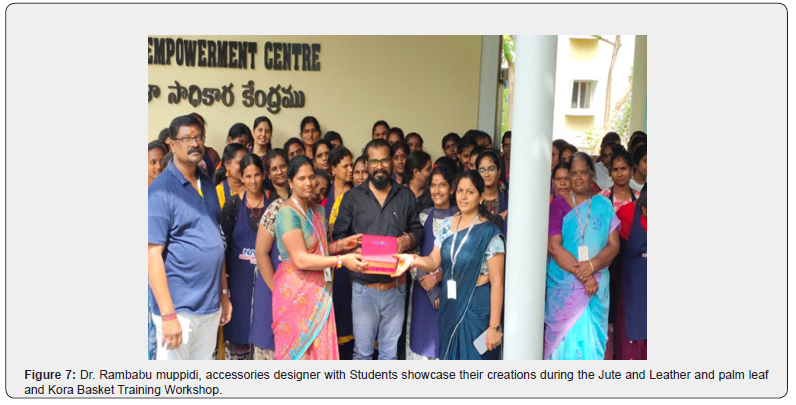
The training programme of Nava Women Empowerment Centre kora grass Basket Training after highlights their skill development in crafting Cora baskets, combining traditional techniques with modern design. This hands-on training fostered proto type, creativity, practical knowledge, and confidence, celebrating the students’ achievements and dedication in sustainable craft design (Figure 8).
Creative Design Process
In my research kora grace gift box product design will implement in this aspect The creative design process for kora grass materials follows a systematic approach from concept to product. Product design laboratory in side construction and lab testing final product and CAD lab and it starts with research and idea development, exploring materials and creating prototypes. After testing and refinement, the final bag is produced with quality and sus tainability, showcasing innovation, aesthetics, and functionality to meet user needs.
Conclusion
The preservation and promotion of Kora Grass Craft symbolize the safeguarding of India’s local crafts and artisans in the digital era. Let us encourage such creative dreams, support the artisans, and strengthen the training institutes that nurture their skills. By introducing our rich art and craft traditions to the world, we can document and preserve endangered practices such as basket- making and ensure their continuity for future generations. In today’s digital age, social media serves as a powerful platform for sharing these traditions with global audiences. Through social media advertising, online craft communities, and digital marketing, the visibility of such products has expanded to state, national, and international levels-connecting artisans directly with global buyers and design enthusiasts. Across India, countless artisans continue to create extraordinary works that embody local culture, sustainability, and innovation. There is an urgent need to promote and protect these living traditions through collaborative efforts among experts, researchers, and communities. Strengthening local- to-global media promotion will not only revive rare craft forms but also empower artisans and sustain India’s cultural legacy for generations to come.
References
- Lipsa M (2021) A Study on Sustainable Livelihood Frameworks and Entrepreneurial Opportunities with Specific Reference to the Sabai Grass Handicraft, Odisha, India. Springer Pp: 179-200.
- (2023) Sabai Production and Rope twisting: Everyday struggles and livelihood of Tamudia Purana Community, Nuhamalia, Mayurbhanj, North Odisha. Environment, Livelihoods and Self-Reliance Pp: 19-24.
- Shivanshu S (2025) Fusing the Essence of Shivarapatna’s Traditional Craft into Contemporary Design. Responsible and Resilient Design for Society 5: 269-279.
- Suresh KT, Saravana GA (2021) Traditional Basketry in Tirunelveli District, Tamil Nadu, India. Review of International Geographical education online (RIGEO) 11(12): 1-11.
- Vara LR, Satyanarayana D (2014) Tribal Arts and Crafts Of Andhra Pradesh, India: Continuity and Change. IISES, 10th International Academic Conference 3: 1-26.

























