




 CRDOJ Home



Abstract
The Gut–Brain–Glucagon-Like Peptide-1 (GLP-1) axis has been identified as an essential neuroendocrine system that coordinates the communication between peripheral organs, gastrointestinal tract and central nervous system to maintain metabolic homeostasis. Although GLP-1 was initially described as a hormone that has an incretin effect on enhancing glucose-dependent insulin secretion, accumulating evidence shows that the physiological and therapeutic actions of GLP-1 are much broader. This review provides the current knowledge of the physiological basis of the gut–brain–GLP-1 axis, such as GLP-1 biosynthesis, neural signaling pathways; central receptor distribution and gut–brain–GLP-1 gut microbiota interactions. The neuroprotective effects of GLP-1 such as its anti-neuroinflammation, anti-oxidative, preservation of mitochondrial functions and facilitation of synaptic plasticity and hippocampal neurogenesis are particularly emphasized. In addition, the anti-obesity effects mediated by GLP-1 via hypothalamic appetite control, food reward pathway modulation, increased energy expenditure and brown adipose tissue activation are covered. Furthermore, recent clinical advances involving GLP-1 receptor agonists and emerging dual and triple incretin receptor agonists are discussed, together with current challenges and future perspectives in precision medicine. The overall evidence presented here suggests that the gut–brain–GLP-1 axis represents a novel avenue for therapeutic targeting of obesity, metabolic syndrome, and neurodegenerative disease, one that is potentially significant in developing new neuro-metabolic interventions that go beyond the current approach of glucose lowering.
Keywords: Gut–brain axis; Glucagon-like peptide-1 (GLP-1); Neuroprotection; Obesity; Precision medicine
Introduction
Obesity and Type 2 Diabetes Mellitus (T2DM) have become a serious public health problem in the world, impacting hundreds of millions of people and the health care system in the world. Obesity and diabetes are also widespread and increasing in prevalence, as people are less active, eat more of the wrong foods, live longer, and increasingly susceptible to the condition, according to the International Diabetes Federation and the World Health Organization [1]. These metabolic diseases have been linked to many complications such as cardiovascular diseases, chronic kidney diseases, non-alcoholic fatty liver diseases and neurodegenerative diseases, which limits life expectancy, increases mortality and reduces life quality. While the conventional therapeutic strategy includes optimizing glycemic control and weight loss, there is growing evidence indicating that simultaneous targeting of the interconnected metabolic and neurological pathways may have wider therapeutic benefits..
Glucagon-like peptide-1 (GLP-1) was first recognised as an incretin hormone produced by the intestinal enteroendocrine L-cells after a meal has been eaten, but has since developed a myriad of roles in addition to its role in regulating postprandial glucose homeostasis, and has become a multifunctional neuro-metabolic hormone [2]. In addition to its stimulatory effects on glucose-dependent insulin secretion and suppression of glucagon release, GLP-1 slows down gastric emptying, increases satiety and decreases food intake and energy expenditure. In addition, GLP-1 receptors are found in the central nervous system, especially in the hypothalamus, brainstem, hippocampus, and cortex, as well as in the peripheral nervous system, including the pancreas, gastrointestinal tract, heart, and kidneys. The broad distribution of the receptors has sparked an interest in GLP-1 as a potential metabolic and neurologic modulator. The gut–brain–GLP-1 axis is an integrated communication system between the gastrointestinal tract, enteroendocrine cells, vagal afferent neurons, immune mediators, gut microbiota, circulating hormones and multiple regions of the brain [3]. After the ingestion of food, L-cells in the intestine secrete GLP-1, linking to vagal sensory neurons through GLP-1 receptors and into circulation to act on peripheral metabolic organs. Simultaneously, the neurons in the nucleus tractus solitarius produce GLP-1, which is part of central control of appetite, glucose metabolism, stress responses and autonomic function [4]. This synchronized signaling system allows for the continuous monitoring of nutritional status, and energy homeostasis throughout the whole body.
The gut–brain axis is a bidirectional communication system. The gastrointestinal tract and the CNS communicate through a network of neural pathways, hormonal regulation, immune system molecules, and microbial metabolites. Gut-derived signals such as GLP-1, peptide YY, ghrelin, short-chain fatty acids, bile acids, and microbial metabolites regulate neuronal activity, cognition, mood, and metabolic regulation, and the brain regulates gastrointestinal motility, secretion, intestinal permeability, and feeding behavior via autonomic and neuroendocrine mechanisms [5]. This complex communication network has been implicated in obesity, insulin resistance, chronic inflammation, and neurodegenerative diseases and is therefore an important therapeutic target. This review aims to comprehensively examine the gut–brain–GLP-1 axis beyond its traditional role in glycemic regulation. It highlights the physiological basis of gut–brain communication, the novel neuroprotective effects of GLP-1 signaling, and its role in appetite control, energy homeostasis and obesity treatment. In addition, the review presents recent developments in GLP-1 receptor agonist and dual and multi-receptor therapeutics and discusses their potential for treating metabolic dysfunction and neurological disorders at once. These are the integrated mechanisms that could be harnessed to create novel therapeutic approaches against obesity, diabetes, and related neurodegenerative disorders.
Physiological Basis of the Gut–Brain–GLP-1 Axis
The gut–brain–GLP-1 axis is a highly orchestrated neuroendocrine communication system that includes nutrient sensing and gastrointestinal signaling, as well as central regulation of metabolism. This axis regulates glucose homeostasis, energy balance, feeding behavior and cognitive and neuroprotective functions via endocrine, neural and immune mechanisms [6]. To appreciate the increasing therapeutic importance of GLP-1, it is essential to understand the physiological mechanisms underlying GLP-1 synthesis, neural communication, receptor distribution and interactions with the gut microbiota.
GLP-1 Biosynthesis and Secretion
GLP-1 is mainly synthesized in the distal ileum and colon by enteroendocrine L-cells, from the proglucagon gene product by post-translational processing mediated by prohormone convertase 1/3. Pancreatic α-cells and their precursor protein are identical, but tissue specific enzymes generate different peptide products [7]. The major trigger for GLP-1 secretion is nutrient ingestion, and carbohydrates, lipids, proteins and some amino acids stimulate GLP-1 release from the L-cells via nutrient transporters and G protein coupled receptors. Other stimulatory signals include bile acids via Takeda G-protein-coupled receptor 5 (TGR5), neural input and microbial metabolites released in the gut.
After secretion, GLP-1 has several physiological effects such as stimulating glucose-dependent insulin secretion, suppressing glucagon, slowing gastric emptying, and inducing satiety [8]. The endogenous GLP-1 is, however, rapidly degraded in the plasma, with a plasma half-life of about 1–2 minutes, due to the presence of the enzyme Dipeptidyl Peptidase-4 (DPP-4), which rapidly inactivates the peptide. This means that relatively little secreted GLP-1 enters the systemic circulation. The accelerated degradation has stimulated the use of DPP-4 inhibitors and longacting, GLP-1 receptor agonists that extend the duration of GLP-1 activity and improve the therapeutic effectiveness in metabolic disorders [9].
Neural Communication Between Gut and Brain
The main neural pathway of the gut–brain axis is the vagus nerve. The GLP-1 secreted by intestinal L-cells binds to receptors on vagal afferent neurons, which convey information about the nutrient content and the gastrointestinal function to the Nucleus Tractus Solitarius (NTS) in the brainstem [10]. They control appetite, gastric motility, insulin secretion and autonomic responses to food intake, allowing for a fast coordination of postprandial metabolism.
In addition to vagal signaling, the enteric nervous system, or “second brain,” plays a role in the regulation of gastrointestinal motility, secretion, and local blood flow and has extensive central nervous system connections. Signals produced in the ENS are combined with autonomic signals and endocrine signals, enabling a control of digestive and metabolic processes that is both precise and sensitive [11]. The brainstem neurons in NTS synthesize GLP-1 and pass this information to the higher brain areas where neuroendocrine networks are interconnected with hunger, satiety and energy expenditure. This two-way traffic allows the brain to control the physiology of the gut and to be influenced by metabolic signals in the periphery.
Central GLP-1 Receptor Distribution
The broad expression of GLP-1 receptors in the central nervous system suggests that GLP-1 has other physiological functions beyond glucose control. A major site of action is the Hypothalamus (hypo) in which receptors are highly expressed in appetite-regulating hypothalamic nuclei such as the arcuate, paraventricular and ventromedial nuclei [12]. These receptors inhibit the activity of orexigenic neuropeptide Y/agouti-related peptide neurons and activate Pro-Opiomelanocortin (POMC) neurons, which in turn decreases energy intake and increases energy expenditure.
In the brainstem, GLP-1 receptors in the nucleus tractus solitarius and the area postrema play a role in satiety signaling, autonomic regulation and gastrointestinal function. GLP-1 receptors are also highly expressed in the hippocampus and cerebral cortex, where GLP-1 signaling improves synaptic plasticity, learning and memory, decreases oxidative stress and helps to prevent inflammation and apoptosis of neurons. In addition, GLP-1 receptors have been found in the mesolimbic reward system, such as the ventral tegmental area and nucleus accumbens [13]. The activation of these pathways alters the rewarding properties of palatable foods, reduces hedonic eating and promotes long-term weight loss through modulation of dopamine-dependent reward signaling.
Interaction with Gut Microbiota
The gut microbiota has been identified as playing a crucial role in regulating the gut–brain–GLP-1 axis by modulating the host gut enteroendocrine function and host metabolism via the production of bioactive metabolites. During bacterial fermentation of dietary fiber, Short-Chain Fatty Acids (SCFAs) are produced, which activate free fatty acid receptors (FFAR2 and FFAR3), expressed on intestinal L-cells, to stimulate the secretion of GLP- 1 [14]. Hyperactivity of GLP-1 secretion results in greater insulin secretion, improved glucose tolerance, and increased satiety.
In addition to SCFAs, microbial metabolites such as secondary bile acids, indole derivatives and tryptophan metabolites also interact with TGR5, Farnesoid X Receptor (FXR) and aryl hydrocarbon receptor signaling pathways to affect GLP-1 secretion and gut–brain communication. Changes to the gut microbiome that are found in obesity and type 2 diabetes disrupt these signaling pathways and consequently decrease the release of GLP-1, increase chronic low-grade inflammation, insulin resistance, and disrupt appetite mechanisms. On the other hand, gut microbiome restoration by dietary strategies, probiotics, prebiotics, and microbiota-targeted therapies could restore microbial diversity and improve metabolic homeostasis by promoting endogenous GLP-1 production [15]. The results suggest that the gut microbiota plays a key role in the gut–brain–GLP-1 axis and could be a new therapeutic avenue for obesity, diabetes, and neurodegenerative diseases.
Neuroprotective Actions of GLP-1 Beyond Glycemic Control
While GLP-1 is primarily known for its role in glucose homeostasis, there is growing evidence that GLP-1 signaling has a much broader spectrum of neuroprotective effects beyond its metabolic actions. The Central Nervous System (CNS) is also highly rich in GLP-1 receptors, which are expressed in the hypothalamus, hippocampus, cortex and brainstem, allowing GLP- 1 to regulate neuronal survival, synaptic function, inflammation and cellular metabolism [16]. Importantly, GLP-1 receptor agonists (GLP-1RAs) are capable of crossing the blood–brain barrier to varying extents, and directly influencing neuronal and glial function. Based on preclinical research and current clinical evidence, GLP-1 therapies could have a protective effect against neurodegenerative processes, maintaining cognitive function, and enhancing neurological outcomes in chronic inflammatory conditions, oxidative stress and neuronal dysfunction.
Reduction of Neuroinflammation
Chronic neuroinflammation is an important feature of many neurodegenerative disorders such as Alzheimer’s Disease (AD), Parkinson’s Disease (PD), and vascular dementia. Overactivation of resident immune cells of the CNS called microglia can cause damage to neurons by excessive production of pro-inflammatory cytokines, ROS and toxic mediators [17]. In pathological conditions activated microglia adopt a pro-inflammatory phenotype that exacerbates the process of neurodegeneration and impairs the neuronal repair mechanisms.
An important regulator of microglial activity is GLP-1 signaling. GLP-1 receptor activation helps switch the function of tissue-resident macrophages from the inflammatory M1 to anti-inflammatory M2 phenotype, thereby decreasing the release of inflammatory mediators and promoting tissue repair. Experimental research has shown that GLP-1 receptor agonists inhibit the production of tumor necrosis factor-α (TNF-α), interleukin (IL)-1β, IL-6, and other inflammatory cytokines which are associated with neuronal injury [18].
The inhibition of the nuclear factor-kappa B (NF-κB) signaling pathway is one of the main mechanisms responsible for these effects, a major transcriptional regulator of inflammatory gene expression. GLP-1 receptor activation inhibits nuclear translocation of NF-κB, and downstream decrease in inflammatory enzymes, like inducible nitric oxide synthase (iNOS) and cyclooxygenase-2 (COX-2) [19]. Simultaneously, GLP-1 stimulates anti-inflammatory mechanisms via cyclic AMP (cAMP) and Protein Kinase A (PKA) pathways. Together, these mechanisms limit chronic neuroinflammation, neuronal apoptosis, and maintain neural tissue integrity.
Protection Against Oxidative Stress and Mitochondrial Dysfunction
Oxidative stress and mitochondrial dysfunction play a major role in neuronal degeneration and memory loss. The accumulation of ROS results in damage to lipids, proteins, and DNA, which eventually results in impaired neuronal function and cell death. Neurons have high metabolic needs and inadequate antioxidant defenses making them especially susceptible to oxidative damage. The activation of GLP-1 receptor stimulates endogenous antioxidant defense mechanisms by decreasing the production of ROS within the cell and improving the activity of cells’ antioxidant enzymes such as superoxide dismutase, catalase and glutathioneperoxidase [20]. The activation of intracellular signaling pathways like phosphatidylinositol-3 kinase/protein kinase B (PI3K/Akt) and AMP-activated protein kinase (AMPK) leads to a decrease in oxidative damage and apoptosis and an increase in cell survival.
Beyond reducing oxidative stress, GLP-1 is also known to promote mitochondrial health by promoting mitochondrial biogenesis via activation of peroxisome proliferator-activated receptor gamma coactivator-1 alpha (PGC-1α), which is a master regulator of mitochondrial formation and function. Mitochondrial biogenesis leads to higher ATP production, higher efficiency of the respiratory chain and lower damage to mitochondrial DNA [21]. Another role of GLP-1 signaling is its promotion of mitophagy, which aids in the clearance of damaged mitochondria and maintains mitochondrial quality control. These multifaceted actions help to keep cells in energy balance, protect neurons from metabolic stress, and prevent the development of neurodegenerative injuries.
Promotion of Synaptic Plasticity and Neurogenesis
Synaptic plasticity and neurogenesis are necessary for learning, memory and cognitive flexibility. Increasing evidence suggests that GLP-1 signaling promotes these processes in various ways via neurotrophic and intracellular signaling pathways. Upregulation of Brain-Derived Neurotrophic Factor (BDNF), which plays a key role in neuronal survival, dendrite growth, and synapse remodeling, is one of the more significant mechanisms [22]. GLP-1 receptor activation causes the upregulation of cAMP response element binding protein (CREB), which leads to the expression of BDNF and the induction of Long-Term Potentiation (LTP), the underlying mechanism of learning and memory in the brain. Experimental studies have shown that GLP-1 receptor agonists increase the density of dendritic spines and improve synaptic transmission, and increase strength of the connection between neurons in the hippocampus and cerebral cortex [23]. The changes have a positive impact on the performance in spatial learning, memory retention and cognitive function behavioral models.
One of the few brain regions that can continue to produce new neurons throughout life is the hippocampus, which seems especially sensitive to GLP-1 signaling. The activation of the GLP-1 receptor promotes the growth and maturation of neural progenitor cells, as well as the survival and incorporation of newly generated neurons into the existing neural network. GLP-1 could help to prevent age-related cognitive decline and prevent neuronal loss from chronic neurodegenerative diseases by promoting hippocampal neurogenesis and maintaining the integrity of synapses [24].
Emerging Evidence in Neurodegenerative Disorders
The multipotent activity of GLP-1 on the nervous system has sparked great interest in the potential therapeutic applications of GLP-1 for neurodegenerative disorders. Evidence comes from preclinical studies that GLP-1 receptor agonists are able to lower amyloid-β levels, prevent tau hyper-phosphorylation, decrease neuroinflammation, improve mitochondrial function, and increase synaptic plasticity in AD [25]. The treatment with liraglutide, semaglutide, exenatide and related agents has repeatedly been demonstrated to enhance learning and memory in animal models. Initial clinical trials indicate positive cognitive effects, but larger randomized controlled trials are needed to confirm the long-term impact.
Similarly, GLP-1 receptor agonists have been shown to be neuroprotective in PD, wherein they maintain dopaminergic neurons in the substantia nigra, decrease the aggregation of α-synuclein, enhance mitochondrial function, and inhibit neuroinflammatory responses [26]. Exenatide and more recent GLP-1 receptor agonists have been used in clinical studies that have demonstrated benefit on motor symptoms and disease progression, suggesting the need to further study these drugs as disease-modifying agents. In addition to neurodegenerative diseases, GLP-1 signaling has been seen to have therapeutic potential in mild cognitive impairment, vascular cognitive impairment, and metabolic-associated cognitive dysfunction [27]. All these changes together might help to promote better cognitive function in people with obesity and T2DM.
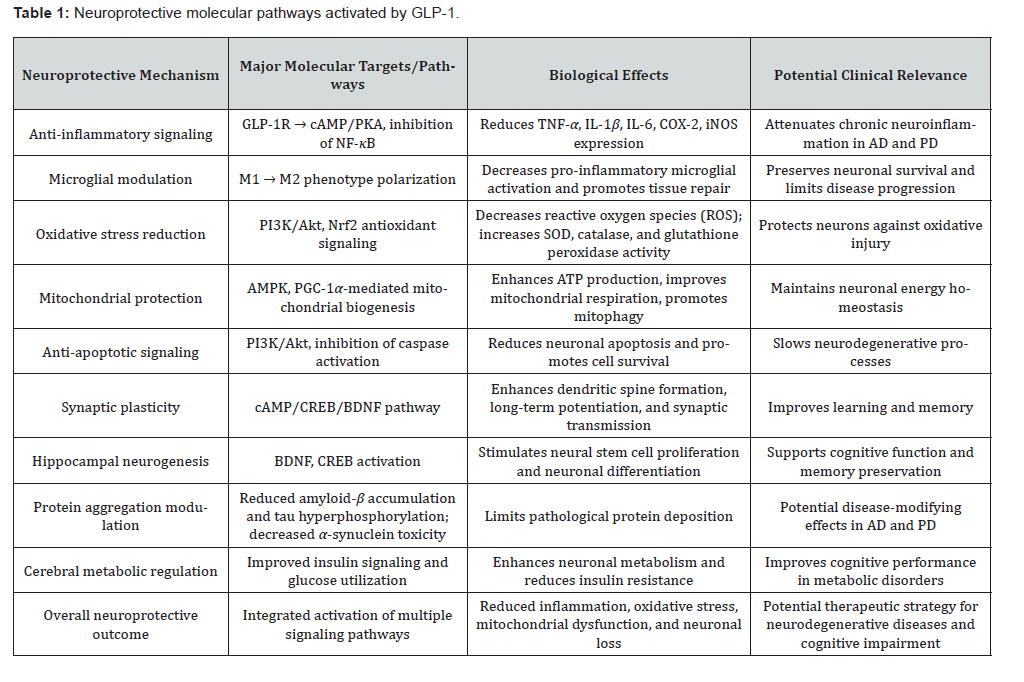
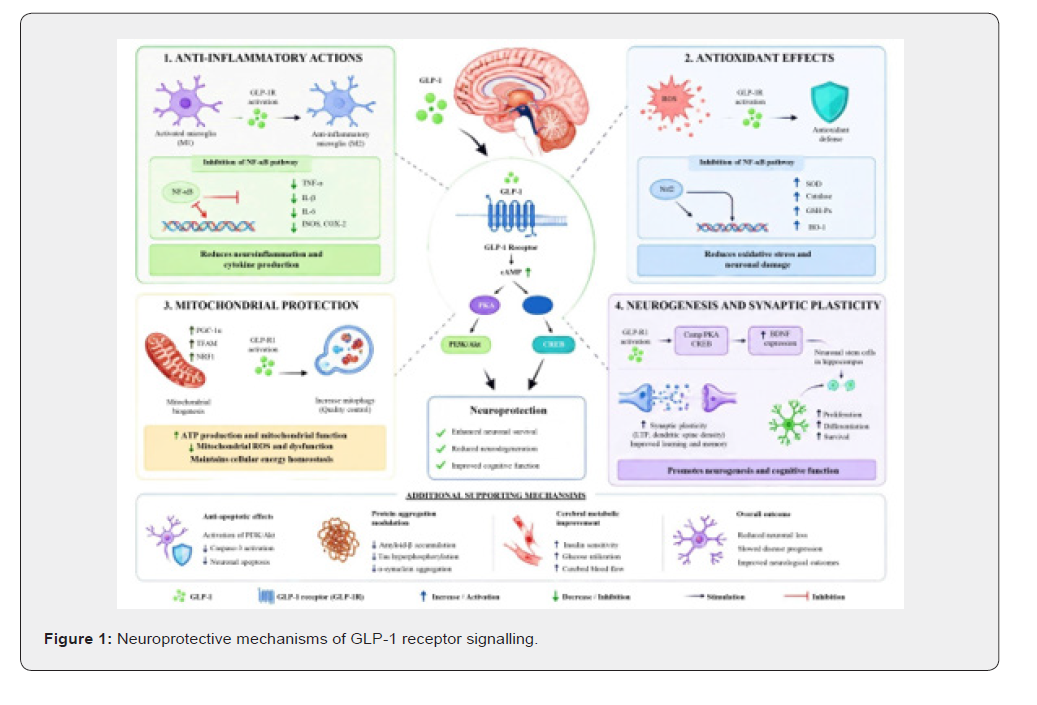
Clinical evidence at present is very promising and is evolving. Semaglutide, liraglutide, exenatide, and dual incretin receptor agonists are being studied in several phase II and phase III clinical trials for AD, PD and cognitive impairment. While definitive conclusions on disease modification are not yet possible, the mechanistic data is robust, the preclinical data is consistent, and initial clinical evidence is quite promising, making GLP-1-based therapies an important strategy to consider for not only metabolic dysfunction, but for neurodegeneration, as well [28]. Optimization of the timing of treatment, dosing regimens, patient selection, and long-term neurological benefits will be better understood in the future. Collectively, these findings demonstrate that GLP-1 exerts neuroprotective effects through multiple interconnected signaling pathways that regulate inflammation, oxidative stress, mitochondrial integrity, and neuronal plasticity [16]. The principal molecular mechanisms underlying these neuroprotective actions are summarized in (Table 1), while a schematic overview of GLP- 1 receptor-mediated neuroprotective signaling is presented in (Figure 1).
Anti-Obesity Mechanisms Mediated by the Gut– Brain–GLP-1 Axis
Obesity is a complex chronic condition that is caused by dysregulation of energy intake, energy expenditure, neuroendocrine signals and reward processing. A variety of methods have been adopted for treating obesity, such as diet and exercise, but emerging data suggest that the gut–brain– GLP-1 axis is a key component of body weight regulation by orchestrated neural and hormonal changes. In addition to its role in glycemic control, GLP-1 regulates peripheral organs and CNS circuits, affecting appetite, satiety, energy expenditure, food reward and adipose tissue metabolism [29]. As a result, GLP-1RAs have become increasingly popular as an effective drug therapy for obesity, leading to significant and sustained weight-loss and associated benefits for cardiovascular risk factors.
Appetite and Satiety Regulation
The suppression of appetite by activating hypothalamic feeding circuits is one of the main anti-obesity properties of GLP-1. After nutrient intake, GLP-1 is released from intestinal enteroendocrine L-cells and stimulates GLP-1 receptors on vagal afferent neurons and within the Arcuate Nucleus (ARC), Paraventricular Nucleus (PVN) and ventromedial hypothalamus of the hypothalamus [4]. These areas receive peripheral metabolic signals and mediate behavioral and autonomic responses to food intake.
The arcuate nucleus contains anorexigenic proopiomelanocortin (POMC) and cocaine- and amphetamineregulated transcript (CART) neurons that selectively respond to GLP-1. These neurons activate signaling systems that lead to the release of α-melanocyte-stimulating hormone (α-MSH) that subsequently activates melanocortin-4 receptors in downstream hypothalamic nuclei, which suppress caloric intake and promote satiety [12]. At the same time, GLP-1 is also known to inhibit orexigenic Neuropeptide Y (NPY) and Agouti-Related Peptide (AgRP) neurons that drive hunger and feeding behavior. Anorexigenic pathways activated and orexigenic pathways inhibited leads to smaller meal size, longer satiety, and lower daily energy intake. Beyond central effects, GLP-1 slows down the rate of stomach emptying, causing the stomach to feel fuller and longer and sending more “fullness” signals to the brain through the vagus nerve [30]. This peripheral and central regulation is coordinated and plays a major role in maintaining a sense of satiety and promoting weight loss.
Energy Expenditure and Brown Adipose Tissue Activation
While the main pathway of GLP-1’s ability to induce weight loss is through appetite suppression, there is growing evidence that GLP-1 signaling also affects energy expenditure. Central activation of GLP-1 receptors leads to increased sympathetic nervous system activity and activation of Brown Adipose Tissue (BAT) thermogenesis and whole-body energy expenditure [31]. BAT is rich in mitochondria that produce uncoupling proteins (UCPs), especially UCP1, which uncouple the chemical energy from the storage of ATP and increase the burning of calories as heat.
Experimental research has shown that activation of the GLP-1 receptor leads to a rise in BAT activity and expression of thermogenic genes, and stimulates browning of white adipose tissue by inducing the appearance of beige adipocytes with increased thermogenic potential. These adaptations help boost resting energy expenditure and enhance metabolic flexibility. In addition, GLP-1 signaling also acts to improve lipid metabolism through increased fatty acid oxidation and decreased ectopic lipid accumulation in liver and skeletal muscle [32]. Induced by intracellular pathways, such as AMPK, mitochondrial health and substrate utilization towards fat oxidation. While the effects of increased energy expenditure appear less strong than suppressing appetite, these mechanisms work in tandem with lowered caloric intake and enhance long-term metabolic well-being.
Food Reward and Hedonic Eating
Homeostatic mechanisms alone do not control food consumption, and there are also hedonic mechanisms that mediate food reward, motivation, and craving. Frequently, the brain’s mesolimbic dopaminergic reward system is triggered by highly palatable foods that are high in sugar and fat that can cause overeating and obesity even when the body is full. The Ventral Tegmental Area (VTA), nucleus accumbens, and prefrontal cortex are just a few of the widely distributed components of the mesolimbic pathway that are heavily involved with GLP- 1 receptors [33]. The activation of these receptors affects dopaminergic neurotransmission, decreasing the energy density reward value and the motivation for energy density food. Experimental models have shown that GLP-1 receptor agonists lower preference for high-fat diets, reduce binge eating behavior and eliminate compulsive feeding behavior, while preserving normal feeding behavior for survival [34].
It’s also supported by clinical research, which shows that GLP-1 agents can help lower food cravings, emotional eating and rewarddriven eating. Treatment with GLP-1 receptor agonists has been demonstrated to normalize neural circuits involved in appetite control, including decreased activation of reward-related brain regions in response to visual food cues in neuroimaging studies [35]. GLP-1 signaling simultaneously affects both homeostatic and hedonic pathways, resulting in a more comprehensive effect on body weight than simply calorie restriction.
Clinical Evidence with GLP-1-Based Therapies
The clinical success has been achieved with clinical application of the GLP-1 based pharmacotherapy, which has revolutionized obesity treatment. Semaglutide is a long-acting GLP-1 receptor agonist that has been shown to be highly effective in randomized clinical trials, where average body weight loss of about 15% of baseline body weight has been achieved with lifestyle interventions [33]. These benefits are accompanied by improvements in blood pressure, lipid profiles, insulin sensitivity, inflammatory markers and overall cardiovascular risk, even in people without diabetes.
The GLP-1 receptor agonist/glucose-dependent insulinotropic polypeptide (GIP) combination, tirzepatide, has demonstrated even more effectiveness; clinical trials have reported mean weight loss of more than 20% in numerous patients. These synergistic effects of GIP and GLP-1 lead to an unprecedented degree of pharmacologically-induced weight loss, simultaneously suppressing appetite, improving insulin sensitivity and optimizing energy metabolism [36]. On this basis, a number of GLP-1, GIP and glucagon dual receptor and triple receptor agonists are in clinical trials. These next generation agents are designed to deliver superior satiety, energy expenditure, lipid metabolism, and glycemic control in a single therapeutic agent. Initial clinical results indicate that these multi-receptor agonists may be more effective at helping patients lose weight than GLP-1 receptor agonists alone, and have good safety profiles.
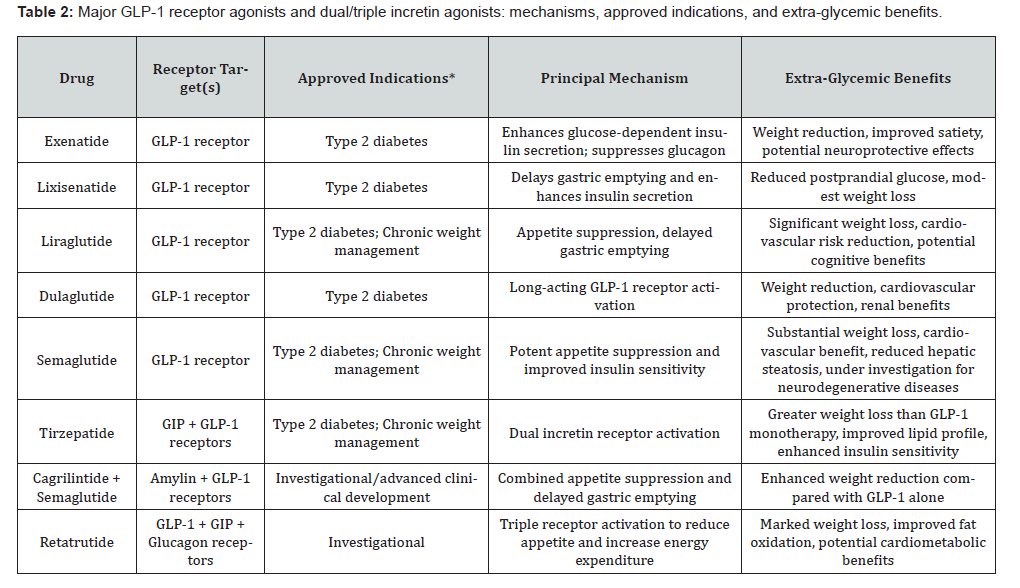
Importantly, the advantages of GLP-1-based therapies aren’t restricted to glucose lowering. Loss of weight is also associated with a loss of visceral adiposity, improvement of hepatic steatosis, reduction of cardiovascular risk, improvement of physical function and better quality of life [37]. The diverse effects highlight the pivotal role of the gut–brain–GLP-1 axis in the pathogenesis of obesity, and provide a solid rationale for GLP-1-based drugs as a cornerstone of contemporary obesity management. The incretin class of drugs has evolved quickly and now includes both GLP-1 receptor agonists as well as dual and triple receptor agonists with greater metabolic efficacy than the traditional GLP-1 receptor agonists [38]. A comparative overview of the major GLP-1-based therapeutics, their mechanisms of action, approved indications, and extra-glycemic benefits is provided in (Table 2).
Therapeutic Implications, Current Challenges, and Future Perspectives
The expanding understanding of the gut–brain–GLP-1 axis grows, GLP-1-mediated therapy has become more than a glucoselowering agent; it has now expanded to a range of potential metabolic and neurological applications [39]. As molecular biology, neuroendocrinology and clinical pharmacology have progressed; it has been shown that modulation of GLP-1 signaling could provide benefits beyond glycemic control, thereby presenting new opportunities for the treatment of obesity, neurodegenerative diseases and the metabolic syndrome. However, there are several challenges that need to be overcome clinically and scientifically to realize the therapeutic potential of the gut–brain–GLP-1 axis [40].
Expanding Indications Beyond Diabetes
GLP-1 receptor agonists are now known to be effective medications for chronic obesity, and have been shown to induce clinically significant and persistent weight loss via appetite suppression, increased satiety, and better energy balance. In addition to obesity, there is a growing body of evidence that GLP-1 signaling may have a beneficial effect on a variety of other diseases, including AD and PD, through its anti-inflammatory, mitochondrial protective and synaptic plasticity effects [41]. Finally, GLP-1-based therapies also have beneficial effects on various factors of metabolic syndrome, such as insulin resistance, dyslipidemia, hypertension and hepatic steatosis, which lowers overall cardiovascular and metabolic risk. These pleiotropic effects have expanded the therapeutic potential of GLP-1 to include additional therapeutic indications beyond diabetes management [42].
Combination and Precision Therapies
The creation of multi-agonist therapies is one of the most promising advances in incretin-based medicine. Dual agonists (agonists of glucose-dependent insulinotropic polypeptide [GIP] and GLP-1 receptor) and upcoming triple GIP/GLP-1/ glucagon receptor agonists have been shown to be more effective in weight loss and metabolic benefit than GLP-1 receptor agonists in isolation [43]. These agents simultaneously act on complementary pathways that control hunger, insulin sensitivity, lipid metabolism and energy expenditure. The precision medicine approaches are also likely to maximize treatment outcomes. The genetic background, composition of gut microbiota, metabolic phenotype, and environment may all impact therapeutic response [44]. Through pharmacogenomic research, genetic variations linked to the efficacy, tolerability and adverse effects of drugs can be identified, leading physicians to more personalised treatment decisions for incretins and enhance the long-term success of treatment.
Current Limitations
While these therapies for GLP-1 offer significant clinical advantages, they also have several drawbacks. Despite all of this, gastrointestinal side effects, such as nausea, vomiting, diarrhea and constipation, continue to be the most frequent reasons for treatment cessation, especially during dose escalation [45]. Moreover, due to their relatively high cost and poor availability in many health care systems, these medicines are not widely used, particularly in low- and middle-income countries.
Overall, there is current evidence that GLP-1 receptor agonists are safe, though there is a lack of long-term evidence for the use of these agents in non-diabetic populations and in those with neurodegenerative disorders. The question of how long treatment should last, the maintenance of weight loss after drug withdrawal, the reason for differential drug effects in different patients and the long-term consequences of long-term incretin receptor activation also remain unanswered [33]. The knowledge gaps requiring large-scale, long-term clinical trials and mechanistic studies are intriguing.
Future Research Directions
Future studies should aim to use the contents of the gut microbiome to improve the endogenous production of GLP-1 by using dietary modifications, prebiotics, probiotics, or microbiotatargeting therapeutics. New dual and triple incretin receptor agonists are now being developed, which could provide an even better metabolic effect because they might target more than one hormonal pathway associated with energy balance [46]. Biomarker-guided therapy is another area of great promise as circulating metabolites, inflammatory markers, genetic profiles and microbiome signatures are used to predict treatment response and to tailor therapeutic interventions to the individual. The potential for precision metabolic medicine could further be advanced by the incorporation of clinical, genomic, metabolomic and imaging data, which is possible through advances in Artificial Intelligence (AI) and machine learning, to determine the most effective treatment plans for specific patients [47]. All these innovations will enhance the clinical use of the gut–brain–GLP-1 axis and drive the translation of more personalized and effective therapies for obesity, diabetes, and neurodegenerative diseases.
Conclusion
The gut–brain–GLP-1 axis has emerged as a central regulator of metabolic and neurological homeostasis, extending far beyond its traditional role in glucose regulation. GLP-1 has recently been identified as a multifaceted neuro-metabolic hormone, which acts as a regulator of endocrine, neural and immune signals between the gut and the central nervous system, and which was formerly known only as an incretin. The GLP-1 axis coordinates communication between intestinal L-cells, vagal afferent pathways, hypothalamic/brainstem circuits and gut microbiota in the regulation of energy balance, appetite and neuronal function. This new knowledge has dramatically changed the therapeutic strategy of metabolic diseases and the potential role of incretin biology in the broader physiological context.
Experimental and clinical studies have shown that GLP-1 has significant neuroprotective properties that are not dependent on blood glucose control. The anti-inflammatory effects of GLP-1 receptor signaling, as well as the ability to reduce oxidative stress, maintain mitochondrial function, and boost synaptic plasticity and hippocampal neurogenesis, hold great promise for the treatment of neurodegenerative conditions, such as AD and PD. At the same time, GLP-1 can exert several different complementary metabolic effects which are beneficial for obesity, such as appetite reduction, slowing of gastric emptying, modulation of hypothalamic satiety pathways, increased energy expenditure, stimulation of fat oxidation, and reduction of food reward and hedonic eating. These integrated actions have led to unprecedented clinical success using GLP-1 receptor agonists and next generation dual and triple incretin receptor agonists with substantial and sustained weight reduction and cardiometabolic benefits.
The therapeutic utility of GLP-1 mediated therapy is expanding beyond diabetes, such as in obesity, metabolic syndrome, cardiovascular disease, and neurodegenerative disorders. The precision medicine strategies combining pharmacogenomics, gut microbiome profiling, biomarker-based patient stratification and AI to tailor the treatment to each patient individually are expected to bring a further leap forward. Additionally, promising new multireceptor agonists and microbiome-targeted therapies could have additional therapeutic benefits by targeting multiple pathways associated with neuro-metabolic regulation. The intertwining gut–brain–GLP-1 axis will require continued interdisciplinary research to fully understand the complex mechanisms of this axis. In conclusion, the study reveals the intricate connection between the various pathways and their collective impact on obesity, diabetes, and neurodegenerative diseases, paving the way for a new era of precision neuro-metabolic medicine that promises better clinical outcomes and more personalized patient care.
References
- Khanijau R, Kukkar MR, Trehan E, Singh P (2026) Global Trends and Burden of Diabetes Mellitus (DM): A Comprehensive Review of Epidemiology, Risk Factors, Health Disparities, and Future Projections. J Drug Deliv Ther 16(5): 216.
- Dasgupta T, Bhayani H, Ghoshdastidar K, Viswanathan K, Jain M (2026) GLP-1 and the brain’s powerhouse: a new perspective on the role of mitochondria in neuroprotection. Metab Brain Dis 41(1): 72.
- Longo S, Rizza S, Federici M (2023) Microbiota-gut-brain axis: relationships among the vagus nerve, gut microbiota, obesity, and diabetes. Acta Diabetol 60(8): 1007-1017.
- Chaves YD, Pérez SH, Matías LCG, Lamas JA, Mallo F (2020) Glucagon-like peptide-1 (GLP-1) in the integration of neural and endocrine responses to stress. Nutrients 12(11): 3304.
- Yu M, Yu B, Chen D (2024) The effects of gut microbiota on appetite regulation and the underlying mechanisms. Gut Microbes 16(1): 2414796.
- Blázquez E, Carneiro VH, Ayuso YL, Velazquez E, Garcia LG, et al. (2022) Significance of brain glucose hypometabolism, altered insulin signal transduction, and insulin resistance in several neurological diseases. Front Endocrinol (Lausanne) 13: 873301.
- Lafferty RA, O’Harte FPM, Irwin N, Gault VA, Flatt PR (2021) Proglucagon-derived peptides as therapeutics. Front Endocrinol (Lausanne) 12: 689678.
- Liu QK (2024) Mechanisms of action and therapeutic applications of GLP-1 and dual GIP/GLP-1 receptor agonists. Front Endocrinol (Lausanne) 15: 1431292.
- Holst JJ (2024) GLP-1 physiology in obesity and development of incretin-based drugs for chronic weight management. Nat Metab 6(10): 1866-1885.
- Brierley DI, Lartigue GD (2022) Reappraising the role of the vagus nerve in GLP‐1‐mediated regulation of eating. Br J Pharmacol 179(4): 584-599.
- Ren W, Hua M, Cao F, Zeng W (2024) The sympathetic‐immune milieu in metabolic health and diseases: insights from pancreas, liver, intestine, and adipose tissues. Adv Sci 11(8): 2306128.
- Wu Q, Chen J, Hua T, Cai J (2023) Alpha-melanocyte-stimulating hormone-mediated appetite regulation in the central nervous system. Neuroendocrinology 113(9): 885-904.
- Meneses JDM, Bonilla SAO, Carenno SB, Arevalo LCT, Cardenas SF, et al. (2025) GLP-1 analogues in the neurobiology of addiction: translational insights and therapeutic perspectives. Int J Mol Sci 26(11): 5338.
- Kumar J, Rani K, Datt C (2020) Molecular link between dietary fibre, gut microbiota and health. Mol Biol Rep 47(8): 6229-6237.
- Zeppa SD, Gervasi M, Bartolacci A, Ferrini F, Patti A, et al. (2024) Targeting the gut microbiota for prevention and management of type 2 diabetes. Nutrients 16(22): 3951.
- Reich N, Hölscher C (2022) The neuroprotective effects of glucagon-like peptide 1 in Alzheimer’s and Parkinson’s disease: An in-depth review. Front Neurosci 16: 970925.
- Simpson DSA, Oliver PL (2020) ROS generation in microglia: understanding oxidative stress and inflammation in neurodegenerative disease. Antioxidants 9(8): 743.
- Sun H, Hao Y, Liu H, Gao F (2025) The immunomodulatory effects of GLP-1 receptor agonists in neurogenerative diseases and ischemic stroke treatment. Front Immunol 16: 1525623.
- Narla S, Narla RR, Corbett JA (2026) JAAD CME part 1: mechanism of action of GLP-1 receptor agonists and potential pathways in skin health. J Am Acad Dermatol.
- Wei H, Ye L, Li M, Huang S, Mo Z (2025) Effect of GLP-1 RA and SGLT2I on Biomarkers of Oxidative Stress in T2DM: A Systematic Review and Meta-analysis. J Endocr Soc 9(8): bvaf075.
- Chodari L, Aytemir MD, Vahedi P, Alipour M, Vahed SZ, et al. (2021) Targeting mitochondrial biogenesis with polyphenol compounds. Oxid Med Cell Longev 2021(1): 4946711.
- Toader C, Serban M, Muntaeanu O, Busuioc RAC, Enyedi M, et al. (2025) From synaptic plasticity to neurodegeneration: BDNF as a transformative target in medicine. Int J Mol Sci 26(9): 4271.
- McIntyre RS, Rasgon N, Goldberg J, Wong S, Le GH, et al. (2025) The effect of glucagon-like peptide-1 and glucose dependent insulinotropic polypeptide receptor agonists on neurogenesis, differentiation, and plasticity (Neuro-GDP): potential mechanistically informed therapeutics in the treatment and prevention of mental disorders. CNS Spectr 30(1): e23.
- Moaket OS, Obaid SE, Obaid FE, Shakeeb YA, ElSharief SM, et al. (2025) GLP-1 and the Degenerating Brain: Exploring Mechanistic Insights and Therapeutic Potential. Int J Mol Sci 26(21): 10743.
- Lanzillotta S, Rolfi LR, Zulli B, Barone E (2025) Metabolic breakdown: Linking insulin resistance and mitochondrial dysfunction to neurodegeneration in Alzheimer’s disease. Neural Regen Res 21(6): 2227-2237.
- Kalinderi K, Papaliagkas V, Fidani L (2024) GLP-1 receptor agonists: a new treatment in Parkinson’s disease. Int J Mol Sci 25(7): 3812.
- Liu Z, Yu S, Jin X, Sheng L, Mu MRY, et al. (2025) The Clinical Application of GLP-1RAs and GLP-1/GIP Dual Receptor Agonists Based on Pharmacological Mechanisms: A Review. Drug Des Devel Ther pp. 10383-10409.
- Teixeira LCR, Luizon MR, Gomes KB (2025) Exploring the role of GLP-1 receptor agonists in Alzheimer’s disease: A review of preclinical and clinical evidence. Receptors 4(1): 2.
- Moiz A, Filion KB, Tsoukas MA, Yu OHY, Peters TM, et al. (2025) Mechanisms of GLP-1 receptor agonist-induced weight loss: a review of central and peripheral pathways in appetite and energy regulation. Am J Med 138(6): 934-940.
- Camilleri M, Merly CL (2024) Effects of GLP-1 and other gut hormone receptors on the gastrointestinal tract and implications in clinical practice. Off J Am Coll Gastroenterol ACG 119(6): 1028-1037.
- Hropot T, Herman R, Janez A, Lezaic L, Jensterle M (2023) Brown adipose tissue: a new potential target for glucagon-like peptide 1 receptor agonists in the treatment of obesity. Int J Mol Sci 24(10): 8592.
- Nevola R, Epifani R, Imbriani S, Tortorella G, Aprea C, et al. (2023) GLP-1 receptor agonists in non-alcoholic fatty liver disease: current evidence and future perspectives. Int J Mol Sci 24(2): 1703.
- Alves GAM, Teranishi M, Ortega ACTDCG, James F, Arachchige ASPM (2025) Mechanisms of GLP-1 in modulating craving and addiction: neurobiological and translational insights. Med Sci 13(3): 136.
- Mansur RB, Vincenzo SDD, Badulescu S, Gill H, Tabassum A, et al. (2024) Are glucagon-like peptide-1 receptor agonists anti-consummatory drugs? CNS Spectr 29(6): 536-541.
- Bloemendaal LV, IJzerman RG, Kulve JST, Barkhof F, Konrad RJ, et al. (2014) GLP-1 receptor activation modulates appetite-and reward-related brain areas in humans. Diabetes 63(12): 4186-4196.
- McGuane C, Farhadhar N, Sharieff KA, Petrosky SN, Alabasi K (2026) Nutritional Care for Adults with Obesity Treated with GLP-1and Dual GIP/GLP-1 Receptor Agonists: A Review of Evidence, Gaps, and Clinical Implications.
- Younossi ZM, Corey KE, Lim JK (2021) AGA clinical practice update on lifestyle modification using diet and exercise to achieve weight loss in the management of nonalcoholic fatty liver disease: expert review. Gastroenterology 160(3): 912-918.
- Gutgesell RM, Nogueiras R, Tschöp MH, Müller TD (2024) Dual and triple incretin-based co-agonists: novel therapeutics for obesity and diabetes. Diabetes Ther 15(5): 1069-1084.
- Patel S, Niazi SK (2025) Emerging Frontiers in GLP-1 Therapeutics: A Comprehensive Evidence Base (2025) Pharmaceutics 17(8): 1036.
- Alharbi SH (2024) Anti-inflammatory role of glucagon-like peptide 1 receptor agonists and its clinical implications. Ther Adv Endocrinol Metab 15.
- Hong CT, Chen JH, Hu CJ (2024) Role of glucagon-like peptide-1 receptor agonists in Alzheimer’s disease and Parkinson’s disease. J Biomed Sci 31(1): 102.
- Moiz A, Filion KB, Tsoukas MA, Yu OHY, Peters TM, et al. The expanding role of GLP-1 receptor agonists: a narrative review of current evidence and future directions. EClinicalMedicine 86: 103363.
- Podder D (2026) Incretin-based multi-agonist therapies for type 2 diabetes mellitus and obesity: mechanisms, clinical efficacy, and future directions. Diabetology 7(3): 46.
- Holmes E, Kinross J, Gibson GR, Burcelin R, Jia W, et al. (2012) Therapeutic modulation of microbiota-host metabolic interactions. Sci Transl Med 4(137): 137.
- Martínez JJG, Raya PM, Gomez JC, Castro A, Cuenca AC, et al. (2022) Clinical recommendations to manage gastrointestinal adverse events in patients treated with Glp-1 receptor agonists: a multidisciplinary expert consensus. J Clin Med 12(1): 145.
- Zhang J, Sanan S, Csanalosi M, Zheng C, Pfeiffer AFH (2025) Novel dual and triple agonists targeting GLP-1, GIP, Glucagon, and GDF15 for type 2 diabetes and obesity management. Endocrinology 166(11): 130.
- Grapov D, Fahrmann J, Wanichthanarak K, Khoomrung S (2018) Rise of deep learning for genomic, proteomic, and metabolomic data integration in precision medicine. Omi A J Integr Biol 22(10): 630-636.

























