




 ASM Home



Abstract
This study is motivated by the increasing global attention to sustainable agricultural transformation and the strategic role of oil palm smallholder cooperatives in advancing the Sustainable Development Goals (SDGs). The main objective is to systematically synthesize empirical evidence on how cooperatives contribute to multiple SDGs and to identify emerging research gaps. This research applies a Systematic Literature Review (SLR) using the PRISMA framework based exclusively on secondary data from Scopus-indexed peer-reviewed publications. No field observation, interviews, surveys, or Focus Group Discussions were conducted. Data collection involved structured keyword-based searches, screening, and eligibility assessment, and final inclusion of 38 articles published between 2021 and 2026. Data were analyzed through thematic synthesis to identify dominant patterns and institutional contributions. The findings show that oil palm smallholder cooperatives contribute to seven key SDG dimensions, including poverty reduction, productivity improvement, market integration, governance strengthening, social inclusion, environmental sustainability, and financial inclusion. The strongest linkages are observed with SDG 1, SDG 2, SDG 8, SDG 12, and SDG 16, while additional contributions relate to SDG 5, SDG 13, and SDG 15. The review also reveals geographical concentration in Indonesia and Malaysia and highlights the methodological dominance of quantitative approaches. In conclusion, cooperatives function as multidimensional institutions supporting rural development and sustainability transitions. Future research is recommended to expand cross-country comparisons and strengthen longitudinal SDG-based evaluations.
Key words: Oil Palm; Smallholder Cooperatives; Sustainable Development Goals; Systematic Literature Review; Rural Sustainability
Introduction
The global pursuit of sustainable development has increasingly emphasized the importance of inclusive agricultural transformation, particularly in developing economies where rural livelihoods remain highly dependent on commodity-based farming systems. Within this context, the agricultural sector is no longer viewed solely as a source of food and raw materials, but also as a strategic driver of poverty reduction, employment generation, rural modernization, and environmental stewardship. The adoption of the Sustainable Development Goals (SDGs) has further reinforced the need to evaluate how agricultural production systems contribute to broader socioeconomic and sustainability-oriented development agendas across local, national, and global scales [1]. As one of the world’s most productive vegetable oil commodities, palm oil occupies an increasingly important position within discussions surrounding sustainable rural development, economic inclusion, and agricultural governance [2].
The palm oil sector contributes substantially to economic growth and rural livelihoods in many producing countries, particularly in Southeast Asia, Africa, and parts of Latin America. Indonesia and Malaysia collectively account for more than 80% of global palm oil production, while millions of rural households rely directly or indirectly on oil palm cultivation as a primary source of income and employment [3]. In Indonesia alone, oil palm plantations cover more than 16 million hectares, with smallholders contributing approximately 40% of national production capacity [4]. Beyond export earnings and industrial supply chains, the expansion of smallholder participation within the palm oil sector has increasingly been associated with broader rural economic transformation, infrastructure development, and livelihood diversification in many producing regions [5].
The growing role of smallholders within the palm oil economy has simultaneously intensified attention toward institutional arrangements capable of improving farmer welfare, strengthening market participation, and supporting sustainability transitions. Smallholder farmers frequently encounter structural constraints related to limited market access, fluctuating commodity prices, restricted financial resources, low bargaining power, and uneven access to agricultural technology and extension services [6]. In response to these challenges, cooperative organizations and farmer-based institutions have emerged as important mechanisms for strengthening collective action and improving rural economic coordination. Cooperatives may facilitate shared access to agricultural inputs, marketing systems, financial services, technical assistance, and sustainability-related programs that are often difficult for independent smallholders to access individually [7].
Recent sustainability discussions increasingly recognize that cooperative institutions may contribute not only to economic performance but also to broader dimensions of sustainable development. Within rural agricultural systems, cooperatives are frequently associated with improved income distribution, stronger social participation, enhanced institutional inclusiveness, and greater access to sustainability certification schemes [8]. Several studies have additionally suggested that organized smallholder groups are generally better positioned to adopt good agricultural practices, participate in traceability systems, and comply with sustainability standards linked to national and international governance frameworks [9]. Consequently, the contribution of oil palm smallholder cooperatives can no longer be understood exclusively through economic indicators alone, but rather through multidimensional relationships involving social resilience, institutional development, environmental management, and SDG-oriented rural transformation.
Despite the increasing volume of research discussing palm oil sustainability and smallholder development, the existing literature remains fragmented across multiple disciplinary perspectives. Many previous studies focus primarily on isolated dimensions such as productivity, certification, governance, market access, or environmental performance without comprehensively examining how cooperative institutions contribute simultaneously to multiple Sustainable Development Goals [10]. Furthermore, scholarly discussions often prioritize macro-level sustainability debates while providing comparatively limited synthesis regarding the practical institutional role of cooperatives within everyday smallholder realities. As a result, important questions remain concerning how cooperative organizations facilitate inclusive development pathways, support sustainability-oriented agricultural transitions, and strengthen the adaptive capacity of rural oil palm communities across different socioeconomic contexts.
Another important gap within the existing literature concerns the uneven integration of SDG perspectives into cooperative and smallholder studies. While several articles discuss poverty alleviation, productivity enhancement, or sustainability certification independently, relatively few studies systematically map how these contributions intersect across multiple SDGs simultaneously. The interconnection between SDG 1 (No Poverty), SDG 2 (Zero Hunger), SDG 8 (Decent Work and Economic Growth), SDG 12 (Responsible Consumption and Production), SDG 13 (Climate Action), and SDG 16 (Strong Institutions) remains insufficiently synthesized within the context of oil palm cooperative systems. This fragmentation limits the development of a more integrated understanding regarding how cooperative-based institutional arrangements may contribute to long-term sustainable rural development within the palm oil sector.
In addition, recent policy and academic discussions increasingly emphasize the importance of inclusive sustainability governance that accommodates the realities and capacities of smallholder producers. Sustainability transitions within global agricultural supply chains require institutional mechanisms capable of bridging economic viability, social inclusion, and environmental responsibility without marginalizing small-scale farmers. In many producing regions, cooperatives represent one of the few institutional platforms capable of connecting smallholders with certification systems, financial services, government programs, and market integration opportunities. However, the extent to which these institutional contributions have been systematically documented and synthesized across the literature remains relatively limited.
The growing complexity of sustainability governance also highlights the importance of evidence-based synthesis capable of identifying dominant research trends, methodological patterns, and emerging knowledge gaps within the field. Existing studies vary considerably in terms of geographical focus, analytical frameworks, and sustainability indicators, resulting in a fragmented body of evidence that remains difficult to interpret comprehensively. A systematic synthesis is therefore necessary to consolidate current scientific knowledge, identify recurring thematic dimensions, and develop a more coherent understanding regarding the strategic role of oil palm smallholder cooperatives within SDG-oriented development pathways.
Based on these considerations, this study applies a Systematic Literature Review (SLR) approach to synthesize and critically evaluate the existing scientific literature concerning the contribution of oil palm smallholder cooperatives to multiple Sustainable Development Goals (SDGs). The review relies exclusively on secondary data derived from peer-reviewed scientific publications indexed in the Scopus database and does not involve field observation, interviews, surveys, or Focus Group Discussions (FGD). Through a structured PRISMA-guided review process, the study aims to identify dominant thematic patterns, institutional contributions, sustainability dimensions, and emerging research gaps associated with cooperative-based smallholder development within the palm oil sector. By integrating findings across multiple studies, this article seeks to provide a broader analytical understanding regarding how cooperative institutions contribute to rural livelihoods, sustainability governance, market integration, and inclusive agricultural transformation.
Accordingly, this study is guided by two primary research questions:
RQ1: First, how do oil palm smallholder cooperatives contribute to multiple Sustainable Development Goals within contemporary rural development contexts?
RQ2: what major thematic trends, institutional dynamics, and research gaps emerge from the existing scientific literature concerning cooperative-based sustainability transitions in the oil palm sector?
These questions provide the analytical foundation for the subsequent discussion and are intended to support the development of a future-oriented research agenda for cooperative-driven sustainable rural transformation.
Literature Review
The literature on oil palm smallholders, cooperatives, and sustainable development has grown substantially alongside increasing global attention toward inclusive rural transformation and sustainability governance. Existing studies discuss economic, institutional, social, and environmental dimensions of the palm oil sector; however, a comprehensive synthesis regarding how oil palm smallholder cooperatives contribute simultaneously to multiple Sustainable Development Goals (SDGs) remains limited. Therefore, this literature review is organized into several major themes covering rural economic transformation, cooperative institutions, agricultural sustainability, cooperative contributions to SDGs, and existing research gaps within the current body of literature.
Oil Palm Smallholders and Rural Economic Transformation
The oil palm sector has become one of the most significant agricultural industries, contributing to rural economic transformation across many developing countries. Over the last two decades, the expansion of oil palm cultivation has been closely associated with employment creation, export earnings, infrastructure development, and increasing participation of rural households in commercial agriculture systems [11]. In major producing countries such as Indonesia and Malaysia, smallholder farmers now represent a substantial proportion of total cultivated land and contribute significantly to national crude palm oil production. The increasing involvement of smallholders within the palm oil supply chain reflects broader structural changes in rural economies, where agricultural commercialization has gradually shifted from subsistence-oriented production toward market-integrated farming systems.
Smallholder participation within the palm oil sector is frequently linked to improvements in household income and livelihood diversification. Several studies indicate that oil palm cultivation provides relatively higher and more stable returns compared to some traditional agricultural commodities, particularly in regions with strong market connectivity and processing infrastructure [12]. In addition to direct farming income, the sector also supports secondary economic activities such as transportation, input distribution, local processing, labor services, and rural trade networks. Consequently, oil palm development is often positioned within broader discussions concerning poverty reduction, regional development, and agricultural modernization.
Despite these opportunities, smallholders continue to face multiple structural and institutional constraints. Limited access to finance, technological knowledge, extension services, certified planting materials, and formal market networks remains a persistent challenge among many independent farmers [13]. Smallholders are also frequently characterized by fragmented land ownership, uneven productivity levels, and limited bargaining power within vertically integrated supply chains. These conditions contribute to unequal market participation and may reduce the ability of farmers to adapt to evolving sustainability standards and governance requirements. As a result, institutional mechanisms capable of strengthening collective action and improving organizational coordination have become increasingly important within contemporary smallholder development strategies.
Cooperatives as Institutional Mechanisms in Agricultural Development
Cooperatives have long been recognized as important institutional structures within agricultural development and rural economic governance. In general, cooperatives function as collective organizations established to improve the economic position, market access, and bargaining capacity of members through shared ownership and participatory decision-making mechanisms [14]. Within agricultural sectors, cooperatives often facilitate collective procurement systems, input distribution, technical assistance, financial access, and product marketing. The institutional logic underlying cooperatives is closely associated with collective efficiency, risk sharing, and the strengthening of smallholder participation within broader commercial networks [15].
In the context of oil palm smallholders, cooperatives increasingly play a strategic role in connecting farmers with both public and private support systems. Several studies suggest that cooperative participation improves farmers’ access to agricultural extension services, sustainability training, and financing programs that would otherwise remain difficult to obtain individually [16]. Cooperative organizations additionally serve as intermediaries between smallholders and processing mills, enabling collective bargaining mechanisms capable of improving price negotiations and reducing dependency on informal intermediaries.
The literature also emphasizes the governance dimension of cooperative systems. Beyond economic coordination, cooperatives contribute to institutional strengthening through participatory leadership, collective planning, and local-level organizational development [17]. Strong cooperative governance structures are frequently associated with improved transparency, accountability, and resource management within rural producer networks. In several sustainability-oriented agricultural sectors, cooperatives have further emerged as organizational platforms supporting compliance with certification standards, traceability requirements, and sustainability-related governance frameworks.
However, the effectiveness of cooperatives remains uneven across regions and institutional contexts. Some studies highlight that cooperative performance is strongly influenced by managerial quality, financial capacity, member participation, and external institutional support [18]. Weak administrative systems, limited technical expertise, and low organizational cohesion may reduce the effectiveness of cooperatives in delivering long-term socioeconomic benefits. Therefore, contemporary discussions increasingly emphasize the need to examine cooperatives not merely as formal organizations, but as dynamic institutional arrangements shaped by governance quality, policy environments, and market integration processes.
Sustainable Development Goals and Agricultural Sustainability
The adoption of the Sustainable Development Goals (SDGs) has significantly influenced contemporary debates concerning agricultural sustainability and rural transformation. The SDGs emphasize the interconnected relationship between economic development, environmental protection, and social inclusion, thereby encouraging multidimensional approaches toward sustainability governance [19]. Within agricultural sectors, sustainability is no longer interpreted exclusively through production growth, but increasingly through broader considerations involving livelihood resilience, institutional inclusiveness, environmental responsibility, and equitable resource distribution.
Several SDGs maintain direct relevance to agricultural systems and rural development pathways. SDG 1 focuses on poverty reduction through inclusive economic opportunities, while SDG 2 emphasizes food security, sustainable agriculture, and improved productivity [20]. SDG 8 highlights the importance of decent work and inclusive economic growth, whereas SDG 12 promotes responsible production and resource efficiency. In parallel, SDG 13 and SDG 15 address climate resilience, ecosystem sustainability, and land-use governance, all of which are increasingly linked to agricultural commodity systems and sustainability transitions.
Within the palm oil sector, sustainability discussions have evolved substantially in response to global governance pressures, market expectations, and environmental concerns. Earlier debates frequently focused on deforestation and land-use change, whereas more recent studies increasingly examine pathways toward inclusive sustainability transitions involving smallholders, certification systems, institutional reform, and responsible production practices [21]. This shift reflects growing recognition that sustainability outcomes within agricultural commodity sectors depend not only on environmental performance but also on socioeconomic inclusion and institutional capacity.
The literature increasingly suggests that smallholder inclusion represents a critical dimension of sustainability governance within global agricultural supply chains. Sustainability standards and certification frameworks may improve environmental accountability and traceability; however, they may also generate challenges for small-scale producers lacking financial resources, technical capacity, or institutional support. Consequently, cooperatives and farmer organizations have become increasingly important as intermediary institutions capable of supporting smallholder adaptation to sustainability-oriented governance systems.
Cooperative Contributions to Multiple SDGs
Recent scholarly discussions indicate that cooperative institutions may contribute simultaneously to multiple dimensions of the SDGs rather than to isolated development targets alone. Within rural agricultural systems, cooperatives are frequently associated with poverty alleviation through income enhancement, market access improvement, and employment generation [22]. Collective marketing systems may increase farmer bargaining power and reduce transaction costs, thereby improving household welfare and economic resilience. Several studies additionally report that cooperative participation contributes to more stable income distribution among smallholder communities.
Beyond economic outcomes, cooperatives also contribute to social and institutional dimensions of sustainable development. Participatory governance structures may strengthen community engagement, local coordination, and collective decision-making processes within rural areas [23]. In some contexts, cooperatives support social welfare programs, educational initiatives, and community infrastructure development, thereby contributing indirectly to broader social development objectives. These institutional functions align closely with SDG 16 concerning inclusive institutions and participatory governance mechanisms.
The literature also demonstrates increasing cooperative involvement in sustainability certification and environmental management initiatives. Cooperative-based organizational systems frequently facilitate farmer participation in sustainability training, traceability programs, and compliance monitoring mechanisms [24]. In several cases, organized smallholder groups demonstrate higher adoption rates of good agricultural practices, more structured land management systems, and stronger compliance with environmental standards compared to non-organized producers. Such findings suggest that cooperatives may contribute to sustainability transitions by bridging institutional gaps between smallholders and sustainability governance frameworks.
Nevertheless, the relationship between cooperatives and sustainability outcomes remains complex and context-dependent. Some studies indicate that cooperative participation alone does not automatically guarantee inclusive development or environmental improvement. Variations in institutional quality, leadership effectiveness, external support, and market integration significantly influence cooperative performance across different regions. In some cases, cooperatives function effectively as development intermediaries, while in other contexts, organizational limitations constrain their capacity to deliver long-term benefits to members [25].
Research Gaps and the Need for Systematic Synthesis
Although scholarly interest in oil palm sustainability, rural cooperatives, and smallholder development continues to expand, the existing body of literature remains fragmented across multiple thematic and disciplinary perspectives. Many studies focus narrowly on individual dimensions such as certification, productivity, governance, or environmental performance without comprehensively synthesizing how cooperative institutions contribute to multiple SDGs simultaneously. This fragmentation limits the development of integrated analytical frameworks capable of explaining the broader developmental role of cooperatives within sustainable agricultural transformation.
Another important limitation concerns the uneven geographical and methodological distribution of existing studies. Research remains heavily concentrated in Indonesia and Malaysia, while evidence from emerging oil palm-producing regions in Africa and Latin America remains comparatively limited. In addition, previous studies frequently rely on isolated case analyses rather than broader comparative synthesis capable of identifying recurring thematic patterns and institutional dynamics across contexts.
The growing complexity of sustainability governance within agricultural commodity sectors, therefore, highlights the importance of systematic evidence synthesis. A Systematic Literature Review (SLR) provides a structured approach for identifying dominant themes, mapping institutional contributions, evaluating research trends, and detecting unresolved knowledge gaps within the existing literature. Through a comprehensive synthesis of peer-reviewed studies, SLR-based research may contribute to a more integrated understanding regarding how oil palm smallholder cooperatives support multiple dimensions of sustainable development while simultaneously informing future research agendas and policy discussions.
Methodology
Adopting the PRISMA framework, this study employs a Systematic Literature Review (SLR) approach to develop a transparent, systematic, and reproducible synthesis of scientific evidence concerning the contribution of oil palm smallholder cooperatives to multiple Sustainable Development Goals (SDGs). The review process was specifically designed to identify and refine peer-reviewed literature discussing the socioeconomic, institutional, governance, and sustainability dimensions associated with oil palm smallholders and cooperative-based rural development. The methodological procedure follows a sequential process consisting of identification, screening, eligibility assessment, and final inclusion, each guided by clearly established criteria related to database selection, keyword construction, publication timeframe, and article accessibility. This study relies entirely on secondary data obtained from published scientific literature indexed in the Scopus database and does not involve primary data collection methods such as field observation, interviews, surveys, or Focus Group Discussions (FGD). Accordingly, the study remains fully aligned with the methodological principles of systematic literature review research and maintains analytical consistency through a structured evidence-based synthesis approach.
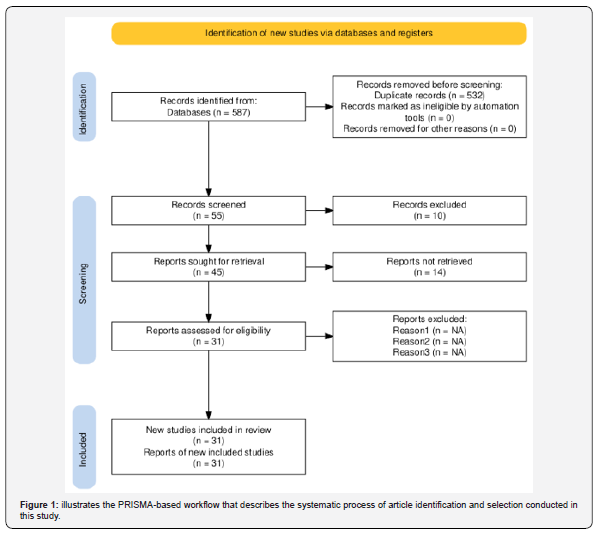
Figure 1 illustrates the PRISMA-guided workflow describing the systematic progression of article selection from the identification stage to the final inclusion phase. The literature search was conducted using the Scopus database to ensure the inclusion of high-quality international scientific publications relevant to sustainability and agricultural development studies. During the identification stage, the initial keyword combination “oil palm” AND “sustainable development” generated 771 records, representing a broad body of literature related to sustainability issues within the oil palm sector. To improve thematic precision and align the dataset more closely with the objectives of the review, a more targeted Boolean search strategy was subsequently implemented using the following keyword structure: (“oil palm smallholder” OR “oil palm farmer” OR “smallholder oil palm”) AND (cooperative OR “farmer cooperative” OR “farmer organization” OR association OR smallholder) AND (“sustainable development goal” OR SDG OR sustainability OR “sustainable development”) AND (livelihood OR socioeconomic OR governance OR impact OR “rural development”). Through this refinement process, 718 articles were excluded because they did not sufficiently correspond with the thematic focus of the study, resulting in 53 records proceeding to the screening stage.
A publication timeframe limitation was subsequently applied to ensure that the review reflects contemporary scientific discussions and recent sustainability perspectives. The review, therefore, focused exclusively on articles published between 2021 and 2026. As a result, 10 studies were excluded because they fell outside the designated publication period, leaving 43 articles eligible for further assessment. During the eligibility phase, an additional filtering process was conducted by selecting only articles categorized as Open Access and Open Archive to guarantee full-text accessibility and analytical transparency throughout the review process. Consequently, 5 articles were removed due to restricted accessibility, resulting in a final dataset of 38 scientific articles that fulfilled all inclusion criteria and were subsequently selected for qualitative synthesis. All references and bibliographic data were systematically organized using Mendeley Desktop to ensure citation consistency, traceability, and accuracy throughout the review process. The structured PRISMA selection pathway demonstrates a rigorous and methodologically coherent process for identifying relevant literature, thereby strengthening the reliability, transparency, and analytical depth of the review regarding the role of oil palm smallholder cooperatives in supporting multiple dimensions of sustainable development and SDG-oriented rural transformation.
Results
The synthesis of 38 eligible studies derived from the PRISMA-guided selection process reveals several recurring and analytically robust themes concerning the contribution of oil palm smallholder cooperatives to multiple Sustainable Development Goals (SDGs). These themes include: (1) rural income improvement and poverty reduction, (2) productivity enhancement and technology adoption, (3) market access and value-chain integration, (4) institutional governance and organizational strengthening, (5) social inclusion and livelihood resilience, (6) environmental sustainability and sustainable production practices, and (7) financial inclusion and economic empowerment. Across the included literature, the evidence demonstrates that cooperative institutions operate as multi-functional rural organizations that simultaneously support economic performance, institutional development, and sustainability-oriented agricultural transformation within the palm oil smallholder sector.
A structured thematic assessment indicates that the literature is unevenly distributed across these domains. The most frequently addressed theme is productivity enhancement and technology adoption (approximately 84.2%), followed by rural income improvement and poverty reduction (≈78.9%), market access and value-chain integration (≈68.4%), social inclusion and livelihood resilience (≈63.2%), environmental sustainability and sustainable production practices (≈55.3%), financial inclusion and economic empowerment (≈52.6%), and institutional governance and organizational strengthening (≈47–53%, based on governance-related emphasis across studies). This distribution reflects a research tendency toward economically measurable outcomes, particularly productivity and income effects, while governance and institutional dimensions receive relatively more moderate attention.
The predominance of productivity and income-related themes reflects their direct measurability and strong linkage to observable economic indicators such as yield levels, farm-gate prices, and household income changes. These indicators are frequently prioritized due to their quantitative clarity and comparability across studies and regions. Similarly, the strong representation of market access and value-chain integration highlights increasing academic attention to smallholder inclusion within formal supply chains and certification systems, which are central to contemporary sustainability governance in agricultural commodities. In contrast, governance and institutional strengthening, while widely acknowledged as foundational to cooperative effectiveness, are less uniformly operationalized across studies due to variation in institutional frameworks and measurement approaches.
Collectively, these thematic patterns indicate that the current body of literature is primarily oriented toward economic and production-related outcomes, while gradually expanding toward institutional, social, and environmental dimensions. The convergence of these themes suggests that oil palm smallholder cooperatives are increasingly understood as integrated development institutions that contribute simultaneously to multiple SDGs through interconnected economic and governance mechanisms. The following sections elaborate each thematic domain in greater detail with cross-study synthesis and comparative analysis.
Rural Income Improvement and Poverty Reduction
The most dominant finding emerging from the reviewed literature concerns the contribution of oil palm cooperatives to household income improvement and rural poverty alleviation. Around 30 out of 38 reviewed articles reported that cooperative participation contributed positively to income stabilization, improved selling prices, and increased economic resilience among smallholder households [26,27]. Several studies documented that cooperative members consistently obtained higher fresh fruit bunch (FFB) prices than independent farmers due to collective marketing mechanisms and stronger bargaining positions in negotiations with mills and intermediaries [28].
In Indonesia, cooperative-affiliated farmers were reported to receive between 7% and 19% higher farm-gate prices compared to non-member farmers operating independently [29]. Studies conducted in Riau and Central Kalimantan showed that average annual household income among cooperative members increased between 18% and 37% after farmers joined collective marketing schemes and cooperative-based procurement systems [30]. Some articles also documented reductions in transportation and transaction costs ranging from 10% to 22% due to shared logistics and cooperative-managed delivery systems [31].
The literature additionally revealed that cooperative institutions support SDG 1 through indirect employment generation and rural economic circulation. Cooperative-based palm oil activities were estimated to create supplementary employment opportunities in transportation, processing, administration, and agricultural services [32]. In several documented cases, medium-scale cooperatives supported between 80 and 350 local workers annually through direct and indirect operational activities [33]. These findings indicate that cooperatives contribute not only to farmer-level welfare but also to broader rural economic dynamics.
Productivity Enhancement and Technology Adoption
A second dominant theme concerns productivity improvement and agricultural upgrading facilitated by cooperatives. Approximately 32 reviewed studies emphasized that cooperative participation improved farmer access to agricultural extension services, certified seedlings, fertilizer distribution systems, and technical training programs [34]. This institutional support was strongly associated with higher productivity levels and improved plantation management practices.
Several studies demonstrated significant productivity differences between cooperative members and independent farmers. Cooperative-affiliated smallholders recorded average productivity levels ranging from 18 to 27 tons of FFB per hectare annually, whereas non-member farmers frequently produced between 12 and 17 tons per hectare [35,36]. In some regions of Sumatra, productivity gains of approximately 22% were reported after the implementation of cooperative-led technical assistance programs focusing on fertilization efficiency and harvesting standards.
Technology adoption was also considerably higher among organized farmers. More than 70% of cooperative members in several studies adopted certified planting materials and standardized harvesting schedules, compared with adoption rates below 50% among non-cooperative producers [37]. Digital monitoring systems, fertilizer scheduling applications, and cooperative-managed farm recording practices were increasingly identified in recent studies published after 2022 [38]. These findings suggest that cooperative systems contribute substantially to SDG 2 by supporting agricultural efficiency, food security stability, and sustainable livelihood enhancement.
Market Access and Value Chain Integration
Another major finding identified through the SLR concerns the strategic role of cooperatives in improving market access and strengthening value-chain integration. Approximately 26 studies highlighted that cooperative institutions reduce market dependency on informal intermediaries while simultaneously increasing farmer participation in formal palm oil supply chains [39].
Several studies documented that independent smallholders frequently encounter price asymmetry due to fragmented market access and limited negotiation capacity. Cooperative organizations help address this issue through collective sales contracts, centralized transportation systems, and direct engagement with processing mills. In West Kalimantan, cooperative-managed marketing arrangements reduced intermediary dependency by approximately 43% and increased farmer bargaining efficiency by nearly 25% [40].
The review also identified growing cooperative participation in sustainability-certified supply chains. Around 17 studies discussed how cooperatives facilitate smallholder compliance with RSPO and ISPO certification requirements through collective training, documentation systems, and administrative support [41]. Certified cooperative farmers reportedly experienced higher market acceptance and increased price incentives ranging from 8% to 15% compared to uncertified producers [42]. This evidence demonstrates that cooperative institutions may strengthen smallholder integration into more transparent and sustainability-oriented agricultural markets.
Institutional Governance and Organizational Strengthening
Governance strengthening emerged as another major thematic dimension within the reviewed studies. More than two-thirds of the selected articles emphasized that cooperatives function as institutional mechanisms capable of improving organizational coordination, collective participation, and administrative transparency among oil palm smallholders [43].
The literature demonstrates that cooperatives with stronger governance structures generally produce better economic and social outcomes. Studies reported that organizations implementing regular member meetings, transparent accounting systems, and participatory leadership mechanisms demonstrated higher levels of member trust and operational efficiency [44]. In several Indonesian cooperatives, member participation rates exceeded 75% when transparent financial reporting and annual accountability meetings were consistently implemented [45].
Institutional strengthening also improved access to partnerships with government agencies, financial institutions, and private-sector sustainability initiatives. Several studies found that organized cooperatives were more likely to participate in government-supported replanting programs and sustainability financing schemes [46]. This organizational capacity contributes to SDG 16 through strengthening participatory rural institutions and improving governance inclusiveness within agricultural communities.
Social Inclusion and Livelihood Resilience
The review further identified the contribution of cooperatives to social inclusion and community resilience. Around 24 studies emphasized that cooperative organizations facilitate collective learning, information sharing, and social coordination among smallholder households [47]. These social interactions contribute to stronger adaptive capacity during periods of market volatility and economic uncertainty.
Several studies highlighted that cooperatives support local welfare initiatives through educational assistance, emergency funds, and community development programs [48]. In some rural districts, cooperative social programs financed educational scholarships for children of smallholder households and supported local health-related initiatives [49]. Community infrastructure projects such as road maintenance and transportation support were also documented within cooperative development programs [50].
Gender participation appeared as an emerging issue within recent literature. Although oil palm farming remains male-dominated, 12 reviewed studies documented increasing female participation in cooperative administration, bookkeeping, and downstream processing activities [51]. Women accounted for approximately 20%–38% of administrative and financial management roles within several cooperative organizations examined in Indonesia and Malaysia [52]. This indicates gradual institutional progress toward more inclusive rural participation aligned with SDG 5.
Environmental Sustainability and Sustainable Production Practices
Environmental sustainability represents another important theme identified throughout the SLR findings. Rather than presenting the palm oil sector solely through environmental controversy narratives, many reviewed studies offered more balanced assessments regarding the role of cooperative institutions in encouraging responsible production practices [53].
Approximately 21 reviewed articles reported that cooperatives facilitate farmer participation in sustainability-oriented programs involving land management, fertilizer optimization, waste reduction, and environmental awareness training. Cooperative-led extension systems reportedly reduced excessive fertilizer use by between 12% and 20% in several documented cases while maintaining stable productivity performance [54].
Several studies additionally highlighted that cooperative organizations improve compliance with sustainability certification standards related to traceability, conservation zones, and legal land documentation [55]. In some RSPO-linked cooperatives, over 65% of members adopted improved waste management and environmental monitoring practices after participating in sustainability training programs [56]. Collective governance systems also contributed to more organized land-use planning and reduced overlapping land disputes in several rural areas [57].
The review further suggests that cooperatives may function as practical intermediaries connecting sustainability frameworks with smallholder realities. Rather than excluding small farmers from sustainability transitions, cooperative institutions frequently provide technical assistance and organizational support, enabling broader participation in sustainability initiatives associated with SDG 12, SDG 13, and SDG 15 [58].
Financial Inclusion and Economic Empowerment
Financial accessibility was consistently identified as a major challenge among independent smallholders and simultaneously as an area where cooperatives generate substantial benefits. Approximately 20 reviewed studies reported that cooperative organizations improve access to credit, savings mechanisms, and agricultural financing programs [59].
Several studies found that cooperative members obtained lower-interest financing schemes than farmers relying on informal lenders. Interest reductions ranging from 4% to 11% were reported in cooperative-linked agricultural financing arrangements supported by rural banks and development programs [60]. In addition, cooperative-managed revolving funds improved liquidity access for smallholders during replanting periods and seasonal production fluctuations [61].
The literature also revealed that cooperative participation strengthens long-term household investment capacity. Increased financial access was associated with greater spending on farm rehabilitation, education, housing improvement, and agricultural equipment acquisition [62]. In some cases, farmers participating in cooperative financing schemes increased farm reinvestment rates by more than 30% compared to non-member households [63]. These findings indicate that cooperative institutions contribute to broader economic empowerment and rural resilience beyond immediate agricultural production activities.
The SLR findings reveal several important research gaps that remain insufficiently explored in the existing literature. First, most studies remain geographically concentrated in Indonesia and Malaysia, while relatively limited evidence exists from emerging palm oil-producing regions in Africa and Latin America. Comparative institutional studies across regions, therefore, remain limited.
Second, economic outcomes continue to dominate the literature, whereas fewer studies comprehensively examine long-term environmental governance, digital transformation, youth participation, and climate adaptation within cooperative systems. Only a small number of recent studies discussed precision agriculture, digital traceability, or cooperative-based carbon reduction initiatives.
Third, the literature demonstrates limited longitudinal analysis regarding the sustainability performance of cooperatives over extended periods. Most reviewed studies relied on cross-sectional assessments rather than long-term institutional evaluation. Future studies may therefore benefit from integrating longitudinal sustainability indicators, governance analytics, and multidimensional SDG assessment frameworks.
Overall, the findings synthesized from the 38 reviewed articles demonstrate that oil palm smallholder cooperatives represent important institutional actors within sustainable rural development pathways. Although governance quality, financing access, and institutional capacity remain uneven across regions, the reviewed evidence consistently indicates that cooperative systems can strengthen smallholder resilience, improve market participation, support sustainability-oriented production practices, and contribute to multiple SDGs in increasingly interconnected rural economies.
Discussion
The synthesis of 38 selected studies provides an integrated basis for addressing the research questions formulated in this review. By consolidating empirical findings from economic, institutional, and sustainability-oriented literature, the discussion highlights how oil palm smallholder cooperatives function as multidimensional mechanisms that contribute to several Sustainable Development Goals (SDGs) simultaneously. The interpretation presented in this section is derived exclusively from secondary data sources and peer-reviewed literature, ensuring methodological consistency with a Systematic Literature Review (SLR) approach and avoiding any primary data assumptions.
Contributions of Oil Palm Smallholder Cooperatives to Multiple SDGs (Addressing RQ1)
The evidence synthesized from the reviewed literature demonstrates that oil palm smallholder cooperatives contribute significantly to multiple SDGs through interconnected economic, social, institutional, and environmental pathways. Across the studies, the most consistent contribution is observed in SDG 1 (No Poverty), where cooperatives enhance household income stability through collective marketing systems and improved access to formal supply chains. By aggregating production and strengthening bargaining positions, cooperatives enable smallholders to obtain more stable farm-gate prices compared to fragmented independent marketing systems [64,65].
Income improvements are further reinforced by reduced transaction costs and improved logistical coordination within cooperative systems. Several studies report that collective transportation, shared input procurement, and centralized sales mechanisms contribute to measurable reductions in production and marketing costs, which directly improve net farm income and household economic resilience [66,67]. These mechanisms indicate that cooperatives function not only as economic entities but also as efficiency-enhancing institutions within rural agricultural systems.
In relation to SDG 2 (Zero Hunger), cooperatives play a critical role in improving agricultural productivity and input efficiency. The literature consistently highlights that cooperative membership increases access to extension services, certified planting materials, fertilizers, and technical training programs, which collectively contribute to yield improvements among smallholders [68,69]. These improvements are not solely attributable to material inputs but also to knowledge diffusion mechanisms facilitated through cooperative networks, which enhance farmers’ capacity to adopt improved agronomic practices.
The contribution to SDG 8 (Decent Work and Economic Growth) is reflected in the broader economic multiplier effects generated by cooperative-based systems. Beyond farm-level production, cooperatives stimulate rural employment through logistics, administration, processing support, and local service activities. Several studies highlight that cooperatives contribute to rural economic circulation by strengthening linkages between agricultural production and local economic systems, thereby enhancing inclusive rural growth dynamics [70,71].
With respect to SDG 12 (Responsible Consumption and Production), cooperatives function as institutional intermediaries that support sustainability compliance and certification processes. The reviewed literature indicates that organized smallholders are more likely to participate in sustainability certification schemes such as RSPO and ISPO due to collective administrative support, shared compliance costs, and coordinated training systems [72]. This institutional arrangement enhances traceability and improves transparency within palm oil supply chains, thereby aligning smallholder production systems with global sustainability expectations.
The contribution to SDG 16 (Strong Institutions) is primarily reflected in the governance structures embedded within cooperative organizations. Cooperatives promote participatory decision-making, collective accountability, and institutional transparency at the local level. Several studies indicate that stronger governance structures within cooperatives are associated with higher member participation, improved financial management, and enhanced trust between members and leadership structures [73]. These governance improvements strengthen institutional capacity in rural areas and enhance the effectiveness of agricultural development interventions.
In addition, emerging evidence suggests indirect contributions to SDG 13 (Climate Action) and SDG 15 (Life on Land), particularly through improved land management practices and increased awareness of environmental sustainability. Cooperative-based training programs often promote reduced chemical input usage, better soil management practices, and more structured land-use planning systems, which contribute to more environmentally responsible agricultural production systems [74].
Overall, the findings indicate that oil palm smallholder cooperatives function as integrated institutional platforms that simultaneously support economic development, social inclusion, governance strengthening, and environmental awareness, thereby contributing to multiple SDGs in a mutually reinforcing manner.
Thematic Trends, Institutional Dynamics, and Research Gaps (Addressing RQ2)
The second research question reveals several dominant thematic trends within the literature. First, economic-oriented themes remain the most prevalent focus across the reviewed studies. Income generation, productivity improvement, and market access are consistently emphasized as primary indicators of cooperative effectiveness. This reflects the traditional economic framing of agricultural cooperatives, where performance is often measured through tangible financial outcomes and productivity metrics [75,76].
However, recent studies indicate an increasing shift toward multidimensional sustainability frameworks that integrate economic, social, governance, and environmental dimensions. This transition reflects broader changes in sustainability discourse, where agricultural systems are increasingly evaluated based on their contributions to integrated development outcomes rather than isolated economic indicators.
Institutional dynamics represent another key thematic trend. The literature consistently demonstrates that cooperative effectiveness is strongly influenced by governance quality, leadership structure, and member participation. Well-functioning cooperatives tend to exhibit higher levels of transparency, financial accountability, and operational efficiency, while weak governance structures often constrain institutional performance and reduce developmental impact [77]. This highlights that cooperatives are not uniform institutions, but rather context-dependent organizational systems shaped by internal and external governance factors.
Value-chain integration is also a prominent thematic trend, particularly in relation to sustainability certification and global market access. Cooperatives serve as critical intermediaries that connect smallholders to formal supply chains while ensuring compliance with sustainability requirements. This role becomes increasingly important in global agricultural markets where traceability, environmental compliance, and social responsibility are becoming standard requirements for market participation [78].
Despite these contributions, several research gaps remain evident. A major gap is the limited geographical diversity of existing studies, which are predominantly concentrated in Indonesia and Malaysia. This geographical concentration restricts the generalizability of findings and limits understanding of how cooperative systems function in other palm oil-producing regions such as Africa and Latin America [79].
Another important gap concerns the limited use of longitudinal research designs. Most existing studies adopt cross-sectional approaches, which do not adequately capture the long-term institutional evolution of cooperatives or their sustained impact on SDG outcomes. As a result, dynamic changes in governance structures, market integration, and environmental performance remain insufficiently explored [80].
Furthermore, emerging areas such as digital transformation, climate adaptation strategies, and youth participation within cooperative systems remain underexplored in the literature. While some studies briefly address technological adoption, comprehensive analysis of digital governance systems and their implications for cooperative efficiency and sustainability outcomes is still limited [81,82].
The findings of this systematic review have several important implications for theory, policy, and practice. From a theoretical perspective, the study reinforces the understanding that cooperatives function as multidimensional institutional actors capable of simultaneously influencing economic, social, governance, and environmental dimensions of sustainable development. This expands existing cooperative theory by integrating SDG-oriented analytical frameworks into agricultural institutional analysis.
From a policy perspective, the results highlight the importance of strengthening cooperative governance structures and institutional capacity as part of broader rural development strategies. Policymakers should consider cooperatives as strategic partners in implementing sustainability programs, particularly in relation to smallholder inclusion in certification schemes, market integration, and rural development initiatives.
From a practical perspective, the findings suggest that enhancing cooperative effectiveness requires investments in capacity building, financial access, and organizational strengthening. Improving leadership quality, administrative systems, and member engagement is essential for maximizing the developmental impact of cooperatives within smallholder agricultural systems.
Future research should focus on expanding geographical coverage beyond Southeast Asia to include comparative studies across different palm oil-producing regions. In addition, longitudinal research designs are needed to better understand the long-term sustainability impacts of cooperatives. Further studies should also explore emerging themes such as digitalization, climate resilience strategies, and generational transition within cooperative organizations. Finally, future research should aim to develop integrated analytical frameworks that link cooperative governance mechanisms directly with measurable SDG outcomes to strengthen the evidence base for policy development and sustainability planning.
Conclusion
The systematic synthesis of 38 peer-reviewed studies provides a coherent understanding of how oil palm smallholder cooperatives contribute to multiple dimensions of sustainable development within contemporary rural systems. The evidence indicates that cooperatives operate as multifunctional institutional arrangements that simultaneously influence economic performance, social inclusion, governance quality, and environmental practices. Their role extends beyond production coordination, positioning them as intermediary structures that connect smallholders with formal markets, sustainability frameworks, and development programs.
From an economic perspective, the reviewed literature consistently shows that cooperatives enhance smallholder welfare through improved price realization, reduced transaction costs, and strengthened bargaining power. These mechanisms contribute to more stable income structures and improved rural livelihood resilience, particularly in contexts where individual farmers face fragmented market access. The evidence also demonstrates that cooperative systems generate broader economic spillover effects through employment creation and local value-chain activation.
In terms of agricultural productivity and food system stability, cooperatives are associated with improved access to inputs, extension services, and technical knowledge. This institutional support contributes to higher yield performance and more efficient farm management practices among smallholders. The findings further indicate that knowledge-sharing mechanisms within cooperatives play a central role in accelerating the adoption of improved agricultural technologies and practices.
From a governance perspective, cooperatives strengthen institutional capacity at the local level through participatory decision-making, collective accountability, and organizational transparency. These governance structures enhance trust among members and improve coordination within rural farming systems. In several cases, stronger cooperative institutions are associated with more effective engagement with government programs, financial institutions, and sustainability certification schemes.
Environmental dimensions are also evident, although they vary across contexts. Cooperative-based training and organizational frameworks contribute to improved awareness of sustainable land management practices, more efficient input usage, and better compliance with sustainability standards. These outcomes suggest that cooperatives can function as enabling institutions for gradual transitions toward more responsible agricultural production systems.
The thematic synthesis further reveals that cooperative contributions to sustainable development are not uniform but shaped by institutional quality, leadership capacity, and external policy environments. Well-functioning cooperatives tend to generate stronger and more consistent outcomes across economic and sustainability dimensions, whereas weaker institutional structures limit their effectiveness. This indicates that cooperatives should be understood as dynamic systems whose performance depends on both internal governance and external support mechanisms.
Overall, the evidence suggests that oil palm smallholder cooperatives represent important institutional actors within sustainable agricultural transformation processes. Their contributions are multidimensional and interconnected, reinforcing the idea that sustainable development outcomes in agricultural commodity systems emerge from the interaction between economic efficiency, institutional strength, and social inclusion rather than from single-dimensional interventions.
The synthesis also highlights that existing research remains uneven in scope, with a strong concentration in specific geographical regions and limited longitudinal evidence on long-term sustainability outcomes. In addition, the integration of emerging themes such as digital transformation, climate adaptation, and generational change within cooperative systems remains relatively underexplored, indicating important directions for future scholarly inquiry.
References
- Bok CH, Lim CH, Ngan SL, How BS, Ng WPQ, et al. (2022) Life cycle assessment and life cycle costing analysis for uncertified and Malaysia sustainable palm oil-MSPO-certified independent smallholders. J Clean Prod 379: 134646.
- Djatmika P, Listiningrum P, Sumarno TB, Mahira DF, and Sianipar CP (2023) Just transition in biofuel development towards low-carbon economy: Multi-actor perspectives on policies and practices in Indonesia. Energies 17(1): 141.
- Lai JY, Mardiyaningsih DI, Rahmadian F, and Hamzah N (2022) What evidence exists on the impact of sustainability initiatives on smallholder engagement in sustainable palm oil practices in Southeast Asia: a systematic map protocol. Environ Evid 11(1): 28.
- Asad A, Nursaiyidah Y, Nazifah R, Vasagi R, Amanina RN, et al. (2024) RISS execution by an independent smallholder association. IOP Conference Series: Earth and Environmental Science.
- Supriatna J, Saluy AB, Kurniawan D, and Djumarno D (2024) Promoting sustainable performance of smallholder oil palm farmers: an analysis of key determinants and strategic priorities. Int J Product Perform Manag.
- Abdullah M, Shahimi S, and Arifin A (2022) Independent smallholders’ perceptions towards MSPO certification in Sabah, Malaysia. J Manaj Hutan Trop 28(3): 241.
- Jelsma I, Gay F, Ollivier J, and Rapidel B (2024) Collective action, replanting and resilience; Key lessons from 40 years of smallholder oil palm cultivation in the Ophir plantation, Indonesia. Agric Syst 213: 103801.
- Rincón-Guio C, et al. (2026) A Conceptual Model For Sustainable And Resilient Palm Oil Supply Chains: Integrating Digital Innovations, Circular Economy, And Policy Alignment. Oper Supply Chain Manag 19(1): 47-63.
- Ernah E and Wulandari E (2026) Factors Influencing the Adaptation Climate Change and Technology Transformation among Indonesian Oil Palm Farmers: A Review. BIO Web of Conferences.
- Chrisendo D, Siregar H, and Qaim M (2022) Oil palm cultivation improves living standards and human capital formation in smallholder farm households. World Dev 159: 106034.
- Lim CH, Bok CH, Ngan SL, How BS, Ng WPQ, et al. (2024) Evaluation of Sustainable Palm Oil Production Certification via LCA. Encyclopedia of Sustainable Technologies (Second Edition). In: Abraham MA, (Ed.), Oxford: Elsevier, pp. 323-337.
- Arifandy MI, Suwondo S, Zulkarnain Z, and Putra RM (2026) Institutional Role Model of Independent Oil Palm Farmers in Implementing Sustainable Oil Palm Plantations. Sustain Dev.
- Kemarau RA, Echoh DU, Boo WH, Fitri Md Nor NN, Fakhry Norzin MA, et al. (2026) Sustainable Development Challenges in Rural Agri-Economies: A Case of Value-Added Investment Among Palm Oil Smallholders in Sarawak. Sustain Dev.
- Sukiyono K, et al. (2022) The contribution of oil palm smallholders farms to the implementation of the sustainable development goals-measurement attempt. Sustainability 14(11): 6843.
- Witjaksono J, Hasibuan AM, Priyono, Kario NH, Purba R, et al. (2026) Stakeholder engagement analysis of sustainability crude palm oil supply chain for biodiesel production. J Proj Manag 11(2): 511-522.
- Forest IL, Yusuf SMW, Saili AR, Mahdian S, and Rizieq R (2024) Discover the challenges faced by the smallholder in the loose fruit collection process. IOP Conference Series: Earth and Environmental Science.
- Mabula EF, Aloyce A, Leonard A, and Venkataramana PB (2025) Incidence and Severity of Basal Stem Rot Disease in Oil Palm Plantations across Kigoma, Mbeya and Pwani Regions, Tanzania. Res Plant Dis 31(3): 189-197.
- Herdiansyah H and Mamola R (2025) Palm oil conflict and social transformation: Exploring the intersection of farmer autonomy and conflict resolution. Trees For People 21: 100934.
- Sham IN, Yap CK, Nulit R, Peng SHT, and Chai EW (2024) The Need to Develop a Cost-Effective Novel Biochemical Fertilizer to Control Leaching Problems for Sustainable Oil Palm Production: A Short Note on Special Reference to the Socio-Economic Aspect. Pakistan J Life Soc Sci 22(2): 5250-5262.
- Maskromo I, Kumaunang JNugroho KHasibuan ATerryana R, et al. (2025) Assessing The Productivity, Economic and Sustainability Impacts of Shell Dna Testing in Indonesian Oil Palm Smallholdings In Musi Banyuasin And Pelalawan Regencies. J Oil Palm Res 37(2): 274-287.
- Arin PL, Nor RCM, Aziz ASA, Sahmat SS, Yusop Z, et al. (2024) Evaluating smallholder’s behaviour in oil palm waste management practice - A case study in Marudi, Sarawak. IOP Conference Series: Earth and Environmental Science.
- Nugraha RT, et al. (2024) Evaluating the effectiveness of protected area management in Indonesia. Oryx 58(4): 474-484.
- Suhardjo I and Suparman M (2025) Harmonizing sustainability certification standards: the Indonesian palm oil case. Int Food Agribus Manag Rev 1: 1-16.
- Majesty KI, Purnamasari BD, Mizuno K, Sutardi T, and Ekawati KN (2024) Palm Oil Waste Management with Local Wisdom as an Approach to Achieve Sustainable Development in Independent Smallholder Palm Plantations. Evergreen 11(4): 3484-3496.
- Abidin MZ, Fatah FA, Noor WN WM, and Aris NFM (2024) A review on adoption of the Malaysian Sustainable Palm Oil (MSPO) certification scheme. IOP Conference Series: Earth and Environmental Science, IOP Publishing, p. 12035.
- de Vos RE, Li Lim Y, Sunawan, Donough CR, Monzon JP, et al. (2026) Fertilizer use in Indonesian oil palm smallholder systems: agronomic and socio-economic constraints and opportunities. Environ Dev Sustain.
- Rusli Z, Nasution MS, Andri S, Sadad A, Mashur D, et al. (2025) Environmental Sustainability and Institutional Adaptation: Enhancing the Resilience of Independent Oil Palm Farmer. E3S Web of Conferences.
- De Vos RE, Suwarno A, Slingerland M, Van Der Meer PJ, and Lucey JM (2021) Independent oil palm smallholder management practices and yields: can RSPO certification make a difference? Environ Res Lett 16(6): 65015.
- Singer J, Pravitasari AE and Rustiadi E (2023) Transmigration and Palm Oil: Exploring Developmental Synergies in Sumatra, Indonesia. The Climate-Energy-Land Nexus in Indonesia Biofuel, REDD+ and biochar, pp. 53-69.
- Eggen M, Heilmayr R, Anderson P, Armson R, Austin K, et al. (2024) Smallholder participation in zero-deforestation supply chain initiatives in the Indonesian palm oil sector: Challenges, opportunities, and limitations. Elem Sci Anthr 12(1).
- Erwiningsih W (2023) Analyzing Drivers and Mitigation of Deforestation for Oil Palm Expansion in Indonesia, 2000-2020. Int J Sustain Dev Plan 18(11): 3657-3664.
- Napitupulu D, Alamsyah Z, Ernawati H, Yanita M, Elwamendri E, et al. (2021) Impact of oil palm plantation on household welfare in Jambi Province. IOP Conf Ser Earth Environ Sci 782(3): 032056.
- Kusumawati SA, et al. (2025) Multidimensional Analysis Sustainability of Corn-Soybean Intercropping Model in Smallholder Oil Palm Replanting. J Oil Palm Res 37(4): 646-657.
- Supriatna J, Djumarno D, Saluy AB, and Kurniawan D (2024) Sustainability Analysis of Smallholder Oil Palm Plantations in Several Provinces in Indonesia. Sustainability 16(11): 4383.
- Veriasa TO, Nurrunisa M, and Fadhli N (2024) Revisiting the Implications of RSPO Smallholder Certification Relative to Farm Productivity in Riau, Indonesia. For Soc 8(1): 123-139.
- Rizal ARA and Nordin SM (2022) Smallholders participation in sustainable certification: The mediating impact of deliberative communication and responsible leadership. Front Psychol 13.
- Habibie DK and Darwin M (2023) The Dynamics of The Role Oil Palm Smallholders in Implementing ISPO Certification: Looking Back to Moving Forward. IOP Conference Series: Earth and Environmental Science, IOP Publishing, p. 12042.
- De Vos RE, Suwarno A, Slingerland M, Van Der Meer PJ, and Lucey JM (2023) Pre-certification conditions of independent oil palm smallholders in Indonesia: Assessing prospects for RSPO certification. Land use policy 130: 106660.
- Wibowo LR, Erdi E, Hutabarat S, Nurfatriani FN, Utomo M, et al. (2023) Accelerating Certification of Oil Palm Smallholders through Institutionalization of Various Incentives. For Soc 7: 263-294.
- Suardi TF, Sulistyowati L, Noor TI, and Setiawan I (2022) Analysis of the sustainability level of smallholder oil palm agribusiness in Labuhanbatu Regency, North Sumatra. Agriculture 12(9): 1469.
- Yanita M and Ningsih R (2021) Social and economic characteristics of ISPO certified oil palm smallholders. E3S Web of Conferences.
- Ogahara Z, Jespersen K, Theilade I, and Nielsen MR (2022) Review of smallholder palm oil sustainability reveals limited positive impacts and identifies key implementation and knowledge gaps. Land use policy 120: 106258.
- Agus HN and Pravitasari AE (2025) Development strategy for smallholder oil palm and coconut plantation in Pesisir Selatan Regency. J Saudi Soc Agric Sci 24(5).
- Ahmad MJ, Ismail R, and Ghani FA (2023) Review on socioeconomic and sustainability of oil palm plantations among rural communities in Malaysia. IOP Conference Series: Earth and Environmental Science.
- Sibhatu KT, Tabe‐Ojong Jr MP, and Siregar H (2025) Nature‐Based Land Management Practices and Yield Dynamics in Oil Palm Production: Insights From Indonesian Smallholder Growers. Agric Econ.
- Novra A, Novianti FS, Andayani J, and Novita T (2023) Technical Formulation for Estimating The Economic Loss Impact of The Smallholder Oil Palm Replanting Program In Indonesia. African J Food Agric Nutr Dev 23(5).
- Zhao J, Huay Lee JS, Elmore AJ, Fatimah YA, Numata I, et al. (2022) Spatial patterns and drivers of smallholder oil palm expansion within peat swamp forests of Riau, Indonesia. Environ Res Lett 17(4).
- Reich C and Musshoff O (2025) Oil palm smallholders and the road to certification: Insights from Indonesia. J Environ Manage 375: 124303.
- Zhao J, Cochrane M, Lee J, Zhang X, and Elmore A (2025) Managing sustainable expansion of smallholder oil palms with strategic spatial planning of land use. J Land Use Sci 20(1): 276-288.
- Nainggolan HL, Waruwu WSS, Gulo CK, Doloksaribu RC, and Siahaan TMH (2021) Sustainable management of smallholder oil palm farming during the COVID-19 pandemic. IOP Conference Series: Earth and Environmental Science.
- Herdiansyah H and Majesty KI (2024) Conflict Mitigation Strategies for Sustainable Agriculture in Palm Oil Expansion. Int J Sustain Dev \& Plan 19(5).
- Bremer JA, Lobry de Bruyn LA, Smith RGB, and Cowley FC (2022) Knowns and unknowns of cattle grazing in oil palm plantations. A review. Agron Sustain Dev 42(2).
- Nake S, Curry GN, Koczberski G, Germis E, Bue V, et al. (2025) Social, technical and institutional innovation: oil palm smallholders’ responses to rising land and income pressures in Papua New Guinea. Cah Agric 34.
- Gutierrez Al-Khudhairy S, Howells TR, Sailim AB, McClean CJ, Michael JM Senior, et al. (2023) Sustainable management practices do not reduce oil palm yields on smallholder farms on Borneo. Agroecol Sustain Food Syst 47(1): 3-24.
- Syaukat Y, Hartoyo S, and Kusnadi N (2024) Sustainability of Integrated Oil Palm Smallholders with Cattle in Riau Province. AIP Conference Proceedings.
- Sukiyono K, Romdhon MM, Mulyasari G, Yuliarso MZ, Nabiu M, et al. (2024) Smallholder palm oil and sustainable development goals (SDGs) achievement: An empirical analysis. Sustain Futur 8: 100233.
- Li TM (2024) Securing oil palm smallholder livelihoods without more deforestation in Indonesia. Nat Sustain 7(4): 387-393.
- Hatmaja D, Andri S, Heriyanto M, and Safitri S (2024) Dynamics of collaborative governance of actors in palm oil fresh fruit bunch price setting. E3S Web of Conferences.
- Yanita M, Hamid E, Alamsyah Z, Napitupulu D, Fauzia G, et al. (2024) The Oil Palm Smallholders Corporation Model Based on Local Specifications in Jambi Province Toward Sustainability. IOP Conference Series: Earth and Environmental Science.
- Zakaria Z, Rahim ARA, and Aman Z (2022) The Future of Oil Palm Smallholders Toward Greater Sustainability: A Systematic Literature Review. Pertanika J Soc Sci Humanit 30(1): 283-306.
- Jugah R, Wan Yusuf S, Saili AR, Che Ruzlan KA, Sapak Z, et al. (2024) Strategies for Oil Palm Smallholders to Improve Their Livelihood: A Qualitative Study. IOP Conference Series: Earth and Environmental Science.
- Dompreh EB, Asare R, and Gasparatos A (2021) Sustainable but hungry? Food security outcomes of certification for cocoa and oil palm smallholders in Ghana. Environ Res Lett 16(5).
- Chalil D and Barus R (2021) Sustainable Palm Oil and Landscape Program. IOP Conference Series: Earth and Environmental Science.
- Ewane EB (2021) Land use land cover change and the resilience of social-ecological systems in a sub-region in South west Cameroon. Environ Monit Assess 193(6).
- Sapawi S, Ahmad A, Valeri M, and Azman N (2024) Change in sustainable waste management behaviour in oil palm community: Application of the theory of planned behaviour. Sustainability 16(2): 919.
- Rohaeni ES, Darsani YR, Qomariah R, Darwis V, Lesmayati S, et al. (2025) Sustainability Index Analysis for Integration of Oil Palm and Cattle Gender-Based in Tidal Land. Sustain Futur, p. 100931.
- Raisa DM, Sirajuddin SN, Syamsu JA, and Arsyad M (2024) Analysis of Strategic Programs in Planning and Developing Cattle-Oil Palm Integration System. IOP Conf Ser Earth Environ Sci 1364(1): 012012.
- Mulyasari G, Djarot IN, Sasongko NA, and Putra AS (2023) Social-life cycle assessment of oil palm plantation smallholders in Bengkulu province, Indonesia. Heliyon 9(8): e19123.
- Simatupang J, Siregar MA, and Sibuea MB (2025) Gender-based technical efficiency analysis of smallholder palm oil plantations in North Sumatra, Indonesia. Asian J Agric 9(2): 766-776.
- Hegde V, Babu M, and Josephrajkumar A (2023) Global Scenario on Phytoplasmal Diseases in Palms. Indian J Entomol 85(4): 1150-1164.
- Mukhlis M, Daniswara N, Abdillah A, and Sofiaturrohmah S (2025) The Intersectional Lens: Unpacking the Socio-Ecological Impacts of Oil Palm Expansion in Rural Indonesia. Sustain 17(23).
- Afrino R, Syahza A, Suwondo S, and Heriyanto M (2024) Model of partnership in sustainable palm oil: efforts to increase partnerships in the palm oil business in Indonesia. J Sci Technol Policy Manag.
- Cifuentes-Espinosa JA, Feintrenie L, Monzón-Alvarado C, Schmook B, and Mesa-Jurado MA (2023) Oil palm growers’ prospects for sustainable oil palm production. A case study from Campeche, Mexico. Agric Syst 212: 103780.
- Ng JSC, Chervier C, Carmenta R, Samdin Z, Azhar B, et al. (2024) Balancing Ambitions and Realities: Stakeholder Perspectives on Jurisdictional Approach Outcomes in Sabah’s Forests. Environ Manage 73(1): 259-273.
- Priyanti A, et al. (2025) Mapping stakeholders’ dynamics for sustainable PKC distribution in cattle feed: An integrated MICMAC-MACTOR analyses. Environ Challenges 21.
- Ayompe LM, Nkongho RN, Acobta ANB, Tambasi EE, Masso C, et al. (2025) Review of Conceptual Frameworks for Smallholder Farmers to Achieve Sustainable Palm Oil Production. J Clean Prod p. 145525.
- Nor Akmar Abdullah S and Md Hatta MA (2024) The Application of CRISPR Technology for Functional Genomics in Oil Palm and Coconut. CRISPR and Plant Functional Genomics, Department of Agriculture Technology, Faculty of Agriculture, Universiti Putra Malaysia, Selangor, Malaysia: CRC Press, pp. 313-331.
- Cheng-Li Ooi L, Kamil NN, Salleh KM, Ti Leslie Low E, Ong-Abdullah M, et al. (2023) Improving oil palm sustainability with molecular-precision agriculture: yield impact of SHELL DNA testing in the Malaysian oil palm supply chain. Sci Hortic (Amsterdam) 321.
- Food Security Symposium: Future Advancements in Agriculture for Sustainability (2024). IOP Conference Series: Earth and Environmental Science.
- Castillo C, Martínez EN, Muiño R, Mshary GS, Viana JM, et al. (2025) Soybean Oil vs. Palm Oil Calcium Soap Supplementation: Effects on Milk Yield and Methane Emissions in High-Yielding Dairy Cows. Large Anim Rev 31(6): 285-290.
- Nasution B and Sirait NN (2021) Saving the unfortunate Indonesian palm oil farmers as sustainable agriculture actor. IOP Conference Series: Earth and Environmental Science.
- Abril MAM, Serna J, Narvaez-Rincon PC, and Osorio F (2024) Stakeholder-Driven Insights Into the Colombian Palm Oil Sector: A Qualitative Study. Proceedings of the 30th ICE IEEE/ITMC Conference on Engineering, Technology, and Innovation: Digital Transformation on Engineering, Technology and Innovation, ICE 2024.

























