




 ASM Home



Abstract
Climate variability and increasing environmental uncertainty have intensified the need to understand how agricultural systems, particularly oil palm smallholder sectors, respond through adaptive strategies. This study addresses this issue by conducting a Systematic Literature Review (SLR) to synthesize scientific evidence on climate change adaptation strategies among oil palm smallholders. The primary aim is to identify dominant adaptation practices, analyze key determinants of adaptive capacity, and examine the interrelationship between institutional, technological, and socioeconomic factors shaping sustainability-oriented resilience pathways. The study employs a Systematic Literature Review approach guided by structured search and screening procedures in the Scopus database. A total of 587 initial records were identified, refined through keyword filtering, temporal limitation (2019–2026), and open-access criteria, resulting in 31 eligible peer-reviewed articles. Data collection was conducted through systematic extraction of relevant bibliographic and thematic information, while data analysis followed qualitative thematic synthesis to categorize adaptation strategies and influencing factors. The findings reveal six dominant adaptation themes, including climate-smart agricultural practices, livelihood diversification, technological adoption, institutional support mechanisms, socioeconomic constraints, and sustainability-oriented resilience pathways. The results indicate that adaptation strategies are highly context-dependent and shaped by the interaction of institutional access, technological availability, and socioeconomic conditions. In conclusion, oil palm smallholders demonstrate diverse and evolving adaptation responses that contribute to production stability and rural livelihood resilience under climate variability. Future research is recommended to explore the longitudinal impacts of adaptation strategies and strengthen comparative regional analyses to enhance policy relevance and sustainability outcomes.
Key words: Climate Change Adaptation; Oil Palm Smallholders; Systematic Literature Review; Resilience; Sustainability
Introduction
Climate change has become one of the most significant global challenges affecting agricultural systems, rural livelihoods, and long-term food production sustainability across both developing and developed economies. Increasing temperature variability, shifting rainfall patterns, prolonged droughts, flooding intensity, and extreme weather events have altered agricultural productivity dynamics in many commodity-producing regions worldwide [1]. Agricultural sectors that depend heavily on climate-sensitive production systems are particularly exposed to environmental uncertainty, creating substantial implications for production stability, household income security, and rural economic resilience. In response to these conditions, adaptation strategies have emerged as an increasingly important component within agricultural development frameworks, particularly in relation to strengthening resilience, maintaining productivity, and improving the adaptive capacity of farming communities under changing climatic conditions [2].
Within the broader agricultural landscape, the oil palm sector occupies an important position in supporting economic development, rural employment, and global vegetable oil supply chains. Oil palm cultivation contributes significantly to national export revenues and household income generation in several tropical producing countries, especially in Southeast Asia, Latin America, and parts of Africa [3]. In countries such as Indonesia and Malaysia, the sector has played a substantial role in poverty reduction, regional development expansion, infrastructure improvement, and livelihood creation among rural communities. Smallholders represent an increasingly important component within the oil palm industry, accounting for a considerable proportion of total cultivated area and contributing significantly to fresh fruit bunch production in major producing economies [4]. As the role of smallholders continues to expand, the sustainability and resilience of smallholder-based oil palm systems have become important subjects within contemporary agricultural and environmental discussions.
Despite its economic importance, oil palm cultivation remains highly dependent on climatic stability due to the biological characteristics of the crop and the environmental conditions required for optimal growth. Variability in rainfall distribution, rising temperatures, water stress, and changing seasonal cycles have increasingly influenced plantation productivity, harvest quality, pest dynamics, and farm management practices in many oil palm-producing regions [5]. Several studies have reported that climate variability may contribute to fluctuations in fresh fruit bunch yields, increased production costs, and greater uncertainty in plantation management planning among smallholder farmers. These conditions place additional pressure on smallholders who often operate under limited financial resources, restricted technological access, and varying institutional support capacities [6].
The vulnerability of oil palm smallholders to climate-related challenges is influenced not only by environmental exposure but also by socioeconomic and institutional factors that shape adaptive capacity. Smallholders frequently encounter constraints associated with limited access to agricultural extension services, adaptive technologies, financial capital, market information, and climate-related knowledge systems. In several producing regions, adaptation responses remain uneven due to differences in infrastructure availability, land tenure conditions, education levels, and institutional engagement [7]. At the same time, many smallholders have demonstrated increasing adaptive responses through adjustments in cultivation practices, water management strategies, diversification activities, and participation in sustainability-oriented agricultural programs [8]. These developments indicate that adaptation within oil palm smallholder systems is increasingly multidimensional, involving interactions between environmental management, socioeconomic resilience, technological innovation, and institutional reinforcement.
The growing emphasis on climate adaptation within agricultural systems has encouraged increasing academic attention toward climate-smart agriculture, resilience-building frameworks, and sustainability-oriented production strategies. Within the oil palm sector, previous studies have explored a range of adaptation-related issues, including adaptive farm management, livelihood diversification, agroforestry integration, technological adoption, sustainability certification, and institutional support mechanisms [9]. Several studies have additionally highlighted the importance of collaborative governance, extension systems, and financial accessibility in supporting long-term adaptive capacity among rural producers [10]. However, despite the increasing volume of research related to climate adaptation and oil palm sustainability, the existing literature remains fragmented across different thematic areas, geographical contexts, and methodological approaches.
A considerable proportion of previous studies have focused on isolated dimensions of adaptation, such as agronomic responses, socioeconomic vulnerability, or sustainability governance, without comprehensively synthesizing the broader patterns of adaptation strategies emerging across oil palm smallholder systems [11]. In addition, the diversity of findings reported across different regional contexts has created varying interpretations regarding the effectiveness, accessibility, and scalability of adaptation measures implemented by smallholders. Some studies emphasize the importance of technological innovation and institutional support, whereas others highlight livelihood diversification and local knowledge systems as primary adaptation pathways [12]. This fragmentation demonstrates the need for a more systematic synthesis capable of integrating the existing body of scientific evidence into a coherent analytical framework.
The increasing complexity of climate-related challenges within oil palm smallholder systems further strengthens the relevance of conducting a Systematic Literature Review (SLR). Compared with conventional narrative reviews, the SLR approach enables a more transparent, structured, and methodologically rigorous process for identifying, evaluating, and synthesizing scientific evidence from peer-reviewed studies. Through systematic article selection procedures and thematic analysis, the SLR method facilitates the identification of recurring adaptation patterns, emerging resilience strategies, implementation barriers, and research gaps within the existing literature. Moreover, the use of an SLR approach allows for a broader understanding of how climate adaptation strategies are evolving across different oil palm-producing regions while maintaining analytical consistency and evidence traceability.
Another important consideration underlying this review relates to the growing international attention toward sustainable agricultural transformation and resilience-oriented rural development. As climate-related risks continue to influence agricultural production systems globally, strengthening the adaptive capacity of oil palm smallholders has become increasingly relevant not only for maintaining production continuity but also for supporting long-term livelihood stability and sustainability objectives. In this context, adaptation strategies should not be interpreted solely as reactive responses to environmental disturbances, but also as part of broader efforts to improve resource efficiency, resilience development, and sustainable agricultural management within smallholder production systems. Consequently, understanding the diversity and characteristics of adaptation strategies implemented by oil palm smallholders becomes essential for supporting evidence-based policy formulation, institutional strengthening, and future sustainability initiatives within the sector.
Based on these considerations, this study aims to systematically identify, evaluate, and synthesize scientific literature related to climate change adaptation strategies among oil palm smallholders. The review seeks to map the dominant adaptation themes, analyze the major factors influencing adaptive capacity, and examine the relationship between adaptation practices, institutional support, and sustainability-oriented resilience pathways within oil palm smallholder systems. By integrating findings from peer-reviewed scientific publications, this study is expected to provide a comprehensive understanding of the evolving adaptation landscape within the oil palm sector while contributing to broader discussions concerning agricultural resilience and sustainable rural development under changing climatic conditions.
To achieve these objectives, the study addresses the following research questions:
RQ1: What are the dominant climate change adaptation strategies implemented by oil palm smallholders across different geographical and socioeconomic contexts?
RQ2: How do institutional, technological, and socioeconomic factors influence the adaptive capacity and sustainability-oriented resilience of oil palm smallholder systems under changing climate conditions?
Literature Review
p>The literature concerning climate change adaptation in oil palm smallholder systems has developed across several interconnected themes involving agricultural resilience, climate-smart farming practices, institutional support, technological adaptation, and sustainability-oriented livelihood strategies. Existing studies generally emphasize that adaptation capacity among oil palm smallholders is shaped not only by environmental conditions, but also by socioeconomic characteristics, governance structures, and access to adaptive resources. Accordingly, this literature review synthesizes previous scholarly discussions through five major thematic areas, namely climate change and agricultural adaptation, oil palm smallholders and rural livelihood systems, climate-smart agriculture and adaptation strategies, institutional support and technological adaptation, as well as sustainability and resilience within oil palm smallholder systems.
Climate Change and Agricultural Adaptation
Climate change has increasingly influenced the structure and performance of agricultural systems across multiple regions of the world, particularly in tropical and climate-sensitive production areas. Variability in precipitation patterns, increasing temperatures, prolonged drought events, flooding intensity, and seasonal uncertainty have generated considerable challenges for agricultural productivity, resource management, and rural livelihood stability [12]. These environmental dynamics have encouraged growing academic and policy attention toward agricultural adaptation strategies aimed at strengthening resilience and maintaining production continuity under changing climatic conditions. Within this context, adaptation is commonly understood as a process involving adjustments in agricultural practices, technologies, institutional arrangements, and livelihood systems to reduce vulnerability and improve the capacity of farming communities to respond to environmental disturbances.
The adaptation discourse in agricultural studies has evolved from focusing primarily on short-term risk reduction toward broader resilience-oriented and sustainability-based approaches. Recent literature increasingly emphasizes that adaptation should not only mitigate production losses but also contribute to long-term environmental sustainability, economic stability, and institutional strengthening within rural agricultural systems. Consequently, climate adaptation in agriculture is often associated with climate-smart agriculture, resource-use efficiency, technological innovation, and diversification strategies intended to improve adaptive capacity while maintaining productive performance [13]. Several studies additionally underline that successful adaptation depends on interactions between environmental conditions, socioeconomic characteristics, institutional accessibility, and technological support systems.
The concept of adaptive capacity has become particularly important within agricultural resilience literature. Adaptive capacity generally refers to the ability of individuals, communities, or production systems to anticipate, respond to, and recover from climate-related disturbances. In smallholder agricultural systems, adaptive capacity is frequently influenced by financial resources, education, access to information, social networks, institutional support, and infrastructure availability [14]. As climate-related risks continue to intensify, the ability of smallholders to implement effective adaptation strategies has become an increasingly important component of sustainable agricultural development frameworks.
Oil Palm Smallholders and Rural Livelihood Systems
Oil palm cultivation represents one of the most economically significant agricultural commodities within tropical regions, contributing substantially to export revenues, industrial development, and rural employment generation. In major producing countries such as Indonesia and Malaysia, the oil palm sector plays an important role in supporting regional economic growth and livelihood opportunities among rural communities [15]. Smallholders have emerged as key actors within the sector, accounting for a significant proportion of cultivated land and contributing extensively to national palm oil production systems. The expansion of smallholder participation has also increased the relevance of discussions concerning sustainability, resilience, and adaptive agricultural management within oil palm production landscapes.
The livelihood structure of oil palm smallholders is closely connected to environmental conditions and market dynamics. Changes in climatic patterns may directly affect productivity levels, harvesting schedules, input requirements, and income stability among rural farming households. Several studies have reported that climate variability influences fresh fruit bunch yields through alterations in rainfall distribution, temperature fluctuations, and water availability. At the same time, oil palm smallholders often operate under varying socioeconomic conditions characterized by differences in land ownership, financial accessibility, technological adoption, and institutional participation [16]. These variations contribute to differing levels of vulnerability and adaptive capacity across producing regions.
Despite these challenges, the literature increasingly recognizes the adaptive potential of oil palm smallholders within broader sustainability-oriented agricultural systems. Adaptive responses among smallholders are frequently associated with adjustments in farm management practices, diversification activities, improved resource management, and participation in institutional support programs. In this regard, oil palm cultivation is not only discussed in relation to commodity production but also as part of broader rural livelihood systems that continuously adapt to environmental and economic changes [17]. Consequently, understanding the dynamics of adaptation within oil palm smallholder systems requires consideration of both agronomic and socioeconomic dimensions.
Climate-Smart Agriculture and Adaptation Strategies
Climate-smart agriculture has become one of the dominant conceptual approaches within climate adaptation literature related to agricultural systems. The framework generally emphasizes three interconnected objectives: increasing agricultural productivity, strengthening resilience to climate-related risks, and supporting environmental sustainability. Within oil palm smallholder systems, climate-smart adaptation strategies are often associated with water management, soil conservation, efficient fertilizer use, crop diversification, and improved planting materials aimed at reducing climate vulnerability while maintaining productive capacity [18].
Several studies have identified adaptive farm management practices as important components of climate resilience within oil palm cultivation. Water conservation techniques, drainage management, mulching systems, and cover crop integration are frequently discussed as strategies capable of improving soil moisture retention and reducing climate-related production stress [19]. Adaptive harvesting schedules and modified plantation maintenance practices have also been reported as responses to irregular seasonal conditions affecting crop productivity. Furthermore, the adoption of drought-tolerant planting materials and sustainable land management practices is increasingly considered essential for improving long-term plantation resilience under changing environmental conditions [20].
The literature additionally highlights the growing importance of diversification strategies within climate adaptation frameworks. Diversification may involve intercropping systems, integration of livestock activities, off-farm income generation, or engagement in complementary economic sectors intended to reduce dependence on a single source of income. Several studies argue that livelihood diversification contributes to stronger household resilience by improving income stability during periods of climate-related production uncertainty [21]. These adaptive approaches are frequently discussed not as replacements for oil palm cultivation, but rather as complementary strategies supporting the long-term sustainability of smallholder livelihood systems.
Institutional Support and Technological Adaptation
Institutional support represents another major dimension within the climate adaptation literature concerning agricultural smallholders. The effectiveness of adaptation strategies is often strongly influenced by access to agricultural extension services, financial assistance, training programs, market information, and policy support mechanisms. Several studies emphasize that institutional engagement plays a significant role in facilitating adaptive capacity among oil palm smallholders, particularly in relation to technology dissemination, sustainability awareness, and farm management improvement [22].
Agricultural extension systems are frequently identified as important channels for transferring climate-related knowledge and adaptive agricultural practices to rural producers [23]. Through extension programs, smallholders may gain access to information regarding climate forecasting, efficient resource management, sustainable cultivation practices, and technological innovation. Farmer cooperatives and producer organizations additionally contribute to adaptation by strengthening social networks, improving collective bargaining capacity, and facilitating access to financial and technical resources [24]. These institutional arrangements are increasingly viewed as important components of resilience-oriented agricultural governance.
Technological adaptation has also gained considerable attention within recent agricultural adaptation literature. Digital agriculture, mobile-based climate information systems, precision farming technologies, and remote sensing applications are increasingly discussed as tools capable of supporting adaptive decision-making processes. In oil palm smallholder contexts, access to technological innovation may improve production monitoring, climate forecasting interpretation, pest management, and input efficiency [25]. Nevertheless, several studies note that technological adoption remains uneven due to disparities in infrastructure availability, financial accessibility, and digital literacy among rural farming communities.
Sustainability and Resilience in Oil Palm Smallholder Systems
The relationship between climate adaptation and sustainability has become increasingly central within discussions surrounding agricultural resilience. Sustainability-oriented adaptation emphasizes the integration of environmental management, economic viability, and social resilience within agricultural production systems. In oil palm smallholder systems, adaptation strategies are increasingly associated with broader efforts to improve resource efficiency, maintain long-term productivity, and strengthen rural livelihood stability under changing climatic conditions [26].
Several studies highlight that resilience within oil palm systems should be understood as a multidimensional process involving environmental adaptation, institutional reinforcement, technological innovation, and socioeconomic flexibility. Adaptive capacity is not solely determined by agronomic interventions but also by broader structural factors such as policy accessibility, infrastructure development, education, and market integration [27]. Consequently, strengthening climate resilience among oil palm smallholders requires coordinated interactions between governments, research institutions, agricultural organizations, and farming communities [28].
Although previous studies have contributed valuable insights into adaptation practices within oil palm cultivation, the literature remains fragmented across thematic, regional, and methodological dimensions. Existing studies frequently focus on isolated adaptation mechanisms without comprehensively synthesizing the broader patterns of resilience strategies emerging within smallholder systems [29]. Moreover, variations in geographical context, institutional structure, and socioeconomic conditions continue to produce differing interpretations regarding adaptation effectiveness and sustainability outcomes. These conditions demonstrate the importance of conducting a systematic synthesis capable of integrating current scientific evidence into a more coherent understanding of climate change adaptation strategies among oil palm smallholders.
Methodology
Adopting the Preferred Reporting Items for Systematic Reviews and Meta-Analyses (PRISMA) framework, this study employs a Systematic Literature Review (SLR) approach to develop a transparent, systematic, and reproducible synthesis of scientific evidence concerning climate change adaptation strategies among oil palm smallholders. The review process was specifically designed to identify and evaluate scholarly discussions related to adaptive practices, resilience mechanisms, sustainability-oriented responses, and institutional or technological support systems associated with climate-related challenges in oil palm cultivation. The methodological procedure follows a structured sequence consisting of identification, screening, eligibility assessment, and final inclusion stages, each guided by predetermined criteria including database selection, keyword refinement, publication timeframe, and accessibility requirements. The study relies entirely on secondary data obtained from peer-reviewed scientific publications and does not involve primary data collection methods such as interviews, focus group discussions, surveys, or field observations, thereby maintaining consistency with established SLR methodological principles.
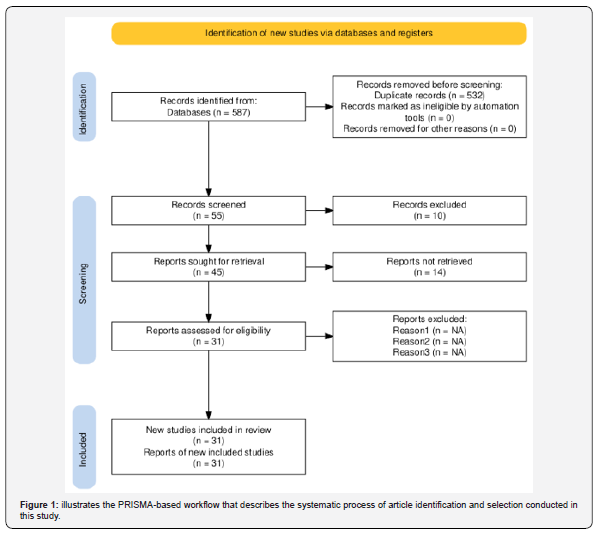
Figure 1 illustrates the PRISMA-based workflow that describes the systematic process of article identification and selection conducted in this study. The literature search was performed using the Scopus database to ensure the inclusion of internationally recognized and high-quality scientific publications. During the identification stage, the initial search using the keyword combination “oil palm” AND “climate change” generated 587 records, representing a broad collection of studies associated with climate-related issues in the oil palm sector. To improve thematic precision and align the dataset more closely with the objectives of the review, a more targeted Boolean search strategy was subsequently applied using the following combination: (“oil palm” OR “oil palm smallholder” OR “oil palm farmer”) AND (“climate change adaptation” OR “adaptation strategy” OR resilience) AND (climate change OR sustainability). Through this refinement process, 532 articles were excluded due to insufficient relevance to the specific focus of climate change adaptation strategies among oil palm smallholders, resulting in 55 articles progressing to the screening phase.
A publication timeframe restriction covering the period from 2019 to 2026 was then introduced to ensure that the review captures recent scientific developments and contemporary adaptation discussions within the oil palm sector. This stage resulted in the exclusion of 10 articles published outside the defined timeframe, leaving 45 articles eligible for further assessment. During the eligibility stage, an accessibility criterion was implemented by limiting the dataset to articles available through open access and open archive platforms, thereby ensuring full-text availability and facilitating comprehensive analytical evaluation. Consequently, 14 articles were excluded because they did not satisfy the accessibility requirements. Following the completion of all screening and eligibility procedures, a final total of 31 articles fulfilled the inclusion criteria and were selected for qualitative synthesis. All references were systematically organized and managed using Mendeley Desktop to maintain citation consistency, reference traceability, and accuracy throughout the review process. The structured article selection pathway presented in the PRISMA diagram demonstrates a methodologically coherent and transparent process for identifying relevant literature, thereby strengthening the reliability and analytical rigor of this review concerning climate change adaptation strategies within oil palm smallholder systems.
Results
The synthesis of 31 eligible studies derived from the PRISMA-guided selection process reveals several recurring and analytically robust themes concerning climate change adaptation strategies among oil palm smallholders across diverse geographical contexts, including Southeast Asia, Latin America, and parts of Africa. These themes include: (1) climate-smart agricultural practices and farm management adaptation, (2) diversification strategies for income and livelihood resilience, (3) technological adoption and digital support systems, (4) institutional assistance and policy intervention, (5) socioeconomic and financial barriers to adaptation, and (6) sustainability-oriented resilience pathways among oil palm smallholders. Across the included literature, the evidence base is predominantly derived from empirical field-based studies and mixed-method approaches examining agronomic practices, institutional arrangements, and household-level adaptation strategies.
A structured thematic assessment further indicates that the literature is unevenly distributed across these domains. The most frequently addressed theme is institutional assistance and policy intervention, reported in approximately 81% of studies, followed by climate-smart agricultural practices and farm management adaptation (≈74%), and sustainability-oriented resilience pathways (≈72%). Socioeconomic and financial barriers to adaptation are discussed in approximately 67% of studies, while diversification strategies for income and livelihood resilience account for around 58%. In contrast, technological adoption and digital support systems represent the least explored domain, accounting for approximately 46% of the included studies.
The predominance of institutional and agronomic themes reflects the central role of governance structures, extension systems, and direct farm-level management practices in shaping adaptation outcomes within oil palm smallholder systems. These dimensions are more extensively studied due to their policy relevance, measurable implementation outcomes, and strong linkage to existing rural development and agricultural extension frameworks. Similarly, the relatively high attention to sustainability-oriented resilience pathways indicates an increasing scholarly emphasis on long-term transformation of smallholder production systems under climate variability. In contrast, the lower proportion of studies addressing technological adoption and digital support systems suggests that digital agriculture remains an emerging research frontier, constrained by infrastructural limitations, uneven digital literacy, and limited integration into mainstream adaptation strategies.
Collectively, these thematic patterns indicate that climate change adaptation among oil palm smallholders is increasingly conceptualized as a multidimensional and interconnected process involving farm-level agronomic adjustments, livelihood diversification, technological innovation, institutional governance, socioeconomic constraints, and sustainability-oriented transformation pathways. The following sections elaborate each thematic domain with detailed synthesis and cross-study interpretation.
Climate-Smart Agricultural Practices and Farm Management Adaptation
The most frequently discussed adaptation theme identified in the reviewed literature concerned the implementation of climate-smart agricultural practices at the farm level. Approximately 74% of the selected studies reported that oil palm smallholders increasingly adopted adaptive cultivation strategies to reduce productivity losses associated with irregular rainfall, prolonged droughts, flooding events, and temperature fluctuations. Several studies documented that adaptive farm management practices contributed not only to production stability but also to improved resource efficiency and long-term plantation resilience.
Water management practices represented one of the most dominant adaptation measures across the reviewed studies. Smallholders in Indonesia and Malaysia increasingly implemented drainage improvement systems, rainwater harvesting, and soil moisture conservation techniques to mitigate rainfall variability and drought-related stress. In peatland areas, water table regulation emerged as an important strategy to maintain plantation productivity during dry seasons while simultaneously reducing environmental vulnerability [30]. One study reported that adaptive water management interventions were associated with productivity stabilization ranging between 8% and 15% during periods of climate irregularity compared with non-adaptive farms.
The use of organic mulching, cover crops, and integrated soil management also appeared consistently throughout the reviewed literature. Approximately 61% of studies indicated that smallholders adopting soil conservation practices experienced improved nutrient retention and reduced surface evaporation during prolonged dry periods [31]. In several production regions, the integration of leguminous cover crops contributed to reduced erosion rates and improved soil organic matter content, particularly in sloping plantation landscapes [32]. Furthermore, adaptive pruning schedules and modified harvesting intervals were reported as practical responses to shifting rainfall patterns that affected fruit maturation cycles.
Several articles additionally highlighted the increasing relevance of climate-resilient planting materials. The adoption of drought-tolerant or higher-yield oil palm varieties was identified as a medium- to long-term adaptation strategy intended to improve resilience against climatic variability [33]. Although adoption rates remained uneven across regions, studies suggested that access to improved seedlings could increase fresh fruit bunch productivity by approximately 12–20% under moderate climate stress conditions [34]. The reviewed literature generally positioned these adaptive cultivation measures as part of broader sustainability-oriented intensification strategies rather than as isolated technical interventions.
Diversification Strategies for Income and Livelihood Resilience
Another major theme emerging from the systematic review involved livelihood diversification strategies implemented by oil palm smallholders to reduce economic vulnerability associated with climate uncertainty. Approximately 58% of reviewed studies emphasized that income diversification served as an important buffer against fluctuating yields, unstable market conditions, and weather-related production disturbances. Rather than relying exclusively on oil palm cultivation, many smallholders adopted complementary agricultural or non-agricultural activities to strengthen household resilience.
Intercropping practices represented one of the most widely discussed diversification approaches. Several studies documented the integration of food crops, vegetables, bananas, pineapples, and livestock systems within or around oil palm plantations to improve household income stability [35]. In some regions, integrated farming systems reportedly contributed between 15% and 35% of total household income during periods of reduced palm productivity [36]. Livelihood diversification was also associated with improved food security outcomes among rural households experiencing prolonged climate-related disruptions [37].
Off-farm income generation emerged as another adaptation pathway identified in the literature. Smallholders increasingly engaged in secondary economic activities such as transportation services, local trading, agricultural labor exchange, and small-scale entrepreneurship to compensate for income instability caused by changing climatic conditions [38]. Several studies suggested that households with diversified income sources demonstrated stronger adaptive capacity and lower vulnerability indices compared with households solely dependent on oil palm production [39]. The literature generally interpreted diversification not as a replacement for oil palm cultivation, but rather as a complementary resilience mechanism supporting long-term livelihood sustainability.
Technological Adoption and Digital Support Systems
The review also revealed increasing attention toward technological adaptation and digital support systems within oil palm smallholder communities. Approximately 46% of reviewed articles discussed the growing role of information technology, climate forecasting tools, and digital agricultural services in supporting adaptive decision-making processes [40]. The expansion of mobile communication technologies was particularly important in improving farmers’ access to climate information, market updates, and agricultural extension services.
Several studies reported that mobile-based weather forecasting applications assisted smallholders in adjusting fertilizer schedules, harvesting periods, and irrigation practices according to seasonal climate patterns [41]. In Indonesia and Malaysia, digital extension platforms contributed to increased dissemination of adaptive farming knowledge among rural producer groups [42]. One study estimated that smallholders utilizing digital climate advisory services experienced approximately 9% lower yield losses during extreme rainfall periods compared with farmers lacking access to such information systems [43].
Remote sensing and precision agriculture technologies were also discussed in several recent publications. Although adoption remained relatively limited among independent smallholders due to financial constraints, pilot initiatives demonstrated positive outcomes related to pest monitoring, soil management, and plantation health assessment [44]. The literature suggested that technological innovation could play an increasingly important role in strengthening adaptive capacity, particularly when supported through collaborative institutional frameworks and accessible training programs.
Institutional Assistance and Policy Intervention
Institutional support emerged as one of the strongest determinants influencing adaptation effectiveness among oil palm smallholders. Approximately 81% of the reviewed studies highlighted the importance of government programs, extension services, farmer organizations, and sustainability certification initiatives in facilitating climate adaptation processes [45]. The literature consistently indicated that adaptation outcomes were significantly influenced by access to institutional resources and policy support mechanisms.
Agricultural extension services were widely recognized as a critical channel for disseminating adaptive farming practices and climate-related knowledge. Several studies found that smallholders participating in extension programs demonstrated higher awareness of climate risks and greater adoption of adaptive cultivation techniques [46]. In certain regions, extension-supported farmers recorded productivity improvements ranging from 10% to 18% compared with non-participating producers during climate variability periods [47].
Farmer cooperatives and producer associations also contributed substantially to adaptation capacity. Membership in collective organizations facilitated access to shared information, input subsidies, financial assistance, and sustainability training programs [48]. Some studies additionally highlighted the role of sustainability certification frameworks in encouraging improved farm management practices and environmental awareness among smallholders [49]. Rather than functioning solely as market instruments, certification initiatives were increasingly discussed as institutional mechanisms supporting adaptive resilience and production sustainability under changing climate conditions [50].
Financial support policies, including subsidized credit schemes and replanting assistance programs, were also identified as important enabling factors. Access to financial capital significantly affected smallholders’ ability to adopt improved seedlings, irrigation systems, and adaptive technologies [51]. However, the reviewed studies noted that unequal access to institutional resources remained a persistent challenge across several producing regions.
Socioeconomic and Financial Barriers to Adaptation
Despite the increasing adoption of adaptation measures, the reviewed literature identified numerous socioeconomic constraints limiting the effectiveness and scalability of climate adaptation strategies among oil palm smallholders. Approximately 67% of reviewed studies reported that financial limitations represented the most significant barrier affecting adaptive capacity [52]. Smallholders with limited capital resources often faced difficulties in accessing improved technologies, quality planting materials, and infrastructure investments required for long-term adaptation.
Low educational attainment and restricted access to technical information were also repeatedly identified as important challenges. Several studies reported that adaptation awareness levels varied substantially according to education, training exposure, and institutional engagement [53]. In some regions, insufficient climate literacy contributed to delayed adoption of adaptive farming practices despite increasing exposure to climate-related risks [54].
Land tenure insecurity additionally emerged as a structural issue affecting adaptation investment decisions. Farmers operating under uncertain land ownership conditions were generally less willing to undertake long-term adaptive improvements such as replanting programs or infrastructure development [55]. Market volatility and fluctuating fresh fruit bunch prices further complicated adaptation planning, particularly for independent smallholders with limited financial reserves [56]. Nonetheless, several studies emphasized that strengthening institutional accessibility and targeted policy support could substantially reduce these adaptation constraints over time.
Sustainability-Oriented Resilience Pathways
The final major theme identified in the systematic review concerned the growing integration between climate adaptation and broader sustainability-oriented resilience pathways within oil palm smallholder systems. Approximately 72% of the reviewed studies discussed adaptation not only as a short-term response to climatic disturbances, but also as part of longer-term sustainability transitions within rural agricultural landscapes [57].
Several articles highlighted the increasing alignment between adaptive farming practices and sustainable agricultural management principles, including improved resource efficiency, reduced land degradation, biodiversity conservation, and enhanced livelihood stability [58]. Agroforestry integration, mixed-cropping systems, and environmentally adaptive soil management practices were frequently described as approaches capable of simultaneously supporting resilience and productivity objectives [59].
The reviewed literature also emphasized that oil palm smallholders remain important actors within broader rural economic systems and regional agricultural development pathways. Consequently, strengthening adaptive capacity was consistently associated with efforts to maintain production continuity, improve household welfare, and support sustainable agricultural transformation under evolving climate conditions [60]. Several studies concluded that adaptation effectiveness depends not only on technical interventions, but also on collaborative interactions involving governments, research institutions, financial actors, and farming communities.
Overall, the synthesis of 31 selected studies demonstrates that climate change adaptation within oil palm smallholder systems is increasingly characterized by multidimensional and interconnected strategies involving farm management innovation, livelihood diversification, technological advancement, institutional support, and sustainability-oriented resilience building. Although adaptation capacities remain uneven across regions and socioeconomic contexts, the reviewed literature collectively indicates that adaptive responses among oil palm smallholders continue to evolve in response to changing environmental and economic conditions, contributing to the long-term stability and sustainability of the sector.
Discussion
This systematic literature review synthesizes findings from 31 peer-reviewed studies to address two research questions concerning climate change adaptation strategies among oil palm smallholders and the factors influencing adaptive capacity and resilience. The discussion is structured around the dominant adaptation strategies identified in the literature and the institutional, technological, and socioeconomic determinants that shape their implementation across different geographical contexts. Overall, the synthesis indicates that climate change adaptation within oil palm smallholder systems is multidimensional, integrating agronomic practices, livelihood strategies, institutional mechanisms, and emerging technological innovations that collectively contribute to resilience building under climate variability conditions.
Dominant Climate Change Adaptation Strategies among Oil Palm Smallholders (RQ1)
The findings indicate that oil palm smallholders employ a diverse range of climate change adaptation strategies, which can be broadly categorized into agronomic adaptation, livelihood diversification, technological adoption, and sustainability-oriented land management practices. Among these, agronomic adaptation strategies emerge as the most frequently reported approach across geographical contexts, particularly in Southeast Asia where oil palm cultivation is highly concentrated [61,62].
Agronomic adaptation practices include water management interventions, soil conservation techniques, and modified plantation maintenance systems designed to reduce vulnerability to rainfall variability and temperature fluctuations. Water management strategies such as drainage improvement, rainwater harvesting, and controlled irrigation are consistently highlighted as critical mechanisms for maintaining soil moisture balance and minimizing drought-related productivity losses [63]. Several studies report that such practices contribute to yield stabilization during periods of climatic stress, particularly in areas experiencing irregular precipitation patterns. Soil conservation practices, including mulching, cover cropping, and organic matter enhancement, are also widely adopted to improve soil fertility and reduce erosion risks, thereby strengthening long-term plantation productivity [64].
In addition to agronomic strategies, livelihood diversification emerges as a significant adaptation pathway among oil palm smallholders. Diversification strategies typically include intercropping, livestock integration, and engagement in non-farm income-generating activities. These strategies function as financial buffers that reduce household vulnerability during periods of reduced oil palm productivity caused by climatic variability. In several contexts, diversified income sources contribute significantly to household income stability, particularly among smallholders with limited access to formal financial support systems [65]. This indicates that adaptation is not solely an agricultural response but also a broader socioeconomic strategy aimed at sustaining household resilience.
Technological adaptation is another increasingly important strategy identified in the literature. The adoption of digital agricultural tools, mobile-based climate information systems, and precision farming technologies is gradually enhancing smallholders’ ability to respond to climate variability. Access to real-time weather information enables farmers to adjust planting schedules, fertilizer application, and harvesting activities more effectively [66]. However, the adoption of such technologies remains uneven across regions due to disparities in infrastructure, digital literacy, and financial accessibility. Despite these limitations, the literature suggests that technological adoption has strong potential to enhance adaptive efficiency when combined with institutional support mechanisms [67].
Sustainability-oriented land management practices also represent an emerging adaptation strategy within oil palm smallholder systems. These practices include agroforestry integration, sustainable replanting approaches, and environmentally conscious nutrient management systems designed to maintain long-term ecosystem functionality while supporting productivity [68]. Such strategies reflect a gradual shift from reactive adaptation toward more transformative and sustainability-oriented agricultural practices. Collectively, these findings demonstrate that adaptation strategies are increasingly interconnected rather than isolated, forming integrated resilience systems within smallholder production landscapes [69,70].
Importantly, the dominance of specific adaptation strategies varies across geographical and socioeconomic contexts. In Southeast Asia, adaptation tends to focus on agronomic intensification and technological adoption, while in African and Latin American contexts, livelihood diversification and institutional support mechanisms play a more dominant role. These variations indicate that adaptation pathways are highly context-specific and influenced by resource availability, institutional capacity, and market integration levels [71].
Institutional, Technological, and Socioeconomic Influences on Adaptive Capacity (RQ2)
The second research question explores how institutional, technological, and socioeconomic factors shape adaptive capacity and sustainability-oriented resilience among oil palm smallholders. The findings consistently highlight that adaptation effectiveness is strongly determined by the interaction between these three dimensions, rather than by isolated interventions.
Institutional support emerges as a fundamental determinant of adaptive capacity. Agricultural extension services, farmer cooperatives, and government-led support programs play a crucial role in facilitating knowledge transfer, resource access, and financial assistance [72]. Extension systems contribute significantly to improving awareness of climate risks and promoting the adoption of adaptive agricultural practices among smallholders [73]. Farmer organizations also enhance collective resilience by enabling access to shared resources, improving bargaining power, and strengthening social capital networks [74]. However, disparities in institutional accessibility remain a key challenge, particularly among independent smallholders who often lack formal organizational membership.
Technological factors also significantly influence adaptive capacity. The literature indicates that access to climate information systems, digital platforms, and agricultural innovations enhances decision-making efficiency and improves responsiveness to climate variability [75]. For instance, mobile-based advisory systems enable smallholders to optimize agricultural input use and adjust management practices based on seasonal forecasts. Nevertheless, technological adoption is constrained by infrastructural limitations, affordability issues, and uneven digital literacy levels across rural communities [76]. This digital divide contributes to unequal adaptive capacities among smallholder groups and limits the scalability of technological solutions in some regions.
Socioeconomic factors represent another critical dimension influencing adaptation outcomes. Income level, education, land tenure security, and access to credit are consistently identified as key determinants of adaptive capacity [77]. Smallholders with higher income stability and secure land ownership are more likely to invest in long-term adaptation measures such as replanting, irrigation systems, and soil improvement practices. Conversely, those facing financial constraints often prioritize short-term survival strategies over long-term resilience investments. Education and access to training also play an important role in shaping farmers’ ability to understand and implement climate adaptation strategies effectively [78].
The interaction between institutional, technological, and socioeconomic factors creates a complex adaptive landscape within oil palm smallholder systems. Studies indicate that when these dimensions are mutually reinforcing, adaptive capacity increases significantly, leading to more sustainable and resilient production systems [79]. Conversely, weaknesses in any of these dimensions can limit the effectiveness of adaptation strategies, even when agronomic practices are available [80]. This highlights the importance of integrated policy approaches that simultaneously address institutional strengthening, technological accessibility, and socioeconomic equity.
The findings of this systematic literature review have several important implications for policy development, agricultural governance, and sustainability planning within oil palm smallholder systems. First, the results highlight the need for integrated adaptation frameworks that combine agronomic, technological, and institutional strategies rather than relying on single-dimensional interventions. Policymakers should prioritize coordinated approaches that strengthen extension systems, improve access to digital agricultural technologies, and enhance financial inclusion for smallholders.
Second, the study emphasizes the importance of context-specific adaptation strategies. Given the variation in adaptation pathways across geographical and socioeconomic contexts, policy interventions should be tailored to local conditions rather than adopting uniform approaches. This includes recognizing differences between independent and scheme smallholders, as well as variations in institutional capacity across regions.
Third, the findings suggest that strengthening institutional networks and farmer organizations can significantly enhance adaptive capacity. Investments in cooperative systems, extension services, and training programs are essential for improving knowledge dissemination and supporting sustainable agricultural transformation.
Future research should focus on longitudinal studies that examine the long-term effectiveness of adaptation strategies in oil palm smallholder systems under evolving climate conditions. In addition, more comparative studies across different producing regions are needed to better understand contextual variations in adaptation pathways. Further research is also recommended to explore the role of digital transformation in enhancing climate resilience, particularly in relation to reducing inequalities in technological access among smallholders. Finally, future studies should integrate interdisciplinary approaches that combine environmental science, economics, and social studies to develop more comprehensive frameworks for understanding adaptation dynamics in agricultural systems.
Conclusion
The systematic synthesis of 31 peer-reviewed studies on climate change adaptation in oil palm smallholder systems reveals that adaptation practices are increasingly diverse, context-dependent, and multidimensional across producing regions. The literature consistently shows that smallholders implement a combination of agronomic, socioeconomic, technological, and sustainability-oriented strategies to respond to climate variability, particularly in relation to changes in rainfall patterns, temperature fluctuations, and water availability. Agronomic practices such as water management, soil conservation, and adaptive plantation maintenance remain the most widely reported strategies, reflecting their direct applicability in stabilizing production under climatic stress conditions.
Across geographical contexts, adaptation strategies vary according to resource availability, institutional structures, and socioeconomic conditions. In Southeast Asian regions, adaptation is predominantly characterized by agronomic intensification and gradual adoption of digital agricultural tools, while in other producing regions, livelihood diversification and institutional engagement play a more prominent role in strengthening resilience. These variations demonstrate that climate change adaptation among oil palm smallholders is not uniform but shaped by local environmental and socioeconomic realities.
The synthesis further indicates that institutional support systems, including agricultural extension services, farmer cooperatives, and policy-driven programs, play a critical role in facilitating adaptive capacity. Smallholders with stronger institutional linkages tend to demonstrate higher levels of awareness and adoption of climate-resilient practices compared to those operating independently. In parallel, access to technological innovations such as mobile-based climate information systems and digital advisory platforms contributes to improved decision-making processes and operational efficiency in farm management activities.
Socioeconomic conditions, particularly income stability, education level, land tenure security, and access to financial resources, significantly influence the ability of smallholders to implement long-term adaptation strategies. Households with stronger economic and institutional support are more likely to invest in productivity-enhancing and resilience-building measures, whereas resource-constrained farmers often rely on short-term coping mechanisms. The interaction between institutional, technological, and socioeconomic dimensions creates differentiated adaptive capacities across smallholder populations, highlighting structural inequalities in access to adaptation resources.
Overall, climate change adaptation in oil palm smallholder systems is characterized by an integrated but uneven process, where multiple strategies operate simultaneously within varying contextual conditions. While significant progress in adaptive practices has been documented, disparities in implementation capacity remain evident across regions and farmer groups. Strengthening institutional coordination, improving access to climate information technologies, and enhancing socioeconomic support systems are therefore essential components in supporting more balanced and sustainable adaptation outcomes in the future.
References
- Lupascu M, Taillardat P, Sasmito SD, Agus F, Mudiyarso D, et al. (2023) Climate-smart peatland management and the potential for synergies between food security and climate change objectives in Indonesia. Glob Environ Chang 82: 102731.
- Lopes MAHDR (2026) Impacts of the 2022 La Niña on oil palm productivity in the Amazon: agrometeorological analysis and sustainability implications. Rev Bras Meio Ambient 14(2): 71-101.
- Arieftiara D, Hasan MF, and Nofrian F (2025) Agriculture, Food Security and Sustainability in Indonesia. Sustainable Development Goals Series Part F5017: 69-91.
- Pandey MK, Mallikarjuna MG, Lohithaswa HC, Aski MS, and Gupta S (2025) Introduction: Breeding Climate-Resilient and Future Ready Oilseed Crops. Breeding Climate Resilient and Future Ready Oilseed Crops, pp. 1-6.
- Stewart IT, Morales AB, Maurer EP, Li Q, Díaz RS, et al. (2026) Challenges and opportunities in building community-driven adaptive capacity under climate change for smallholder farmers in the Global South. Int J Clim Chang Strateg Manag 18(1): 20-41.
- Abubakar A, Gambo J, and Ishak MY (2023) Navigating climate challenges: Unraveling the effects of climate change on oil palm cultivation and adaptation strategies. Advances in Food Security and Sustainability 8: 95-116.
- Sarkar MSK, Begum RA, and Pereira JJ (2020) Impacts of climate change on oil palm production in Malaysia. Environ Sci Pollut Res 27(9): 9760-9770.
- Shole T, Ayele A, and Geddafa T (2026) Community awareness, perceived impacts and local adaptation strategies toward climate change in Liben Chukala District, Ethiopia. Int J Clim Chang Strateg Manag 18(3): 1-26.
- Go YH, Tan YL, and Yiew TH (2024) Sensitivity of oil palm yield in Indonesia to climate change: evidence from threshold cointegration models. Environ Dev Sustain.
- Giresse P, Maley J, and Chepstow-Lusty A (2020) A focus on the last 1000 years of natural environmental changes in the tropical rainforests of West and Central Africa. Can we detect anthropogenic disturbances? Glob Planet Change 220: 103995.
- Goh CS and Lee SHJT (2021) Transforming exploitative land-based economy to reduce terrestrial carbon stock loss: The case of kalimantan, Indonesia. Springer Climate, pp. 229-245.
- Mulyasari G, Yuristia R, and Prawito P (2020) Determinants of Farmers’ Perception on Causes, Impacts, and Uncertainty to Climate Variability in Food Storage Areas in Bengkulu Province, Indonesia. Agric Econ Rev 21(2): 1-17.
- Ayinla RA, Alao O, Adesoji S, Ayinla RA, and Olawuyi SO (2024) Perceived Effects of Climate Change on Farm Income: Insights from Smallholder Arable Crops Farmers in South-west Nigeria. Yuz Yil Univ J Agric Sci 34(4): 608-620.
- Hassan BA and Knight J (2023) Adaptation to Climate Change and Variability by Farming Households in North-Central Nigeria. Sustain 15(23).
- Deressa TC, Chalchissa FB, and Gemeda DO (2026) Teff farmers’ climate change perception, adaptation strategies and their determinants and constraints in Horro Guduru Wallaga Zone, Ethiopia. Discov Environ 4(1).
- Wani SH, Thakur AK, and Khan YJ (2020) Brassica Improvement: Molecular, Genetics and Genomic Perspectives. Brassica Improvement: Molecular, Genetics and Genomic Perspectives, Springer International Publishing, p. 253.
- Chatsiwa J (2025) Vulnerability to Climate Variability of Smallholder Farmers in Gutu District, Zimbabwe: A Pro-Poor Asset Adaptation Approach. J Asian Afr Stud 60(8): 5289-5309.
- Gautam DK and Bajracharya RM (2020) Diversified agroforestry systems for livelihood security, sustainability and climate resilience of smallholder farms in the Himalaya. Sustainable Natural Resource Management in the Himalayan Region: Livelihood and Climate Change, pp. 29-40.
- Abrams J, Pischke EC, Mesa-Jurado MA, Eastmond A, Silva CA, et al. (2019) Between Environmental Change and Neoliberalism: The Effects of Oil Palm Production on Livelihood Resilience. Soc Nat Resour 32(5): 548-565.
- Okoro SU, Schickhoff U, Boehner J, Schneider UA, and Huth NI (2017) Climate impacts on palm oil yields in the Nigerian Niger Delta. Eur J Agron 85: 38-50.
- Barron J, Skyllerstedt S, Giordano M, and Adimassu Z (2021) Building Climate Resilience in Rainfed Landscapes Needs More Than Good Will. Front Clim 3.
- Dapilah F (2023) Contract farming and smallholder farmers’ resilience to climate change and variability in northern Ghana. Reg Environ Chang 23(4).
- Gebeyehu LA (2024) Factors Affecting Adoption of Climate Change and Variability Adaptation Strategies on Smallholder Farmers: Evidence from Senan District, Northwest Ethiopia. Ethiop Renaiss J Soc Sci Humanit 11(2): 132-150.
- Amosah J, Lukman T, Yabepone P, and Aniah P (2026) Mapping farmers’ perceptions of climate risks and adaptive vulnerability in semi-arid Ghana. Discov Environ 4(1).
- Olwig MF, Bosselmann AS, and Owusu K (2023) Agroforestry as climate change adaptation: The case of cocoa farming in Ghana.
- Siririka NAT, Charamba V, Mupangwa J, Shipandeni MNT, and Kahumba A (2025) Climate change adaptation strategies among smallholder livestock farmers in Namibia’s Omaheke Region, Namibia. Discov Sustain 6(1).
- Dalle D, Gecho Y, and Bedeke SB (2026) Drivers and barriers of climate change adaptation among smallholder farmers in the Wolaita Zone, Southern Ethiopia. Discov Sustain 7(1).
- Dassir M, Samuel AP, Usman A, and Nadirah S (2021) Resilience Level of Highland and Smallholder Farmers in Developing Various Coping-Based Agroforestry in the Upstream Minraleng Sub-Watershed, Maros District. IOP Conference Series: Earth and Environmental Science.
- Omer MA, Muhumed SM, Mohamed AJ, and Ahmed ME (2025) Perceptions of climate variability, adaptation strategies, and their determinants among smallholder farmers in the Gabiley Region, Somaliland. Discov Sustain 6(1).
- Hazlewood JA (2023) Be(y)on(d) the map: Collaboratively activating Geographies of (De)CO2loniality/H2Ope in the Ecuadorian Chocó borderlands1. Environ Plan E Nat Sp 6(3): 1463-1500.
- Songsom V, Puangkaew N, and Kulsoontornrat J (2026) The Impact of Land Use and Land Cover Changes on Carbon Storage and Sequestration in Coastal Ecosystems and Along the Elevation Using InVEST Model and Google Earth Engine Platform. Int J Geoinformatics 22(3): 117-137.
- Abubakar A, Ishak MY, and Makmom AA (2021) Impacts of and adaptation to climate change on the oil palm in Malaysia: a systematic review. Environ Sci Pollut Res 28(39): 54339-54361.
- Azeez AA, et al. (2023) Thermal Tolerance Data and Molecular Identification Are Useful for the Diagnosis, Control and Modeling of Diseases Caused by Thielaviopsis paradoxa. Pathogens 12(5).
- Widayati A, Louman B, Mulyoutami E, Purwanto E, Kusters K, et al. (2021) Communities’ adaptation and vulnerability to climate change: Implications for achieving a climate-smart landscape. Land 10(8).
- Ernah E and Wulandari E (2026) Factors Influencing the Adaptation Climate Change and Technology Transformation among Indonesian Oil Palm Farmers: A Review. BIO Web of Conferences.
- Yamamoto EMS, Sayama T, and Yamamoto K (2021) Mapping of Mature and Young Oil Palm Distributions in a Humid Tropical River Basin for Flood Vulnerability Assessment. IOP Conference Series: Earth and Environmental Science.
- Safitri L, Galdos MV, Pradiko I, Comber A, and Challinor A (2026) Assessing climate-smartness of agronomic practices in oil palm production under changing climate conditions. Eur J Agron 174.
- Irawan A and Syakir M (2019) Determinants of oil palm smallholder farmers’ adaptation strategy to climate change in Bengkulu, Indonesia. Rev Econ e Sociol Rural 57(3): 428-440.
- Putranto AW, Nazmi Burhan AH, Masruchin N, Nafi'ah RF, Wibisono Y, et al. (2025) The role of deep eutectic solvent recycling on crystalline nanocellulose production from oil palm empty fruit bunch: A techno-economic viability and life cycle assessment study. Biomass and Bioenergy 203.
- Purwadi R, Adisasmito S, Pramudita D, and Indarto A (2023) Strategies for Restoration and Utilization of Degraded Lands for Sustainable Oil Palm Plantation and Industry. Agroecological Approaches for Sustainable Soil Management pp. 373-408.
- Mukhlis M, Daniswara N, Abdillah A, and Sofiaturrohmah S (2025) The Intersectional Lens: Unpacking the Socio-Ecological Impacts of Oil Palm Expansion in Rural Indonesia. Sustain 17(23).
- Sereenonchai S and Arunrat N (2019) Fishers’ decisions to adopt adaptation strategies and expectations for their children to pursue the same profession in Chumphon Province, Thailand. Climate 7(2).
- Abubakar A, Kasim S, Ishak MY, and Uddin MK (2025) Oil Palm in the Face of Climate Change: The Role of Extension Services in Malaysia. Res World Agric Econ 6(2): 446-466.
- Sousa EC and Raizada MN (2020) Contributions of African Crops to American Culture and Beyond: The Slave Trade and Other Journeys of Resilient Peoples and Crops. Front Sustain Food Syst 4.
- Rival A, Ancrenaz M, Lackman I, Shafiq M, Roda JM, et al. (2022) Innovative agroforestry designs for tropical plantation landscapes – the TRAILS project. Acta Horticulturae pp. 109-115.
- Bauld J, Lehmann D, Bussière LF, Bush ER, Dimoto E, et al. (2025) Rare Long-Term Data Reveal the Seasonal Dietary Plasticity of Mandrills (Mandrillus sphinx) in Response to Fruiting Tree Phenology. Am J Primatol 87(3).
- Tschora H and Cherubini F (2020) Co-benefits and trade-offs of agroforestry for climate change mitigation and other sustainability goals in West Africa. Glob Ecol Conserv 22.
- Wulandari R, Abas A, and Abdullah A (2025) Understanding the impact of climate change on oil palm plantation: a systematic literature review. Front Sustain Food Syst 9.
- Su H, Willaarts B, Luna-Gonzalez D, Krol MS, and Hogeboom RJ (2022) Gridded 5 arcmin datasets for simultaneously farm-size-specific and crop-specific harvested areas in 56 countries. Earth Syst Sci Data 14(9): 4397-4418.
- Rozi MF (2025) Biomass and carbon stocks of three vegetation covers in Paser Regency, East Kalimantan, Indonesia. IOP Conference Series: Earth and Environmental Science.
- Maring P (2020) The strategy of shifting cultivators in West Kalimantan in adapting to the market economy: empirical evidence behind gaps in interdisciplinary communication. J Polit Ecol 27(1): 1016-1035.
- Yuslaini N, Maulidiah S, and Harakan A (2025) Palm oil fluctuations and urban vulnerability in pursuit of sustainable industrial cities of the Global South. Front Sustain Cities 7.
- Hendrawan D, Chrisendo D, and Musshoff O (2024) Strengthening oil palm smallholder farmers’ resilience to future industrial challenges. Sci Rep 14(1): 12105.
- Li K, Tscharntke T, Saintes B, Buchori D and Grass I (2019) Critical factors limiting pollination success in oil palm: A systematic review. Agric Ecosyst Environ 280: 152-160.
- Murphy DJ, Goggin K, and Paterson RRM (2021) Oil palm in the 2020s and beyond: challenges and solutions. CABI Agric Biosci 2: 1-22.
- Tey YS and Brindal M (2024) Patent landscape review on modern oil palm climatic adaptation strategies: gaps and opportunities. J Oil Palm Res 36(4): 547-559.
- Andani A and Suryantini A (2021) Smallholding farmers’ resilience towards economic and ecological disruption of oil palm plantations. E3S Web of Conferences.
- John Martin JJ, et al. (2024) Multi-Omics Approaches in Oil Palm Research: A Comprehensive Review of Metabolomics, Proteomics, and Transcriptomics Based on Low-Temperature Stress. Int J Mol Sci 25(14).
- Wilkinson CL, Yeo DCJ, Tan HH, Hadi Fikri A, and Ewers RM (2019) Resilience of tropical, freshwater fish (Nematabramis everetti) populations to severe drought over a land-use gradient in Borneo. Environ Res Lett 14(4).
- Hamid SR, Mohd Arzaman AF, Amirul Razali M, Yasin NI, Masrom NR, et al. (2024) The deployment of the Malaysian sustainable palm oil standard in the agriculture sector. Multidiscip Sci J 6(7): 2024115.
- Gole NB, Kuris BK, and Gemeda DO (2026) Trend analysis of meteorological data and community perception of climate change in Southern Ethiopia. Discov Environ 4(1).
- Tessema I and Simane B (2019) Vulnerability analysis of smallholder farmers to climate variability and change: an agro-ecological system-based approach in the Fincha’a sub-basin of the upper Blue Nile Basin of Ethiopia. Ecol Process 8(1).
- Alhaiek SA, Nabhan A, Lakmes A, Alobaidy MG, Saleh BM, et al. (2025) Climate change and smallholder farmers in Northwest Syria: perceptions, impacts and the promise of climate-smart agriculture. Int J Clim Chang Strateg Manag 17(1): 1077-1094.
- Ghebreselassie D, Makeev V, and Kushnarenko T (2020) Vulnerability to climate change in smallholder farming households: A case study of Eritrea. E3S Web of Conferences.
- Kirui J, Nzioka JM, Ngaina J, and Gachuiri CK (2021) Spatiotemporal characteristics of smallholder milk production under changing climate: A case of Nandi County, Kenya. East African J Sci Technol Innov 3(1).
- Alvar-Beltrán J and Franceschini G (2024) Effect of future climate on crop production in Bhutan. Ital J Agrometeorol 2: 101-119.
- Naazie GK, Dakyaga F, and Derbile EK (2023) Agro-ecological intensification for climate change adaptation: tales on soil and water management practices of smallholder farmers in rural Ghana. Discov Sustain 4(1).
- Mqadi SA and Naidoo D (2025) Examining Key Factors and Supportive Interventions Influencing Smallholder Livestock Farming Performance in Umvoti Local Municipality. South African J Agric Ext 53(6): 85-113.
- Abi M, Tolossa D, Senbeta F, Terefe G, Fentaw T, et al. (2026) Enhancing smallholder farmers’ resilience to climate change through integrated farm management in Northern Ethiopia. Discov Sustain 7(1).
- Mganga KZ, Munyoki B, Bosma L, Kadenyi N, Kaindi E, et al. (2024) Pasture farming for climate change adaptation in a semi-arid dryland in Kenya: status, challenges and opportunities. Discov Sustain 5(1).
- Rapholo MT and Diko Makia L (2020) Are smallholder farmers’ perceptions of climate variability supported by climatological evidence? Case study of a semi-arid region in South Africa. Int J Clim Chang Strateg Manag 12(5): 571-585.
- Gabriel I, Olajuwon F, Klauser D, Michael B, and Renn M (2023) State of climate smart agriculture (CSA) practices in the North Central and Northwest zones Nigeria. CABI Agric Biosci 4(1).
- Beauchamp E, Moskeland A, Milner-Gulland EJ, Hirons M, Ruli B, et al. (2019) The role of quantitative cross-case analysis in understanding tropical smallholder farmers’ adaptive capacity to climate shocks. Environ Res Lett 14(12).
- Popoola OO, Monde N, and Yusuf SFG (2018) Perceptions of climate change impacts and adaptation measures used by crop smallholder farmers in Amathole district municipality, Eastern Cape province, South Africa. GeoJournal 83(6): 1205-1221.
- Mantey V, Bosch C, Birner R, Birkenberg A, Boateng CN, et al. (2026) Sustainability assessment of smallholder dairy carbon farms in Kenya using the SAFA Smallholders’ tool. Discov Sustain 7(1).
- Mahama OK, Tampuli Abukari AB, Damba OT, Mponela P, Alasan Dalaa MA, et al. (2025) Drivers of use and adoption of bundled climate-smart agriculture and climate information services in Northern Ghana. Int J Clim Chang Strateg Manag 17(1): 867-889.
- Chitakira M and Ngcobo NZP (2021) Uptake of Climate Smart Agriculture in Peri-Urban Areas of South Africa’s Economic Hub Requires Up-Scaling. Front Sustain Food Syst 5.
- Lê S and Nguyen HH (2024) Livelihood Vulnerability to Climate Change of Casava Smallholders in Central Highlands of Vietnam. For Soc 8(2): 422-442.
- Xu X, Wang L, Sun M, Fu C, Bai Y, et al. (2020) Climate change vulnerability assessment for smallholder farmers in China: An extended framework. J Environ Manage 276.
- Okadi AO, Nwakile TC, Ugwuoke CU, Ali CC, Ikehi M, et al. (2026) Digital financial services, gender and climate-resilience pathways for sustainable agriculture in Nigeria. Discov Sustain 7(1).

























