




 ASM Home



Abstract
Global palm oil supply chains play an important role in supporting food systems, renewable resources, and rural economies, particularly in producing countries where smallholders contribute significantly to total production. In response to increasing global sustainability demands and the Sustainable Development Goals (SDGs), smallholder integration has become a key focus in strengthening inclusive and sustainable agricultural value chains. This study aims to analyze and synthesize recent scholarly evidence on smallholder integration in SDG-aligned palm oil supply chains and to identify dominant sustainability themes, governance mechanisms, institutional dynamics, and emerging strategies discussed in the literature. A systematic literature review (SLR) approach was applied to ensure a transparent and replicable synthesis of existing academic research. The study relied on secondary data retrieved from the Scopus database through a structured process of identification, screening, eligibility assessment, and final inclusion. A total of 41 peer-reviewed articles published between 2021 and 2026 were selected based on predefined criteria. Data collection was conducted using keyword-based searches and filtering by relevance, publication year, and accessibility. The data were analyzed using qualitative thematic synthesis to identify recurring patterns across studies. The findings indicate six dominant themes: sustainable supply chain governance, smallholder productivity and economic inclusion, certification and traceability systems, digitalization and technological adoption, institutional and policy support, and SDG-aligned sustainability contributions. The literature consistently shows that smallholder integration enhances market participation, strengthens supply chain resilience, and supports inclusive rural development, particularly in Indonesia and Malaysia. In conclusion, smallholder integration represents a multidimensional sustainability transition shaped by governance innovation, institutional support, and technological advancement. Future research should explore regional comparisons, long-term digital transformation impacts, and policy effectiveness in strengthening inclusive sustainability pathways.
Keywords:Palm Oil; Smallholders; Supply Chain; Sustainability; SDGs
Introduction
The global agricultural sector continues to experience significant transformation driven by the increasing demand for sustainable production systems, inclusive economic development, and responsible supply chain governance. Within this broader transition, agricultural commodities are increasingly evaluated not only based on productivity and trade performance but also according to their contribution toward environmental sustainability, social inclusion, and long-term economic resilience. As sustainability frameworks become more integrated into global trade and development agendas, supply chains are expected to demonstrate greater transparency, accountability, and alignment with international sustainability objectives, particularly those associated with the Sustainable Development Goals (SDGs) [1]. In recent years, sustainability-oriented governance has become an essential component in shaping global commodity markets, encouraging industries to strengthen responsible sourcing practices while simultaneously maintaining economic competitiveness and rural livelihood support.
Among globally traded agricultural commodities, palm oil occupies a strategically important position due to its multifunctional role in food systems, oleochemical industries, renewable energy production, cosmetics, and consumer goods manufacturing. The palm oil sector contributes substantially to export revenues, industrial development, and employment generation in producing countries, particularly Indonesia and Malaysia, which collectively account for more than 80% of global palm oil supply [2]. Beyond its macroeconomic contribution, the industry also plays a major role in supporting rural livelihoods through extensive smallholder participation in cultivation, harvesting, transportation, and local processing activities. In Indonesia alone, millions of households are directly or indirectly connected to oil palm-related economic activities, illustrating the sector’s significance in rural economic structures and regional development processes [3].
The increasing global emphasis on sustainability has encouraged the palm oil industry to undergo gradual transformation toward more inclusive and environmentally conscious production systems. Sustainability-oriented initiatives such as certification schemes, traceability systems, responsible sourcing mechanisms, and inclusive supply chain partnerships have become increasingly prominent within both academic and industrial discussions [4]. In this context, smallholders have emerged as central actors in the sustainability transition because they contribute a substantial proportion of total cultivated oil palm area while simultaneously representing economically vulnerable groups that require stronger institutional integration within formal supply chains. As sustainability standards become more integrated into international market requirements, the inclusion of smallholders is increasingly perceived as a critical factor in balancing economic growth, environmental governance, and social equity within the palm oil sector.
Recent scholarly discussions indicate that smallholder integration extends beyond agricultural productivity alone and increasingly involves broader dimensions of governance, financial inclusion, technological access, certification participation, and market connectivity. The integration process is frequently associated with efforts to improve rural welfare, strengthen supply chain resilience, enhance production efficiency, and support inclusive sustainability transitions within developing economies [5]. At the same time, sustainability-oriented supply chains are becoming more dependent on collaborative governance arrangements involving governments, private companies, cooperatives, certification institutions, financial actors, and local communities. These evolving dynamics have encouraged researchers to examine how inclusive participation models can contribute to long-term sustainability objectives while simultaneously maintaining economic continuity within the global palm oil industry.
Within the broader framework of sustainable development, the integration of smallholders into formalized and SDG-aligned supply chains has attracted increasing academic attention due to its potential contribution toward multiple development goals. The literature increasingly associates sustainable palm oil governance with SDG 1 (No Poverty), SDG 2 (Zero Hunger), SDG 8 (Decent Work and Economic Growth), SDG 12 (Responsible Consumption and Production), and SDG 13 (Climate Action). Through improved access to formal markets, technical support, sustainable agricultural practices, and institutional partnerships, smallholder integration is often positioned as a pathway toward strengthening economic inclusion while supporting sustainability-oriented production systems [6]. This perspective reflects an important shift within contemporary sustainability discourse, where agricultural supply chains are no longer viewed solely through production-oriented frameworks, but also through their capacity to generate balanced social, environmental, and economic outcomes.
Despite the growing volume of research discussing sustainability within the palm oil sector, existing studies remain fragmented across different disciplinary perspectives and thematic focuses. Some studies primarily emphasize certification and traceability systems, while others focus on governance structures, technological adoption, rural livelihoods, or environmental performance. As a result, there remains a limited integrative understanding regarding how recent academic literature collectively conceptualizes smallholder integration within SDG-aligned palm oil supply chains. Furthermore, many existing discussions tend to examine sustainability dimensions separately rather than synthesizing the interconnections between governance mechanisms, productivity improvement, digitalization, institutional support, and inclusive development pathways [7]. This fragmentation creates the need for a more systematic synthesis capable of identifying dominant themes, emerging patterns, and evolving scholarly perspectives concerning sustainable and inclusive palm oil supply chains.
The growing importance of sustainability-oriented trade policies and international sourcing standards has further intensified the need for more comprehensive academic synthesis. Recent developments related to responsible sourcing frameworks, environmental governance mechanisms, and transparency requirements have encouraged supply chain actors to strengthen sustainability implementation while maintaining market accessibility for smallholders. In response to these evolving conditions, academic literature increasingly explores how collaborative governance, technological innovation, and institutional support systems can facilitate more inclusive sustainability transitions within commodity supply chains [8]. However, despite the rapid expansion of sustainability-related publications, there remains a limited systematic evaluation regarding the dominant trajectories, thematic concentrations, and strategic directions emerging from recent scholarly discussions on smallholder integration in the palm oil industry.
Based on these considerations, this study adopts a Systematic Literature Review (SLR) approach to synthesize and critically evaluate recent scientific discussions concerning smallholder integration within sustainable and SDG-aligned palm oil supply chains. The study focuses exclusively on peer-reviewed scientific literature indexed in Scopus and aims to identify dominant thematic patterns, governance approaches, sustainability dimensions, and emerging research trends related to inclusive palm oil supply chain development. By systematically reviewing recent academic publications, this study seeks to provide a more comprehensive understanding of how contemporary literature frames the relationship between smallholder participation, sustainability governance, and SDG-oriented supply chain transformation within the palm oil sector.
The objective of this study is to analyze and synthesize recent scholarly evidence regarding the role of smallholder integration in supporting sustainable and inclusive palm oil supply chains aligned with the Sustainable Development Goals (SDGs). The review also aims to identify dominant sustainability themes, governance mechanisms, institutional dynamics, and emerging strategies discussed within recent academic literature concerning the future development of inclusive palm oil supply chains.
Accordingly, this study addresses the following research questions:
RQ1: How does recent scholarly literature conceptualize and
evaluate smallholder integration within sustainable and SDGaligned
palm oil supply chains?
RQ2: What dominant governance mechanisms, sustainability
strategies, and institutional approaches are identified in the
literature as supporting inclusive and long-term sustainability
transitions in the palm oil industry?
Literature Review
Recent scholarly discussions concerning sustainable palm oil supply chains increasingly emphasize the importance of inclusive governance, smallholder participation, certification systems, and SDG-oriented sustainability transitions. The literature demonstrates that sustainability within the palm oil sector is no longer examined solely through environmental perspectives, but also through broader dimensions involving economic resilience, institutional collaboration, technological innovation, and rural development. Accordingly, this literature review is organized into several major themes, including sustainable palm oil and sustainability transition, smallholder integration in supply chains, certification and governance mechanisms, SDG alignment and inclusive development, as well as digitalization and emerging sustainability strategies within the palm oil industry.
Sustainable Palm Oil and the Evolving Sustainability Transition
The global palm oil industry has increasingly become part of broader sustainability discussions associated with responsible agricultural production, environmental governance, and inclusive economic development. As one of the world’s most widely traded vegetable oils, palm oil plays a strategic role in food manufacturing, oleochemical industries, renewable energy production, and global commodity markets. The rapid expansion of sustainabilityoriented trade frameworks over the last decade has encouraged producing countries, supply chain actors, and international stakeholders to strengthen sustainability implementation across different stages of palm oil production and distribution [9]. Within this evolving landscape, sustainability is no longer interpreted solely through environmental dimensions, but also through broader considerations involving social inclusion, economic resilience, institutional governance, and long-term rural development.
Recent literature demonstrates that sustainability transitions within the palm oil sector increasingly emphasize integrated governance approaches capable of balancing productivity, market competitiveness, and sustainability performance simultaneously [10]. This shift reflects the growing influence of international sustainability standards, ESG-oriented investment frameworks, and responsible sourcing commitments within global commodity supply chains. Several studies argue that the sustainability transition within the palm oil industry is increasingly characterized by collaborative governance involving governments, private companies, certification bodies, financial institutions, and local communities. In this context, the industry is progressively moving toward more traceable, accountable, and inclusive supply chain systems that seek to accommodate both market demands and development priorities.
At the same time, scholarly discussions have increasingly acknowledged that sustainability transitions within agricultural commodity systems cannot be separated from the role of smallholders, particularly in developing economies where rural livelihoods remain closely linked to commodity-based agricultural activities [11]. The palm oil sector presents a particularly important case because smallholders account for a substantial proportion of cultivated land and contribute significantly to national production capacity in countries such as Indonesia and Malaysia. Consequently, the inclusion of smallholders within sustainable supply chain frameworks has become a major focus within contemporary sustainability literature.
Smallholder Integration in Palm Oil Supply Chains
Smallholder integration has emerged as one of the most prominent themes within recent studies on sustainable palm oil governance. Existing literature generally conceptualizes smallholder integration as the process through which independent or scheme-based farmers become connected to formalized supply chain systems characterized by structured market access, institutional support, sustainability compliance, and collaborative governance arrangements [12]. This integration process is increasingly viewed as essential for strengthening both supply chain resilience and rural economic inclusion.
Several studies indicate that smallholders contribute significantly to national palm oil production while simultaneously facing structural limitations related to financing, productivity, technical knowledge, and market accessibility [13]. These conditions have encouraged researchers to examine various integration models designed to improve smallholder participation in sustainable production systems. Partnershipbased arrangements, cooperative structures, contract farming systems, and certification-linked supply chains are among the most frequently discussed mechanisms within the literature. Such models are commonly associated with improved access to agricultural inputs, extension services, formal buyers, and sustainability-oriented training programs.
The literature also suggests that inclusive supply chain integration contributes to reducing economic vulnerability among rural farming communities. Through stronger institutional connectivity and more stable market relations, smallholders are often better positioned to manage price volatility, production uncertainty, and changing market standards. Several studies further emphasize that smallholder integration should not be interpreted solely as an economic mechanism, but also as part of a broader rural transformation process involving social inclusion, capacity building, and institutional empowerment [14]. This perspective reflects a growing recognition that longterm sustainability within commodity sectors depends not only on environmental performance but also on the equitable participation of smaller producers within global value chains.
Despite these positive developments, the literature acknowledges that integration outcomes remain uneven across regions and production systems. Independent smallholders often face greater barriers to sustainability compliance due to limited access to land legality documentation, financial resources, technical assistance, and certification procedures. As a result, several scholars argue that stronger policy coordination and institutional support are necessary to ensure that sustainability transitions remain inclusive and accessible to different categories of producers.
Certification, Traceability, and Governance Mechanisms
Certification systems have become central components within contemporary discussions concerning sustainable palm oil supply chains. Existing studies frequently examine the role of sustainability certification frameworks such as the Roundtable on Sustainable Palm Oil (RSPO) and Indonesian Sustainable Palm Oil (ISPO) in promoting responsible production practices, traceability, and market credibility [15]. Certification mechanisms are commonly viewed as instruments capable of strengthening supply chain governance while simultaneously improving international market acceptance for sustainably produced palm oil.
The literature generally identifies several benefits associated with certification participation, including enhanced farm management practices, improved record-keeping systems, greater transparency, and access to premium markets [16]. Some studies additionally suggest that certified supply chains may contribute to strengthening institutional coordination among producers, buyers, cooperatives, and regulators. These governance improvements are increasingly interpreted as important components of sustainability-oriented commodity transitions.
However, scholarly discussions also indicate that certification implementation among smallholders remains complex due to the technical and administrative requirements associated with sustainability compliance [17]. Independent smallholders, in particular, may encounter challenges related to audit procedures, documentation systems, and certification costs. In response, recent literature increasingly emphasizes the importance of collective certification schemes, cooperative-based approaches, and multi-stakeholder assistance programs designed to facilitate broader participation among rural producers.
In parallel with certification systems, traceability has emerged as another major theme within sustainable supply chain governance. The growing emphasis on transparency within global commodity markets has encouraged supply chain actors to adopt digital monitoring systems, geographic information technologies, and traceability platforms capable of improving sourcing accountability. Several studies argue that traceability systems can strengthen market confidence while simultaneously supporting more efficient monitoring of sustainability commitments. This trend reflects the increasing integration of technological innovation within agricultural governance systems.
SDG Alignment and Inclusive Development
Recent academic literature increasingly positions the palm oil sector within the broader framework of the Sustainable Development Goals (SDGs). Rather than focusing exclusively on production efficiency or trade performance, contemporary sustainability discussions frequently evaluate palm oil supply chains according to their contribution toward poverty alleviation, employment generation, responsible production systems, and climate-conscious development pathways [18]. Within this perspective, smallholder integration is often interpreted as an important mechanism for advancing inclusive development objectives.
Several studies associate sustainable palm oil governance with SDG 1 through its contribution to rural income generation and livelihood improvement. Other studies link smallholder participation to SDG 8 by emphasizing employment opportunities, local economic growth, and value chain expansion in producing regions [19]. Meanwhile, discussions concerning sustainable land management, certification systems, and traceability mechanisms are frequently connected to SDG 12 and SDG 13 due to their relevance to responsible production practices and sustainability governance.
The literature further suggests that SDG alignment within the palm oil sector increasingly depends on balancing economic continuity with sustainability-oriented transformation. Scholars generally acknowledge that the palm oil industry remains economically significant for producing countries, while simultaneously requiring continuous improvement in governance practices and supply chain inclusivity [20]. Consequently, many recent studies advocate collaborative sustainability pathways that integrate economic development objectives with environmental stewardship and social inclusion.
Importantly, the reviewed literature demonstrates a growing shift away from polarized debates toward more balanced analytical approaches. Rather than framing the palm oil industry solely through problem-oriented narratives, contemporary studies increasingly examine how institutional innovation, technological advancement, and governance reforms can contribute to more sustainable and inclusive production systems. This evolving scholarly perspective reflects the recognition that sustainability transitions within globally important commodity sectors are complex processes involving multiple stakeholders, competing priorities, and long-term structural adjustments.
Digitalization and Emerging Sustainability Strategies
Another emerging theme within the literature concerns the increasing role of digitalization and technological innovation in strengthening sustainable palm oil supply chains. Recent studies demonstrate growing academic interest in digital agriculture, precision farming, blockchain-based traceability, remote sensing technologies, and digital cooperative systems. These technologies are increasingly perceived as tools capable of improving operational efficiency, monitoring sustainability compliance, and enhancing supply chain transparency.
Several scholars argue that digital transformation may contribute to strengthening smallholder inclusion by improving access to information, financial services, agricultural extension, and market connectivity. Mobile-based advisory platforms, for example, are frequently associated with improved fertilizer management, pest monitoring, and productivity planning among rural producers [21]. Similarly, geographic information systems (GIS) and satellite monitoring technologies are increasingly utilized to improve plantation mapping, sustainability verification, and land management assessment.
The literature also indicates that digitalization contributes to the modernization of agricultural governance systems. Traceability platforms supported by blockchain technologies and digital databases are increasingly discussed as mechanisms capable of strengthening accountability and reducing information asymmetry within complex commodity supply chains [22]. In addition, several studies highlight that younger generations of farmers demonstrate higher adaptability toward digital agricultural systems, suggesting the emergence of generational transformation within rural palm oil communities.
Despite these developments, researchers also acknowledge that technological adoption remains uneven due to infrastructure limitations, digital literacy gaps, and disparities in institutional support. Consequently, recent literature increasingly emphasizes the importance of inclusive digital transition strategies that ensure technological innovation remains accessible to smallholders operating in diverse rural contexts [23]. This perspective further reinforces the broader sustainability principle that long-term agricultural transformation should prioritize not only efficiency and productivity, but also equitable participation and institutional inclusivity.
Collectively, the literature demonstrates that contemporary discussions on sustainable palm oil supply chains are becoming increasingly multidimensional, integrating governance, economic inclusion, technological innovation, certification systems, and SDG-oriented sustainability frameworks within a broader discourse on inclusive agricultural transformation.
Methodology
Adopting the PRISMA framework, this study employs a Systematic Literature Review (SLR) approach to develop a transparent, structured, and reproducible synthesis of scholarly evidence concerning smallholder integration within sustainable and SDG-aligned palm oil supply chains. The review process was specifically designed to capture recent academic discussions related to sustainability practices, inclusive supply chain governance, value chain participation, and the role of smallholders in supporting sustainable development objectives within the palm oil industry. The entire review procedure followed a sequential process consisting of identification, screening, eligibility assessment, and final inclusion, each guided by predetermined criteria including database selection, keyword formulation, publication period, and accessibility status. The study exclusively utilized secondary data derived from peer-reviewed scientific publications and did not involve primary data collection methods such as interviews, focus group discussions (FGD), surveys, or field observations, thereby maintaining methodological consistency with established SLR standards and ensuring the analytical focus remained entirely literature-based.
Figure 1 illustrates the PRISMA-guided workflow that systematically presents the progression of article selection from the initial identification stage to the final inclusion of eligible studies. The literature search was conducted through the Scopus database to ensure the inclusion of high-quality and internationally indexed scientific publications relevant to sustainability and supply chain studies. In the identification stage, the preliminary keyword combination “oil palm” AND “sustainability” generated 1,269 records, reflecting the broad scope of sustainability-related discussions within the palm oil sector. To improve the precision and thematic relevance of the dataset, a more focused Boolean search strategy was subsequently applied using the following query: (“palm oil” OR “oil palm” OR “oil palm industry”) AND (“smallholder integration” OR “oil palm smallholder” OR “smallholder farmer” OR smallholder) AND (“supply chain” OR “value chain” OR “sustainable supply chain”) AND (SDGs OR “Sustainable Development Goals” OR “sustainable development” OR sustainability OR inclusion). Through this refinement process, 1,194 articles were excluded due to insufficient relevance to the defined scope of the review, resulting in 75 articles advancing to the screening stage.
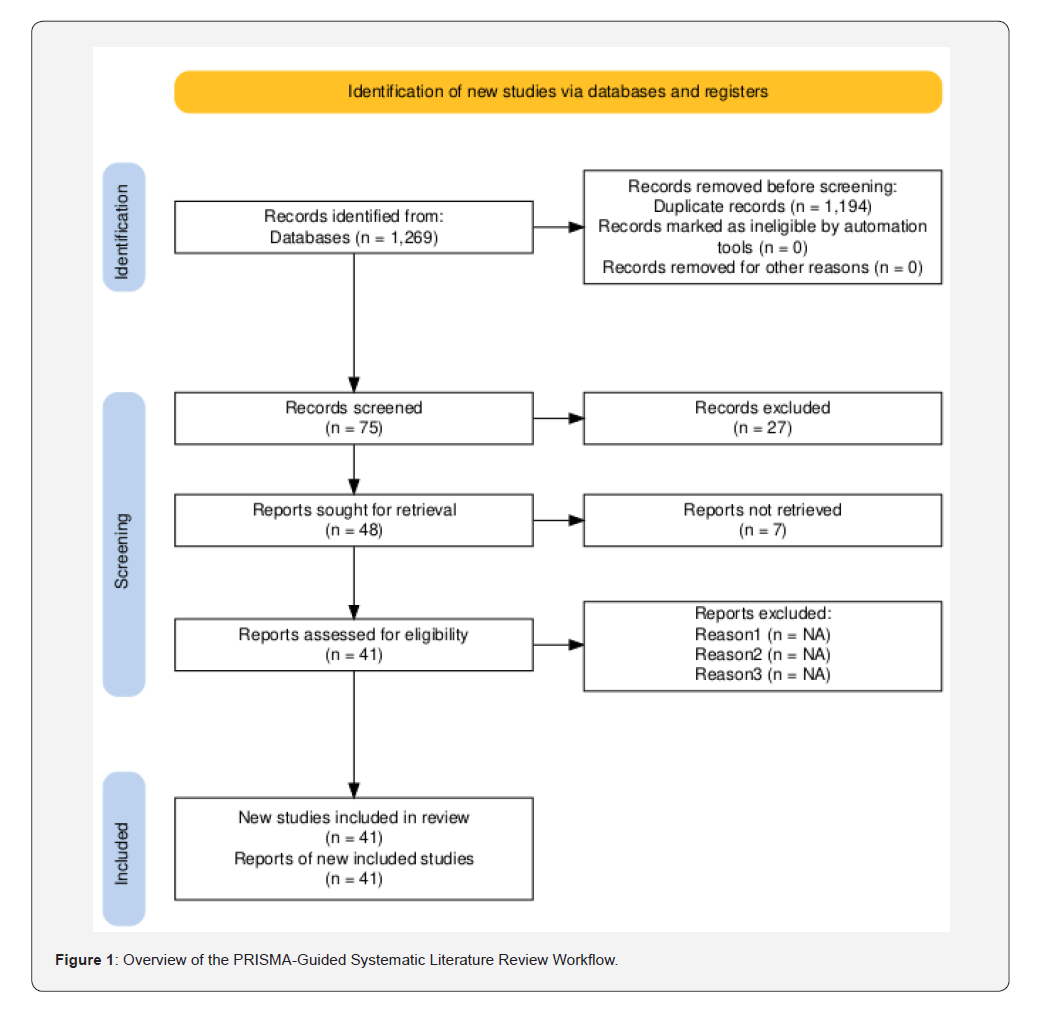
To ensure that the review captured contemporary scientific discussions and recent developments related to sustainable palm oil governance and smallholder participation, an additional publication-year restriction was applied, limiting the dataset to studies published between 2021 and 2026. This filtering stage resulted in the exclusion of 27 articles that did not satisfy the specified publication timeframe, leaving 48 articles eligible for further assessment. During the eligibility stage, an accessibility criterion was introduced by limiting the review to articles categorized as open access and open archive to facilitate fulltext evaluation and analytical transparency. Consequently, 7 articles were excluded because they did not meet the accessibility requirements. A final dataset consisting of 41 articles fulfilled all inclusion criteria and was subsequently selected for qualitative synthesis and thematic analysis. All references were systematically organized using Mendeley Desktop to ensure consistency, citation accuracy, and efficient reference management throughout the review process. The structured PRISMA-based selection pathway demonstrates methodological rigor and strengthens the reliability, transparency, and reproducibility of the review concerning sustainable and inclusive smallholder integration within SDGaligned palm oil supply chains.
Results
Employing a PRISMA-guided systematic literature review, this study analyzes 41 peer-reviewed articles published between 2019 and 2026 that examine smallholder integration within sustainable and SDG-aligned palm oil supply chains. The review identifies six major and interconnected thematic clusters: (1) sustainable supply chain governance and smallholder inclusion, (2) productivity improvement and economic sustainability, (3) certification, traceability, and sustainability standards, (4) digitalization and technological adoption, (5) institutional support and policy alignment, and (6) SDG contributions and inclusive sustainability transition frameworks.
The thematic distribution shows that sustainable supply chain governance and smallholder inclusion represent the most dominant theme, appearing in approximately 78% of the reviewed studies. This is followed by institutional support and policy alignment (≈73%), productivity improvement and economic sustainability (≈70%), certification and traceability systems (≈65%), SDG contributions and sustainability transition frameworks (≈60%), and digitalization and technological adoption (≈48%). Many studies address multiple themes simultaneously, highlighting the interconnected relationship between governance, economic inclusion, sustainability standards, and technological innovation within the palm oil sector.
The predominance of governance, institutional, and productivity-related themes reflects the continuing structural challenges faced by smallholders, particularly in Indonesia and Malaysia. These themes are widely considered essential for improving market access, sustainability compliance, and longterm supply chain integration. In contrast, digitalization and technological adoption appear less frequently because they represent relatively newer approaches within sustainable supply chain management. Similarly, certification and traceability studies often emphasize persistent barriers such as financial limitations, technical capacity, and land legality issues among independent smallholders.
Overall, the reviewed literature indicates that current research is increasingly shifting from conventional productivity-focused discussions toward more integrated sustainability frameworks that combine economic inclusion, environmental governance, technological innovation, and SDG-oriented development objectives. The following subsections provide a detailed discussion of each thematic cluster based on the synthesized findings from the reviewed studies.
Sustainable Supply Chain Governance and Smallholder Inclusion
One of the most dominant findings emerging from the reviewed literature concerns the growing importance of governance mechanisms in facilitating smallholder integration into sustainable supply chains. Approximately 78% of the selected studies discussed the role of governance structures, institutional coordination, and stakeholder collaboration in strengthening sustainability implementation among independent and scheme smallholders [24]. Several studies indicated that smallholders contribute between 35% and 45% of total oil palm cultivated areas in Indonesia, highlighting their strategic role within national and global supply systems [25]. However, the literature also emphasized that integration into formal sustainable supply chains often depends on access to institutional support, certification programs, cooperative systems, and transparent market arrangements [26].
The reviewed studies showed that partnership-based governance models were frequently associated with higher productivity stability and stronger sustainability compliance among smallholders [27,28]. In Indonesia, plasma partnership schemes were reported to improve access to agricultural inputs, extension services, and market certainty, with yield productivity increasing by approximately 15%–25% compared to isolated independent smallholder operations [29]. Several studies further reported that collaborative governance involving governments, private companies, cooperatives, and certification bodies contributed to reducing supply chain fragmentation and strengthening traceability systems [30,31]. Within SDGoriented frameworks, these governance arrangements were increasingly interpreted as mechanisms for promoting inclusive economic participation while maintaining supply continuity and sustainability commitments.
Productivity Improvement and Economic Sustainability
Another major theme identified in the SLR relates to productivity enhancement and economic sustainability among oil palm smallholders. More than 70% of the reviewed studies emphasized that productivity gaps remain a central issue affecting income stability and supply chain integration [32]. Several articles reported that average yields among independent smallholders in Southeast Asia ranged between 2 and 3 tons of crude palm oil (CPO) per hectare annually, while well-managed plantations and supported schemes could achieve productivity levels exceeding 4 to 6 tons per hectare [33]. This productivity disparity was commonly associated with differences in access to certified seedlings, fertilizer application, technical knowledge, financing, and land management practices [34].
The literature also demonstrated that replanting programs and technical assistance significantly contributed to productivity improvements. In several Indonesian provinces, replanting initiatives supported by government agencies and financial institutions reportedly increased fresh fruit bunch (FFB) productivity by more than 30% within the first production cycle after replanting [35]. Additionally, smallholders participating in organized supply chain partnerships experienced higher income consistency due to improved pricing mechanisms and reduced dependency on informal intermediaries [36].
Economic inclusion was repeatedly associated with poverty reduction and rural development outcomes. Some studies estimated that the palm oil sector directly and indirectly supports the livelihoods of more than 16 million people in Indonesia alone, including farmers, laborers, transport workers, and local service providers [37]. The reviewed literature further suggested that stable market access and improved productivity among smallholders contribute to broader rural economic multipliers, including infrastructure development, local business growth, and employment expansion.
Certification, Traceability, and Sustainability Standards
Certification and traceability systems emerged as another central theme across the selected studies. Approximately 65% of the reviewed articles examined sustainability certification mechanisms such as the Roundtable on Sustainable Palm Oil (RSPO) and Indonesian Sustainable Palm Oil (ISPO) frameworks [38]. These studies generally described certification as an important pathway for improving market access, supply chain transparency, and sustainability performance among smallholders [39]. However, the literature also acknowledged that certification adoption rates among independent smallholders remain relatively limited due to financial, technical, and administrative barriers.
Several studies reported that certified smallholders achieved better market positioning and price premiums ranging from 5% to 15% compared to uncertified producers [40]. In addition, certified production systems were frequently associated with better farm management practices, including optimized fertilizer usage, improved harvesting schedules, and more systematic recordkeeping [41]. Some studies further indicated that sustainability certification contributes to enhancing international market confidence, particularly in export-oriented supply chains serving European and global sustainability-conscious markets [42].
Traceability systems also received increasing attention in recent literature. Digital traceability technologies, satellite monitoring, and blockchain-based supply chain platforms were identified as emerging tools capable of improving transparency and accountability [43]. Several reviewed studies suggested that traceability integration helps companies monitor sourcing practices while simultaneously improving smallholder participation in formal supply networks [44]. In this context, digital traceability was often linked to SDG 12 concerning responsible production and consumption practices.
Digitalization and Technological Adoption
The SLR findings revealed a growing academic interest in the role of digitalization and technological innovation within sustainable palm oil supply chains. Nearly half of the reviewed studies published after 2023 discussed digital transformation as an emerging strategy for improving smallholder inclusion and operational efficiency [45]. Mobile applications, satellite mapping, geographic information systems (GIS), precision agriculture technologies, and digital extension platforms were frequently identified as tools supporting better farm management and supply chain coordination [46].
Several studies reported that digital advisory platforms contributed to increasing fertilizer efficiency by approximately 10%–18%, while remote sensing technologies improved plantation monitoring and yield forecasting accuracy [47]. In Malaysia and Indonesia, digital cooperative systems were also found to reduce transaction costs and improve communication between farmers, buyers, and certification agencies [48]. Some studies further highlighted that mobile-based financial services increased access to microcredit among rural smallholders, thereby facilitating investment in replanting and productivity enhancement programs [49].
Technological integration was additionally associated with generational transformation within rural palm oil communities. Younger farmers were found to demonstrate higher adoption rates of digital farm management systems, especially in regions with stronger internet connectivity and institutional support [50]. This indicates that digitalization is increasingly perceived not only as a technical improvement mechanism but also as part of broader sustainability modernization efforts within agricultural supply chains [51].
Institutional Support and Policy Alignment
Institutional and policy support represented another major theme identified across the reviewed literature. Approximately 73% of the selected studies emphasized the importance of supportive policy environments in enabling sustainable smallholder integration [52]. Government programs related to replanting subsidies, agricultural financing, land legality assistance, and sustainability training were repeatedly identified as critical enabling factors [53].
Several studies indicated that land legality remains a significant issue affecting certification participation and access to formal financing among independent smallholders [54]. In response, policy interventions focusing on land registration and legal clarification were increasingly discussed as strategic measures for strengthening smallholder inclusion within formal supply chains [55]. The literature also demonstrated that crosssector collaboration between governments, private companies, NGOs, and farmer cooperatives contributed to improving institutional coordination and sustainability implementation [56].
In Indonesia, the Smallholder Replanting Program (PSR) was frequently cited as an important policy instrument supporting productivity renewal and sustainable agricultural transition [57]. Some reviewed studies estimated that more than 300,000 hectares of aging oil palm plantations had been included in replanting initiatives in recent years, reflecting increasing institutional attention toward long-term sustainability and productivity enhancement [56]. These findings suggest that institutional frameworks play an essential role in balancing economic inclusion, supply chain stability, and sustainability objectives within the palm oil industry.
SDG Contributions and Inclusive Sustainability Transition
The final major theme identified from the SLR concerns the relationship between smallholder integration and the achievement of SDG-oriented sustainability objectives. Many reviewed studies framed the palm oil sector as an important contributor to rural development, food systems, renewable resource utilization, and economic inclusion when managed through sustainable and inclusive approaches [58,59]. SDG alignment was particularly evident in discussions related to poverty alleviation, rural employment, responsible production systems, and climateconscious agricultural governance [60].
Several studies highlighted that smallholder-inclusive supply chains contribute directly to SDG 1 through income generation and rural livelihood support [61]. Other studies associated sustainable palm oil initiatives with SDG 8 by emphasizing employment creation and local economic resilience in producing regions [62]. Environmental sustainability discussions were frequently linked to SDG 12 and SDG 13, particularly through initiatives related to traceability systems, sustainable land management, methane capture technologies, and supply chain monitoring.
Importantly, the reviewed literature generally adopted balanced analytical perspectives regarding the palm oil sector. Rather than portraying the industry through exclusively negative narratives, many studies emphasized the ongoing transition toward improved sustainability governance, stronger inclusion mechanisms, and broader stakeholder collaboration [63]. Several articles concluded that sustainable transformation within the palm oil industry is increasingly dependent on integrating smallholders into formalized, transparent, and SDG-aligned supply chains capable of balancing economic growth, environmental stewardship, and social inclusion [64]. Collectively, the findings demonstrate that smallholder integration has become a central dimension within contemporary sustainability discussions, reflecting the evolving role of the palm oil sector in supporting inclusive and long-term sustainable development pathways.
Discussion
This systematic literature review synthesizes evidence from 41 Scopus-indexed studies to address how smallholder integration is conceptualized within sustainable and SDG-aligned palm oil supply chains and to identify the dominant governance mechanisms and institutional strategies supporting inclusive sustainability transitions. The discussion is structured around the two research questions, followed by implications and future research directions. Overall, the reviewed literature demonstrates a converging scholarly recognition that smallholder integration is a multidimensional process involving governance restructuring, economic inclusion, technological adoption, and sustainability alignment within global palm oil supply chains.
Conceptualization of Smallholder Integration in SDGAligned Palm Oil Supply Chains (RQ1)
The first research question examines how recent literature conceptualizes smallholder integration within sustainable and SDG-aligned palm oil supply chains. The findings indicate that smallholder integration is increasingly understood as a structural transformation process that extends beyond mere market participation. Instead, it reflects a systemic alignment between rural producers and formalized global value chains governed by sustainability standards, institutional coordination, and inclusive development objectives [65,66].
Across the reviewed studies, smallholder integration is commonly conceptualized through three interrelated dimensions: economic integration, institutional integration, and sustainability compliance integration. Economic integration refers to the incorporation of smallholders into stable market systems characterized by price transparency, consistent demand access, and improved income stability [67,68]. Institutional integration highlights the role of cooperatives, government programs, private sector partnerships, and certification bodies in facilitating access to resources and governance structures. Sustainability compliance integration focuses on adherence to environmental and social standards such as certification schemes, traceability systems, and sustainable land-use practices aligned with SDG frameworks [69].
A recurring finding in the literature is that smallholder integration is increasingly framed within the global sustainable development agenda, particularly SDG 1, SDG 8, SDG 12, and SDG 13. This reflects a shift from traditional productivity-focused perspectives toward more holistic sustainability-oriented frameworks. Several studies emphasize that smallholder inclusion contributes not only to income improvement but also to broader development outcomes such as poverty reduction, rural employment generation, and environmental stewardship [70,71]. In this context, smallholder integration is no longer treated as an isolated agricultural issue but as part of a broader sustainability transition within global commodity systems [72].
However, the literature also reveals significant heterogeneity in how integration is achieved and experienced across regions. While scheme-based smallholders tend to benefit from structured partnerships and institutional support, independent smallholders often face barriers related to land legality, financial access, and compliance with certification standards. This creates uneven integration outcomes, suggesting that smallholder integration is a non-linear and context-dependent process rather than a uniform transition pathway [73]. Despite these disparities, the overall literature trend indicates increasing efforts to close integration gaps through policy intervention and multi-stakeholder collaboration.
Governance Mechanisms and Institutional Strategies (RQ2)
The second research question addresses the dominant governance mechanisms, sustainability strategies, and institutional approaches that support inclusive and long-term sustainability transitions in the palm oil sector. The reviewed literature identifies four major governance mechanisms: multistakeholder governance, certification-based governance, cooperative and partnership-based governance, and digital governance systems [74].
Multi-stakeholder governance emerges as the most frequently discussed mechanism, emphasizing collaboration among governments, private sector actors, NGOs, financial institutions, and farmer organizations. This governance model is widely recognized for its capacity to harmonize competing interests and align sustainability objectives across different supply chain actors. Several studies highlight that multi-stakeholder platforms facilitate knowledge sharing, capacity building, and coordinated sustainability implementation, thereby improving smallholder participation in formal supply chains [75].
Certification-based governance, particularly through frameworks such as RSPO and ISPO, is another dominant mechanism shaping sustainability transitions. Certification systems function as regulatory tools that define sustainability standards, monitor compliance, and enhance market access for certified producers. The literature indicates that certification contributes to improved agricultural practices, traceability enhancement, and increased transparency within supply chains. However, adoption barriers persist among independent smallholders due to cost, administrative complexity, and technical capacity limitations, highlighting the need for supportive institutional interventions [76].
Cooperative and partnership-based governance models also play a significant role in facilitating smallholder integration. These models typically involve contractual arrangements between smallholders and processing companies or intermediaries that provide technical assistance, financial support, and guaranteed market access. The literature consistently reports that such arrangements improve productivity stability, reduce market uncertainty, and enhance smallholder bargaining power within supply chains [77]. In several contexts, cooperative structures are found to strengthen collective action, enabling smallholders to achieve economies of scale in certification and compliance processes.
Digital governance systems represent an emerging strategy increasingly discussed in recent studies. These systems include blockchain-based traceability platforms, mobile agricultural advisory services, and satellite-based monitoring tools. The literature suggests that digital technologies enhance transparency, improve supply chain monitoring, and facilitate data-driven decision-making. Moreover, digital platforms are identified as enabling tools for bridging information asymmetries between smallholders and downstream actors, thereby strengthening integration into formal sustainability systems [78].
Sustainability Strategies Supporting Inclusive Transitions
Beyond governance mechanisms, the literature identifies several sustainability strategies that support inclusive transitions in palm oil supply chains. These include capacity-building programs, replanting initiatives, financial inclusion mechanisms, and sustainability certification support systems. Capacity-building programs are particularly important in enhancing smallholder knowledge regarding best agricultural practices, environmental management, and compliance with sustainability standards [79].
Replanting initiatives are widely recognized as a key strategy for improving productivity and long-term sustainability. Several studies report that aging plantations among smallholders significantly reduce yield efficiency, and replanting programs supported by government subsidies and financial institutions have been effective in improving productivity outcomes. Financial inclusion strategies, including microcredit schemes and cooperative financing models, further support smallholder investment in sustainable agricultural inputs and technologies [80].
Collectively, these sustainability strategies demonstrate that smallholder integration is not solely dependent on market access but also on broader structural support systems that address financial, technical, and institutional constraints. This reinforces the idea that sustainability transitions in the palm oil sector require integrated policy frameworks that combine economic, environmental, and social interventions.
Institutional Dynamics and Sustainability Transition Pathways
The literature also highlights the importance of institutional dynamics in shaping sustainability transition pathways. Institutional coordination between government agencies, private sector actors, and local organizations is consistently identified as a key determinant of successful smallholder integration. Effective institutions facilitate regulatory alignment, resource distribution, and implementation of sustainability standards across different levels of the supply chain [81].
In addition, policy frameworks such as national sustainability standards and international trade regulations are increasingly influencing the structure of palm oil supply chains. These frameworks encourage greater accountability and transparency while also promoting inclusive participation of smallholders in global markets. However, institutional fragmentation remains a challenge in some producing regions, limiting the effectiveness of sustainability initiatives.
The findings of this systematic review have several important implications. From a theoretical perspective, the study contributes to a more integrated understanding of smallholder participation as a multidimensional sustainability phenomenon encompassing governance, institutional, economic, and technological dimensions. From a policy perspective, the results highlight the need for strengthened institutional coordination, improved access to certification systems, and expanded financial and technical support for smallholders to ensure equitable participation in sustainable supply chains.
For industry stakeholders, the findings suggest that inclusive supply chain strategies can enhance long-term supply stability and sustainability performance. Strengthening partnerships with smallholders, investing in digital traceability systems, and supporting capacity-building initiatives are essential strategies for improving sustainability outcomes across the supply chain.
Future research should focus on several areas. First, more empirical studies are needed to examine the effectiveness of digital transformation in improving smallholder inclusion across different geographical contexts. Second, comparative studies between independent and scheme smallholders could provide deeper insights into structural inequalities within supply chains. Third, future research should explore the longterm socio-economic impacts of certification participation on rural livelihoods. Finally, interdisciplinary approaches combining sustainability science, economics, and governance studies are recommended to further enrich understanding of inclusive palm oil supply chain transitions.
Overall, this systematic review demonstrates that smallholder integration within SDG-aligned palm oil supply chains is an evolving and multidimensional process shaped by governance innovation, institutional support, and sustainability-driven transformation pathways.
Conclusion
This systematic literature review demonstrates that smallholder integration within palm oil supply chains has evolved into a multidimensional construct that is increasingly aligned with sustainability principles and the Sustainable Development Goals (SDGs). Across the synthesized literature, smallholder integration is consistently conceptualized as a structural transformation process involving economic inclusion, institutional connectivity, and sustainability compliance within formalized supply chain systems. The findings indicate that smallholders are no longer positioned merely as upstream producers, but as strategic actors within global value chains that contribute to production stability, rural livelihood improvement, and sustainability-oriented agricultural transformation.
In relation to governance mechanisms, the reviewed studies reveal that smallholder integration is primarily supported through multi-stakeholder governance frameworks, certification-based systems, cooperative and partnership models, and emerging digital governance approaches. These mechanisms collectively function to enhance coordination among actors, improve transparency, and strengthen compliance with sustainability standards. Among these, multi-stakeholder governance and certification systems remain the most established mechanisms, while digital governance is increasingly recognized as an emerging enabler for traceability and data-driven sustainability management.
The synthesis further indicates that sustainability strategies such as capacity building, replanting programs, financial inclusion initiatives, and technical assistance schemes play a critical role in strengthening smallholder participation within sustainable supply chains. These strategies address structural constraints related to productivity gaps, limited access to finance, and technical capacity limitations, thereby improving long-term integration outcomes. The literature consistently shows that the effectiveness of these strategies is closely linked to institutional coordination and policy support at both national and supply chain levels.
From a conceptual perspective, the integration of smallholders within SDG-aligned supply chains reflects a broader sustainability transition in which economic, social, and environmental dimensions are increasingly interdependent. The reviewed evidence highlights that smallholder participation contributes to multiple SDGs, particularly those related to poverty reduction, economic growth, responsible production, and climate action. However, the degree of integration remains uneven across regions and production systems, particularly between scheme-based and independent smallholders, indicating persistent structural disparities in access to resources and institutional support.
Overall, the findings indicate that sustainable and inclusive palm oil supply chains are shaped by a complex interaction of governance structures, institutional arrangements, and sustainability-oriented strategies. While significant progress has been made in strengthening smallholder inclusion, the literature emphasizes the continued need for coordinated efforts among stakeholders to enhance equity, transparency, and long-term sustainability performance across the supply chain.
References
- Abdullah M, Shahimi S, and Arifin A (2022) Independent smallholders’ perceptions towards MSPO certification in Sabah, Malaysia. J Manaj Hutan Trop 28(3): 241.
- Tahir NI, Mihailova A, Muhammad SA, Tawiah ER, Islam MD, et al. (2026) Geographical Traceability of Malaysian Crude Palm Oil by Headspace-Gas Chromatography-Ion Mobility Spectrometry and Fourier Transform Near-Infrared Spectroscopy Combined with Chemometrics and Data Fusion. Food Anal Methods 19(5).
- Dina SF, Pratikha RS, Karo-Karo JA, Hutajulu PE, and Fernandez BR (2025) Wet Strength Properties of Handsheet Paper from Empty Oil Palm Fruit Bunch Pulp by the Addition of Polyethylene Imine. E3S Web of Conferences.
- Siregar AA, Halimatussadiah A, Moeis FR, Anky WAK, and Nainggolan D (2024) The oil palm replanting imperative: Are smallholder farmers willing to participate?. For Policy Econ 169: 103362.
- Schmidt J and Weidema IH (2026) A comparative life cycle assessment of palm oil—Differentiated by RSPO certified and non-certified, regionally, temporally, and by grower type. Sustain Prod Consum 64: 124-136.
- Simatupang J, Siregar MA, and Sibuea MB (2025) Gender-based technical efficiency analysis of smallholder palm oil plantations in North Sumatra, Indonesia. Asian J Agric 9(2): 766-776.
- Chrisendo D, Siregar H, and Qaim M (2022) Oil palm cultivation improves living standards and human capital formation in smallholder farm households. World Dev 159: 106034.
- Cahyo AN, Ardika R, Verant S, Akbar A, Oktavia F, et al. (2026) Spatial assessment of soil health in a rubber-oil palm agroforestry system. Exp Agric.
- Hashim N and Zahirah ANA (2026) Exploring the sustainability of polyhydroxyalkanoates from palm oil mill effluent: A pathway to eco-friendly bioplastic. AIP Conference Proceedings.
- Kusumawati SA et al. (2024) Multidimensional Analysis Sustainability of Corn-Soybean Intercropping Model in Smallholder Oil Palm Replanting. J Oil Palm Res 37(4): 646-657.
- Futemma C, De Castro F, and Brondizio (2020) Farmers and Social Innovations in Rural Development: Collaborative Arrangements in Eastern Brazilian Amazon. Land use policy 99: 104999.
- Goh CS and Potter L (2022) Bio‐economy for sustainable growth in developing countries: The case of oil palm in Malaysia and Indonesia,” Biofuels, Bioprod. Biorefining 16(6): 1808-1819.
- Bishop CP (2018) Ex post evaluation of technology diffusion in the African palm oil sector: The Caltech expeller in Cameroon, Benin, and Liberia. World Dev 112: 233-243.
- Abidah MN, Wan Mohamed WN, Ibrahim NA, Mookiah S, and Fuat MAA (2023) Effects of Dietary Oil Palm Carotenes on Colour Intensity and Astaxanthin Content in Giant Freshwater Prawn (Macrobrachium rosenbergii). Malaysian Appl Biol 52(5): 65-71.
- Dofuor AK, Anovunga SA, Ayivi-Tosuh SM, et al. (2025) Pharmacological Significance of Tropical Oils: A Comprehensive Overview for Future Directions in Health, Food Security and Economy. Nat Prod Commun 20(12).
- Ernah E and Wulandari E (2026) Factors Influencing the Adaptation Climate Change and Technology Transformation among Indonesian Oil Palm Farmers: A Review. BIO Web of Conferences.
- Panjaitan M, Sardjono A, and Nursadi H (2024) Ensuring Land Status Security to Accelerate the Rejuvenation of Small-Scale Oil Palm Plantations in Indonesia. J Huk 40(2: 88-109.
- Hamid AH, Nugroho A, Ginting LN, Rusdi M, and Baihaqi A (2023) Cross-Sectional Study on Land and Seed of Oil Palm Smallholders in The Western Part of Aceh: Challenge for Sustainability Agenda. BIO Web of Conferences.
- Apriani E, Kim YS, Fisher LA, and Baral H (2020) Non-state certification of smallholders for sustainable palm oil in Sumatra, Indonesia. Land use policy 99: 105112.
- Liana L, Siregar H, Sinaga BM, and Hakim DB (2025) Technical Efficiency And Technology Gap Of Smallholder Oil Palm Farmers: Ispo And Non-Ispo In Riau, Indonesia, Using A Stochastic Meta-Frontier Approach. J Int Soc Southeast Asian Agric Sci 31(2): 110-131.
- Hasnah H, Noer M, Febriamansyah R, and Analia D (2026) Farmer Perspectives and Intentions in Establishing Palm Oil Processing Plants: Evidence from West Sumatra. Res World Agric Econ 7(1): 133-156.
- Paterson RRM (2020) Oil palm survival under climate change in Malaysia with future basal stem rot assessments. For Pathol 50(6).
- Majesty KI, Purnamasari BD, Mizuno K, Sutardi T, and Ekawati KN (2024) Palm Oil Waste Management with Local Wisdom as an Approach to Achieve Sustainable Development in Independent Smallholder Palm Plantations. Evergreen 11(4): 3484-3496.
- Rossi C, Shen L, Junginger M, and Wicke B (2024) Sustainability certification of bio-based products: Systematic literature review of socio-economic impacts along the supply chain. J Clean Prod 468: 143079.
- Nesti L, Nadiyah K, and Fudholi A (2026) Price Transmission In The Supply Chain Of Independent Oil Palm Smallholders In West Sumatera, Indonesia: A Case Study In Dharmasraya District. J Oil Palm Res 38(1): 99-116.
- Lai JY, Mardiyaningsih DI, Rahmadian F, and Hamzah N (2022) What evidence exists on the impact of sustainability initiatives on smallholder engagement in sustainable palm oil practices in Southeast Asia: a systematic map protocol. Environ Evid 11(1): 28.
- Veriasa TO, Nurrunisa M, and Fadhli N (2024) Revisiting the Implications of RSPO Smallholder Certification Relative to Farm Productivity in Riau, Indonesia. For Soc 8(1): 123-139.
- Gallemore C, Jespersen K, and Olmsted P (2022) Harnessing relational values for global value chain sustainability: Reframing the roundtable on sustainable palm oil’s offset mechanism to support smallholders. Ecol Econ 193: 107303.
- Ogahara Z, Jespersen K, Theilade I, and Nielsen MR (2022) Review of smallholder palm oil sustainability reveals limited positive impacts and identifies key implementation and knowledge gaps. Land use policy 120: 106258.
- Putri EIK et al. (2022) The oil palm governance: challenges of sustainability policy in Indonesia. Sustainability 14(3): 1820.
- Zhunusova E, Ahimbisibwe V, Sadeghi A, Toledo-Aceves T, Kabwe G, et al. (2022) Potential impacts of the proposed EU regulation on deforestation-free supply chains on smallholders, indigenous peoples, and local communities in producer countries outside the EU. For policy Econ 143: 102817.
- Nupueng S, Oosterveer P, and Mol AP (2022) Governing sustainability in the Thai palm oil-supply chain: the role of private actors. Sustain Sci Pract Policy 18(1): 37-54.
- Hasmin H, Salman D, Demmallino EB, Nurung J, and Darhamsyah D (2026) Digital inclusion and ecosystem-based incentives as predictors of smallholder readiness for sustainability-oriented change in Indonesian oil palm landscapes. Discov Environ 4(1).
- Carmagnac L, Touboulic A, and Carbone V (2022) A Wolf in Sheep’s Clothing: The Ambiguous Role of Multistakeholder Meta-Organisations in Sustainable Supply Chains. Manag 25(4): 45-63.
- Eggen M, Heilmayr R, Anderson P, Armson R, Austin K, et al. (2024) Smallholder participation in zero-deforestation supply chain initiatives in the Indonesian palm oil sector: Challenges, opportunities, and limitations. Elem Sci Anthr 12(1).
- Heryani H, Legowo AC, Yanti NR, Marimin, Raharja S, et al. (2022) Institutional Development in the Supply Chain System of Oil Palm Agroindustry in South Kalimantan. Int J Technol 13(3): 643-654.
- Dermoredjo SK, Azahari Darmawan DH, Sumedi, Mutaqin, Putri Dani FZD, et al. (2025) The global sway of Indonesian palm oil: An export analysis. J Agric Food Res 22: 102064.
- Herdiansyah H and Majesty KI (2024) Conflict Mitigation Strategies for Sustainable Agriculture in Palm Oil Expansion. Int J Sustain Dev \& Plan 19(5).
- Hambloch C (2022) Contract farming and everyday acts of resistance: Oil palm contract farmers in the Philippines. J Agrar Chang 22(1): 58-76.
- Daval A, Pomiès V, le Squin S, Denis M, Riou V, et al. (2021) In silico QTL mapping in an oil palm breeding program reveals a quantitative and complex genetic resistance to Ganoderma boninense. Mol Breed 41(9): 53.
- Muldiana DY, Dharmawan AH, Nurrochmat DR, and Boer R (2026) Decoupling and Resistance: Local Responses to Global Environmental Norms in Indonesia’s Palm Oil Sector. Sustain 18(8).
- Nashr F, Putri EIK, Dharmawan AH, and Fauzi A (2021) The Sustainability of Independent Palm Oil Smallholders in Multi-Tier Supply Chains in East Kalimantan Indonesia. Int J Sustain Dev Plan 16(4).
- Chandra A, Garrett RD, Carlson KM, Heilmayr R, Stigler M, et al. (2024) How well does the implementation of corporate zero-deforestation commitments in Indonesia align with aims to halt deforestation and include smallholders? Environ Res Lett 19(4): 44054.
- Herdiansyah H, Kusumastuti RD, Samputra PL, Indriyana N and Suharyanti NA (2021) Application of supply chain requirements for smallholders: Impact on sustainable palm oil management policies in Indonesia. IOP Conference Series: Earth and Environmental Science.
- Rincón-Guio C, Cantos-Figueroa ML, Cañarte-Quimis LTY, Hernández-Ramírez J,Saray N, et al. (2026) A Conceptual Model For Sustainable And Resilient Palm Oil Supply Chains: Integrating Digital Innovations, Circular Economy, And Policy Alignment. Oper Supply Chain Manag 19(1): 47-63.
- Bernal-Hernández P, Ramirez M, and Mosquera-Montoya M (2021) Formal rules and its role in centralised-diffusion systems: A study of small-scale producers of oil palm in Colombia. J Rural Stud 83: 215-225.
- Bharti V, Obaideen K, Azahari DH, and Amalia R (2024) Contribution of palm oil and soybean oil to sustainable development goals. IOP Conference Series: Earth and Environmental Science.
- Witjaksono J, Djaenudin D, Purba SF, Yulianti A, Fadwiwati YA, et al. (2024) Corporate farming model for sustainable supply chain crude palm oil of independent smallholder farmers. Front Sustain Food Syst 8: 1418732.
- Sukkum R, Wampflera B, Bunyasiric I, Chervierd C, Rivale A, et al. (2026) Analysis of oil palm cultivation practices of smallholders in Thailand: environmental sustainability implications. Agroecol Sustain Food Syst.
- Adisetya E and Gunawan S (2024) The conceptual model of Indonesian palm oil supply chain based on blockchain. IOP Conference Series: Earth and Environmental Science.
- Maskromo I, et al. (2025) Assessing The Productivity, Economic And Sustainability Impacts Of Shell Dna Testing In Indonesian Oil Palm Smallholdings In Musi Banyuasin And Pelalawan Regencies. J Oil Palm Res 37(2): 274-287.
- Abidin MZ, Fatah FA, Noor WNWM, and Aris NFM (2024) A review on adoption of the Malaysian Sustainable Palm Oil (MSPO) certification scheme. IOP Conference Series: Earth and Environmental Science, IOP Publishing p. 12035.
- Witjaksono J et al. (2026) Stakeholder engagement analysis of sustainability crude palm oil supply chain for biodiesel production. J Proj Manag 11(2): 511-522.
- Okarda B, Purnomo H, Juniyanti L, and Kusumadewi SD (2024) Indonesian palm oil towards sustainability: A system dynamic approach. IOP Conference Series: Earth and Environmental Science.
- Silvia E, Udin F, and Bantacut T (2025) The Nature and Management of Sustainable Palm Oil Supply Chains. Int J Sustain Dev Plan 20(1): 317-326.
- Ekaputri AD, Gaveau DLA, Heilmayr R, and Carlson KM (2025) Uneven participation of independent and contract smallholders in certified palm oil mill markets in Indonesia. Commun Earth Environ 6(1).
- Asad A, Nursaiyidah Y, Nazifah R, Vasagi R, Nur Amanina R, et al. (2024) RISS execution by an independent smallholder association. IOP Conference Series: Earth and Environmental Science.
- Mahdi WMIW and Yusoff WFW (2023) Exploring Motivations, Benefits, and Challenges Adopting Inclusive Business Model: Insights from a Case Study of Palm Oil Industry in Johor. Int J Sustain Constr Eng Technol 14(3): 254-267.
- Ramachandran V, Donough C, Soontat C, Ratnam M, Mohamad R, et al. (2024) Improving Livelihoods for Independent Smallholders by Yield Intensification through Good Agricultural Practices. IOP Conference Series: Earth and Environmental Science.
- Rusli Z, Nasution MS, Andri S, Sadad A, Mashur D, and Ikhsan M (2025) Environmental Sustainability and Institutional Adaptation: Enhancing the Resilience of Independent Oil Palm Farmer. E3S Web of Conferences.
- De Vos RE, Suwarno A, Slingerland M, Van Der Meer PJ, and Lucey JM (2023) Pre-certification conditions of independent oil palm smallholders in Indonesia: Assessing prospects for RSPO certification. Land use policy 130: 106660.
- Hartinah S, Darwanto DH, Suryantiny A, and Utami AW (2025) Sustainability of smallholder oil palm plantations: A study in Riau, Indonesia. Edelweiss Appl Sci Technol 9(1): 981-995.
- Mulyasari G, Djarot IN, Sasongko NA, and Putra AS (2023) Social-life cycle assessment of oil palm plantation smallholders in Bengkulu province, Indonesia. Heliyon 9(8): e19123.
- Mukhlis M, Daniswara N, Abdillah A, and Sofiaturrohmah S (2025) The Intersectional Lens: Unpacking the Socio-Ecological Impacts of Oil Palm Expansion in Rural Indonesia. Sustain 17(23).
- Rahman MRCA, Rauf UAA, and Sinniah S (2024) Oil Palm Smallholders Entrepreneurs And Financial Literacy: Technology Adoption. J Appl Eng Technol Sci 6(1): 656-667.
- Van Der Meer PJ, Tata H, Rachmanadi D, Arifin YF, Suwarno A, et al. (2021) Developing sustainable and profitable solutions for peatland restoration. IOP Conference Series: Earth and Environmental Science.
- Becerra-Encinales JF, Rodríguez B, Fuquen EM, Hernández PB, Cooman PA, et al. (2026) Compliance patterns in adopting sustainability practices: A cluster analysis of oil palm producers in Colombia. Sci Rep 16(1).
- Barchia MF, Budianta D, Sulistyo B, Hardiansyah D, Suhartoyo H, et al. (2022) Land Use Change Threat to Paddy Cultivation Sustainability on the Irrigated Rice Fields in Bengkulu Province, Indonesia. Indones J Geogr 54(3): 389-395.
- Fosch A, Ferraz de Arruda G, Aleta A, Descals A, Gaveau D, et al. (2023) Replanting unproductive palm oil with smallholder plantations can help achieve Sustainable Development Goals in Sumatra, Indonesia. Commun Earth Environ 4(1): 378.
- Tee K and Rubbaniy G (2025) Introduction of Palm GreenChain, a blockchain-based framework for enhanced traceability, transparency and accountable green bond financing in Malaysia. Discov Sustain 6(1).
- Chalil D and Barus R (2021) Sustainable Palm Oil and Landscape Program. IOP Conference Series: Earth and Environmental Science.
- Liu Y, Deng X, and Gao Y (2026) Generative AI-enabled forecasting and green supply chain sustainability assessment: Evidence from China’s palm oil trade with ASEAN. Phys Chem Earth 143.
- Suratin A and Karuniasa M (2018) Trade-offs between ecological impact and economic efficiency of oil palm (Elaeis guineensis Jacq.) fresh fruit bunches production in Indonesia. E3S Web of Conferences.
- Lim CS and Poon WC (2026) Circular economy doctrine for oil palm biomass valorisation: A strategy for regenerative agriculture. Environ Sustain Indic 30.
- Sembiring N, Yurisditira R, Dewi E, Aryna S, and Radot RR (2020) The Supporting and Interdiction Factor of the Implementation of Supply Chain Management in PT Z Using Interpretative Structural Modeling Method. IOP Conference Series: Materials Science and Engineering.
- Moliner C, et al. (2022) Production, Activation and CO2 Uptake Capacity of a Carbonaceous Microporous Material from Palm Oil Residues. Energies 15(23).
- Ginting EN, Wahab R, Wahyudi E, Tambunan AG, and Noviana G (2025) Soil Health under Cover Crops Mucuna bracteata and Sweet Potato in Oil Palm Intercropping Systems. Malaysian J Soil Sci 29: 393-402.
- Yana S and Rusmina C (2026) A review of local commodity development and export strategies for coffee, cocoa, and major agricultural products. World Dev Sustain
- Rohaeni ES, Darsani YR, Qomariah R, Darwis V, Lesmayati S, et al. (2025) Sustainability Index Analysis for Integration of Oil Palm and Cattle Gender-Based in Tidal Land. Sustain Futur, p. 100931.
- Vamuloh VV, Kozak RA, and Panwar R (2020) Voices unheard: Barriers to and opportunities for small farmers’ participation in oil palm contract farming. J Clean Prod 275: 121955.
- Curry GN, Nake S, Koczberski G, Oswald M, Rafflegeau S, et al. (2021) Disruptive innovation in agriculture: Socio-cultural factors in technology adoption in the developing world. J Rural Stud 88: 422-431.

























