




 ASM Home



Abstract
The expansion of biodiesel mandates in Southeast Asia has generated both opportunities and challenges, particularly in palm oil–producing countries like Indonesia and Malaysia. While these mandates aim to enhance energy security and reduce fossil fuel dependency, their implementation has raised critical concerns about food security, land use, and environmental sustainability. This study aims to systematically examine the extent to which biodiesel mandates influence food systems in Southeast Asia, focusing on the trade-offs between energy policy and food availability, affordability, and agricultural land allocation. This research adopts a qualitative approach using the Systematic Literature Review (SLR) method, guided by the PRISMA protocol. The review was conducted using the ScienceDirect database, targeting peer-reviewed articles published between 2020 and 2025. A total of 3,790 initial results were screened and filtered through keyword refinement, temporal scope, and open-access criteria, resulting in 24 final articles eligible for full-text analysis. All data were sourced from secondary academic literature, with no fieldwork, focus group discussions, or primary interviews involved. The analysis revealed that biodiesel mandates have led to increased palm oil allocation for energy, contributing to price volatility in edible oils, land conversion from food to energy crops, and socio-environmental trade-offs. While sustainability frameworks such as ISPO and RSPO exist, their effectiveness remains limited without stronger enforcement and integration. The study concludes that policy coherence and cross-sectoral governance are crucial to mitigating these risks. Future research should explore village-level impacts and scalable innovations in alternative feedstocks to ensure food-energy balance.
Keywords:Biodiesel Policy; Food Security; Palm Oil; Southeast Asia; Systematic Literature Review
Introduction
The global shift toward renewable energy has gained substantial momentum in recent decades, driven by intensifying climate change, dwindling fossil fuel reserves, and the strategic imperative for energy security [1]. Among the most prominent alternatives is bioenergy, particularly biodiesel, which is often promoted as a sustainable replacement for conventional petroleum diesel due to its lower carbon footprint and renewable feedstock base [2]. Biodiesel production from plant-based oils, especially palm oil, has become a central component of national and regional energy strategies in many countries, particularly in Southeast Asia. The region, home to Indonesia and Malaysia, the world’s top two palm oil producers, has aggressively pursued biodiesel blending mandates to reduce fossil fuel dependency while leveraging agricultural export advantages [3].
As of 2023, Indonesia has implemented the B30 mandate, requiring a 30% biodiesel blend in its diesel fuel, while Malaysia enforces a B20 policy with expansion plans underway [4,5]. These mandates are intended to stimulate domestic demand for palm oil, increase the income of smallholder farmers, and contribute to climate mitigation goals by reducing greenhouse gas emissions from the transportation sector.
However, the rapid growth of palm oil-based biodiesel has sparked global debate over its potential trade-offs, especially concerning land-use dynamics, environmental degradation, and food security in palm oil–producing countries [6,7].
Palm oil is a versatile crop widely used not only for energy but also for food and consumer goods, raising complex dilemmas regarding its allocation. As more agricultural land is diverted to biodiesel feedstock production, concerns emerge about reduced land availability for food crops, leading to food price volatility and decreased food self-sufficiency in affected regions [8,9]. Between 2010 and 2022, areas under palm oil cultivation in Indonesia expanded by over 36%, often replacing rice, maize, and cassava croplands, with some provinces reporting a decline of up to 18% in food crop area [10,11]. These shifts challenge the fundamental balance between energy and food priorities, placing national governments at the crossroads of competing development goals.
From a governance perspective, the institutional fragmentation between energy, agriculture, and environmental agencies has further complicated policy coordination. In many Southeast Asian countries, separate ministries oversee biofuel policy, land-use regulation, and food security, leading to conflicting mandates and implementation gaps [12,13]. The absence of integrated frameworks often results in policy decisions that favor biodiesel expansion at the expense of food system resilience, particularly in rural and vulnerable communities. This institutional disconnect also limits the enforcement of sustainable land-use practices and undermines community-based resource rights.
Environmentally, while biodiesel is marketed as a climatefriendly fuel, its carbon savings are increasingly contested by opponents of the biodiesel policy. They argue that land-use change emissions from deforestation and peatland conversion for palm oil plantations may potentially offset the lifecycle emissions of conventional fossil fuels [14,15]. Estimates suggest that emissions from peatland conversion in Indonesia can reach 70–90 metric tons CO2 per hectare per year, challenging the assumption that palm oil biodiesel offers a net carbon benefit [16,17]. Moreover, biodiversity loss, water contamination, and soil degradation further erode the environmental credibility of palm oil-based energy strategies.
Southeast Asia’s food security landscape adds another layer of complexity to the biodiesel policy equation. Although the region is agriculturally productive, it is also characterized by uneven food access, rural poverty, and dependence on food imports. As of 2021, more than 60 million people in Southeast Asia experienced moderate to severe food insecurity, with disproportionate effects on marginalized populations, including women, indigenous groups, and smallholder farmers [18]. The COVID-19 pandemic has exacerbated these vulnerabilities, highlighting the fragility of regional food systems and the need for resilient, inclusive development models.
The economic logic underpinning biodiesel expansion, such as foreign exchange gains from palm oil exports and domestic job creation, can overshadow social and ecological considerations. In 2022, palm oil contributed to approximately 10% of Indonesia’s and 8% of Malaysia’s export revenues, reinforcing the political and economic incentives to support biodiesel programs [19]. However, this economic prioritization often neglects food affordability, dietary diversity, and environmental justice, especially for communities at the frontline of land conversion and resource extraction. These patterns echo broader critiques of green energy transitions that disproportionately externalize environmental and social costs to the Global South.
Against this backdrop, it becomes imperative to reassess the implications of palm oil biodiesel mandates through a holistic lens that integrates energy, food, and environmental governance. Understanding how biodiesel policies shape land allocation, alter agricultural priorities, affect food systems, and influence rural livelihoods is crucial for developing sustainable policy frameworks. The current academic literature on this subject is growing but remains fragmented, with limited synthesis across thematic domains and geographic contexts.
To address this gap, the present study employs the Systematic Literature Review (SLR) method, guided by the PRISMA (Preferred Reporting Items for Systematic Reviews and Meta- Analyses) framework. This approach enables a comprehensive, transparent, and reproducible assessment of scholarly evidence while ensuring that insights are derived solely from peer-reviewed secondary sources. No field data, focus group discussions (FGDs), or interviews were conducted in this study to maintain methodological rigor and avoid unverifiable assumptions.
This review focuses specifically on studies published between 2020 and 2025, using the ScienceDirect database as the primary source. The selection process involved several stages, including keyword filtering, chronological scoping, and open-access verification, resulting in a final dataset of 24 articles that meet the study’s inclusion criteria. All references are curated and managed using Mendeley Desktop to ensure citation accuracy and avoid redundancy.
The primary objective of this study is to critically examine how palm oil-based biodiesel mandates influence food security in Southeast Asia, particularly in Indonesia and Malaysia, through the lens of land-use change, policy coherence, and sustainability trade-offs.
To guide this investigation, the study seeks to answer the
following research questions:
i. To what extent have biodiesel mandates in Southeast
Asia influenced domestic food security outcomes,
particularly in terms of land allocation, food crop
production, and price volatility?
ii. What policy frameworks or innovations have emerged
to mitigate the trade-offs between biodiesel expansion
and food system resilience, and how effective are they
in practice?
The answers to these questions will inform the subsequent analysis, support evidence-based policy recommendations, and contribute to a more balanced discourse on the future of biodiesel and food sovereignty in the region.
Literature Review
Scholarly discourse on the intersection of biodiesel mandates and food security in Southeast Asia underscores a complex interplay between energy policy, agricultural land allocation, socioeconomic equity, and environmental sustainability. The literature identifies palm oil as the dominant feedstock in Southeast Asia’s biodiesel sector, primarily due to its high yield per hectare and established industrial infrastructure [20]. However, this reliance has intensified concerns around food–fuel competition, particularly as biodiesel consumption increases under national blending mandates.
A recurring theme in the literature is the “food vs. fuel” dilemma, in which land that could be used for food production is diverted to grow energy crops. In Indonesia alone, over 13 million kiloliters of crude palm oil were allocated to biodiesel production in 2022, marking a substantial increase from previous years [21]. Several studies highlight that such diversion has tangible consequences for local food availability and affordability, particularly cooking oil, a staple in regional diets [22]. Research also links increased biodiesel production to spikes in domestic cooking oil prices, with some provinces in Indonesia experiencing price hikes of over 40% during biodiesel quota expansions [23].
Beyond price volatility, the literature also highlights spatial and ecological shifts in land use. Biodiesel-oriented palm oil expansion has been linked to deforestation and the conversion of subsistence agriculture zones into monoculture plantations. A 2023 study revealed that over 60% of new palm oil plantations in Sumatra and Kalimantan replaced either forestland or smallholder mixed-farming plots, eroding ecological functions and reducing crop diversity [24]. This ecological simplification has implications for food resilience, as monoculture systems are more vulnerable to pests, diseases, and climate-induced shocks.
Several scholars argue that the current policy landscape lacks coherence and integration across the energy, agriculture, and environment sectors [25]. For example, national energy ministries may aggressively promote biodiesel without fully accounting for impacts on rice production, food supply chains, or land tenure security. In some cases, local communities face expropriation of customary land for palm oil estates aligned with bioenergy objectives, creating tensions between economic development and indigenous rights [26].
Moreover, land rights and governance issues surface frequently in the literature. Weak land tenure systems and ambiguous legal frameworks in countries such as Indonesia often lead to contested claims over biodiesel plantation areas [27]. These conflicts disproportionately affect smallholder farmers and marginalized populations who rely on land access for food selfsufficiency. In Malaysia, for instance, studies document cases in which indigenous Orang Asli communities have faced reduced access to traditional hunting and gathering areas due to biodieseldriven palm oil expansion [28].
Gender inequality also appears as a critical, though underexplored, issue in biodiesel-related land-use change. Some analyses note that women’s access to land and decision-making roles declines following land conversion for palm oil plantations, especially when compensation or participation frameworks are designed with gender-blind approaches [29].
While some policy instruments aim to mitigate these impacts, the effectiveness of sustainability certification schemes such as RSPO and ISPO remains contested. Although they establish standards for land-use practices and social safeguards, researchers argue that enforcement is inconsistent and often limited to exportoriented producers [30]. In domestic markets where the majority of biodiesel is consumed, compliance with sustainability criteria is significantly weaker, allowing environmental and social risks to persist.
On the economic front, proponents of biodiesel mandates emphasize benefits such as job creation, rural infrastructure development, and increased export revenue [31]. However, critics argue that these gains are often concentrated in corporate hands, while smallholders face price instability, dependency on palm oil markets, and exclusion from value-added processes [32]. Studies indicate that household incomes in some palm oil-producing villages increased temporarily during biodiesel expansions, but these gains were offset by rising living costs and reduced access to food crops.
Alternative feedstocks are frequently proposed in the literature as a way to decouple biodiesel production from foodrelated trade-offs. Options such as jatropha, pongamia, microalgae, and used cooking oil have demonstrated potential, especially in marginal lands or urban waste cycles [33]. However, technical barriers, policy inertia, and the entrenched dominance of palm oil in supply chains hinder their scalability [34].
Regional policy alignment under ASEAN frameworks is another emerging topic. Scholars emphasize the importance of harmonizing sustainability standards, trade policies, and research agendas to avoid policy fragmentation and competition among member states [35]. For example, divergent national approaches to land classification and biofuel incentives can lead to leakage effects, where unsustainable practices are simply relocated across borders.
Climate change adds an additional layer of complexity to this discourse. While biodiesel is promoted as a climate mitigation tool, its net carbon benefits depend heavily on production practices and land-use histories. Some lifecycle assessments show that palm oil biodiesel can have carbon intensities higher than fossil diesel when land-use change emissions are factored in [36]. Moreover, the increased frequency of droughts and floods in Southeast Asia, linked to climate change, could further strain food systems already affected by the causes allegedly associated with land conversion for biofuels [37].
In summary, the literature reveals a deeply contested and multidimensional policy arena. Biodiesel mandates are neither inherently beneficial nor harmful but must be evaluated in terms of their implementation contexts, governance mechanisms, and long-term sustainability outcomes. The current body of research calls for integrated policy frameworks, strengthened land rights, gender-sensitive development models, and regional cooperation to ensure that biodiesel strategies do not undermine food sovereignty and environmental integrity.
Method
This study employs the Systematic Literature Review (SLR) method, structured according to the PRISMA (Preferred Reporting Items for Systematic Reviews and Meta-Analyses) protocol, to investigate the dynamic intersection between biodiesel mandates and food security, particularly in the context of palm oil allocation in Southeast Asia. As the global push toward renewable energy intensifies, biodiesel policies have become central to national energy agendas across the region, especially in palm oil–producing countries like Indonesia and Malaysia. While these mandates aim to reduce fossil fuel dependency and promote sustainable energy, they often draw upon shared agricultural resources that are also vital for food production. This overlap has raised concerns about potential trade-offs, wherein prioritizing palm oil for energy use may jeopardize food availability, land access, and price stability, posing a multidimensional policy challenge.
Despite the growing volume of academic and policy literature addressing this issue, existing studies are often fragmented across energy, agricultural, and environmental domains, lacking an integrative synthesis that situates palm oil allocation within the competing demands of energy security and food sovereignty. To bridge this gap, this study systematically reviews peer-reviewed literature to assess the scope, implications, and governance dynamics of biodiesel mandates in Southeast Asia through the lens of food security.
Figure 1 illustrates the Systematic Literature Review process adopted in this study, which followed four sequential stages: identification, screening, eligibility, and inclusion. The initial search was conducted exclusively in the ScienceDirect database to ensure access to a high-quality, relevant body of peer-reviewed literature. Using the broad search phrase “ palm oil biodiesel food security, a total of 3,790 articles were retrieved. To improve thematic relevance and focus, a more refined Boolean search was applied: (“biodiesel mandate” OR “biofuel policy”) AND (“palm oil” AND “food security”) AND (“Southeast Asia” OR Indonesia OR Malaysia). This step resulted in the exclusion of 3,510 articles deemed outside the scope of this review, yielding a more targeted pool of 280 articles.
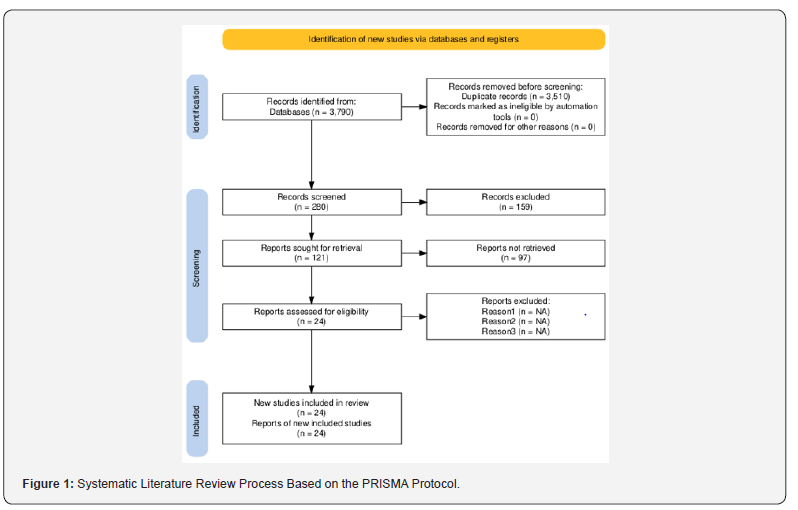
To ensure temporal relevance, a publication year filter was applied, restricting results to studies published between 2020 and 2025. This refinement excluded 159 articles, leaving 121 eligible for further review. During the eligibility phase, accessibility and transparency were prioritized by including only Open Access or Open Archive articles. Consequently, 97 articles that did not meet this criterion were removed, resulting in a final dataset of 24 articles selected for full-text analysis. All references were systematically managed in Mendeley Desktop to maintain consistent citation formatting, avoid duplication, and ensure accurate bibliographic integration. Importantly, this study did not involve any primary data collection, such as field observations or focus group discussions (FGDs). All findings and interpretations are grounded in secondary data from peer-reviewed literature, in line with the rigorous standards of a reproducible, evidencebased SLR methodology.
By synthesizing interdisciplinary insights from the selected literature, this review aims to illuminate the policy tensions and sustainability dilemmas surrounding palm oil–based biodiesel in Southeast Asia, with a particular focus on how such mandates affect regional food security frameworks.
Results
This systematic literature review identified several recurring themes across the 24 selected peer-reviewed studies examining the intersection between biodiesel mandates and food security in the context of palm oil production in Southeast Asia. The major themes that emerged from the synthesis include: (1) Policy coherence and governance fragmentation, (2) Land-use competition and food availability, (3) Socioeconomic trade-offs and rural livelihoods, (4) Supply chain resilience and export dependency, (5) Climate change mitigation versus food system stability, and (6) Emerging innovations and sustainability frameworks.
Each theme reflects a critical dimension of the palm oil– biodiesel–food nexus that shapes the region’s agricultural and energy policy landscape. These themes are analyzed in depth below.
Based on the thematic coding and frequency analysis of the selected studies, the most discussed topic was Land-use competition and food availability, which appeared in 83% of the reviewed literature. This was followed by Climate change mitigation versus food system stability (71%), and Socioeconomic trade-offs and rural livelihoods (67%). Policy coherence and governance fragmentation were addressed in 58% of the studies, while Supply chain resilience and export dependency appeared in 54%. The least frequently discussed, though increasingly relevant, was emerging innovations and sustainability frameworks, featured in 42% of the literature.
The dominance of land-use competition as a theme reflects growing academic and policy concern about the spatial implications of large-scale biodiesel development, especially in agrarian regions where arable land is finite, and food systems are vulnerable. The prominence of climate-related discussions also highlights the tension between biofuel promotion and actual environmental outcomes, particularly when indirect land-use change is taken into account. In contrast, the relatively lower attention to innovations and frameworks may indicate that practical solutions are still in early stages or underreported, despite their importance in future-proofing the sector. These thematic distributions underscore the urgent need for integrated, forward-looking policy responses that balance energy security with food sovereignty and environmental integrity.
Policy Coherence and Governance Fragmentation
Many Southeast Asian nations have adopted aggressive biodiesel blending targets to reduce dependency on imported fossil fuels. Indonesia’s B30 mandate aims to absorb over 13 million kiloliters of palm oil annually by 2025, an increase of 44% compared to 2019 levels [38]. Malaysia targets nationwide adoption of B20, with over 1 million metric tons of palm oil projected to be allocated to biodiesel blending in 2024 [39]. However, policy coherence across ministries remains weak. Studies reveal overlapping mandates between the Ministries of Energy, Agriculture, and Trade, resulting in fragmented governance [40]. In Indonesia, the National Energy Council and the Food Security Agency operate with limited coordination, leading to inconsistent regulations and conflicting priorities [41]. ASEAN regional policy frameworks also lack enforcement power and fail to harmonize national biodiesel goals with food security commitments [42]. Without a cross-sectoral approach, biodiesel mandates may continue to conflict with national food strategies.
Land-Use Competition and Food Availability
The surge in biodiesel production has fueled rapid land conversion. As of 2023, Indonesia and Malaysia jointly account for 90% of the world’s oil palm area, covering over 21.4 million hectares. In Indonesia, satellite imagery shows a 36% increase in oil palm coverage between 2010 and 2022, while cropland for staple foods declined by 14% [43]. In Sumatra, oil palm expansion reduced paddy fields by 212,000 hectares between 2015 and 2020, directly impacting rice yields and increasing rice imports by 27% over the same period [44]. The reallocation of arable land has also led to a spike in domestic food prices: maize and cassava prices rose by 19% and 23%, respectively, from 2018 to 2022 [45]. The lack of secure land tenure among smallholders further worsens the issue, as land acquisitions for biodiesel crops often bypass customary land rights, displacing food farmers without compensation [46].
Socioeconomic Trade-Offs and Rural Livelihoods
While biodiesel policies create rural employment opportunities, their benefits are not equitably distributed. Large plantation companies control over 60% of Indonesia’s certified biodiesel supply chains, leaving smallholders with minimal bargaining power [47]. In Malaysia, 650,000 smallholders contribute 40% of national palm oil output, yet only 35% are linked to formal biodiesel markets [48]. A study conducted across six provinces in Indonesia found that household incomes among independent smallholders were 27% lower than those affiliated with cooperatives participating in biodiesel supply chains [49]. Women in oil palm regions remain marginalized; only 18% hold land titles, and women-owned enterprises receive less than 12% of rural development loans [50]. The absence of inclusive financing and training programs limits the ability of rural communities to capitalize on biodiesel-related economic growth.
Supply Chain Resilience and Export Dependency
The biodiesel sector in Southeast Asia remains highly sensitive to international price fluctuations and geopolitical developments. In 2022, the EU’s proposed ban on palm-based biofuels under the Renewable Energy Directive II (RED II) led to a 24% drop in palm oil exports from Indonesia to Europe [51]. This policy shock resulted in domestic oversupply and a 31% price crash for crude palm oil (CPO) in domestic markets [52]. COVID-19 further exposed infrastructure gaps, especially in archipelagic countries like Indonesia, where inter-island distribution of biodiesel feedstocks was delayed by up to 14 days, leading to stockpile surges and refinery shutdowns [53]. Despite policy efforts to diversify feedstocks such as government-supported jatropha cultivation in East Nusa Tenggara and algae trials in Johor palm oil remains the dominant input, accounting for 92% of total biodiesel production in the region as of 2023 [54].
Climate Mitigation Versus Food System Stability
Palm oil-based biodiesel is often touted as a climate-friendly alternative, yet its life-cycle emissions are highly contested. When indirect land use change (ILUC) is accounted for, emissions from palm biodiesel may exceed 80 gCO2e/MJ, compared to 94 gCO2e/ MJ for fossil diesel yielding minimal net benefit [55]. In regions such as Central Kalimantan, deforestation linked to biodiesel expansion has resulted in the release of over 240 million tons of CO2 between 2000 and 2020 [56]. The conversion of peatlands is particularly concerning, with annual carbon losses exceeding 60 tons per hectare and long-term hydrological disruption [57]. Simultaneously, price volatility in the biodiesel sector causes farmers to switch from food crops to oil palm in response to higher returns, creating food supply imbalances. Between 2015 and 2021, this shift reduced domestic maize production in Indonesia by 13%, while increasing palm oil output by 22% [58].
Emerging Innovations and Sustainability Frameworks
To address the multidimensional challenges posed by biodiesel mandates, a range of innovative practices and frameworks have been proposed. Certification schemes such as RSPO and ISPO now cover over 5.1 million hectares across Indonesia and Malaysia, yet enforcement and compliance remain uneven, particularly among smallholders [59]. Blockchain-based traceability is being piloted in Sabah and Riau to improve transparency in biodiesel sourcing and prevent illegal land clearance [60]. Agroecological approaches like intercropping oil palm with food crops (e.g., banana, cassava, and legumes) have shown promise, increasing net farm productivity by up to 34% in pilot studies conducted in West Sumatra [61]. Additionally, remote sensing and GIS-based monitoring tools are increasingly integrated into land-use planning systems to track land conversion in near real-time, enhancing accountability and early intervention capacity.
Overall, the literature reveals a complex web of interdependencies and tensions between biodiesel mandates and food security in Southeast Asia. The region faces difficult trade-offs in pursuing energy independence, rural development, and climate goals. While the expansion of palm oil-based biodiesel offers economic and environmental opportunities, it simultaneously creates structural risks for food systems, land use, and social equity. The findings from the 24 reviewed studies suggest that addressing these dilemmas requires integrated, cross-sectoral policies that prioritize long-term sustainability over short-term gains. Only through coordinated action across governments, industries, and communities can Southeast Asia navigate the double-edged implications of palm oil allocation in the biodiesel era.
Discussion
The influence of biodiesel mandates on domestic food security in Southeast Asia, particularly in Indonesia and Malaysia, has emerged as a complex and contested policy area, shaped by overlapping agendas of energy independence, agricultural commercialization, and rural development. This section discusses the two central research questions guiding this review, drawing upon synthesized findings from 24 systematically selected articles.
Impacts of Biodiesel Mandates on Food Security: Land Allocation, Crop Production, and Price Volatility
Biodiesel mandates, such as Indonesia’s B30 and Malaysia’s B20 policies, have substantially reshaped national land-use priorities by elevating palm oil’s strategic role as a bioenergy feedstock [62,63]. In Indonesia, palm oil plantations now occupy over 16.8 million hectares, with nearly 20% of the total output funneled into biodiesel production by 2022 [64,65]. This reallocation has come at the expense of diverse agricultural systems, particularly staple food crops such as rice, maize, and cassava, which have stagnated or declined in some biodieselpriority provinces [66]. For instance, in Central Kalimantan and Riau, agricultural census data from 2020 show a 12–15% decline in paddy field coverage coinciding with palm expansion under biofuel targets [67].
Such land-use transformations have cascading effects on domestic food production capacity. Although national food output remains positive overall, regional disparities are increasing. Provinces with heavy biodiesel-linked palm cultivation tend to exhibit higher food import dependencies, suggesting that biodiesel policies can undermine subnational food self-sufficiency [68]. Moreover, reduced crop diversity has weakened climate resilience, exposing communities to higher risks of harvest failure from pests, droughts, and market shocks [69,70].
Price volatility is another pronounced outcome. Several studies document how the diversion of crude palm oil (CPO) to biodiesel production tightened edible oil supply, contributing to spikes in cooking oil prices during periods of export bans and biodiesel quota increases [71]. In 2022, domestic cooking oil prices in Indonesia rose by over 40% in tandem with the biodiesel expansion program, prompting government intervention through price caps and export control mechanisms [72]. While these measures provided temporary relief, they also highlighted structural vulnerabilities in balancing food and energy priorities.
Furthermore, impacts are not evenly distributed. Urban households typically absorb price increases through diversified diets, but low-income rural populations, especially in eastern Indonesia and rural Malaysia, experience heightened food insecurity due to reliance on a limited number of staples [73]. Food basket surveys show that in some affected regions, household food expenditure as a share of income has risen by over 12% since the introduction of stricter biodiesel mandates [74].
Emerging Policy Frameworks and Innovations to Mitigate Trade-Offs
In response to these trade-offs, Southeast Asian policymakers and civil society actors have explored various frameworks to realign biodiesel goals with food system resilience. One of the most visible responses is the refinement of sustainability certification schemes, including the Indonesian Sustainable Palm Oil (ISPO) and the Roundtable on Sustainable Palm Oil (RSPO). These frameworks attempt to regulate land clearing, ensure legal compliance, and promote best practices, although their effectiveness remains mixed [75].
Studies reveal that while certified plantations demonstrate better compliance with environmental standards and stronger community engagement, they account for only a fraction of total production and are largely export-oriented. The domestic biodiesel market, where most trade-offs with food security occur, remains weakly regulated, limiting the reach of these standards [76].
A second mitigation strategy involves promoting alternative biodiesel feedstocks that do not compete directly with food crops or forests. Experimental initiatives using used cooking oil (UCO), microalgae, and jatropha have been piloted in parts of Malaysia and Indonesia, but adoption remains constrained by high production costs, technological immaturity, and market entry barriers [77]. Nevertheless, these alternatives hold longterm potential to reduce pressure on palm oil systems, especially if supported through public investment and research incentives.
Institutional integration is another policy domain receiving increasing attention. In both countries, efforts are underway to improve inter-ministerial coordination across energy, agriculture, and environment portfolios. In Indonesia, the National Energy Council (DEN) and the Coordinating Ministry for Economic Affairs have initiated joint planning mechanisms to harmonize biofuel and food security agendas. Yet, bureaucratic silos and inconsistent decentralization policies continue to hinder effective implementation at the provincial level [78].
Land governance reforms also surface as a crucial strategy. Programs to secure customary land rights, especially for Indigenous and smallholder communities, are essential to ensuring that biodiesel expansion does not displace vulnerable groups from subsistence zones. However, national agrarian reform programs have progressed slowly, and enforcement of land tenure laws remains weak in palm-dominant regions [79].
Some localized innovations provide promising models. In Sabah, Malaysia, for example, multi-stakeholder platforms have successfully aligned palm oil development with food crop rotation, using intercropping strategies and zoning regulations to preserve food-producing lands. Likewise, in Sumatra, farmer cooperatives supported by NGOs have developed biodiesel-fromwaste projects that reduce reliance on palm oil while enhancing household energy access [80].
Moreover, the role of ASEAN as a regional coordinator is increasingly emphasized. Scholars advocate for harmonized sustainability criteria, cross-border monitoring of food–energy trade, and shared innovation platforms. Yet ASEAN’s institutional capacity remains constrained by voluntary compliance norms and member-state sovereignty concerns. Greater regional coherence would enhance transparency and help address issues such as transboundary leakage, where land-use restrictions in one country drive unsustainable practices in neighboring regions [81].
This review reveals that while biodiesel mandates contribute to energy diversification and rural economic growth, they also pose significant risks to food security, land equity, and environmental integrity. These findings carry important implications for policy design, suggesting that energy transition strategies must be integrated with food sovereignty frameworks and robust land governance.
The effectiveness of current mitigation measures is uneven. Certification schemes remain underutilized in domestic markets, alternative feedstocks require substantial investment, and land reforms are politically sensitive and logistically challenging. Therefore, a multidimensional approach combining stricter domestic sustainability regulations, technological diversification, and community-led land planning is essential to balance competing demands.
For future research, two key areas emerge. First, more empirical work is needed to evaluate the long-term socioeconomic outcomes of biodiesel mandates at the household and village level, using granular data. Second, comparative studies across Southeast Asian nations could uncover best practices and reveal how different governance models affect the food–energy nexus.
The strategic goal should be to develop biodiesel pathways that do not sacrifice food system resilience. Only through inclusive, transparent, and ecologically informed policymaking can the promise of bioenergy be realized without exacerbating food insecurity and land dispossession in vulnerable communities.
Conclusion
The findings of this systematic review reveal that biodiesel mandates in Southeast Asia, particularly in Indonesia and Malaysia, operate as a double-edged sword for food security. On one side, these mandates have successfully stimulated national energy diversification, reduced fossil fuel imports, and bolstered foreign exchange through increased palm oil utilization. However, this success is counterbalanced by significant trade-offs that affect food availability, land use, environmental integrity, and rural livelihoods.
One of the most significant impacts is the reallocation of palm oil production from the food to the energy sector, which has altered land-use dynamics across the region. Palm oil plantations have expanded rapidly to meet the growing demand for biodiesel, leading to the conversion of previously food-producing land into monoculture estates. Evidence from provincial agricultural data shows notable declines in the cultivation of staple crops such as rice, maize, and cassava in regions prioritized for biodiesel feedstock. These transformations reduce crop diversity, undermine food system resilience, and increase vulnerability to climate shocks and market fluctuations.
Price volatility has been another major consequence of biodiesel prioritization. As more crude palm oil is diverted toward biodiesel production, the edible oil supply for domestic consumption shrinks. This has led to significant increases in cooking oil prices, with a recorded surge of over 40% in Indonesia during 2022 alone. While governments have implemented short-term interventions such as price caps and export bans, these measures are reactive and unsustainable in the long run. The impacts are disproportionately felt by low-income rural households, in which food expenditure accounts for a substantial share of household income.
In addition to economic effects, there are substantial environmental costs. Biodiesel derived from palm oil is often portrayed as a renewable, climate-friendly solution. However, deforestation and peatland degradation, allegedly associated with palm plantation expansion, release significant amounts of greenhouse gases, challenging the rationale for climate mitigation. Moreover, biodiversity loss, soil erosion, and water contamination further compromise ecological stability in palm-dominant regions.
Policy frameworks intended to mitigate these impacts, such as ISPO and RSPO, have shown limited effectiveness in domestic biodiesel contexts. These certification schemes, while beneficial for export-oriented production, suffer from weak enforcement mechanisms and limited farmer participation. Many smallholders remain excluded from sustainable palm initiatives due to cost, bureaucratic complexity, or lack of technical support. The result is a fragmented governance landscape where food security, land equity, and environmental protection are treated in isolation rather than as interlinked priorities.
Innovation in alternative feedstocks represents a partial solution. Initiatives using waste cooking oil, microalgae, and jatropha have shown promise but remain small-scale due to high production costs and low technological maturity. Without significant public investment and supportive policies, these alternatives cannot yet displace palm oil in the biodiesel supply chain. Localized models such as biodiesel-from-waste cooperatives and agroecological zoning offer encouraging examples but face challenges in replication, scale, and institutional support.
Institutional coordination is another critical area of concern. Inter-ministerial silos between the agriculture, energy, and environment ministries have led to overlapping or contradictory mandates, hampering integrated responses. Inconsistent decentralization policies further complicate implementation at the subnational level, often leaving provincial governments without the capacity or authority to adapt national mandates to local conditions. Cross-sectoral governance reform is essential to address these institutional inefficiencies.
Regional cooperation through ASEAN also remains underutilized. The lack of harmonized sustainability standards, data-sharing mechanisms, and joint monitoring systems impedes collective responses to shared challenges. Enhanced regional platforms could play a vital role in standardizing biodiesel practices, promoting technology transfer, and addressing transboundary effects such as environmental leakage or regional food trade imbalances.
Taken together, these findings underscore that biodiesel mandates are neither inherently detrimental nor inherently beneficial. Rather, their outcomes depend on how well they are integrated with broader food, land, and environmental policies. Achieving synergies requires a shift toward inclusive and transparent governance models that place equal weight on economic, ecological, and social dimensions.
In light of these conclusions, future research should prioritize two areas. First, detailed case studies at the village and household level are needed to understand the long-term impacts of biodiesel expansion on food security and livelihoods. Such granular analysis would offer valuable insights into the differentiated effects across gender, class, and geography. Second, comparative research across Southeast Asian countries could uncover best practices in managing the food–fuel nexus under varying governance structures. By highlighting successful models, such studies can inform more balanced and context-sensitive biofuel policies.
Ultimately, if Southeast Asia is to harness the benefits of biodiesel without compromising its food systems, it must adopt integrated policy frameworks, support diversified energy sources, and ensure that rural communities are empowered participants in sustainable development. Only through such comprehensive approaches can the region reconcile its dual imperatives of energy security and food sovereignty.
References
- Chia SR, Nomanbhay S, Ong MY, Bin Shamsuddin AH, Chew KW, et al. (2022) Renewable diesel as fossil fuel substitution in Malaysia: A review. Fuel 314: 123137.
- Das P and Gundimeda H (2022) Is biofuel expansion in developing countries reasonable? A review of empirical evidence of food and land use impacts. J Clean Prod 372: 133501.
- Shelare SD, Belkhode PN, Nikam KC, Jathar LD, Shahapurkar K, et al. (2023) Biofuels for a sustainable future: Examining the role of nano-additives, economics, policy, internet of things, artificial intelligence and machine learning technology in biodiesel production. Energy 282: 128874.
- G de LT Oliveira, McKay B, and Plank C (2017) How biofuel policies backfire: Misguided goals, inefficient mechanisms, and political-ecological blind spots. Energy Policy 108: 765-775.
- Mofijur M, Masjuki HH, Kalam MA, Ashrafur Rahman SM, and Mahmudul HM (2015) Energy scenario and biofuel policies and targets in ASEAN countries. Renew Sustain Energy Rev 46: 51-61.
- MG da Costa, Gonçalves DNS, and M de Almeida D’Agosto (2025) From commodities to high-value exports: biofuels as a catalyst for Brazil’s energy transition and economic transformation. Sustain Energy Technol Assessments 81: 104416.
- MGB Lima (2022) Just transition towards a bioeconomy: Four dimensions in Brazil, India and Indonesia. For Policy Econ 136: 102684.
- Suali E and Suali L (2023) Chapter 8 - Impact assessment of global biofuel regulations and policies on biodiversity. In: Hakeem KR, Bandh SA, Malla FA, and Mehmood MA, (Eds.), Environmental Sustainability of Biofuels. Elsevier, pp. 137-161.
- Paul S, Panja A, and Jha P (2025) Chapter 15 - Hindrances and drawbacks of the existing policies and roadmap for sustainable production of biofuels: An Indian scenario. In: Zhu D, Dar MA, and Shahnawaz M, (Eds.), Biofuels and Sustainability, in Woodhead Series in Bioenergy, Elsevier Science Ltd, pp. 237-252.
- Panichelli L and Gnansounou E (2017) Chapter 9 - Modeling Land-Use Change Effects of Biofuel Policies: Coupling Economic Models and LCA. In: Gnansounou E and Pandey A (Eds.), Life-Cycle Assessment of Biorefineries, Amsterdam: Elsevier, pp. 233-258.
- Humalisto NH (2015) Climate policy integration and governing indirect land-use changes—Actors in the EU’s biofuel policy-formulation. Land use policy 45: 150-158.
- Su Y, Zhang P, and Su Y (2015) An overview of biofuels policies and industrialization in the major biofuel producing countries,” Renew. Sustain Energy Rev 50: 991-1003.
- Ebadian M, S van Dyk, McMillan JD, and Saddler J (2020) Biofuels policies that have encouraged their production and use: An international perspective. Energy Policy 147: 111906.
- Foong SY, Yi Herng Chan, Adrian Chun Minh Loy, Bing Shen How, Arularasu Muthaliar Tamothran ,et al. (2022) The nexus between biofuels and pesticides in agroforestry: Pathways toward United Nations sustainable development goals. Environ Res 214: 113751.
- Bautista S, Espinoza A, Narvaez P, Camargo M, and Morel L (2019) A system dynamics approach for sustainability assessment of biodiesel production in Colombia. Baseline simulation. J Clean Prod 213: 1-20.
- Jayakumar S, Yusoff MM, Rahim MHA, Maniam GP and Govindan N (2017) The prospect of microalgal biodiesel using agro-industrial and industrial wastes in Malaysia. Renew Sustain Energy Rev 72: 33-47.
- Naylor RL and Higgins MM (2017) The political economy of biodiesel in an era of low oil prices. Renew Sustain Energy Rev 77: 695-705.
- Renzaho AMN, Kamara JK, and Toole M (2017) Biofuel production and its impact on food security in low and middle income countries: Implications for the post-2015 sustainable development goals. Renew Sustain Energy Rev 78: 503-516.
- Duarah P, Haldar D, Patel AK, Dong CD, Singhania RR, et al. (2022) A review on global perspectives of sustainable development in bioenergy generation. Bioresour Technol 348: 126791.
- Prasad S, et al. (2024) Review on biofuel production: Sustainable development scenario, environment, and climate change perspectives − A sustainable approach. J Environ Chem Eng 12(2): 111996.
- AS El-Shafay, Mujtaba MA, Riaz F, and Gad MS (2025) Investigating the role of hybrid binary Feedstocks (waste cooking oil, palm oil, and jatropha oil blends) in biodiesel production: engine performance, emissions, and combustion characteristics. Case Stud Therm Eng p. 106688.
- Bentil J, Sadillan Sadiq Abubakar, Yaw Prince Michael Obidieh, Justice Tutu Osei, Ebenezer Ebo Yahans Amuah, et al. (2025) Sustainable biodiesel production from palm oil mill effluent: Assessing feasibility and environmental impacts. Total Environ Eng 4, p. 100024.
- Naseef HH and Tulaimat RH (2025) Transesterification and esterification for biodiesel production: A comprehensive review of catalysts and palm oil feedstocks. Energy Convers Manag X 26: 100931.
- He L et al. (2024) Tailpipe emissions and fuel consumption of a heavy-duty diesel vehicle using palm oil biodiesel blended fuels. Sci Total Environ 955: 177048.
- Chana K, Chen BH, and Na-Ranong D (2025) Biodiesel produced from transesterification of palm oil using NaOH-treated activated carbon and pyrolytic char of used tires as catalysts. Process Saf Environ Prot 195: 106750.
- Mayandi Z (2024) Palm oil-based biodiesel industry sustainability model using dynamic systems to balance food, energy, and export allocations. Smart Agric Technol 7: 100421.
- Okpala CV and Dibia KT (2025) Optimized biodiesel production from palm kernel and Jatropha curcas oil blend using KOH-supported calcined animal bone catalyst: A response surface methodology and genetic algorithm-Bayesian hybridization. Clean Chem Eng 11: 100141.
- Muthukumaran M, Rawindran H, Noorjahan, Parveen M, Barasarathi J, et al. (2024) Microalgae-based solutions for palm oil mill effluent management: Integrating phycoremediation, biomass and biodiesel production for a greener future. Biomass and Bioenergy 191: 107445.
- El yaakouby I, Abdelali Borji, Oumaima Ettalibi, Jihane Kouar, Younes Abouliatim , et al. (2025) One-pot conversion Allium sativum peels into a cost-effective carbon-based heterogeneous acid catalyst for renewable biodiesel production using palm oil refining by-products. Energy Convers Manag 327: 119551.
- Ayyakkannu V, Raja T, Thangapandian E, and Malaiperumal V (2025) Synergistic impacts of calcium oxide nanoparticles Infused palm seed oil biodiesel blends: Exploratory on CI engine efficiency and Downsizing emissions. Fuel 384: 134066.
- Mukherjee I and Sovacool BK (2014) Palm oil-based biofuels and sustainability in southeast Asia: A review of Indonesia, Malaysia, and Thailand. Renew Sustain energy Rev 37: 1-12.
- Imran M, Huangying S, Hongshuo Z, Xiaoyun P, Zhou R, et al. (2025) Genetic and metabolic engineering of oleic acid synthesis pathways in oil palm: Challenges and future prospects. Plant Physiol Biochem 228: 110288.
- Tawkaew S, Unsomsri N, Asadamongkon P, Jansri SN, Wiriyasart S, et al. (2025) Distillation study of light bio-oil from palm fresh fruit pyrolysis for enhanced bio-gasoline characteristics through blending with gasohol E85. Energy Nexus 18: 100432.
- Kurniawan TA, Mehwish Ali, Ayesha Mohyuddin, Ahtisham Haider, Mohd Hafiz Dzarfan Othman, et al. (2024) Innovative transformation of palm oil biomass waste into sustainable biofuel: Technological breakthroughs and future prospects. Process Saf Environ Prot.
- Abdullah MA, Muhammad Shahid Nazir, Hanaa Ali Hussein, Syed Muhammad Usman Shah, Nizakat Azra, et al. (2024) New perspectives on biomass conversion and circular economy based on Integrated Algal-Oil Palm Biorefinery framework for sustainable energy and bioproducts co-generation. Ind Crops Prod 213: 118452.
- Waudby H and Zein SH (2021) A circular economy approach for industrial scale biodiesel production from palm oil mill effluent using microwave heating: Design, simulation, techno-economic analysis and location comparison. Process Saf Environ Prot 148: 1006-1018.
- Phuang ZX, Lin Z, Liew PY, Hanafiah MM, and Woon KS (2022) The dilemma in energy transition in Malaysia: A comparative life cycle assessment of large scale solar and biodiesel production from palm oil. J Clean Prod 350: 131475.
- Papilo P, Marimin M, Hambali E, Machfud M, Mohamad Yani, et al. (2022) Palm oil-based bioenergy sustainability and policy in Indonesia and Malaysia: A systematic review and future agendas. Heliyon 8(10).
- Setiawan H, Erwan Hermawan, Adiarso Adiarso, Sigit Setiadi, Hens Saputra, et al. (2024) Optimized supply chain of empty fruit bunches as feedstocks for second generation bioethanol production. Case Stud Chem Environ Eng 10: 100950.
- Hossain N, Hasan MH, Mahlia TMI, Shamsuddin AH, and Silitonga AS (2020) Feasibility of microalgae as feedstock for alternative fuel in Malaysia: A review. Energy Strateg Rev 32: 100536.
- Kumar T, Gevansri K Basakran, Mohd Zuhdi Marsuki, Ananth Manickam Wash, Rahmat Mohsin, et al. (2023) Exploring socioeconomic and political feasibility of aviation biofuel production and usage in Malaysia: A thematic analysis approach using expert opinion from aviation industry. Green Energy Intell Transp 2(5): 100111.
- MCM van Tol, Moncada JA, Lukszo Z, and Weijnen M (2021) Modelling the interaction between policies and international trade flows for liquid biofuels: an agent-based modelling approach. Energy Policy 149: 112021.
- Gabisa EW and Gheewala SH (2025) Policy implications and recommendations for sustainable bioenergy development in Ethiopia. Sustain Futur 9: 100612.
- Barr MR, Volpe R, and Kandiyoti R (2021) Liquid biofuels from food crops in transportation – A balance sheet of outcomes. Chem Eng Sci X 10: 100090.
- Chowdhury P, Mahi NA, Yeassin R, Chowdhury NUR, and Farrok O (2025) Biomass to biofuel: Impacts and mitigation of environmental, health, and socioeconomic challenges. Energy Convers Manag X 25: 100889.
- Raman R, Sreenivasan A, Kulkarni NV, M. Suresh, and P. Nedungadi (2025) Analyzing the contributions of biofuels, biomass, and bioenergy to sustainable development goals. iScience 28(4): 112157.
- Kipkoech R, Takase M, Ahogle AMA, and Ocholla G (2024) Analysis of properties of biodiesel and its development and promotion in Ghana. Heliyon 10(20): e39078.
- Silitonga AS, Riayatsyah TMI, Md Abul Kalam, Alfan Sarifudin, Fattah IMR, et al. (2025) Status, developments, and sustainability of biowaste feedstock: A review of current progress. Renew Sustain Energy Rev 217: 115769.
- Lau JIC, Yu Si Wang, Tiffany Ang, James Chai Fah Seo, Sabeeha NBA Khadaroo, et al. (2024) Emerging technologies, policies and challenges toward implementing sustainable aviation fuel (SAF). Biomass and Bioenergy 186: 107277.
- Esonye C, Constance Okechukwu Esonye, Emmanuel Obiahu Agha, Cyril Sunday Ume, Chizoma Vivian Njemanze, et al. (2023) The 2022 Russia invasion on Ukraine: The biofuel energy security challenge on Ukraine and some related countries. Heliyon 9(11): e21483.
- T dos S Gonçalves, Carolina ED Oro, João HC Wancura, Maicon SN dos Santos, Alexander Junges, et al. (2023) Challenges for energy guidelines in crop-based liquid biofuels development in Brazil. Next Sustain 2: 100002.
- Mahmud S, Haider ASMR, Shahriar ST, Salehin S, Hasan ASMM, et al. (2022) Bioethanol and biodiesel blended fuels — Feasibility analysis of biofuel feedstocks in Bangladesh. Energy Reports 8: 1741-1756.
- Sosa-Rodríguez FS and Vazquez-Arenas J (2021) The biodiesel market in Mexico: Challenges and perspectives to overcome in Latin-American countries. Energy Convers Manag X 12: 100149.
- AC de Paula Leite, Pimentel LM, and L de Almeida Monteiro (2024) Impact of agricultural and energy prices on the biofuels market through a VAR-VEC model. Renew Energy 232: 121130.
- Jayabal R (2024) Advancements in catalysts, process intensification, and feedstock utilization for sustainable biodiesel production. Results Eng 24: 103668.
- Kisswani KM, Lahiani A, and Fikru MG (2025) Exploring dynamic extreme dependence of oil and agricultural markets. Int Rev Econ Financ 99: 104032.
- Sandaka BP and Kumar J (2023) Alternative vehicular fuels for environmental decarbonization: A critical review of challenges in using electricity, hydrogen, and biofuels as a sustainable vehicular fuel. Chem Eng J Adv 14: 100442.
- Canabarro NI, Silva-Ortiz P, Nogueira LAH, Cantarella H, Maciel-Filho R, et al. (2023) Sustainability assessment of ethanol and biodiesel production in Argentina, Brazil, Colombia, and Guatemala. Renew Sustain Energy Rev 171: 113019.
- Ray A, Bhonsle AK, Singh J, Trivedi J, and Atray N (2025) Examining alternative carbon resources for sustainable energy generation: A comprehensive review. Next Energy 6: 100194.
- Morshed SM, Md Shihab Shakur, Rafat Rahman, Mohammad Mynul Islam Mahin, Binoy Debnath, et al. (2025) An interval-valued type 2 intuitionistic fuzzy theory-based approach to assess the biofuel production and adoption drivers in emerging economies: Implications for sustainability. Energy Nexus 17: 100369.
- Arias A, Nika CE, Vasilaki V, Feijoo G, Moreira MT, et al. (2024) Assessing the future prospects of emerging technologies for shipping and aviation biofuels: A critical review. Renew Sustain Energy Rev 197: 114427.
- Halimatussadiah A, Moeis FR, Siregar AA, and Nainggolan D (2025) The potentials of Indonesian biofuel policy’s replanting scheme to reduce poverty and enhance regional economy. Land use policy 157: 107623.
- Bhatia SK, Patel AK, Ravindran B, and Yang YH (2025) Renewable bioenergy from palm oil mill effluent (POME): A sustainable solution for net-zero emissions in palm oil production. J Water Process Eng 70: 107136.
- Papilo P, Marimin E Hambali, and Sitanggang IS (2018) Sustainability index assessment of palm oil-based bioenergy in Indonesia. J Clean Prod 196: 808-820.
- Declerck F, Hikouatcha P, Tchoffo G, and Tédongap R (2023) Biofuel policies and their ripple effects: An analysis of vegetable oil price dynamics and global consumer responses. Energy Econ 128: 107127.
- Loh JM, Amelia W Gourich, Chew CL, Song CP, et al. (2021) Improved biodiesel production from sludge palm oil catalyzed by a low-cost liquid lipase under low-input process conditions. Renew Energy 177: 348-358.
- Ng CKC and Ong RC (2022) A review of anthropogenic interaction and impact characteristics of the Sundaic mangroves in Southeast Asia. Estuar Coast Shelf Sci 267: 107759.
- Gourich W, Song CP, Qua KS, and Chan ES (2023) The potential of palm bioenergy in achieving Malaysia’s renewable energy target and climate ambition in line with the Paris Agreement. Energy Sustain Dev 76: 101296.
- Boly M and Sanou A (2022) Biofuels and food security: evidence from Indonesia and Mexico. Energy Policy 163: 112834.
- Sinaga H (2024) Intersectional perspectives on land relations of oil palm plantations: A decolonial feminist approach on Indonesia’s bioeconomy. For Policy Econ 159: 103124.
- Enciso SRA, Fellmann T, Dominguez IP, and Santini F (2016) Abolishing biofuel policies: Possible impacts on agricultural price levels, price variability and global food security. Food Policy 61: 9-26.
- Usmani RA, Mohammad AS, and Ansari SS (2023) Comprehensive biofuel policy analysis framework: A novel approach evaluating the policy influences. Renew Sustain Energy Rev 183: 113403.
- Acharya S and Piantanakulchai M (2025) The implications of production efficiency improvement and subsidy removal strategies during the transition to higher blends of biodiesel in Thailand’s transport sector. Energy 332: 136890.
- Syafiuddin A, Chong JH, Yuniarto A, and Hadibarata T (2020) The current scenario and challenges of biodiesel production in Asian countries: A review. Bioresour Technol Reports 12: 100608.
- Naylor RL (2016) Oil crops, aquaculture, and the rising role of demand: A fresh perspective on food security. Glob Food Sec 11: 17-25.
- Harahap F, Silveira S, and Khatiwada D (2017) Land allocation to meet sectoral goals in Indonesia—An analysis of policy coherence. Land use policy 61: 451-465.
- Naylor RL and Higgins MM (2018) The rise in global biodiesel production: Implications for food security. Glob Food Sec 16: 75-84.
- Loh SK, Nasrin AB, Sukiran MA, Bukhari NA, and Subramaniam V (2022) Chapter 22 - Oil palm biomass value chain for biofuel development in Malaysia: part II. In: Yusup S and Rashidi NA, (Eds.), Value-Chain of Biofuels, Elsevier, pp. 505-534.
- Leal Silva JF, Nogueira LAH, Cantarella H, Rossetto R, Maciel Filho R, et al. (2013) Meta-data analysis of biofuels in emerging markets of Africa and Asia: Greenhouse gas savings and economic feasibility. Renew Sustain Energy Rev 213: 115465.
- Wirawan SS, Hari Setiapraja, Mokhtar, Agus Sugiyono, Ibrahim Ahmad Ibadurrohman, et al. (2025) Assessing the readiness to implement bioethanol-blended fuel in Indonesia. Biomass and Bioenergy 201: 108112.
- Debnath D, Whistance J, Westhoff P, and Helmar M (2019) Chapter 9 - Consequences of US and EU biodiesel policies on global food security. In: Debnath D and Babu SC, (Eds.), Biofuels, Bioenergy and Food Security, Academic Press, pp. 165-178.

























