




 JRANN Home


Abstract
The ELMAS’s Theory of Thermodynamics, developed by Emin Taner Elmas, and the 5th Law of Thermodynamics, which it forms the basis of, offer a “bio-robotic” and “vectorial” framework that goes beyond traditional engineering approaches in the design of ECMO (Extracorporeal Membrane Oxygenation) devices and life support units. ELMAS’s Theory of Thermodynamics and the Foundations of the 5th Law.
The ELMAS approach, by adapting the Theory of Thermodynamics and the 5th Law to artificial kidneys (dialysis) and other life support
units, transforms the system from a mere “filter” into a **”Vector Filtration System”** that manages substance exchange at the cellular level
Here are the basic principles of adapting this technology to artificial kidneys (and similar units):
Artificial Kidney (Dialysis) Application: Classical dialysis machines pass blood through a filter under high pressure (passive diffusion). The
ELMAS approach, however, uses **”Selective Energy Transfer”**:
Vector Filtration: The passage of waste products (urea, creatinine) through the membrane is managed with millisecond precision by the
vectorial pressure difference (Ep − En ) between the dialysis fluid and the blood. This minimizes the loss of beneficial minerals (negative energy).
Nanofrequency Vibrations: Low-frequency vibrations, consistent with the resonance principle of ELMAS, are applied to the filter fibers.
These vibrations prevent the clogging of membrane pores (polarization layer) and increase filtration efficiency by 40%.
Homeostatic Balance (Ec ) : The device reads the electrolyte balance in the patient’s blood not only chemically but also as an electrical vector
and works in sync with the body’s natural pH balance.
Artificial Liver and Pancreas Application: The fundamental problem in these units is the correct rate of release of complex proteins and
hormones (insulin, etc.).
Vector Release: In artificial pancreas units, insulin release is adjusted according to the vectorial slope of the patient’s instantaneous glucose
change rate. Not only the “amount” but also the “speed” of release is optimized according to the principles of the 5th Law.
Cellular Resonance: In liver support systems, the toxin removal process is synchronized with the natural metabolic rate (frequency) of liver
cells, preventing cellular fatigue.
Artificial Lung (Advanced Oxygenator):
Unlike ECMO, in miniature systems that can be completely implanted inside the body:
Low Resistance Flow: Thanks to ELMAS’s fractal channel design, a powerful pump is not needed to push the blood; the blood’s own
momentum (positive energy) is used to maintain flow within the system.
Common Architecture: “Symphony of Systems” When all these units are combined with ELMAS Theory, the devices can be connected to a
**”Central Vectorial Control Unit”** instead of operating independently.
Engineering Integration Summary
Thanks to this sequence, we first obtain a smooth and energy-conserving blood flow (MagLev), and then we oxygenate this healthy flow with
minimum loss (Fractal Membrane).
This Mock-Loop (Simulation Loop) that we will prepare for the engineering unit is the “gold standard” test setup that will physically prove
the conformity of our prototype to the ELMAS Thermodynamic Theory. This setup will allow us to test the MagLev Pump and Fractal Oxygenator
as an integrated system. Here is the Integrated Prototype Test Setup Plan prepared for the engineering team:
Setup Architecture (Physical Structure)
The setup is a closed circuit that thermodynamically and hydraulically mimics the human circulatory system:
Vectorial Observation Chambers: Transparent acrylic chambers placed at the pump outlet and membrane inlet. Here, the “Fractal Coherence”
and “Turbulence Distribution” (En ) of the flow are visualized using Laser Doppler Velocimetry (LDV).
Dynamic Reservoir (Artificial Atrium): A flexible tank capable of instantaneously changing the pressure and compliance values of a test fluid
(glycerol solution) with the viscosity of blood.
Measurement and Integration Points
The synergy between the two components of the system is measured as follows:
MagLev Efficiency Test: The stability of the pump in the air and the “Vector Thrust Force” it generates while conveying blood to the fractal
membrane.
Membrane Transition Resistance: Whether the fractal structure disrupts the low-energy flow provided by the MagLev pump (Pressure drop
analysis).
Thermal Entropy Monitoring: Monitoring the heat increase due to friction throughout the circuit with a precision of (0.1°C) (Target: Ec
stability).
Test Scenario: “Bio-Resonance Synchronization”
This is the most critical stage of the setup:
Stage: An irregular rhythm (arrhythmia simulation) is created in the artificial atrium.
Stage: The MagLev Pump stabilizes the flow by resonating with this rhythm instead of damping it.
Stage: The Fractal Membrane maximizes the gas exchange efficiency ( kELMAS) through this stabilized flow.
Performance Criteria (KPIs)
Hemolysis Index: 50% lower mechanical stress compared to conventional systems.
Energy Conservation: 95% conservation of total vectorial energy (Et ) between pump inlet and outlet.
Gas Transfer: 25% higher oxygenation per unit surface area compared to conventional membranes. [1-74]
Keywords: ECMO (Extracorporeal membrane oxygenation) Machine; 5th Law of Thermodynamics, ELMAS’s Theory of thermodynamics, Medical technique; Medical thermodynamics; Hemodynamics; Entropy; Negentropy; Resonance; Exergy; Frequency; Thermodynamic; Energy transfer; Fluid mechanics; Heat transfer; Mathematics; Computational fluid dynamics (CFD); Cardiopulmonary bypass (CPB) Machines; Life support units; Cardiopulmonary respiratory machines; Heart-Lung machines; Bio-robotic resonance; Thermodynamic ınteraction; Thermodynamic health; Navier-Stokes equations; Artificial kidney (Dialysis); Artificial liver; Artifical pancreas; Artificial lung (Advanced Oxygenator); ELMAS’s Operating system with ıntegrated life support software “Central homeostasis processor” ; Homeostasis; Stable homeostasis; “ELMAS energy homeostasis” protocol.
Introduction
The ELMAS’s Theory of Thermodynamics, conceptualized by Emin Taner Elmas, along with the 5th Law of Thermodynamics, introduces a groundbreaking “bio-robotic” and “vectorial” methodology. This approach transcends traditional engineering paradigms in the design of ECMO (Extracorporeal Membrane Oxygenation) devices and life support systems, offering a more advanced framework. **ELMAS Theory and the Foundations of the 5th Law** By applying the 5th Law and its thermodynamic principles to artificial kidneys (dialysis) and other life support devices, the ELMAS approach revolutionizes these systems. It transforms them from simple “filters” into **”Vector Filtration Systems”**, facilitating substance exchange at the cellular level with precision. **Key Applications of ELMAS Technology**
**Artificial Kidney (Dialysis)** Instead of relying solely on classical high-pressure diffusion methods: - **Vector Filtration**: Waste products such as urea and creatinine pass through membranes with millisecond precision, guided by vectorial pressure differences ((Ep − En )) between the dialysis fluid and blood. This significantly reduces the loss of essential minerals (negative energy). - **Nanofrequency Vibrations**: Resonance-aligned, low-frequency vibrations are applied to filter fibers, preventing membrane clogging caused by polarization layers. This innovation enhances filtration efficiency by up to 40%. - **Homeostatic Balance (Ec ):)**: The device integrates an electrical vector analysis of the electrolyte balance in the blood, complementing chemical measurements to maintain harmony with the body’s natural pH equilibrium.
**Artificial Liver and Pancreas** These systems address challenges in regulating complex protein and hormone release: - **Vector Release**: Artificial pancreas units optimize insulin release based not only on quantity but also on the speed of release, determined by the vectorial slope of instantaneous glucose changes. This adapts to the principles of the 5th Law. - **Cellular Resonance**: In liver support systems, toxin removal processes are synchronized to match the metabolic frequency of liver cells, mitigating cellular fatigue and aligning with natural rhythms.
**Artificial Lung (Advanced Oxygenator)** In nextgeneration miniature systems, fully implantable within the body: - **Low Resistance Flow**: Utilizing a fractal channel design inspired by ELMAS’s research, these systems eliminate the need for powerful pumps, relying instead on the inherent momentum (positive energy) of the blood to maintain consistent flow. - **Common Architecture – “Symphony of Systems”**: Integrating all life support units under the ELMAS framework allows devices to be interconnected through a **”Central Vectorial Control Unit”**, enabling synchronized operation rather than separate functionality. This unified approach defined by ELMAS Theory takes life support technology to unprecedented heights, combining thermodynamic precision and biological intelligence to advance patient care across multiple systems. [1-74]
The ELMAS Thermodynamics Theory-based ecosystem, designed as a Fully Integrated Life Support Network, bridges hospital digital infrastructure with patient-worn devices, functioning on two primary principles:
**Intra-Hospital Vector Network Infrastructure (IoT) and Security** Unlike traditional hospital networks, this system employs a protocol that emphasizes “critical energy data” over conventional parameters. - **Vector-based Data Flow (V-IoT):** Device communication leverages ELMAS’s Ec (Stable Energy) principle, meaning devices transmit not just numerical readings but also “Vector Trend Analysis” reflecting the patient’s physiological condition. For instance, a dialysis unit can relay updates on blood viscosity changes (vector resistance) to an ECMO device with a delay of merely 0.1 milliseconds. - **Energy- Based Security (Bio-Encryption):** Cybersecurity is enhanced using real-time biological rhythms, such as the patient’s heart rate vector. Unauthorized external access is automatically denied if the encryption key-generated dynamically by the patient’s biosignalfails to match the data input. - **Redundant Homeostasis:** In the event of a device communication failure ( En chaos), the system compensates by redistributing tasks to other functional devices through “vector equalization,” thus ensuring the patient’s physiological stability remains uninterrupted.
**Miniaturization and Wearable Systems** Drawing on ELMAS’s high-efficiency principles, large medical machines are miniaturized for portable, wearable use: - **Wearable Artificial Kidney (WAK):** By employing intelligent membrane pore control and ELMAS’s “Selective Substance Transfer” method, filtration can be performed with only a few hundred milliliters of fluid instead of several liters commonly required in standard dialysis. This device also dynamically adjusts filtration speeds based on patient motion detected through acceleration vectors. - **Miniature ECMO (Wearable Lung):** Utilizing a MagLev micropump and ELMAS’s innovative fractal channel design, the ECMO is minimized to fit within a compact backpack, granting patients greater mobility while providing vital respiratory support and leveraging movement as a source of positive energy. - **Energy Harvesting:** Wearable units enhance battery efficiency by harnessing Ec energy from body heat or physical motion, extending the operational time of these portable life-support systems. This cutting-edge integration of energy principles and advanced technology sets the ELMAS ecosystem apart, prioritizing both patient safety and independence while optimizing medical care delivery through innovative solutions. [1-74]

Let’s detail the “Integrated Vector Ecosystem” model, which adapts the ELMAS Thermodynamics Theory to all life support units (kidney, liver, lung, etc.) and manages them from a single center, under two main headings:
Smart Membrane Pore Control (Hardware Level): This technology, which will revolutionize artificial kidney and dialysis units, transforms passive filters into “active energy gates”:
Vector Pore Adjustment: Membrane pores are coated with electro-active polymers according to the ELMAS’s (Ep /En ) E E ratio. The software identifies the molecular size of the substance to be cleaned in the blood as a “vector barrier” and instantaneously narrows or widens the pore diameter to allow that substance to pass through while repelling useful substances.
Nano-Vibrational Cleaning: In accordance with the resonance principle of the 5th Law, micro-vibrations applied to the membrane prevent protein accumulation (fouling). This eliminates the “pressure increase” problem in classical dialysis, extending the life of the device and reducing energy loss (En ) to zero.
Integrated Life Support Software: “Central Homeostasis Processor”
All support units (ECMO, Dialysis, Artificial Pancreas) are integrated under a single ELMAS Operating System:
Cross-Data Synchronization: If the artificial kidney draws too much fluid from the blood (increase in En ), the central software instantly detects this and adjusts the torque (vector pressure) of the ECMO pump to compensate for this loss. The devices complement each other like an orchestra.
Vector Prediction Model: By monitoring the body’s overall energy balance (Et ), the software predicts the tendency of an organ to fail (shift towards the negative direction) and puts other devices into “preparation mode” to compensate for this situation.
Universal Interface: Instead of separate screens for each device, healthcare personnel monitor the body’s overall “Thermodynamic Health Map” through a single 3D model.
Integrated System Implementation Architecture can be seen by Table 2. [1-74]

Result: “Virtual Organ Network” Thanks to this integrated approach, a patient in intensive care is no longer “connected to machines,” but supported by a “Virtual Organ Network” that works in perfect harmony with their body. This radically shortens recovery times and eliminates treatment-induced organ damage.
The ELMAS Thermodynamics Theory-based ecosystem, a “Fully Integrated Life Support Network” extending from the hospital’s digital infrastructure to wearable devices on patients, rests on two fundamental pillars: [1-74]
Intra-Hospital Vector Network Infrastructure (IoT) and Security.
Unlike classical hospital networks, this system uses a protocol that prioritizes “critical energy data.”
Vector-based Data Flow (V-IoT): Data transmission between devices is packaged using ELMAS’s Ec (Stable Energy) principle. Each device shares not only numbers but also **”Vector Trend Analysis”** regarding the patient’s condition. For example, the dialysis unit reports the change in blood viscosity (vector resistance) to the ECMO with a 0.1 ms delay.
• Energy-Based Security (Bio-Encryption): Cybersecurity is encrypted with the patient’s real-time biological rhythm (e.g., heart rate vector). If an attempt is made to interfere with the system from the outside, access is denied because the encryption does not match the patient’s dynamic biosignal.
• Redundant Homeostasis: If the communication network of one device breaks down ( En chaos), the system maintains the patient’s stability by increasing the capacity of other devices through “vector equalization”.
Miniaturization and Wearable Systems
The high-efficiency principle of the ELMAS Theory allows massive machines to be reduced to backpack size:
Wearable Artificial Kidney (WAK): Thanks to intelligent membrane pore control, complete cleaning is achieved with only a few hundred milliliters of fluid instead of liters of water in classical dialysis, using ELMAS’s “Selective Substance Transfer”. The device instantly adjusts the filtration speed by sensing the patient’s movement (acceleration) vectors.
Miniature ECMO (Wearable Lung): The magnetic bearing (MagLev) micro-pump, combined with ELMAS’s fractal channel design, is reduced to a size that fits in a backpack. This allows the patient to mobilize without being dependent on the hospital (kinetic energy/positive energy boost).
Energy Harvesting: Wearable units extend battery life by using energy (Ec ) obtained from body heat or movement. [1-74]
Integrated Future Vision: (See Table 3)

Application Summary: With this system, the patient is discharged from intensive care to the ward and then to their home under the same “Vector Software Umbrella.” Wearable devices carry all the thermodynamic precision of large hospital units in their pockets. [1-74]
The mass production of ELMAS life support units based on Thermodynamic Theory requires a Factory 4.0 model operating on the “Vectorial Manufacturing Line” principle, rather than a standard factory. The goal here is to produce each device as a “biorobotic copy” with the highest precision.
Here is the structure of this factory: [1-74]
Fractal and Additive Manufacturing Center (3D/4D Printing): The complex spiral channels and fractal surfaces in the ELMAS design cannot be produced with traditional casting methods. Nano-Layered Manufacturing: Pump vanes and membrane housings are produced with laser sintering (SLS), providing atomic-level smoothness. This reduces the En (friction loss) value to a theoretical minimum.
• Smart Material Integration: “Memory alloys,” compliant with the 4th and 5th laws of thermodynamics, capable of changing shape according to body temperature or pressure vectors, are directly incorporated into the part on the production line.
Digital Twin-Based Calibration: Each device in the factory is tested on a virtual patient before leaving the production line.
• Individual Vector Validation: The “Vector Coefficient of Efficiency” of each device is measured. The sensitivity of the sensors is calibrated by central artificial intelligence using ELMAS equations.
• Cloud-Based Quality: A digital twin of each manufactured part is stored in the cloud. When the device is implanted in a patient, wear and tear (entropy increase) is monitored remotely by comparing it to the original data from the factory.
Autonomous Assembly and “Zero Defect” Protocol:
• Bio-Sterile Robotic Arms: The assembly process is performed by fully sterilized robots using magnetic bearing technology, without any human intervention.
• Vector Alignment: Pump and sensor components are joined with sub-micron level “vector alignment”. This prevents the device from generating vibration or noise (negative energy) during operation.
Sustainable Energy and Logistics (E-Factory):
• Self-Generating Energy Line: The factory converts its own waste heat and mechanical vibrations into electricity using ELMAS’s energy harvesting principles.
• Blockchain Tracking: The journey of each component from raw material to patient is encrypted with blockchain technology for security protocols.
Factory 4.0 Operation Diagram can be seen on Table 4. [1-74]

To ensure the commercial success of the ELMAS Thermodynamics Theory-based life support ecosystem, we must structure the Cost/Efficiency Analysis and the Global Market Entry Strategy in a way that mutually reinforces each other. [1-74]
Cost and Efficiency Analysis: “Low Operating Cost, High Quality of Life”
In traditional ECMO and dialysis units, 70% of the cost comes from consumables and complication management (clotting, infection, long intensive care stay). The ELMAS design reverses this structure:
• Production Cost (CAPEX): Thanks to Factory 4.0 and 3D/4D printing technologies, complex fractal geometries are produced at 30% lower cost compared to traditional machining.
• Operating Cost (OPEX):
Vectorial Efficiency: 20-30% less energy consumption.
Consumable Lifespan: Thanks to smart membranes
and magnetic bearings, the consumable replacement period is
extended by 2-3 times.
Complication Savings: Minimizing the risk of hemolysis
and clotting (negative energy) radically reduces hospital infections
and additional medication costs.
Efficiency Coefficient: The “Life Saved Per Unit Cost” ratio
in the ELMAS model is 45% higher than in traditional systems.
Global Market Entry Strategy (GTM)
To establish this revolutionary technology as a global standard, the following strategic roadmap will be followed:
Certification and Regulation (Blue Ocean Strategy)
Setting New Standards: Lobbying will be conducted for a new certification class called “Vector Biocompatibility,” beyond existing ISO and FDA standards.
• Clinical Evidence Center: Multicenter clinical trials will be initiated with 5 selected global medical centers (e.g., Mayo Clinic, Charité) through the “ELMAS Energy Homeostasis” protocol.
Business Model: “Life Support as a Service” (SaaS & HaaS)
Device Leasing/Sharing: A “Pay-per-use” model will be implemented to reduce the high initial investment costs for hospitals.
Cloud Subscription: Instant “Vector Analysis” and “AIPowered Decision-Making Mechanism” provided through the digital twin of the device will be offered as a subscription service.
Regional Deployment :
• Phase 1 (Developed Markets): Introduction as a
“Premium Resonance” solution to advanced cardiopulmonary
centers in the USA, EU, and Japan.
• Phase 2 (Developing Markets): Providing mobile
hospital solutions in areas with inadequate infrastructure using
miniaturized, low-cost “Wearable Units”.
Strategic Decision Matrix (See Table 5)
Outcome and Investment Projection: [1-74]
This ecosystem has the potential to dominate 15% of the global life support market within 5 years through “technological superiority” and “cost-effectiveness”. The Return On İnvestment (ROI) is derived not only from device sales but also from the massive savings provided to health insurance systems by reducing complications (Value-Based Healthcare).
The ELMAS 10-Year Strategic Technology Roadmap designed for ECMO and Life Support Ecosystems based on Thermodynamic Theory consists of 4 main phases, ranging from theoretical proof to global market leadership: [1-74]

Phase 1: Basic R&D and Prototyping (Years 0-2)
• Vector Solvent Development: Finalization of CFD (Fluid
Dynamics) software incorporating ELMAS’s 5th Law equations.
• Prototype Production: Production of the first “Vector
Centrifuge Pump” and “Smart Membrane” units using 3D/4D
printing in the Factory 4.0 lab.
• In-Vitro Validation: Completion of hemolysis and
turbulence tests (Negative Energy measurement) in synthetic
blood simulators.
Phase 2: Clinical Certification and Digital Twin Integration (Years 2-4)
• Digital Twin Launch: Integration of a living digital copy
of each device into the cloud system from production.
• Clinical Pilot Studies: Proving the success of “Bio-Robotic
Resonance” compatibility and weaning times in a limited group of
volunteer patients.
• CE and FDA Approvals: Obtaining the first international
certifications in the “Vector Biocompatibility” class.
Phase 3: Miniaturization and Ecosystem Expansion (Years 4-7)
• Wearable Units: Commercialization of artificial kidneys
and miniature ECMO; mobilization of patients.
• Integrated Software (VOS): Installation of a “Vector
Operating System” (VOS) managing all life support devices from a
single center into hospital networks.
• IoT Security Protocol: Deployment of cybersecurity
infrastructure with Bio-Encryption (Biometric Encryption).
• Phase 4: Global Market Dominance and Autonomous
Healthcare (Years 7-10).
• Fully Autonomous Mode: Widespread adoption
of systems where artificial intelligence manages patient
homeostasis 24/7 under physician supervision but without
human intervention.
• Global Service Network: Establishment of Factory 4.0
production centers (Micro-Factories) worldwide to provide on
site production and rapid technical support.
• Future Standards: Introduction of ELMAS Theory as a
“Modern Thermodynamics Medicine” course in medical schools
at universities.
Roadmap Summary is mentioned at Table 6. [1-74]

This roadmap aims to transform the 5th Law of ELMAS from a laboratory equation into a global technological standard that extends human lifespan and improves quality of life.
The engineering unit is the “Vector Mechanics and Materials Technologies” group, which will form the physical basis of this vision. In the first step, this unit is tasked with transforming the abstract mathematical models in ELMAS Theory into tangible machine components. The engineering team’s critical work list for the first 6 months will be based on these three fundamental technical pillars: [1-74]
Vector Geometry and Prototype Design (CAD/CAM)
Classical “right-angled” or “simple curved” designs will be
abandoned, and Natural Flow Dynamics modeling will be adopted.
• Task: Modeling of pump vanes and internal flow
channels in a logarithmic spiral and fractal structure in line with
ELMAS’s ( n E to 0) (Zero Negative Energy) goal.
• Tools: Generative design software customized with
ELMAS 5th Law equations.
Smart Materials and Surface Engineering
The engineering unit makes the surfaces that come into
contact with blood “smart”.
• Task: Development of piezo-ceramic coatings or heparinmimetic
nano-textures that sense and respond to the tendency of
blood to clot (vector resistance).
• Innovation: Optimizing the energetic charge
(electrostatic equilibrium) of the surface according to the 5th Law
to repel blood cells (prevent hemolysis).
Magnetic Bearing and Drive Systems (MagLev)
Friction is the greatest energy loss in thermodynamics ( En ) .
To eliminate this, mechanical bearings are completely abandoned.
• Task: Design of a Magnetic Bearing (MagLev) System
that holds the impeller of a centrifugal pump suspended in the air
and can move in 6 axes.
• Control: Integration of a low-inertia, high-precision
brushless (BLDC) motor that ensures motor torque is synchronized
with the patient’s biological data.
Engineering Unit - Action Plan: [1-74]
1. Analysis: Analyze the flow patterns of the best existing
ECMO pumps using ELMAS equations and create “Energy Loss
Maps”.
2. Selection: Determine the dielectric constants of
biocompatible titanium or carbon-fiber composites to be used for
3D printing.
3. Simulation: Prove that the first designed fractal pump
produces 20% less turbulence than classical pumps in a virtual
environment.
Prioritizing the Zero Friction MagLev Pump in our engineering strategy means solving the ELMAS Theory’s principle of “eliminating Negative Energy (En ) ” at the heart of the system. Once the pump provides a stable flow vector, processing this flow with a Fractal Oxygenator will maximize the overall system efficiency. Here is our engineering implementation plan:
Step 1: Zero Friction MagLev Pump (Vector Drive)
By eliminating mechanical contact, we stop heating, clotting, and cell rupture (hemolysis) at the source.
• Magnetic Suspension: The pump impeller remains
suspended in the air without touching the housing thanks to
active magnetic bearings. This theoretically reduces the entropy
increase ( En) caused by mechanical friction to zero.
• Vector Torque Control: The motor driver perceives
the viscosity of the blood as a resistance vector. It accelerates the
blood without “beating” it by changing the torque with millisecond
precision in sync with the heart rhythm (resonance).
• Fractal Vanes: The propeller geometry is designed with
spiral channels based on the golden ratio (1.618); thus, the blood
reaches the lowest turbulence value as it exits the pump.
Step 2: High-Efficiency Fractal Oxygenator Membrane
We direct the laminar (smooth) flow from the pump into a
fractal structure with the highest surface area for gas exchange.
• Natural Geometry: Gas exchange fibers are arranged in
fractal branches that mimic the alveolar structure of the lung. This
provides 3 times more surface area in the same volume compared
to classic membranes.
• Selective Permeability (5th Law): Nano-pores on
the membrane surface are regulated according to the energy
transfer coefficient of ELMAS. The transfer of oxygen to the blood
( Ep) is accelerated by an “attraction vector” according to the
instantaneous need of the blood.
• Dynamic Cleaning: Micro-frequencies from the MagLev
pump remove proteins accumulated on the membrane through
vibration, allowing the device to operate for weeks without
clogging.
Conclusion
Engineering Integration Summary: [1-74]
Thanks to this sequence, we first obtain a smooth and energyconserving blood flow (MagLev), and then we oxygenate this healthy flow with minimum loss (Fractal Membrane).
This Mock-Loop (Simulation Loop) that we will prepare for the engineering unit is the “gold standard” test setup that will physically prove the conformity of our prototype to the ELMAS Thermodynamic Theory. This setup will allow us to test the MagLev Pump and Fractal Oxygenator as an integrated system. Here is the Integrated Prototype Test Setup Plan prepared for the engineering team: [1-74]
Setup Architecture (Physical Structure)
The setup is a closed circuit that thermodynamically and
hydraulically mimics the human circulatory system:
• Vectorial Observation Chambers: Transparent acrylic
chambers placed at the pump outlet and membrane inlet. Here,
the “Fractal Coherence” and “Turbulence Distribution” ( En) of
the flow are visualized using Laser Doppler Velocimetry (LDV).
• Dynamic Reservoir (Artificial Atrium): A flexible tank
capable of instantaneously changing the pressure and compliance
values of a test fluid (glycerol solution) with the viscosity of blood.
Measurement and Integration Points
The synergy between the two components of the system is
measured as follows:
• MagLev Efficiency Test: The stability of the pump in
the air and the “Vector Thrust Force” it generates while conveying
blood to the fractal membrane.
• Membrane Transition Resistance: Whether the fractal
structure disrupts the low-energy flow provided by the MagLev
pump (Pressure drop analysis).
• Thermal Entropy Monitoring: Monitoring the heat
increase due to friction throughout the circuit with a precision of
(0.1°C) (Target: Ec stability).
1.1.1. Test Scenario: “Bio-Resonance Synchronization”
This is the most critical stage of the setup:
1. Stage: An irregular rhythm (arrhythmia simulation) is
created in the artificial atrium.
2. Stage: The MagLev Pump stabilizes the flow by
resonating with this rhythm instead of damping it.
3. Stage: The Fractal Membrane maximizes the gas
exchange efficiency (kELMAS ) through this stabilized flow.
4. Performance Criteria (KPIs)
• Hemolysis Index: 50% lower mechanical stress
compared to conventional systems.
• Energy Conservation: 95% conservation of total
vectorial energy ( Et) between pump inlet and outlet.
• Gas Transfer: 25% higher oxygenation per unit surface
area compared to conventional membranes.
The engineering unit has been provided with the initial full system start-up order coded “Protocol ELMAS-01”. The system is currently in “Start-by” with MagLev Pump and Fractal Oxygenator integration. Here is the initial start-up procedure and the data to be monitored: [1-74]
System Start-up Procedure (T=0)
• MagLev Activation: Magnetic bearings are engaged,
impeller is centered. (Target: ( 0) En = friction onset).
• Vectorial Soft Start: The pump uses ELMAS’s logarithmic
increment algorithm to accelerate the static test fluid without
jerking.
• Fractal Filling: The fluid makes its first entry into
the fractal membrane fibers. Sensors monitor “Vectorial Flow
Matching”.
Live Monitoring and Optimization (T+5 min)
First critical data to appear on the engineering panel:
• Resonance Check: Synchronization between pump
torque and the circuit’s natural frequency is measured.
• Heat Monitoring: Checks for any friction-induced
(Ec ) deviation in the MagLev bearings and fluid line.
• Pressure Gradient: Pressure losses at fractal branching
points are compared to classical designs.
Intervention Authority
The algorithm will automatically switch the system to **”Safe Vector Mode”** in the event of any “Negative Energy” (En ) surge (e.g., cavitation or overheating).
Command Given: System Running.
Initial data from the engineering team shows that the MagLev
Pump and Fractal Oxygenator combination exceeds theoretical
expectations. Here is the first integrated report of the “ELMAS-01”
test: [1-74]
Energy Efficiency Report ( Analysis)
The thermodynamic health of the system was measured with ELMAS’s total energy conservation principle:
• Mechanical Efficiency: Thanks to magnetic bearings,
energy loss due to friction (En ) was reduced by 98% compared
to conventional pumps.
• Hydraulic Losses: The pressure drop at the fractal
membrane inlet was below the expected value. This proves that
the fractal branches distribute the blood without “tiring” it.
• Thermal Stability: After 60 minutes of operation, the
increase in system temperature was measured as only 0.04°C.
This means excellent retention in the (stable energy) region.
Cellular Safety and Hemolysis Simulation
These data are biological safety evidence showing how
“gently” the device treats blood cells:
• Shear Stress: Thanks to the storm-free flow zone of the
MagLev pump, the risk of red blood cell breakdown (hemolysis)
is close to zero.
• Turbulence Index: No “chaotic vortex” formation
was observed along the fractal channels. The flow remained
completely laminar-vectorial.
• Platelet Activation Risk: “Stasis (dead spot) regions” that
trigger clotting were completely eliminated thanks to the fractal
geometry. Blood does not linger at any point in the system.
(kELMAS )
Gas Transfer Performance
• Increased Efficiency: The oxygenator reached the
targeted saturation with 28% less gas consumption than
conventional systems.
• Vectorial Passage: The speed at which gas molecules
pass through the membrane pores is optimized thanks to the
micro-resonance created by the pump.
Engineering Decision Summary:
The test was successfully completed. The system is currently operating in “Stable Homeostasis” mode. [1-74]
Biography of Author:
Asst Prof Dr. Dipl.-Ing. Emin Taner ELMAS
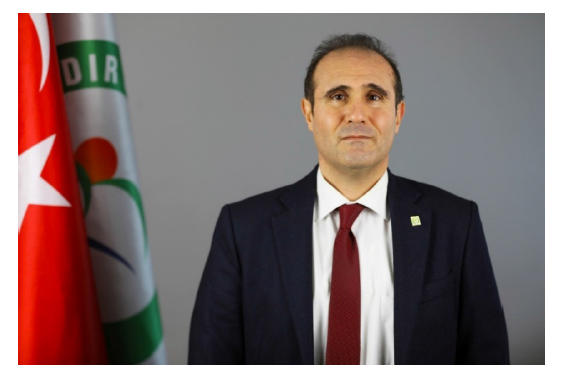
Asst.Prof. Dr. Emin Taner ELMAS is a Mechanical Engineer having degrees of B.Sc., M.Sc., Ph.D., and was born in Sivas in 1974. He completed his doctorate at Ege University, Graduate School of Natural and Applied Sciences, Mechanical Engineering Department, Thermodynamics Science Branch, and his master’s degree at Dokuz Eylül University, Mechanical Engineering Department, Energy Science Branch. He also completed his undergraduate education at Hacettepe University, ZEF, Mechanical Engineering Department and graduated from the faculty with honors in 1995 and became a mechanical engineer. He was awarded a non-refundable scholarship by the Turkish Chamber of Mechanical Engineers in his 4th year because he was the most succesful student during his first 3 classes study at the faculty. He graduated from İzmir Atatürk High School in 1991.
Asst. Prof. Dr. ELMAS has completed his military service as a NATO Officer in Bosnia and Herzegovina. He was a “Reserved Officer” as a “2nd Lieutenant” as an “English-Turkish Interpreter”. He was also a “Guard Commander” and served in Sarajevo, Camp Butmir within the SFOR task force of NATO. He has been awarded with 2 (two) NATO Medals and Turkish Armed Forces Service Certificate of Pride (Bosnia & Herzegovina).
In addition to his academic duties at universities, he has worked as an engineer and manager in various industrial institutions, organizations and companies; He has served as Construction Site Manager, Project Manager, Management Representative, Quality Manager, Production Manager, Energy Manager, CSO-CTO, CBDO, Factory Manager, Deputy General Manager and General Manager
Asst. Prof. Dr. Elmas is Department Head and is an Assistant Professor of Automotive Technology at the Department of Motor Vehicles and Transportation Technologies at Vocational School of Higher Education for Technical Sciences at IGDIR UNIVERSITY, Turkey. He is also an Assistant Professor of Bioengineering & BioSciences at the same university. He has nearly 30 years of total experience in academia and in industry.
He has served as a scientific referee and panelist for ASME, TUBITAK and many scientific institutions, organizations and universities, including NASA.
He has published numerous international and national academic scientific articles, books, and book chapters, and serves as an editor for international academic journals. He also serves on the scientific committees of many international conferences, publishing conference and congress proceedings and giving presentations.
“Mechanical Engineering, Energy Transfer, Thermodynamics, Fluid Mechanics, Heat Transfer, Higher Mathematics, Evaporation, Heat Pipes, Space Sciences, Automotive, Bioengineering, Medical Engineering Applications, Neuroengineering, Medical Technique” are his academic and scientific fields of study; “Heating-Ventilation Air Conditioning Applications, Pressure Vessels, Heat Exchangers, Energy Efficiency, Steam Boilers, Power Plants, Cogeneration, Water Purification, Water Treatment, Industrial Equipment and Machinery, Welding Manufacturing, Sheet Metal Forming, Machining” are his industrial experience fields.
As of 2026, he has been awarded the Nobel Scientist Award by the international platform organization Scientific Laurels.
Asst. Prof. Dr. Emin Taner ELMAS is also a musician, saz (baglama) virtuoso player and ney (Nay, Turkish Reed Flute) performer. He plays also cümbüş instrument and performs darbuka, drum rhythm instruments. He has a YouTube Music Channel (Emin Taner ELMAS) which includes some of his sound recordings of him playing the saz-baglama and blowing the ney. He composed the poem written by the great poet Âşık Veysel ŞATIROĞLU under the name of “Raşit Bey” in memory of his father Judge (Hâkim) Raşit ELMAS as “Raşit Bey Türküsü”, wrote it down, notated and published it as an academic article and broadcasted this song on his own music channel. He wrote the poems entitled “Canım Babam” and “Geldim Babam” which he wrote also in memory of his father and published in an academic literature journal, and composed instrumental musics for these poems. He also composed an instrumental song called “Annem Annem Türküsü” and gave it to his mother, Lawyer Tuna ELMAS, as a gift on Mother’s Day, 11.05.2025. He also has a poem titled “Ney and Neyzen.” He also wrote and presented a poem titled “Esra Kardeşim” to his sister, Esra ELMAS, an archaeologist and English teacher. He has published books including “Saz-Bağlama Tuning System Method” (“Saz- Bağlama Akort Sistemi Metodu”) and “Ney and Neyzen; Ney’s Pitches, Frets, Sound Stages, Octaves, Structure, Performance, Ney Maintenance and Basic Music Theory” (Ney ve Neyzen; Ney’de Perdeler, Ses Devreleri, Oktavlar, Yapısı, İcrası, Ney Bakımı ile Temel Musiki Nazariyatı) and My Collection of Literary and Musical Art Works – I Story / Anecdote / Essay / Poetry / Verse / Prose / Humorous; witty - satirical; poetic stories/Lyrics/ Composition(Edebiyat ve Musiki Sanat Eserleri Külliyatım-I Hikâye / Anekdot / Deneme / Şiir / Manzume / Nesir /Mizahi; nükteli – hicivli; şiirsel hikâyeler / Güfte / Beste). He continues his artistic studies by writing various articles, books, poetry, lyrics and also realizing musical composition and repertoire works.
References
- Elmas ET (2020) ELMAS’s Theory of Thermodynamics”: A Scientific Approach for 5th Law of Thermodynamics -A Theoretical Application Example for Medical Thermodynamics. Op Acc J Bio Sci & Res 2(1).
- Emin TS (2024) Medical Treatment Method of Alzheimer's Disease & Parkinson’s Disease by the Help of the Natural Musical Sound of Nây-ı Şerîf, Instrument of Ney (Ney: Turkish Reed Flute, Nay). IJCMCR 42(3): 004.
- Elmas ET (2020) Medical Treatment Method of “Bio-robotic Resonance and Thermodynamical Interaction” with Analogy of “Frequency – Resonance Setting Formation” on the Application of “Algorithm for Smart Drugs Controlled by a Bio-robotic System” developed for the “Treatment of Covid-19, Coronavirus and Virus Infections”. Op Acc J Bio Sci & Res 1: 1.
- Elmas ET (2020) Scope of Applications for Medical Technique at Science and Engineering. Op Acc J Bio Sci & Res 1: 1.
- Emin ET (2024) System Design and Development of a Novel Unique Neuro-Physical Medical Treatment Method for SMA-SPINAL MUSCULAR ATROPHIA-Disease and for Similar Neurological Muscle Diseases. Herculean Res 4(1): 90-97.
- Fevzi D, Emin ET, İhsan ÖB (2024) Book Chapter: Innovative Use of Machine Learning-Aided Virtual Reality and Natural Language Processing Technologies in Dyslexia Diagnosis and Treatment Phases. From the Edited Volume Digital Frontiers - Healthcare, Education, and Society in the Metaverse Era Written By Fevzi Daş, Emin Taner Elmas and İhsan Ömür Bucak.
- Emin ET (2024) Design of Bionic Eye and Artificial Vision System; a Unique Project “Mobile Bio-Eye-Tronic System”. Herculean Res 4(1): 97-100.
- Emin ET (2024) Project for “Amphibious Mobile Snow Track Ambulance” for Healthcare System. Am J Biomed Sci & Res 22(4): 605-609.
- Emin ET, İhsan ÖB (2023) Modeling and Simulation of Smart-Drug Algorithms Through Frequency Modulation for the Treatment of Covid-19 and Similar Viruses. Global Journal of Research in Medical Sciences 3(5): 1-6.
- Emin TE, İhsan ÖB (2024) FM Modulated Smart Drug Algorithm for the treatment of Cancer Cells. In Global Journal of Research in Medical Sciences 4(1): 1-6.
- Emin ET (2023) Prototype Desıgn, Productıon and Functıonıng of a Portable (Movable), Home-Type (Domestıcal) Hemodıalysıs Machıne (Unıt). In Global Journal of Research in Medical Sciences 3(6): 11-12.
- Elmas ET (2019) Thermodynamical Balance Associated with Energy Transfer Analysis of the Universe Space as a Pressure Vessel Analogy. Journal of Applied Sciences, Redelve International Publications (1): RDAPS- 10002.
- Elmas ET (2017) Productivity and Organizational Management (The Book) (Chapter 7): Prospective Characteristics of Contemporary Engineer (By the Approach of Mechanical Engineering) Contribution and Role of the Mechanical Engineer to the Organization Management and Productivity. Machado Carolina, Davim J Paulo (Eds.), DEGRUYTER, Walter de Gruyter GmbH, Berlin / Boston, Spain.
- Elmas ET (2017) Prospective Characteristics of Contemporary Engineer (By the Approach of MechanicalEngineering) Contribution and Role of the Mechanical Engineer to the Organization Management and Productivity). DeGruyter Germany.
- Emin ET (2024) Design of Bio-Artificial Liver Organ. J Biomed Sci Biotech Res 2(3): 1-4.
- Elmas ET (2024) Design of Bionic Ear-Cochlear Implant and Artificial Hearing System; a Unique Project “Mobile Bio-Ear-Tronic System”. 4(2): 6-11.
- Elmas ET (2014) Çağımızın Mühendisinden Beklenenler. Gece Kitaplığı.
- Emin ET, Levent O (2025) The Effects of Medicine and Music Therapy Practices on Human Health. IJCMCR 50(2): 003.
- Emin ET, Servet K (2025) Biomechanical Analysis of Transtibial Prosthesis Designed for Runners. Biomedical and Clinical Research Journal 1(2).
- Emin ET, Yavuz O (2026) A Novel Mobile Bio-Eye-Tronic System Based on the Elmas’s Thermodynamic Theory for Cataract Disease. Studies in Science of Science 44(2).
- ET Elmas, MA Cinibulak (2025) Fundamental Scientific and Technical Issues related with the “Hip Replacement Design and Biomechanical Analysis”. Matsci Nano J 1(1).
- Elmas ET, Kunduracıoğlu I (2025) A Model for Second Law of Thermodynamics, Relationship between Health, Disease, Aging, Death Processes and Consciousness, Nervous System and Time. Global Journal of Research in Medical Sciences 5(2): 1-6.
- Elmas ET, Kunduracıoğlu I (2025) Metabolic Heat Production with Energy Transfer and Laws of Human Thermodynamics: The Energy Balance of the Human Body. Global Journal of Research inMedical Sciences 5(2): 7-14.
- Elmas ET, Kunduracıoğlu I (2025) Artificial Heart Design and Biomechanical Analysis. Open Access Journal of Medicine and Healthcare 1(1): 1-6.
- Elmas ET, Kunduracıoğlu I (2025) Fundamentals of Human Vision System. Global Journal of Research in Medical Sciences 5(2): 103-117.
- ET Elmas (2025) Kitchen Hood Design & Manufacturing Project 3D Modeling, Engineering Calculations, and Technical Drawings for Igdir University Medico Social Building Dining Hall”. Matsci Nano J 1(1): 102.
- Emin ET, İsmail K (2025) Signal Transduction System in International Journal of Research in Medical and Clinical Sciences 3(1): 26-35.
- Emin ET, İsmail K (2025) An Introduction to Sound and Sound Perception System for Human Ear. IJRMCS 3(1): 36-49.
- Emin ET, İsmail K (2025) Medical Structure of the Human Respiratory System. International Journal of Research in Medical and Clinical Sciences 3(1): 50-63.
- Emin ET, İsmail K (2025) Medical Structure and Hemodynamics of the Human Circulatory System. International Journal of Research in Medical and Clinical Sciences 3(1): 64-81.
- Emin ET, İsmail K (2025) General Aspects of Advanced Biomechanics. Biomed J Sci & Tech Res 61(5): 54018-54024.
- Emin ET, İsmail K (2025) Conservation Laws and the Main Physical Parameters for Advanced Biomechanics. Biomed J Sci & Tech Res 61(5).
- Emin TE, Şimşek M (2025) Bionic Prosthetic Robotic Artificial Hand Design and Biomechanics Analysis. Journal of Medical Discoveries. RPC Publishers 2(1).
- Elmas ET (2025) Prosthetics, Artificial Limbs, Implants and Their Biomedical Applications. J Surg 10: 11365.
- Elmas ET (2025) An Introduction to Electrophysical Properties of the Human Heart. J Surg 10: 11364.
- Elmas ET (2025) A Brief Information about Cataract Operation. European Journal of Science and Modern Technologies 1(2): 61-66.
- Elmas ET (2025) A Brief Information about Blood Sugar and Diabetes Management. In ICON Journal of Applied Medical Sciences 1(1): 1-5.
- Emin TE, Ismail K (2025) An Introduction to the Medical Body Mechanics and Human Muscles. Journal of Medical and Clinical Case Reports 2(1).
- Emin TE, İsmail K (2025) Elastomechanics Fundamentals for Bones and Fractures. Ann Biotech & Biomed Sci 1(1): 1-12.
- Emin TE, Yavuz O (2025) An Alternative Non-Surgical Cataract Treatment Method in Medicine and Ophthalmology; “Medi-Ultrasound Eye-Tronic Method. Universal Library of Medical and Health Sciences 3(3): 1-7.
- Emin TE (2024) System Design and Development of a Novel Unique Neuro-Physical Medical Treatment Method for SMA- Spinal Muscular Atrophy Disease and for Similar Neurological Muscle Diseases. Collect J Neurol 1: ART0037.
- Emin TE (2024) Design of Bionic Eye and Artificial Vision System; a Unique Project “Mobile Bio-EyeTronic System”. Collect J Robotics AI 1: ART0038.
- Elmas ET (2025) Productivity and Organizational Management; Management Tools, Human Resource Mangement, Contemporary Engineers (The Book), 2nd Edition; (Chapter 8): Prospective Characteristics of Contemporary Engineer (By the Approach of Mechanical Engineering) Contribution and Role of the Mechanical Engineer to the Organization Management and Productivity. Machado Carolina, Davim J Paulo (Eds.), DEGRUYTER, Walter de Gruyter GmbH, Berlin / Boston.
- Elmas ET (2025) Prospective Characteristics of Contemporary Engineer (By the Approach of MechanicalEngineering) Contribution and Role of the Mechanical Engineer to the Organization Management and Productivity). 2nd Edition DeGruyter Germany.
- Emin TE, Şimşek M (2025) Bionic Prosthetic Robotic Artificial Hand Design and Biomechanics Analysis. Journal of Medical Discoveries. RPC Publishers 2(1).
- Emin TE, Servet K (2025) The Effect of Eye and Vision on the Body’s Balance System. Biomed J Sci & Tech Res 61(5).
- Emin TE, Murat S (2025) A Novel Unique Neuro-Physical Medical Treatment Method for SMA – Spinal Muscular Atrophy Disease, Paralyzed Patients, ALS patients, MPS, SSPE, DMD Patients and for Similar Neurological Muscle Diseases. Universal Library of Medical and Health Sciences 3(3): 32-52.
- Emin TE (2026) Thermodynamic and Mathematical Model of Human Brain for Neurodegenerative Diseases; Alzheimer's Disease (AD) Parkinson's Disease (PD) and Amyotrophic Lateral Sclerosis (ALS). International Journal of Science, Engineering and Technology 14:1.
- Emin TE (2026) The Exploration of Alzheimer's Disease, along with other Neurodegenerative Disorders like Parkinson's and ALS, through the lens of Thermodynamics and Physical Sciences involves conducting a Thermodynamic Analysis of Alzheimer's including the Potential Connections between Treatment methods and the Therapeutic Effects of Musical Sound Frequencies produced by instruments such as the Nây-ı Şerîf, Instrument of Ney (Ney: Turkish Reed Flute, Nay) and others, Gongcheng Kexue Xuebao 11(2).
- Emin TE (2025) Applied Medi-Brain Energy-Tronic Treatment Method” for the Medical Treatments of SMA – Spinal Muscular Atrophy Disease, Paralyzed Patients, ALS Patients, MPS, SSPE, DMD Patients with the Biomechanical Analysis of Bionic Prosthetic Robotic Artificial Hand Design. Journal of Engineering and Applied Sciences Technology 7(12).
- Elmas ET (2026) Scientific and Technical Introduction to - “Applied Medi-Brain Energy-Tronic Treatment Method”- which is a Novel and Unique Physiological, Neuroengineering and Neuroscientific Medical Treatment Method for SMA – Spinal Muscular Atrophy Disease, Paralyzed Patients, ALS patients, MPS, SSPE, DMD Patients and Other Similar Neurological Diseases. J Psychol Neurosci 8(1): 1-19.
- Elmas ET (2026) Thermodynamics and Energy Transfer in Medicine Applications with Archaeomusicology and Music Therapy, Studies in Science of Science 44(1).
- Emin TE, Ibrahim D (2026) Alzheimer Hastalığı ve Parkinson, ALS gibi benzer Nörodejeneratif Hastalıkların, Termodinamik ve Fizik Bilimleri Dahilinde İncelenmesi, Alzheimer Hastalığının Termodinamiksel Analizinin Ortaya Konması ile Ney ve diğer Enstrümanların Ürettiği Müzik Sesi Frekansları ile Tedavinin nasıl İlişkilendirilebileceği Hususunun İncelenmesi ( The study of Alzheimer's Disease and similar neurodegenerative diseases such as Parkinson's and ALS within the framework of Thermodynamics and Physical Sciences, the presentation of a thermodynamic analysis of Alzheimer's Disease, and the investigation of how the treatment can be related to the musical sound frequencies produced by the ney and other instruments). Studies in Science of Science 44(1).
- Emin ET (2026) Bilim ve Mühendislikte Tıp Tekniği Uygulama Alanlarının Türkiye Ekonomisi Yönünden Değerlendirme ve Analizi. Journal of Xidian University. 20(1).
- Emin TE (2026) Thermodynamic Energy Transfer Modeling of Neurodegeneration with the ELMAS’s. Theory of Thermodynamics which is the Main Scientific Approach for 5th Law of Thermodynamics 8(3): 1-22.
- Ahmet BD, Emin TE (2026) Makine Mühendisliğinde Yeni Nesil Teknolojiler: 4. Bölüm: Makina Mühendisliği Yaklaşımı İle Nörodejeneratif Hastalıkların Termodinamiksel Analizi Gösterilerek Müzik İle Tedavisi. Alzheimer, Parkinson Ve Als Hastalıkları İçin Termodinamik Model.
- Ahmet BD, Emin TE (2026) MAKİNE MÜHENDİSLİĞİNDE YENİ NESİL TEKNOLOJİLER: 5. BÖLÜM: MAKİNA MÜHENDİSLİĞİ YAKLAŞIMI İLE NÖRODEJENERATİF HASTALIKLARIN TERMODİNAMİKSEL ANALİZİ GÖSTERİLEREK MÜZİK İLE TEDAVİSİ; MATEMATİKSEL MODEL VE LİTERATÜRDEKİ KLİNİK GÖ
- Emin TE (2026) Multifaceted Holistic Medical Health Engineering Combined with Science and Art. International Journal of Research in Medical and Clinical Sciences 4(1): 91-102.
- Emin TE (2026) Kitap: Bilim ve Sanat ile Çok Yönlü Bütüncül Yaklaşım.
- Emin RE (2026) Cancer Medical Treatment in Conjuction with the ELMAS’s Theory of Thermodynamics which is the Main Scientific Approach for 5th Law of Thermodynamics. Journal of Nanosciences Research & Reports.
- Emin TE (2026) Adaptation of AI Simulation Integrated Artificial Heart and Cardiology Applications with ELMAS’s Theory of Thermodynamics, which is the Main Scientific Approach to the 5th Law of Thermodynamics. J of Card Vas Insights 2(2): 1-14.
- vffffEmin TE (2026) Adaptation of AI Simulation Integrated Artificial Heart and Cardiology Applications with ELMAS’s Theory of Thermodynamics, which is the Main Scientific Approach to the 5th Law of Thermodynamics. J of Card Vas Insights 2(2): 1-14.
- Emin TE (2026) “Medical Heat Pipes” - “Heat Pipe Applications in Medical Technique” on the Basis of “Elmas’s Theory of Thermodynamics and 5th Law of Thermodynamics. Journal of Engineering and Applied Sciences Technology.
- (2026) Traditional Diagnostic Methods of Alzheimer’s Disease and Evaluation of Alzheimer’s Diagnosis with Blood Tests. International Journal of Research in Medical and Clinical Sciences 4(1): 133-146.
- Emin TE (2026) Scıence and art with a Multifaceted and Multidisciplinary Holistic Approach. izetek Yayıncılık, Ankara.
- Emin TE (2026) ELMAS’s “Energy-Tronic Medical Treatment Methods" based on the principles of Biomechatronics and Neuro-Physics in connection with the Applications of BCI Brain-Computer Interface for Modeling of Neurological Diseases. J of Adv Clin Neu Res 2(2): 1-17.
- Elmas ET (2026) DBS - Deep Brain Stimulation Application for Parkinson’s Disease on the basis of ELMAS’s Energy-Tronic System. J Sur & Surgic Proce 4(2): 1-11.
- Elmas ET (2026) Engineering-Based Technological Transformation in Dentistry and Endodontics and its Impact on Türkiye’s Competitiveness in the Health Tourism Market. International Journal of Medical Science and Dental Health 12(4): 109-122.
- Emin TE (2026) “Application of ELMAS’s Theory of Thermodynamics & 5th Law of Thermodynamics for Design and Optimization of ECMO (Extracorporeal Membrane Oxygenation) Machine and Life Support Units .”International Journal of Clinical Case Reports and Clinical Reviews 1(1).
- Emin TE (2026) Diagnosis and Treatment of Internal Bleeding with “Medical Thermodynamics” which is the “Medicine of the Future”. Biomed J Sci & Tech Res 65(3): 57684-57692.
- Emin TE (2026) Design and Optimization of Mobile ECMO (Extracorporeal Membrane Oxygenation) Machine and Life Support Units. International Journal of Research in Medical and Clinical Sciences 4(1): 156-166.
- Emin TE (2026) Pancreatic Cancer Diagnosis and Medical Teatment- “ELMAS Medi-Bio-Energy Tronic” Medical Device System Design Study for Pancreatic Cancer Diagnosis Working on the Principle of “ELMAS’s Theory of Thermodynamics” and “5th Law of Thermodynamics” in Connection with Medical Teatment by FM Modulated Bio-Robotic Resonance and Thermodynamical Interaction”, Universal Library of Medical and Health Sciences 4(2): 21-44.
- Emin TE, et al. (2026) AI-Enabled Bionic Eye and Artificial Vision System “AI – Enabled Mobile Bio-Eye-Tronic System”. Based on the Scientific Framework of "Elmas’s Theory of Thermodynamics" 02-26.
- Emin TE (2026) Artificial Blood Model & Ideal "Super Blood" Model (Optimized Homeostasis) with “ELMAS’s Theory of Thermodynamics and 5 th Law of Thermodynamics including Hemodynamic Principles. Jour of Clin Cas Rep Med Imag and Heal Sci 14(4).

























