




 GJTLH Home



Abstract
Loyalty is defined as a consumer’s demonstrated tendency to use a service repeatedly and a favorable attitude toward the service provider. In the scientific context, the factors influencing consumer loyalty are primarily analyzed in markets where the aviation sector plays a significant role in the economy and in society. However, limited markets receive comparatively little attention. The airline services provided are unique in that loyalty factors vary across different market segments. Trust, satisfaction and perceived value are interrelated and influenced loyalty. It should be noted that the factors promoting the loyalty of airline consumers differ across markets and among various types of passengers. Therefore, to achieve maximum benefits and foster customer loyalty, it is crucial to analyze the distribution of these factors. The article presents an assessment of the aspects of satisfaction with the services provided by sustainable airlines and their loyalty programs in the Lithuanian aviation sector. The chosen research method is quantitative data collection via a survey. Cronbach’s alpha coefficient was used to assess the internal consistency of the questionnaire scale. A total of 400 respondents, all of whom were served at Lithuanian airports, participated in the study. The research showed that only 22% of respondents consider themselves loyal to airlines, and the main factors driving loyalty in this market are: ratio of pricequality (4.6), price of competitive (4.4), period of flight and destinations (4.3), previous flights positive experience of (4.3).
Keywords:Air transport; Airline consumers; Loyalty factors; Aviation sector; Sustainability
Introduction
These days, the world is moving towards green practices, so sustainability in aviation is becoming increasingly relevant. The aviation sector is increasingly striving to reduce its environmental impact. It is also important to create a future where air travel is green and efficient. By exploring this area, we see how various new solutions and passenger behavior are changing the skies [1].
There are many studies in the literature on how to evaluate the quality of public transport services based on passenger opinions, but the quality of air transport services is less frequently evaluated. Service evaluation in air transport is a more interesting challenge because the air transport system is more complex compared to other systems [2]. The nature of Lithuanian airports’ operations, management model, and strategic significance to the Lithuanian economy encourage the company to take leadership and set an example in the field of sustainability on a national scale. In order to achieve sustainability, the loyalty of airline customers can be ensured not only through active advertising, but also by paying close attention to customer service, professional crew training, aircraft interiors, and the implementation of modern technologies on board. Only a comprehensively attractive organization can foster genuine consumer loyalty.
Creating consumer value and consumer loyalty has become a critical objective for airlines, which can only be achieved through a deep understanding of their customers. This requires continuous analysis of customer needs and expectations, strategic adaptation, and regular updates to business approaches. Additionally, the use of effective marketing tools can significantly enhance an airline’s overall efficiency [3]. This means that airlines seeking to gain a competitive advantage must focus on satisfying their customers’ needs. At this point, identifying the factors that promote consumer choice and loyalty becomes an extremely important aspect.
To remain sustainable in today’s highly competitive global environment, airlines must consistently provide high-quality services [4-6]. The need for sustainability in the aviation industry is becoming increasingly urgent. As global awareness of environmental issues grows, the aviation sector must adapt to meet new challenges and goals. Sustainability in the aviation industry helps reduce its carbon footprint. The use of alternative fuels and more efficient engines can significantly decrease CO2 emissions, which is essential in combating climate change [7,8].
Loyalty is the expression of the behavior of business participants, i.e. consumers, influenced by their attitudes towards the brand, product, company and service personnel [3,9]. Loyalty is the willingness of customers to make repeated purchases, return to the same company or brand, and recommend it to others [10]. Therefore, trust plays a particularly important role in customer loyalty. Repeat visits and repeat purchases demonstrate that customers view companies as trustworthy.
Consumer loyalty in the airline industry is a widely discussed topic among scholars and researchers worldwide. They present different and even conflicting opinions on what affects airline consumer loyalty. It can be argued that not all measures bring expected benefits and efficiency to airlines. Articles report that only 6% of all airline passengers worldwide have participated in loyalty programs [11]. This surprisingly low percentage suggests that many airlines fail to recognize or properly leverage the key factors that drive passenger loyalty.
The Lithuanian aviation sector is still not sufficiently developed, but it is constantly expanding and attracting more and more airlines and passengers. Although the Lithuanian aviation sector is still developing, it is steadily expanding and attracting an increasing number of airlines and passengers. To date, no study of air transport consumer loyalty has been conducted in Lithuania. Given the growing importance of aviation in the country, it is necessary to study the attitude of Lithuanian residents towards airline loyalty. The aim of the study is to assess the travel habits of airline consumers and the factors that most promote their loyalty, to determine the tendency to use loyalty programs of airlines and to create a portrait of a loyal airline consumer.
Materials and Methods
Analysis of airline consumers and the factors influencing their loyalty
Scientific sources claim that customer satisfaction and customer loyalty are essential objectives every company should strive to achieve. Many researchers have identified a strong direct relationship between these two dimensions, indicating that with a higher level of customer satisfaction increases the likelihood of customer loyalty. [12] support this by noting that consumer satisfaction significantly influences customer behavior and fosters a positive attitude towards the company, which in turn promotes loyalty.
Customer retention is a complex process, yet it is a key to organizational success [13], as loyal consumers are considered valuable organizational assets. Moreover, loyal customers tend to be less sensitive to price fluctuations and encourage other potential customers to use the services of their preferred provider [14].
Consumer loyalty is usually expressed by certain characteristics
associated with the consumer favorable attitude of the towards
the services provided to the consumer. According to [15], a
loyal consumer has the following characteristics:
i. Repeat purchase of services.
ii. Reluctance to switch providers.
iii. Word-of-mouth recommendations.
iv. Identification with the service.
v. Preference to a particular service provider.
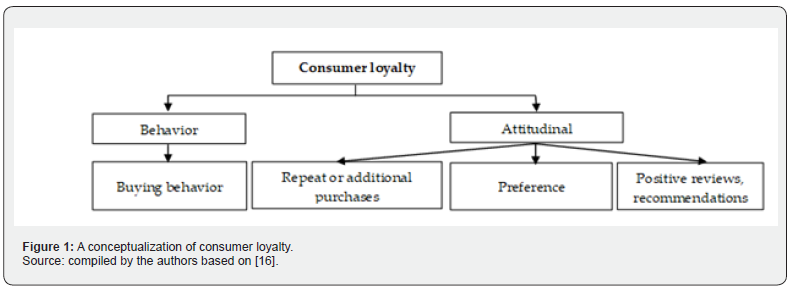
In academic literature, these characteristics are commonly associated
with two interrelated concepts of loyalty [16]:
i. Behavioral loyalty, which is reflected in the actual number
of purchases over a specified period of time.
ii. Attitudinal loyalty, which is reflected in a consumer’s
favorable disposition toward the brand (preference, satisfaction,
commitment, referral) (Figure 1).
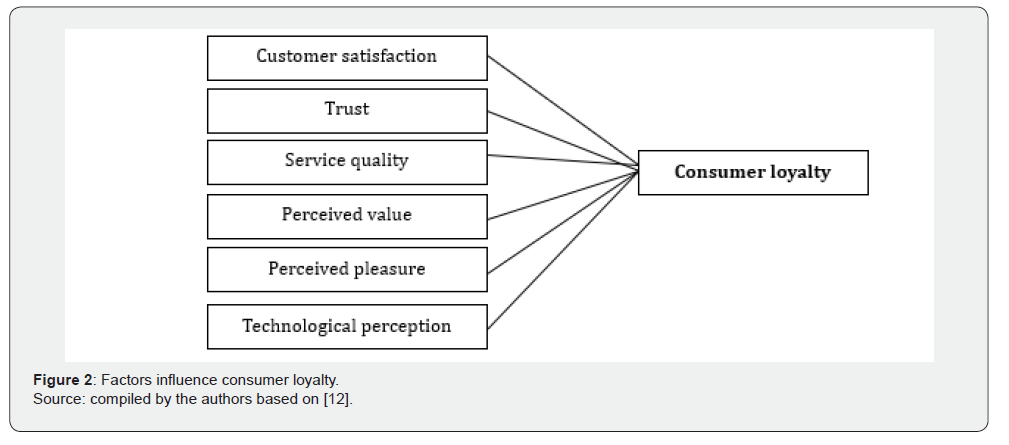
Summarizing the characteristics mentioned above, consumer loyalty can be perceived as a reflection of the value created for the customer. Loyal consumers experience less risk, a greater sense of trust in the company, and satisfaction with the purchased products. Their decision-making process becomes easier, and a longterm relationship with the company fosters a sense of exclusivity. [12] also include the aforementioned factors and add several new ones in their model, such as the consumer’s perceived pleasure in using the services, technological perception of the service (Figure 2).
Scientific literature highlights a recurring issue: in attempting to secure customer loyalty, organizations often resort hastily to price reduction strategies, such as promotions. However, these measures are usually temporary and not always effective-once the price returns to its original level, consumers may no longer be willing to purchase the same product again. Among the factors highlighted in Figure 2, price is not singled out as an important factor. This suggests that for loyal customers, the price of the product alone is not the main factor determining the choice recently, because the interpersonal relationship and trust in the service provider are also important for the customer.
Different airlines have different business models (such as traditional, charter, low-cost, business or private), and the types and characteristics of consumers depend on the airline’s business model. This means that the type of consumers affects their behavior and attitudes, and identifying the type of consumer can be used to distinguish between loyal and non-loyal consumers.
Loyalty in a sustainable company differs from the general understanding of loyalty. Employee loyalty can be treated as a construct integrating attitudinal and behavioral dimensions - the creation and maintenance of long-term voluntary mutually beneficial and trust-based relationships between an organization and its employees, manifested in the employee’s attachment to the organization and favorable behavior towards the organization [14]. When treating employee loyalty as a result of the individual and organizational levels, special attention is required not only by the factors operating at these levels, but also by possible intermediate or moderating variables [7]. There is sufficient evidence to believe that employee development, employee empowerment, teamwork, leadership, pay, working conditions, management’s commitment to a quality culture, and employee evaluation have an impact on employee satisfaction, which is directly related to employee loyalty [8]. It is likely that the following individual-level factors have a direct impact on employee loyalty: employee gender, age, education, length of service, and family status. It is possible that individual factors influence not only employee loyalty, but also employee satisfaction, which in turn affects employee loyalty [16].
Assessment of aspects of satisfaction
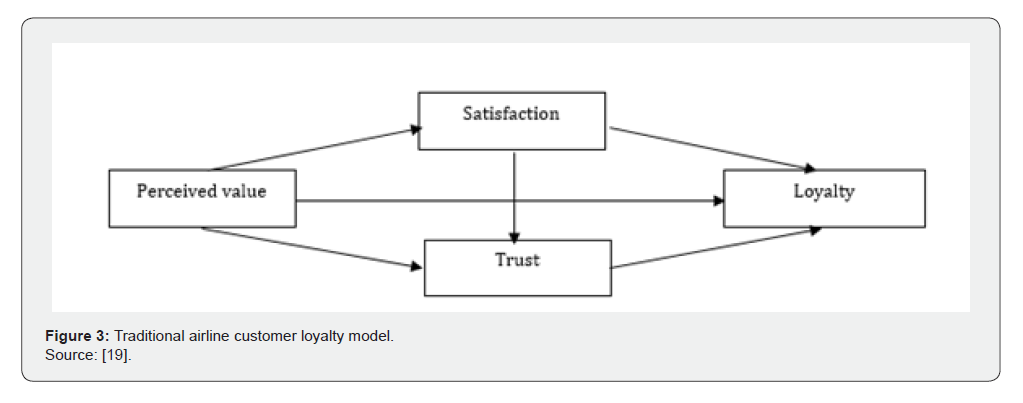
Airline services are highly differentiated as loyalty measures and determinants differ significantly in each market segment [17,18]. According to Forgas and others [19], customer satisfaction with airlines arises when the perceived value of the service exceeds expectations. This, of course, builds trust and fosters loyalty (Figure 3).
Several groups of airline consumers are distinguished according
to different aspects of analysis, such as:
i. Purpose of flight (business/educational or holiday/leisure
passengers).
ii. Ticket purchasing method (passengers who purchase
their own tickets or those whose tickets are purchased by others).
iii. Frequency of traveling by plane (frequent or occasional
passengers) [20].
[21] classify airline passengers not by the purpose of travel,
frequency and method of ticket purchase, but based on their perception
of the quality and value of flight services they need:
i. Business (otherwise, first) class passengers.
ii. Premium economy class passengers.
iii. Economy class passengers.
Airlines typically provide their services to both business and economy class passengers at the airport and on the plane, dividing them into different zones. According to [21], these groups differ significantly in their needs. Business class passengers prioritize privacy, airline reliability, individual attention, service quality (good service, food and drink selection, availability of additional services, etc.). In contrast, passengers of economy class focus primarily on price and the assurance of quality of basic service. This is also confirmed by other authors [22], who found that business class passengers focus mainly on service quality, and economy class passengers are more concerned with flight delays, baggage check-in, prices at the airport and during the flight.
Scientific sources present many different measures and factors that promote the loyalty of air transport customers. Various research papers [23-27] have conflicting opinions on the effect on consumer loyalty price. It often depends on the frequency of travel. Research results have shown that low-cost airlines are mostly used by young and older people. Therefore, it can be argued that the price of flights is very important to customers of low-cost airlines [19,23].
Some authors claim that the price has little or no significant impact (less than 3% of all evaluated factors). In this case, consumer loyalty is characterized by loyalty to a specific airline [28], because it mainly focuses on service quality, satisfaction and ensuring future services.
The price-to-quality ratio is very important for every consumer, so it can be said that the correctly set price of sustainable airline services often determines the degree of customer loyalty. This is based on the fact that consumers themselves seek economic benefits, and if the price is unreasonable, it can lead to customer disappointment.
Satisfaction is an attitude that is described as one of the main mechanisms for retaining existing customers. Analyzing loyalty requires a thorough analysis of customer satisfaction [17,29]. Numerous articles can be found in various sources that examine the dependence of satisfaction on other factors such as reliability, service quality, responsiveness, empathy, etc. [20,22] indicated that consumer satisfaction depends mostly on the professionalism of airline companies, on the helpfulness of the crew, and the quality of flight services.
Trust and an effective complaint handling system are among the main conditions for airline consumer loyalty [11,19,30], which can be ensured by effective communication (including regular, timely customer information), thus strengthening the emotional connection and creating a psychological barrier to switching to a competitor.
The application of various privileges and loyalty programs has a great influence on the choice of an airline. According to [11], the convenience of the airline’s flight schedule, boarding and flight time, seat selection, etc. are significant for airline consumer loyalty and airline choice. Research conducted by [20] Sanada and Matibiri [17] found that security and safety of flight have a significant impact on travelers of leisure who fly less often.
Loyalty programs applied by airlines
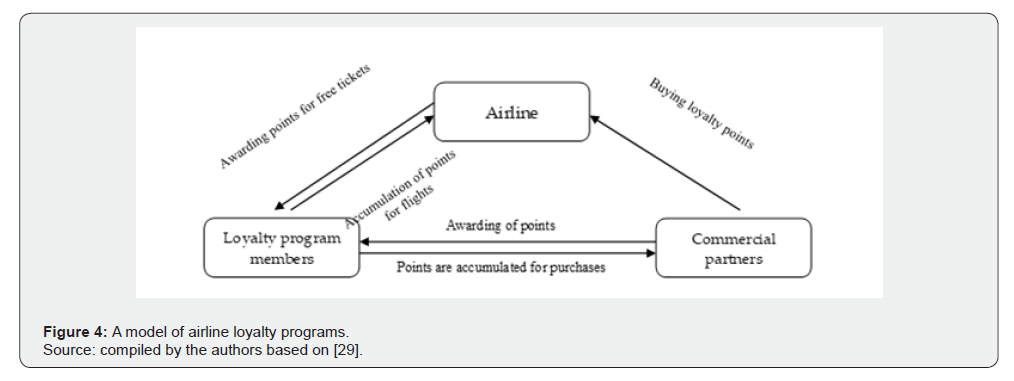
The traditional mechanism of loyalty programs in the airline sector is based on a system of accumulating points for each mile or kilometer flown [31]. Most programs are compiled based on principle that points are awarded for the distance flown, but there are exceptions. For example, some European airlines offer a fixed number of points for domestic or intra-European flights, because for relatively short distances, the actual mileage may be insignificant compared to the cost of the ticket [32].
It should be noted that recently more and more airlines are shifting to revenue-based frequent flyer programs, which means that points for the flight are accumulated not only based on the distance flown, but also taking into account the amount paid by the passenger for this flight and other related services [29]. This suggests that airlines aim to reward higher-spending customers. Typically, points are accumulated with a specific airline or its partners when a certain distance is flown [32]. It should be noted that different airlines often apply different points accumulation systems, which not only include points for flights, but also for making orders from cooperating hotels, car rental points, for using a credit card, etc. Accumulated points can be used for other flights, better services or to purchase airline brand products (Figure 4).
[20] adds that airlines, by offering discounts or other special
attention, not only prevent customers from considering switching
to competitors, but also encourage positive word-of-mouth recommendations
to friends and others. Some researchers analyzed
the characteristics of airline loyalty programs and identified the
motivational reasons why airline customers may be encouraged
to use these programs. Motivational incentives, according to the
author, are the following:
i. Economic, related to receiving economic benefits (e.g.
price reduction, providing coupons).
ii. Functional, related to the easier purchase of the service
(e.g. booking convenience, reduced purchase time).
iii. Informational, related to easier access to information.
[11] evaluate the reasons for participating in such programs
through the directly derived monetary and emotional benefits
and distinguish them as follows:
i. Receiving economic benefits (through discounts).
ii. Gaining emotional benefits (through a sense of belonging).
iii. Seeking prestige or recognition and access to exclusive
services.
It has been observed that economic benefits are mostly emphasized, which [30] identify as a key factor in motivating the engagement of loyalty program participants. However, other reasons differ - some authors distinguish between emotional benefits and the ability to use specific services and feel exceptional, and others – easier and more convenient management of their travel processes.
[31,33] note additional loyalty program benefits, including: free choice of seat on the plane, reservations via a dedicated phone line, check-in at separate check-in desks, possibility to use the VIP lounge at the airport, parking space in the airport parking lot, priority boarding, fast security check-in, higher baggage limit, limousine services, priority on the waiting list for travelers when flights are fully booked, staff assistance, etc. [34] states that airline alliances or partnerships formed will create agreements with other service providers, encourage the improvement of frequent traveler programs and allow travelers to use the accumulated points for the services of other airlines forming the alliance, use points in retail trade, hotel bookings or car rentals, etc.
Research Methodology
Aim of the research - to assess the travel habits of Lithuanian airline users and identify the main factors promoting loyalty.
To achieve this aim, the following objectives were set:
i. To find out the demographic and social characteristics of
Lithuanian airline consumers.
ii. To determine the general travel characteristics of Lithuanian
airline consumers.
iii. To find out the measures and factors that mainly influence
the choice and loyalty of airlines.
A quantitative research method was used, which was chosen in order to gather the largest possible group of respondents and obtain more accurate data, because the random distribution of subjects helps to avoid bias [35]. As [36] point out, the survey of questionnaire is the most popular in conducting research, because if the research questionnaire is properly prepared and used, it is possible to obtain sufficient adequate information about the phenomenon under investigation. Also, according to [28], questionnaire survey should be considered as the main method of evaluating expected consumer loyalty. Cronbach’s alpha coefficient was used to assess the internal consistency of the questionnaire scale. The Cronbach’s alpha coefficient was calculated - 0.78.
A research sample can be any set of population elements that are selected from it for direct research [35]. In other words, a research sample can be called the respondents (the research group) who are interviewed during the research. The minimum research sample size is calculated according to the Paniotto formula [37]:

where: n is the sample size, Δ is the sample error or marginal sampling error (in social science research, a 5% error is used, i.e. Δ = 0.05), N is the general population size.
In 2023, 6.5 million customers were served at airports of Lithuanian. Therefore, this can be considered the study population, since the Lithuanian airline attitudes customers towards loyalty will be studied. After performing calculations according the formula of Paniotto, it was determined that the study sample have be at least 400 Lithuanian residents:

The respondents’ characteristics met the condition that the customer had flown to/from Lithuania at least once in the last 2 years. The survey was conducted between March and May of 2025.
An electronic questionnaire in Lithuanian was prepared in advance, using the Google Forms tool. The questionnaire was placed and made public on the Internet - in various private and public Facebook groups, LinkedIn account. Friends, acquaintances and random people were also personally asked to complete the questionnaire. It mainly contained closed type questions. The structure of the questionnaire consisted of introductory, demographic- social and diagnostic parts.
Statistical data analysis and graphical representation of data were performed using Microsoft Excel. The most frequent and least frequent data sets were calculated by evaluating the characteristics of the variables.
In order to assess the respondents’ attitudes regarding which factors most determine the choice of airline for travel and loyalty to a specific company, one of the opinion assessment methods was applied - the Likert scale. First, the aim was to find out the opinions of respondents about the factors which influence the airline choice by presenting them with 8 statements. Respondents had to evaluate each factor on the scale of five-point (with each statement indicating agreement or disagreement degree with the importance of the factor). A higher assessment of the statements (4 - “important”, or 5 - “very important”) on the Likert scale reveals strong positive respondent attitudes, while a lower assessment (1 - “not important at all”, or 2 - “not important”) - negative attitudes. The assessment “neither important nor unimportant” (3) shows the respondent’s neutral opinion.
In order to assess the individual factors importance, the average factors importance for all respondents was calculated using the formula:

where: V1 – cases number where the factor is ranked 1st, V2 – number of cases where the factor is ranked 2nd, V3 – number of cases where the factor is ranked 3rd, V4 – number of cases where the factor is ranked 4th, V5 – number of cases where the action is ranked 5th, n – study sample.
Quantitative Research Results and Their Analysis
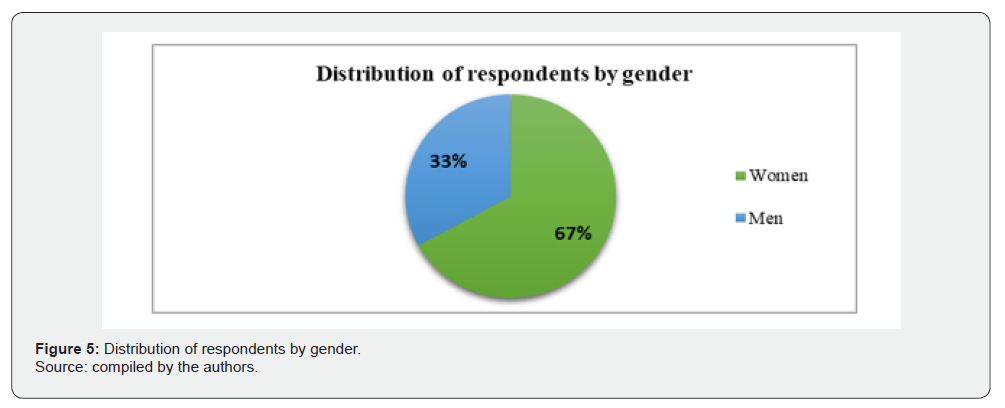
The first part of the questionnaire was aimed at finding out the social and demographic characteristics of airline consumers, according to which it would be possible to determine the characteristics of people most inclined to loyalty. A total of 409 respondents participated in the quantitative study, including 136 men (33%) and 273 women (67%) (Figure 5). Based on the gender distribution, it can be concluded that women travel more often on airlines and they may be more inclined to loyalty than men.
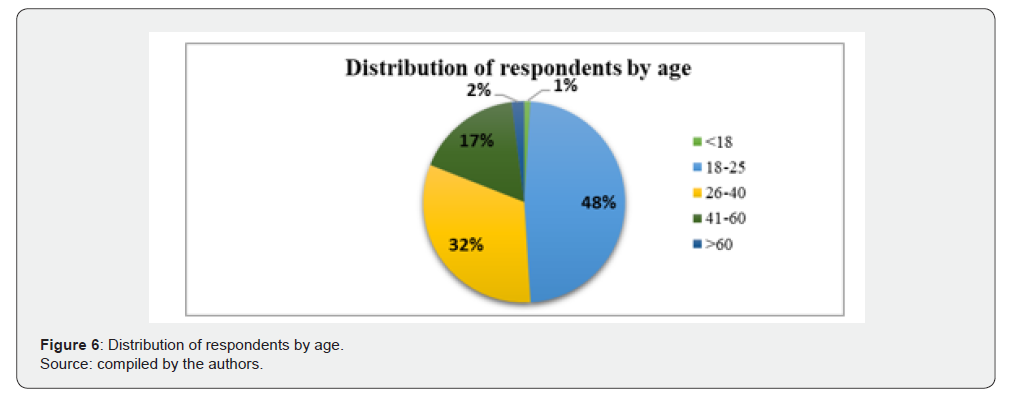
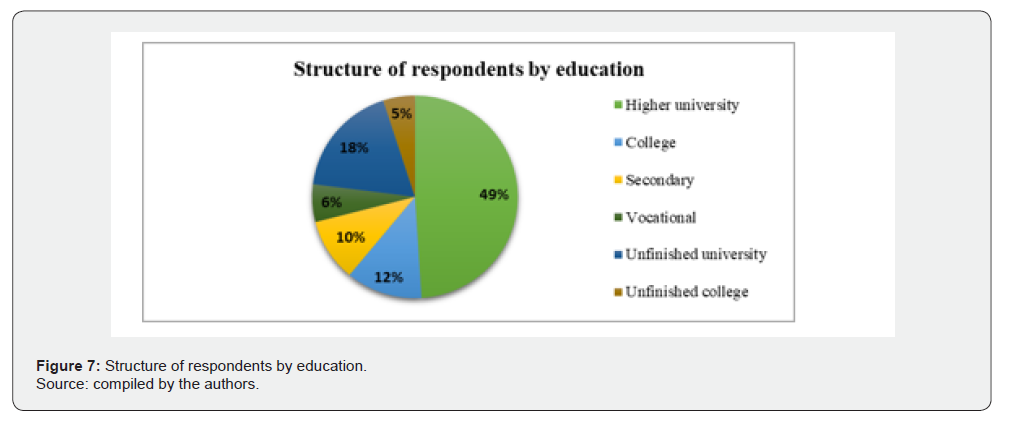
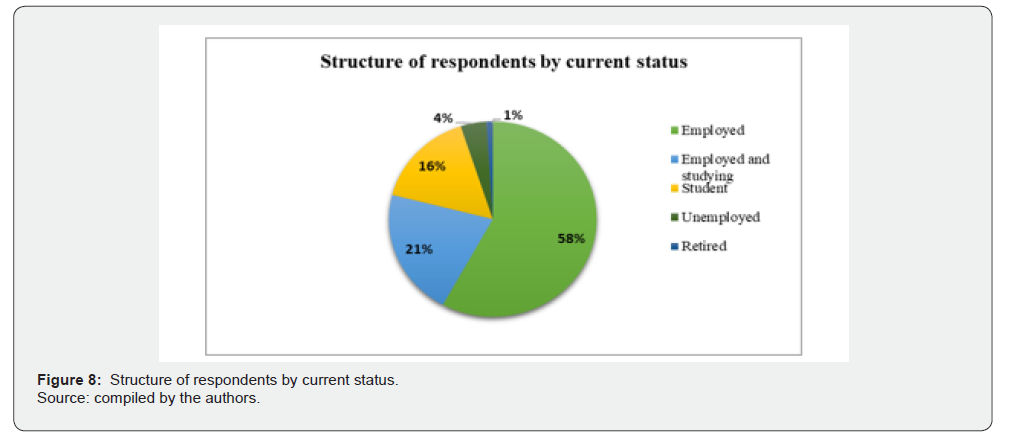
In Figure 6, the data show that 48 percent of respondents fall into the 18–25 age category, followed by 32% in the 26–40 age group, and 17% aged between 41 and 60. Respondents under the age of 18 (only 1%) answered the questions in the questionnaire the least, and those over 60 made up just 2%. These findings suggest that older people and minors travel by plane less frequently and are therefore likely less loyal to specific airlines. One of the initial questions asked respondents to indicate their level of education. Most of respondents (49%) have higher (university) education, 18% are currently still studying. 12% have completed higher (college) education, and 5% are still studying in colleges. 6% of respondents have professional education, and 10% of respondents have secondary education (Figure 7). In the next question, the respondents were asked to answer about their current status. 58% of all respondents answered that they work, 21% noted that they work and study at the same time. 16% of respondents are only studying, 4% are unemployed, 1% are retired (Figure 8). This was very important to find out, because the loyalty of airline customers is highly dependent on whether the customers are working and have the income to travel.
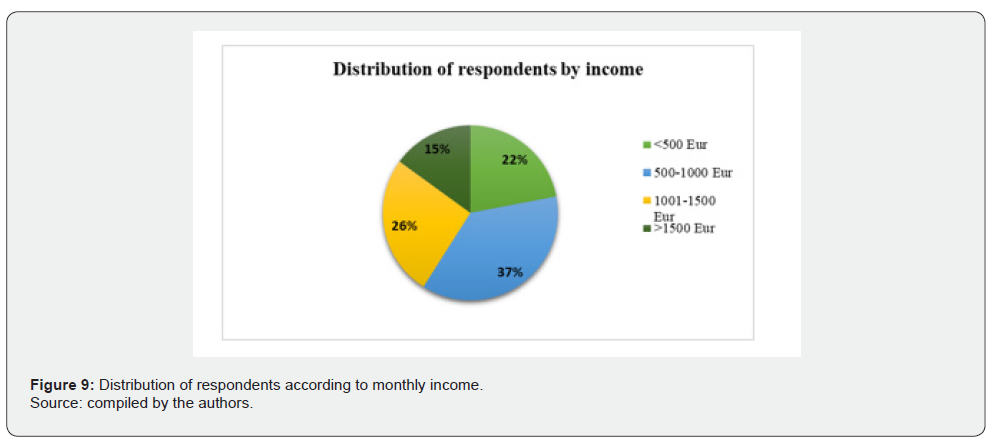
The last question, which aimed to reveal the demographic and social characteristics of respondents, was about their net monthly income. The largest part of the respondents was made up of people who earn between EUR 500 and EUR 1,000 per month (37%), and the smallest – more than EUR 1,500 (15%).26% of the residents earn between EUR 1,001 and EUR 1,500, and 22% of respondents earn less than EUR 500 (Figure 9). This shows that most of the respondents earn the Lithuanian average monthly salary, which at the end of 2019 was around EUR 866. The distribution of respondents by income means that an airline consumer loyalty survey is most likely to reveal the attitudes of middle-income earners.
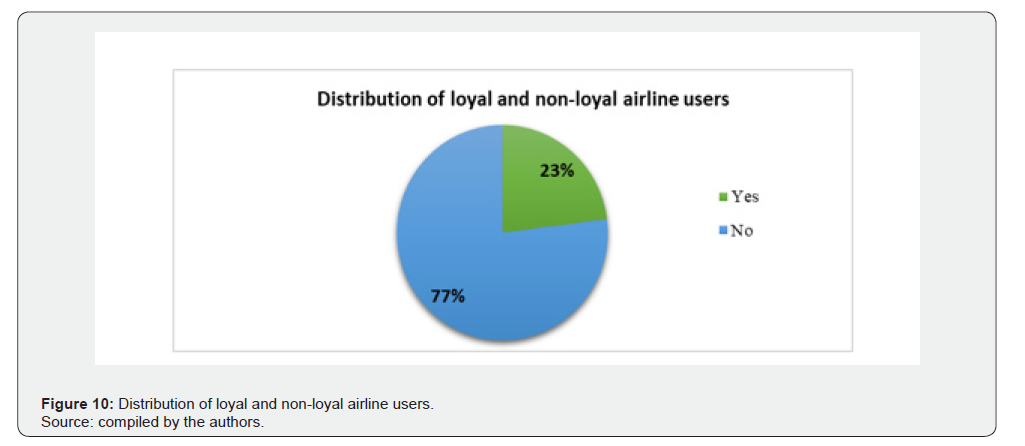
In order to reveal the most common portrait of loyal airline consumers, respondents were asked whether they were loyal to a specific airline. Out of 409 respondents, 315 answered that they were disloyal (77%), and 94 were loyal to companies operating flights in Lithuania (23%) (Figure 10).
In this case, the answers of 23% of the respondents who indicated loyalty to specific airlines are particularly relevant for analyzing the general characteristics of loyal customers. Scientific literature states that women are more loyal than men [28], and also that loyalty differs according to age [38]. After examining the scientific literature on customer age, occupation and their influence on air service providers, it can be said that people with lower income and less education are the most loyal. This can be explained by a lower tendency to compare various information and accumulate it [38].
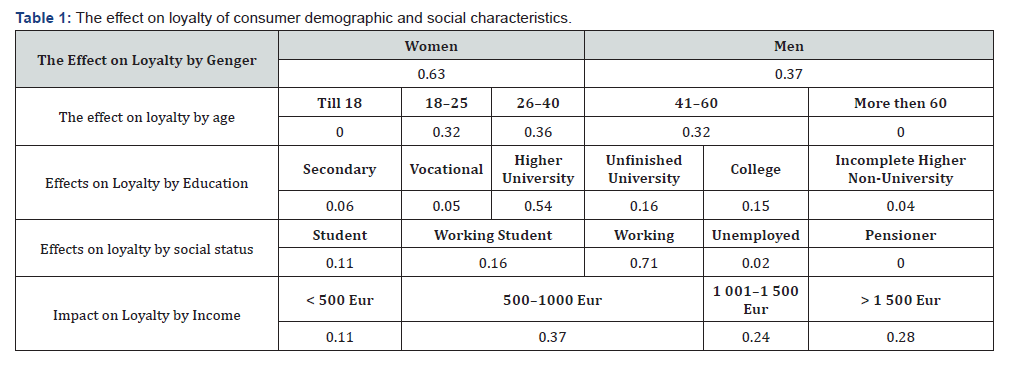
In order to confirm or deny the positive truths in scientific sources about the importance of certain demographic and social characteristics for airline loyalty, a relative analysis was conducted, the results of which are presented in Table 1.
Respondents were asked the question: “What motivates you to participate in loyalty programs?” Among loyal respondents, 74% indicated that they participate in loyalty programs because of the economic benefits and privileges provided to them. Loyalty programs provide satisfaction and a sense of exclusivity, which was the least selected reason among loyal participants. The study showed that travelers who consider themselves loyal (34%) do not participate in loyalty programs because they travel by plane quite rarely (56%) and do not want to make a commitment (44%). Similar reasons were given by disloyal customers (69% of respondents). Other respondents indicated that by not participating in loyalty programs they want to avoid excessive advertising or simply did not find the programs worthwhile.
As it turned out from the research, 59% of loyal respondents would agree to participate in loyalty programs. 34% of respondents indicated that the air transport companies themselves should make greater efforts and investments in more attractive passenger service.
Respondents were asked to reveal the biggest reason why they
are disloyal to an airline. Respondents’ answers were as follows:
i. Traveling by plane is too rare (51%).
ii. Tickets are bought at the lowest price regardless of the
carrier (56%).
iii. No need to be a loyal customer (31%).
iv. The routes they need are not offered (33%).
The conducted research showed that Lithuanian residents pay little attention to the quality of flights, and a lot to the basic use of air transport companies’ services.
Discussion
Consumer loyalty is defined as consumers’ favorable evaluation of a service provider. Loyalty is divided into attitudinal and behavioral loyalty, and together they manifest through consumers perceived lower risk and greater trust, which encourages repeat purchases and more spending, as well as preference and recommendation to others.
There are various opinions in the scientific literature as to which of the factors is the most important, with the main debate being about cost and satisfaction. One highlighted issue is that while companies often rely on price reductions to gain customer loyalty, such strategies may not yield long-term results. According to other authors, the main way to form long-term relationships is to maintain close relationships and give individual attention to the customer.
During the research, some of the truths presented by the scientists
were denied. It turned out that:
i. The majority of loyal customers are women (63%), so
it can be said that they are more inclined toward airline loyalty.
ii. The age of consumers does not significantly affect airline
loyalty. Among all surveyed loyal customers, there are no younger
than 18 years old and no older than 60 years old.
iii. People with higher education are the most likely to be
loyal, possibly due to more frequent travel related to professional
careers (e.g., business travel).
iv. Employed people are loyal to airlines, because flight
tickets can be costly, and loyalty can only be ensured if consumers
themselves earn a stable income and can purposefully spend it on
travel.
v. The people who earn the average Lithuanian salary are
the most loyal to airlines.
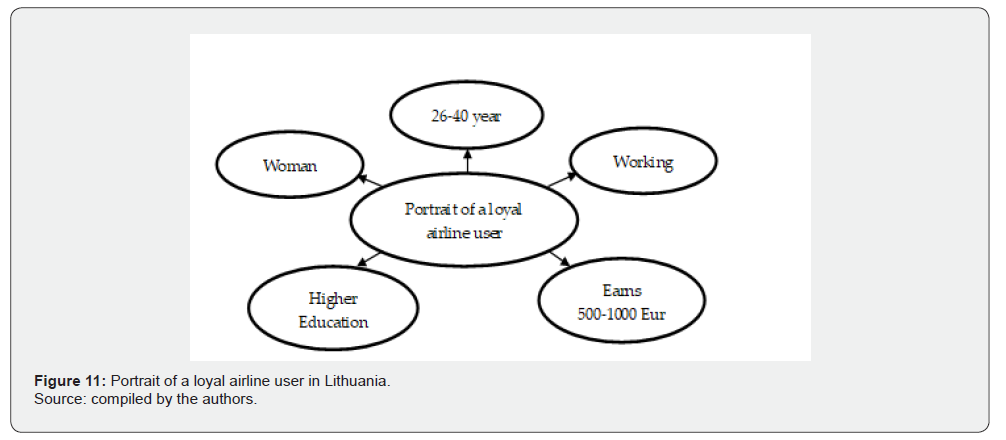
vi. Considering the obtained results of the research, a portrait
of a loyal airline consumer in Lithuania was compiled, which
is presented in Figure 11.
Thus, when studying the loyalty of Lithuanian airline consumers, the main focus is on the attitudes of young and middle-aged individuals who are employed and possess higher education. The majority of respondents are those who earn the average monthly salary in Lithuania, which confirms the logical justification of the research. The conducted research revealed that only a small part of the respondents considers themselves loyal users of airline companies (23%). Such an indicator shows that airlines operating in Lithuania face problems in attracting passengers to travel.
Respondents were also asked to suggest measures and ways
to enhance the effectiveness of loyalty programs. The following
opinions were expressed:
i. Greater discounts should be applied to frequent and regular
customers.
ii. Passengers could be encouraged with small gifts or personal
offers.
iii. Airline customers must be served more efficiently and
attractively.
iv. Loyalty programs of low-cost airlines must be improved,
which would provide an opportunity to accumulate points and exchange
them for other services.
Researchers claim that for infrequent and leisure travelers, the most important factor influencing the choice of a sustainable airline is the cost of the trip. A competitive price is an important factor of loyalty, however, researchers point out that passengers pay more and more attention to material things and interpersonal communication, therefore, it is proposed to improve the quality of the flight through updating the equipment of the airplane cabin, offering various entertainment, personalizing services, providing accurate information, thus ensuring greater confidence to the consumer and giving the airline an exclusivity and uniqueness that attracts everyone’s attention. Particular attention must be paid to innovative measures capable of distinguishing the sustainable airline from others and forming a positive experience.
In assessing the factors of airline consumer loyalty, loyalty programs are embedded, but the problem here is that they do not always reflect the most important aspirations of potentially loyal passengers, as airlines apply a universal model for different types of passengers. Different groups of airline consumers differ in their needs and expectations, therefore, when creating loyalty programs, the airline’s most important task becomes a detailed analysis of customer needs and the airline’s capabilities.
Consumers associate airline loyalty programs mainly with obtaining economic and emotional benefits, manifested through offering various additional services to loyal passengers, saving travel time, and facilitating planning. Loyalty programs are common among entrepreneurs and other frequent travelers, but are absolutely unpopular among holiday, education and other infrequent passengers due to the long-term non-payback of the offered services and the specificity of the services.
Originality of the article - the findings of this research may have significant implications for improving airline loyalty strategies and programs by focusing more on key loyalty drivers: competitive pricing, flight period and destinations, positive previous flight experience, and price-quality ratio.
Conclusion
The stated objective of the study was achieved. The most important results of the study are as follows: the research showed that a small part of respondents (22%) can call themselves loyal, and the main factors that encourage loyalty are: price-quality ratio (4.6), satisfaction with previous flights (4.3), competitive price (4.4), flight period and directions (4.3) and other factors. Loyalty programs have the least impact on loyalty, which is associated with the infrequent travel of Lithuanian residents, their lack of commitment, and the perception that participation in such programs is not worthwhile.
The study showed that travelers who consider themselves loyal (34%) do not participate in loyalty programs because they travel by plane quite rarely (56%) and do not want to make a commitment (44%). Very similar reasons were given by disloyal customers (69% of those surveyed). Other respondents indicated that by not participating in loyalty programs they want to avoid excessive advertising or simply did not find the programs worthwhile. As it turned out from the research, 59% of loyal respondents would agree to participate in loyalty programs. 34% of respondents indicated that airlines themselves should make greater efforts and investments in more attractive passenger service.
The research revealed that in order to ensure customer loyalty, attractive offers to customers are needed, both in terms of price and service quality, and in terms of improving the discount system.
Limitations
The conducted study on aviation service quality and loyalty
had some limitations. Only people who flew on airlines during
the research period participated in this study. Passenger opinions
were examined on multiple routes, short and long-haul flights.
Long haul flights and short haul flights should be examined separately
and the results compared. This study did not examine how
often passengers change airlines. Also, the sample size could be
increased to improve generalizability. Further research should focus
on these limitations.
i. This study was conducted in Lithuania, and the findings
may not be generalizable to other geographical regions. Future
work could address this limitation by conducting a cross-country
comparative study with a more diverse group of respondents from
different countries, revealing more about the cultural influence on
the determinants of customer loyalty. Accordingly, future studies
may consider using larger samples and applying a stratified
sampling method to obtain reliable and generalizable results.
References
- Putting the Focus on Sustainability in the Aviation Industry.
- Awadh MA (2023) Assessing the Quality of Sustainable Airline Services Utilizing the Multicriteria Decision-Making Approach. Sustainability 15(9): 7044.
- Sulu D, Arasli H, Saydam MB (2022) Air-Travelers’ Perceptions of Service Quality during the COVID-19 Pandemic: Evidence from Tripadvisor Sites. Sustainability 14(1): 435.
- Hameed I, Chatterjee RS, Zainab B, Tzhe AX, Yee LS, et al. (2024) Navigating loyalty and trust in the skies: The mediating role of customer satisfaction and image for sustainable airlines. Sustainable Futures 8: 100299.
- Yang CH, Kuo L, Liu YY, Pan KL (2024) Incorporating resource optimization for sustainable airline service innovation business decision model: toward circular economy policy achievement. Annals of Operations Research.
- Krömer MM, Topchishvili D, Schön C (2024) Sustainable airline planning and scheduling. Journal of Cleaner Production 434: 139986.
- Ma G, Ma J (2022) The Impact of Airport Facility Service Quality on Brand Experience and Passenger Satisfaction: Considering the Mediating Role of Brand Engagement. Future Transportation 2(2): 501-521.
- Glinskienė R, Kvedaraitė N, Kvedaras M (2010) Strengthening consumer loyalty is the most significant goal of modern companies. Economics and Management 20(4): 40-52.
- Chung S, Park JW (2022) The Influence of CSR on Airline Loyalty through the Mediations of Passenger Satisfaction, Airline Brand, and Airline Trust: Korean Market Focused. Sustainability 14(8): 4548.
- Goutam D, Gopalakrishna B (2018) Customer loyalty development in online shopping: An integration of e-service quality model and commitment-trust theory. Management Science Letters 8 (11): 1149-1158.
- Hossain MZ, Kibria H, Farhana S (2017) Do Customer Loyalty Programs Really Working Airlines Business? A Study on Air Berlin. Journal of Service Science and Management 10(4): 360-375.
- Maamari QAA, Abdulrab M (2017) Factors Affecting on Customer Loyalty in Service Organizations. International Journal of Energy Policy and Management 2(5): 25-31.
- Bowen JT, Cain SLCMc (2015) Transitioning loyalty programs: a commentary on ‘the relationship between customer loyalty and customer satisfaction. International Journal of Contemporary Hospitality Management 27(3): 415-430.
- Akbar MM, Parvez N (2009) Impact of service quality, trust, and customer satisfaction on customers loyalty. ABAC Journal 29(1): 24-38.
- Dehghan A, Shahin A (2011) Customer Loyalty Assessment: A Case Study in MADDIRAN, the Distributor of LG Electronics in Iran. Journal of Business Management and Strategy 2(1): 1-23.
- Zikienė K (2009) Consumer loyalty: a model of switching behavior formation. Vytautas Magnus University, Lithuania.
- Sandada M, Matibiri B (2016) An Investigation into the Impact of Service Quality, Frequent Flier Programs and Safety Perception on Satisfaction and Customer Loyalty in the Airline Industry in Southern Africa. South East European Journal of Economics and Business 11(1): 41-53.
- Chou S, Chen CW, Wong M (2023) When social media meets low-cost airlines: Will customer engagement increase customer loyalty. Research in Transportation Business & Management 47: 100945.
- Forgas A, Moliner MA, Sanchez J, Palau R (2010) Antecedents of airline passenger loyalty: Low-cost versus traditional airlines. Journal of Air Transport Management 16(4): 229-233.
- Climis R (2016) Factors Affecting Customer Retention in the Airline Industry. Journal of Management and Business Administration. Central Europe 24(4): 49-69.
- An M, Noh Y (2009) Airline customer satisfaction and loyalty: impact of in-flight service quality. Service Business 3: 293-307.
- Lucini FR, Tonetto LM, Fogliatto FS, Anzanello MJ (2020) Text mining approach to explore dimensions of airline customer satisfaction using online customer reviews. Journal of Air Transport Management 83: 1-12.
- Lee CKM, Ng KKH, Chan HK, Choy KL, Tai WC, et al. (2018) A multi-group analysis of social media engagement and loyalty constructs between full-service and low-cost carriers in Hong Kong. Journal of Air Transport Management 73: 46-57.
- Thowayeb HH, Salem AE (2021) Impact of Service Quality of Low-Cost Carriers on Airline Image and Consumers' Satisfaction and Loyalty during the COVID-19 Outbreak. Int J Environ Res Public Health 19(1): 83.
- Murugesan R, AP RNN, Balanathan R (2024) Forecasting airline passengers’ satisfaction based on sentiments and ratings: An application of VADER and machine learning techniques. Journal of Air Transport Management 120: 102668.
- Dike SE, Davis Z, Abrahams A, Anjomshoae A, Ractham P (2024) Evaluation of passengers’ expectations and satisfaction in the airline industry: an empirical performance analysis of online reviews. Benchmarking: An International Journal 31(2): 611-639.
- Roy R, Adhikari K (2025) Influence of Service Quality of Airlines on Satisfaction of Passengers: A Perceptual Study. Journal of Commerce and Accounting Research 14(2): 20-28.
- Vaitonė NV (2014) Evaluation of service user loyalty. Ph.D. Thesis 2014, Vilnius, Technika, Lithuania.
- Rothenberger S, Grewal D, Iyer GR (2008) Understanding the role of complaint handling on consumer loyalty in service relationships. Journal of Relationship Marketing 7(4): 359-376.
- Gupta S, Gupta T, Shainesh G (2018) Navigating from program loyalty to company loyalty. IIMB Management Review 30(3): 196-206.
- Budd L, Ison S (2020) Air Transport Management. An international perspective. New York: Routledge.
- Rooij L, Koczan Z (2015) Frequent Flyer Programs. SAGE Encyclopedia of Economics and Society.
- Taneja NK (2016) Driving Airline Business Strategies through Emerging Technology. New York: Routledge, p. 216.
- Wever M (2017) Advantages and disadvantages of deploying frequent flyer programs as impact factors affecting airline customer behavior and retention. Advances in Business Related Scientific Research Journal 8(1).
- Kardelis K (2002) Research methodology and methods. 2nd revised and expanded edition, Kaunas: Judex.
- Tijūnėlienė O, Virbalienė A (2006) Questionnaires, means of verifying pedagogical phenomena, psychological foundations of construction. Pedagogy 82: 91-100.
- Valackienė A, Mikėnė S (2008) Sociological research: methodology and implementation techniques. Kaunas: Technology.
- Rudawska E (2011) Demographic determiners as a factor differentiating customers’ loyal behavior in individual banking market. Studies & Proceedings Polish Association for Knowledge Management 52: 124-135.

























