




 GJTLH Home



Abstract
Balancing the preservation of cultural heritage with tourism development in World Heritage Sites is essential. The aim of this study is to identify and prioritize the principles of cultural heritage tourism development in World Heritage Sites, with a focus on the Fin Garden in Kashan. This research was conducted using a qualitative methodology and thematic analysis based on the Braun and Clarke approach. The statistical population included 10 experts in the fields of tourism and cultural heritage, consisting of academic experts (faculty members in tourism disciplines) and practical experts (executives with extensive experience in cultural heritage). Participants were selected through purposive snowball sampling and were interviewed using semi-structured interviews until theoretical saturation was reached. The strategy for selecting organizational experts was based on their executive activities and managerial backgrounds. The essential criteria for selection included having at least 10 years of executive experience and holding a master’s or doctoral degree in tourism, management, or related fields. The interview process continued until full theoretical saturation was achieved. Data analysis was performed using MAXQDA software. To ensure the reliability of the interviews, structured process techniques, such as convergent interviews and the involvement of at least two parallel interviewers conducting interviews independently, were applied. From the findings of the study, a total of 32 open codes from initial concepts, 16 sub-themes (basic themes), and 6 main themes were extracted. Ultimately, the following were identified as the key principles of cultural heritage tourism development in World Heritage Sites: preservation and protection of resources, revitalization of sites and programs, harmony between community and tourism, focus on quality and authenticity, community participation and empowerment, and intelligent and sustainable site management. Subsequently, a questionnaire was developed based on these factors and distributed among the statistical population for evaluation. The research model was confirmed with a strong fit. By presenting a scientific model for identifying principles of cultural heritage tourism, this study can serve as a foundation for future managerial decisions and policy-making in Iran’s World Heritage Sites and contribute to the improvement of tourism planning.
Keywords:Cultural heritage tourism; Thematic analysis method; Heritage Site management; Fin Garden of Kashan; Tourism policy
Abbreviations: SDGS: Sustainable Development Goals; RMSEA: Root Mean Square Error of Estimation; CFI: Comparative Fit Index Adjusted; NFI: Non-Normalized Fit Index; IFI: Incremental Fit Index; CFA: Confirmatory Factor Analysis; CBT: Community-Based Tourism; AR: Augmented Reality
Introduction
Tourism has emerged as one of the world’s largest economic sectors following World War II, delivering significant benefits such as job creation, infrastructure development, and economic growth for governments [1]. Among the various branches of tourism, cultural heritage tourism has become increasingly important, especially at UNESCO World Heritage Sites, which are recognized for their outstanding historical and cultural Universal value [2]. Iran ranks among the leading countries in this field, with 28 UNESCO World Heritage Sites and 26 elements inscribed on the Intangible cultural heritage list. [3]. The Fin Garden in Kashan, which was added to the World Heritage List in 2011, serves as an illustrative example of Iran’s rich cultural heritage with its Authentic Persian Garden design and historical significance from the Safavid era. However, despite its considerable historical value, the fin garden faces challenges including the pressures from increasing tourist visitation and the need for more effective management strategies [4].
According to UNESCO “Cultural heritage is shared wealth with outstanding universal value, the precious wealth left by human ancestors to future generations, and non-renewable precious resources”. The presence of tourists as advertisers is advantageous for destinations and businesses, as there is no more compelling promotion than that done by tourists themselves [5].
The growing global interest in cultural landmarks and ancient relics has highlighted the essential role of heritage tourism in preserving historical identities [6]. However, the extensive presence of tourists can often lead to the physical deterioration of heritage sites and cultural disruption, emphasizing the importance of well-planned management and sustainable tourism practices [7]. The Fin Garden, with its symmetrical layout and traditional irrigation systems, reflects not only a significant tourist attraction but also an essential part of historical human-environment interactions, requiring a structured and thoughtful approach to tourism development [8]. As cultural heritage tourism continues to gain global attention, effective management strategies become increasingly crucial for preserving these Irreplaceable assets [9].
Recent studies have explored various methodologies and frameworks to promote heritage tourism development. For instance, SWOT analysis has been employed in several studies to identify strengths, weaknesses, opportunities, and threats associated with heritage tourism. Studies conducted in regions like Siva’s agar, Assam, have highlighted strengths such as community involvement and identified infrastructure limitations as key challenges [10].
Tourism is defined as the experience of the world and its living cultures. Travel without visiting the cultural heritage attractions of a destination will not be very thought-provoking. Considering that over 60 percent of all World Heritage Sites (both natural and cultural) are located in developing countries, the significance of cultural heritage tourism for this group of countries is emphasized [11]. The World Heritage Committee of the United Nations Educational, Scientific and Cultural Organization (UNESCO) publishes an annual list of World Heritage Site (WHS) and classifies WHS into natural, cultural mixed elements. Even though the main objective of these listings is to conserve and preserve these sites, it also leads to an increase in the number of visitors and an increase in awareness of the site. Thus, there is a direct cause-and-effect link between the granting of WHS status and tourism activity Although cultural heritage tourism is a maturing field [12], there are still some gaps to address. The World Heritage Listing and the World Heritage Convention strengthen the conservation, identification and transmission to future generations of monuments or places. it helps to maintain and protect those heritage sites through the financial and technological aid from UNESCO. Some studies indicate [13].
that more than 80 percent of all trips involve elements of cultural heritage [12]. Therefore, the necessity of developing this type of tourism is clearly evident. However, previous studies have mostly focused on the formulation of heritage tourism development strategies [14], strategic development for managing the quality of the heritage tourism supply chain [15], and the development of tourism at World Heritage Sites through three strategic dimensions (governance and marketing, attraction development and activation, and community synergy) [16]. Nevertheless, few empirical studies have actually addressed the question of what the principles of cultural heritage tourism development in World Heritage Sites are. The word “Heritage’ is related to inheritance; a transferable mode from generation to generation. It is dominant with historical values. Heritage tourism is a way to get in touch with the histories of a particular area [9].
Cultural heritage is fragile. Flows of thousands of tourists, without the necessary protection measures, can kill the hen with the golden eggs. Once heritage is destroyed. There is no way back, the damage is irreversible [17]. Heritage tourism, by involving the local community, serves as a supporter of the history, culture, and people in cities [18].
The development of heritage tourism not only preserves historical areas but also enhances the quality of life for both residents and visitors [14] cited by the National Trust for Historic Preservation.
In some cases, the economic utilization of heritage can serve as the sole financial resource for its preservation [19].
A wide range of cultural, social, and even political objectives can be outlined for the development of heritage tourism [20]. Heritage preservation and cultural tourism emerge as critical components of long-term tourism growth. Cultural heritage conservation refers to steps taken to extend the life of cultural heritage while increasing the transmission of its essential historical messages and values.it is essential to approach the development of heritage as a tourism attraction with a sustainable and responsible mindset [21].
Heritage tourism, characterized by its dual functions of preserving heritage and fostering tourism growth. The approach to developing cultural heritage tourism is consistent with the principles of heritage conservation [22]. Sustaining cultural heritage has emerged as a pressing global issue amid the rapid expansion of tourism. Although heritage sites attract visitors with unique cultural experiences, excessive tourism can cause environmental degradation, social disruption, and the erosion of their defining values [23]. For this reason, scholars in land, heritage, tourism, and sustainability stress the importance of adopting a comprehensive and holistic management approach to ensure longterm preservation [24,25]. conducted a study titled Leveraging Cultural Heritage for Sustainable Tourism Growth: Contemporary Strategies for Conservation and Promotion. This research, using the modal generalization method, helped identify successful strategies for integrating heritage into tourism activities at both local and international levels. The findings of the study indicated that tourist motivation parameters, available time, financial capabilities, and the infrastructural capacities of destinations are key factors in shaping tourist demand. The results emphasize the need to develop innovative approaches for promoting heritage through interactive media, educational initiatives, and improved logistics. Furthermore, enhancing infrastructure, creating accessible tourism products, and optimizing routes are important for attracting more tourists to cultural heritage sites.
[26] conducted a study entitled Identification and Analysis of the Social Drivers Governing the Tourism Development Policy of Iranian Cities. In this study, 17 initial factors were identified using the Delphi technique. The findings revealed that among the identified drivers, the key ones included: cultural and social policies of the government such as mandatory hijab for foreign tourists and certain restrictions on social freedoms like the prohibition of alcohol consumption; enhancing the knowledge of residents in tourism-attracting areas regarding the region’s tourism potential; development of local and traditional games; the destination’s mental image; strengthening local institutions to invest in tourism; raising awareness among the local community about how to interact with tourists; promoting a tourism-friendly culture; integration of tourism chain components; availability of accommodation facilities and services; and giving weight to local residents’ opinions in public consultation sessions and media discussions between citizens and officials.
[27] conducted a study entitled Current challenges and opportunities in cultural heritage preservation through sustainable tourism practices. This research investigates the impact of sustainable tourism on the preservation of cultural heritage in China, focusing on iconic heritage sites such as the Great Wall and the Forbidden City. The study highlights the significant role of sustainable tourism in enhancing the preservation of cultural heritage and provides empirical insights into its effects. Its innovation lies in its emphasis on diverse communities and its in-depth analysis of the complex interaction between sustainable tourism and cultural heritage preservation within the Chinese context.
[28] conducted a study titled Synergistic development of intangible cultural heritage and tourism industry: Empirical experiences from Jilin, China. This study focuses on the Jilin region of China and provides a multidimensional assessment of the current state of synergistic development between intangible cultural heritage and the tourism industry in the region. The results of the analysis indicate that from 2008 to 2022, the systems of intangible cultural heritage and tourism in the Jilin area have shown a trend of coordinated development. The study confirms the synergistic relationship between intangible cultural heritage and the tourism industry. [9] examined heritage tourism development in Sivasagar, Assam, using SWOT analysis, identifying community involvement as a strength and infrastructure limitations as a key challenge [8]. Their findings highlight the necessity of strategic planning to enhance local tourism potential while preserving cultural integrity.

In addition, [10] investigated strategies for balancing the preservation of cultural heritage with economic growth. They emphasized the importance of community engagement, sustainable tourism policies, and investments in educational programs to strengthen cultural preservation efforts [9]. Their research reinforces the concept that successful heritage tourism requires multi-stakeholder involvement and responsible tourism policies. Moreover, [29] provided valuable insights into the economic and cultural aspects of heritage tourism, discussing how power dynamics and economic interests influence the management of heritage sites [10]. Their analysis supports the for maintaining the authenticity of heritage sites.
This research contributes to the global understanding of cultural heritage tourism development principles, offering a practical framework for managers and policymakers, particularly in Iran’s World Heritage Sites, such as the fin garden. While previous studies have explored various facets of heritage tourism, few have empirically identified and prioritized development principles at such sites [29]. By addressing this gap, this study offers valuable insights not only for the Fin Garden but also for other heritage sites worldwide. In general, although heritage tourism is a wellknown sector, it is still a developing phenomenon in many destinations. One of the important topics and issues related to heritage tourism is to identify the principles and indicators of the development of this type of tourism. The development of tourism in a site depends on various factors and parameters, and the identification and classification of these factors can be very effective in planning the development of heritage tourism in cultural heritage sites. Despite the benefits of heritage tourism development, which is considered as an engine of urban development in all aspects of economic, social, cultural, etc., no research has been conducted on the development of heritage tourism. Therefore, the most important goal of this research is to identify and prioritize the principles and indicators governing the development of heritage tourism in world cultural heritage sites in Iran and, in particular, in the world site of the Fin Garden of Kashan.
Theoretical Foundations: Heritage Tourism
Heritage tourism is one of the most in-demand areas and a significant subset of cultural tourism, which is grounded in the experience of places and activities (Abbaspour et al., 2018; cited in Khomalu et al., 2014). All tourism activities that are motivated by the heritage resources of a place are referred to as heritage tourism [30]. Cultural heritage tourism has emerged in recent years as one of the most important factors in the development of international tourism, accounting for nearly forty percent of global tourism. Cultural heritage tourism has become one of the most important issues of concern to researchers, policymakers, and planners in the field of tourism in recent years, and has been considered as one of the most important drivers of economic development in various countries around the world. Therefore, paying attention to cultural heritage tourism and planning to improve its status based on scientific studies is an inevitable necessity [31] Cultural heritage tourism provides a means of protecting cultural heritage. [34] states that heritage tourism involves travelers’ efforts to see or experience-built heritage, living culture, or contemporary arts [32]. This type of tourism is widely associated with the interpretation and presentation of the past [33]. Heritage tourism is a highly sought-after segment of cultural tourism, focusing on the experiences of places and activities that reflect the cultural, historical, and natural heritage of a destination [34]. Heritage tourism is closely associated with the presentation and interpretation of the past, offering visitors a deeper understanding of the cultural and historical significance of a site [35,36] and Benn, Joseph- Mathews, Dai, Hayes, and Kou (2007), have described heritage tourism as one of the fastest-growing sectors of the tourism industry [37]. In this regard, some argue that a significant portion of the tourism industry consists of cultural heritage tourism [38]. Cultural heritage is a strategic asset in promoting tourism, that offer an authentic experience for tourists [39].
Cultural heritage is increasingly recognized as a vital treasure of human civilization, especially in the context of globalization. It serves as a repository of historical information, a source of cultural self-assurance, and a cornerstone of national identity. Often, it becomes an emblem of a region or country [40].
cultural heritage tourism is the backbone of the tourism economy in many destinations. Cultural heritage tourism is a form of tourism that is deeply rooted in cultural heritage. UNESCO’s recognition of cultural heritage is not only an appreciation for cultural heritage but also promoting preservation efforts, raising awareness about the importance of preserving cultural and natural heritage, engaging local communities in tourism activities, and increasing visibility among tourists interested in visiting renowned heritage location. [41] In contrast to [42-44] they raised concerns about the impact of uncontrolled tourism on UNESCO-recognized sites. He stressed the need for a balance between conservation, sustainability, and development. Overtourism due to interest in tourist destinations also often harms Overcrowding of tourists can cause damage to structures, erosion of fine features, and a reduction in the site’s overall authenticity and historical value. It is not uncommon for tourists to also vandalize and damage cultural artifacts [45]. Environmental degradation also occurs when tourists are not well controlled, and pollution and piles of rubbish become unavoidable [46]. Overtourism can even result in habitat destruction and pressure on natural resources, impacting the ecological balance in that location [47]. Additionally, pressure on infrastructure due to the influx of tourists can strain local infrastructure and facilities, leading to increased demand for resources such as air, waste management, transport, and accommodation [45] as well as widespread environmental impacts [48]. Cultural heritage tourism began to be recognized as a specialized activity in the 1970s, as researchers observed that some tourists traveled specifically to learn about and experience a particular culture or heritage. Internationally, cultural heritage tourism grew rapidly through the 1990s, with estimates indicating that 35 to 70% of international travelers were motivated by cultural heritage purposes. Three main factors have contributed to the rising popularity of cultural heritage tourism: (1) increased levels of education, (2) an aging population, and (3) the growing economic role of women. Among these, education has been identified as the most significant factor influencing both tourist participation and the ability to travel to heritage sites [49].
Benefits of Heritage Tourism
tourism becomes a powerful means of directly advancing the United Nations’ Sustainable Development Goals (SDGs) for 2030, adopted in 2015 well-planned and guided tourism development improves the livelihoods of local people, enhances the positive feelings of tourism participants, and has a positive impact on the natural environment. While tourism is not a cure-all for the world’s challenges and inequalities, it can serve as a powerful force for positive change-but only if its development involves meaningful dialogue and cooperation among all stakeholder groups to align with the needs of communities, visitors, and environmental sustainability [50].
Cultural heritage tourism offers significant benefits, encompassing economic, social, and cultural dimensions. One of the primary advantages is the diversification of the local economy, as heritage tourism generates revenue through visitor spending, job creation, and increased tax revenues [48]. This form of tourism not only stimulates economic development but also promotes the preservation and conservation of the destination’s heritage [51]. The development of cultural heritage tourism is often associated in contemporary literature with a range of social benefits, which can play a significant role in shaping local, regional, and national identities. It can also enhance the sense of belonging among host communities, especially those residing in proximity to heritage sites [52].
World Heritage Sites
World Heritage Sites, recognized by UNESCO for their outstanding universal value, are among the core elements of heritage tourism, attracting travelers eager to explore historical and cultural landmarks [53]. One of the motivations of heritage tourists is to gain an understanding of World Heritage Sites [54]. These sites are considered a shared heritage of humanity, encompassing historical, social, cultural, functional, artistic, and scientific significance in both tangible and intangible dimensions [55]. According to ICOMOS, heritage sites refer to: a place, a small area within a country, a national landscape, a settlement area, an architectural ensemble, an archaeological site, as well as a standing structure that is recognized and typically protected by law as a location of historical and cultural significance [30].The mission behind the creation of the World Heritage List in 1972 was to ensure the protection of these exceptional sites, preserve their conservation status for future generations, and provide assistance to those at risk [42].
When the selection of World Heritage Sites began in 1973, the primary goal was the urgent preservation and rescue of the Abu Simbel Temple in Egypt and the city of Venice, both of which were threatened by flooding [33]. To date, a total of 1223 properties (952 cultural, 231 natural, and 40 mixed cultural-natural sites) from 168 countries have been inscribed (UNESCO World Heritage List, 2025), and it is estimated that 25 to 30 sites are added to the list annually [35]. World Heritage Sites can play a significant role in promoting visitation to emerging and remote destinations [53].
The designation of a site as a World Heritage Site has been perceived as a form of branding [20,34] or labeling [54] citing Yang, Lin & Han, 2010). This designation by UNESCO not only enhances the protection of the site for future generations but also serves as a strong tourist attraction, implying a global recommendation to visit. It often encourages a specific type of tourist to visit the destination [55], particularly those seeking authentic experiences and real places [55]. However, in some cases, inclusion on the World Heritage List may put the survival of the site at risk [55].
For more effective conservation policies, each country is required to incorporate the provisions of the World Heritage Convention into its national legislation [56]. If a site from a particular country has been branded by the United Nations Educational, Scientific and Cultural Organization (UNESCO), it is highly likely to be internationally recognized as an outstanding example of the shared heritage of humanity at the global level [57].
In most cases, the inscription of a site leads to a significant increase in the number of visitors, especially foreign tourists, accompanied by a rise in tourism revenue as well as changes in business and environmental management of the area [58]. However, the literature has not reached definitive conclusions regarding the impact of inscription on the World Heritage List based on tourism demand, leaving room for further investigation [56]. It also enhances the attractiveness of tourism destinations; however, it has had significant positive and negative effects on local communities. For example, it shifts the local industry from declining sectors toward tourism and increases residents’ pride, but at the same time, it leads to the deterioration of heritage conservation levels and, by promoting tourism, poses a threat to the privacy of local people and the social spirit of the community [41]. In fact, it can be confirmed that there is a clear relationship between heritage, UNESCO sites, and tourism [58].
Heritage and tourism development
Tourism and heritage emerged simultaneously in the Western world. In fact, historians describe the sudden and rapid rise of heritage after the 1960s as part of an identity crisis resulting from several phenomena, including economic crises in Western economies, deindustrialization, decolonization, rural depopulation, post-war largescale construction, and many other factors. Moreover, the modern concept of the “monument” appeared in the West during the 19th century, precisely at the time when tourism flows began to gain importance. tourism thus acts as a heritage-producing machine, and it seems that nothing can stop this machine from continuously generating ever more diverse heritage items and artifacts. Cultural heritage and tourism share a complex, reciprocal, and complementary relationship. Cultural heritage supports tourism development in various ways, while tourism contributes to the promotion and preservation of cultural heritage [59].
Case Study
A prime example of the interplay between heritage development and tourism can be seen in the Fin Garden in Kashan, Iran. As a UNESCO World Heritage Site, the garden attracts thousands of visitors each year, generating significant revenue for local conservation efforts [54].
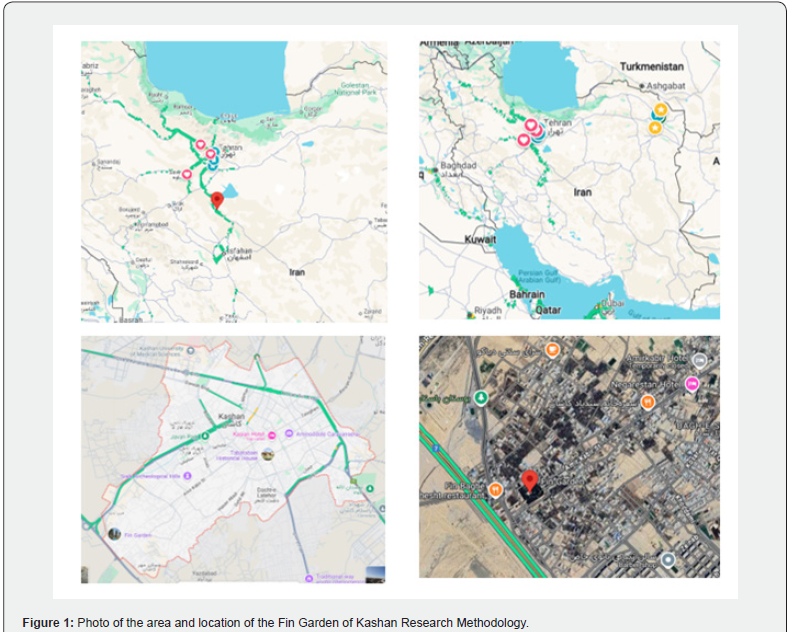
Kashan is one of the historical cities in Iran which is located in the central part of Iran Plateau around the desert, 220 km to the south of Tehran city and 86 km to the south of Qom city [60]. This city which is located in 51° and 27′ of eastern longitude and 33° and 59′ of northern latitude always has desert climate. Its altitude from sea level is 940 to 1130m [61].
Fine Kashan Garden is located in the south-west of Kashan City (about 6km away from it) at the far southeast of Fin Road (Amir Kabir Street) and in the vicinity of the Soleimanieh Qanat (commonly referred to by locals as the Soleimanieh Spring). Today, due to the development of Kashan, a part of which is towards south western side, Fin Kahsan Garden is much closer to the city.
Due to the Soleimanieh Qanat, water supply system and types of trees, Fin Garden has an almost moderate climate and still remains fresh and lively after more than 400 years. Permanent water of Soleimanieh Qanat has contributed to flourishing agriculture and gardening in this area. In comparison to other gardens in Iran, this garden is the best and actually a model for architects and landscape architects due to its water supply system and unique representation of water in the garden. Today, what is spectacular in Fin Garden is degree of accuracy in water representation through various forms in this space. In fact, the designing topic in Fin Garden has been water and its representation.
Fin Kashan Garden with different historical periods is one of the royal gardens in Iran which have passed through important historical events. Changes in the garden have been due to desire of kings and governmental issues and passage of time has added fuel to these changes; some of these changes have also caused evolution of garden view Figure 1.
The aim of this study is to identify the principles for the development of cultural heritage tourism at World Heritage Sites. Therefore, it can be asserted that the research is developmental in purpose and exploratory in nature. The approach adopted is qualitative, and the research design is based on thematic analysis. Thematic analysis is a method within qualitative research that focuses on identifying, analyzing, and interpreting patterns of meaning within qualitative data. It is a systematic process capable of transforming scattered and exploratory interview data-regarding the identification of principles for cultural heritage tourism development into rich and meaningful insights.
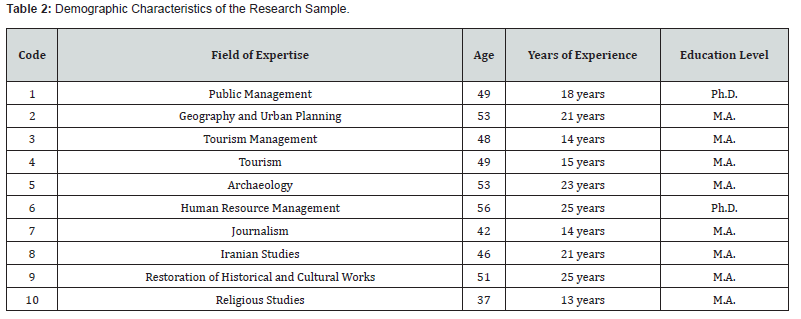
In this study, after reviewing the literature on cultural heritage tourism development, ten academic and organizational experts were selected for semi-structured interviews. The sampling method employed was snowball sampling. The strategy for selecting organizational experts was based on their executive experience and managerial background, with the inclusion criteria requiring a minimum of 10 years of practical experience and holding at least a Master’s or Ph.D. degree in tourism, management, or related fields.
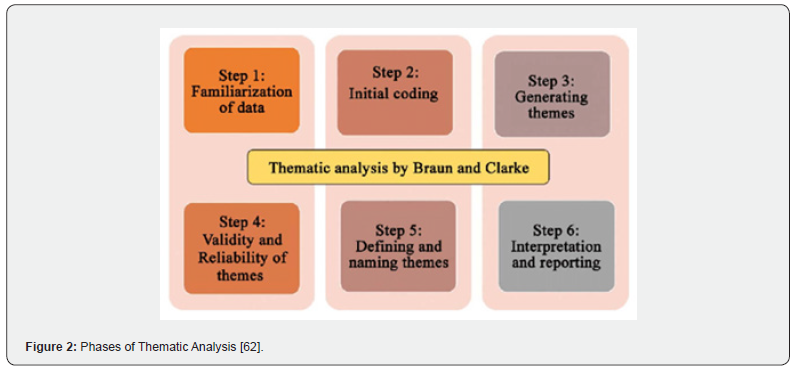
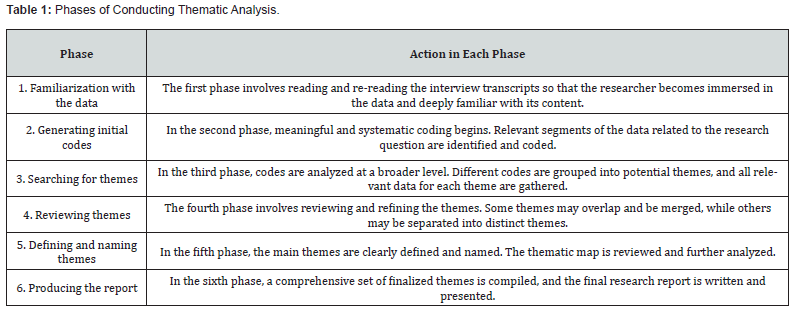
The interview process continued until theoretical saturation was achieved. Considering the importance of the research method in this study, after the interviews, the recorded notes were reviewed by the researcher, the content of the recorded interviews was transcribed, and the data were then analyzed using MAXQDA software. Data interpretation was conducted based on the [62] model, which includes six phases, as illustrated in Figure 2 and detailed step-by-step in Table 1. A critical step in drawing the thematic network involved identifying and categorizing the basic themes, organizing themes, and overarching global themes Figure 2.
Findings
In the findings section, demographic information of the participants is first presented, followed by the qualitative findings of the study. Table 2 displays the demographic characteristics of the interviewees Table 2.
In order to understand the overall content, all written data from the interviews were reviewed. Then, the text of each interview was transcribed separately and analyzed using Braun and Clarke’s method within the MAXQDA software.
The first stage of analysis involved identifying and extracting initial concepts from the interview content. Accordingly, after each interview, the researcher repeatedly reviewed the transcript to extract the underlying concepts.
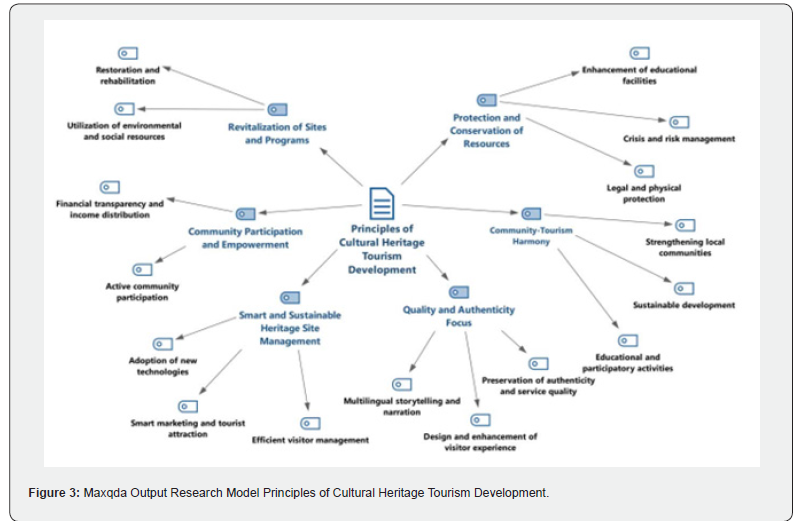
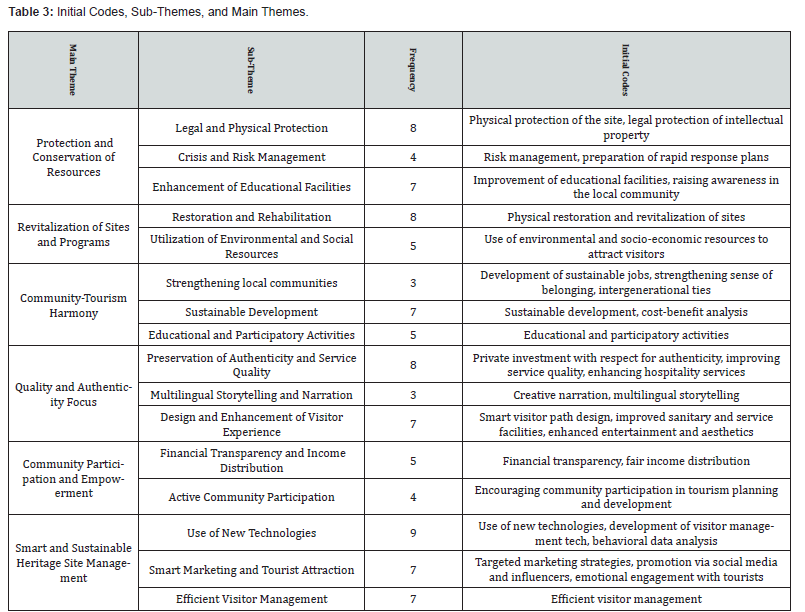
A total of 10 interviews were conducted, and initial concepts were identified. Then, by deeply examining the extracted concepts and identifying similarities and differences among them, broader categories referred to as subthemes were developed. Similar and related concepts were grouped under these broader sub-themes.
As a result of this process, 32 initial concepts and 16 sub-themes were identified. These sub-themes, along with their corresponding concepts, are presented in Table 3, Figure 3.


Descriptive Statistics of the Variables
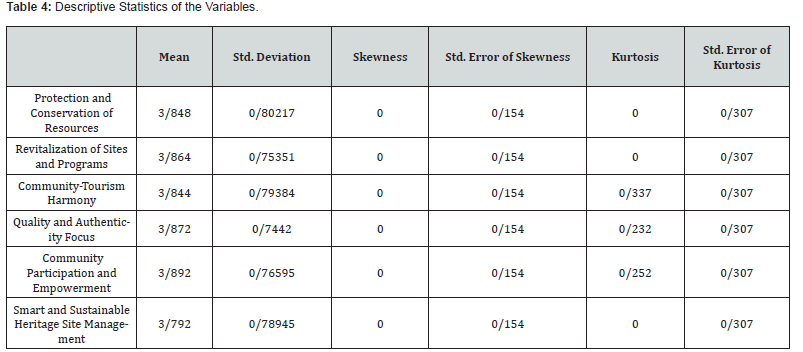
In this section, descriptive statistics for the six main variables of the study are presented. These include Protection and Conservation of Resources, Revitalization of Sites and Programs, Community-Tourism Harmony, Quality and Authenticity Focus, Community Participation and Empowerment, and Smart and Sustainable Heritage Site Management. For each variable, the mean, standard deviation, skewness, and kurtosis are reported to provide an overview of the distribution and central tendency of the data Table 4.
The results indicate that the means of all variables are relatively high, suggesting a generally positive perception among participants. Moreover, the skewness and kurtosis values for all variables fall within acceptable ranges, implying a relatively normal distribution of responses.
Reliability
Cronbach’s alpha coefficient is considered the traditional criterion for assessing the internal consistency among the observed variables in a measurement model. The acceptable threshold for this index, which indicates the reliability of the measurement model, is a minimum value of 0.7 Table 5.
Confirmatory Factor Analysis
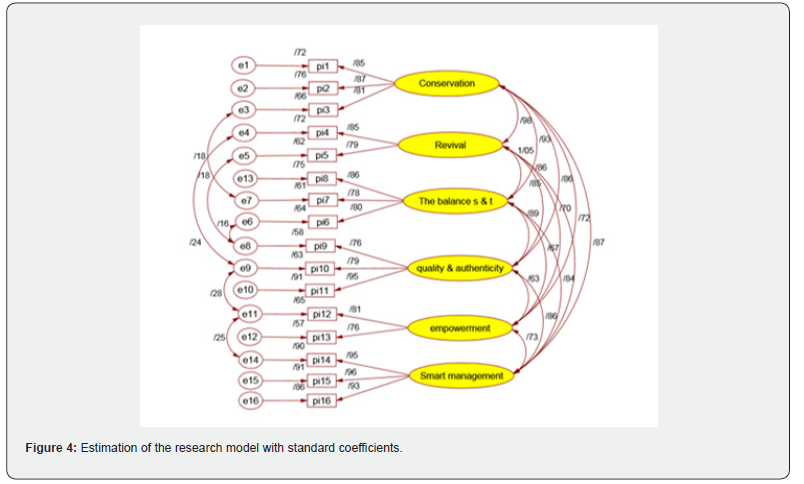
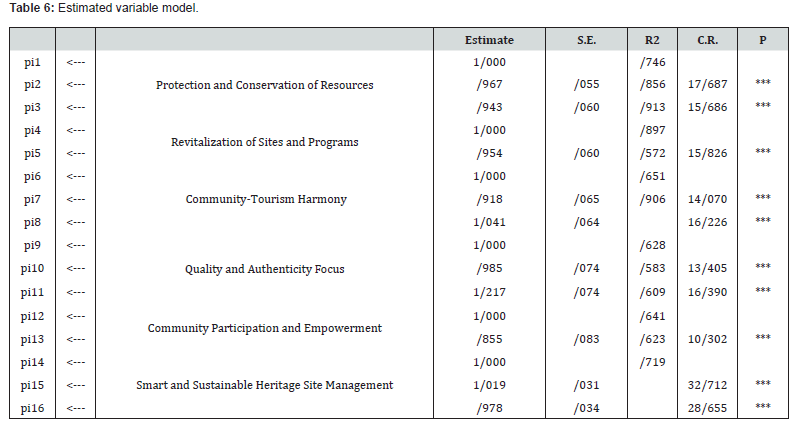
Confirmatory factor analysis was conducted in this study using AMOS software to examine the construct validity of the questionnaire. In the first-order confirmatory factor analysis, the relationship between the 6 main latent variables (main themes including conservation and safeguarding of resources, revitalization of sites and programs, fit between community and tourism, focus on quality and authenticity, participation and empowerment of local communities, and smart and sustainable management of heritage sites) and 16 related items (sub-themes) was measured. The results showed that all items were correctly related to the latent variables.
First-order factor analysis of the main research variables
Figure 4 & 5, Table 6 According to the values in Table 4-29, it can be seen that the significance level of all items is less than 0.01 and the critical ratio (C.R) is greater than 1.96.
Model fit indices for confirmatory factor analysis
In this section, the fit indices of the main model for confirmatory factor analysis were examined. As can be seen in Table 7, the fitted confirmatory factor analysis model of the scale with the chi-square ratio index to the degree of freedom has a value of 4.50, which is within the desired level and less than 4 and is suitable for the validity of the model. Also, the main goodness-of-fit index in the structural equation model, or in other words, the root mean square error of estimation (RMSEA), is equal to 0.076 and less than the desired level, i.e. 0.08, which indicates a reasonable error in the population. If the CFI (Comparative Fit Index-Adjusted), NFI (Non-Normalized Fit Index), and IFI (Incremental Fit Index) indices are greater than 90%, it indicates a very good and very appropriate fit. Therefore, according to the above table, the model has a very good fit.
Study of second-order confirmatory factor analysis
Second-order factor model analysis is defined as a type of factor model in which latent factors measured using observed variables are themselves influenced by a more underlying variable, in other words, a latent variable, but at a higher level.
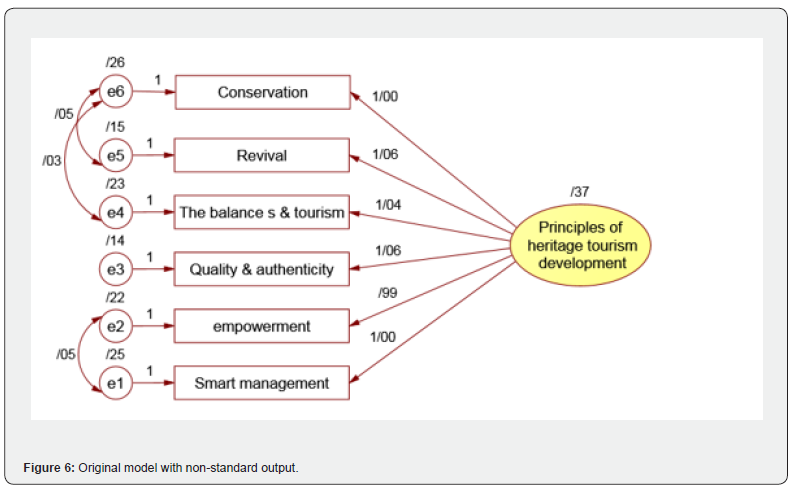
In this section, the study of second-order factor analysis of the main research model including the principles of cultural heritage tourism development was discussed. Figure 6 shows the second-order confirmatory factor analysis model with nonstandard output.
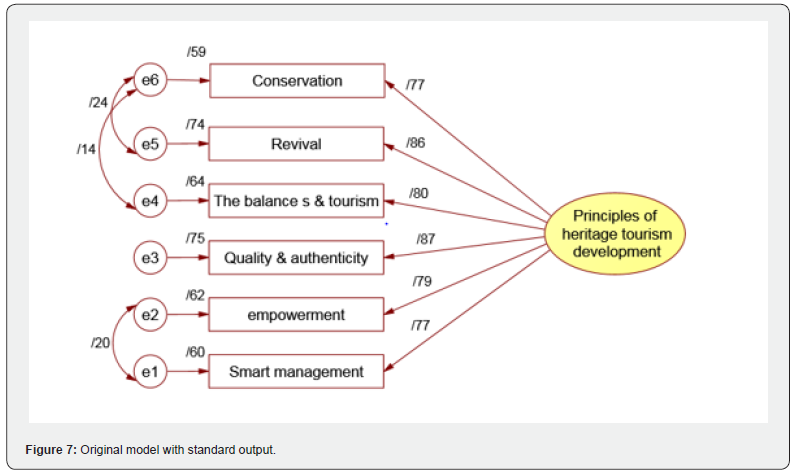
Also, the second-order confirmatory factor analysis model with standard output is shown in Figure 7.
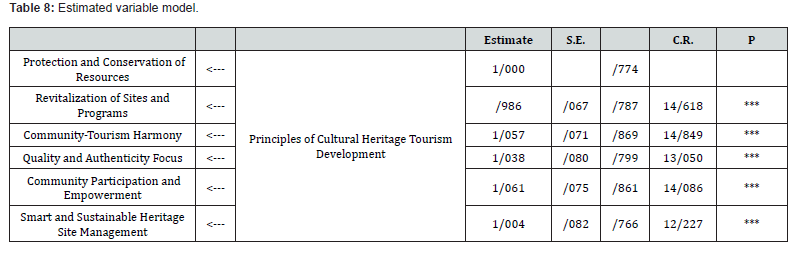
According to the values in Table 8, it can be seen that the significance level of all items is less than 0.01 and the critical ratio (C.R) is greater than 1.96.
In the next step, a second-order confirmatory factor analysis was conducted to examine the relationship between these 6 latent variables and the overall structure of the study. The findings confirmed that these 6 main components are influenced by a higher-level structure. Accordingly, the research measurement model has appropriate validity and reliability and the selected items are able to accurately measure the desired variables.
Main model fit indices for second-order confirmatory factor analysis
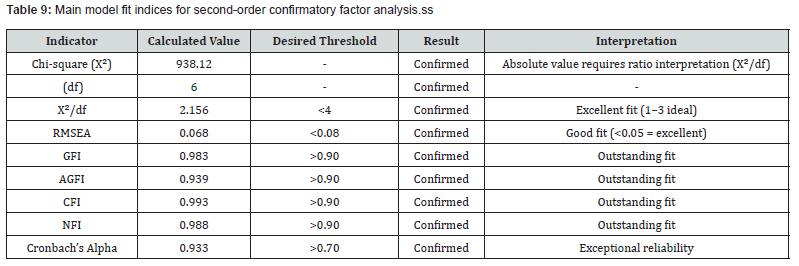
This section presents the second-order confirmatory factor analysis (CFA) to evaluate the fit of the proposed conceptual model. The model consists of a higher-order construct (principles of cultural heritage tourism development) and six primary components, each measured by observable indicators (items). Multiple fit indices were employed to assess the model’s adequacy, including absolute fit measures (e.g., chi-square), comparative fit indices (e.g., CFI, NFI), and parsimony-adjusted indices (e.g., RMSEA, GFI). Additionally, internal reliability was examined using Cronbach’s alpha. The table below summarizes the results of these analyses Table 9.
The results demonstrate excellent model fit. The chisquare/ df ratio (2.156) falls within the ideal range, indicating good model-data alignment. The RMSEA (0.068) suggests acceptable fit (<0.08), while GFI (0.983), AGFI (0.939), CFI (0.993), and NFI (0.988) all exceed 0.90, reflecting outstanding fit across multiple criteria. Cronbach’s alpha (0.933) confirms exceptional reliability. Collectively, these results validate the model’s robustness, supporting its generalizability and practical applicability in future research and decision-making.
Conclusion
This study was conducted with the aim of identifying the key principles of cultural heritage tourism development at World Heritage Sites, focusing specifically on the Fin Garden in Iran. The findings reveal that the development of cultural heritage tourism at Fin Garden in Kashan can be conceptualized through six main factors, all of which are statistically significant and contextually aligned with the site’s cultural and historical needs and capacities. These factors, extracted through a Confirmatory Factor Analysis (CFA) model, all demonstrated high correlation coefficients and significance levels below 0.05 (P < 0.001), indicating that their effects were statistically validated within the structural model. The first factor, “Protection and Conservation of Resources”, was confirmed with a correlation coefficient of 0.774 and a significance level of P < 0.001, highlighting its essential role in the sustainable development of cultural heritage tourism. This factor comprises three sub-themes: legal and physical protection, which refers to the implementation of protective regulations, national and international registration, and the safeguarding of architectural structures; crisis and risk management, which involves preparedness for threats such as earthquakes, overcrowding, and human-induced damages; and enhancement of educational facilities, which is essential for raising conservation awareness among staff and visitors. These components are aligned with the principles of integrated heritage conservation, emphasizing the sustainability of historical values. According to the sustainable development paradigm, the preservation of natural and cultural resources must be prioritized. [62] emphasize that the legal and physical protection of cultural assets forms the foundation of responsible tourism. Furthermore, in line with crisis management frameworks in tourism, proactive planning for potential hazards such as earthquakes, floods, and conflicts is essential. Enhancing educational facilities also contributes to human resource empowerment and raises public awareness. In light of natural degradation and visitor pressure, it is recommended that a digital monitoring system be implemented for the environmental and structural surveillance of the garden. The deployment of humidity sensors, intelligent video surveillance, and automated recording of biological and structural changes will support the physical protection of the site. Moreover, precise documentation using 3D scanning and the preparation of detailed maps are essential for future restoration planning. The second factor, “Revitalization of Sites and Programs,” was identified with a correlation coefficient of 0.787 and a significance level of P < 0.001. This dimension includes two key subcomponents: first, restoration and reconstruction, which refers to the systematic rehabilitation of damaged spaces through scientific approaches; and second, the utilization of environmental and social resources, such as leveraging local art and indigenous knowledge to revive the cultural function of the garden. This perspective aligns with the theory of cultural regeneration, which emphasizes the reconstruction of forgotten cultural values. According to [63], adaptive restoration can preserve authenticity while introducing new functions to heritage sites. Furthermore, the use of local resources particularly human capital, traditional knowledge, and social capacity leads to more sustainable development. Therefore, Fin Garden should not remain merely a site for passive visitation; instead, it can achieve cultural revitalization and vibrancy by hosting cultural programs such as historical storytelling nights, traditional music performances, exhibitions of Iranian art, and reenactments of Safavid and Qajar-era rituals. In addition, using local materials and authentic architectural elements in the restoration of ancillary spaces within the garden (such as the Shahneshin Room) contributes to the preservation of its original character. The third factor, “Community-Tourism Harmony,” plays the most significant role, with a high correlation coefficient of 0.869 and a significance level of P < 0.001. This factor consists of three subcomponents: empowering the local community through economic capacity-building and direct employment; sustainable development focused on balancing tourism growth with environmental preservation; and educational and participatory activities that actively engage the community in the heritage management process. According to the theory of Community-Based Tourism (CBT), the success of tourism programs depends on the genuine involvement of local communities. Sustainable development also aims to establish a balance between economic, environmental, and cultural interests. Public education and participation in decision-making processes enhance the sense of ownership and foster community acceptance of tourism initiatives. Therefore, it is recommended that local cooperatives be organized around Fin Garden, involving artisans, tour guides, and handicraft producers from Kashan, so that tourism-generated income can flow directly to local communities. Additionally, designing training programs for local guides emphasizing the historical significance of the garden and communication skills can improve the quality of interaction with visitors. The fourth factor, “Emphasis on Quality and Authenticity,” was confirmed with a loading factor of 0.799 and statistical significance (P < 0.001). This factor comprises sub-themes such as preserving the authenticity and quality of services, multilingual storytelling as a medium for transmitting intangible cultural values, and designing and enhancing the visitor experience through the creation of meaningful and interactive spaces. This approach aligns closely with the theory of Authentic Tourist Experience. [64] emphasize the significance of experience-driven tourism and the sensory and cultural immersion of visitors. Multilingual storytelling engages diverse audiences, while interactive experience design-such as through Augmented Reality (AR) technology leads to increased visitor satisfaction. Accordingly, the development of a multilingual, narrative-based application for visiting Fin Garden can offer an authentic and interactive experience for both domestic and international tourists. The app may feature storytelling elements related to the assassination of Amir Kabir, the garden’s architectural features, the symbolic use of water in Persian garden design, and the cultural life across various historical eras [65]. Integrating AR technology into the visitor pathways will further enable the visualization of the past and foster a deeper understanding of the site’s historical and cultural context. he fifth axis, “Community Participation and Empowerment,” was validated with a factor loading of 0.861 and a significance level of P < 0.001. This factor is based on two sub-components: transparency and revenue distribution, which emphasize economic justice in the equitable sharing of tourism resources; and active community involvement in decision-making and implementation processes, reflecting a democratic approach to heritage management. Aligned with the theory of social empowerment, this factor highlights that genuine participation in decision-making and equitable access to economic benefits are key drivers of sustainable tourism development. transparent financial practices and fair income distribution enhance community trust and encourage active involvement. Therefore, implementing financial transparency policies for instance, by publicly displaying ticket revenue and its usage through informational boards or the official website of the garden can foster public trust. Moreover, allocating a portion of tourism revenues to local social projects (such as education, infrastructure, or the support of traditional arts) ensures meaningful and sustained community engagement. The sixth and final factor, “Smart and Sustainable Management of Heritage Sites,” was validated with a loading coefficient of 0.766 and a significance level of P < 0.001. This factor encompasses sub-themes such as the integration of emerging technologies including digital systems, guiding applications, and artificial intelligence for managing site visits; smart marketing and visitor attraction based on data analytics and precise targeting; and efficient visitor management to preserve the quality of experience and prevent site degradation [66]. This approach is consistent with the concepts of smart tourism and sustainable destination management. Advanced technologies such as visit management systems, augmented reality applications, and feedback data analytics enhance visitor experience while supporting the preservation of site capacity. Moreover, targeted marketing plays an essential role in attracting responsible and informed tourists. Accordingly, the implementation of digital queuing systems and visitor traffic management tools is recommended to reduce congestion during peak hours. Additionally, the analysis of visitation data through smart systems can provide valuable insights for capacity planning, targeted promotion, and service development [67].
References
- Smith J, Brown L (2024) Economic Impacts of Global Tourism Post-World War II: A Review. Journal of Tourism Studies 35(2): 45-60.
- UNESCO (2023) Cultural Heritage and Tourism: Trends at World Heritage Sites. International Journal of Heritage Studies 29(5): 512-528.
- Mousavi S, Rezaei N (2024) Iran’s UNESCO World Heritage Sites: Cultural and Historical Overview. Heritage Science 12(1): 45.
- Hosseini M, Kashani A (2023) Fin Garden of Kashan: Historical Significance and Tourism Dynamics. Journal of Cultural Heritage 59: 123-135.
- Sampieri S, Saoualih A, Safaa L, Calzada FMDC, Ramazzotti M, et al. (2024) Tourism development through the sense of UNESCO world heritage: The case of Hegra, Saudi Arabia. Heritage 7(4): 2195-2216.
- Richards G (2023) Global Trends in Cultural Heritage Tourism: Visitor Motivations.
- Timothy DJ (2023) Heritage Tourism and Its Impacts on Historic Sites. Journal of Heritage Management 8(4): 112-125.
- Buckley R (2023) Management Priorities in Cultural Heritage Tourism. Journal of Cultural Heritage Management and Sustainable Development 13(4): 678-692.
- Saikia K, Beingachhi, B, Deka G (2024) The Developmental Scenario of Heritage Tourism in Sivasagar District, Assam-A Study Using SWOT Analysis. Journal of International Development Planning Review 55(5): 6.
- Bhatia MP, Gupta DM (2024) Cultural Heritage Tourism: Preserving Traditions While Promoting Economic Growth. Proceeding of The International Global Tourism Science and Vocational Education 1(2): 48.
- Zal MH, Esmaeili A (2020) Cultural heritage and factors affecting tourists' return to the destination (Case study: Sari historical context. Tourism Planning and Development 9(33): 129-147.
- Timothy, DJ (2018) Making sense of heritage tourism: Research trends in a maturing field of study. Tourism management perspectives 25: 177-180.
- Manzo JM, Melian AG, Coromina L (2025) Perceived value in a UNESCO World Heritage Site: the case of Quito, Ecuador. Journal of Cultural Heritage Management and Sustainable Development 15(2): 133-151.
- Putri VO, Pratiwi WD (2021) Heritage Tourism Development Strategy in Sekanak Market Area of Palembang City. ASEAN Journal on Hospitality and Tourism 19(1): 30-43.
- Sumantri Y (2020) Developing Strategy for Heritage Tourism Supply Chain Quality Management. The Journal of Asian Finance, Economics, and Business 7(10): 423-432.
- Morice JR, Liu YD, (2020) Tourism development at World Heritage Site: The case of Loire Valley in France. Tourism and Heritage Journal 2(2): 72-92.
- Neuts B, Martins J, Ioannides M (2025) Advances in Cultural Tourism Research: Proceedings of the International Conference on Cultural Tourism Advances, Belgium, Springer Nature, p. 230.
- Hasanah I, Setyowardhani H (2020) Heritage Tourism Development: Concept of Community-based Tourism in Megalithic Site of Gunung Padang, pp. 460-465.
- Mrđa A, Caric H (2019) Models of heritage tourism sustainable planning. In Cultural Urban Heritage. Springer, pp. 165-180.
- Santa ED, Tiatco A (2019) Tourism, heritage and cultural performance: Developing a modality of heritage tourism. Tourism Management Perspectives 31: 301-309.
- Khairudin NA, Ramli RR, Bakar AAA (2024) The potential of abandoned heritage buildings as tourism attraction: a case study in Papan, Perak. Built Environment Journal 21: 115-131.
- Nguyen TTN, Phan TN (2024) Sustainable cultural heritage tourism in hue city, Vietnam: Focusing on Nguyen dynasty ceremonies. In Proceedings of the International Conference on Hospitality and Tourism Management 8(1): 72-88.
- Agisilaos E (2012) Cultural heritage, tourism and the environment. Sustain Dev Cult Tradit 1: 70-78.
- Salem AE, Eissa AT, Hassan TH, Saleh MI (2025) Preserving the Past: A Dynamic Analysis of Heritage Tourism and Land Conservation in Mamluk Cairo. Heritage 8(1): 30.
- Katyukha D, Yurovchyk V, Horiunova V, Melnychenko K, Myronov S (2025) Leveraging Cultural Heritage for Sustainable Tourism Growth: Contemporary Strategies for Conservation and Promotion. International Journal of Sustainable Development 18 (7): 53-66.
- Ahmadzadeh JA, Akbari FAH, doroudi H (2023) Identification and Analysis of the Social Drivers Governing the Tourism Development Policy of Iranian Cities in the Horizon 2025 with a Future Studies Approach. Urban Tourism 10(1): 133-149.
- Pai CH, Zhang Y, Wang YL, Li K, Shang Y (2025) Current challenges and opportunities in cultural heritage preservation through sustainable tourism practices. Current Issues in Tourism.
- Lv J, Chai Y, Hu X (2025) Synergistic development of intangible cultural heritage and tourism industry: Empirical experiences from Jilin, China. Plos One, p. e0313421.
- Graham B, Ashworth GJ, Tunbridge JE (2020) A Geography of Heritage: Power, Culture, and Economy. Routledge, p. 294.
- Nwankwo EA, Itanyi EI (2019) Heritage studies and challenges: implications on research results from Igboland, Nigeria. Heliyon 5(12): e02962.
- Moaven Z, Bagheri M, Shekari F, Mobasheri AA, Kiani M (2024) Identification and prioritization of strategies for improving cultural heritage tourism in Iran 27(12).
- Sangchumnong A, Kozak M (2018) Sustainable cultural heritage tourism at ban Wangka Village, Thailand. Anatolia 29(2): 183-193.
- Kanagasapapathy G (2017) Understanding the flow experiences of heritage tourist’s Doctoral dissertation. Bournemouth University, UK.
- Timothy DJ (2020) Cultural heritage and tourism: An introduction. Bristol: Channel View Publications.
- Kanagasapapathy G (2017) Understanding the floProcuratio: Journal of Management & Business experiences of heritage tourists, Doctoral dissertation, Bournemouth University, Uk.
- Bowitz E, Ibenholt K (2009) Economic impacts of cultural heritage-Research and perspectives. Journal of cultural heritage 10(1): 1-8.
- McGrath JM, Primm D, Lafe W (2016) Heritage tourism’s economic contribution: A Pennsylvania case study. Tourism Economics, pp. 1-7.
- Ashkezari SMZ, Saghaei M, Mousavi M, Malekabadi RM (2015) Factors influencing the development of cultural tourism with an approach to attracting foreign tourists in Central Iran: A case study of Yazd city. Geography and Urban-Regional Planning 5(17): 189-208.
- Iswanto D, Istiqlal I, Irsyad Z (2024) Optimizing tourism promotion through the use of cultural heritage. Procuratio: Journal of Management & Business 3(2): 90-102.
- Zhang S, Hu T, Zhang T, Ju H, Wang Y (2025) Tourism Development of Cultural Heritage Resources Through Conservation Concepts: A Case Study of Ningxia, China. Land 14(1): 201.
- Rachmawati I, Ardhanariswari KA, Hendariningrum R (2024) Cultural Heritage in Sustainable Tourism. Journal of Social and Political Sciences 7(4): 63-77.
- Canale RR, De Simone E, Di Maio A, Parenti B (2019) UNESCO World Heritage sites and tourism attractiveness: The case of Italian provinces. Land Use Policy 85: 114-120.
- Caust J, Vecco M (2017) Is UNESCO World Heritage recognition a blessing or burden? Evidence from developing Asian countries. Journal of Cultural Heritage 27: 1-9.
- Vu AD, Thanh TV, Nguyen TTM, Bui HL, Pham TN (2024) Tourism social sustainability in remote communities in Vietnam: Tourists’ behaviors and their drivers. Heliyon 10(1): e23619.
- Shawabkeh RA, AlHaddad M, Fugara AA, Arar M, Alhammad R, et al. (2023) Toward sustainable urban growth: Spatial modeling for the impact of cultural and natural heritage on city growth and their role in developing sustainable tourism. Alexandria Engineering Journal 69: 639-676.
- Hosseini K, Stefaniec A, Hosseini SP (2021) World Heritage Sites in developing countries: Assessing impacts and handling complexities toward sustainable tourism. Journal of Destination Marketing & Management 20: 100616.
- Liu Y, Wang Y, Dupre K, McIlwaine C (2022) The impacts of world cultural heritage site designation and heritage tourism on community livelihoods: A Chinese case study. Tourism Management Perspectives 43: 100994.
- McShea KB (2010) Critical success factors for cultural heritage tourism operations Doctoral dissertation. University of Georgia, Georgia.
- Apollo M, Wengel Y, Kler B (2025) Tourism development, sustainability, and inclusion. Frontiers in Sustainable Tourism 4: 1556258.
- Kushwah RS, Chaturvedi P (2019) Resident's Perceived Cultural Benefits of Heritage Tourism and Support for Tourism Development: A Case of Khajuraho. In Proceedings of 10th International Conference on Digital Strategies for Organizational Success.
- Butler G, Szili G, Huang H (2022) Cultural heritage tourism development in Panyu District, Guangzhou: community perspectives on pride and preservation and concerns for the future. Journal of Heritage Tourism 17(1): 56-73.
- Olya HG, Alipour H, Gavilyan Y (2018) Different voices from community groups to support sustainable tourism development at Iranian World Heritage Sites: evidence from Bisotun. Journal of Sustainable Tourism 26(10): 1728-1748.
- Retnosary R, Salleh NZBM (2020) Government Responsibility as the Main Stakeholder in Tourism Development with Collaboration Approach: Literature Review on Heritage Tourism. In 3rd Asia Pacific Management Research Conference (APMRC 2019) Atlantis Press.
- Yazdgerd F, Talebian MH, Hanachi P (2021) A model for assessing the conservation status of world cultural heritage sites: A case study of the registered area of the historic city of Yazd. Naqshejahan Journal of Architecture and Urbanism, pp. 1-13.
- Cruz FGS, Guzmán TL (2017) Culture, tourism and world heritage sites. Tourism Management Perspectives 24: 111-116.
- Musteaţă S (2020) State of Conservation and Periodic Reporting-A Way for Better Preservation and Sustainable development of the World Heritage Sites. Plural History Culture Society 8(1).
- Lak A, Gheitasi M, Timothy DJ (2020) Urban regeneration through heritage tourism: Cultural policies and strategic management. Journal of Tourism and Cultural Change 18(4): 386-403.
- Campos AM, Gálvez JCP, Fernandez AH, Guzmán, TL (2020) Foreign tourists in world heritage sites: A motivation-based segmentation. Sustainability 12(8): 32-63.
- Gravari-Barbas M (2018) Tourism as a heritage producing machine. Tourism Management Perspectives 26: 5-8.
- Farokhyar H (1996) Paradise in Corner of Desert. Shahzdeh Hadi Board of Trustees publications, pp. 11-139.
- Jeihani H, Omrani M (2007) Fine Kashan Garden. Cultural Heritage, Handcrafts and Tourism Research Center publications. Tehran, Iran, pp. 23-303.
- Braun V, Clarke V (2006) Using thematic analysis in psychology. Qualitative research in psychology 3(2): 77-101.
- McKercher B, Cros HD (2002) Cultural tourism: The partnership between tourism and cultural heritage management. Haworth Hospitality Press, pp. 280.
- Bandarin F (2015) Sustainability in the World Heritage Convention: The making of a policy framework. Perceptions of sustainability in Heritage Studies, pp. 35-46.
- Gilmore JH, BJ, Pine II (1997) Beyond goods and services. Strategy and Leadership 25(3): 10-18.
- Timothy DJ, Nyaupane GP (2009) Cultural heritage and tourism in the developing world. New York: Routledge, p. 276.
- Zhang Y (2024) Tourism Management and Cultural Heritage Preservation: Challenges and Strategies. Journal of Sustainable Tourism 32(2): 255-272.

























