



 CTFTTE Home



Abstract
Cotton is a natural fiber and known as sustainable and healthy fiber. Especially in the summer season selecting breathable fabrics is very critical. Both air permeability and thermal conductivity determine the thermal comfort property of the fabrics. In this study, ten different cotton weft knitted samples were produced by flat knitting machine with different patterns. To detect the thermal behavior of the samples Alambeta test device was used and the relation between pattern and thermal properties were defined. According to the test results knitted pattern has a decisive effect on thermal property of the samples therefore, it is concluded that using tuck, miss and loop stitches with different combination has a significant effect on thermal characteristics. Statistical results supported the measured test values.
Keywords: Flat knitted; Thermal comfort; Cotton; Knitted pattern; Fabrics
Introduction
The textile industry has been experiencing steady growth over recent years, driven by technological advancements, industrial development, and increasing global demand for high-performance textile products. This growth has accelerated the need for fabrics that not only meet functional requirements but also provide enhanced comfort characteristics. In this context, knitted fabrics have gained considerable importance due to their structural versatility and ability to deliver superior comfort properties compared to conventional woven fabrics. In particular, weft-knitted fabrics are widely recognized for their flexibility, elasticity, softness, and excellent adaptability to body movements, making them highly suitable for modern apparel applications. Natural fibers remain fundamental in textile manufacturing, with cotton being one of the most extensively utilized materials due to its advantageous properties. Cotton is known for its natural origin, biodegradability, softness, and high moisture absorption capacity, which contribute significantly to wearer comfort. Owing to these characteristics, cotton is widely used in a variety of applications ranging from daily clothing to technical textile products, emphasizing its importance in both industrial production and consumer markets [1].
From a structural perspective, knitted fabrics differ significantly from woven fabrics. While woven fabrics are formed through the perpendicular interlacing of yarns, knitted fabrics are produced by interlooping yarns, creating a continuous loop structure. This loop formation provides inherent elasticity, enhanced drapability, and improved flexibility. Furthermore, the presence of inter-loop spaces results in a porous structure, which promotes air circulation and facilitates moisture transfer. These features play a critical role in improving the comfort performance of knitted fabrics, particularly in garments designed for active and daily use [2]. The performance characteristics of knitted fabrics are largely determined by their structural parameters, such as loop geometry, stitch density, yarn arrangement, and fabric thickness. Changes in these parameters directly influence essential properties including porosity, air permeability, thermal resistance, and moisture transport behavior. Therefore, the structural design of knitted fabrics is a key factor in controlling their functional and comfort-related performance. Optimizing these structural variables allows for the development of fabrics with tailored properties for specific end-use applications [3].
Comfort is one of the most important considerations in textile product development and is generally defined as a multidimensional concept that includes thermal, moisture, and mechanical aspects. Thermal comfort is related to the regulation of heat transfer between the human body and the environment, while moisture comfort concerns the absorption, transport, and evaporation of perspiration. Mechanical comfort is associated with properties such as softness, elasticity, flexibility, and surface characteristics, which influence the tactile sensation of fabrics [4,5]. The ability of a textile material to maintain a stable microclimate around the human body is essential for achieving overall comfort.
Although fiber properties contribute significantly to comfort, fabric structure also plays a crucial role in determining performance. In knitted fabrics, the looped configuration enhances breathability and moisture management due to its porous nature. Additionally, the inherent stretchability of knitted structures improves freedom of movement, thereby increasing mechanical comfort. The combination of cotton fiber properties and knitted structures results in a synergistic effect, leading to improved overall comfort performance.
Among the structural parameters of knitted fabrics, patterning is one of the most influential factors affecting performance. Patterning involves variations in stitch types and loop arrangements, such as knit, tuck, and miss stitches, which modify the internal geometry of the fabric. These structural variations significantly influence properties such as thickness, density, porosity, elasticity, and surface characteristics. Consequently, they directly affect comfort-related properties including air permeability, thermal behavior, and moisture management. As highlighted in previous studies, different knitted structures can lead to substantial variations in fabric performance, emphasizing the importance of structural design in textile engineering [6].
In this regard, investigating the influence of different patterning structures on the comfort properties of cotton knitted fabrics is of great importance. Understanding these relationships provides valuable insights for optimizing fabric design and improving performance. Therefore, this study aims to examine the effects of various knitted pattern structures on the comfort properties of cotton knitted fabrics and to contribute to the development of more efficient and functional textile products.
Mishra et al. (2021) conducted a detailed experimental investigation to evaluate how variations in yarn characteristics and knitting structure influence the thermo-physiological comfort properties of single jersey knitted fabrics and their derivatives. The authors highlighted that comfort in textile materials, particularly in cotton knitted fabrics, is a complex phenomenon governed not only by fiber type but also by structural parameters such as yarn fineness, stitch configuration, fabric thickness, and porosity. In order to systematically examine these effects, a set of fabrics with different knitting patterns, including single jersey, single lacoste, double lacoste, single pique, and double pique structures, were produced using yarns of varying linear densities. The findings of the study revealed that both yarn fineness and knitting structure have statistically significant effects on the physical and comfortrelated properties of the fabrics. It was observed that yarn fineness has a dominant influence on fabric thickness and areal density, which are critical parameters affecting heat and moisture transfer behavior [7].
Islam et al. (2014) carried out an experimental study to examine the influence of different knitted fabric structures and fiber types on the thermo-physiological comfort properties of cotton fabrics. The study focuses on comparing conventional cotton and organic cotton yarns within commonly used weft-knitted structures, namely single jersey, 1×1 rib, and interlock fabrics, in order to evaluate how structural variations and raw material differences affect thermal behavior and moisture management performance. The results demonstrated that fabric structure plays a crucial role in determining thermal comfort behavior. Interlock and 1×1 rib fabrics, which possess thicker and more compact structures, exhibited higher thermal conductivity and thermal resistance values, indicating better insulation properties and making them more suitable for winter garments.
In contrast, single jersey fabrics showed lower thermal resistance but higher relative water vapor permeability, enabling more effective moisture transfer and enhanced breathability, which are desirable for summer clothing and activewear applications. The study also revealed that air permeability is strongly influenced by fabric structure and fiber characteristics, with more open and less dense structures facilitating higher airflow. Additionally, thermal absorptivity results indicated that smoother and more compact surfaces, such as interlock fabrics, tend to create a cooler sensation upon initial skin contact due to increased heat transfer between the skin and fabric surface. Another important finding was that organic cotton fabrics generally exhibited slightly better comfort performance compared to conventional cotton, particularly in terms of air permeability and moisture management, which was attributed to differences in fiber morphology and yarn structure [8].
Choi and Ashdown (2000) conducted a comprehensive investigation into the relationship between fabric structure and the mechanical and tactile properties of knitted fabrics, emphasizing their implications for wearer comfort. The study highlights that comfort is not only governed by thermo-physiological parameters but also significantly influenced by mechanical characteristics such as extensibility, recovery, bending rigidity, and surface properties, which directly affect the perception of comfort during wear. In their experimental approach, various knitted fabric structures were produced and analyzed to determine how differences in loop configuration and structural design influence fabric behavior under mechanical stress. The results demonstrated that variations in knit structures lead to significant differences in extensibility and elastic recovery, with more flexible structures providing better adaptability to body movements and therefore enhancing mechanical comfort.
Additionally, the study showed that structural differences influence bending rigidity and surface smoothness, which affect tactile sensations such as softness and drape. Fabrics with more open and flexible loop configurations were found to exhibit lower bending rigidity and improved hand feel, contributing positively to overall comfort perception. The authors concluded that fabric structure plays a critical role in determining mechanical comfort and that careful design of knit patterns can be used to optimize both functional performance and sensory properties of textile products. These findings support the concept that structural variations in knitted fabrics, including differences in loop arrangements and stitch types, are key factors influencing comfort, reinforcing the importance of pattern design in textile engineering applications [9]. In this study, different from the literature ten different patterned samples were knitted via same knitting machine and the thermal characteristics of the samples measured by Alambeta to detect the effect of pattern on thermal behavior of the fabrics.
Materials and Methods
Materials
In this research, ten knitted fabric samples were manufactured by Nm 15/1 ring cotton yarn. The fabrics were produced with different knitting patterns, namely single jersey, rib, interlock, reverse knit, half cardigan, full cardigan, single pique, double pique, lace, and moss stitch. The primary objective of the study was to analyze how different knitting patterns influence the thermal comfort properties of fabrics. Therefore, each pattern was examined individually under controlled conditions. During the production process, machine settings, loop length, and fabric tightness parameters were carefully optimized to ensure consistency among samples. All fabric samples were produced using a Shima Seiki NSSG122 flat knitting machine.
Production of Sample Fabrics
a. Single jersey
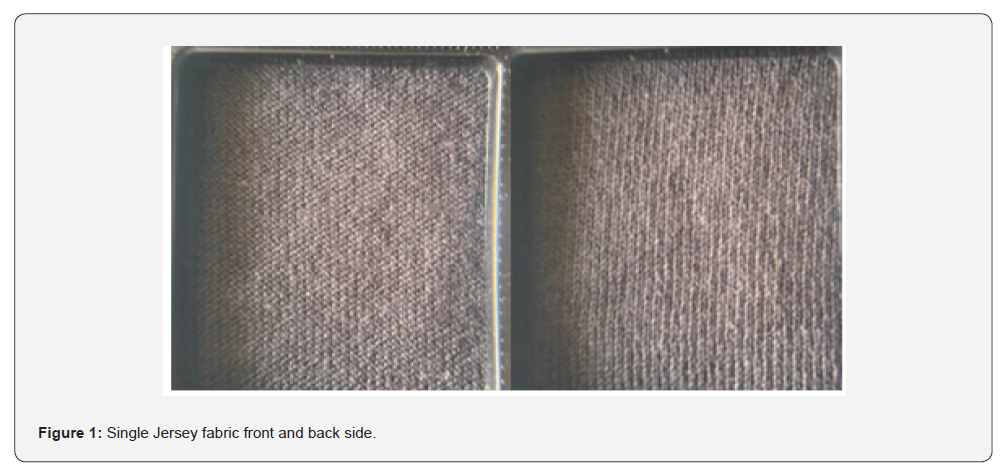
In plain knitted fabrics, the front side is made of knit loops (R) and the back side is formed by purl loops (L). Because the loops are arranged in a regular way, these fabrics can easily deform in both width and length directions. This fabric is reconized as easy and fast proctivity. The front and back views are given in (Figure 1).
b. Ribana
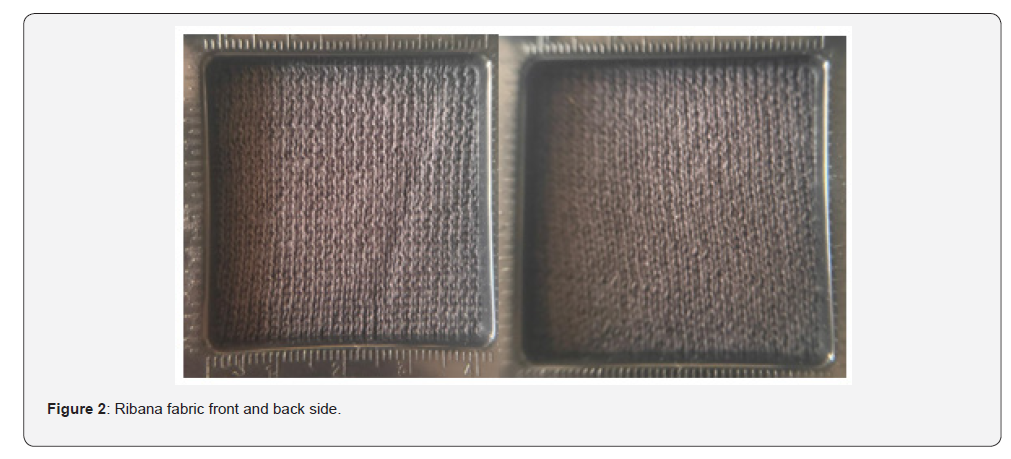
Ribana fabrics have a double-sided structure, and knit loops (R) can be seen on both the front and back surfaces. When the fabric is stretched in the width direction, reverse loops (L) appear between the knit loops. This structure is formed by alternating knit loops on the front and back needles. Ribana fabrics show high elasticity and shrinkage, especially in the transverse direction. They also have a balanced structure, so they do not curl at the edges like plain knitted fabrics. The front and back views are given in (Figure 2).
c. Interlock
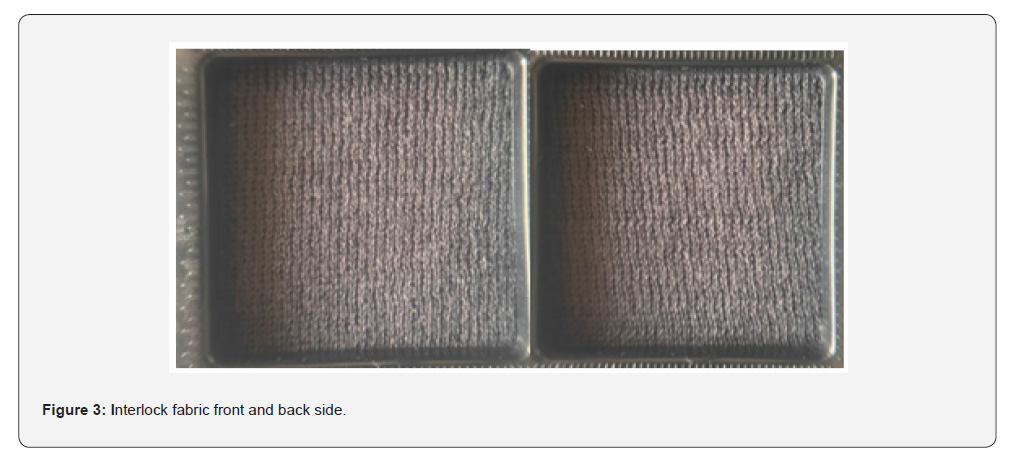
Interlock fabrics have the same appearance on both the front and back sides, so they are considered double-faced fabrics. The surface is smooth on both sides, but the design options are more limited compared to other knitted structures. These fabrics have a tighter and more compact structure. Because of this compact structure, interlock fabrics show high dimensional stability and good shape retention. They are also heavier than many other knitted fabrics. There is air trapped between the two layers, which improves thermal insulation, so they keep warmer than single jersey fabrics. In addition, their relatively bulky structure provides good moisture absorption and dehumidification properties. Interlock fabrics are produced on double-bed knitting machines, where the needles are arranged opposite to each other. The front and back views are given in (Figure 3).
d. Purl
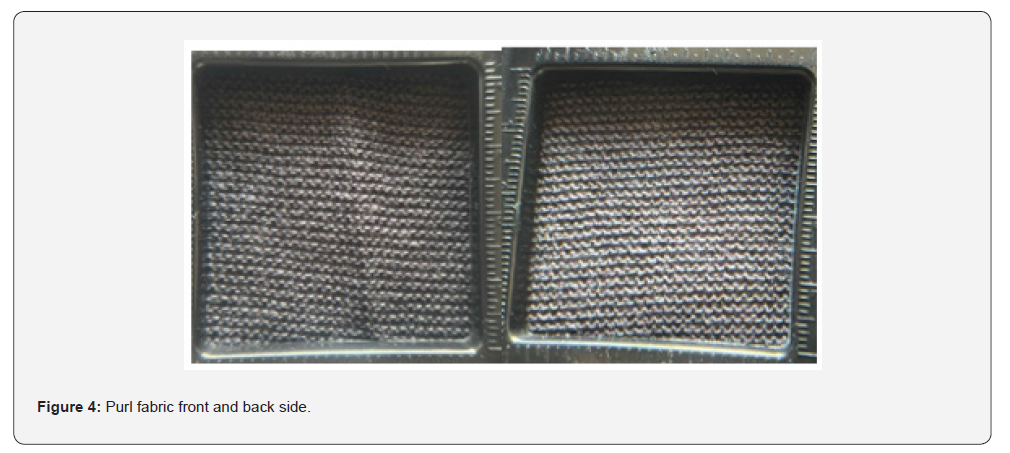
Purl knitted fabrics are characterized by having purl-type loops visible on both surfaces, which is why they are often defined as LL structures. This type of fabric is produced on linkslinks knitting machines, where the knitting action takes place from both sides of the fabric. These fabrics show a high level of flexibility, especially along the length direction, where they can extend significantly more than single jersey fabrics. However, this increased stretchability also leads to higher yarn consumption, requiring nearly twice the amount of yarn compared to a single jersey fabric of similar dimensions. Another advantage of purl fabrics is that they remain flat at the edges and do not roll, even at the starting and finishing sections. Due to their structure, purl fabrics feel thick and soft, as they contain more air within the fabric layers. This air presence improves their insulation properties, making them suitable for products used in cold conditions, such as winter clothing, baby garments, and blankets. The front and back views are given in (Figure 4).
e. Half Cardigan
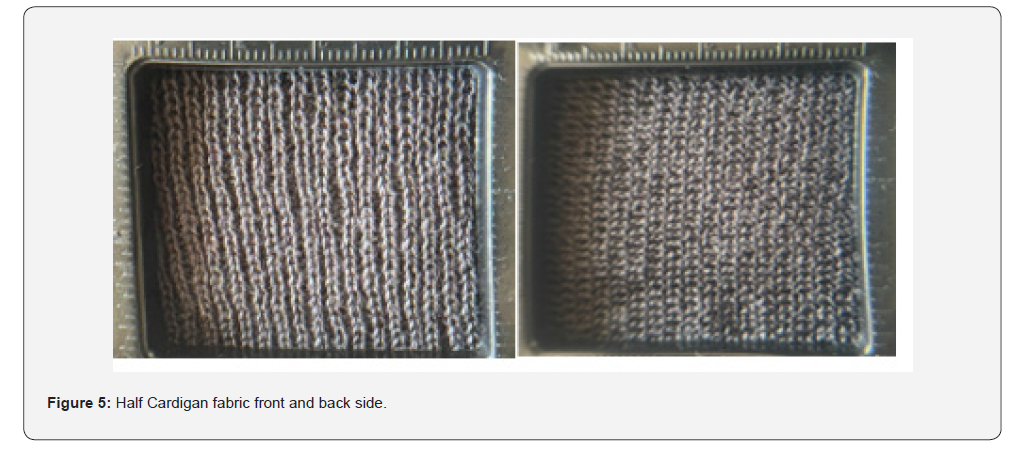
Half-cardigan knitted fabrics have an unbalanced structure because the two sides of the fabric are not identical. On one side, the loops appear larger and more rounded since they pull yarn from the opposite side, while on the other side the loops are smaller due to this yarn transfer. The presence of tuck stitches in the structure makes the fabric thicker and heavier compared to many other weft knitted fabrics. Because of this bulky structure, half-cardigan fabrics provide better warmth and are commonly preferred in winter garments such as sweaters, cardigans, scarves, and hats. The front and back views are given in (Figure 5).
f. Cardigan
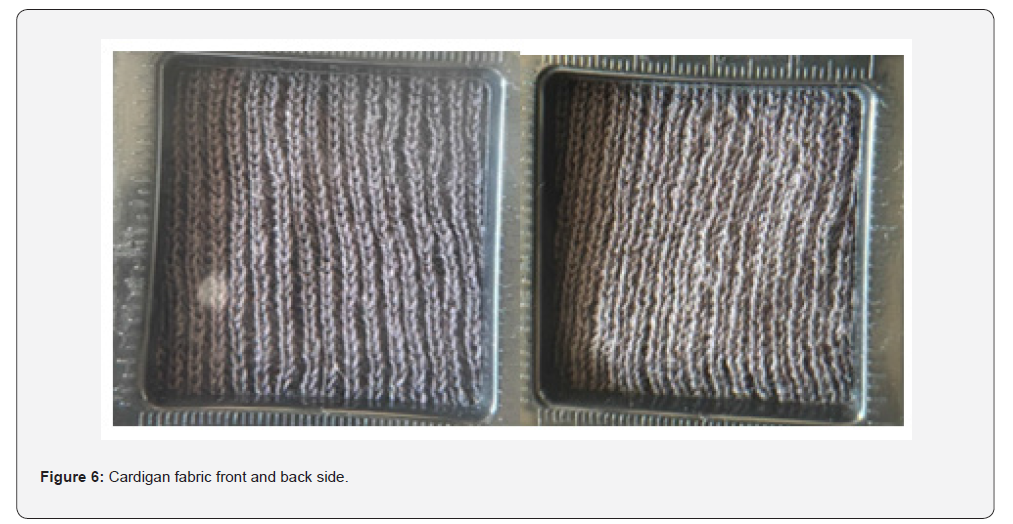
Cardigan knitted fabrics have a structure where knit loops (R) are visible on both sides of the fabric. These fabrics are produced on double needle bed knitting machines. Due to their bulky and voluminous structure, they provide good thermal insulation and are generally used in winter outerwear. In this structure, the yarn is knitted alternately on the front and back beds, forming loops on both sides in each course. Because both sides have a similar appearance, cardigan fabrics are considered balanced structures. Compared to half-cardigan fabrics, cardigan fabrics contain a higher number of tuck stitches. This increases their thickness, width, and overall bulkiness, making them heavier and more insulating. The front and back views are given in (Figure 6).
g. Single Lacoste
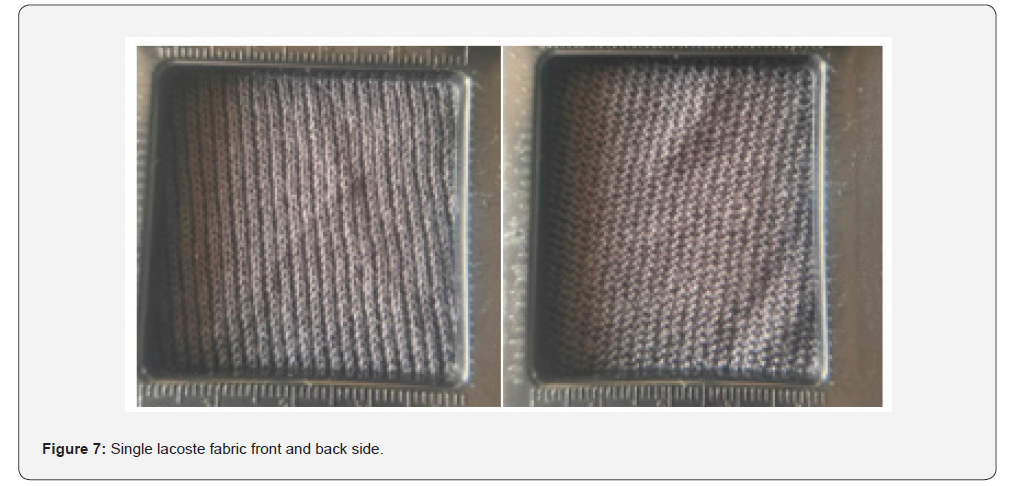
Single Lacoste fabrics are produced on single-bed knitting machines and are formed by combining knit and tuck stitches. In one course, knit and tuck stitches appear in sequence, while in the following course their positions are reversed, meaning the tuck comes over the knit and the knit comes over the tuck. Because the structure includes many tuck loops, the fabric shows higher extensibility in the width (course) direction, while its stretch in the length direction remains limited. The tuck stitches are more visible on the back side of the fabric, which is why this side is often preferred for use. Compared to single jersey fabrics, single Lacoste fabrics allow better air flow, resulting in higher air permeability. For this reason, they are commonly used in lightweight garments such as summer T-shirts. The front and back views are given in (Figure 7).
h. Double Lacoste
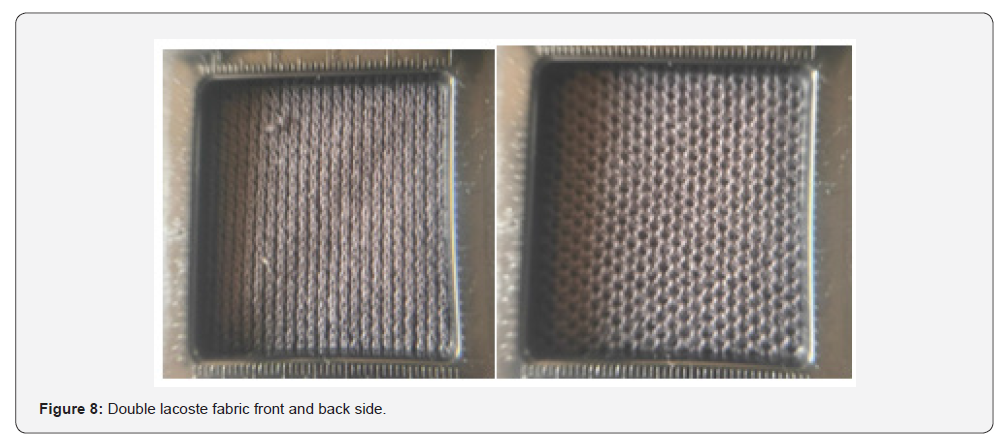
Double Lacoste fabrics are produced on single-bed knitting machines using an RL-based knitting structure. This type of fabric is formed by combining knit and tuck stitches in a repeating sequence. In the first course, knit and tuck stitches appear one after another, and in the following courses this arrangement changes. In later courses, the positions of knit and tuck loops switch, meaning that tuck loops are formed over knit loops and vice versa, creating a more complex structure. Because this fabric contains a higher number of tuck loops, it shows significant stretch in the width (course) direction, even more than single Lacoste fabrics. However, its extensibility in the length direction is relatively low. The tuck stitches are more visible on the back side of the fabric, so this side is generally preferred for use. In terms of comfort properties, double Lacoste fabrics have better air permeability compared to single jersey fabrics. Thanks to their structure, they are commonly used in lightweight clothing such as summer T-shirts. The front and back views are given in (Figure 8).
i. Lace
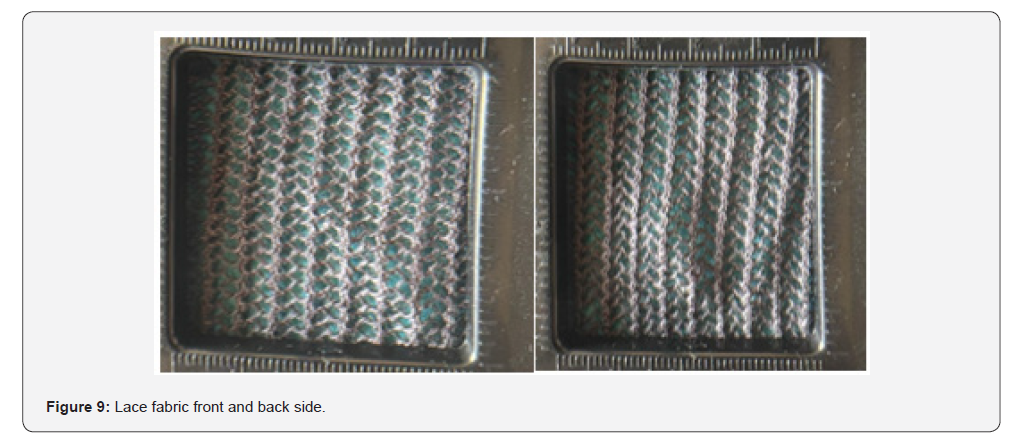
Lace knitted fabrics are formed by transferring loops either to the right or to the left, creating open spaces within the structure. During this process, stitches are shifted and sometimes placed on top of each other, which can lead to a reduction in the fabric width if multiple loops are combined. Because of these open areas, lace fabrics have a highly porous structure, which allows air to pass through easily. This results in high air permeability, making them suitable for lightweight and breathable garments. For this reason, they are often used in summer clothing. In addition to their functional properties, lace fabrics are also preferred for decorative purposes and are frequently combined with other fabric designs to create visually appealing patterns. The front and back views are given in (Figure 9).
j. Moss Stitch
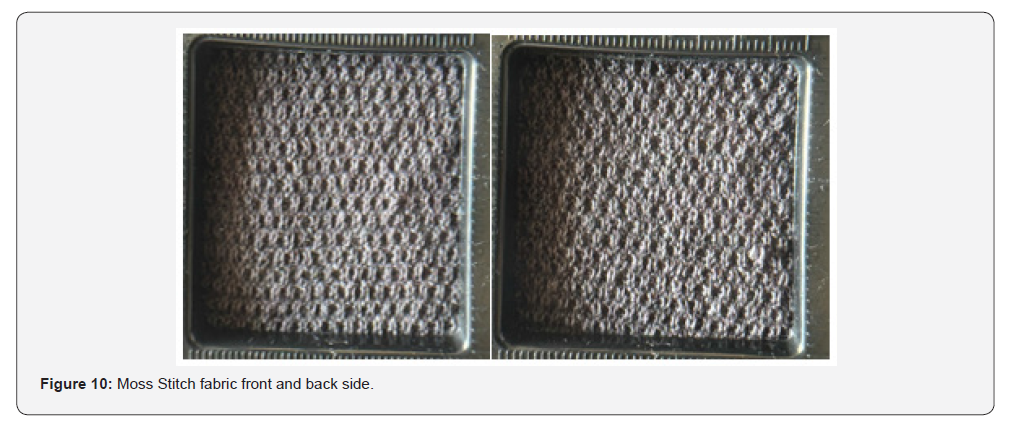
Moss stitch fabrics are formed by alternating knit and purl loops in a specific sequence over several courses. In the first two courses, knit and purl loops are arranged regularly, and in the following course their positions are reversed. This repeating pattern creates a textured surface on the fabric. Due to this arrangement, moss stitch fabrics have a balanced and uniform structure. They are commonly used in products such as baby blankets and are also preferred in women’s garments for decorative surface patterns. The front and back views are given in (Figure 10).
Experimental Set up
Thermal Comfort Test
The Alambeta device is a widely used instrument for evaluating the thermal comfort properties of textile materials. It is specifically designed to simulate the thermal interaction between human skin and fabric during the initial contact period. This makes it particularly suitable for analyzing the warm–cool feeling sensation that a fabric creates when it first touches the skin [10]. The working principle of the Alambeta device is based on the measurement of heat flow between two plates at different temperatures. During the test, the fabric sample is placed between a heated measuring head and a cooler base plate. When the measuring head comes into contact with the fabric surface, a transient heat flow is generated. This heat transfer is detected by sensitive sensors, and the thermal response of the material is recorded in a very short time interval. As a result, the device provides objective data about how quickly heat is transferred through the fabric [11].
One of the most important advantages of the Alambeta device is its ability to evaluate the so-called “initial thermal feeling” of fabrics. This parameter is strongly related to human perception of comfort. For example, fabrics with higher thermal absorptivity values give a cooler sensation at first touch, while fabrics with lower values feel warmer. This is particularly important in distinguishing between summer and winter clothing materials.
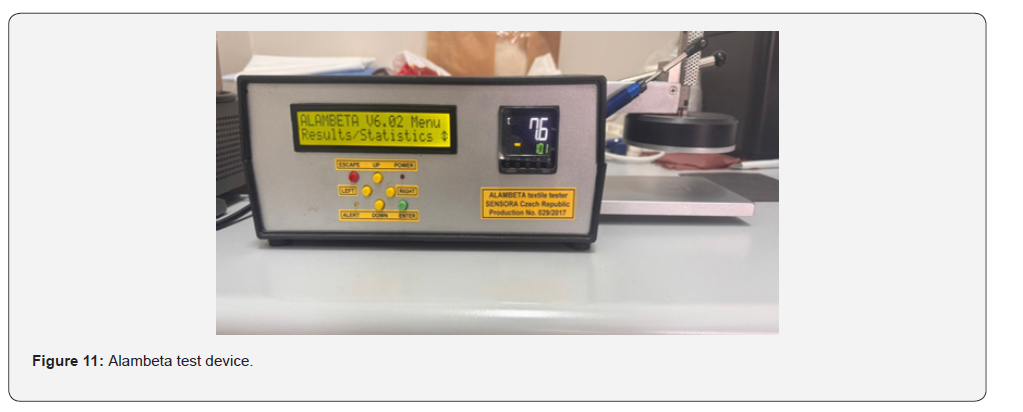
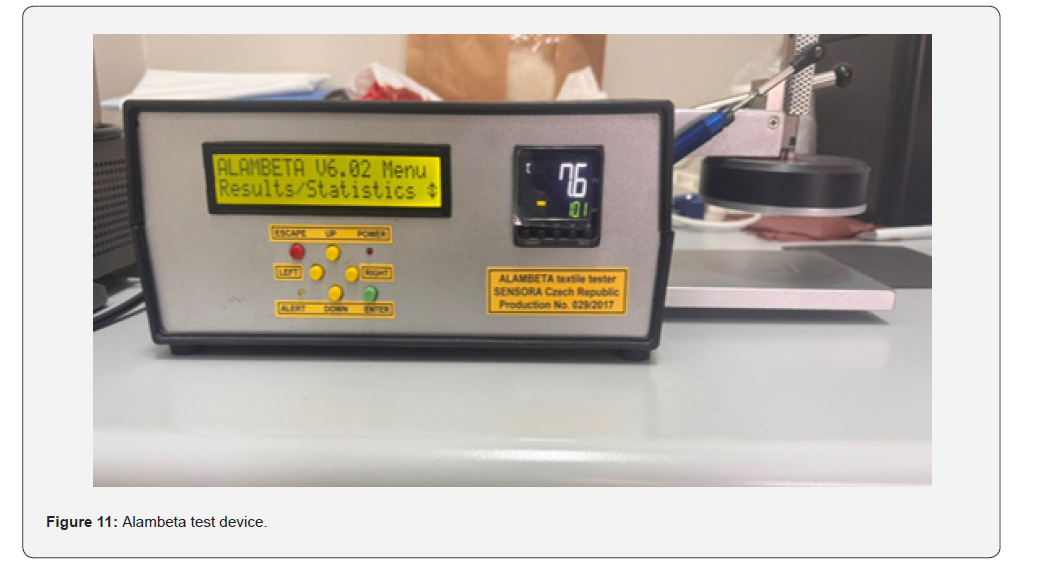
The Alambeta device (Figure 11) measures several key
thermal parameters simultaneously:
I. Thermal Conductivity (λ):
This parameter indicates the ability of a fabric to conduct heat.
Materials with higher thermal conductivity transfer heat more
rapidly, which may result in a cooler sensation.
II. Thermal Resistance (R):
Thermal resistance represents the ability of a material to resist
heat flow. Fabrics with higher thermal resistance provide better
insulation and are generally preferred for cold-weather clothing.
III. Thermal Diffusivity (a):
Thermal diffusivity defines how quickly heat spreads through
a material. It combines the effects of thermal conductivity, density,
and specific heat capacity.
IV. Thermal Absorptivity (b):
This parameter is directly related to the warm-cool feeling
during initial contact. It is one of the most critical parameters for
evaluating thermal comfort in textiles.
In addition to its measurement capabilities, the Alambeta device offers several practical advantages. The test is nondestructive, requires only a small fabric sample, and provides rapid and repeatable results. Moreover, the measurement conditions closely simulate real-life human-fabric interaction, which increases the reliability of the obtained data. Due to these features, the Alambeta device is extensively used in textile engineering studies, especially in the development and comparison of fabrics designed for different climatic conditions. It plays a crucial role in determining whether a fabric is more suitable for summer or winter applications, as well as in evaluating the comfort performance of various knitted and woven structures.
Characterization
The characterization of the produced fabric samples was carried out to evaluate their thermal comfort performance. In this study, thermal properties of the fabrics were analyzed using the Alambeta device, which is specifically designed to simulate the thermal interaction between the human skin and textile materials. Prior to testing, all fabric samples were conditioned under standard atmospheric conditions of 20±2°C temperature and 65±2% relative humidity for at least 24 hours. This conditioning process was necessary to eliminate the influence of environmental factors such as moisture and temperature, and to ensure that all measurements were performed under the same conditions.
Results and Discussion
Structural Properties of Sample Knitted Fabrics
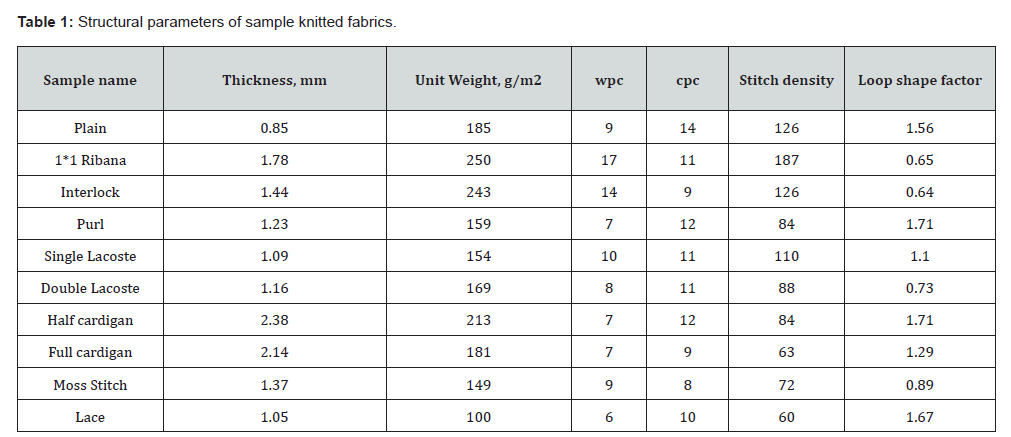
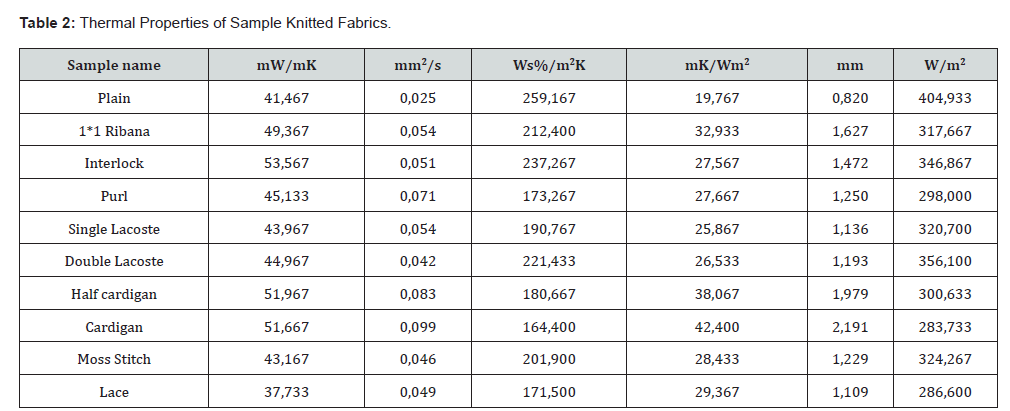
In this study ten different knitted fabrics were obtained. Using tuck and miss stitches with different combinations change the structures of the fabrics. On thermal behaviour of the fabrics these properties have significant effect. Structural properties of these fabrics were analyzed and the results were given in (Table 1).
Thermal Properties of Sample Knitted Fabrics
The Alambeta device provides several important thermal parameters, including thermal conductivity (λ), thermal resistance (R), thermal diffusivity (a), and thermal absorptivity (b). These parameters are used to evaluate the heat transfer characteristics of the fabrics as well as the initial warm-cool sensation perceived by the user. In particular, thermal absorptivity is directly related to the first touch feeling, where higher values indicate a cooler sensation and lower values indicate a warmer sensation. To improve the reliability of the results, each measurement was repeated three times for every fabric sample, and the average values were calculated. This approach minimizes experimental errors and ensures consistency in the data. The obtained results were analyzed and compared in order to determine the influence of different knitting structures on the thermal comfort properties of the fabrics. Overall, this experimental procedure allowed a systematic evaluation of how fabric structure affects thermal performance, providing a clear understanding of the relationship between knitting patterns and comfort characteristics.
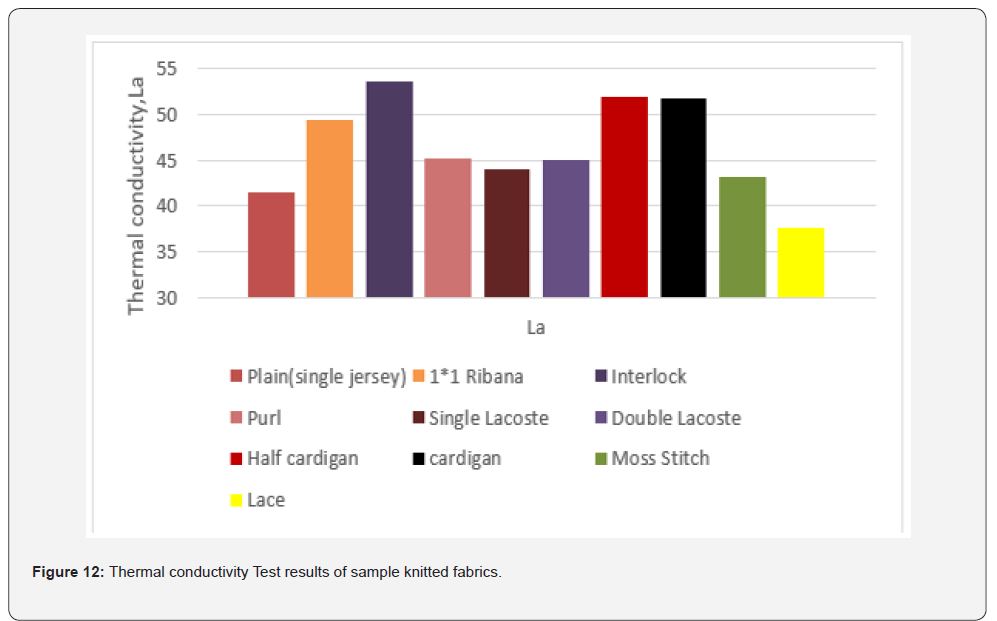
Thermal conductivity (La)
Thermal conductivity (λ) shows how easily heat can pass through a fabric. If λ is high, heat can move quickly through the material, so the fabric feels cooler. If λ is low, heat transfer is slower, so the fabric feels warmer.
This parameter depends on the material type, density, and structure of the fabric. Fabrics with compact structure and less air usually have higher thermal conductivity. Fabrics with more air (porous) have lower conductivity because air is a poor heat conductor. In summary, thermal conductivity is important for understanding how fabrics transfer heat during use. La test results of the sample fabrics are given in (Figure 12).
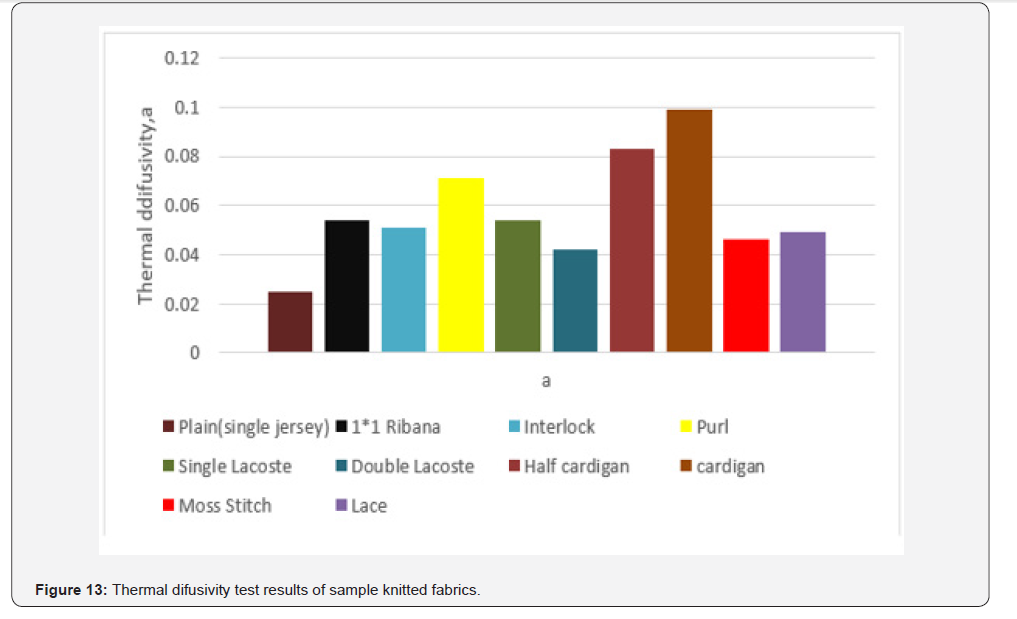
Thermal diffusivity(a)
Thermal diffusivity (a) shows how fast a fabric can adjust to temperature changes. It is a combination of thermal conductivity, density, and specific heat. This parameter tells us how quickly heat spreads inside the material. If a is high, heat moves quickly inside the fabric, so it can quickly respond to temperature changes and may feel cooler. If a is low, heat spreads slowly, so the fabric feels more stable and warmer. In summary, thermal diffusivity is important for understanding the speed of heat transfer inside the fabric. A test results of the sample fabrics are given in (Figure 13).
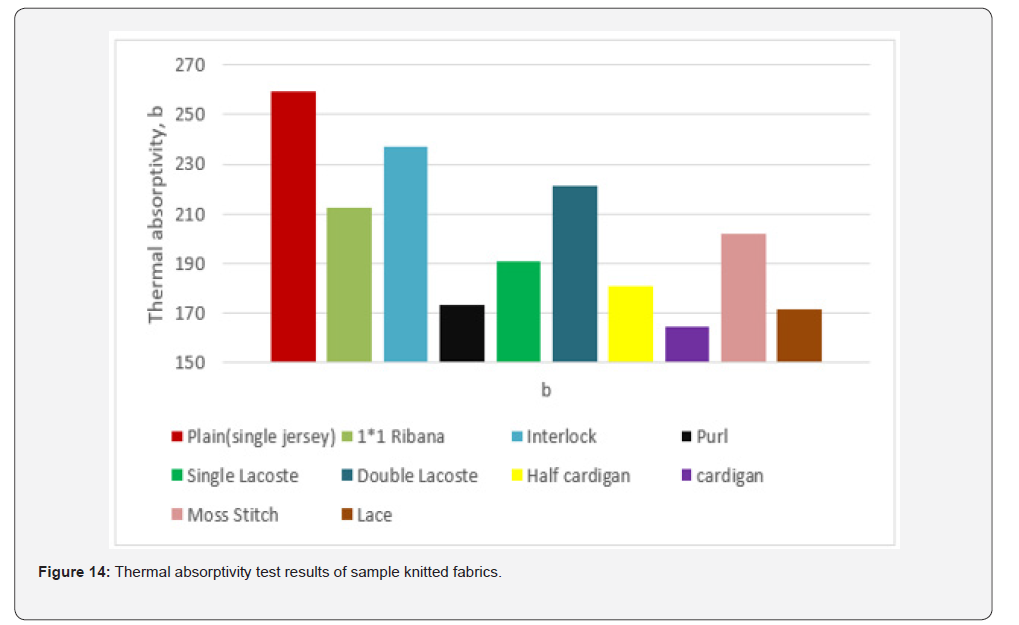
Thermal absorptivity (b)
Thermal absorptivity (b) is a parameter that describes the instant thermal feeling when a fabric touches the skin. It depends on thermal conductivity, density, and specific heat of the material. This value shows how quickly heat is transferred between the skin and the fabric at the first contact. If the fabric can absorb heat quickly from the skin, it creates a cool sensation. If heat transfer is slower, the fabric feels warm. Fabrics with higher density and better thermal conductivity usually have higher b values, so they feel cooler. On the other hand, fabrics with more air inside (porous structure) have lower b values, so they feel warmer. In summary, thermal absorptivity is very important for thermal comfort, especially for clothing used in different weather conditions. B test results of the sample fabrics are given in (Figure 14).
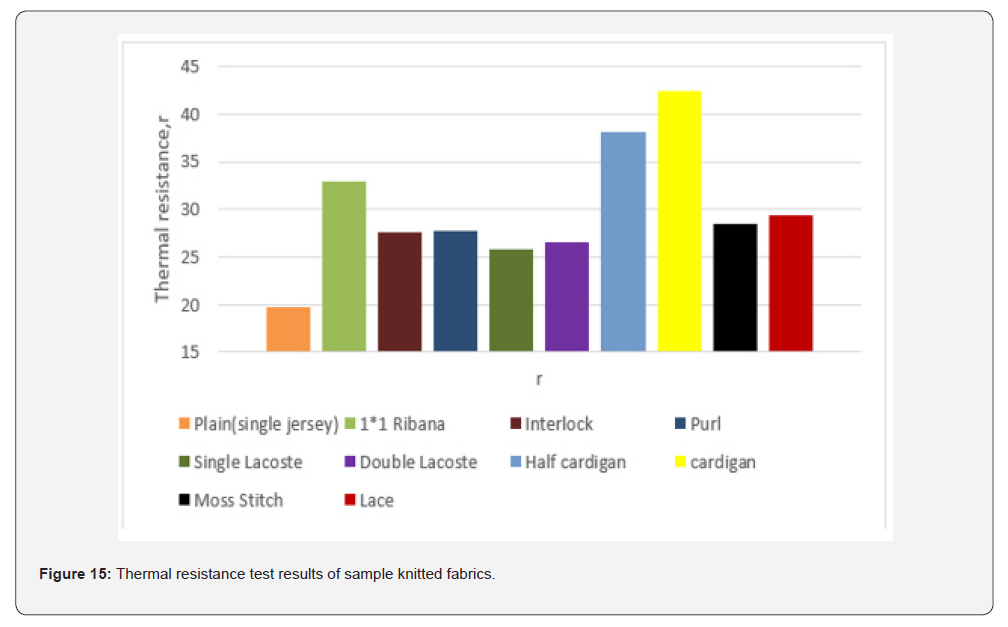
Thermal resistance(r)
Thermal resistance (r) shows how well a fabric can resist heat flow. It is related to the insulation property of the material. A higher r value means the fabric can trap heat better, so it provides better insulation and feels warmer. A lower r value means heat can pass easily, so the fabric feels cooler. Thermal resistance mainly depends on fabric thickness and air content. Fabrics with more air spaces (porous structure) usually have higher thermal resistance because air is a good insulator. In summary, thermal resistance is important for keeping the body warm, especially in cold conditions. “r” test results of the sample fabrics are given in Figure 15.
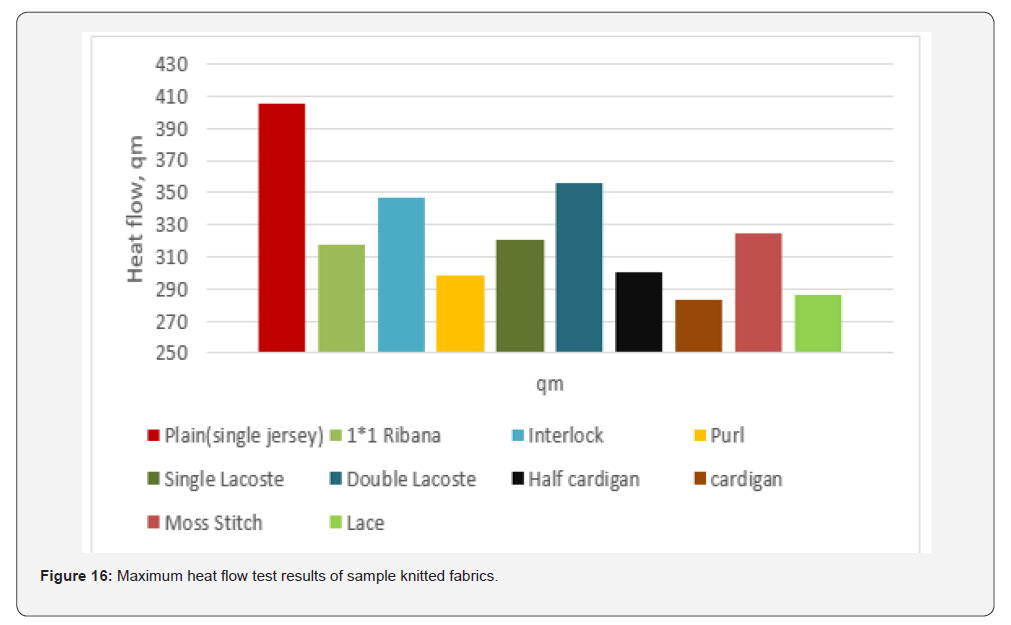
Maximum heat flow density(qm)
Maximum heat flow density (qm) shows the highest amount of heat transferred between the skin and the fabric at the first moment of contact. This parameter is strongly related to the initial cooling sensation. If qm is high, the fabric quickly takes heat from the skin, so it feels cool. If qm is low, heat transfer is slower, so the fabric feels warmer. qm depends on thermal absorptivity (b) and the structure of the fabric. Fabrics with better heat transfer properties usually have higher qm values. In summary, qm is important to understand the instant thermal comfort of fabrics. qm test results of the sample fabrics are given in (Figure 16).
Statistical Test Results
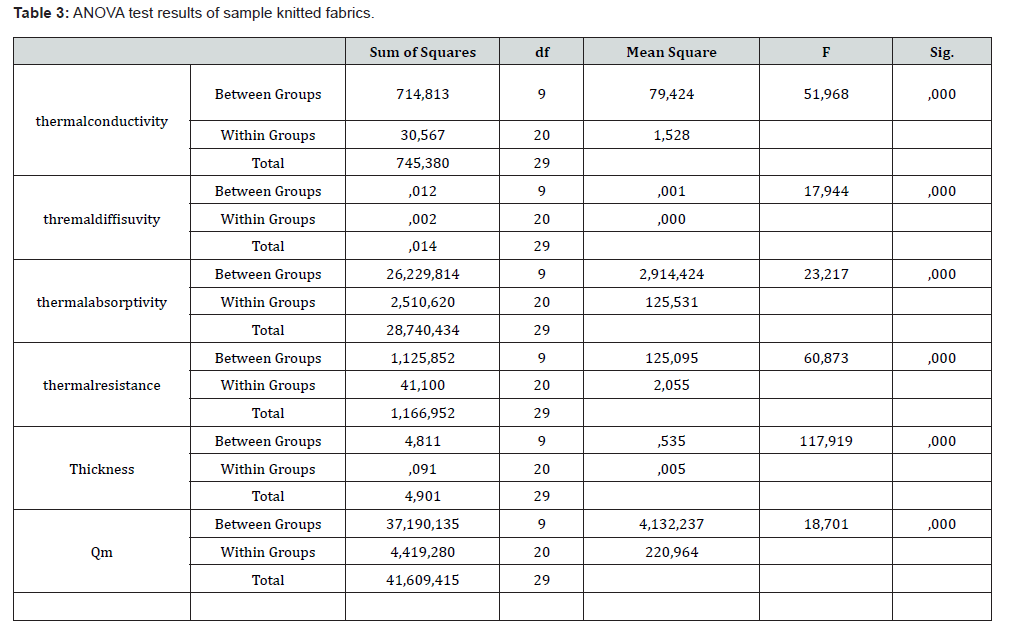
The experimental data obtained from the Alambeta test device were analyzed using SPSS 26 software. In order to evaluate the differences between fabric types, a one-way ANOVA (Analysis of Variance) method was applied. Before the analysis, all measured parameters including thermal conductivity (λ), thermal diffusivity (a), thermal absorptivity (b), thermal resistance (r), and maximum heat flow density (qm) were recorded for each fabric sample. The purpose of using ANOVA was to determine whether there are statistically significant differences between the thermal properties of different knitted fabric structures. The ANOVA results of the analysis were given in (Tables 3).
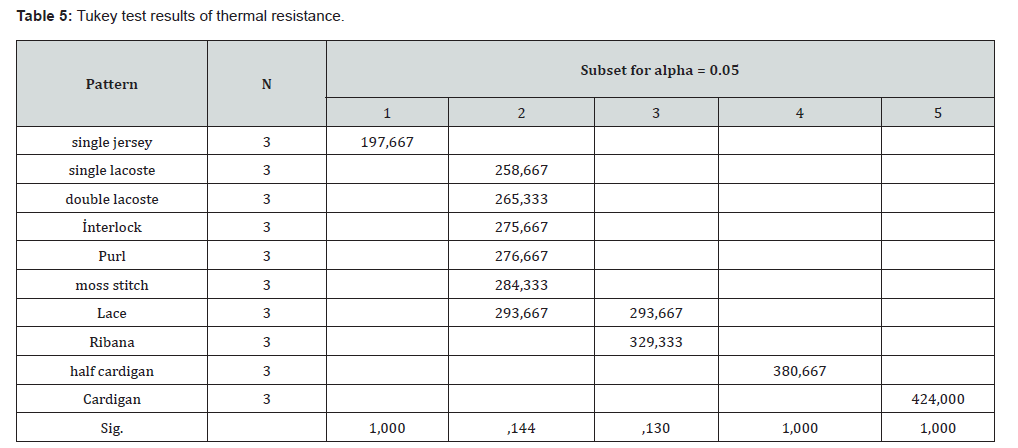
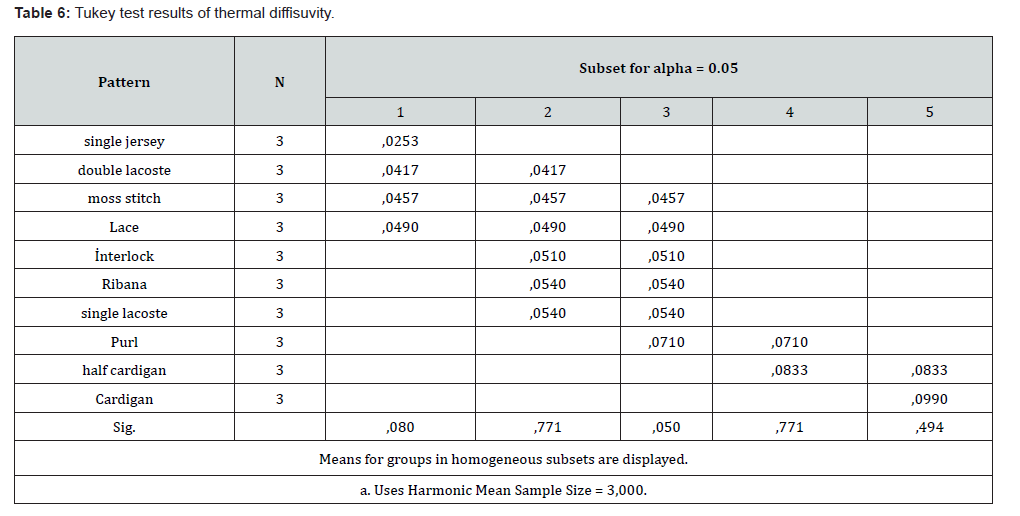
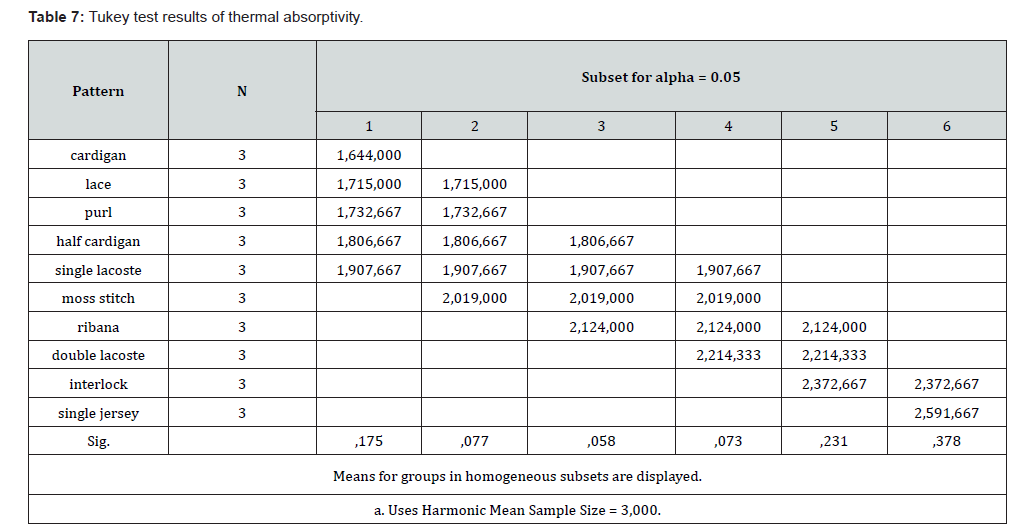
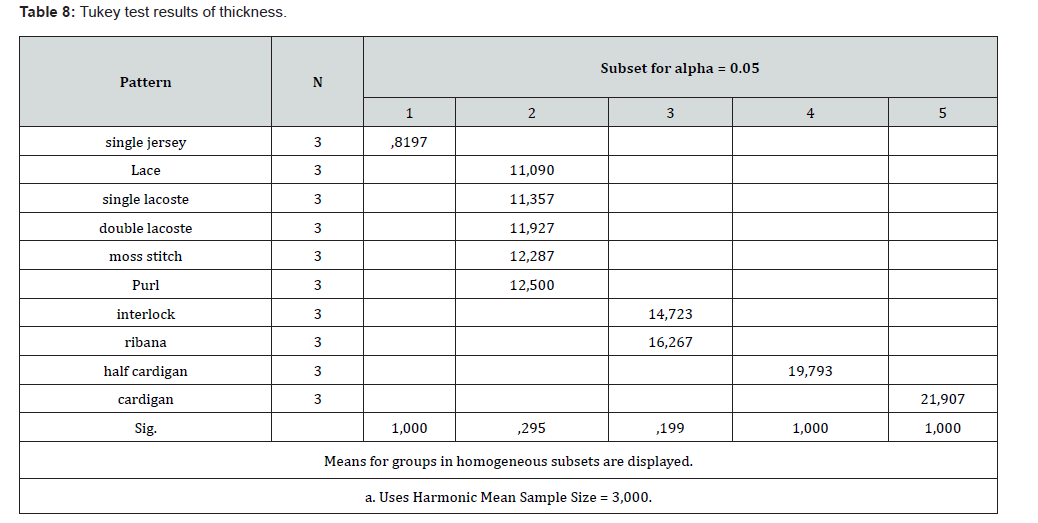
According to the table all the parameters related to thermal comfort properties were found significant statistically since the p values were smaller than 0,05. Therefore it is concluded that the pattern changing is important property on thermal characteristics of weft knitted fabrics produced by cotton. Accordingly to detect the similarities of the pattern changing on thermal characteristics Tukey tests were applied and given in (Table 4-8) respectively.
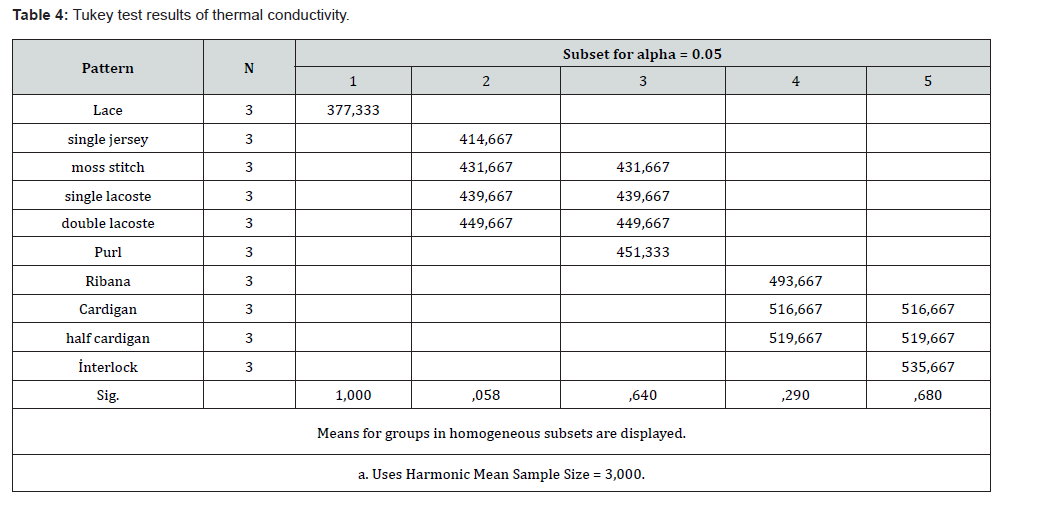
Post-hoc homogeneous subset analysis (α=0.05) demonstrated notable differences among the fabric structures in terms of the measured parameter. Lace exhibited the lowest mean value (37.73), indicating significantly lower performance compared with the other structures. In contrast, Interlock showed the highest mean value (53.57), representing the best performance among all tested patterns. Single jersey, moss stitch, single lacoste, and double lacoste were grouped within overlapping homogeneous subsets, suggesting that the differences among these structures were not statistically significant. Similarly, cardigan and halfcardigan structures exhibited comparable mean values (51.67 and 51.97, respectively) and were classified within the same subset together with interlock. Ribana displayed intermediate behavior between the medium- and high-performance groups. Overall, the results indicate that fabric pattern significantly influences the investigated property, with more compact and stable structures such as interlock and cardigan-based patterns generally yielding higher mean values than more open structures such as lace.
The post-hoc homogeneous subset analysis (α=0.05) revealed statistically distinct groupings among the investigated fabric structures. Single jersey exhibited the lowest mean value (19.77), indicating significantly lower performance compared with the remaining patterns. Conversely, cardigan demonstrated the highest mean value (42.40), followed by half-cardigan (38.07), suggesting superior performance for these structures. Single lacoste, double lacoste, interlock, purl, moss stitch, and lace were grouped within overlapping homogeneous subsets, indicating that the differences among these patterns were not statistically significant. Ribana showed an intermediate mean value (32.93), positioned between the medium- and high-performance groups. Overall, the findings suggest that the fabric pattern has a substantial effect on the measured property. Structures with more complex and compact configurations, such as cardigan and half-cardigan, generally exhibited higher mean values, whereas simpler structures such as single jersey resulted in comparatively lower values.
This table shows that the post-hoc homogeneous subset analysis indicated that fabric structure had a significant influence on the measured parameter. Single jersey exhibited the lowest mean value, whereas cardigan showed the highest value among all tested patterns. Intermediate groups consisted of double lacoste, moss stitch, lace, interlock, ribana, single lacoste, and purl, which displayed partially overlapping homogeneous subsets and therefore did not differ significantly from adjacent groups. Overall, more compact and bulkier fabric structures, particularly cardigan-based patterns, tended to yield higher values compared with simpler knit structures.
This table shows that the homogeneous subset analysis demonstrated that the fabric structure significantly influenced the measured parameter. Cardigan exhibited the lowest mean value, whereas single jersey showed the highest value among all tested patterns. Lace, purl, half-cardigan, and single lacoste formed intermediate overlapping groups, while moss stitch, ribana, double lacoste, and interlock displayed comparatively higher values. The gradual overlap among subsets suggests transitional statistical similarities between several fabric structures. Overall, tighter and more compact knit structures generally tended to yield higher mean values than bulkier structures such as cardigan.
The post-hoc homogeneous subset analysis (α=0.05) indicated that fabric structure significantly affected the measured parameter. Single jersey exhibited the lowest mean value (0.8197), whereas cardigan showed the highest mean value (2.1907). Lace, single lacoste, double lacoste, moss stitch, and purl formed overlapping intermediate subsets, suggesting no statistically significant differences among these structures. Interlock and ribana demonstrated moderately higher values, while halfcardigan and cardigan constituted the upper-performance group. Overall, bulkier and more complex knit structures tended to yield higher mean values compared with simpler structures such as single jersey.
Conclusion
In this study ten different weft knitted patterns were produced by cotton to detect the effect ob pattern changing on thermal characteristics of samples. All the fabrics were produced by Shima Seiki flat knitting machine and the tests were made in Gaziantep University textile engineering lab. And the results of the study were summarized as:
• According to thermal conductivity test results Lace fabric showed the lowest thermal conductivity due to its porous structure and air gaps. Interlock, ribana, and cardigan fabrics showed higher values because of their dense and compact structures.
• According to thermal resistance test results single jersey had the lowest thermal resistance because it is thin and allows heat to pass easily. Cardigan and half cardigan showed the highest resistance due to their thick and bulky structures with more air layers.
• According to thermal diffusivity test results single jersey showed the lowest thermal diffusivity because of its thin structure. Cardigan, half cardigan, and purl fabrics had higher diffusivity values due to their thicker and more complex structures.
• According to thermal absorptivity test results cardigan fabric had the lowest absorptivity, meaning it gives a warmer feeling at first contact. Single jersey and interlock had the highest values, creating a cooler feeling because of their smooth and compact surfaces.
• According to thickness test results single jersey was the thinnest fabric due to its single-layer structure. Cardigan and half cardigan were the thickest fabrics because of their bulky and layered structures.
In addition, the statistical analysis results showed that all measured parameters were significant according to the one-way ANOVA test at a 95% confidence level (p<0.05). This indicates that the differences observed between fabric patterns are not random and that the fabric structure has a statistically significant effect on all thermal comfort properties.
The results of these tests show that different fabric patterns can be used for different seasons in daily life. Fabrics with low thermal conductivity and high thermal resistance, such as cardigan, interlock, and ribana, are more suitable for winter because they keep the body warm by reducing heat loss. In contrast, fabrics like single jersey and lace are more suitable for summer, as they allow heat to escape and provide a cooler feeling at first contact due to their higher thermal absorptivity and more open structures. In addition, thicker fabrics provide better insulation in cold conditions, while thinner fabrics are lighter and more comfortable in warm weather. Overall, it is clearly seen that changing the knitted pattern significantly affects the thermal properties of cotton fabrics, and therefore, pattern selection plays an important role in achieving thermal comfort.
Acknowledgement
Authors thank to Gaziantep University Textle Engineering Department Labaratories for the test. This study was completed as a graduation Project and took an award as third best Project within engineering projects of GAUN.
References
- Değirmenci Z, Can T (2024) Effects of knitted structures on the performance of cotton knitted fabrics. Journal of Textile Engineering & Fashion Technology 10(5): 213-224.
- Spencer DJ (2001) Knitting technology: A comprehensive handbook and practical guide (3rd ed.). Woodhead Publishing.
- Wikipedia contributors. (n.d.). Knitted fabric. In Wikipedia.
- Li Y (2001) The science of clothing comfort. Textile Progress.
- Slater K (1986) The assessment of comfort. Journal of the Textile Institute.
- Değirmenci Z, et al. (2024) Comparison the performance properties of polyamide and acrylic yarns on behalf of knitted outerwear. Platanus Publishing. ISBN 978-625-6274-24-8.
- Mishra R, Das A, Kothari VK (2021) Effect of yarn fineness and loop structure on thermo-physiological comfort properties of single jersey knitted fabrics and their derivatives. Fashion and Textiles 8: 40.
- Islam MM, Rokon MAA, Rubel MMC, Ahmed M, Islam MA (2014) Investigation on comfort properties of conventional cotton and organic cotton knitted fabric structures. Journal of Textile Engineering & Fashion Technology 1(4): 1-7.
- Choi MS, Ashdown SP (2000) Effect of changes in knit structure and density on the mechanical and hand properties of weft-knitted fabrics for outerwear. Textile Research Journal 70(12): 1033-1045.
- Hes L (2002) Thermal properties of nonwovens. Textile Research Journal.
- Hes L, Dolezal I (1989) New method and equipment for measuring thermal properties of textiles. Journal of Textile Engineering 42(8): T124-T128.

























