




 ARGH Home



Evaluation of Efficacy of Faecal Microbiota Transplantation for Patients with Irritable Bowel Syndrome: A Scoping Review of Randomized Controlled Trials
Abdullatef Almutawa¹, Yanna Ko¹,² and Vincent Ho¹
¹Western Sydney University, School of Medicine, Australia
²Gastroenterology and Hepatology, Sydney, Australia
Submission:August 25, 2026;Published:September 18, 2026
*Corresponding author: Abdullatef Almutawa, Western Sydney University, School of Medicine, Australia
How to cite this article: Abdullatef A, Yanna Ko, Vincent Ho. Evaluation of Efficacy of Faecal Microbiota Transplantation for Patients with Irritable Bowel Syndrome: A Scoping Review of Randomized Controlled Trials. Adv Res Gastroentero Hepatol, 2026; 22(5): 556098.DOI: 10.19080/ARGH.2026.22.556098.
Abstract
Objective: This scoping review aims to summarize current RCT studies on FMT for IBS, exploring safety, efficacy, microbiota correlations, and suggesting future research directions.
Introduction: Several RCT studies have been conducted to evaluate the effect of FMT in IBS patients, where some show partial effectiveness, and others show minor differences compared to placebo. These inconsistencies, combined with ongoing safety concerns and uncertainty regarding microbiome-mediated mechanisms, prompted this scoping review. This review may stimulate further research and encourage larger, more comprehensive trials.
Methods: The review encompassed a comprehensive search across multiple databases, including MEDLINE, Embase, and Scopus. The initial search was conducted in 23 September 2023 using multiple search criteria and limiters (e.g., English language, published from 1 January 2018, and excluding animal studies). An updated search was conducted in 18 August 2026 using the same search strategy, with nine additional initial records.
Results: The search yielded 11 RCTs investigating FMT as a potential therapeutic intervention for IBS. The studies, characterized by diverse methodologies and participant populations, demonstrated consistent positive outcomes in symptom improvement compared to placebo in several instances. Notably, 57.1% of FMT-treated patients achieved a clinical response at week 12, accompanied by reductions in IBS-SSS scores. Mixed findings included limited long-term FMT effectiveness, transient symptom reduction, and instances where FMT did not significantly outperform placebo. Adverse events varied, ranging from mild and transient to infections, with consistent positive effects of FMT on gut microbiota diversity and composition noted across studies.
Conclusions: FMT shows promise for IBS treatment, yielding positive outcomes in symptom relief and microbiota changes. However, challenges in donor selection, placebo effects, and safety require further exploration. Future research should refine treatment protocols, examine microbial markers, and conduct large-scale trials to establish FMT's efficacy and safety in IBS.
Keywords: Faecal Microbiota Transplantation; Irritable Bowel Syndrome; Randomised Controlled Trials; Scoping Review; Therapeutic Outcome
Abbreviations: IBS: Irritable bowel syndrome; FMT: faecal microbiota transplantation; JBI: Joanna Briggs Institute; BMI: Basal mass index
Introduction
Background of irritable bowel syndrome
Irritable bowel syndrome (IBS) is a chronic functional gastrointestinal disease that affects more than 10% of the population and is considered as a massive economic burden on the healthcare system [1]. A case-control study emphasizes that individuals with IBS are frequently insufficiently managed by the healthcare system [2]. The study highlights the significant impact of both Sense of Coherence and confidence, stressing the necessity to address these factors for improved productivity and quality of life in IBS patients [2]. IBS is classified into three main types: diarrhea-predominant (IBS-D), constipation-predominant (IBS-C), and mixed IBS (IBS-M), each characterized by distinct patterns of bowel habits [3]. The aetiology of IBS has been found to be associated to various factors; these include intestinal permeability, gut immune function, motility, visceral sensation, brain-gut interactions, psychosocial status, and alterations in the gut microbiome [4]. The latter is also called dysbiosis, which is an imbalance of the distribution of microbiota in the gut [5]. Although dysbiosis does not have a clear definition [6], increased microbial diversity and specific gut microbiota have been associated with a lower likelihood of IBS [7,8].
Current treatments for IBS mainly involve dietary and pharmacological interventions, yet many patients experience incomplete symptom relief and recurrent episodes [4]. This lack of definitive treatment underscores the necessity for more comprehensive interventions to address the complexity of IBS. The American College of Gastroenterology guidelines currently recommend against the use of faecal microbiota transplantation (FMT) for IBS due to the inconsistent evidence of symptom relief [9]. This highlights the need for further research into its potential therapeutic role.
Faecal microbiota transplantation for IBS
Faecal microbiota transplantation is a potential treatment for IBS that involves the transfer of beneficial gut microbiota from a healthy donor to an IBS patient, with the objective of rectifying dysbiosis and potentially alleviating symptom [8,10]. FMT has demonstrated established efficacy in recurrent Clostridioides difficile infection and is being investigated in other conditions including inflammatory bowel disease [11]. However, the safety and efficacy of FMT as an IBS treatment are still under investigation, necessitating further exploration of the current literature on the subject. Although some treatments such as probiotics have been associated with strong efficacy on major symptoms of IBS, IBS patients are likely to relapse in less than two months period [12]. In comparison, FMT may provide longer-term symptom relief.8 However, FMT generally shows less overall improvement of IBS symptoms compared to probiotics [13]. In a systematic review involving an analysis of case reports and case series on IBS, around 50% of patients showed clinical improvement with FMT [14]. Despite this positive outcome in non-randomized studies, RCT results have been inconclusive and inconsistent [14]. Furthermore, there are concerns regarding the side effects associated with FMT. A randomized clinical trial reported that >80% of patients who received FMT experienced side effects, including symptoms such as diarrhea and bloating [14]. Notably, about half of the patients who received the placebo also exhibited similar outcomes, except for diarrhea [14].
Gaps and objectives of the scoping review
Considering the numerous recent clinical trials conducted on IBS, this study aims to address research gaps by conducting a comprehensive scoping review of the existing literature on FMT as an intervention for IBS. This review encompasses a summary of current RCT studies, with a focus on assessing safety, efficacy, microbiota correlations, and proposing future research directions in this rapidly evolving field. The scoping review is conducted in the Western Sydney area under the supervision of the School of Medicine of Western Sydney University.
Review question
Primary outcome
What is the current evidence from RCT studies regarding the safety and efficacy of FMT as an intervention for IBS?
Secondary outcome
What correlations exist between microbiota changes and clinical outcomes in the context of FMT for IBS, and what are the potential future research directions in this evolving field?
Methods
Search strategy
The proposed scoping review aligns with the 2020 version of the Joanna Briggs Institute (JBI) methodology and adheres to the structured framework designed for scoping reviews [15]. The scoping review involved a comprehensive search across a range of prominent databases, including MEDLINE, Embase, and Scopus, aimed at identifying studies that assess the effectiveness of FMT in patients diagnosed with IBS. The study employed all three databases and utilized Boolean operators like "AND" and "OR" as well as truncation and a mix of index terms, including MESH terms, to capture the most relevant studies. A sample search strategy using Ovid MEDLINE, one of the primary databases, is provided for reference. In the appendix of this paper (see Appendix I), a sample of the search strategy is presented, illustrating the keywords and operators utilized in the systematic literature search.
The search incorporated a range of relevant terms related to IBS, encompassing synonymous terms such as "Irritable Colon" and "Mucous Colitides" This initial search yielded results that were combined and further refined to focus specifically on FMT by incorporating keywords such as "Transplant," "Faecal Microbiota," and related terms such as "faecal microbiome" and "faecal flora." To ensure the inclusion of recent and relevant evidence, a combination of index terms and synonyms was employed to refine the search results, specifically targeting randomized controlled trials, and controlled clinical trials. Key terms such as "randomized controlled trial," "randomised," "placebo," and "drug therapy" were utilized. Filters and index terms were thoughtfully utilized for precise inclusion criteria. These measures excluded animal studies, ensuring a focus on human-based research. Additionally, filters were applied to limit the search to studies published from 1 January 2018 onwards to capture research with improved methodologies for donor selection and FMT administration. A language filter was also employed to exclude non-English studies, enhancing result accuracy by mitigating potential representation issues in other languages. The search strategy was not further refined to include terms related to effectiveness and treatment outcomes. This decision was made considering that most randomized trials inherently focus on therapeutic outcomes. The same search strategy was adapted for the other two databases, with slight modifications made to align with each database's specifications, particularly in the context of narrowing the search to RCT studies.
Study Criteria
The scope of this research has been divided into various criteria which is divided into three sections, including criteria for the design of the studies based on guidelines for functional gastrointestinal disorders clinical trials [16], donors-based criteria as per the guidelines of the European Consensus [17]. Additionally, patient selection criteria have been defined to ensure the accurate diagnosis of IBS based on the ROME III or IV criteria, and to minimize potential inaccuracies related to other medical conditions that might be influenced by FMT [18]. Although the updated Rome V criteria were published in 2026, their introduction is not expected to substantially affect patient selection because most trials enrolled patients with moderate-to-severe IBS symptoms [19]. The three criteria sections are as follows:
Study Design Inclusion Criteria
a) Articles published from 1 January 2018 onwards to ensure the review's currency.
b) Priority given to randomized clinical trials.
c) Studies included if they provided a clear description of participant allocation through randomization and employed appropriate blinding methods.
d) Inclusion of both a placebo group and an FMT intervention group in the study design.
e) Studies assessing symptomatic improvement as a clear intervention outcome.
f) Inclusion of studies conducted in the English language.
Inclusion Criteria for Donor in studies:
I. Donors should have no history of gastrointestinal disorders (e.g., IBS, IBD), chronic constipation, or metabolic issues affecting gut health.
II. No history of neurological or psychiatric conditions.
III. Basal mass index (BMI) should fall within the normal range (18.5 ≤ BMI ≤ 30).
IV. Comprehensive blood and stool testing is required to screen for potential transmittable diseases.
V. No exposure to antibiotics, immunosuppressant therapy, or chemotherapy within the past 3 months.
VI. No history of or known exposure to infectious diseases like HIV, HBV, HCV, syphilis, or other transmissible infections.
VII. Absence of ongoing or recent systemic infections at the time of donation.
VIII. Avoidance of risky behaviors such as illegal drug use or engaging in high-risk sexual activity that could increase disease transmission risk.
Criteria for participants of the trials
Inclusion Criteria:
a) Adults aged 18 to 75 years.
b) Participants met IBS diagnostic criteria as per ROME III or ROME IV.
Studies with participants of concerning features suggesting organic diseases mimicking IBS were excluded:
a. Unexplained weight loss.
b. Evidence of gastrointestinal bleeding.
c. Unexplained iron-deficiency anaemia.
d. A family history of specific organic gastrointestinal diseases.
Positive results on specific diagnostic tests including:
I. Complete blood cell count
II. C-reactive protein
III. Faecal calprotectin levels
IV. Serologic testing for celiac disease
V. Age-appropriate colorectal cancer screening
Study Navigation and Selection
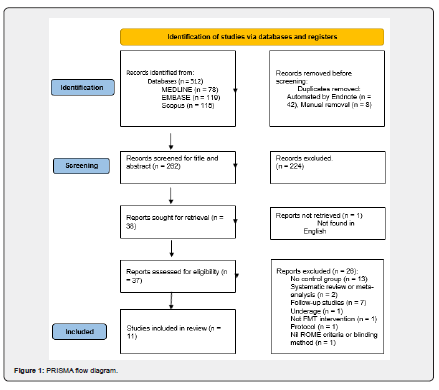
The study utilized EndNote (version 20, released in 2020) as the primary tool for systematically collecting, managing, and organizing relevant evidence. Studies were imported from three databases, as mentioned in the search strategy section, including their titles, abstracts, and citations in the Vancouver style. The software was employed to group the studies based on their respective origin databases. Initial duplicates were removed using EndNote's automated features, followed by a manual check to eliminate any remaining duplicates. Screening of titles and abstracts was conducted to exclude studies that were deemed irrelevant. Lastly, full-text screening was performed to determine which studies would be considered for inclusion in the review (Figure 1).
Data Extraction
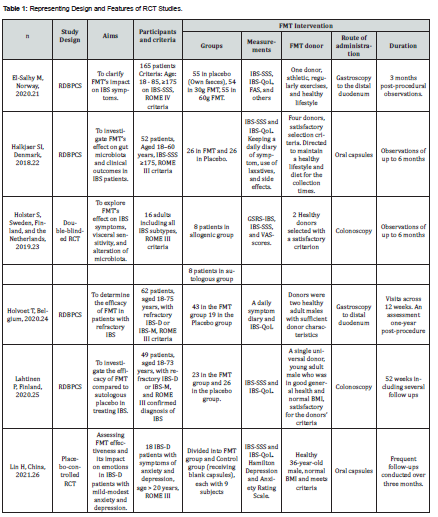
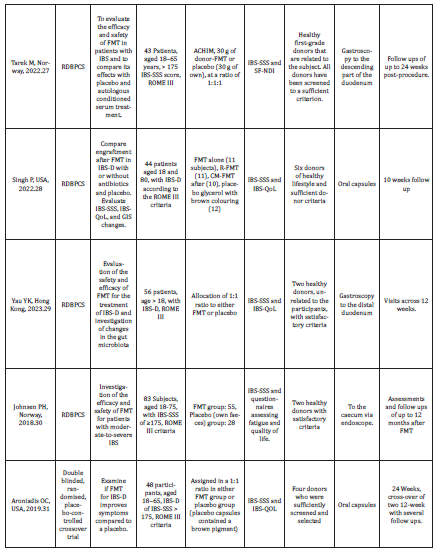
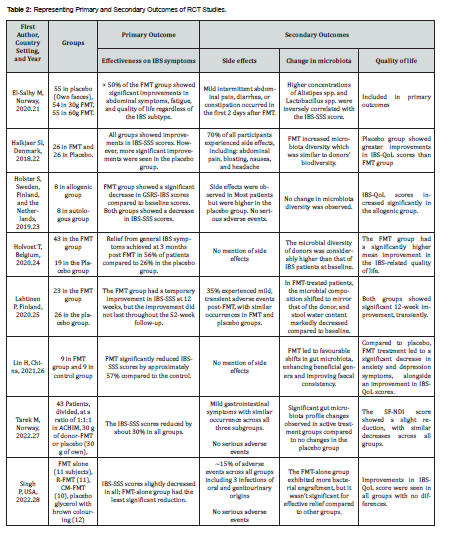
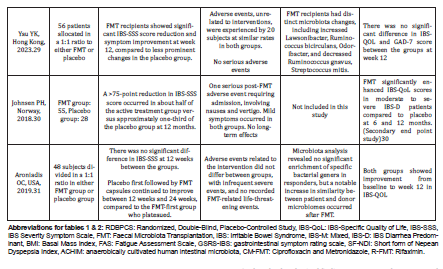
JBI data extraction methods were employed for the retrieval of data [15]. The information extracted from studies included elements such as the first author's name, publication year, study design, and primary and secondary outcomes. A detailed table presenting the extracted data can be found in the results section. It is noteworthy that the data extraction methods were adjusted as necessary from the JBI methodology to align with the specific needs of this review (Table 1 & Table 2).
Results
Characteristics of included RCT studies
Study Selection Flowchart and Data Extraction Tables: A PRISMA flowchart is shown below to summarise the selection of the studies [20].
Setting and Participant Characteristics: Most studies utilized web-based systems or randomized blocks organized by non-involved personnel, contributing to effective masking and blinding of researchers and participants [21-25, 28-31]. One study employed randomization to minimize selection bias but lacks details on the method used.26 Another study used computer software for randomization, with researchers blinded, but with no mention of external personnel involvement [27]. The participant numbers varied across studies, with the majority involving around 50 participants [22, 24, 25, 27-29, 31]. Two studies included fewer than 20 subjects while two studies had larger cohorts of 165 and 83 participants [21, 31]. The criteria for participation were well-defined, with all studies incorporating ROME III or IV as the inclusion criteria. Most studies concentrated on specific subtypes of IBS, particularly severe to moderate cases with some excluding IBS-C [24-26, 28, 29, 31].
Donor Characteristics and FMT Administration
Donor criteria of the included studies was sufficient for inclusion in review, except that some studies deviated slightly regarding BMI criteria [28, 29]. One study reported using a super donor for FMT [21]. Treatment methods varied, including gastroscopy [19, 22, 25, 27] colonoscopy [21, 23, 28] and oral capsules for transplant delivery [22, 26, 28, 31]. Placebo methods varied across studies, with some using the patient's own feces [21, 23-25, 27, 29, 30] others employing faeces-free capsules [24, 26, 29] and one study not specifying the placebo type [22].
Outcomes in Symptomatic Relief
The RCT results were heterogeneous, with some trials demonstrating clinically significant symptom improvement while others reported no superiority over placebo. One study demonstrated positive results, with 57.1% of FMT-treated patients achieving a clinical response at week 12, accompanied by a notable reduction in IBS-SSS scores.29 Two RCTs provided evidence of the benefits of FMT on mental health, showing significant improvements in anxiety and depression symptoms, along with notable reductions in IBS-SSS scores [26, 27]. In another study, approximately 50% of the FMT group exhibited significant improvements in abdominal symptoms, fatigue, and quality of life, surpassing lower rates in the placebo group [21]. Additionally, a trial reported that the allogenic FMT group experienced a significant decrease in GSRS-IBS scores and increased quality-of-life scores compared to the placebo group [23]. Johnsen et al. reported significant improvement in symptoms in the FMT group, with follow up extending up to 12 months [30].
On the other hand, mixed findings were reported across several RCTs. One article showed limited long-term effectiveness of FMT and emphasized the importance of donor selection, while another reported a transient reduction in IBS-SSS following FMT [25]. Two studies found no significant differences among subgroups, indicating that FMT did not significantly improve clinical outcomes compared to placebo [27, 28]. Another RCT reported a significant enhancement in IBS-QoL at six months and reported a notable decrease in IBS-SSS scores post-FMT, but symptom reduction was more prominent in the placebo [22]. Negative outcomes were reported in another trial, indicating that FMT did not lead to more remarkable improvement in symptoms or clinical response compared to the placebo group [31]. Furthermore, no significant differences were observed in primary and secondary outcomes, including quality of life, anxiety, depression, and fatigue.31
Adverse Events
In the initial days following FMT, mild intermittent abdominal pain, diarrhea, or constipation was reported, indicating a temporary discomfort [21]. Conversely, a substantial 70% of all participants in another study experienced side effects, including abdominal pain, bloating, nausea, and headache [22]. Side effects were observed in most patients in a separate study, with a higher incidence in the placebo group [23]. Notably, two studies did not explicitly mention side effects [24, 26]. Further investigation into adverse events revealed that one study reported 35% of participants experiencing mild, transient adverse events post-FMT, with similar occurrences in both the FMT and placebo groups [25]. Another study noted mild gastrointestinal symptoms with comparable frequency across all three subgroups, highlighting the relatively consistent occurrence of mild side effects [27]. Additionally, approximately 15% of adverse events were reported across all groups in a different study, including three infections of oral and genitourinary origins; however, no serious adverse events were recorded [28]. In contrast, adverse events unrelated to interventions occurred at similar rates in both groups in another study, with no serious adverse events reported [29].
One study reported that adverse events related to the intervention did not differ between groups, with infrequent severe events and no recorded FMT-related life-threatening events [31]. Another study identified a serious post-FMT adverse event requiring admission, involving nausea and vertigo; however, mild symptoms occurred in both groups, and no long-term effects were observed [30]. No other serious adverse events were observed in any of the other trials.
Microbiome Changes
FMT demonstrated consistent positive effects on gut microbiota across the RCT studies, with increased diversity and a shift towards donor resemblance reported in various investigations [22, 25, 26]. Additionally, specific microbial changes, such as increased concentrations of Alistipes spp. and Lactobacillus spp., were inversely correlated with IBS-SSS scores in one study, while another study highlighted distinct changes in the FMT-alone group, indicating potential variations in bacterial engraftment efficacy. Furthermore, a shared observation across studies emphasized the higher baseline microbial diversity of donors compared to IBS patients [24, 25].
Discussion
Therapeutic Outcomes
The effectiveness of FMT in treating IBS varies across studies, with notable positive outcomes observed in several trials. For instance, a clinical response rate of 57.1% at week 12, coupled with a significant reduction in IBS-SSS scores, suggests a substantial improvement in symptoms among FMT-treated patients compared to the placebo group [29]. Moreover, mental health benefits, evidenced by improvements in anxiety and depression symptoms alongside reduced IBS-SSS scores, were consistent across two RCTs [26, 27]. Additionally, approximately 50% of the FMT group reported significant improvements in abdominal symptoms, fatigue, and quality of life, surpassing the placebo group [21]. Notably, a trial focusing on allogenic FMT highlighted a decrease in GSRS-IBS scores and increased quality-of-life scores, reinforcing the potential of FMT as a promising IBS treatment [23]. In contrast, studies with mixed or neutral findings underscored the limitations of FMT, emphasizing the importance of donor selection [24], and the transient nature of some therapeutic effects [25]. Donor-related factors may contribute to treatment response and warrant further investigation [21]. The role of placebos, particularly the use of empty capsules as a control, raises questions about the psychological and physiological effects on IBS symptoms. The observed improvements in the placebo group in certain studies underscore the need to explore the psychological factors influencing symptom perception [31].
Safety of FMT
The safety profile of FMT in IBS patients varies across studies. Reports of adverse events, including mild gastrointestinal symptoms and infections, highlight the need for a comprehensive assessment of safety. Although most adverse events were mild and transient, further investigation is warranted to differentiate true side effects from placebo effects. Studies reporting no serious adverse events suggest that FMT in IBS is generally well-tolerated. However, the occurrence of serious adverse events requiring admission, such as nausea and vertigo, necessitates careful consideration of safety measures [30]. Despite donor screening, FMT carries a potential risk of transmitting infectious organisms, including multidrug-resistant organisms [32]. The Food and Drug Administration has issued safety alerts regarding infections associated with FMT, especially when considering FMT for non-life-threatening conditions such as IBS [32].
Microbiota associations
Microbiota changes associated with FMT demonstrate a consistent pattern of increased diversity and a shift towards donor resemblance [22, 25, 26]. Specific microbial changes, including elevated concentrations of Alistipes spp. and Lactobacillus spp., were inversely correlated with IBS-SSS scores, suggesting potential microbial markers for symptomatic relief [21]. The observation that FMT recipients had distinct microbiota changes, such as increased Lawsonibacter and Ruminococcin bicirculans, adds complexity to the understanding of bacterial engraftment efficacy [29]. Furthermore, a shared observation across studies emphasized the higher baseline microbial diversity of donors compared to IBS patients [21, 24, 25].
Limitations
Despite the promising findings, several limitations should be acknowledged. The included studies had small sample sizes and considerable methodological heterogeneity. Although most studies used similar patient selection criteria, they differed in FMT administration methods, donor selection and preparation, microbiome analysis techniques, and outcome assessment. These differences may affect the interpretation and comparability of the findings and warrant cautious generalization. In addition, title/abstract and full-text screening were conducted by a single reviewer, which can represent a potential limitation of the study selection process.
Future Recommendations
The necessity for additional investigation persists on several fronts within the context of FMT for IBS. Firstly, there is a need to explore the potential impact of bowel preparation on FMT efficacy. Second, the placebo effect on IBS symptoms warrants thorough examination, considering observed improvements in the placebo group across select studies. To address uncertainty regarding efficacy in FMT's symptomatic relief effects for IBS, the recommendation stands for the implementation of larger controlled trials. Lastly, randomized trials focusing on the correlation between successful active FMT treatment and sustained long-term outcomes are pivotal to improve the understanding of FMT's efficacy in addressing IBS symptoms.
Conclusions
In conclusion, FMT may be a promising therapeutic option for IBS with several RCTs studies demonstrating positive outcomes in symptom relief and microbiota changes. Nonetheless, other RCTs showed unfavorable outcomes and mixed findings compared to the control groups. Other challenges related to donor selection, placebo effects, and safety considerations necessitate further exploration. Future research should focus on refining treatment protocols, investigating microbial markers, and conducting large-scale trials to establish the efficacy and safety of FMT in the context of IBS.
References
- Lovell RM, Ford AC (2012) Global prevalence of and risk factors for irritable bowel syndrome: a meta-analysis. Clinical gastroenterology and hepatology 10(7): 712-721.
- Faresjö Å, Walter S, Norlin AK, Faresjö T, Jones MP (2019) Gastrointestinal symptoms-an illness burden that affects daily work in patients with IBS. Health and quality of life outcomes 17: 1-7.
- Vahedi H, Ansari R, Mir-Nasseri MM, Jafari E (2010) Irritable bowel syndrome: a review article. Middle East Journal of Digestive Diseases 2(2): 66.
- Chey WD, Kurlander J, Eswaran S (2015) Irritable bowel syndrome: a clinical review. Jama 313(9): 949-58.
- Carroll IM, Chang YH, Park J, Sartor RB, Ringel Y (2010) Luminal and mucosal-associated intestinal microbiota in patients with diarrhea-predominant irritable bowel syndrome. Gut pathogens 2(1): 1-9.
- Wei S, Bahl MI, Baunwall SM, Hvas CL, Licht TR (2021) Determining gut microbial dysbiosis: a review of applied indexes for assessment of intestinal microbiota imbalances. Applied and Environmental Microbiology 87(11): e00395.
- Kim GH, Lee K, Shim JO (2023) Gut Bacterial Dysbiosis in Irritable Bowel Syndrome: a Case-Control Study and a Cross-Cohort Analysis Using Publicly Available Data Sets. Microbiology Spectrum 11(1): e02125.
- El-Salhy M, Kristoffersen AB, Valeur J, Casen C, Hatlebakk JG (2022) Long-term effects of fecal microbiota transplantation (FMT) in patients with irritable bowel syndrome. Neurogastroenterol Motil 34(1).
- Lacy BE, Pimentel M, Brenner DM, Chey WD, Keefer LA (2021) ACG Clinical Guideline: Management of Irritable Bowel Syndrome. Am J Gastroenterol 116(1): 17-44.
- Khoruts A, Sadowsky MJ (2011) Therapeutic transplantation of the distal gut microbiota. Mucosal immunology 4(1): 4-7.
- Lynch SV, Pedersen O (2016) The human intestinal microbiome in health and disease. New England Journal of Medicine 375(24): 2369-2379.
- Didari T, Mozaffari S, Nikfar S, Abdollahi M (2015) Effectiveness of probiotics in irritable bowel syndrome: Updated systematic review with meta-analysis. World journal of gastroenterology: WJG 21(10): 3072.
- Dale HF, Rasmussen SH, Asiller ÖÖ, Lied GA (2019) Probiotics in irritable bowel syndrome: an up-to-date systematic review. Nutrients 11(9): 2048.
- Xu D, Chen VL, Steiner CA, Berinstein JA, Eswaran S (2019) Efficacy of fecal microbiota transplantation in irritable bowel syndrome: a systematic review and meta-analysis. The American journal of gastroenterology 114(7): 1043.
- Peters MDJ, Godfrey C, McInerney P, Munn Z, Tricco AC (2020) Chapter 11: Scoping Reviews (2020 version). In: Aromataris E, Munn Z, editors. JBI Manual for Evidence Synthesis. JBI.
- Irvine EJ, Tack J, Crowell MD, Gwee KA, Ke M (2016) Whitehead WE, Spiegel B. Design of treatment trials for functional gastrointestinal disorders. Gastroenterology 150(6): 1469-1480.
- Cammarota G, Ianiro G, Tilg H, Rajilić-Stojanović M, Kump P (2017) European consensus conference on faecal microbiota transplantation in clinical practice. Gut 66(4): 569-580.
- Lacy BE, Patel NK (2017) Rome criteria and a diagnostic approach to irritable bowel syndrome. Journal of clinical medicine 6(11): 99.
- Drossman DA, Chang L, Tack J (2026) Bowel Disorders. Gastroenterology 170(6): 1099-1134.
- Page MJ, Moher D, Bossuyt PM, Boutron I, Hoffmann TC (2020) Explanation and elaboration: updated guidance and exemplars for reporting systematic reviews. BMJ 29: 372.
- El-Salhy M, Hatlebakk JG, Gilja OH, Kristoffersen AB, Hausken T (2020) Efficacy of faecal microbiota transplantation for patients with irritable bowel syndrome in a randomised, double-blind, placebo-controlled study. Gut 69(5): 859-867.
- Halkjaer SI, Christensen AH, Lo BZS, Browne PD, Gunther S (2018) Faecal microbiota transplantation alters gut microbiota in patients with irritable bowel syndrome: Results from a randomised, double-blind placebo-controlled study. Gut 67(12): 2107-2115.
- Holster S, Lindqvist CM, Repsilber D, Salonen A, De Vos WM (2019) The effect of allogenic versus autologous fecal microbiota transfer on symptoms, visceral perception and fecal and mucosal microbiota in irritable bowel syndrome: a randomized controlled study. Clinical and Translational Gastroenterology 10(4).
- Holvoet T, Joossens M, Vazquez-Castellanos JF, Christiaens E, Heyerick L (2021) Fecal Microbiota Transplantation Reduces Symptoms in Some Patients With Irritable Bowel Syndrome With Predominant Abdominal Bloating: Short- and Long-term Results From a Placebo-Controlled Randomized Trial. Gastroenterology 160(1): 145-157.
- Lahtinen P, Jalanka J, Hartikainen A, Mattila E, Hillila M (2020) Randomised clinical trial: faecal microbiota transplantation versus autologous placebo administered via colonoscopy in irritable bowel syndrome. Aliment Pharmacol Ther 51(12): 1321-1331.
- Lin H, Guo Q, Wen Z, Tan S, Chen J (2021) The multiple effects of fecal microbiota transplantation on diarrhea-predominant irritable bowel syndrome (IBS-D) patients with anxiety and depression behaviors. Microbial Cell Factories 20(1): 233.
- Mazzawi T, Hausken T, Refsnes PF, Hatlebakk JG, Lied GA (2022) The Effect of Anaerobically Cultivated Human Intestinal Microbiota Compared to Fecal Microbiota Transplantation on Gut Microbiota Profile and Symptoms of Irritable Bowel Syndrome, a Double-Blind Placebo-Controlled Study. Microorganisms 10(9).
- Singh P, Alm EJ, Kelley JM, Cheng V, Smith M (2022) Effect of antibiotic pretreatment on bacterial engraftment after Fecal Microbiota Transplant (FMT) in IBS-D. Gut Microbes 14(1).
- Yau YK, Su Q, Xu Z, Tang W, Ching JYL (2023) Randomised clinical trial: Faecal microbiota transplantation for irritable bowel syndrome with diarrhea. Alimentary Pharmacology and Therapeutics.
- Johnsen PH, Hilpusch F, Cavanagh JP, Leikanger IS, Kolstad C (2018) Faecal microbiota transplantation versus placebo for moderate-to-severe irritable bowel syndrome: a double-blind, randomised, placebo-controlled, parallel-group, single-centre trial. The Lancet Gastroenterology and Hepatology 3(1):17-24.
- Aroniadis OC, Brandt LJ, Oneto C, Feuerstadt P, Sherman A (2019) Faecal microbiota transplantation for diarrhoea-predominant irritable bowel syndrome: a double-blind, randomised, placebo-controlled trial. The Lancet Gastroenterology and Hepatology 4(9): 675-685.
- S. Food and Drug Administration (2019) Fecal microbiota for transplantation: safety communication-risk of serious adverse reactions due to transmission of multi-drug resistant organisms [Internet]. Silver Spring (MD): Food and Drug Administration.

























