




 OROAJ Home



Abstract
Background: The great toe’s metatarsophalangeal joint (MTPJ) arthropathy severely impacts quality of life by producing significant discomfort and impairment. Arthrodesis, steroid injections, and conservative therapies were among the traditional therapeutic options. Cartiva, a synthetic cartilage hemiarthroplasty for the MTPJ, is one of the new choices. There is proof that this prosthesis improves function and discomfort without sacrificing joint movement as arthrodesis does. Reviews of the implant itself, however, are conflicting.
Objective: This study aims to identify the short-term post-surgical outcomes of Cartiva implant in hallux rigidus.
Material and Methods: This prospective interventional study was conducted in JHAH Aramco, Saudia Arabia from June 2022- oct 2023 after approval from IRB and informed consent form all selected patients. There were a total of 12 patients fulfilling inclusion criteria (both gender, age from 20 to 70years, 1st MTP arthropathy). Exclusion criteria were previous surgery or trauma.
Results: Twelve patients with a mean age of 55.83 years remained after no one was lost to follow-up. Follow-up was 6.3 months on average. The mean dorsiflexion and plantar flexion of the postoperative active MTP joint were 20.41 (range: 10.0- 30.0) and 21.25 (range: 10.0-45.0) degrees, respectively. Pain VAS (mean 2.95 ± 0.79) and AOFAS Hallux Mtp-IP Score (mean 84.55 ± 4.72) demonstrated clinically and statistically significant improvements. Radiographically, no patient demonstrated changes in implant position, implant loosening or subsidence, or implant wear. All patients can wear conventional shoes except one who needs soft and modified shoes.
Conclusion: At short-term follow-up, “Cartiva” surgery for metatarsophalangeal arthropathy has been reported to result in limited range of movement decreased function, and chronic discomfort. Similar studies showed comparable rates of revision to arthrodesis and reoperation.
Keywords:Arthritis; Hemiarthroplasty; Polyvinyl; Cartilage; Implant
Abbreviations:SCI: Synthetic Cartilage Implant
Introduction
Osteoarthritis of the first metatarsophalangeal joint (MTPJ), commonly known as hallux rigidus, is a degenerative arthritis disorder that affects one in six adults over the age of 50. The first metatarsophalangeal joint plays a crucial role in gait cycle. Bearing up to 119% of body weight with each step and Hallux rigidus can lead to substantial impairment. Patients with low-grade or early symptoms graded from 1-4 are treated from non-surgical therapies such as activity modification, orthotics, physiotherapy, and intra-articular steroid injections [1]. Current literature shows available Surgical procedures like arthroplasty, cheilectomy, and resurfacing which can preserve motion. Primary arthrodesis of 1st MTPJ has been regarded as the gold standard surgical technique for advanced Hallux Rigidus due to these outcomes. Although this surgery improves joint stability, function, and discomfort [2,3], but it limits mobility. Footwear and athletic involvement. The US Food and Drug Administration granted approval for the use of Cartiva, a synthetic cartilage implant (SCI) manufactured by Cartiva Inc of Alpharetta, GA, in 2016. The metatarsal head was press-fitted with a cylindrical polymer hydrogel as part of Cartiva. With water content comparable to articular cartilage and biomechanical properties to healthy human cartilage, this SCI exhibited good biocompatibility [4].
Methodology
This study was retrospective interventional study conducted in the orthopedic department of our hospital. There was total 12 patients who had “Cartiva” implant of 1st MTPJ between June 2022-0ctober 2023 by single foot and ankle surgeon. We reviewed the gender, age, range of motion pre- and post-surgery, shoe wear VAS score, AOFAS score. Ethical approval from IRB was gained prior to study.
Result
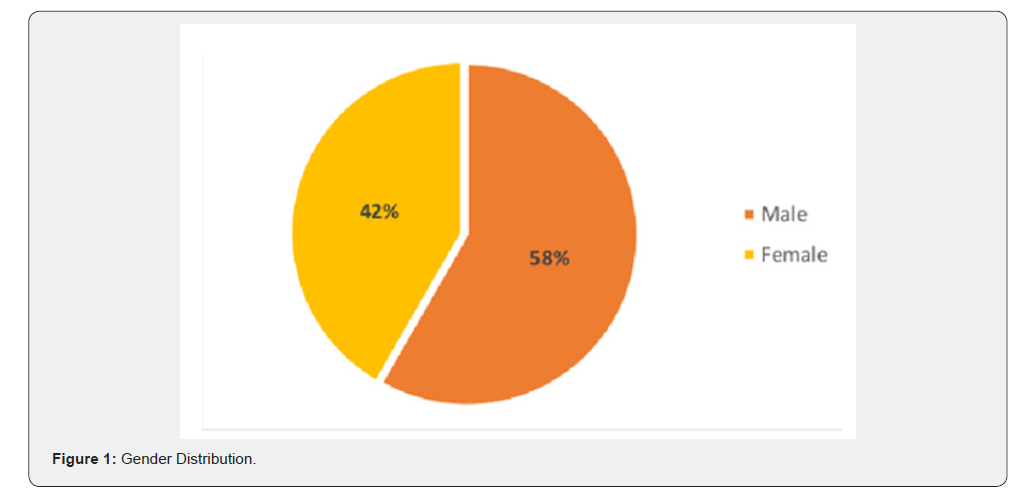
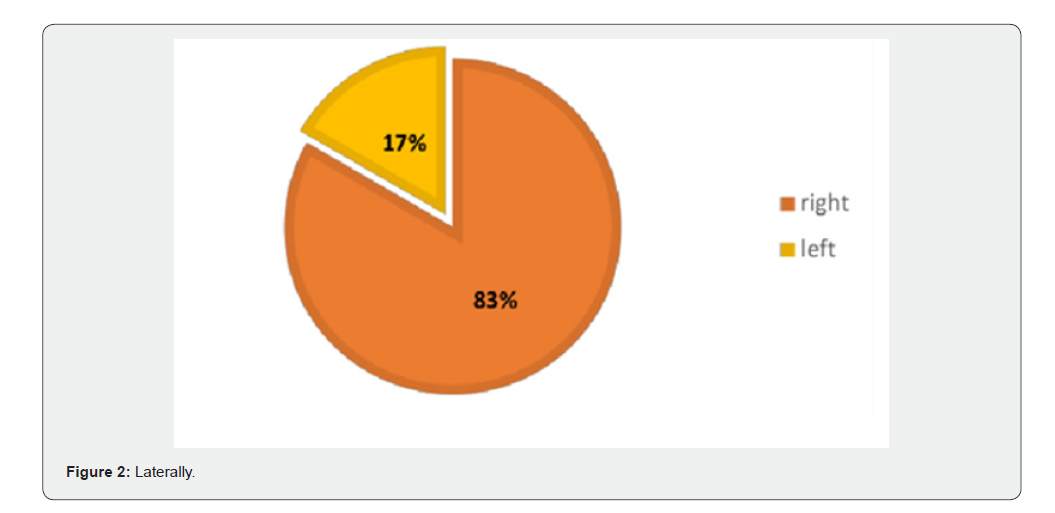
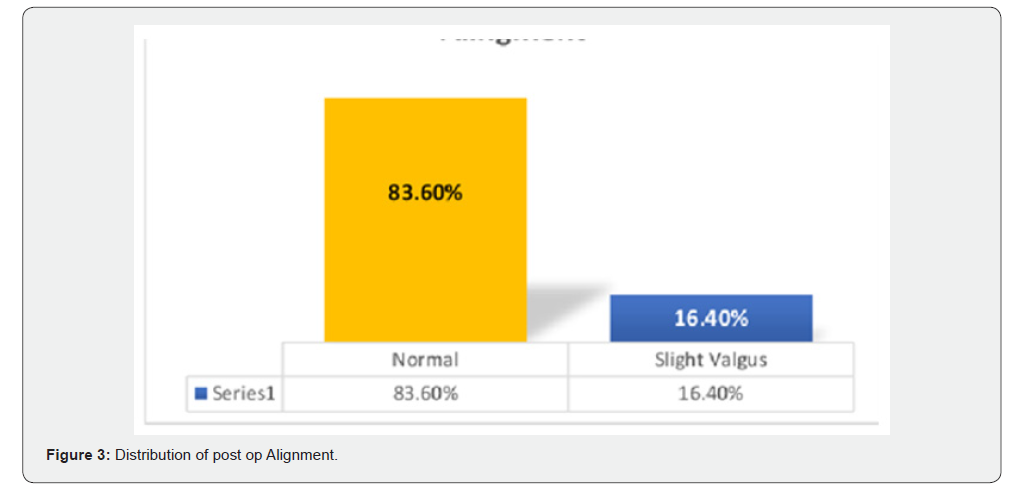
12 patients were assessed mean age 55.83 years. There were five female and seven males in our study. (Figure 1) Mean follow- up was 6.3 months. While assessing the side there were 2 left and 10 big toes involved (Figure 2). Postoperative active MTP joint dorsiflexion and plantar flexion mean 20.41 (range, 10.0- 30.0) and 21.25 (range, 10.0-45.0) degrees, respectively. Pain VAS (mean 2.95 0.79, p-value<0.05) and AOFAS Hallux Mtp-IP Score (mean 84.55 4.72, p value< 0.05) demonstrated clinically and statistically significant improvements (Table 1). Radiographically, no patient demonstrated changes in implant position, implant loosening or subsidence, or implant wear. All patients can wear conventional shoes except one who needs soft and modified shoes. Two patients developed slight valgus deformity (Figure 3).

Discussion
Synthetic Cartilage Implant (SCI) offers an alternate to arthrodesis it effectively manages pain but results in a better range of motion. While the perceived functional benefit of improved range of motion with SCI, there is a lack of data about the effectiveness in the long run [5]. Survival rates in our study group in line with those of previously published studies [6-8]. Some authors were unclear about patient satisfaction while other trials have demonstrated that cheilectomy alone is as good as or better than SCI [9,10], Few articles in recent literature showed satisfactory outcomes in range of motion positive and retaining joint as compared to arthrodesis [9]. Despite SCI’s safety, additional research on its continued effectiveness may be necessary, including studies with extended follow-up periods and comparisons to other treatments [11]. Studies have reported promising results for synthetic implants. A retrospective study published in the Journal of Orthopedic Trauma reported significant improvements in pain and function with synthetic implants [12]. Another study published in Foot and Ankle Specialist found improved patient satisfaction and functional outcomes [13]. In our study we gained the same satisfactory functional score (AOFAS Score). Studies have reported promising results for synthetic implants. A retrospective study published in the Journal of Orthopedic Trauma reported significant improvements in pain and function with synthetic implants [12]. Another study published in Foot and Ankle Specialist found improved patient satisfaction and functional outcomes [13]. In our study we gained the same satisfactory functional score (AOFAS Score). There has been conflicting information in the literature regarding radiological changes; some studies have found none [14], while another, smaller study, reported subsidence of up to 90% after two years [15]. Consistent with previous research, this case series shows that patients with hallux rigidus who underwent Cartiva SCI continue to experience substantial symptom alleviation and improved function during short-term follow-up. While total PROMs were steady at mid-term, the bulk of the improvement was seen in the first four weeks. This implant has a moderate failure rate, subjective clinical outcomes that are unclear, and radiological degradation, all of which have prompted some studies to doubt its effectiveness [16]. Patients can resume their regular activities and sports with the help of synthetic implants. Following synthetic implant arthroplasty, 85% of patients resumed their pre-operative activity level, according to retrospective research published in the Journal of Orthopedic Trauma [17-27].
Conclusion
The study demonstrates statistically significant improvements in functional outcomes, along with promising short-term follow-up and no revision rates. The reduction in pain was significant. Patient selection is essential. The drawbacks of our study are it was retrospective, small cohort of patients we recommend multilevel randomized trial.
References
- Lam A, Chan JJ, Surace MF, Vulcano E (2017) Hallux rigidus: how do I approach it? World J Orthop 8(5): 364-371.
- Stone OD, Ray R, Thomson CE, Gibson JN (2017) Long-term follow-up of arthrodesis vs total joint arthroplasty for hallux rigidus. Foot Ankle Int 38(4): 375-380.
- Judith F Baumhauer, Dishan Singh, Mark Glazebrook, Chris Blundell, Gwyneth De Vries, et al. (2016) Prospective, randomized, multi-centered clinical trial assessing safety and efficacy of a synthetic cartilage implant versus first metatarsophalangeal arthrodesis in advanced hallux rigidus. Foot Ankle Int 37(5): 457-469.
- Baker MI, Walsh SP, Schwartz Z, Boyan BD (2012) A review of polyvinyl alcohol and its uses in cartilage and orthopedic applications. J Biomed Mater Res B Appl Biomater 100: 1451-1457.
- Metikala S, Mahmoud K, O'Connor KM, Chao W, Wapner KL, Farber DC (2022) Adverse events related to Cartiva hemiarthroplasty of first metatarsal: an analysis of reports to the United States Food and Drug Administration. Foot Ankle Spec 15(2): 113-118.
- Mark Glazebrook, Chris M Blundell, Dominic O'Dowd, Dishan Singh, Gwyneth de Vries, et al. (2019) Midterm outcomes of a synthetic cartilage implant for the first metatarsophalangeal joint in advanced hallux rigidus. Foot Ankle Int 40(4): 374-383.
- BJudith F Baumhauer, Dishan Singh, Mark Glazebrook, Chris Blundell, Gwyneth De Vries, et al. (2016) Prospective, randomized, multi-centered clinical trial assessing safety and efficacy of a synthetic cartilage implant versus first metatarsophalangeal arthrodesis in advanced hallux rigidus. Foot Ankle Int 37(5): 457-469.
- Stephanie K Eble, Oliver B Hansen, Bopha Chrea, Taylor N Cabe, Jonathan Garfinkel, et al. (2020) Clinical outcomes of the polyvinyl alcohol (PVA) hydrogel implant for hallux rigidus. Foot Ankle Int 41(9): 1056-1064.
- Chrea B, Eble SK, Day J, Ellis SJ, Drakos MC, et al. (2020) Orthopaedic Foot and Ankle Surgery Group Comparison between polyvinyl alcohol implant and cheilectomy with Moberg osteotomy for hallux rigidus. Foot Ankle Int 41(9): 1031-1040.
- Brandao B Hall A, Aljawadi A, Fox A, Pillai A (2020) Joint sparing management of hallux rigidus: Cartiva SCI vs cheilectomy a comparative review. J Orthop 21:401-405.
- Tyler Hoskins, Stephen Barr, Brian Begley, Brendan Fitzpatrick, Schamma Senat, et al. (2023) Synthetic cartilage implant hemiarthroplasty versus cheilectomy for the treatment of hallux rigidus. Eur J Orthop Surg Traumatol 33(6): 2567-2572.
- Hattrup SJ, Johnson KA (1988) Subjective results of hallux rigidus following treatment with cheilectomy. Clin Orthop Relat Res 226: 182-191.
- Wonyong Lee, Carol Wang, Dan Prat, Keith L Wapner, Wen Chao, et al. (2020) Patient satisfaction and functional outcomes after synthetic implant arthroplasty for hallux rigidus. Foot and Ankle Specialist 13(2): 123-129.
- An TW, Cassinelli S, Charlton TP, Pfeffer GB, Thordarson DB (2020) Radiographic and magnetic resonance imaging of the symptomatic synthetic cartilage implant. Foot Ankle Int 41(1): 25-30.
- Shimozono Y, Hurley ET, Kennedy JG (2021) Early failures of polyvinyl alcohol hydrogel implant for the treatment of hallux rigidus. Foot Ankle Int 42(3): 340-346.
- James J Butler, Ravneet Dhillon, Taylor Wingo, Charles C Lin, Alan P Samsonov, et al. (2024) Polyvinyl alcohol hydrogel implant for the treatment of hallux rigidus is associated with a high complication rate and moderate failure rate at short-term follow-up: a systematic review. Eur J Orthop Surg Traumatol 34(4): 1765-1778.
- Edward Roddy, Martin J Thomas, Michelle Marshall, Trishna Rathod, Helen Myers, et al. (2015) The population prevalence of symptomatic radiographic foot osteoarthritis in community-dwelling older adults: cross-sectional findings from the clinical assessment study of the foot. Ann Rheum Dis 74(1): 156-163.
- Jacob HA (2001) Forces acting in the forefoot during normal gait - an estimate. Clin Biomech 16(9): 783-792.
- Tyler Hoskins, Stephen Barr, Brian Begley, Brendan Fitzpatrick, Schamma Senat, et al. (2023) Synthetic cartilage implant hemiarthroplasty versus cheilectomy for the treatment of hallux rigidus. Eur J Orthop Surg Traumatol 33(6): 2567-2572.
- Judith F Baumhauer, Dishan Singh, Mark Glazebrook, Chris Blundell, Gwyneth De Vries, et al. (2016) Prospective, randomized, multi-centered clinical trial assessing safety and efficacy of a synthetic cartilage implant versus first metatarsophalangeal arthrodesis in advanced hallux rigidus. Foot Ankle Int 37(5): 457-469.
- Mark Glazebrook, Alastair S E Younger, Timothy R Daniels, Dishan Singh, Chris Blunde, et al. (2018) Treatment of first metatarsophalangeal joint arthritis using hemiarthroplasty with a synthetic cartilage implant or arthrodesis: a comparison of operative and recovery time. Foot Ankle Surg 24(5): 440-447.
- Cassinelli SJ, Chen S, Charlton TP, Thordarson DB (2019) Early outcomes and complications of synthetic cartilage implant for treatment of hallux rigidus in the United States. Foot Ankle Int 40(10): 1140-1148.
- An TW, Cassinelli S Charlton TP, Pfeffer GB, Thordarson DB (2020) Radiographic and magnetic resonance imaging of the symptomatic synthetic cartilage implant. Foot Ankle Int 41(1): 25-30.
- Cassinelli SJ, Chen S, Charlton TP, Thordarson DB (2019) Early outcomes and complications of synthetic cartilage implant for treatment of hallux rigidus in the United States. Foot Ankle Int 40(10): 1140-1148.
- Andy Goldberg, Dishan Singh, Mark Glazebrook, Chris M Blundell, Gwyneth De Vries, et al. (2017) Association between patient factors and outcome of synthetic cartilage implant hemiarthroplasty vs first metatarsophalangeal joint arthrodesis in advanced hallux rigidus. Foot Ankle Int 38(11): 1199-1206.
- Christoph Zanzinger, Norbert Harrasser, Oliver Gottschalk, Patrick Dolp, Florian Hinterwimmer, et al. (2022) One-year follow-up results with hydrogel implant in therapy of hallux rigidus: case series with 44 patients. Z Orthop Unfall 160(4): 414-421.
- Timothy R Daniels, Alastair SE Younger, Murray J Penner, Kevin J Wing, Sara Lyn Miniaci-Coxhead, et al. (2017) Midterm outcomes of polyvinyl alcohol hydrogel hemiarthroplasty of the first metatarsophalangeal joint in advanced hallux rigidus. Foot Ankle Int 38(3): 243-247.

























