




 OAJELS Home



Abstract
Abusive supervision, characterized by hostile and demeaning behaviors from leaders, poses a significant threat to effective collaboration, particularly within educational and professional learning environments. This literature review investigates the impact of abusive supervision on team dynamics in educational contexts, with a focus on how it disrupts knowledge-sharing practices and undermines overall team performance. Emphasis is placed on the evolving role of artificial intelligence (AI) in shaping supervisory practices and how AI-driven monitoring or decision-making may inadvertently reinforce authoritarian leadership behaviors. The review synthesizes current research to explore the psychological and organizational mechanisms through which abusive leadership diminishes team cohesion, intrinsic motivation, and innovation in both academic and training settings. Additionally, it examines how educators, administrators, and academic staff cope with toxic leadership and the role of trust, psychological safety, and institutional culture in mitigating its impact. The novelty of this study lies in its comprehensive examination of both direct and indirect effects of abusive supervision on knowledge sharing, particularly in AI-integrated educational environments. Through a systematic review of empirical studies, this paper highlights the urgent need for professional development initiatives and policy reforms that cultivate ethical leadership, collaborative knowledge exchange, and psychologically safe educational ecosystems.
Keywords:Abusive supervision, knowledge sharing, team performance, leadership behavior, organizational dynamics, education.
Introduction
Abusive supervision has increasingly drawn attention in organizational studies due to its profound negative consequences on employee morale, mental health, and workplace productivity [1]. Characterized by recurring verbal and non-verbal hostility that stops short of physical aggression, such behavior damages trust, undermines psychological safety, and lowers job satisfaction [2]. Its roots often lie not in isolated personal flaws but in broader systemic issues, including social modeling, perceived threats to authority, and impaired emotional regulation among supervisors [3]. Employee reactions to this abuse are shaped by key factors such as intrinsic motivation, mental wellbeing, and perceived reciprocity in the workplace, as explained by Social Exchange Theory [4]. These dynamics illustrate that abusive supervision not only harms individuals but also deteriorates team cohesion and organizational effectiveness [5]. Addressing the issue requires more than individual corrections—it calls for systemic reforms that promote respectful leadership and emotionally safe work environments.
Team performance is significantly shaped by leadership behavior, which influences how teams think, feel, stay motivated, and coordinate their actions [6]. Leaders who provide clear direction, foster shared understanding, and promote open communication contribute to a supportive and productive team environment [7]. However, when supervision becomes abusive—characterized by hostility, neglect, or inconsistency—it can damage trust, reduce morale, and hinder collaboration [8]. Such toxic leadership disrupts team dynamics, weakens motivation, and increases emotional strain, ultimately leading to poor performance and high turnover [9]. This paper examines the detrimental effects of abusive supervision on team performance, emphasizing the critical mediating role of knowledge sharing and the need for supportive, participative leadership to maintain team effectiveness and resilience.
Knowledge sharing is a fundamental component of effective team performance, enabling collaboration, innovation, and problem-solving through the exchange of both explicit and tacit knowledge [10]. In team settings, this process is supported by trust, reciprocity, and psychological safety—conditions that are often disrupted by abusive supervision [11]. Toxic leadership behaviors, such as hostility and unpredictability, undermine open communication and discourage knowledge sharing, leading to reduced morale, fragmented teamwork, and lower productivity [12]. Although some individuals may demonstrate resilience or even increased performance under abusive conditions, these outcomes are inconsistent and ethically problematic [13]. Supportive and adaptive leadership, by contrast, fosters trust and mutual respect, creating a healthy environment for knowledge sharing and team growth [14]. This paper explores the impact of abusive supervision on team performance, emphasizing the critical mediating role of knowledge sharing and the need for leadership behaviors that prioritize psychological safety and collaboration.
AI-demand abusive supervision—coercive enforcement of AI use—leads to employee silence and deviant behavior, disrupting collaborative practices in both academic and organizational settings [7]. In high power-distance cultures, silence suppresses critical feedback and exacerbates negative outcomes. However, AI knowledge serves as a buffer, enhancing resilience and reducing perceived abuse among educators and staff [13]. Building AI literacy and fostering open communication are essential for promoting ethical and adaptive digital leadership in education. Abusive supervision continues to challenge institutional dynamics, particularly impairing team performance and knowledge exchange [15]. This literature review explores the complex relationship between toxic leadership and its detrimental effects on team functioning, with a focus on knowledge-sharing behaviors in learning environments. Through a synthesis of peerreviewed studies, theoretical models, and empirical findings, the review highlights how abusive supervision erodes trust, inhibits collaboration, and diminishes pedagogical innovation. The study’s novelty lies in its integrative approach, emphasizing the mediating role of knowledge sharing in educational and training contexts, while offering strategies to cultivate psychologically safe, resilient, and collaborative academic teams.
Leadership Abuse Hinders Education
Over the past two decades, abusive supervision has emerged as a critical concern in educational and organizational research due to its far-reaching negative effects on employee wellbeing and institutional performance [16]. It is characterized by the repeated display of hostile verbal and non-verbal behaviors by supervisors that stop short of physical violence Figure1 [17]. These behaviors include demeaning comments, public shaming, unwarranted blame, and aggressive communication. While often misinterpreted as assertive management, research consistently highlights their damaging psychological effects (Figure 1) [18]. In educational settings, such supervision creates a stressful environment that undermines psychological safety, trust, and open communication [19]. Faculty and staff exposed to these behaviors frequently report emotional exhaustion, reduced job satisfaction, poor work-life balance, and increased mental health issues [20]. The cumulative impact results in counterproductive work behavior, disengagement, and higher turnover rates [21]. If unchecked, abusive supervision can erode institutional culture, stifle collaboration, impair professional growth, and ultimately tarnish an institution’s academic reputation and effectiveness.
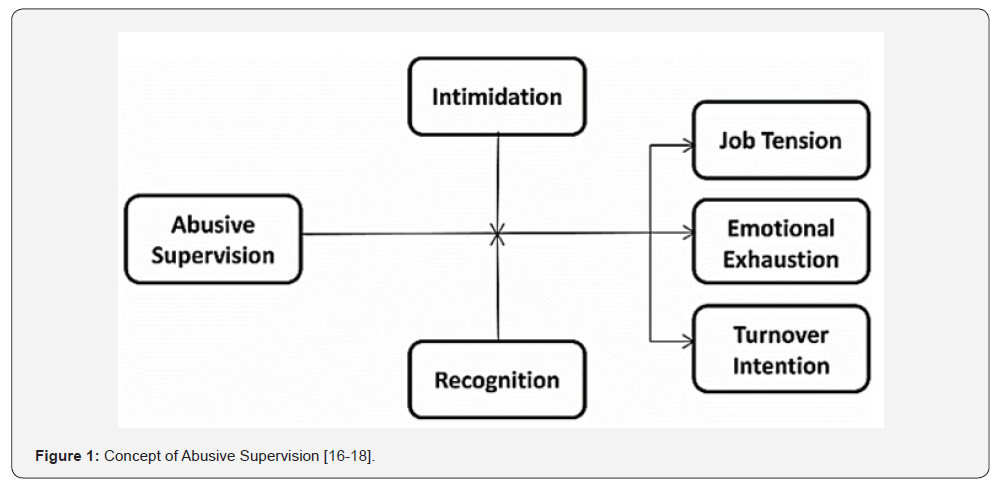
The dynamics of abusive supervision are influenced by a blend of personal and organizational variables, resulting in varied expressions and impacts across different contexts [22]. Leaders do not always act consistently; they may alternate between supportive and hostile behaviors, creating unpredictability that fosters stress among team members [23]. Moreover, the broader organizational structure, including hierarchical and cultural factors, significantly affects how such behaviors are perceived and addressed [24]. In some cultural or institutional environments, what is considered abusive elsewhere may be normalized or tolerated. Employees’ individual differences—such as resilience, prior experiences, or personality—also influence how they cope with abusive treatment [25]. Despite these contextual nuances, extensive research confirms that abusive supervision invariably leads to the erosion of trust and the psychological contract between employer and employee [26]. Addressing this issue necessitates comprehensive organizational reforms, including training programs, ethical leadership models, and clear reporting mechanisms to ensure accountability and foster a safe, respectful work environment.
Antecedents of Abusive Supervision
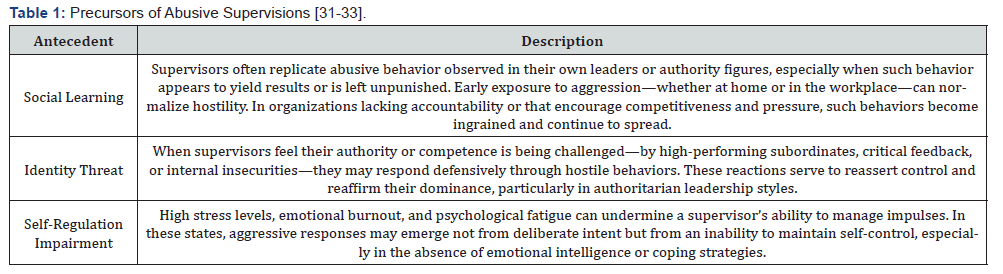
The roots of abusive supervision are diverse and interconnected, necessitating interventions at both organizational and psychological levels (Table1). Social learning highlights how leadership behaviors are transferred across hierarchies; abusive conduct becomes normalized when witnessed in higher-ups and reinforced through a culture that rewards assertiveness without accountability [27]. Identity threat underscores how internal and external challenges to a supervisor’s self-image can prompt defensive aggression, particularly when status or authority is perceived to be under siege [28]. Self-regulation impairment emphasizes how overwhelming stress and fatigue can erode even well-meaning leaders’ capacity to manage their emotions and behaviors [29]. These antecedents show that abusive supervision is rarely a product of individual failings alone; instead, it emerges from a blend of personal vulnerabilities and structural deficiencies [30]. Addressing these causes requires proactive training in emotional regulation, the creation of transparent organizational norms, and the promotion of a culture that values respectful, supportive leadership.
Mediating Role of Intrinsic Motivation in Educational Work Environment
Intrinsic motivation refers to the internal enthusiasm that drives individuals to engage in tasks out of interest, enjoyment, or personal fulfillment, independent of external rewards. It plays a vital role in enhancing creativity, persistence, and problem-solving within educational and academic settings [34]. Educators and staff with high intrinsic motivation are more committed and innovative. However, abusive supervision undermines key psychological needs—autonomy, competence, and relatedness—that sustain intrinsic motivation [35]. When academic leaders display demeaning or controlling behaviors, such as micromanagement or public criticism, individuals may feel disempowered and devalued [36], leading to disengagement and reduced psychological well-being [37].
Beyond its direct impact, intrinsic motivation functions as a critical mediator in the relationship between abusive supervision and negative psychological and behavioral outcomes [38]. Employees experiencing diminished intrinsic motivation often lose their sense of ownership and satisfaction in their work, leading to emotional fatigue, disengagement, and intentions to leave [39]. This mediating pathway highlights how workplace abuse depletes the internal resources essential for professional growth and team collaboration. Educational institutions can counteract these effects by fostering autonomy-supportive environments, encouraging meaningful dialogue, and providing leadership development focused on recognition and empathetic communication [40]. Supporting intrinsic motivation is thus essential for sustaining educator engagement, well-being, and long-term institutional performance [41].
Social Exchange Theory
Social Exchange Theory (SET) provides a lens through which employee responses to supervisory behavior—positive or negative—can be understood. At its core, SET is based on the idea that relationships are built on reciprocal exchanges of value [42]. When supervisors treat employees with respect and fairness, employees reciprocate with loyalty, extra effort, and constructive behaviors. Conversely, when they face disrespect or hostility, employees may feel justified in withdrawing effort, withholding cooperation, or engaging in retaliatory actions [43]. Abusive supervision constitutes a serious breach in this exchange, disrupting the balance of give-and-take in the supervisorsubordinate relationship. Such breaches lead to emotional dissonance and mistrust, reducing organizational citizenship behaviors and damaging team cohesion [44]. The breakdown in reciprocal expectations also contributes to cynicism and disengagement among employees.
SET also helps explain why some employees respond passively to abuse while others retaliate or disengage. The extent of their response often depends on perceived power, job alternatives, and tolerance thresholds [45]. Employees who lack the security or opportunity to retaliate may resort to psychological withdrawal, which silently erodes morale and performance. The theory also introduces the concept of psychological contract violation— where the unspoken agreement of mutual respect and fairness is perceived as broken [46]. These perceptions can be deeply demoralizing, especially in environments lacking transparency or recourse mechanisms. To address this, organizations must foster trust-based relationships, ensure fairness in treatment and evaluation, and create systems that allow grievances to be addressed without fear of reprisal [47]. Ultimately, SET reminds organizations that maintaining ethical, respectful leadership is not just morally important—it is fundamental to sustaining positive, productive workplace relationships.
Psychological & Educational Wellbeing and Abusive Supervision
Psychological well-being reflects an individual’s emotional health, sense of purpose, and ability to maintain positive interpersonal relationships. In educational environments, wellbeing also encompasses educational well-being—a state where educators, staff, and learners feel valued, engaged, and supported in their academic roles. Both dimensions are linked to enhanced productivity, innovation, and collaborative performance [48]. However, abusive supervision severely disrupts these outcomes by fostering chronic stress, anxiety, and emotional exhaustion. Repeated exposure to verbal aggression, humiliation, and unreasonable demands creates a toxic academic climate [49], undermining confidence, focus, and teaching or learning effectiveness. Over time, this leads to burnout, absenteeism, and even serious mental health issues [50], which diminish institutional performance and classroom outcomes alike.
The broader implications of compromised wellbeing go beyond individual discomfort. Abusive supervision reshapes workplace culture, replacing open communication and collaboration with fear and isolation [51]. Employees who feel emotionally unsafe may avoid voicing concerns or participating fully in group tasks, diminishing innovation and slowing problem-solving [52]. This toxic environment can also tarnish an organization’s reputation and hinder talent attraction and retention. Addressing these effects requires more than surface-level solutions. Organizations need structured support systems such as confidential reporting channels, access to counseling services, and visible commitment from leadership to employee welfare [53]. Establishing psychological safety—where employees feel secure expressing themselves without fear of punishment—is essential. By prioritizing mental wellness through leadership accountability and institutional safeguards, companies can protect both their workforce and their long-term performance [54].
Turnover Intention and Abusive Supervision
Turnover intention—an employee’s conscious consideration of leaving their current job—is a powerful predictor of actual resignation and a key indicator of organizational instability [55]. A strong correlation exists between abusive supervision and turnover intention, as repeated mistreatment by supervisors often breeds resentment, emotional exhaustion, and a sense of betrayal [56]. These emotional responses contribute to a detachment process, where employees begin to disengage from organizational goals and explore external opportunities [57]. When expectations of fair and respectful treatment are consistently violated, employees reevaluate their loyalty and start planning their exit [58]. The financial and operational burden of turnover—including recruitment costs, training gaps, and knowledge loss—makes it a pressing concern for management.
perceiveThe psychological process driving turnover intentions involves more than just dissatisfaction—it reflects a deeper breakdown in the employee-employer relationship [59]. Many employees experiencing abuse a violation of their psychological contract, where the mutual respect and trust expected in the workplace are disrupted [60]. Even before they resign, such employees may mentally “check out,” resulting in lower engagement, absenteeism, and reduced collaboration [61]. Furthermore, turnover intentions can spread within teams, as one employee’s dissatisfaction influences others. Early detection of abusive supervisory behaviors is critical to curbing this trend. Organizations can mitigate turnover by instituting 360-degree feedback systems, providing leadership coaching, and enforcing zero-tolerance policies for workplace abuse [62]. By actively addressing the root causes of supervisory misconduct, organizations not only reduce turnover but also promote a culture of respect and inclusivity essential for long-term success.
Team Performance
Team performance is shaped by various factors, including leadership behavior, cognitive, motivational, affective, and coordination processes [63]. Leadership plays a key role in guiding these processes, ensuring that team members work together efficiently and harmoniously. Leaders who cultivate an environment that promotes shared mental models, metacognitive reflection, and collective information processing enhance the team’s capacity to adapt to complex situations [64]. Effective leadership also ensures that knowledge is organized, roles are clear, and goals are communicated, providing structure and direction. This clarity enables teams to perform at a higher level, showing improved problem-solving skills and resilience when faced with challenges [65].
However, when leadership is marked by abuse, unpredictability, or neglect, it can undermine team performance and foster dysfunction. Abusive supervision disrupts team cohesion and coordination, creating confusion, miscommunication, and stifled innovation [66]. The negative emotional climate resulting from such leadership can lower morale, reduce motivation, and erode trust within the team. Leaders who fail to offer clear guidance and constructive feedback hinder the team’s growth, leading to emotional exhaustion, interpersonal conflict, and higher turnover [67]. In contrast, empathetic, strategic, and inclusive leadership helps to build a positive affective climate, which is essential for promoting resilience and sustaining long-term team performance.
Importance of Leadership Behavior
Effective leadership behavior is crucial for fostering highperforming teams, particularly in environments vulnerable to the negative effects of abusive supervision. The functional leadership model emphasizes that leaders should not be defined by a set of rigid behaviors but by their ability to diagnose team issues, generate solutions, and implement them effectively [68]. Leaders who fail to fulfill these roles—especially through abusive or hostile supervision—disrupt team morale and coordination. Leadership behaviors that support information structuring, personnel management, and performance feedback are vital for creating shared mental models, enhancing collective efficacy, and motivating team members [69]. In contrast, unpredictable, aggressive, or neglectful leadership breeds psychological insecurity, miscommunication, and a toxic environment. Abusive leaders hinder the development of trust and reduce psychological safety, stifling innovation and hindering open communication [70]. Therefore, leadership behavior significantly influences the emotional climate of the team, determining whether a group becomes resilient or dysfunctional when faced with challenges.
Furthermore, transformational and participative leadership styles foster team adaptability and resilience—qualities that stand in stark contrast to the negative impact of abusive supervision [71]. Leaders who provide clear role definitions, structure, and constructive feedback minimize emotional contagion and help maintain a healthy affective climate within teams [72]. Effective leaders also serve as boundary spanners, connecting teams with external resources and providing a coherent strategic direction. These processes of external sense-making and internal coordination are absent in abusive leadership, where fear and ambiguity dominate [73]. Additionally, the reciprocal nature of leadership and team dynamics highlights that leader behavior not only shapes outcomes but is also influenced by team composition and interactions [74]. Leaders who promote metacognitive reflection, pre-task briefings, and post-task reviews enable teams to self-reflect and improve—an approach that contrasts sharply with environments driven by blame and psychological abuse [75]. In conclusion, leadership characterized by empathy, clarity, and inclusivity is essential for fostering both team effectiveness and psychological well-being.
Factors Affecting Team Performance
Team performance is a complex result of various cognitive, motivational, affective, and coordination factors, all of which are shaped by leadership behavior (Table2). The document highlights that effective teams rely on the integration of individual members’ skills and contributions through synchronized efforts [76]. Key factors such as shared mental models, collective information processing, andmetacognitive reflection form the foundation of this integration [77]. Leadership that fosters these elements enables teams to adapt better to complex and ever-changing environments [78]. On the other hand, abusive supervision leads to a breakdown in these processes, replacing shared understanding with confusion and stifling open communication through fear of ridicule or retaliation [79]. Leaders who actively promote team cognition by organizing knowledge, clarifying roles, and communicating goals strengthen team synergy, while those who fail to provide psychological safety create environments rife with misinformation, ambiguity, and conflict [80].
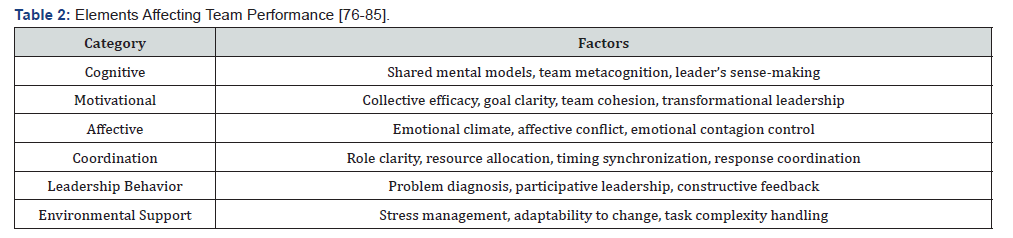
Motivation and the affective climate are also crucial to team performance. High levels of collective efficacy, goal clarity, and task cohesion, where team members are emotionally invested in shared goals, enhance problem-solving and adaptability [81]. Leaders who model effective performance strategies and promote mutual respect help to reinforce these factors. Abusive supervision, on the other hand, erodes motivation and interpersonal cohesion, leading to emotional exhaustion, disengagement, and ultimately, turnover [82]. Coordination of actions, including timing, role assignments, and resource management, is also impaired under poor leadership [83]. Teams led by individuals who fail to manage conflict constructively or provide clarity on roles are more prone to dysfunction [84]. The document also emphasizes that leadership must actively shape regulatory mechanisms such as norms, communication protocols, and feedback systems to ensure alignment within the team [85]. Therefore, effective team performance arises from both technical coordination and the socio-emotional environment established by the leader.
Knowledge Sharing in Team Settings
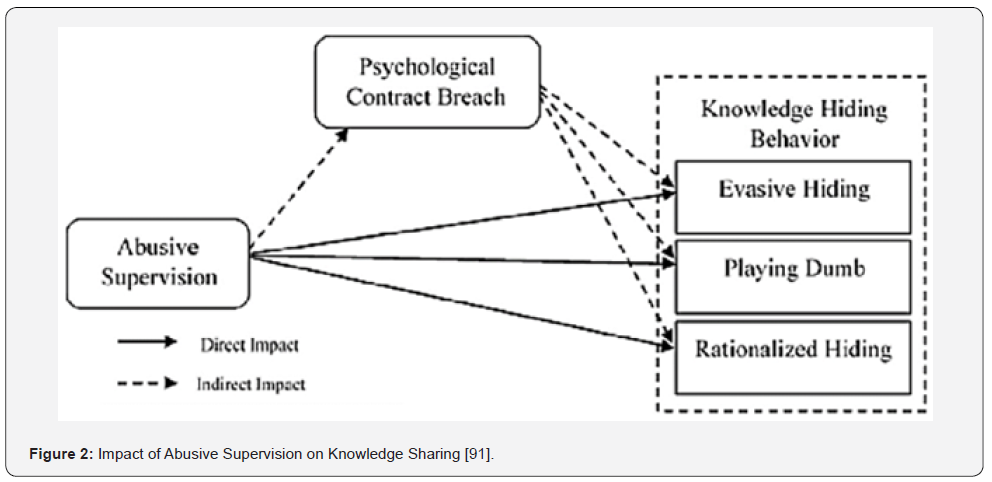
sharing knowledge, as they perceive the risk of criticism or exploitation (Figure2) Knowledge sharing refers to the intentional exchange of information, expertise, and insights among team members to promote collaboration, problem-solving, and innovation [86]. This process goes beyond simply transferring data; it includes tacit knowledge—experiential insights and contextual know-how—that are vital for the success of a team [87]. In team settings, knowledge sharing can occur through formal systems, such as knowledge management systems (KMS), and informal interactions, like mentorship or spontaneous discussions [88]. The distinction between explicit knowledge (easily shared and codified) and tacit knowledge (context-dependent and harder to articulate) highlights the complexity of fostering effective sharing practices [89]. Theoretical frameworks emphasize the importance of reciprocity, trust, and relational networks in facilitating knowledge flows, especially in environments where psychological safety is prioritized. Knowledge sharing is essential for teams as it helps align goals, reduce redundancies, and utilize diverse expertise. For example, cross-functional teams depend on members’ willingness to bridge disciplinary gaps, leading to comprehensive solutions to complex problems [90]. However, toxic leadership, characterized by hostile behaviors from leaders, can disrupt this process. Leaders who create a climate of fear and distrust prevent employees from openly [91]. This creates a paradox: while teams need open communication to thrive, abusive leadership undermines the psychological safety necessary for knowledge exchange [92]. Trust and management support are crucial for fostering knowledge sharing, but abusive supervision compromises these elements [93], making even well-structured teams ineffective at leveraging collective intelligence.
Contributions to Team Performance and the Role of Leadership
Knowledge sharing plays a direct role in enhancing team performance by accelerating problem-solving, reducing errors, and driving innovation. Research has shown that teams engaging in knowledge sharing experience outcomes such as faster project completion, cost savings, and improved adaptability [94]. In high-performing teams, shared knowledge helps members anticipate challenges, align strategies, and capitalize on each other’s strengths [95]. Teams with strong knowledge-sharing practices often have higher cohesion, as members feel valued and empowered to contribute their unique perspectives [96]. Furthermore, knowledge sharing helps mediate the impact of team characteristics—such as diversity and communication styles—on performance, making it a key driver of collective efficacy.
However, abusive supervision creates significant barriers to these benefits. Leaders who engage in demeaning or controlling behaviors damage team morale, leading to knowledge hoarding and fragmented communication [97]. Employees working under abusive leaders may withhold valuable insights to avoid scrutiny or protect their own standing within the team [98]. This aligns with the power dynamics where knowledge becomes a source of individual authority rather than a shared resource. Such environments hinder innovation, as team members prioritize self-preservation over collaboration [99]. In contrast, supportive leadership that is fair and encouraging fosters trust and reciprocity, which in turn strengthens knowledge-sharing behaviors [100]. The review highlights that practices like cooperative reward systems and inclusive cultures can mitigate these challenges, but abusive supervision undermines these efforts, perpetuating cycles of underperformance. Therefore, while knowledge sharing is crucial for team success, its effectiveness depends heavily on leadership that fosters psychological safety and mutual respect.
AI-Demand Abusive Supervision in Educational Settings
The growing implementation of artificial intelligence (AI) in educational institutions and academic organizations has significantly influenced leadership styles, particularly giving rise to a concept known as AI-demand abusive supervision (Figure3), which poses critical implications for follower behavior [101]. As digital transformation reshapes administrative, pedagogical, and assessment practices, educational leaders often push for rapid integration of AI technologies. While digital transformational leadership can promote creativity and innovation in instructional design and learning environments, coercive approaches that demand AI adoption without sufficient training or institutional support may be perceived as hostile or authoritarian [102].
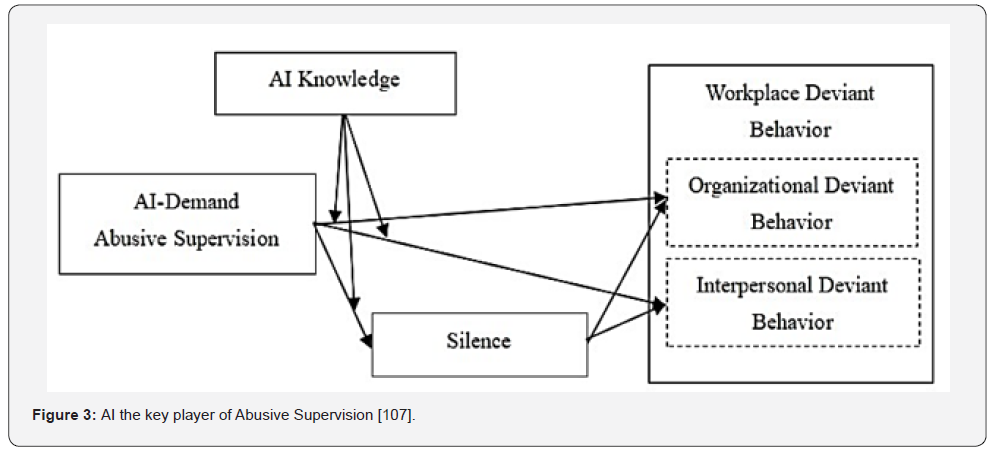
This perceived coercion has been termed AI-demand abusive supervision—a phenomenon where educators, researchers, or staff members believe that their supervisors are exhibiting intentionally hostile, nonphysical behaviors to enforce AI use [103]. Drawing on social exchange theory, individuals in such environments may reciprocate perceived mistreatment with adversebehaviors such as organizational and interpersonal deviance [104]. These deviant behaviors—such as resisting collaboration, avoiding teaching duties, or undermining colleagues—are typically emotional responses rooted in frustration, fear, or resentment [105]. They reflect a breach of professional and institutional norms, often serving as a coping mechanism for individuals seeking psychological balance amidst perceived injustice.
Evidence supports that abusive supervision significantly contributes to counterproductive behaviors in educational and research-based institutions [106]. In academic settings, where challenging authority is often constrained by hierarchy or policy, faculty or administrative staff may resort to indirect retaliation— jeopardizing not only interpersonal relationships but also the overall institutional climate and performance [107]. As such, AI-demand abusive supervision is a growing concern, with consequences that extend beyond individual well-being to affect organizational trust, innovation, and long-term sustainability.
A particularly critical mediator in this dynamic is the concept of employee silence, especially in educational cultures where hierarchical power distance is high [108]. Silence here refers to the intentional withholding of feedback, concerns, or innovative ideas by educators and professionals who fear repercussions or believe their input is undervalued [109]. When leaders exhibit coercive behavior—especially regarding AI integration without adequate resources or training—staff may internalize their discontent, resulting in psychological strain and a lack of constructive communication [110]. This silence does not eliminate dissatisfaction; rather, it compounds emotional stress, eventually manifesting in deviant acts such as deliberate underperformance or resistance to team initiatives.
Research shows that employee silence prevents early detection of institutional dysfunction, allowing toxic leadership to persist and deteriorate the educational culture [111]. In high power-distance contexts like China, Pakistan, or other hierarchical educational systems, silence is often chosen over confrontation, even when supervision becomes abusive [112]. This creates a destructive cycle, where suppressed emotions are redirected in harmful, non-verbal ways—such as sabotaging institutional goals, disengaging from professional development, or fostering interpersonal conflict [113]. In this way, silence acts as a psychological and communicative bottleneck, stifling both emotional expression and feedback necessary for academic growth and institutional development. Leaders who ignore these signs risk escalating dissatisfaction, disengagement, and covert resistance among their teams [114].
Amid these challenges, AI knowledge among educators and academic staff emerges as a vital moderating factor that can positively shape outcomes. AI knowledge, in this context, refers to an individual’s familiarity with AI tools, their pedagogical applications, and technical limitations [115]. Educators and staff with high AI literacy are generally more confident and less likely to interpret supervisory pressure as abusive; instead, they may view it as an opportunity for pedagogical growth and innovation [116]. Conversely, those with limited AI knowledge may feel overwhelmed or coerced, prompting silence or deviant behavior as a defensive response [117].
High AI knowledge serves as a psychological buffer, increasing self-efficacy, adaptability, and resilience to leadership pressure [118]. Educators with a clear understanding of AI are more capable of interpreting demands constructively, contributing positively to team goals and maintaining motivation [119]. This positions AI knowledge as a moderator in the abusive supervision–deviance relationship, as well as in the indirect pathway mediated by silence—forming what researchers describe as a moderatedmediation framework [120]. Here, AI literacy not only reduces the direct effect of abusive supervision but also weakens the link between silence and deviance, providing a critical mechanism for psychological protection and organizational health [121].
Navigating Abusive Supervision Dynamics
Although abusive supervision is traditionally seen as a damaging leadership style that harms employee morale, motivation, and mental health, recent research has revealed that under certain conditions, it may yield unexpectedly positive outcomes [122]. These outcomes often depend on how individuals perceive and respond to the abuse. Some employees, particularly those with a lower sensitivity to environmental threats, may interpret harsh supervisory behavior as a challenge rather than a threat, prompting them to improve their performance to gain approval or avoid negative consequences [123]. Additionally, personal traits such as resilience, worldview, and self-efficacy play a critical role in shaping how individuals react. Employees with a strong sense of organizational identity may remain loyal and committed even in the face of mistreatment, reducing their likelihood to engage in negative behaviors like gossip or withdrawal [124]. This perspective highlights the complexity of abusive supervision, showing that it may not always result in uniformly negative outcomes. When filtered through strong personal values or a supportive organizational environment, such behavior can sometimes encourage goal alignment or competitive drive, though it remains ethically questionable [125]. Understanding these dynamics allows organizations to better recognize individual differences and develop support systems that reduce vulnerability and foster positive behavioral adjustments without tolerating toxic leadership.
In addition to individual responses, the focus of current research has shifted towards understanding effective coping strategies that can help mitigate the impact of abusive supervision. Employees often employ tactics such as ingratiation—seeking to gain favor through flattery or conformity—which, when paired with a positive mindset, can minimize emotional harm and maintain professional relationships [126]. Others adopt a more proactive approach by speaking up or offering feedback, helping them regain control and reduce burnout. Certain personal characteristics, like strong resource management abilities and a tendency to take initiative, have also been shown to reduce the negative emotional impact of such experiences [127]. From a leadership standpoint, one major contributor to abusive supervision is poor communication adaptability. Leaders who are unable to adjust their style to fit various situations often resort to aggressive or unconstructive communication [128]. Enhancing downward communication flexibility and emotional regulation in supervisors is essential to preventing such behavior. Furthermore, personality traits like neuroticism, conscientiousness, and agreeableness influence how both leaders and employees experience stress and respond to interpersonal challenges [129]. These findings emphasize the need for targeted training programs focused on emotional intelligence, communication, and conflict management. While abusive supervision should never be normalized, understanding and implementing effective coping mechanisms and leadership reforms can help create a more resilient and adaptive workplace environment.
Conclusion
Abusive supervision continues to pose a significant threat to the health, performance, and sustainability of educational institutions, especially in academic and team-based settings where knowledge sharing, psychological safety, and collaboration are essential. This review has underscored the multifaceted consequences of toxic leadership on both individual and team outcomes, with specific emphasis on the breakdown of interpersonal trust, emotional well-being, and collaborative learning.
In educational institutions, where faculty, researchers, and administrative teams rely heavily on open dialogue and shared pedagogical practices, abusive supervision leads to an atmosphere of fear and isolation. Employees and educators subjected to persistent criticism, humiliation, or manipulation may withhold knowledge, disengage from collective goals, or avoid collaboration. This knowledge silencing not only undermines team innovation and classroom effectiveness but also disrupts the flow of institutional memory and academic progress. When educators feel emotionally unsafe, they are less likely to engage in curriculum co-creation, mentorship, or participatory decisionmaking— all of which are vital to educational development.
Moreover, the integration of Artificial Intelligence (AI) and emerging technologies in education introduces new dimensions to the impact of abusive supervision. Supervisors with poor communication and authoritarian tendencies may misuse digital tools for surveillance or control, further intensifying stress among academic staff. Conversely, AI literacy and digital adaptability among employees may buffer these effects, allowing them to maintain some level of autonomy and resilience. In high powerdistance educational cultures, however, abusive leadership often exacerbates hierarchical gaps, discouraging open feedback and reducing opportunities for professional growth. This digitalemotional divide reinforces withdrawal behaviors and weakens organizational cohesion.
While certain individuals may possess internal resilience or seek refuge in collegial support, these coping strategies are insufficient to counter the long-term psychological and institutional damage caused by abusive supervision. As such, educational institutions must invest in leadership development rooted in empathy, emotional intelligence, communication flexibility, and conflict resolution. Establishing channels for anonymous feedback, promoting inclusive leadership training, and building strong mental health frameworks are critical steps to reversing the negative spiral induced by toxic authority figures.
Ultimately, fostering a culture of transparency, respect, and shared purpose is vital for restoring trust and enhancing team performance. Future research should further investigate how abusive supervision intersects with digital education, team adaptability, and intercultural dynamics. By prioritizing emotional well-being, knowledge equity, and inclusive leadership, institutions can safeguard their academic missions and cultivate thriving, resilient educational communities.
Acknowledgement
We extend our sincere gratitude to every person and department who supported us throughout the literature research.
Author Contribution
“Conceptualization, Zeenat Khan and Ali Raza; methodology, Zeenat Khan, Ali Raza, and Sharqa Arif; formal analysis, Ali Raza and Aqeeb Hussain; writing—original draft preparation, Ali Raza and Sharqa Arif; writing—review and editing, Zeenat Khan and Aqeeb Hussain; supervision, Zeenat Khan and Ali Raza. All authors have read and agreed to the published version of the manuscript.”
References
- Burton JP, Hoobler JM (2006) Subordinate self-esteem and abusive supervision. Journal of Managerial Issues 18(3): 340-355.
- Camps J, Stouten J, Euwema M, De Cremer D (2020) Abusive supervision as a response to follower hostility: A moderated mediation model. Journal of Business Ethics 164(3): 495–514.
- Carmeli A, Weisberg J (2006) Exploring turnover intentions among three professional groups of employees. Human Resource Development International 9(2): 191–206.
- Creswell JW (2003) Research design: Qualitative, quantitative, and mixed methods approach. Sage Publications.
- Cropanzano R, Mitchell MS (2005) Social exchange theory: An interdisciplinary review. Journal of Management 31(6): 874-900.
- De Clercq D, Haq IU, Azeem MU (2020) When does job dissatisfaction lead to deviant behavior? The critical roles of abusive supervision and adaptive humour. Australian Journal of Management 45(2): 294-316.
- Dey SK, Khan KA, Tučkova Z, Jibril AB (2020) Motivation among travel agents in India: The moderating role of employee’s expertise and marital status. Problems and Perspectives in Management 18(2): 453–464.
- Dirican AH, Erdil O (2020) Linking abusive supervision to job embeddedness: The mediating role of perceived organizational support. Current Psychology 1–16.
- Dysvik A, Kuvaas B (2010) Exploring the relative and combined influence of mastery approach goals and work intrinsic motivation on employee turnover intention. Personnel Review 39(5): 622–638.
- Etikan I, Musa SA, Alkassim RS (2016) Comparison of convenience sampling and purposive sampling. American Journal of Theoretical and Applied Statistics 5(1): 1-4.
- Frazier ML, Bowler WM (2015) Voice climate, supervisor undermining, and work outcomes: A group-level examination. Journal of Management 41(3): 841–863.
- Ghani U, Teo T, Li Y, Usman M, Islam ZU, et al. (2020) Tit for tat: Abusive supervision and knowledge hiding—the role of psychological contract breach and psychological ownership. International Journal of Environmental Research and Public Health 17(4): 1240.
- Gilbreath B, Benson PG (2004) The contribution of supervisor behaviour to employee psychological well-being. Work & Stress 18(3): 255–266.
- Grandey AA, Kern JH, Frone MR (2007) Verbal abuse from outsiders versus insiders: Comparing frequency, impact on emotional exhaustion, and the role of emotional labor. Journal of Occupational Health Psychology 12(1): 63-75.
- Grant AM (2008) Does intrinsic motivation fuel the prosocial fire? Motivational synergy in predicting persistence, performance, and productivity. Journal of Applied Psychology 93(1): 48-58.
- Griffeth RW, Hom PW, Gaertner S (2000) A meta-analysis of antecedents and correlates of employee turnover: Update, moderator tests, and research implications for the next millennium. Journal of Management 26(3): 463-488.
- Guo L, Zhao H, Cheng K, Luo J (2020) The relationship between abusive supervision and unethical pro-organizational behavior: Linear or curvilinear? Leadership & Organization Development Journal 41(3): 369-381.
- Hackney KJ, Perrewé PL (2018) A review of abusive behaviors at work: The development of a process model for studying abuse. Organizational Psychology Review 8(1): 70–92.
- Hair J, Hollingsworth CL, Randolph AB, Chong AYL (2017) An updated and expanded assessment of PLS-SEM in information systems research. Industrial Management & Data Systems 117(3): 442–458.
- Lee S, Yun S, Srivastava A (2013) Evidence for a curvilinear relationship between abusive supervision and creativity in South Korea. Leadership Quarterly 24: 724–731.
- Khusbu R, Donghong D, Nisha R (2017) Understanding the role of creative self-efficacy and power distance orientation for examining the consequences of abusive supervision on employee creativity: A case study from Nepal. Open Journal of Leadership 6: 61–81.
- Lyu Y, Zhou X, Li W, Wan J, Qiu C (2016) The impact of abusive supervision on service employees’ proactive customer service performance in the hotel industry. International Journal of Contemporary Hospitality Management 28: 1992–2012.
- Gao H, Li TT, Duan H (2016) An empirical study on the impact of abusive supervision on job performance: Mediating role of job satisfaction and moderating role of core self-evaluation. Enterprise Economics 429: 106–112.
- Yan AM, Pei C (2013) The influence of abusive supervision on job performance and the mediating effect of self-efficacy. Journal of Management 10: 213.
- Yu WN, Fan Y, Zhang J, Men Y (2015) The impact of abusive supervision on work performance from the perspective of forgiveness: The role of subordinate tradition and superior-subordinate relationship. Nankai Management Review 105: 18–27.
- Lin W, Wang L, Chen S (2013) Abusive supervision and employee well-being: The moderating effect of power distance orientation. Applied Psychology 62: 308–329.
- Jiang W, Wang L, Lin H (2016) The role of cognitive processes and individual differences in the relationship between abusive supervision and employee career satisfaction. Personality and Individual Differences 99: 155–160.
- Henle CA, Gross MA (2014) What have I done to deserve this? Effects of employee personality and emotion on abusive supervision. Journal of Business Ethics 122: 461-474.
- Ogunfowora B (2013) When the abuse is unevenly distributed: The effects of abusive supervision variability on work attitudes and behaviors. Journal of Organizational Behavior 34: 1105–1123.
- Wu WL, Lee YC (2016) Do employees share knowledge when encountering abusive supervision? Journal of Managerial Psychology 31: 154–168.
- Kim SL, Kim M, Yun S (2015) Knowledge sharing, abusive supervision, and support: A social exchange perspective. Group & Organization Management 40: 599–624.
- Kim SL, Lee S, Yun S (2016) Abusive supervision, knowledge sharing, and individual factors: A conservation-of-resources perspective. Journal of Managerial Psychology 31: 1106–1120.
- Wei F, Si S (2013) Tit for tat? Abusive supervision and counterproductive work behaviors: The moderating effects of locus of control and perceived mobility. Asia Pacific Journal of Management 30: 281–296.
- Vogel R, Homberg F, Gericke A (2016) Abusive supervision, public service motivation, and employee deviance: The moderating role of employment sector. Evidence-Based HRM 4: 214–231.
- Michel JS, Newness K, Duniewicz K (2016) How abusive supervision affects workplace deviance: A moderated-mediation examination of aggressiveness and work-related negative affect. Journal of Business and Psychology 31: 1–22.
- Ma YQ, Xi M, Xu Q, Zhao S (2017) A study on the mechanism of abusive supervision on subordinates’ anti-production behavior based on social cognitive theory. Journal of Management 8: 1153–1161.
- Mathieu C, Babiak P (2016) Corporate psychopathy and abusive supervision: Their influence on employees’ job satisfaction and turnover intentions. Personality and Individual Differences 91: 102–106.
- Palanski M, Avey JB, Jiraporn N (2014) The effects of ethical leadership and abusive supervision on job search behaviors in the turnover process. Journal of Business Ethics 121: 135–146.
- Xi YP (2016) Research on the impact of abusive supervision on employee turnover intention: Multiple mediating effects of emotional exhaustion and employees’ trust to supervisors. Technology Economy and Management Research 12: 51–55.
- Khan S, Kiazad K, Sendjaya S, Cooper BR (2017) Cross-level effects of abusive supervision climate. In Academy of Management Proceedings. Briarcliff Manor, NY: Academy of Management. 1: 15488.
- Khuwaja U, Ahmed DK, Abid G, Adeel A (2020) Leadership and employee attitudes: The mediating role of perception of organizational politics. Cogent Business & Management 7(1): 1720066.
- Leana CR, Meuris,J (2015) Living to work and working to live: Income as a driver of organizational behavior. The Academy of Management Annals 9(1): 55-95.
- Lian H, Ferris DL, Morrison R, Brown DJ (2014) Blame it on the supervisor or the subordinate? Reciprocal relations between abusive supervision and organizational deviance. Journal of Applied Psychology 99(4): 651.
- Lin W, Wang L, Chen S (2013) Abusive supervision and employee well‐being: The moderating effect of power distance orientation. Applied Psychology 62(2): 308–329.
- Liu D, Liao H, Loi R (2012) The dark side of leadership: A three-level investigation of the cascading effect of abusive supervision on employee creativity. Academy of Management Journal 55(5): 1187–1212.
- Ma J, Zhou X, Mu Z (2020) Can abusive supervision motivate customer-oriented service sabotage? Multilevel research. The Service Industries Journal 1–22.
- Mackey JD, Frieder RE, Brees JR, Martinko MJ (2017) Abusive supervision: A meta-analysis and empirical review. Journal of Management 43(6): 1940–1965.
- Malik AH, Iqbal MZ, Haq MIU (2020) Supervisees’ reactions to a concatenation of supervisors’ resource drain, ego depletion and abusive supervision. International Journal of Conflict Management 1–22.
- Martinko MJ, Harvey P, Brees J, Mackey J (2013) A review of abusive supervision research. Journal of Organizational Behavior 34(S1): 120–137.
- Martinko MJ, Harvey P, Sikora D, Douglas SC (2011) Perceptions of abusive supervision: The role of subordinates’ attribution styles. The Leadership Quarterly 22(4): 751–764.
- Memon MA, Salleh R, Baharom MNR, Harun H (2014) Person-organization fit and turnover intention: The mediating role of employee engagement. Global Business & Management Research 6(3).
- Abrams LC, Cross R, Lesser E, Levin DZ (2003) Nurturing interpersonal trust in knowledge-sharing networks. The Academy of Management Executive 17(4): 64–77.
- Ahuja G (2000) Collaboration networks, structural holes, and innovation: A longitudinal study. Administrative Science Quarterly 45(3): 425–455.
- Alavi M, Leidner DE (2001) Review: Knowledge management and knowledge management systems: Conceptual foundations and research issues. MIS Quarterly 25(1): 107–136.
- Argote L (1999) Organizational learning: Creating, retaining and transferring knowledge. Norwell. MA: Kluwer Academic Publishers.
- Argote L, McEvily B, Reagans R (2003) Managing knowledge in organizations: An integrative framework and review of emerging themes. Management Science 49(4): 571–582.
- Arthur JB, Aiman-Smith L (2001) Gainsharing and organizational learning: An analysis of employee suggestions over time. Academy of Management Journal 44(4): 737–754.
- Arthur JB, Huntley CL (2005) Ramping up the organizational learning curve: Assessing the impact of deliberate learning on organizational performance under gainsharing. Academy of Management Journal 48(6): 1159–1170.
- Babcock P (2004) Shedding light on knowledge management. HR Magazine 49(5): 46–50.
- Bakker M, Leenders RTAJ, Gabbay SM, Kratzer J, Van Engelen JML (2006) Is trust really social capital? Knowledge sharing in product development projects. The Learning Organization 13(6): 594–605.
- Bartol KM, Srivastava A (2002) Encouraging knowledge sharing: The role of organizational rewards systems. Journal of Leadership and Organizational Studies 9(1): 64–76.
- Burt RS (2000) The network structure of social capital. Research in Organizational Behavior 22: 345–423.
- Chiu CM, Hsu MH, Wang ETG (2006) Understanding knowledge sharing in virtual communities: An integration of social capital and social cognitive theories. Decision Support Systems 42(3): 1872–1888.
- Chow CW, Deng FJ, Ho JL (2000) Cultural influences on informal information sharing in Chinese and Anglo-American organizations: An exploratory study. Accounting, Organizations and Society 25(3): 275–292.
- Foss NJ, Husted K, Michailova S, Pedersen T (2010) Transferring knowledge in MNCs: The role of sources of subsidiary knowledge and organizational context. Journal of International Management 6(1): 38–55.
- Hsu IC (2006) Enhancing employee tendencies to share knowledge — Case studies of nine companies in Taiwan. International Journal of Information Management 26(4): 326–338.
- Husted K, Michailova S (2002) Diagnosing and fighting knowledge-sharing hostility. Organizational Dynamics 31(1): 60–73.
- Jarvenpaa SL, Staples DS (2000) The use of collaborative electronic media for information sharing: An exploratory study of determinants. The Journal of Strategic Information Systems 9(2–3): 129–154.
- Jones MC, Price RL (2006) Exploring knowledge sharing in ERP implementation: An organizational culture framework. Decision Support Systems 41(2): 411–434.
- King WR, Marks PV (2008) Motivating knowledge sharing through a knowledge management system. Omega 36(1): 131–146.
- McGowan J, Straus S, Moher D, Langlois EV, O’Brien KK, Horsley T, et al. (2020) Reporting scoping reviews—PRISMA ScR extension. Journal of Clinical Epidemiology 123: 177–179.
- Arksey H, O’Malley L (2005) Scoping studies: Towards a methodological framework. International Journal of Social Research Methodology 8(1): 19–32.
- Levac D, Colquhoun H, O’Brien KK (2010) Scoping studies: Advancing the methodology. Implementation Science 5(1): 69.
- Braun V, Clarke V (2006) Using thematic analysis in psychology. Qualitative Research in Psychology 3(2): 77–101.
- Cohen SG, Bailey DE (1997) What makes teams work: Group effectiveness research from the shop floor to the executive suite. Journal of Management 23(3): 239–290.
- Katzenbach JR, Smith DK (2008) The discipline of teams. Boston: Harvard Business Press.
- Larson CE, LaFasto FM (1989) Teamwork: What must go right/what can go wrong. New York: SAGE.
- Bunderson JS, van der Vegt GS, Cantimur Y, Rink F (2016) Different views of hierarchy and why they matter: Hierarchy as inequality or as cascading influence. Academy of Management Journal 59(4): 1265–1289.
- Cicero L, Pierro A (2007) Charismatic leadership and organizational outcomes: The mediating role of employees’ work-group identification. International Journal of Psychology 42(5): 297–306.
- DeChurch LA, Marks MA (2006) Leadership in multiteam systems. Journal of Applied Psychology 91(2): 311–329.
- Han JH, Liao H, Taylor MS, Kim S (2018) Effects of high-performance work systems on transformational leadership and team performance: Investigating the moderating roles of organizational orientations. Human Resource Management 57(5): 1065–1082.
- Kane GC, Borgatti SP (2011) Centrality–is proficiency alignment and workgroup performance. MIS Quarterly 35(4): 1063–1078.
- Kickul J, Neuman G (2000) Emergent leadership behaviors: The function of personality and cognitive ability in determining teamwork performance and KSAS. Journal of Business and Psychology 15(1): 27–51.
- Lyubovnikova J, Legood A, Turner N, Mamakouka A (2017) How authentic leadership influences team performance: The mediating role of team reflexivity. Journal of Business Ethics 141(1): 59–70.
- Payne GT, Benson GS, Finegold DL (2009) Corporate board attributes, team effectiveness and financial performance. Journal of Management Studies 46(4): 704–731.
- Stewart MM, Johnson OE (2009) Leader–member exchange as a moderator of the relationship between work group diversity and team performance. Group & Organization Management 34(5): 507–535.
- D’Innocenzo L, Kukenberger M, Farro A, Griffith J (2021) Shared leadership performance relationship trajectories as a function of team interventions and members’ collective personalities. The Leadership Quarterly 32: 101499.
- Doghri S, Horchani S, Ben-Mraber S (2021) Leadership style effect on team performance: The mediating role of knowledge sharing. The International Journal of Knowledge, Culture, and Change Management: Annual Review 21(1): 29–55.
- Mountjoy M, Sundgot-Borgen J, Burke L, Ackerman KE, Blauwet C, Constantini N, et al. (2018) International Olympic Committee (IOC) consensus statement on relative energy deficiency in sport (RED-S): 2018 update. International Journal of Sport Nutrition and Exercise Metabolism 28(4): 316–331.
- Bachrach DG, Bendoly E, Podsakoff PM (2001) Attributions of the “causes” of group performance as an alternative explanation of the relationship between organizational citizenship behavior and organizational performance. Journal of Applied Psychology 86(6): 1285–1293.
- Johnston S, Green M, Thille P, Savage C, Roberts L, Russell G, et al. (2011) Performance feedback: An exploratory study to examine the acceptability and impact for interdisciplinary primary care teams. BMC Family Practice 12(1): 14–23.
- Kotecha J, Brown JB, Han H, Harris SB, Green M, Russell G, et al. (2015) Influence of a quality improvement learning collaborative program on team functioning in primary healthcare. Family Systems & Health: The Journal of Collaborative Family HealthCare 33(3): 222–230.
- Bachrach DG, Powell BC, Collins BJ, Richey RG (2006) Effects of task interdependence on the relationship between helping behavior and group performance. Journal of Applied Psychology 91(6): 1396–1405.
- Bang H, Park JG (2015) The double-edged sword of task conflict: Its impact on team performance. Social Behavior and Personality: An International Journal 43(5): 715–728.
- Bradley BH, Klotz AC, Postlethwaite BE, Brown KG (2013) Ready to rumble: How team personality composition and task conflict interact to improve performance. Journal of Applied Psychology 98(2): 385–392.
- Jackson JW (2011) Intragroup cooperation as a function of group performance and group identity. Group Dynamics: Theory, Research, and Practice 15(4): 343–356.
- Jehn KA, de Wit FRC, Barreto M, Rink F (2015) Task conflict asymmetries: Effects on expectations and performance. International Journal of Conflict Management 26(2) 172–191.
- Reimer T (2001) Attributions for poor group performance as a predictor of perspective-taking and subsequent group achievement: A process model. Group Processes & Intergroup Relations 4(1): 31.
- Shaukat R, Yousaf A, Sanders K (2017) Examining the linkages between relationship conflict, performance and turnover intentions. International Journal of Conflict Management 28(1): 4–23.
- Verma JP, Modak P, Bhukar JP, Kumar S (2012) A discriminant analysis of team cohesiveness among high-performance and low-performance elite Indian volleyball players. Studies in Physical Culture and Tourism 19(4): 191–195.
- Farh JL, Zhong CB, Organ DW (2004) Organizational citizenship behavior in the People's Republic of China. Organization Science 15(2): 241–253.
- Hayes AF (2013) Introduction to mediation, moderation, and conditional process analysis: A regression-based approach. Guilford Press.
- Hays RD, Hayashi T, Stewart AL (1989) A 5-item measure of socially desirable response set. Educational and Psychological Measurement, 49(3): 629–636.
- He C, Teng R, Song J (2024) Linking employees' challenge-hindrance appraisals toward AI to service performance: The influences of job crafting, job insecurity and AI knowledge. International Journal of Contemporary Hospitality Management 36(3): 975–994.
- He Q, Li Y, Cheng Y, Li X (2020) Research on the impact of artificial intelligence technology application on employment and its mechanism-Micro evidence from manufacturing enterprises. China Soft Science 35(S1): 213–222.
- He G, Zheng X, Li W, Tan L, Chen S, He Y (2024) The mixed blessing of leaders' artificial intelligence (AI)-oriented change behavior: Implications for employee job performance and unethical behavior. Applied Research in Quality of Life 19(2): 469–497.
- Jöhnk J, Weißert M, Wyrtki K (2021) Ready or not, AI comes—An interview study of organizational AI readiness factors. Business & Information Systems Engineering 63(1): 5–20.
- Li A, Hua T, Gao W (2013) The "feature-process-outcome" theoretical framework of abusive supervision research. Psychological Science Progress 21(11): 1901–1912.
- Liu S, Li J, Zhang K, Zhang S (2023) The mutual influence between digital transformation and leadership: A perspective based on adaptive structural theory. Foreign Economics & Management 10: 116–136.
- Mawritz MB, Greenbaum RL, Butts MM, Graham KA (2017) I just can't control myself: A self-regulation perspective on the abuse of deviant employees. Academy of Management Journal 60(4): 1482–1503.
- Rodell JB, Judge TA (2009) Can 'good' stressors spark 'bad' behaviors? The mediating role of emotions in links of challenge and hindrance stressors with citizenship and counterproductive behaviors. Journal of Applied Psychology 94(6): 1438–1451.
- Shoss MK, Eisenberger R, Restubog SLD, Zagenczyk TJ (2013) Blaming the organization for abusive supervision: The roles of perceived organizational support and supervisor's organizational embodiment. Journal of Applied Psychology 98(1): 158–168.
- Tahir MA, Da G, Javed M, Akhtar MW, Wang X (2024) Employees' foe or friend: Artificial intelligence and employee outcomes. The Service Industries Journal. Advance online publication.
- Tang PM, Koopman J, McClean ST, Zhang JH, Li CH, et al. (2022) When conscientious employees meet intelligent machines: An integrative approach inspired by complementarity theory and role theory. Academy of Management Journal 65(3): 1019–1054.
- Tepper BJ (2000) Consequences of abusive supervision. Academy of Management Journal 43(2): 178–190.
- Tepper BJ, Carr JC, Breaux DM, Geider S, Hu C, Hua W (2009) Abusive supervision, intentions to quit, and employees' workplace deviance: A power/dependence analysis. Organizational Behavior and Human Decision Processes 109(2): 156–167.
- Tepper BJ, Duffy MK, Henle CA, Lambert LS (2006) Procedural injustice, victim precipitation, and abusive supervision. Personnel Psychology 59(1): 101–123.
- Wang YD, Hsieh HH (2013) Organizational ethical climate, perceived organizational support, and employee silence: A cross-level investigation. Human Relations 66(6): 783–802.
- Wei F, Si S (2013) Tit for tat? Abusive supervision and counterproductive work behaviors: The moderating effects of locus of control and perceived mobility. Asia Pacific Journal of Management 30(1): 281–296.
- Xu AJ, Loi R, Lam LW (2015) The bad boss takes it all: How abusive supervision and leader–member exchange interact to influence employee silence. The Leadership Quarterly 26(5): 763–774.
- Xu GL, Wang HT (2022) Research on the influence of technological disruption awareness on employees' intentions to engage in change-supportive behaviors: With the development of artificial intelligence as the background. East China Economic Management 36(6) 119–128.
- Liu S, Ling Z (2025) How does authoritarian leadership and abusive supervision suppress employee voice? A meta-analysis based on cognitive and resource perspectives. Baltic Journal of Management 20(2): 248–265.
- Avisar G, Cohen T, Tziner A, Bar-Mor H (2025) Abusive behavior of employees against their managers: an explorative study. Frontiers in Psychology 16: 1576385.
- Ilyas A, Gulraiz M, Zubair Z, Khan AH, Munir W (2025) Unraveling the impact of abusive supervision on emotional exhaustion: A serial mediation model of stress, relational conflict, and toxic workplaces. Social Science Review Archives 3(1): 2109–2130.
- Jaffery SKA, Tauseef M, Abrar R (2025) The dark side of leadership: How abusive supervision fuels turnover and workplace deviance in entrepreneurial healthcare settings. Journal of Entrepreneurship and Business Venturing 5(1).
- Manelkar S, Mishra DK (2025) A systematic literature review and bibliometric analysis of leadership influence on employee unethical pro-organisational behaviour. International Journal of Ethics and Systems 41(2): 284–311.
- Zhang S, Chen W, Jia W (2025) Tough love and improvisation: How authoritarian leadership moderated by benevolence affects employee improvisation. Baltic Journal of Management. (Advance online publication).
- Inocian EP (2025) Research leadership in healthcare settings: A conversational search engine-aided concept analysis. International Journal 2025: 01–004.
- Ahmed O, Abdelkhalek M, Zhang J (2025) The effect of managers’ bottom-line attitude on counterproductive work behavior: The mediation of organizational cynicism and moderation of ethical individuality. Current Psychology P:1–21.

























