




 JOJHA Home



A Review Article Golden Advances in Biochar Methods, Innovations and Future Prospects
Kashaf*
Department of Botany, GCWUF Faisalabad, Pakistan
Submission:January 29, 2026;Published: February 13, 2026
*Corresponding author: Kashaf, Department of Botany GCWUF Faisalabad, Pakistan
How to cite this article: Kashaf. A Review Article Golden Advances in Biochar Methods, Innovations and Future Prospects. JOJ Horticulture & Arboriculture, 6(2). 555683.DOI: 10.19080/JOJHA.2026.06.555683.
Abstract
Biochar, a material of significant scientific interest, has been the subject of intensive research efforts in recent years. This comprehensive review provides an in-depth analysis of the scientific principles and technological advancements in biochar production, encompassing traditional and innovative pyrolysis methodologies, feedstock selection criteria and post pyrolysis processing techniques. Furthermore, this review explores the uncharted domains of biochar research, revealing novel findings on its synthesis, characterization and applications and elucidating the pathways to scaled up production, environmental sustainability and eco-friendly development. By scrutinizing the cutting-edge research in biochar science, this review serves as a definitive resource for the scientific community, fostering innovation and progress in this dynamic field.
Keywords:Biochar; Charcoal; Methods; Innovations
Introduction
Climate change is defined by analyzing long term trends in temperature and precipitation, along with other factors like pressure, humidity and environmental factors [1]. Currently, temperature is a significant environmental factor that influences plant growth, development and yield [2]. As climate change effects intensify, local and regional research, along with effective governmental policies, will be essential for implementing sustainable management practices and adopting new technologies (Marin et al., 2024). The term “biochar” was initially coined in 1998 to refer to the solid residue resulting from biomass pyrolysis [3].Biochar originated in the Amazon region, where carbon rich soils were formed through pyrolytic methods [4]. Biochar, a carbon dense material, is conventionally generated through different pyrolysis methods. Traditionally, biochar production has predominantly utilized basic kiln techniques, including earth mounds, pit kilns and brick kilns which are often employed in rural regions [5]. Additionally, biochar has been utilized in nanotechnologies, including hydrogel biochar composites, the breakdown of harmful pesticides, as a precursor to activated carbon and for enhancing animal growth performance [6]. The excessive use of inorganic fertilizers to boost crop yields leads to environmental issues such as soil salinity, greenhouse gas emissions, water eutrophication, accumulation of heavy metals and nitrates [7]. Relying solely on inorganic fertilizers enhances crop yield initially but adversely affects long term sustainability [8]. Synthetic fertilizers enhance crop yields but diminish soil fertility and disrupt the soils mineral balance. Their widespread application significantly harms soil structure and adversely affects microbial communities [9]. Soil enzymes, the primary biological catalysts for the decomposition, turnover and mineralization of organic matter, are involved in all biochemical processes occurring in the soil [10]. The use of organic manures, including goat manure, vermi-compost, farmyard manure and compost, improves soil water retention and provides essential macro and micro nutrients, leading to enhanced crop yields [11]. Besides promoting plant development and increasing organic matter content, organic fertilizers also create a nutrient rich environment for future plant growth [12]. The overuse of chemical fertilizers in recent decades has resulted in significant declines in soil quality and fertility, increased soil salinity, and adverse effects on ecosystems and human health. Numerous researchers have sought to lower the doses of chemical fertilizers by incorporating biofertilizers in various treatments with gradual and varied proportions [13]. In recent years, biochar has been suggested as a means to enhance soil properties and has been developed as a functional material due to its cost-effectiveness and sustainability. Its application in agriculture (as a fertilizer), climate change mitigation (carbon sequestration), environmental remediation (as an absorbent) and materials science (functionalization) is gaining increasing attention [14]. As a soil amendment, biochar can reduce soil N2O emissions, decrease NH3 volatilization and enhance soil nitrogen retention, thereby lowering the need for fertilizer [15].
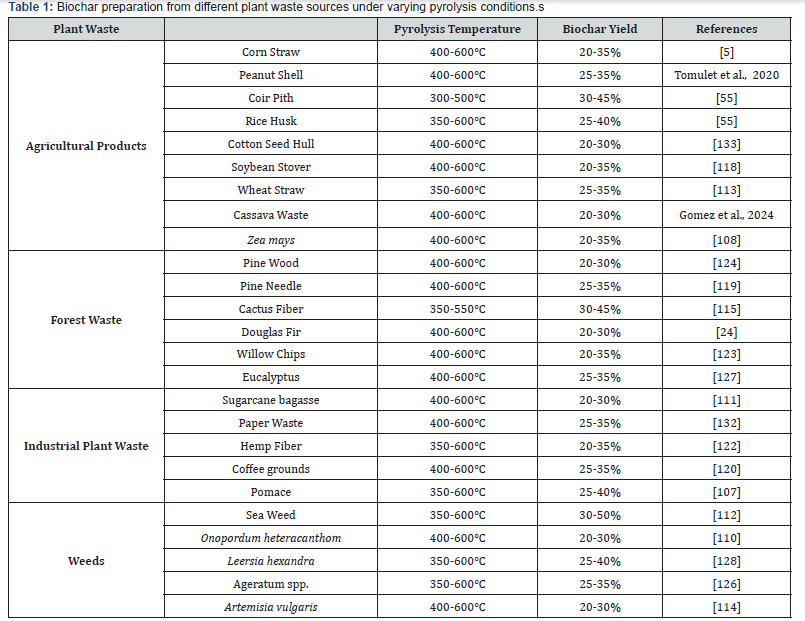
The biochar’s organic matter fraction comprises hydrogen, nitrogen, Sulphur, carbon and oxygen while the ash fraction contains potassium, calcium, magnesium and phosphorus [16]. Biochar is generated through dry carbonization, whereas hydro char is formed via HTC in hot, pressurized water [4]. HTC is an innovative technology that produces carbonaceous materials such as biochar [17]. Research indicates that BC is six times more cost effective than the most commonly used activated carbon [18]. Biochar can be synthesized from biomass sources including agricultural products, forest waste, industrial plant waste and weeds (Rajput et al., 2023) as shown in table 1. Micro/ nano-biochar is utilized in various fields, including promoting plant growth, boosting plant resilience to stress factors and remediating pesticide contamination [19]. The addition of biochar can contribute to reducing farming inputs, making it a sustainable practice that improves plant growth, fruit quality and yield [20]. Multiple studies have shown that the beneficial effects of soil biochar on plant height, shoot and root biomass and fruit production are increased when combined with microbial inoculants or compost [21]. The use of innovate biochar materials such as BPBCs produced through a combination of ball milling and phosphorus loading, has been found to improve soil properties and elevate nutrient levels.
Additionally, the application of BPBCs has been shown to decrease soil alkalinity and support plant growth in coastal saline-alkali soils [22]. We hypothesized to investigate diverse methodologies, technologies and advancements in biochar manufacturing and their effects on soil quality and carbon storage. The objectives of utilizing biochar are to improve crop yields, improve soil health and fertility, increase soil water retention, strengthen soil structure and reduce erosion, enhance soil nutrient retention and availability, lower greenhouse gas emissions, promote sustainable agricultural practices and convert biomass residues into biochar for efficient waste management. The aims of utilizing biochar in urban green spaces to enhance soil and air quality, innovate application methods of biochar for precision agriculture, create biochar composites for environmental remediation purposes, innovate biochar applications in livestock farming to reduce methane emissions, investigate biochar use in water treatment and purification systems, explore biochar as a carrier for microbial inoculants to improve soil microbiomes, integrate biochar with renewable energy systems for simultaneous production and improve biochar production processes for enhanced efficiency and scalability.
Methods
Traditional methods of biochar preparation Pyrolysis
Pyrolysis is a thermochemical process used to convert biomass into biochar, bio-oil and syngas at temperatures ranging from 350 to 700°C, conducted in an oxygen free environment [23]. The pyrolysis of organic waste to produce biochar offers renewable feedstocks, a clean process and yields biochar with superior physical and chemical characteristics, including mineral content, porosity and surface area [24]. The pyrolysis process primarily involves waste materials from food processing, agriculture and forestry (Iglinski et al., 2023). Pyrolysis can be conducted under atmospheric pressure, elevated pressure or in vacuum, ensuring that uncontrolled combustion is prevented [25]. Secondary char is generated through recombination reactions while primary char may act as a catalyst in these subsequent reactions [26]. Furthermore, small scale pyrolysis reactors can be constructed with minimal technical expertise and cost-effective materials such as an oil barrel [18].
Slow Pyrolysis
In slow pyrolysis, the heating rate is relatively low, approximately 5-7°C/min and the process has a prolonged residence time exceeding 1 hour [27]. Slow pyrolysis, which maximizes biochar production, has been extensively utilized for decades in charcoal kilns, where thermal decomposition occurs under an oxygen limited environment. The process involves a gradual heating rate, reaching temperatures 400-700°C [28].
Fast Pyrolysis
In fast pyrolysis, biomass is rapidly heated to 600-1000°C in an oxygen free environment, using fast heating rates (10-10000°C/ min) and brief residence times (0.5-5s) producing pyrolysis vapor and approximately 60% bio-oil with biochar as a byproduct [29]. Fast pyrolysis takes place at intermediate temperatures (500°C) with a rapid heat transfer rate to finely ground biomass particles (<300μm), a brief vapor residence period within the high temperature reaction zone, and an accelerated separation of solid char from gaseous products [30].
Flash Pyrolysis
Flash pyrolysis is characterized by its rapid process, operating at temperature near 1000°C, with heating rates exceeding 700°C/ sec and retention times of less than 0.5 seconds [31]. The solid char can be utilized as fuel in the form of briquettes. Additionally, when further processed into activated carbon, it serves in purification applications. The pyrolysis gas produced possesses adequate energy to meet the operational energy demands of the pyrolysis process [32].
Gasification
The earliest documented application of gasification occurred in 1812 for illuminating London. A gasification technique developed by Bishoff in 1839 and later refined by Siemens in 1857 remained in use for a country [33]. Gasification is the most effective method for producing synthesis gas (syngas), and it is commonly employed to generate heat and energy [34]. The biochar’s underwent steam gasification at 850°C. Across all samples the 2-stage method generated a greater amount of hydrogen gas compared to the single stage method. Additionally, pyro chars derived from dry pyrolysis exhibited higher hydrogen yields [35].
Hydrothermal Carbonization
During pyrolysis the organic components of biomass undergo thermochemical degradation through heating in an oxygen deprived environment. When this process occurs in the presence of subcritical liquid water, it is referred to as hydrous pyrolysis or hydrothermal carbonization. Both dry and wet pyrolysis methods are employed to convert biomass into carbon rich products [36]. Hydrothermal carbonization takes place in a pressurized liquid environment, producing chars that are significantly different from those formed in a gaseous environment [37].
Torrefaction
Torrefaction, a form of pyrolysis conducted at moderate temperatures involves gradually increasing the temperature of the material to a range of 200-300°C (under 11°C/s) in an oxygen free environment at normal pressure [26]. Torrefaction can enhance the materials moisture content carbon and hydrogen levels and energy value [38]. The concept of torrefaction was initially recognized in the 1930s in France as a method for wood pretreatment. During this period, research focused on producing torrefied wood for gasifier applications. However, it was not until the 1980s, when interest grew in replacing charcoal with terrified wood for metallurgical processing, that the first torrefaction demonstration facility was established in France. This plant, constructed by the French company Pechiney, had a production capacity of 12,000 tons per acre [39].
Innovative methods in biochar preparation
Microwave-assisted pyrolysis
Biochar generated through microwave-assisted pyrolysis offers significant potential for various applications, owing to its extensive specific surface area, abundant pore architecture and the presence of aromatic surface functional groups [40]. Fundamentally, two key challenges are associated with microwave biomass pyrolysis; the characteristics of microwave radiation itself and the complexities involved in processing biomass materials [41]. Biochar can be produced from carbon rich materials such as agricultural biomass waste, using the microwave assisted pyrolysis technique [42]. The primary factors influencing product yield in microwave pyrolysis include the heating rate, the type and concentration of microwave absorbers (such as metal oxides, sulfides, carbon-based materials and silicon carbide), the initial moisture content and the initial sweep gas flow rate or residence time [43].
Plasma arc technology
Initially, biochar was generated using plasma processing in a locally designed extended arc thermal plasma reactor at IMMT (institute of minerals and materials technology). Plasma systems are classified by generator type (direct current, alternate current, radio frequency and microwave) and thermodynamic state (equilibrium, quasi equilibrium and non-equilibrium), with thermal plasma reactors used for waste treatment, resource recovery and syngas production [44].
Solar-assisted pyrolysis
Solar energy is the fundamental source and basis for all energy forms on earth [45]. A solar pyrolysis system mainly comprises three main components: a solar concentrator, a solar collector and a supporting framework [46]. Solar pyrolysis of guava wood chips was performed in an open area using a solar apparatus, with feedstock screened for uniformity and the radiant flux controlled through adjustable shutters to ensure consistent biochar production over a 3-hour period in July 2022 [47].
Catalytic pyrolysis
Catalytic pyrolysis involves the use of diverse catalysts to facilitate and improve the yield and quality of pyrolysis products [31]. Catalytic pyrolysis is advantageous due to its lower energy requirements, faster reaction times and enhanced production of valuable products, with catalysts reducing process temperature to boost oil yield and inducing “cracking” for deoxygenation, resulting in hydrocarbon-rich oil with reduced tar and viscosity [48]. Biochar, rich in functional groups like OH-, N- and S-types, serves as a highly effective carbon-based catalyst, providing an excellent alternative to metal-supported catalyst [49].
Supercritical fluid pyrolysis
Supercritical fluid pyrolysis of biochar is advantageous due to its ability to process biomass with up to 85 wt.% moisture, operating under supercritical conditions (22.1 MPa, 374.3°C) where the fluid exhibits unique properties of both gas and liquid phases, making it an effective solvent [50]. Supercritical methanol, ethanol, and water are widely utilized and exhibit catalytic properties, aiding in esterification reactions and minimizing solid yield through alcoholysis and hydrolysis [51]. Supercritical water possesses distinct physicochemical characteristics, potentially influencing the unique development pattern of pore structures during the gasification process [52].
Characterization of biochar
Physical properties
The physical characteristics of biochar are influenced by its feedstock and production parameters, typically exhibiting high porosity extensive surface area, and low bulk density. Its porous matrix facilitates moisture retention and serves as a microbial habitat while the large surface area enhances adsorption efficiency. Biochar is generally lightweight, with a diverse particle size distribution and a pH that tends to be alkaline due to its ash composition [53]. Additionally, it demonstrates significant thermal stability and electrical conductivity, making it applicable in environmental remediation and agricultural systems. These attributes collectively contribute to biochar’s role in enhancing soil properties, capturing pollutants, and sequestering carbon [54]. Biochar’s application across various fields is largely determined by its preparation method and resulting microstructures such as specific surface area, pore volume, elemental composition, functional groups and aromaticity all of which significantly influence its structural properties [55]. According to IUPAC Standards, pores are categorized into micropores (<2 nm), mesopores (2-50 nm) and macropores (>50 nm). The pore size distribution is a critical factor in assessing the structural heterogeneity of biochar [56]. Biochar amendments enhance soil physical properties, including bulk density and various aspects of soil structure. They also improve soil water retention and alter the composition, abundance and activity of microbial communities by creating environments rich in aeration, moisture and nutrients [57].
Chemical properties
The chemical attributes of biochar are largely influenced by the composition of its precursor material and the conditions under which pyrolysis occurs. Its substantial carbon content enhances structural stability, contributing to its prolonged retention in soil environments [34]. The presence of diverse surface functional moieties, including carboxyl, hydroxyl, and phenolic groups, regulates its cation exchange capacity (CEC), thereby optimizing nutrient adsorption and retention [58]. Biochar typically exhibits an alkaline nature due to its inherent mineral ash content, which strengthens soil buffering capacity. Furthermore, it engages in complex interactions with heavy metals and organic contaminants through adsorption mechanisms and redox transformations [59]. Recent advancements in biochar modification have led to engineered variants with tailored surface chemistry, enhancing their efficacy in pollutant sequestration and nutrient management, thereby broadening their applications in environmental sustainability and agricultural productivity [60]. The impact of biochar on soil chemical properties is crucial for understanding its role in enhancing soil fertility, as its application raises pH levels, thereby reducing exchangeable acidity and Al3+ toxicity in acidic soils [61]. Overall, biochar typically has low nutrient levels with potassium being more prevalent than nitrogen and phosphorus, while sodium concentrations exceed those of calcium and magnesium, with significant chemical composition variations resulting from differences in feedstocks and production conditions (Elangovan et al., 2022). Biochar derived from poultry litter, swine solids and poultry litter-pine chips blends, can reduce Ca, Mg and Zn levels in lettuce leaves and similarly lower nutrient concentrations in carrot roots [62].
Structural properties
Biochar possesses an intricate porous framework, comprising a hierarchical arrangement of micro-, meso-, and macropores, which significantly enhances its surface area and adsorption potential [60]. Its structural configuration is governed by the properties of the precursor material and the thermal decomposition parameters, leading to variations in pore distribution and surface topology. The carbonaceous matrix ensures mechanical stability, while embedded mineral constituents contribute to physicochemical versatility [62]. Recent advancements have led to the development of engineered biochar with customized porosity and surface functionalization, improving its efficacy in contaminant adsorption, microbial habitat formation, and nutrient retention, thereby broadening its utility in soil restoration, water treatment, and eco-friendly agricultural practices [63]. The biochar sample’s crystalline structure can be characterized using an Empyrean X-ray diffractometer, adhering to conventional powder X-ray diffraction techniques [64]. Biochar generated at elevated temperature (600-700°C) tends to be highly hydrophobic and features well-structured carbon layers. However, it has reduced levels of hydrogen and oxygen containing functional groups because of the biomass undergoing dehydration and deoxygenation [34].
Analytical techniques
Nano-biochar’s unique properties require precise analytical methods for effective characterization [65]. SEM and TEM provide high-resolution imaging of morphology, while XRD determines crystallinity. FTIR and XPS analyze surface functional groups and elemental composition, influencing reactivity. DLS and Zeta Potential Analysis assess particle size and colloidal stability, essential for dispersion behavior. BET analysis quantifies surface area and porosity, crucial for adsorption efficiency. TGA and DSC evaluate thermal stability and decomposition patterns [66]. Advanced techniques like Synchrotron-based Spectroscopy and NMR enable molecular-level insights. The BET surface area, overall pore volume and average pore diameter of biochar increased with higher pyrolysis temperature (400-600°C) due to the thermal breakdown of biomass organic material [67]. The surface structures of biochar were examined using SEM, revealing that increasing the temperature during testing can significantly enhance the pore properties. Additionally, scanning electron microscopy combined with energy dispersive X-ray spectroscopy (EDX) was employed to analyze the elemental composition of the biochar [68]. Infrared spectroscopy induces absorption, leading molecules or atoms to transition to a lower energy state, which subsequently results in their vibration and excitation [69]. The infrared spectra (FTIR) OF 2 mg air dried biochar pellets were analyzed using a PerkinElmer Spectrum one spectrometer equipped with an ATR attachment to examine surface functional groups in both fresh and aged biochar samples [70]. Spectra were obtained using a D8 DISCOVER diffractometer with Cu Kα radiation (λ = 1.5408Å), at an incidence angle of 10-50° with a 60 s /step duration and 10°/ step size, as highlighted in multiple studies [71].
Environmental and Economic considerations
Environmental impact and sustainability
Climate change, driven by excessive CO2 and GHG emissions, threatens the environment and human livelihoods contributing to global climate shifts and soil carbon depletion [72]. Biochar has been studied for its versatile use in environmental remediation, including sustainable farming, industrial wastewater treatment and polluted soil recovery, yet its widespread adoption remains limited due to insufficient research and understanding [73]. In addition to serving as a sustainable approach for utilizing biomass residues, biochar the solid by product of biomass pyrolysis offers significant environmental advantages, including its potential role in mitigating climate change and minimizing nutrient leaching [74]. The impact of biochar on crop productivity is particularly evident in regions characterized by highly weathered soils. Its application can offer substantial socio-economic advantages, especially for resource limited farmers. Enhanced soil water retention associated with biochar amendment may contribute to climate change adaptation in ecologically fragile areas. Furthermore, improved crop yields and sustained soil fertility can play a crucial role in reducing the reliance on shifting cultivation in tropical forest ecosystems, a practice that accounts for approximately 24% of forest degradation (Alexandre Tisserant and Francesco Cherubini 2019).
Cost benefit analysis
Biochar is an affordable, carbon dense material produced through the thermal degradation of lignocellulosic biomass under limited or no oxygen, offering a cost-efficient and eco-friendly carbon alternative with wide-ranging applications [75]. Biochar’s most lucrative uses focus on nutrient management, especially phosphorus recovery, due to rising phosphorus prices and its critical role in food security [76]. Selenium enriched biochar offers a cost-effective solution for sustainable agriculture, as it can be synthesized from low-cost agricultural residues via scalable pyrolysis technologies. Despite moderate initial production investments, its multifunctional benefits such as improved soil nutrient dynamics, enhanced selenium bioavailability, increased crop productivity, and long-term carbon stabilization outweigh the costs, making it a viable input for agro-environmental management [77]. Biochar demonstrates strong economic viability owing to its derivation from inexpensive lignocellulosic biomass and the adaptability of thermochemical conversion systems [38]. Peer-reviewed research indicates that biochar improves nutrient retention, lowers synthetic fertilizer dependency, and enhances agronomic outputs, culminating in sustained cost reductions [78]. Furthermore, its capacity for carbon immobilization and land rehabilitation delivers quantifiable ecological and financial benefits, making it a strategic amendment for resilient and sustainable agroecosystems [79].
Applications of Biochar
Soil amendment and agricultural uses
Initial estimates indicate that utilizing biochar on just 2.5% of global agricultural land could potentially lower atmospheric CO2 to 1752 levels by 2050, with biochar naturally present in soils and potentially enhancing soil function even with significant additions [80]. The use of biochar as a soil conditioner can improve soil aeration, structure, water retention, microbial biomass, enzymatic activity, soil organic carbon and nutrient retention, thereby reducing nutrient leaching to groundwater [81]. For biochar to function as an effective carbon sink, its durability in soil is as crucial as the carbon retention achieved during pyrolysis [82]. Biochar suppresses soil aging and periodic addition of fresh biochar may be required to optimize nutrient cycling and water dynamics in soil. Biochar application modifies the physicochemical properties of soil, significantly affecting phosphorus retention [83].
Carbon sequestration
Biochar’s capacity for long term carbon sequestration in soil is primarily due to its high carbon content, thermal stability and resistance to decomposition (Xie et al 2016). The exact residence time of biochar is challenging to quantify due to its heterogeneity, yet it is significantly more stable than other organic matter in similar conditions thus, converting plant biomass into biochar via pyrolysis not only decreases CO2 emissions from energy generation but also contributes to a net atmospheric CO2 reduction when added to soil [84]. Studies indicate that biochar’s role in carbon sequestration extends beyond climate change mitigation, offering significant advantages for plant development [85]. The enduring carbon structure of biochar enhances soil health by boosting nutrient availability, improving water retention, and fostering beneficial microbial communities [86]. This results in improved plant vigor, root expansion, and overall growth. Moreover, biochar helps in regulating soil pH, and preventing nutrient loss, contributing to sustained plant vitality and promoting long term agricultural productivity while capturing carbon in the soil [87].
Waste management
Biochar with its porous structure and large surface area, may outperform activated carbon in wastewater treatment, as studies show it removes pollutants more efficiently while reducing greenhouse gas emissions, energy use and costs [25]. Biochar offers a revolutionary solution for waste management by converting organic waste, such as agricultural residues, food scraps, and sewage sludge, into a stable, carbon-rich resource through pyrolysis [88]. This process reduces waste volume, traps harmful pollutants, and retains essential nutrients for soil enhancement. Advances in pyrolysis techniques aim to optimize efficiency while minimizing environmental harm [89]. Biochar from waste not only supports carbon sequestration but also improves soil fertility, boosts water retention, and fosters sustainable agricultural practices making it a powerful tool for both waste reduction and environmental restoration [90].
Water purification
Magnetic biochar shows promise for environmental purification, serving as an adsorbent, catalyst and soil remediation agent with technologies like ion exchange, membrane filtration, biological treatment and adsorption utilized for wastewater treatment [91]. Biochar has been recognized as an effective material for cleansing various environmental contaminants [92]. Studies emphasize its ability to adsorb heavy metals, organic pollutants, and toxins from water and soil through its porous structure and high surface area. This remediation process immobilizes harmful substances, preventing their mobility and bioavailability. Biochar has also shown promise in removing excess nutrients, such as nitrogen and phosphorus, from contaminated water, reducing eutrophication [93]. Advances focus on modifying biochar to enhance its adsorption capacity and selectivity, making it a versatile and sustainable tool for environmental restoration [94].
Energy production
Biochar is explored for energy storage in batteries and super capacitors, addressing the intermittent nature of renewable energy sources by enabling efficient energy storage [95]. Biochar production via pyrolysis not only yields a stable carbon-rich solid but also generates renewable energy in the form of syngas and biooil [96]. These co-products can be harnessed for heat, electricity, or fuel, offering a low-emission alternative to fossil sources. Emerging techniques focus on optimizing energy recovery efficiency while reducing environmental impact, positioning biochar systems as dual-purpose solutions for clean energy generation and carbon stabilization [97].
Challenges and Future Directions
Innovations needed for improving efficiency
Magnetic biochar can be synthesized through methods like hydrothermal carbonization, reductive co-deposition, coprecipitation and pyrolysis with careful consideration of raw material characteristics, pollutant properties and method feasibility [91]. It focuses on ways to use biochar to improve the efficiency and environmental performance of grey hydrogen production. Biochar can offer economic benefits by reducing costs for farmers, particularly through decreasing the need for costly phosphorus fertilizers [21]. Biofuels offer a renewable and non-toxic alternative to fossil fuels, making them a more environmentally friendly energy option [98]. To enhance biochar efficiency, innovations could focus on optimizing feedstock selection and refining production conditions to achieve targeted pH levels that maximize soil benefits and nutrient retention. Additionally, developing methods for precise control of biochar properties, such as pH through advanced pyrolysis techniques could further improve its effectiveness in various soil environments [99]. To enhance biochar’s effectiveness, several innovations are necessary. Biochar is rich in micronutrients such as nitrogen, phosphorus, potassium, calcium, magnesium and sulfur. When incorporated into the soil, biochar not only improves the availability of these essential nutrients but also enhances plant growth and elevates nitrogen levels [100]. Common oxidants like HCl, HNO3, H2O2 and H3PO4 are often employed to modify biochar properties, enhancing its catalytic efficiency [49].
Research gaps and future research opportunities
Transporting biochar over long distances raises emissions and costs, diminishing its carbon efficiency and economic viability [101]. Biochar based technologies are advancing quickly, but most remain at the lab or small-scale stage, with few successfully scaled up to the industrial applications [102]. It highlights an exploration of previously unexamined factors affecting biochar’s porous structure, indicating an area where further research is needed to advance biochar technology [103]. Circular biochar systems investigate and optimize strategies for incorporating biochar production into regenerative, restorative, and recyclable frameworks, thereby enhancing waste mitigation, resource efficiency, and sustainable development [104]. Existing Nano biochar production methodologies are frequently hindered by high production costs and limited scalability. Therefore, investigation into the development of economically viable and scalable synthesis protocols is warranted [105].
Conclusion
The development of biochar preparation methods has progressed from conventional practices, such as slow pyrolysis, to cutting edge technologies including hydrothermal carbonization, microwave-assisted pyrolysis and the integration of nanomaterials. These advancements have facilitated the optimization of biochar’s characteristics, allowing it to be tailored for specific applications like soil enhancement, carbon sequestration and water purification. The characterization of biochar has become has become more advanced utilizing sophisticated analytical techniques to provide a deeper understanding of its structure, surface chemistry and functional attributes. Nevertheless, while these technological advancements have broadened the scope of biochar applications, they underscore the importance of establishing standardized methodologies to ensure consistency and reproducibility across different production techniques. Environmental and economic factors remain crucial in the broader adoption of biochar [106- 133]. Although biochar holds promise in mitigating climate change and enhancing soil quality, its productions environmental footprint and the economic viability of large-scale implementation require careful consideration. Minimizing energy usage and emissions during production, along with leveraging cost-effective raw materials are key strategies for making biochar a more sustainable and financially feasible option. Biochar’s applications continue to grow with encouraging outcomes in fields such as agriculture, waste management and environmental restoration. However, challenges like scaling up production, maintaining uniform quality and understanding its long-term effects persist. Overcoming these obstacles will necessitate ongoing research, interdisciplinary collaboration and supportive policy measures. In summary, the future of biochar hinges on the continual improvement of production processes, expanded exploration of its diverse applications and a focused effort to address both environmental and economic challenges. By prioritizing these areas, biochar has the potential to significantly contribute to sustainability and address pressing global environmental concerns.
References
- Abbass K, Qasim MZ, Song H, Murshed M, Mahmood H, et al. (2022) A review of the global climate change impacts, adaptation, and sustainable mitigation measures. Environmental Science and Pollution Research 29(28): 42539-42559.
- Janni M, Maestri E, Gullì M, Marmiroli M, Marmiroli N (2024) Plant responses to climate change, how global warming may impact on food security: a critical review. Frontiers in Plant Science 14: 1297569.
- Campion L, Bekchanova M, Malina R, Kuppens T (2023) The costs and benefits of biochar production and use: A systematic review. J of Cleaner Production 408: 137138.
- Nadarajah K, Asharp T, Jeganathan Y (2024) Biochar from waste biomass, its fundamentals, engineering aspects, and potential applications: an overview. Water Science & Technology 89(5):1211-1239.
- Ahmed N, Deng L, Wang C, Shah ZUH, Deng L, et al. (2024) Advancements in Biochar Modification for Enhanced Phosphorus Utilization in Agriculture. Land 13(5): 644.
- Thakur AK, Kumar R, Shukla P, Sharma P, Kulabhi A (2023) Biochar from agricultural biomass: current status and future scope. Materials Today: Proceedings 99: 56-62.
- Arsalan M, Latif A, Khan M, Syed S, Ullah R, et al. (2024) Integrated Effect of Organic Amendments and Chemical Fertilizers on yield of Groundnut and Soil Health Under Rainfed Condition. J of Applied Research in Plant Sciences 5(01): 99-104.
- Alzain MN, Loutfy N, Aboelkassem A (2023) Effects of Different Kinds of Fertilizers on the Vegetative Growth, Antioxidative Defense System and Mineral Properties of Sunflower Plants. Sustainability 15(13): 10072.
- Verma KK, Song XP, Degu HD, Guo DJ, Joshi A, et al. (2023) Recent advances in nitrogen and nano-nitrogen fertilizers for sustainable crop production: a mini-review. Chemical and Biological Technologies in Agriculture 10(1): 111.
- Tang C, Du S, Ma Z, Xue L, Chen J, et al. (2024) Effects of the Replacement of Chemical Fertilizers with Organic Fertilizers in Different Proportions on Microbial Biomass and Enzyme Activities of Soil Aggregates in Gravel-Mulched Field. Sustainability 16(6): 2483.
- Majhi S, Mehata D, Shah D, Yadav N, Chaudhary P, et al. (2024) Impact of organic and inorganic fertilizers on the growth and yield of Beetroot (Beta vulgaris L.) in the hilly region of Nepal. International J of Agriculture Environment and Food Sciences 8(2): 242-250.
- Muhammad M, Wahab A, Waheed A, Mohamed HI, Hakeem KR, et al. (2024) Harnessing bacterial endophytes for environmental resilience and agricultural sustainability. J of Environmental Management 368: 122201.
- Alotaibi MM, Aljuaid A, Alsudays IM, Aloufi AS, AlBalawi AN, et al. (2024) Effect of Bio-Fertilizer Application on Agronomic Traits, Yield, and Nutrient Uptake of Barley (Hordeum vulgare) in Saline Soil. Plants 13(7): 951.
- Li H, Lin Y, Qin X, Song L, Fan F, et al. (2024) An updated review on how biochar may possess potential in soil ARGs control on aspects of source, fate and elimination. Biochar 6(1): 24.
- Bekchanova M, Campion L, Bruns S, Kuppens T, Lehmann J, et al. (2024) Biochar improves the nutrient cycle in sandy-textured soils and increases crop yield: a systematic review. Environmental Evidence 13(1): 1-34.
- Zhang K, Khan Z, Khan MN, Luo T, Luo L, et al. (2024) The application of biochar improves the nutrient supply efficiency of organic fertilizer, sustains soil quality and promotes sustainable crop production. Food and Energy Security 13(1): e520.
- Díaz B, Sommer-Márquez A, Ordoñez PE, Bastardo-González E, Ricaurte M, et al. (2024) Synthesis Methods, Properties, and Modifications of Biochar-Based Materials for Wastewater Treatment: A Review. Resources 13(1): 8.
- Collivignarelli MC, Illankoon WAMAN, Milanese C, Calatroni S, Caccamo FM, et al. (2024) Preparation and Modification of Biochar Derived from Agricultural Waste for Metal Adsorption from Urban Wastewater. Water 16(5): 698.
- Sarma HH, Borah SK, Das O, Sonowal S, Talukdar N, et al. (2024) Nano Biochar: Properties, Preparation, Key Features and its Impact on Soil and Crop Ecosystem. J of Advances in Biology & Biotechnology 27(7): 66-78.
- Simiele M, Argentino O, Baronti S, Scippa GS, Chiatante D, et al. (2022) Biochar enhances plant growth, fruit yield, and antioxidant content of cherry tomato (Solanum lycopersicum L.) in a soilless substrate. Agriculture 12(8): 1135.
- Sheffield SB, Hoefer TA, Petersen JE (2024) Biochar has positive but distinct impacts on root, shoot, and fruit production in beans, tomatoes, and willows. Frontiers in Sustainable Food Systems 8: 1346529.
- Oni BA, Oziegbe O, Olawole OO (2019) Significance of biochar application to the environment and economy. Annals of Agricultural Sciences 64(2): 222-236.
- Zhang Y, Fan S, Liu T, Fu W, Li B (2022) A review of biochar prepared by microwave-assisted pyrolysis of organic wastes. Sustainable Energy Technologies and Assessments 50: 101873.
- Herath A, Layne CA, Perez F, Hassan EB, Pittman Jr CU, et al. (2021) KOH-activated high surface area Douglas Fir biochar for adsorbing aqueous Cr (VI), Pb (II) and Cd (II). Chemosphere 269: 128409.
- Amalina F, Abd Razak AS, Krishnan S, Sulaiman H, Zularisam AW, et al. (2022) Biochar production techniques utilizing biomass waste-derived materials and environmental applications-A review. J of Hazardous Materials Advances 7: 100134.
- Salaria M, Shobhna S, Sharma T, Banik D, Mehta CM, et al. (2024) Nano biochar application and its impact on sustainable agriculture: A concise review. CABI Reviews 19(1).
- Chaiwong K, Kiatsiriroat T, Vorayos N, Thararax C (2012) Biochar production from freshwater algae by slow pyrolysis. Maejo International J of Science and Technology 6(2): 186.
- Tan H, Lee CT, Ong PY, Wong KY, Bong CPC, et al. (2021) A review on the comparison between slow pyrolysis and fast pyrolysis on the quality of lignocellulosic and lignin-based biochar. In IOP Conference Series: Materials Science and Engineering 1051(1): 012075.
- Cai N, Zhang H, Nie J, Deng Y, Baeyens J (2020) Biochar from biomass slow pyrolysis. In IOP Conference Series: Earth and Environmental Science 586(1): pp. 012001.
- Al-Rumaihi A, Shahbaz M, Mckay G, Mackey H, Al-Ansari T (2022) A review of pyrolysis technologies and feedstock: A blending approach for plastic and biomass towards optimum biochar yield. Renewable and Sustainable Energy Reviews 167: 112715.
- Ighalo JO, Iwuchukwu FU, Eyankware OE, Iwuozor KO, Olotu K, et al. (2022) Flash pyrolysis of biomass: a review of recent advances. Clean Technologies and Environmental Policy 24(8): 2349-2363.
- Pereira EG, Da Silva JN, De Oliveira JL, Machado CS (2012) Sustainable energy: a review of gasification technologies. Renewable and sustainable energy reviews 16(7): 4753-4762.
- Tomczyk A, Sokołowska Z, Boguta P (2020) Biochar physicochemical properties: pyrolysis temperature and feedstock kind effects. Reviews in Environmental Science and Bio/Technology 19(1): 191-215.
- Cay H, Duman G, Yanik J (2019) Two-step gasification of biochar for hydrogen-rich gas production: Effect of the biochar type and catalyst. Energy & Fuels 33(8): 7398-7405.
- Libra JA, Ro KS, Kammann C, Funke A, Berge ND, et al. (2011) Hydrothermal carbonization of biomass residuals: a comparative review of the chemistry, processes and applications of wet and dry pyrolysis. Biofuels 2(1): 71-106.
- Fryda L and Visser R (2015) Biochar for soil improvement: Evaluation of biochar from gasification and slow pyrolysis. Agriculture 5(4): 1076-1115.
- Baldi HD (2019) Characterization of novel torrefied biomass and biochar amendments (Doctoral dissertation).
- Acharya B, Sule I, Dutta A (2012) A review on advances of torrefaction technologies for biomass processing. Biomass Conversion and Biorefinery 2: 349-369.
- You S, Li W, Zhang W, Lim H, Kua HW, et al. (2022) Energy, economic, and environmental impacts of sustainable biochar systems in rural China. Critical Reviews in Environmental Science and Technology 52(7): 1063-1091.
- Sridevi V, Surya DV, Reddy BR, Shah M, Gautam R, et al. (2024) Challenges and opportunities in the production of sustainable hydrogen from lignocellulosic biomass using microwave-assisted pyrolysis: A review. International J of Hydrogen Energy 52: 507-531.
- Potnuri R, Surya DV, Rao CS, Yadav A, Sridevi V, et al. (2023) A review on analysis of biochar produced from microwave-assisted pyrolysis of agricultural waste biomass. J of Analytical and Applied Pyrolysis 173: 106094.
- Ethaib S, Omar R, Kamal SMM, Awang Biak DR, Zubaidi SL (2020) Microwave-assisted pyrolysis of biomass waste: A mini review. Processes 8(9): 1190.
- Karim AA, Kumar M, Singh SK, Panda CR, Mishra BK (2017) Potassium enriched biochar production by thermal plasma processing of banana peduncle for soil application. J of Analytical and Applied Pyrolysis 123: 165-172.
- Giwa A, Alabi A, Yusuf A, Olukan T (2017) A comprehensive review on biomass and solar energy for sustainable energy generation in Nigeria. Renewable and Sustainable Energy Reviews 69: 620-641.
- Parthasarathy P, Al-Ansari T, Mackey HR, Narayanan KS, McKay G (2022) A review on prominent animal and municipal wastes as potential feedstocks for solar pyrolysis for biochar production. Fuel 316: 123378.
- Li S and Tasnady D (2023) Biochar for soil carbon sequestration: Current knowledge, mechanisms, and future perspectives. C 9(3): 67.
- Goktepeli G, Ozgan A, Onen V, Ahmetli G, Kalem M, et al. (2024) Alternative green application areas for olive pomace catalytic pyrolysis biochar obtained via marble sludge catalyst. Biodegradation 35(6): 907-938.
- Mishra RK and Mohanty K (2023) A review of the next-generation biochar production from waste biomass for material applications. Science of The Total Environment pp. 167171.
- Ma W, Du G, Li J, Fang Y, Hou LA, et al. (2017) Supercritical water pyrolysis of sewage sludge. Waste management 59: 371-378.
- Omer A, Kazmi WW, Rahimipetroudi I, Syed MW, Rashid K, et al. (2023) Experimental and numerical study on the hexadecenoic acid upgrading kinetics under supercritical ethanol without the use of hydrogen. Renewable Energy 219: 119552.
- Wang C, Li L, Shi J, Jin H (2021) Biochar production by coconut shell gasification in supercritical water and evolution of its porous structure. J of Analytical and Applied Pyrolysis 156: 105151.
- Khan S, Irshad S, Mehmood K, Hasnain Z, Nawaz M, et al. (2024) Biochar production and characteristics, its impacts on soil health, crop production, and yield enhancement: A review. Plants 13(2): 166.
- Alkharabsheh HM, Seleiman MF, Battaglia ML, Shami A, Jalal RS, et al. (2021) Biochar and its broad impacts in soil quality and fertility, nutrient leaching and crop productivity: A review. Agronomy 11(5): 993.
- Zhou X, Liu X, Sun L, Jia X, Tian F, et al. (2024) Prediction of biochar yield and specific surface area based on integrated learning algorithm. C 10(1): 10.
- Le PT, Bui HT, Le DN, Nguyen TH, Pham LA, et al. (2021) Preparation and characterization of biochar derived from agricultural by-products for dye removal. Adsorption Science & Technology 2021: 9161904.
- Singh H, Northup BK, Rice CW, Prasad PV (2022) Biochar applications influence soil physical and chemical properties, microbial diversity, and crop productivity: a meta-analysis. Biochar 4(1): 8.
- Ferraro G, Pecori G, Rosi L, Bettucci L, Fratini E, et al. (2021) Biochar from lab-scale pyrolysis: Influence of feedstock and operational temperature. Biomass Conversion and Biorefinery 14: 5901-5911.
- Murtaza G, Ahmed Z, Valipour M, Ali I, Usman M, et al. (2024) Recent trends and economic significance of modified/functionalized biochar’s for remediation of environmental pollutants. Scientific Reports 14(1): 217.
- Xiang L, Harindintwali JD, Wang F, Redmile-Gordon M, Chang SX, et al. (2022) Integrating biochar, bacteria, and plants for sustainable remediation of soils contaminated with organic pollutants. Environmental Science & Technology 56(23): 16546-16566.
- Zubairu AM, Michéli E, Ocansey CM, Boros N, Rétháti G, et al. (2023) Biochar improves soil fertility and crop performance: A case study of Nigeria. Soil Systems 7(4): 105.
- Yadav R and Ramakrishna W (2023) Biochar as an environment-friendly alternative for multiple applications. Sustainability 15(18): 13421.
- Chia CH, Downie A, Munroe P (2015) Characteristics of biochar: physical and structural properties. In Biochar for environmental management pp. 89-109.
- Kalus K, Koziel JA, Opaliński S (2019) A review of biochar properties and their utilization in crop agriculture and livestock production. Applied Sciences 9(17): 3494.
- Xiao X, Chen B, Chen Z, Zhu L, Schnoor JL (2018) Insight into multiple and multilevel structures of biochar’s and their potential environmental applications: a critical review. Environmental science & technology 52(9): 5027-5047.
- Song S, Cong P, Wang C, Li P, Liu S, et al. (2023) Properties of biochar obtained from tropical crop wastes under different pyrolysis temperatures and its application on acidic soil. Agronomy 13(3): 921.
- Aziz S, Uzair B, Ali MI, Anbreen S, Umber F, et al. (2023) Synthesis and characterization of nano biochar from rice husk biochar for the removal of safranin and malachite green from water. Environmental Research 238: 116909.
- Rashid MI, Shah GA, Sadiq M, Amin NU, Ali AM, et al. (2023) Nano biochar and copper oxide nanoparticles mixture synergistically increases soil nutrient availability and improves wheat production. Plants 12(6): 1312.
- Sahoo SS, Vijay VK, Chandra R, Kumar H (2021) Production and characterization of biochar produced from slow pyrolysis of pigeon pea stalk and bamboo. Cleaner engineering and technology 3: 100101.
- Yaashikaa PR, Kumar PS, Varjani S, Saravanan AJBR (2020) A critical review on the biochar production techniques, characterization, stability and applications for circular bioeconomy. Biotechnology reports 28: e00570.
- Sharma S, Singh N, Ankalgi AD, Rana A, Ashawat MS (2021) Modern trends in analytical techniques for method development and validation of pharmaceuticals: A review. J of Drug Delivery and Therapeutics 11(1-s): 121-130.
- Cole EJ, Zandvakili OR, Xing B, Hashemi M, Herbert S, et al. (2019) Dataset on the effect of hardwood biochar on soil gravimetric moisture content and nitrate dynamics at different soil depths with FTIR analysis of fresh and aged biochar. Data in brief 25: 104073.
- Castilla-Caballero D, Barraza-Burgos J, Gunasekaran S, Roa-Espinosa A, Colina-Márquez J, et al. (2020) Experimental data on the production and characterization of biochar’s derived from coconut-shell wastes obtained from the Colombian Pacific Coast at low temperature pyrolysis. Data in brief 28: 104855.
- Kabir E, Kim KH, Kwon EE (2023) Biochar as a tool for the improvement of soil and environment. Frontiers in Environmental Science 11: 1324533.
- Al Masud MA, Shin WS, Sarker A, Septian A, Das K, et al. (2023) A critical review of sustainable application of biochar for green remediation: Research uncertainty and future directions. Science of The Total Environment 904: 166813.
- Campion L, Bekchanova M, Malina R, Kuppens T (2023) The costs and benefits of biochar production and use: A systematic review. J of Cleaner Production 408: 137138.
- Elnour AY, Alghyamah AA, Shaikh HM, Poulose AM, Al-Zahrani SM, et al. (2019) Effect of pyrolysis temperature on biochar microstructural evolution, physicochemical characteristics, and its influence on biochar/polypropylene composites. Applied sciences 9(6): 1149.
- Maroušek J, Minofar B, Maroušková A, Strunecký O, Gavurová B (2023) Environmental and economic advantages of production and application of digestate biochar. Environmental Technology & Innovation 30: 103109.
- Huang X, Li M, Hou Y, Huang P, Wen H, et al. (2024) Comparison of arsenic remediation effects between selenium-rich biochar and selenium-modified biochar. J of Environmental Chemical Engineering 12(5): 113488.
- Ippolito JA, Spokas KA, Novak JM, Lentz RD, Cantrell KB (2015) Biochar elemental composition and factors influencing nutrient retention. In Biochar for environmental management pp. 139-163.
- Wani SP, Chander G, Sahrawat KL, Rao CS, Raghvendra G, et al. (2012) Carbon sequestration and land rehabilitation through Jatropha curcas (L.) plantation in degraded lands. Agriculture, ecosystems & environment 161: 112-120.
- Gupta DK, Gupta CK, Dubey R, Fagodiya RK, Sharma G, et al. (2020) Role of biochar in carbon sequestration and greenhouse gas mitigation. Biochar applications in agriculture and environment management pp. 141-165.
- Fu Q, Zhao H, Li H, Li T, Hou R, et al. (2019) Effects of biochar application during different periods on soil structures and water retention in seasonally frozen soil areas. Science of the total environment 694: 133732.
- Nan H, Mašek O, Yang F, Xu X, Qiu H, et al. (2022) Minerals: A missing role for enhanced biochar carbon sequestration from the thermal conversion of biomass to the application in soil. Earth-Science Reviews 234: 104215.
- Pei J, Li J, Mia S, Singh B, Wu J, et al. (2021) Biochar aging increased microbial carbon use efficiency but decreased biomass turnover time. Geoderma 382: 114710.
- McElligott KM, Page-Dumroese DS, Coleman M, McElligott K (2011) Bioenergy production systems and biochar application in forests: Potential for renewable energy, soil enhancement, and carbon sequestration. Fort Collins, CO: US Department of Agriculture, Forest Service, Rocky Mountain Research Station.
- Joseph S, Cowie AL, Van Zwieten L, Bolan N, Budai A, et al. (2021) How biochar works, and when it doesn't: A review of mechanisms controlling soil and plant responses to biochar. Gcb Bioenergy 13(11): 1731-1764.
- Razzaghi F, Obour PB, Arthur E (2020) Does biochar improve soil water retention? A systematic review and meta-analysis. Geoderma 361: 114055.
- Dai Z, Zhang X, Tang C, Muhammad N, Wu J, et al. (2017) Potential role of biochar’s in decreasing soil acidification-a critical review. Science of the Total Environment 581: 601-611.
- Li L, Zou D, Xiao Z, Zeng X, Zhang L, et al. (2019) Biochar as a sorbent for emerging contaminants enables improvements in waste management and sustainable resource use. J of Cleaner Production 210: 1324-1342.
- Uddin MN, Techato K, Taweekun J, Rahman MM, Rasul MG, et al. (2018) An overview of recent developments in biomass pyrolysis technologies. Energies 11(11): 3115.
- Neogi S, Sharma V, Khan N, Chaurasia D, Ahmad A, et al. (2022) Sustainable biochar: A facile strategy for soil and environmental restoration, energy generation, mitigation of global climate change and circular bioeconomy. Chemosphere 293: 133474.
- Zhao Q, Xu T, Song X, Nie S, Choi SE, et al. (2021) Preparation and application in water treatment of magnetic biochar. Frontiers in Bioengineering and Biotechnology 9: 769667.
- Gupta P, Gupta N, Rana N, Salar S, Dash S (2022) Prospects 8 Technology of for Biochar Clean Water Provision. Designer Biochar Assisted Bioremediation of Industrial Effluents: A Low-Cost Sustainable Green Technology pp. 121.
- Truong HB, Tran TCP, Nguyen TP, Nguyen TTN, Oanh DT, et al. (2023) Biochar-based phosphorus recovery from different waste streams: sources, mechanisms, and performance. Sustainability 15(21): 15376.
- Long L, Xue Y, Hu X, Zhu Y (2019) Study on the influence of surface potential on the nitrate adsorption capacity of metal modified biochar. Environmental Science and Pollution Research 26(3): 3065-3074.
- Ahuja V, Palai AK, Kumar A, Patel AK, Farooque AA, et al. (2024) Biochar: Empowering the future of energy production and storage. J of Analytical and Applied Pyrolysis 177: 106370.
- Wang ZX, Dong T, Yuan LX, Kan T, Zhu XF, et al. (2007) Characteristics of bio-oil-syngas and its utilization in Fischer-Tropsch synthesis. Energy & Fuels 21(4): 2421-2432.
- Priyanka, Wood IE, Al-Gailani A, Kolosz BW, Cheah KW, et al. (2024) Cleaning Up Metal Contamination after Decades of Energy Production and Manufacturing: Reviewing the Value in Use of Biochar’s for a Sustainable Future. Sustainability 16(20): 8838.
- Visser ED, Seroka NS, Khotseng L (2024) Recent Advances in Biochar: Synthesis Techniques, Properties, Applications, and Hydrogen Production. Processes 12(6): 1111.
- McElligott KM, Page-Dumroese DS, Coleman M, McElligott K (2011) Bioenergy production systems and biochar application in forests: Potential for renewable energy, soil enhancement, and carbon sequestration. Fort Collins, CO: US Department of Agriculture, Forest Service, Rocky Mountain Research Station.
- Dannhauser A, Schoenau JJ, Hangs RD, Patra BR, Dalai AK (2024) Biochar Amendments to Improve Soil Phosphorus Fertility and Retention in Canadian Prairie Soils. J of Soil Science and Plant Nutrition 24: 6707-6717.
- Patel MR and Panwar NL (2024) Evaluating the agronomic and economic viability of biochar in sustainable crop production. Biomass and Bioenergy 188: 107328.
- Kamali M, Appels L, Kwon EE, Aminabhavi TM, Dewil R (2021) Biochar in water and wastewater treatment-a sustainability assessment. Chemical Engineering J 420: 129946.
- Dehkhoda AM, Gyenge E, Ellis N (2016) A novel method to tailor the porous structure of KOH-activated biochar and its application in capacitive deionization and energy storage. Biomass and Bioenergy 87: 107-121.
- Papageorgiou A, Sinha R, Azzi ES, Sundberg C, Enell A (2022) The Role of biochar systems in the circular economy: Biomass waste valorization and soil remediation. In The Circular Economy-Recent Advances in Sustainable Waste Management. Intech Open.
- Chaubey AK, Pratap T, Preetiva B, Patel M, Singsit JS, et al. (2024) Definitive Review of Nanobiochar. ACS omega 9(11): 12331-12379.
- Aguado R, Escámez A, Jurado F, Vera D (2023) Experimental assessment of a pilot-scale gasification plant fueled with olive pomace pellets for combined power, heat and biochar production. Fuel 344: 128127.
- Ahmod MM, Rahman MS, Moonmoon S, Hossain MS, Hasan MK, et al. (2022) Kitchen waste biochar reduces inorganic nourishments of maize (Zea mays L.).
- Alonso-Gómez LA, Celis-Carmona DD, Rodríguez-Sánchez YF, Castro-Ladino JR, Solarte-Toro JC (2024) Biochar production from cassava waste biomass: A techno-economic development approach in the Colombian context. Bioresource Technology Reports 101872.
- Álvarez-Torrellas S, Muñoz M, Zazo JA, Casas JA, Garcña J (2016) Synthesis of high surface area carbon adsorbents prepared from pine sawdust-Onopordum acanthium L. for nonsteroidal anti-inflammatory drugs adsorption. J of Environmental Management 183: 294-305.
- Bai L, Su X, Feng J, Ma S (2021) Preparation of sugarcane bagasse biochar/nano-iron oxide composite and mechanism of its Cr (VI) adsorption in water. J of Cleaner Production 320: 128723.
- Dang BT, Ramaraj R, Le MV, Tomoaki I, Pham TT, et al. (2023) Current application of seaweed waste for composting and biochar: A review. Bioresource Technology 375: 128830.
- Ding, C, Gan Y, Luo J, Cui Y (2022) Wheat straw biochar and its performance in treatment of phenanthrene containing water and microbial remediation of phenanthrene contaminated soil. Frontiers in Environmental Science 10: 1039603.
- Farid-ul-Haqa M, Alia A, Hussaina MA, Abbasa A, Kausarb F, et al. (2021) Chemical modification of a polysaccharide from Artemisia vulgaris engenders a super sorbent for the removal of Cd2+ from spiked high-hardness groundwater. Desalination and Water Treatment 212: 129-142.
- Hadjittofi L, Prodromou M, Pashalidis I (2014) Activated biochar derived from cactus fibres-preparation, characterization and application on Cu (II) removal from aqueous solutions. Bioresource technology 159: 460-464.
- Igliński B, Kujawski W, Kiełkowska U (2023) Pyrolysis of waste biomass: technical and process achievements, and future development-a review. Energies 16(4): 1829.
- Leng L, Xiong Q, Yang L, Li H, Zhou Y, et al. (2021) An overview on engineering the surface area and porosity of biochar. Science of the total Environment 763: 144204.
- Lv C, Liu P, Cheng S (2024) Preparation of biochar from pyrolysis of soybean straw at different pyrolysis temperature for cadmium removal from wastewater and pyrolysis gas investigation. Arabian J of Chemistry pp. 105946.
- Nain POOJA, Raverkar K, Chandra RAMESH, Pareek NAVNEET, Guru S, et al. (2023) Characterization of pine needle and pine needle biochar: a potential soil amendment for sustainable forest waste management. Annals of Plant and Soil Research 25(2): 211-220.
- Nguyen VT, Nguyen TB, Huang CP, Chen CW, Bui XT, et al. (2021) Alkaline modified biochar derived from spent coffee ground for removal of tetracycline from aqueous solutions. J of Water Process Engineering 40: 101908.
- Osorio-Marín J, Fernandez E, Vieli L, Ribera A, Luedeling E, et al. (2024) Climate change impacts on temperate fruit and nut production: a systematic review. Frontiers in Plant Science 15: 1352169.
- Rajendran S, Palani G, Veerasimman A, Marimuthu U, Kannan K, et al. (2024) Biochar from cashew nut shells: A sustainable reinforcement for enhanced mechanical performance in hemp fiber composites. Cleaner Engineering and Technology 20: 100745.
- Saletnik B, Bajcar M, Zaguła G, Czernicka M, Puchalski C (2016) Impact of the biomass pyrolysis parameters on the quality of biocarbon obtained from rape straw, rye straw and willow chips. ECONTECHMOD: An International Quarterly on Economics of Technology and Modelling Processes 5(2): 139-143.
- Sharma AK, Ghodke PK, Goyal N, Bobde P, Kwon EE, et al. (2023) A critical review on biochar production from pine wastes, upgradation techniques, environmental sustainability, and challenges. Bioresource technology 387: 129632.
- Tomul F, Arslan Y, Kabak B, Trak D, Kendüzler E, et al. (2020) Peanut shells-derived biochar’s prepared from different carbonization processes: comparison of characterization and mechanism of naproxen adsorption in water. Science of the Total Environment 726: 137828.
- Verma M, Lee I, Pandey S, Nanda M, Kumar V, et al. (2023) Bio-oil and biochar production from Ageratum conyzoides using triple-stage hydrothermal liquefaction and utilization of biochar in removal of multiple heavy metals from water. Chemosphere 340: 139858.
- Yusuff AS, Lala MA, Thompson-Yusuff KA, Babatunde EO (2022) ZnCl2-modified eucalyptus bark biochar as adsorbent: preparation, characterization and its application in adsorption of Cr (VI) from aqueous solutions. South African J of Chemical Engineering 42: 138-145.
- Zhang X, Zhang X, Chen Z (2017) Biosorption of Cr (VI) from aqueous solution by biochar derived from the leaf of Leersia hexandra Swartz. Environmental Earth Sciences 76: 1-7.
- Tisserant A and Cherubini F (2019) Potentials, limitations, co-benefits, and trade-offs of biochar applications to soils for climate change mitigation. Land 8(12): 179.
- Ibrahim HAH (2020) Introductory chapter: pyrolysis. Recent Advances in Pyrolysis 1.
- Zhang X, Zhang X, Chen Z (2017) Biosorption of Cr (VI) from aqueous solution by biochar derived from the leaf of Leersia hexandra Swartz. Environmental Earth Sciences 76: 1-7.
- Manoko MC, Chirwa EM, Makgopa K (2022) Non-demineralized paper waste sludge derived magnetic biochar as sorbs for removal of methylene blue, phosphorus, and selenate in wastewater. Cleaner Chemical Engineering 3: 100048.
- Tao Y, Feng W, He Z, Wang B, Yang F, et al. (2024) Utilization of cotton byproduct-derived biochar: a review on soil remediation and carbon sequestration. Environmental Sciences Europe 36(1): 79.

























