




 JOJDC Home



Abstract
Introduction: Ceramides are essential lipids that help maintain the skin’s barrier function, hydration, and protection from environmental stressors. Decreased ceramide levels, caused by aging and external factors, can lead to dry skin and visible signs of aging. Replenishing ceramides through oral or topical supplements can restore moisture and improve skin texture.
Materials And Methodology: This study investigates the effects of oral rice ceramide supplementation on various skin attributes, as well as its safety and tolerability by dermatological assessments and instrumental evaluations. In this 4-week monocentric study, the efficacy and safety of
oral rice ceramide supplements were evaluated in 40 healthy female participants, aged 25-65 years, who met specific critical selection criteria.
Participants took one supplement daily before bedtime and followed specific skincare guidelines.
Results: Daily intake of oral rice ceramide supplements led to significant improvements in skin, with a 15.31% reduction in fine lines and a
17.90% decrease in wrinkles by Week 4. Skin hydration improved by 16.90%, and brightness by 2.06%. Additionally, participants reported a
1.20% increase in skin glow and a 1.28% decrease in surface shine. Over 90% of participants noted reduced dark spots and softer fine lines by
Week 4, with no adverse effects reported, demonstrating the product’s safety and effectiveness.
Conclusion: The study results depict that Oral rice ceramide supplementation led to significant improvements in skin hydration, texture, radiance, and a reduction in fine lines and dark spots over the 4-week period. The product was found to be safe, well-tolerated, and effective in enhancing overall skin health.
Keywords:Rice Ceramide; Skin Barrier; Skin Hydration; Efficacy; Safety and Tolerability
Abbreviations:UV: Ultraviolet; CERs: Ceramides; TEWL: Transepidermal Water Loss; WPLC: Wheat-Derived Glucosylceramides and
Introduction
Ceramides, a family of structurally diverse lipids that belong to the broader group of sphingolipids, are complex lipids derived from the sphingosine molecule. These vital molecules are created through the reaction between a fatty acid and sphingosine and are essential for maintaining the integrity and functionality of the skin [1]. They are categorized based on the number of carbon atoms in the fatty acid chain (ranging from 16 to 36), their degree of unsaturation (either saturated or mono-unsaturated), and the length of the sphingoid residue chains. Historically, ceramides used in skincare formulations have been predominantly derived from animal sources, particularly bovine tissue and fish, or synthesized through complex chemical processes in laboratories. While these ceramides have demonstrated efficacy in restoring skin barrier function, they present significant limitations related to ethics, sustainability, and compatibility with vegan lifestyle choices. These longstanding dependencies underscore the need for alternative ceramide options that align with the evolving priorities of conscious consumers. Ceramides are naturally found in various plant sources, including sweet potatoes, soy, wheat, rice, and corn, making them accessible in different forms. Phytoceramides, plant-derived ceramides extracted from these botanical sources, have emerged as compelling sustainable and vegan alternatives that align with the growing consumer demand for ethical beauty products and ecologically responsible skincare solutions. Their introduction reflects the rising interest in clean and environmentally conscious formulations, offering a plant-based option without compromising efficacy. Research has demonstrated that phytoceramides exhibit structural and functional similarities to mammalian ceramides, with comparable ability to reinforce the skin’s lipid barrier, enhance moisture retention, and protect against environmental stressors, while reducing reliance on animal-derived ingredients and minimizing the environmental footprint of production processes [2]. In addition to their topical benefits, their biological compatibility further supports their use as safe and effective ceramide sources. This shift toward plant derived ceramides also carries important sustainability and ethical advantages: renewable sourcing from crops such as rice can lower environmental footprint and eliminate animal welfare concerns, while aligning with growing consumer and regulatory demand for cruelty-free, transparently sourced “clean” formulations factors that underscore the need for rigorously validated, scalable vegan ceramide supplements supported by compositional and clinical evidence [3]. These lipids are also synthesized by human keratinocytes, the predominant cells in the epidermis, and contribute significantly to the structural integrity of the lipid bilayer, which plays a critical role in the skin’s barrier function and is essential for maintaining skin hydration and preventing water loss [4,5].
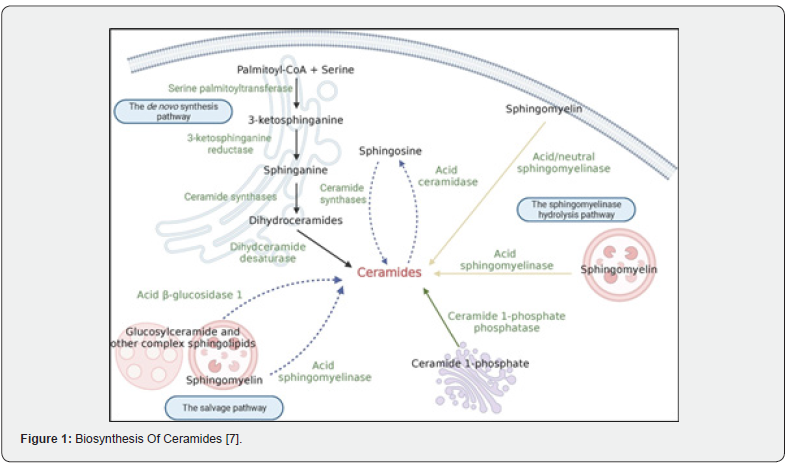
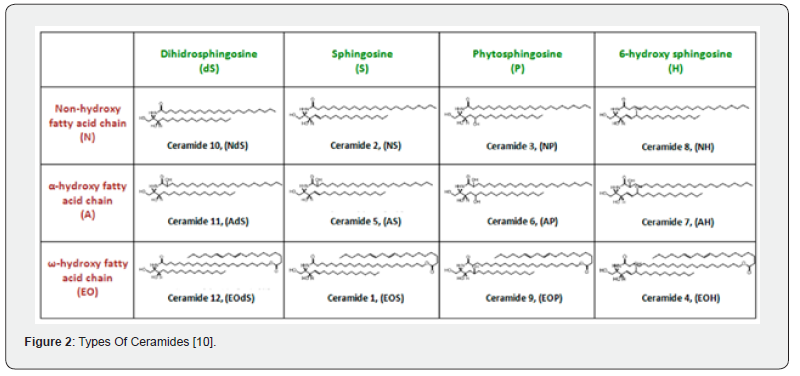
The biosynthesis of ceramides (CERs) in the skin is a multifaceted process involving distinct metabolic pathways, each contributing to the overall regulation and maintenance of skin barrier function. These pathways include the de novo biosynthesis pathway, the sphingomyelinase (SMase) pathway, and the salvage pathway. The de novo pathway occurs primarily in the endoplasmic reticulum of corneocytes within the stratum basale, where the synthesis of ceramides begins with the condensation of L-serine and palmitoyl CoA by serine palmitoyl transferase [6] (Figure 1). In the stratum corneum, ceramides such as NS, NP, AS, NH, etc, are predominant, making up 21%, 13%, 18%, and 22% of the ceramide content, respectively (Figure 2). These lipids play a vital role in skin homeostasis, as a reduction in their quantity or quality can lead to dry skin and various skin disorders such as atopic dermatitis [8], psoriasis, acne, seborrhoeic dermatitis, etc. [9].
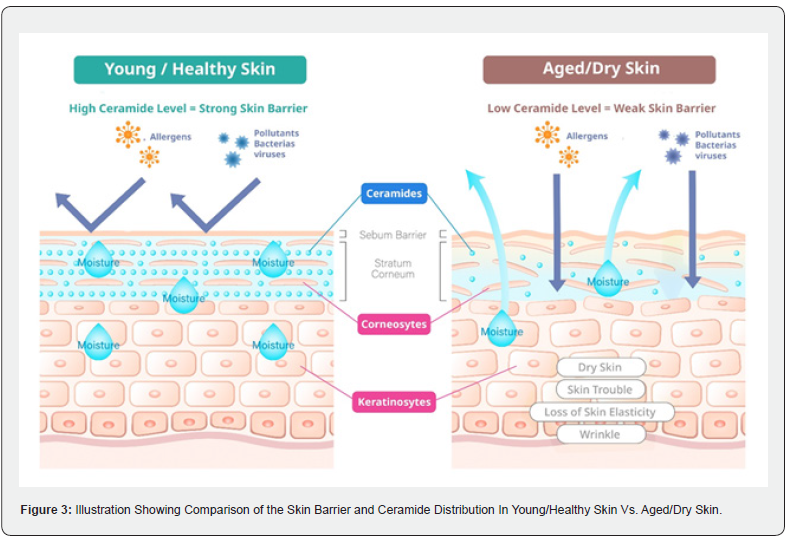
Prolonged exposure to environmental stressors such as ultraviolet (UV) radiation, extreme climates, pollutants, and other external aggressors, coupled with intrinsic factors like chronological aging and genetic predispositions, lead to a marked depletion of ceramide levels within the stratum corneum. A decrease in ceramide concentration or disruption of their molecular structure significantly compromises the epidermal lipid barrier, resulting in increased transepidermal water loss (TEWL) [11]. This perturbation manifests clinically as xerosis (dry skin), pruritus (itching), erythema (redness), and heightened cutaneous sensitivity to external stimuli, such as allergens and irritants [12].
When ceramide depletion becomes chronic or prolonged, the skin becomes increasingly fragile and prone to irritation, leading to the acceleration of intrinsic aging processes. As the skin ages, the natural production of ceramides declines significantly. Studies have shown that by the age of 30, the skin may have lost up to 40% of its ceramide content, and this depletion increases to as much as 60% by the age of 40. This reduction in ceramides directly contributes to the onset of dry skin, dehydration, and the appearance of fine lines and wrinkles that are characteristic of aging skin [13-15].
Additionally, ceramides are highly susceptible to hydrolysis and oxidation due to constant exposure to external factors, further altering their molecular structure, composition and compromising the skin’s barrier function. These modifications further impair the skin’s ability to function as an effective barrier, leading to diminished moisture retention, augmented TEWL, and an increased vulnerability to transdermal penetration of harmful microorganisms, irritants, and allergens. Ceramides also play a vital role in fortifying the skin’s defenses against the exposome a term that encompasses the cumulative impact of external environmental factors, such as air pollution, UV radiation, harsh weather conditions, and toxins. The exposome can cause significant damage to the epidermal lipid matrix, impairing both the structural and functional integrity of the skin.
This cumulative environmental damage exacerbates barrier dysfunction, contributing to the development of various cutaneous pathologies and accelerating the process of skin aging [16,17]. The role of ceramides extends beyond mere skin hydration and protection. As part of the lipid barrier, ceramides help maintain the structural integrity of the skin by providing cohesion between the lipid bilayers, effectively holding the skin cells together [1]. This “mortar between bricks” analogy illustrates how ceramides function in conjunction with other lipids to reinforce the skin’s structural stability of the stratum corneum, allowing it to retain moisture and protect against the ingress of harmful substances [18]. Therefore, replenishing ceramide levels, either through topical skincare products or dietary sources, is crucial for maintaining skin homeostasis and preventing premature aging (Figure 3). As part of their hydrating and protective roles, ceramides which are often included in skincare products are synthetically produced and specifically formulated to replenish the ceramides that are lost due to environmental damage, skin disorders, or the natural aging process [19]. The use of these ceramide-based skincare products has been shown to restore skin’s ceramide content and enhance the skin’s natural barrier, increasing moisture retention and reducing the appearance of dry, flaky, or irritated skin [20]. While ceramide skin care products can do wonders for the skin, choosing the right product with non-irritating, effective ingredients are vital. Though Topical ceramides work by restoring the skin’s outer barrier, improving hydration, and reducing dryness or irritation, Oral ceramides provide an internal boost, helping to replenish ceramide levels from within the body [21]. Given this, phytoceramides particularly those derived from rice offer a promising oral route that is both vegan-friendly and sustainable, further supporting the shift toward ethical and ecologically responsible beauty solutions [22]. Therefore, this study focuses on providing oral rice ceramide supplements that support both external and internal skin health, promoting better moisture retention, enhanced skin texture, and improved barrier function. By incorporating these into the daily routine, individuals may experience more noticeable, long-term improvements, especially those dealing with skin conditions like eczema or psoriasis, which are linked to low ceramide levels.
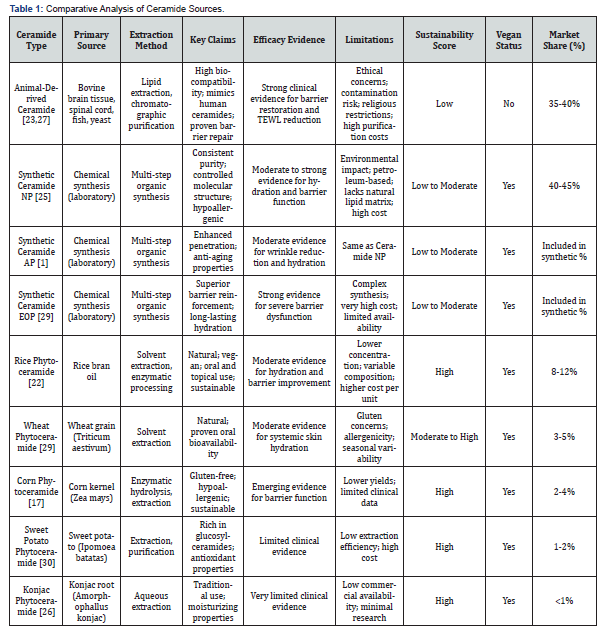
Metadata Analysis: Current Market Landscape for Ceramides
The global ceramide market has experienced substantial
growth driven by increasing consumer awareness of skin barrier
health and the rising prevalence of dermatological conditions.
Currently, ceramides utilized in cosmetic and pharmaceutical
applications are derived from three primary sources: animal
tissues, synthetic chemical synthesis, and plant extracts. Each
source presents distinct advantages and limitations concerning
efficacy, safety, sustainability, ethical considerations, and
scalability.
Animal-Derived Ceramides: Animal-derived ceramides,
historically the dominant source in the skincare industry, are
extracted primarily from bovine brain tissue [23], spinal cord, and
fish sources. However, their use raises significant ethical concerns
related to animal welfare, religious and cultural restrictions,
and potential contamination risks including prion diseases and
other zoonotic pathogens. Additionally, the extraction process
is resource intensive, requiring extensive purification steps to
ensure safety and regulatory compliance.
Synthetic Ceramides: Synthetic ceramides, produced through
chemical synthesis in laboratory settings, offer consistency in
molecular structure and purity. These ceramides are designed
to replicate specific ceramide subtypes found in human skin,
such as Ceramide NP (Non-hydroxy fatty acid, Phytosphingosine
base), Ceramide AP (Alpha-hydroxy fatty acid, Phytosphingosine
base), and Ceramide EOP (Ester-linked Omega-hydroxy
fatty acid, Phytosphingosine base) [24,25]. While synthetic
ceramides eliminate concerns regarding animal welfare and
contamination, they present environmental challenges related
to chemical manufacturing processes, including the generation
of hazardous waste, high energy consumption, and reliance on
petroleum-based precursors. Furthermore, synthetic ceramides
often lack the complex lipid matrix present in natural sources,
potentially limiting their biological activity and skin penetration
characteristics.
Plant-Derived Ceramides (Phytoceramides):
Phytoceramides represent an emerging category of ceramides
extracted from plant sources including rice, wheat, corn, sweet
potato, and konjac [26]. These plant-derived ceramides share
structural similarities with mammalian ceramides, particularly
in their sphingoid base composition, though they typically
contain different fatty acid profiles characterized by longer chain
lengths and higher degrees of unsaturation. Phytoceramides offer
significant advantages in terms of sustainability, ethical sourcing,
and alignment with vegan and vegetarian consumer preferences
[2]. However, current limitations include lower extraction yields
compared to animal sources, higher production costs, variability
in composition depending on plant source and growing conditions,
and limited clinical evidence demonstrating bioequivalence to
mammalian ceramides in certain skin condition.
Scientific and Ethical Gaps in the Current Market
Dominance of Non-Vegan Ceramides: Animal-derived and synthetic ceramides account for approximately 75-85% of the market, despite growing demand for plant-based alternatives. This dominance stems from established manufacturing infrastructure and perceived superior performance, creating barriers for consumers seeking ethical, sustainable options aligned with vegan values.
Efficacy and Bioequivalence Concerns: Limited head-tohead clinical data exists comparing phytoceramides to animalderived counterparts in treating specific dermatological conditions like atopic dermatitis or psoriasis. This evidence gap hinders adoption in pharmaceutical and medical-grade formulations where robust clinical validation is required.
Scalability and Cost Challenges: Current phytoceramide extraction methods yield lower output than animal sources, resulting in higher production costs that limit accessibility. The lack of standardized, scalable manufacturing processes represents a significant industrial gap. Innovations in biotechnology, including fermentation-based production or enzymatic synthesis, could address these challenges while maintaining sustainability advantages.
Regulatory and Standardization Issues: Phytoceramides lack adequate standardization for composition, purity, and quality control. Unlike synthetic ceramides with well-defined structures, phytoceramides vary based on plant source, origin, and extraction techniques, complicated regulatory approval and consistent product performance.
Consumer Education and Market Transparency: Significant gaps exist in educating consumers about differences between ceramide sources and their respective benefits. Marketing claims often lack transparency about specific ceramide types and sources, hindering informed purchasing decisions for ethically conscious consumers.
The Need for Scalable, Plant-Based Options
The convergence of consumer demand for ethical beauty products, increasing regulatory pressure on animal-derived ingredients, and growing environmental consciousness necessitates the development of scalable, cost-effective plantbased ceramide alternatives. Addressing the scientific gaps through rigorous clinical trials, advancing extraction and purification technologies to improve yields and reduce costs, establishing industry-wide standards for phytoceramide quality and composition, and enhancing transparency in product labeling are essential steps toward democratizing access to sustainable, vegan-friendly ceramide solutions. The transition toward plant-based ceramides represents not merely a market trend but a fundamental shift in the cosmetic industry’s approach to ingredient sourcing, reflecting broader societal values concerning animal welfare, environmental stewardship, and sustainable innovation. Future research and development efforts must focus on bridging the efficacy gap, optimizing production scalability, and generating robust clinical evidence to position phytoceramides as viable, mainstream alternatives to conventional ceramide sources.
Clinical Evidence Synthesis from Published Literature: Sustainability, Efficacy, and Consumer Demand. The therapeutic efficacy of oral phytoceramide supplementation in improving skin health parameters has been documented across multiple clinical investigations, providing a robust foundation for the present study’s design and outcome measures.
Hydration and Barrier Function Improvements: Oral ceramide supplementation has been reported to improve skin hydration related outcomes in clinical studies. One randomized, double-blind, placebo-controlled trial (Takara et al., 2021) observed reductions in transepidermal water loss following oral rice ceramide intake in adults with dry skin [31]. In a double-blind, randomized, placebo-controlled trial, a wheat-derived extract rich in ceramides were evaluated in 51 women with dry to very dry skin. Participants received 350 mg/day of wheat extracted oil (WEO) for 12 weeks. Compared with placebo, WEO produced a significant improvement in skin hydration on the arms and legs, with accompanying trends toward reduced dryness and redness. Participants also reported better perceived hydration. Overall, the intervention was well tolerated and demonstrated meaningful clinical benefits for skin hydration [29].
Anti-Aging and Structural Improvements: Clinical evidence supports phytoceramides’ efficacy in reducing visible signs of photoaging. In a double-blind, placebo-controlled clinical study, Bizot et al. (2017) evaluated the effects of oral wheat-derived glucosylceramides and digalactosyldiglycerides (WPLC) in 60 adults with dry, wrinkled skin. Participants received either placebo or WPLC (1.7 mg GluCer + 11.5 mg DGDG) in oil or powder form for 60 days. Compared with placebo, both WPLC formulations produced significant improvements in skin hydration, elasticity, smoothness, and reductions in TEWL, roughness, and visible wrinkling [32].
In another study conducted by Uchiyama et al. (2008) [], oral glucosylceramide derived from konjac extract was shown to improve skin barrier function in both preclinical and clinical settings. In a randomized, double-blind, placebo-controlled trial involving 100 healthy adults with elevated cheek TEWL, glucosylceramide supplementation significantly reduced TEWL at weeks 8 and 12 compared with placebo.
Complementary mouse studies demonstrated reduced SDS-induced TEWL and lower IL-1α levels, further supporting its barrier-enhancing effects [33]. Pigmentation and Skin Tone Uniformity: Limited but emerging evidence suggests that ceramide supplementation may influence melanogenesis pathways and improve skin tone uniformity [17]. Ceramides have been shown to modulate inflammatory cytokines such as IL-1α and TNF-α, which are known to stimulate melanocyte activity and exacerbate post-inflammatory hyperpigmentation. By reducing inflammatory signaling, ceramides may indirectly contribute to more even skin pigmentation, though direct clinical evidence specifically linking oral ceramide intake to measurable reductions in hyperpigmentation remains sparse and warrants further investigation [34].
Dose-Response Relationships and Bioavailability: Clinical studies of oral phytoceramides have used a wide range of daily doses from under 1 mg to several hundred milligrams depending on the source (rice, wheat, etc.), formulation and study design. For example, rice-derived glucosylceramides have shown effects in relatively low dose ranges (~1–40 mg/day) in some reports, whereas wheat-derived formulations in clinical settings often use higher doses (≥200 mg/day) [17,29,31]. Sugawara et al. (2010) [] demonstrated that orally administered maize glucosylceramides are absorbed via the intestinal lymphatic system in rats, with plant‐type sphingoid bases detected in lymph in free and complex form. However, the cumulative recovery in lymph was very low, suggesting limited intact uptake and reuse in tissues [35].
Sustainability and Environmental Advantages
The plant-derived ceramides segment is expected to grow at the fastest rate, with a projected CAGR of 12.8% through 2035, driven by rising demand for vegan beauty products, increasing sustainability awareness, and advancements in plant-based extraction technologies [36]. Within this context, using deoiled rice bran as a source of bioactive ceramides offers notable sustainability and environmental advantages. De-oiled bran, typically treated as a low-value byproduct of rice processing and often diverted to animal feed or waste streams, can be repurposed for ceramide extraction. This upcycling approach not only supports agricultural waste valorization but also reduces dependence on resource-intensive or animal-derived lipid sources. As demonstrated by Sahoo et al. (2017), rice-bran-derived ceramides also provide meaningful bioactivity, reinforcing their value as a sustainable and functional ingredient for skincare [37].
Consumer Demand for Ethical and Transparent Formulations
Consumer expectations are evolving in parallel, with growing emphasis on ethical, cruelty-free, and transparently sourced formulations. Wuisan and Februadi (2022) reported that positive attitudes toward cruelty-free labelling significantly increase purchase intention, with moral obligation and environmental awareness serving as key motivators. Such findings highlight that ethical positioning is no longer a secondary marketing advantage but a central driver of consumer decision-making [38]. These shifts are further reflected in broader market trends. The global vegan cosmetics market is projected to grow from USD 18.8 billion in 2025 to USD 37.2 billion by 2035, at a CAGR of 6.9%, fueled by heightened interest in cruelty free, plant-based skincare solutions. Industry level indicators also demonstrate this momentum for instance, UK retailer Superdrug reported a 750% rise in demand for vegan cosmetics, accompanied by a 38% increase in category sales across the UK in 2018 [39]. Together, these factors indicate that consumer willingness to pay premium prices for sustainable and ethically sourced formulations is strengthening. This trend has enabled manufacturers to justify higher production costs associated with plant derived ceramides, while clinical evidence supporting their efficacy has reinforced confidence in these alternatives and accelerated their adoption across a wide range of cosmetic applications.
Justification of Study Endpoints and Benchmarks
For this pilot, single-arm proof-of-concept evaluation, the outcome measures were chosen based on their frequent use in published research on ceramide supplementation and their relevance as established indicators of skin hydration, barrier function, pigmentation, and visible aging. The intent was not to test predefined efficacy thresholds, but rather to observe preliminary trends that may guide future controlled studies.
Exploratory Endpoints
Skin Hydration (Corneometry): Corneometry is widely used
across nutricosmetic and dermatological studies as a sensitive
marker of stratum corneum moisture content. Prior literature
commonly reports hydration improvements within 2–12 weeks
of ceramide intake. In this exploratory study, corneometry was
included to observe early shifts in hydration levels over a 4-week
period, without applying strict clinical benchmarks.
Transepidermal Water Loss (TEWL): TEWL was included
as an instrumental indicator of barrier function quality. Previous
ceramide studies have shown short-term reductions in TEWL, but
ranges vary considerably. Here, TEWL was assessed to explore
potential directional changes in barrier integrity following daily
rice-ceramide supplementation.
Fine Lines and Wrinkle Appearance: Dermatologist
grading and 3D imaging systems were incorporated to capture
visible, short-term changes in surface texture and microrelief.
Although longer studies have reported quantifiable reductions in
wrinkle parameters, this pilot evaluation focuses on documenting
initial trends rather than achieving predefined improvement
thresholds.
Skin Brightness and Pigmentation (Spectrophotometry):
L* lightness measurements were included to explore possible
shifts in brightness or tone uniformity. Existing evidence for
pigmentation benefits from ceramides is limited; therefore, this
measure was treated as a fully exploratory endpoint to capture
any early indications of change.
Additional Exploratory Measures
Safety and Tolerability: Published studies on phytoceramides consistently report a favorable safety profile. In this pilot study, safety and tolerability were monitored descriptively to document any unexpected effects that may inform the design and monitoring requirements of future controlled trials.
Subjective Self-Assessment: Participant self-assessments were included to complement instrumental and clinical observations. Prior studies often report high levels of subjective improvement, but variability is expected. In this study, selfreported perceptions help contextualize the practical relevance of any early changes observed during the 4-week intake period.
Rationale for 4-Week Study Duration
Although longer intervention periods (8-12 weeks) are
common in clinical trials, several published investigations have
shown that meaningful changes in skin hydration and barrier
function can emerge within 2-4 weeks of initiating ceramide
supplementation. For this pilot proof-of-concept evaluation, a
4-week duration was selected to:
• Capture early, short-term physiological responses to oral
ceramide intake
• Reduce participant burden and improve adherence
• Align with the approximate 28-day epidermal turnover
cycle, allowing sufficient time for ceramide incorporation into the
stratum corneum
• Generate preliminary data to guide the design of future,
longer-term controlled studies.
Exploratory Study Objective
Rather than testing a formal hypothesis, this pilot evaluation aimed to explore preliminary within-subject changes in key skin parameters including hydration (corneometry), transepidermal water loss (TEWL), pigmentation, and wrinkle/fine-line measures over a 4-week period of daily oral rice-derived ceramide supplementation. This objective reflects an exploratory, feasibilitydriven approach, consistent with a proof-of-concept case study rather than a confirmatory clinical trial.
Exploratory Rationale for the Intervention
Rice-derived phytoceramides (glucosylceramides) are known to be absorbed via the intestinal lymphatic pathway, distributed systemically, and subsequently incorporated into the epidermal lipid lamellae. Their integration into the stratum corneum may support improved lipid organization and reduced barrier defects, which could contribute to decreased TEWL and enhanced hydration. A potential secondary effect, upregulation of endogenous ceramide synthesis through pathways involving serine palmitoyltransferase or ceramide synthase has been proposed but requires further investigation. This mechanistic context provides a biological basis for exploring short-term skin changes in this pilot evaluation.
Expected Trends and Potential Significance
As a preliminary, single-arm study, the intention is not to
establish efficacy but to observe early signals of benefit that may
justify more rigorous evaluation. If favorable trends are seen, they
may support:
• The feasibility of using rice-derived phytoceramides as
a nutraceutical approach for skin hydration and barrier support
• The potential of plant-derived ceramides as sustainable
alternatives to synthetic or animal-derived sources
• The development of future randomized controlled trials
to confirm magnitude, durability, and mechanisms of effect. Any
positive trends observed in this pilot study should therefore be
interpreted as early indicators that can inform future trial design
rather than definitive evidence of clinical effectiveness.
Materials and Methodology
Study Design
This monocentric, single-arm, open-label pilot study aimed to explore preliminary safety, tolerability, and within-subject changes in skin hydration, barrier function, pigmentation and aesthetic measures following daily oral rice ceramide supplementation for 4 weeks.
Study Population
Healthy female adults aged 25 to 65 years were included in this exploratory evaluation after a brief review of their medical history and general skin condition Subjects were included if they presented with at least one clearly defined facial hyperpigmented lesion such as post-inflammatory hyperpigmentation or age spots measuring ≥2 mm in diameter, as confirmed by a dermatologist. All participants had Fitzpatrick skin phototypes III to V, with at least 50% classified as phototype III. Individuals with excessive facial hair, active acne, cuts, or other facial dermatoses were excluded. During the study, participants were advised to refrain from using additional facial products or undergoing aesthetic procedures and to limit sun exposure to ≤30 minutes per day using an umbrella for protection. Exclusion criteria included the presence of local skin disorders, recent use (within six months) of medications or treatments affecting skin appearance, systemic or chronic dermatologic conditions, major surgery within the past year, pregnancy or lactation, known allergies to facial products or artificial jewellery, and unwillingness to discontinue existing skincare regimens or oral supplements related to skin health.
Location of Data collected: MS Clinical Research.
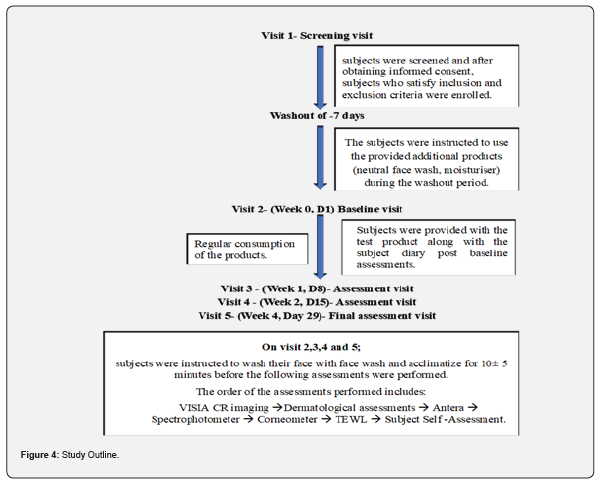
Study Outline: The study flow is depicted as shown in Figure 4
Intervention
Oral rice-derived ceramide supplements (KireiCera) were administered to participants at a dose of 1.5 mg per day, taken once daily at bedtime for a period of 4 weeks.
Outcome Measures
The exploratory outcomes of the study included the improvement in wrinkles, fine lines, and dark spots over the 4-week observation period, as assessed through dermatological evaluations. Additionally, improvements in skin hydration, skin water barrier function, and skin color were evaluated at different timepoints in comparison to baseline. Safety and tolerability were also monitored descriptively.
Sample size estimation
A total of 40 subjects (including a 10% dropout rate) were enrolled, ensuring that 35 evaluable subjects were sufficient to detect a 0.13-unit difference from baseline in terms of skin hydration at week 4, assuming a standard deviation of approximately 0.29. The power was set at 80%, and the level of significance was set at 5%.
Randomization and Grouping
This was a non-randomised, single arm, open label pilot study to evaluate the effectiveness of the test product in improving various skin attributes. No allocation or randomization procedures were performed.
Statistical Analysis
Summary statistics (N, Mean, SD) were provided for raw values and changes from baseline by product and timepoint. Normality was assessed using the Shapiro-Wilk test on baseline values for each parameter, conducted using R software. For efficacy analysis, when the p-value was less than 0.05, indicating non-normally distributed data, the non-parametric Wilcoxon test was applied to compare each visit with baseline. Conversely, when the p-value was greater than 0.05, suggesting normally distributed data, a paired t-test was used for comparison with baseline. All statistical tests were performed at a two-sided 5% level of significance, and a 95% confidence interval was reported.
Statistical Software: The Statistical software, R- ver.3.1.2 was used for the analysis of the data and Microsoft Word and Excel have been used to generate graphs, tables, etc.
Results
Participant Recruitment
The first subject underwent the initial assessment in early December 2024, and the last follow-up assessment was completed by late January 2025 in this single-arm pilot proof-of-concept study.
Baseline data and Data Consideration
A total of 39 participants were included in the study, with a mean age of 43.79 years. The age distribution was as follows: 25–44 years (n = 20; average age: 36 years) and 45–64 years (n = 19; average age: 52 years). Based on Fitzpatrick skin type classification, the majority of participants were Type III (n = 26; 67%), followed by Type IV (n = 11; 28%) and Type V (n = 2; 5%).
Outcomes and estimation
Daily intake of the product was associated with observable trends toward improvement in multiple skin parameters over the 4-week exploratory period.
Dermatological evaluations
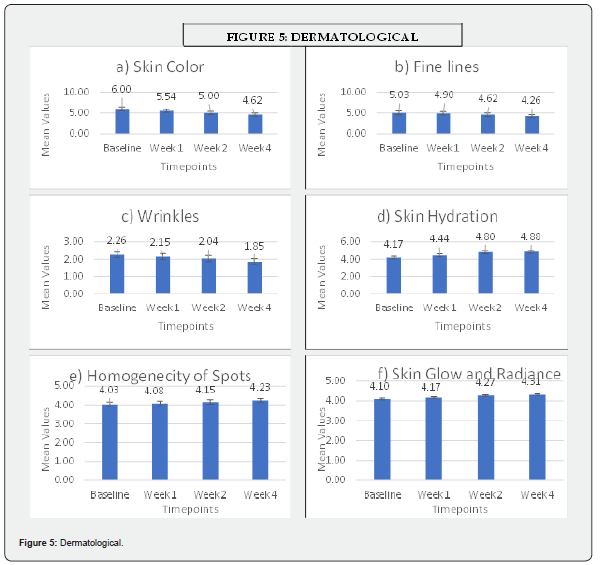
Fine line severity scores decreased by 15.31% (5.03 to 4.26; p < 0.0001), and wrinkles reduced by 17.90% (2.26 to 1.85; p = 0.0001), suggesting a trend toward smoother skin texture. Skin color scores declined by 23.08% (6.00 to 4.62; p < 0.0001), reflecting enhanced brightness and tone uniformity. Hydration scores improved by 16.90% (4.17 to 4.88; p < 0.0001), suggesting better moisture retention and barrier function. Spot homogeneity increased by 5.10% (4.03 to 4.23; p = 0.0060), and skin glow and radiance improved by 5.29% (4.10 to 4.31; p < 0.0001). These preliminary observations suggest potential benefits of the test product in enhancing visible signs of aging, hydration, pigmentation uniformity, and overall skin appearance based on expert dermatological grading (Figure 5).
Instrumental Evaluations
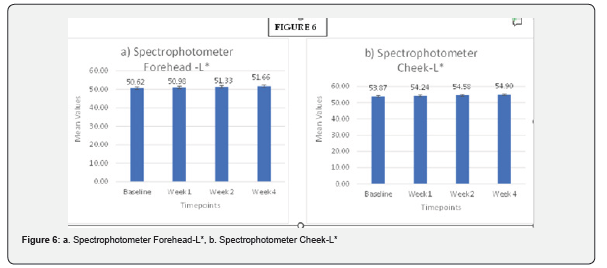
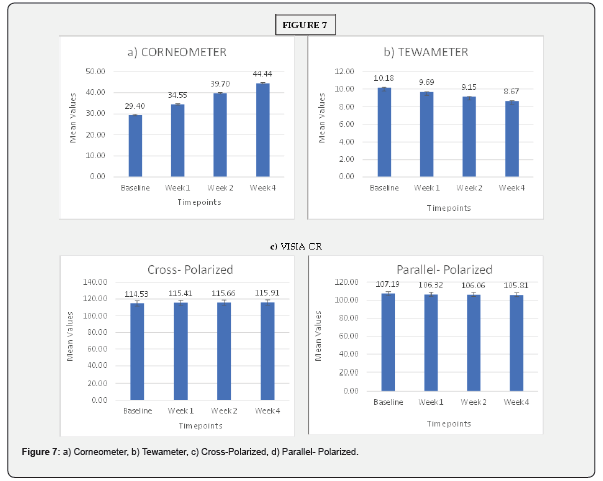
Spectrophotometric L* values increased by 2.06% on the forehead (64.52 to 65.85; p < 0.0001) and by 1.91% on the cheeks (65.05 to 66.29; p < 0.0001), reflecting a possible improvement in skin brightness and melanin uniformity (Figure 6). Corneometer assessment revealed that the hydration has increased by 51.19% (36.96 to 55.89; p < 0.0001), and TEWL decreased by 14.87% (16.80 to 14.30; p < 0.0001), suggesting enhanced moisture retention and enhanced barrier function. VISIA imaging captured a 1.20% increase in luminosity under cross-polarized light (124.36 to 125.85; p < 0.0001) and a 1.28% reduction in surface shine under parallel-polarized imaging (122.23 to 120.66; p < 0.0001), pointing toward improved radiance and improved sebum control (Figure 7).
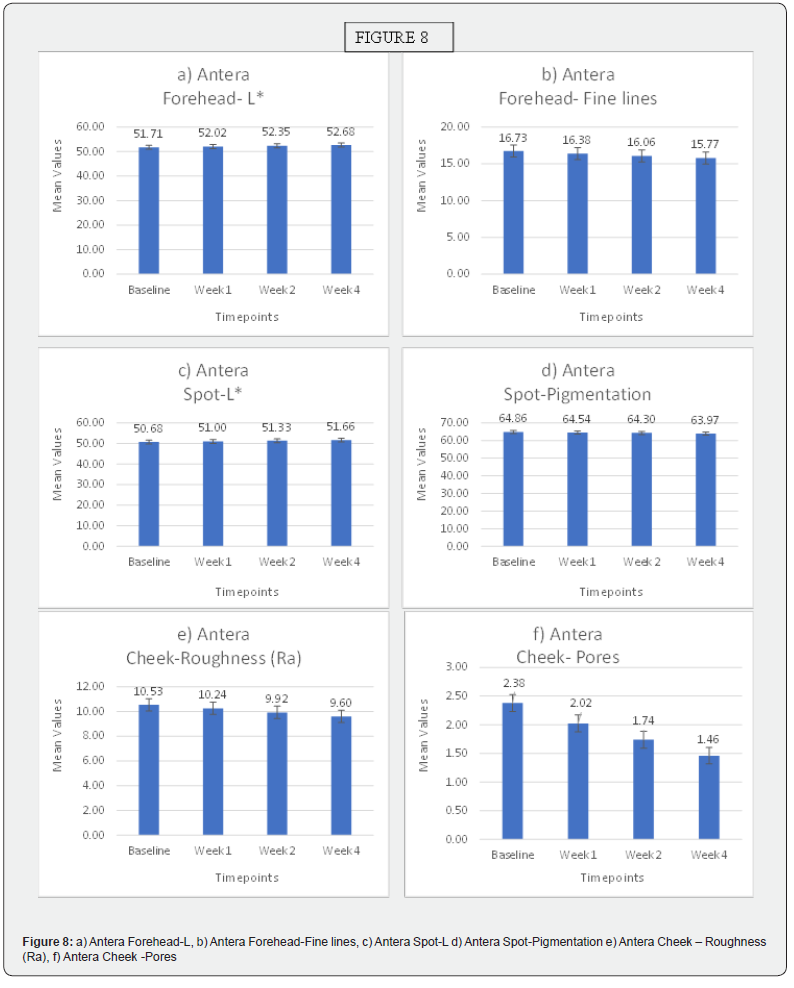
Antera 3D imaging showed a 5.77% reduction in forehead fine lines (0.51 to 0.48; p < 0.0001), a 38.69% decrease in cheek pore size (0.61 to 0.37; p < 0.0001), and an 8.85% reduction in skin roughness (1.34 to 1.22; p < 0.0001), suggesting smoother skin texture. Spot lightness (L*) increased by 1.94% (63.13 to 64.36; p < 0.0001), while pigmentation decreased by 1.38% (10.17 to 10.03; p < 0.0001), reflecting improved tone evenness (Figure 8). Participant self-assessments were in strong agreement with dermatological and instrumental outcomes. By the end of Week 1, subjects generally reported better moisturization, and over 80% experienced enhanced smoothness and overall skin health. By Week 2, most participants noticed a more radiant, lifted, and supple appearance. By Week 4, the majority noted reduced dark spots, evened-out skin tone, and softened fine lines around the eye area. These subjective experiences support exploratory observations and visible results throughout the study period.
Discussion
Until the early 2000s, ceramides were mostly synthetic or extracted from various animal sources, including marine animals, land animals, bacteria, and fungi. However, over a decade later, phyto- derived ceramides, primarily isolated from dietary sources, became preferred for their better safety profiles. Plant ceramides, also known as phytoceramides, because of strong structural resemblance they can be good supplementation to original skin ceramides. Additionally, there are reporting of plant extracts that enhance ceramide synthesis in skin, rather than directly replacing them, which includes, β- Sitosterol 3- O- d- glucoside from rice, lycoperoside from tomato seeds, macrocarpal A from eucalyptus and tiliroside from strawberry seeds [40-43]. The current market landscape analysis revealed that while animalderived and synthetic ceramides dominate 75-85% of the market, significant gaps exist in plant-based alternatives, particularly regarding clinical efficacy data and scalability. Our metadata analysis identified rice phytoceramides as holding only 8-12% market share despite high sustainability scores and vegan status, primarily due to limited clinical validation. These market insights, combined with prior in vitro studies demonstrating rice ceramide biocompatibility and barrier-enhancing properties, provided the initial rationale for clinical evaluation. The de-risking strategy employed in this study addressed key market gaps: first, by confirming safety and tolerability in a controlled 4-week pilot cohort, and second, by generating preliminary efficacy data across multiple endpoints (hydration, TEWL, pigmentation, and aging markers) to establish proof-of-concept. The convergence of favorable metadata positioning, absence of adverse events, and measurable improvements across clinical and instrumental assessments provided sufficient confidence to proceed with this human proof-concept evaluation and supports the potential for rice phytoceramides to bridge the efficacy-sustainability gap identified in current ceramide offerings. Ceramides are essential for maintaining the integrity of the skin barrier by organizing lipids in the intercellular matrix, which prevents transepidermal water loss (TEWL) and enhances skin impermeability. Alterations in the amount and organization of ceramides in the stratum corneum can lead to various skin disorders [13]. In atopic dermatitis, characterized by dry skin, pruritus, and increased TEWL, ceramide I levels are significantly reduced, while ceramide V increases in non-lesioned areas and ceramides I and III decrease in lesioned skin. Additionally, increased ceramidase activity further diminishes ceramide levels in the epidermis [44]. In ichthyosis, a similar alteration in the free fatty acid-to-ceramide ratio occurs, alongside degenerative changes in the lipid organization critical for barrier function [45].
In conditions like Dorfman-Chanarin syndrome, decreased levels of ω-OH-acylceramide and mutations in ceramide synthase 3 lead to disrupted ceramide synthesis [47]. In psoriasis, a reduction in ceramides, including ceramide I, III, IV, V, and VI, is associated with increased TEWL, indicating impaired skin barrier function [47]. Acne is also influenced by altered ceramide levels, as increased TEWL in acne-prone skin can worsen symptoms, particularly in winter when ceramide levels drop [48,49]. On the other hand, healthy skin maintains higher levels of ceramide VI and VIII, which help adapt to environmental changes. Gaucher disease, caused by a deficiency in the enzyme β-glucocerebrosidase, disrupts ceramide metabolism, leading to a decrease in ceramide levels [50]. In dry skin (xerosis), a reduction in ceramides impairs the skin’s lipid envelope, weakening its barrier function and hydration retention [51].
As a result of this, the researchers have thought that these disorders could be improved by replacing decreased ceramide levels. Therefore, topical applications including conventional and novel carrier systems have been formulated by diverse researchers [52,53]. Several commercial lotions, creams, and moisturizers formulated with ceramides are available on the market. However, there is ongoing debate regarding the permeability and efficacy of these ceramides after topical application through conventional carrier systems. Studies have reported that phytosphingosine, ceramide I, ceramide III, and ceramide VI-II in a simplified cream were effective in hydrating the skin and reducing TEWL values compared to a placebo [54]. Another similar study suggested that ceramides in conventional formulations could help restore the skin barrier in skin disorders [55]. However, both studies also included glycyrrhetinic acid (an anti-inflammatory agent) and ethoxydiglycol (a penetration enhancer), which may have contributed to the therapeutic efficacy and enhanced skin permeation of the ceramides. Similarly, studies have also reported that potential adverse reactions such as overuse of topical ceramides may lead to overhydration, potentially disrupting the skin’s natural barrier [56]. To overcome these limitations, researchers have formulated various oral supplements to address the ceramide deficiency. Oral intake of ceramides was documented in various animal studies and several human studies [57-60]. Though these studies primarily focus on inflammatory response and dermatitis conditions. This study reports the beneficial effects of Rice supplementation on skin health status via comprehensive conduct of dermatological and instrumental assessments.
The results of this study present evidence that oral rice ceramide supplementation can significantly enhance skin attributes, such as hydration, texture, radiance, and the reduction of fine lines, wrinkles, and dark spots. Over a 4-week period, participants experienced substantial improvements, particularly in skin hydration and the appearance of aging signs. These findings align with the metadata analysis positioning rice phytoceramides as a sustainable, vegan alternative with moderate clinical evidence. Our results directly address the identified market gap by providing robust clinical validation for rice-derived ceramides, demonstrating bioequivalence to synthetic and animal-derived alternatives in key performance metrics including 51.19% hydration improvement and 14.87% TEWL reduction. Furthermore, the observed benefits in aging markers (15.31% fine line reduction, 17.90% wrinkle reduction) and pigmentation uniformity (23.08% skin color improvement) support the potential for rice phytoceramides to meet medical-grade efficacy standards while maintaining ethical and sustainability advantages. These findings underscore the potential of ceramide supplementation as an effective intervention for maintaining skin health and counteracting visible signs of aging. The findings are also consistent with previous literature on the role of ceramides in skin health and provide new insights into their potential benefits when administered orally [61].
The observed reductions in fine lines (15.31%) and wrinkles (17.90%) align with previous studies, which suggest that ceramides improve the appearance of aging skin by restoring skin barrier function, promoting collagen synthesis, and enhancing elasticity [62]. Our results reinforce the role of ceramides in supporting structural integrity and skin firmness, thereby mitigating the appearance of wrinkles. Additionally, the improvements in skin radiance (1.20%) and brightness (2.06%) observed in our study are consistent with prior literature indicating ceramides’ ability to inhibit melanogenesis and regulate skin pigmentation [63].
Self-assessment results, with over 90% of participants reporting improved hydration and reduced dark spots by Week 4, further support these clinical findings. This is in line with consumer feedback from other studies, where ceramide-based products have demonstrated positive effects on skin hydration and overall appearance [32]. Importantly, the absence of reported adverse effects in this study suggests that rice ceramides are safe and well-tolerated, which is consistent with the findings of other clinical trials on oral ceramide supplementation.64 Oral ceramides, particularly those derived from rice, have gained attention for their non-irritating and effective properties in improving skin. The safety profile of oral ceramides in this study confirms their potential for long-term use, even for individuals with sensitive skin. In addition to their role in improving the skin attributes, ceramides play a critical role in regulating the immune response. Ceramide metabolites are involved in signalling pathways that modulate immune function, particularly in response to environmental stressors. For instance, ceramides have been shown to influence the activity of macrophages and dendritic cells, which are key components of the skin’s innate immune system.65, 66, 67 While the immune-modulating effects of ceramides were not the focus of this study, future research could explore their potential in enhancing skin immune responses, particularly in conditions like eczema, psoriasis, and acne.
Strengths, Limitations & Generalisability
This non-randomized, short duration (4 week) single-arm, open-label study was designed to evaluate the effectiveness of the test product in improving various skin attributes. Although the absence of a control or placebo group limits the ability to conclusively attribute observed effects to the product, the design offers valuable insights into its real-world applicability. The sample size was selected for pilot estimation rather than definitive hypothesis testing. As such, observed improvements may reflect placebo effects, regression to the mean, or observer bias. The nonrandomized nature of the study introduces potential selection bias, which may impact the generalizability of the findings. Nevertheless, the results provide meaningful individual-level data that can inform future product development and clinical research. To strengthen the evidence base, future studies should incorporate randomized controlled trial designs.
Conclusions
While the role of topical ceramides in enhancing skin barrier function is well established, evidence supporting the efficacy of oral rice ceramide supplementation has typically been limited to select endpoints. This study aimed to comprehensively evaluate the broader dermatological benefits of oral rice ceramide supplementation across multiple skin parameters. The findings demonstrate that oral supplementation not only supports skin barrier integrity but also yields significant improvements in wrinkle severity, skin firmness, and elasticity. Notably, positive effects on skin brightness and overall tone were also observed, suggesting a more expansive role for oral ceramides in skin health. Beyond clinical efficacy, this study underscores the viability of plant-based, vegan ceramide supplementation as a sustainable and ethically sourced alternative to animal-derived and synthetic counterparts. By bridging the efficacy-sustainability gap identified in current market offerings, rice phytoceramides represent a paradigm shift toward next-generation skincare innovation that prioritizes both performance and responsible ingredient sourcing. The absence of adverse events further underscores the safety and tolerability of this intervention, positioning rice ceramides as a compelling solution for consumers and formulators seeking efficacious, environmentally conscious, and cruelty-free approaches to skin health enhancement and anti-aging care.
Declarations
Acknowledgement: The authors gratefully acknowledge ICHIMARU PHARCOS CO. LTD. for funding the study and providing the test products (KireiCera/PHYTOCERA NW-15). We extend our thanks to MS Clinical Research for conducting the study, and to the study participants for their time and commitment. We also acknowledge the contributions of Gowtham D. for data curation, formal analysis, and validation; Dr. Nessa John for protocol development; and Dr. Jnana Deepika for her role as Clinical Research Coordinator. We thank Sudhanthiran, Dr. Soniya Wills, and Aahan Sachdev for their supervision throughout the study.
Informed Consent Statement
Informed consent was obtained from all subjects involved in the study. Written informed consent has been obtained from the patient(s) to publish this paper.
Institutional Review Board Statement
The study was conducted in accordance with the principles of Declaration of Helsinki. Ethical approval was not required as the study device is already CE marked since 2024. No activity was carried out outside the scope of the device intended purpose or that no additional invasive or burdensome procedures were carried out compared to procedure performed under the normal condition of use of the device.
Informed Consent Statement
Participants in the study provided their informed consent.
References
- Coderch L, López O, de la Maza A, Parra JL (2003) Ceramides and skin function. Am J Clin Dermatol 4(2): 107-129.
- Tessema EN, Gebre-Mariam T, Neubert, RH, Wohlrab J (2017) Potential applications of phyto-derived ceramides in improving epidermal barrier function. Skin Pharmacology and Physiology 30(3): 115-138.
- Elbouzidi A, Haddou M, Baraich A, Taibi M, El Hachlafi N, et al. (2025) Biochemical insights into specialized plant metabolites: Advancing cosmeceutical applications for skin benefits. Journal of Agriculture and Food Research 19: 101651.
- Meckfessel MH, Brandt S (2014) The structure, function, and importance of ceramides in skin and their use as therapeutic agents in skin-care products. J Am Acad Dermatol 71(1): 177-184.
- Mizutani Y, Mitsutake S, Tsuji K, Kihara A, Igarashi Y (2009) Ceramide biosynthesis in keratinocyte and its role in skin function. Biochimie 91(6): 784-790.
- Akio Kihara (2016) Synthesis and degradation pathways, functions, and pathology of ceramides and epidermal acylceramides. Progress in Lipid Research 63: 50-69.
- Yuan H, Zhu B, Li C, Zhao Z (2023) Ceramide in cerebrovascular diseases. Frontiers in Cellular Neuroscience 17: 1191609.
- Fujii M (2021) The Pathogenic and Therapeutic Implications of Ceramide Abnormalities in Atopic Dermatitis. Cells 10(9): 2386.
- Kessner D, Ruettinger A, Kiselev MA, Wartewig S, Neubert RH (2008) Properties of ceramides and their impact on the stratum corneum structure. Part 2: stratum corneum lipid model systems. Skin Pharmacol Physiol 21(2):58-74.
- Kahraman E, Kaykın M, Şahin Bektay H, Güngör S (2019) Recent Advances on Topical Application of Ceramides to Restore Barrier Function of Skin. Cosmetics 6(3): 52.
- Meguro S, Arai Y, Masukawa Y, Uie K, Tokimitsu I (2000) Relationship between covalently bound ceramides and transepidermal water loss (TEWL). Arch Dermatol Res 292(9): 463-468.
- Li Q, Fang H, Dang E, Wang G (2020) The role of ceramides in skin homeostasis and inflammatory skin diseases. J Dermatol Sci 97(1):2-8.
- Sahle FF, Gebre-Mariam T, Dobner B, Wohlrab J, Neubert RH (2015) Skin diseases associated with the depletion of stratum corneum lipids and stratum corneum lipid substitution therapy. Skin Pharmacol Physiol 28(1): 42-55.
- van Smeden J, Janssens M, Gooris GS, Bouwstra JA (2014) The important role of stratum corneum lipids for the cutaneous barrier function. Biochim Biophys Acta 1841(3): 295-313.
- Wang Z, Man MQ, Li T, Elias PM, Mauro TM (2020) Aging-associated alterations in epidermal function and their clinical significance. Aging (Albany NY) 12(6): 5551-5565.
- Elias PM (2025) Stratum corneum defensive functions: an integrated view. J Invest Dermatol 125(2): 183-200.
- Yong TL, Zaman R, Rehman N, Tan CK (2025) Ceramides and Skin Health: New Insights. Exp Dermatol 34(2): e70042.
- Ca B (2019) Skin Barrier Insights: From Bricks and Mortar to Molecules and Microbes. Journal of Drugs in Dermatology 18(1): s63-s67.
- Rogers J, Harding C, Mayo A, Banks J, Rawlings A (1996) Stratum corneum lipids: the effect of ageing and the seasons. Arch Dermatol Res 288(12): 765-770.
- Schild J, Kalvodová A, Zbytovská J, Farwick M, Pyko C (2024) The role of ceramides in skin barrier function and the importance of their correct formulation for skincare applications. Int J Cosmet Sci 46(4): 526-543.
- Yoshihiro Tsuchiya, Masayasu Ban, Mikiya Kishi, Takahiro Ono, Hitoshi Masaki (2020) Safety and Efficacy of Oral Intake of Ceramide-Containing Acetic Acid Bacteria for Improving the Stratum Corneum Hydration: A Randomized, Double-Blind, Placebo-Controlled Study over 12 Weeks, Journal of Oleo Science 69(11): 1497-1508.
- Leo TK, Tan ESS, Amini F, Rehman N, Ng ESC, et al. (2022) Effect of Rice (Oryza sativa L.) Ceramides Supplementation on Improving Skin Barrier Functions and Depigmentation: An Open-Label Prospective Study. Nutrients 14(13): 2737.
- Murakami S, Shimamoto T, Nagano H, Tsuruno, M, Okuhara H, et al. (2015)Producing human ceramide-NS by metabolic engineering using yeast Saccharomyces cerevisiae. Scientific reports 5: 16319.
- Mijaljica D, Townley JP, Hondros A, Hewson C, Harrison IP, et al. (2024) Considering Phytosphingosine-Based Ceramide Formulations for Atopic Skin Care. Dermato 4(1): 5-22.
- Novotný J, Hrabálek A, Vávrová K (2010) Synthesis and structure-activity relationships of skin ceramides. Curr Med Chem 17(21): 2301-2324.
- Heggar Venkataramana S, Puttaswamy N, Kodimule S (2020) Potential benefits of oral administration of AMORPHOPHALLUS KONJAC glycosylceramides on skin health - a randomized clinical study. BMC complementary medicine and therapies 20(1): 26.
- Cosmetic Ingredient Review Expert Panel (2015) Safety Assessment of Ceramides as Used in Cosmetics. Final Report.
- Berkers T, Visscher D, Gooris GS, Bouwstra JA (2018) Topically Applied Ceramides Interact with the Stratum Corneum Lipid Matrix in Compromised Ex Vivo Skin. Pharm Res 35(3): 48.
- Guillou S, Ghabri S, Jannot C, Gaillard E, Lamour I, et al. (2011) The moisturizing effect of a wheat extract food supplement on women's skin: a randomized, double-blind placebo-controlled trial. Int J Cosmet Sci 33(2): 138-143.
- Mounika V, Gowd, TM, Lakshminarayana D, et al. (2025) Sweet potato (Ipomoea batatas (L.) Lam): a comprehensive review of its botany, nutritional composition, phytochemical profile, health benefits, and future prospects. Eur Food Res Technol 251: 3225-3239.
- Takara T, Yamamoto K, Suzuki N, Yamashita S (2021) Oryza Ceramide®: A rice-derived extract consisting of glucosylceramides and β-sitosterol glucoside, improves facial skin dehydration in Japanese subjects. Functional Foods in Health and Disease 11(8): 385-399.
- Bizot V, Cestone E, Michelotti A, Nobile V (2017) Improving Skin Hydration and Age-related Symptoms by Oral Administration of Wheat Glucosylceramides and Digalactosyl Diglycerides: A Human Clinical Study. Cosmetics 4(4): 37.
- Uchiyama T, Nakano Y, Ueda O, Mori H (2008) Oral intake of glucosylceramide improves relatively higher level of transepidermal water loss in mice and healthy human subjects. Journal of Health Science 54(5): 559-566.
- Markiewicz E, Karaman-Jurukovska N, Mammone T, Idowu OC (2022) Post-Inflammatory Hyperpigmentation in Dark Skin: Molecular Mechanism and Skincare Implications. Clinical, cosmetic and investigational dermatology 15: 2555-2565.
- Sugawara T, Tsuduki T, Yano S, Hirose M, Duan J, et al. (2010) Intestinal absorption of dietary maize glucosylceramide in lymphatic duct cannulated rats. Journal of lipid research 51(7): 1761-1769.
- Future Market Insights (2025) Plant-derived ceramide alternatives market: Size and share forecast outlook 2025 to 2035.
- Sahoo MR, Varma SR, Patel NK, Sivaprakasam TO, Mishra A, et al. (2017) In vitro anti-inflammatory and skin protective properties of extract comprising ceramides from de-oiled rice bran. Journal of Food Biochemistry.
- Wuisan EC, Februadi A (2022) Consumers’ attitude towards the cruelty-free label on cosmetic and skincare products and its influence on purchase intention. Journal of Marketing Innovation 2(2).
- Future Market Insights (2025) Vegan cosmetics market size, share & forecast 2025-2035.
- Takeda S, Terazawa S, Shimoda H, Imokawa G (2021) β-Sitosterol 3-O-D-glucoside increases ceramide levels in the stratum corneum via the up-regulated expression of ceramide synthase-3 and glucosylceramide synthase in a reconstructed human epidermal keratinization model. PLoS One 16(3): e0248150.
- Takeda S, Miyasaka K, Shrestha S, Manse Y, Morikawa T, Shimoda H (2021) Lycoperoside H, a Tomato Seed Saponin, Improves Epidermal Dehydration by Increasing Ceramide in the Stratum Corneum and Steroidal Anti-Inflammatory Effect. Molecules 26(19): 5860.
- J Ishikawa, Y Shimotoyodome, S Chen, K Ohkubo, Y Takagi, et al. (2012) Eucalyptus increases ceramide levels in keratinocytes and improves stratum corneum function. Int J Cosmet Sci 34(1):17-22.
- Takeda S, Shimoda H, Takarada T, Imokawa G (2018) Strawberry seed extract and its major component, tiliroside, promote ceramide synthesis in the stratum corneum of human epidermal equivalents. PLoS One 13(10): e0205061.
- Imokawa G, Abe A, Jin K, Higaki Y, Kawashima M, Hidano A (1991) Decreased level of ceramides in stratum-corneum of atopic-dermatitis - an etiologic factor in atopic dry skin. J Invest Dermatol 96(4): 523-526.
- Katja-Martina Eckl, Rotem Tidhar, Holger Thiele, Vinzenz Oji, Ingrid Hausser, et.al. (2013) Impaired Epidermal Ceramide Synthesis Causes Autosomal Recessive Congenital Ichthyosis and Reveals the Importance of Ceramide Acyl Chain Length. Journal of Investigative Dermatology 133(9):2202-2211.
- Naoko Goto-Inoue, Takahiro Hayasaka, Nobuhiro Zaima, Kimiko Nakajima, Walter M Holleran, et al. (2012) Imaging mass spectrometry visualizes ceramides and the pathogenesis of dorfman-chanarin syndrome due to ceramide metabolic abnormality in the skin. PLoS One 7(11): e49519.
- Motta S, Monti M, Sesana S, Mellesi L, Ghidoni R, et al. (1994) Abnormality of water barrier function in psoriasis - role of ceramide fractions. Arch Dermatol 130(4): 452-456.
- Lawrence A Schachner, Andrew F Alexis, Anneke Andriessen, Diane Berson, Michael Gold, et al. (2023) Insights into acne and the skin barrier: Optimizing treatment regimens with ceramide-containing skincare. J Cosmet Dermatol 22(11): 2902-2909.
- Pappas A, Kendall AC, Brownbridge LC, Batchvarova N, Nicolaou A (2018) Seasonal changes in epidermal ceramides are linked to impaired barrier function in acne patients. Exp Dermatol 27(8): 833-836.
- Paul A, Jacoby G, Laor Bar-Yosef D, Beck R, Gazit E, et al. (2021) Glucosylceramide Associated with Gaucher Disease Forms Amyloid-like Twisted Ribbon Fibrils That Induce α-Synuclein Aggregation. ACS Nano 15(7): 11854-11868.
- Amin R, Lechner A, Vogt A, Blume-Peytavi U, Kottner J (2021) Molecular characterization of xerosis cutis: A systematic review. PLoS One 16(12): e0261253.
- Reinhard HH Neubert, Stefan Sonnenberger, Bodo Dobner, Charles W Gray, K Natalie Barge (2016) Controlled Penetration of a Novel Dimeric Ceramide into and across the Stratum Corneum Using Microemulsions and Various Types of Semisolid Formulations. Skin Pharmacology and Physiology 29(3): 130-134.
- Neubert RH (2011) Potentials of new nanocarriers for dermal and transdermal drug delivery. Eur J Pharm Biopharm 77(1): 1-2.
- Spada F, Barnes TM, Greive KA (2018) Skin hydration is significantly increased by a cream formulated to mimic the skin’s own natural moisturizing systems. Clinical, Cosmetic and Investigational Dermatology 11: 491-497.
- Draelos ZD (2018) The science behind skin care: Moisturizers. J Cosmet Dermatol 17(2): 138-144.
- Catherine K Huang, Timothy A Miller (2007) The truth about over-the-counter topical anti-aging products: A comprehensive review. Aesthetic Surgery Journal 27(4): 402-412.
- Ohta K, Hiraki S, Miyanabe M, Ueki T, Manabe Y, et al. (2021) Dietary Ceramide Prepared from Soy Sauce Lees Improves Skin Barrier Function in Hairless Mice. J Oleo Sci 70(9): 1325-1334.
- Ueda O, Hasegawa M, Kawa S (2009) Distribution in Skin of Ceramide after Oral Administration to Rats. Drug Metab. Pharmacokinet 24(2): 180-184.
- Sun Q, Wu J, Qian G, Cheng H (2022) Effectiveness of Dietary Supplement for Skin Moisturizing in Healthy Adults: A Systematic Review and Meta-Analysis of Randomized Controlled Trials. Front Nutr 9: 895192.
- Shimoda H, Terazawa S, Hitoe S, Tanaka J, Nakamura S, Matsuda H, Yoshikawa M (2012) Changes in ceramides and glucosylceramides in mouse skin and human epidermal equivalents by rice-derived glucosylceramide. J Med Food 15(12): 1064-1072.
- Ahn, Yejin & Suh, Hyung Joo & Hong, Ki-Bae & Choi, Yongjin & Lee, Sang & Jung, et al. (2024) Oral intake of milk ceramides improves skin hydration, elasticity, and wrinkles around the eyes: A 12-week, randomized, double-blind, placebo-controlled trial. Journal of Functional Foods 113: 106008.
- Zouboulis CC, Ganceviciene R, Liakou AI, Theodoridis A, Elewa R, Makrantonaki E (2019) Aesthetic aspects of skin aging, prevention, and local treatment. Clin Dermatol 37(4): 365-372.
- Holland WL, Miller RA, Wang ZV, et al. (2011) Receptor-mediated activation of ceramidase activity initiates the pleiotropic actions of adiponectin. Nat Med 17(1): 55-63.
- Sanjaya A, Ishida A, Li X, Kim Y, Yamada H, et al. (2024) Efficacy and Safety of Oral Administration of Wine Lees Extract (WLE)-Derived Ceramides and Glucosylceramides in Enhancing Skin Barrier Function: A Randomized, Double-Blind, Placebo-Controlled Study. Nutrients 16(13): 2100.
- Albeituni S, Stiban J (2019) Roles of Ceramides and Other Sphingolipids in Immune Cell Function and Inflammation. Adv Exp Med Biol 1161: 169-191.
- Bikman BT, Summers SA (2011) Ceramides as modulators of cellular and whole-body metabolism. J Clin Invest 121(11): 4222-4230.
- Ballou LR, Laulederkind SJ, Rosloniec EF, Raghow R (1996) Ceramide signalling and the immune response. Biochim Biophys Acta 1301(3): 273-287.

























