




 GJPPS Home



Introduction
Drug development continues to move in the direction of the development of clinical practice as applicable to Personalized and Precision Medicine (PPM), - where ideally the most effective therapy or treatment is determined by the genetic makeup of the patient. The area of PPM as an upgraded model of the healthcare services and thus an area of daily clinical practice, that involves the use of measuring biomarkers in clinical samples, is an area of high clinical interest. Tremendous efforts have been made to date to discover biomarkers of the next step generation for use in clinical practice, but, unfortunately, a rate of implementing of biomarkers into clinical practice is still rather low. PPM thus has the potential to offer improved medication selection and targeted therapy being biomarker-based, reduce adverse effects, increase patient compliance, shift the goal of medicine from reaction to prevention, and increase patient confidence post-marketing by approving novel biomarker-based and driven therapeutic strategies and altering the perception of medicine in the healthcare system. By utilizing the power of biomarkers, PPM offers the potential to revolutionize patient care across a wide range of therapeutic areas. One of the key applications of biomarker technology is in disease diagnosis, prediction and risk assessment. Biomarkers serve as sensitive and specific indicators of underlying physiological or pathological processes, allowing for earlier detection and precise prognostication of diseases. Biomarkers can help to define subpopulations of patients who profit or do not profit from therapy. Relevant markers may differ between the various types of targeted therapy and are under continuous development. Any biomarker used as a basis for patient selection must be validated and demonstrate excellent sensitivity and specificity as the risk of not treating patients who might benefit would otherwise be unacceptably high.
The involvement of biomarkers in clinical practices will be more and more common in the next 5–10 years because of the development in medical-related biological and transdisciplinary research, as well as in Biodesign-inspired and biotech-driven translational applications. Meanwhile, a principally new generation of biomarkers is required that define all aspects of the variability of unified system indicators.
The use of biomarkers has transformed the design-driven drug discovery & development process, and pharmaceutical industry as a whole by allowing researchers and biodesigners to develop therapies that target specific pathways in diseases. Biomarkers and PPM have introduced a novel way of thought processes, appraising diseases, in applying novel advanced technologies, and emphasizing proactive and preventive medicines. By identifying how specific biomarkers correlate with diseases, pharmaceutical companies aim to develop drugs that are more effective and safer to individuals, and are thus investing heavily in targeted medicines, and with good reason. Tightly defined patient populations, selected via biomarker tests performed on cells, tissues, and blood, can boost success rates.
Biomarkers are providing value across the entire drug development spectrum and the shift is impacting both the patients, pre-illness persons-at-risk, and the entire landscape of the healthcare system. In this sense, the global Biomarkers Market is emerging as a critical segment of PPM, driven by the growing need for non-invasive disease detection and personalized healthcare.
The PPM-driven biomarkers market is rapidly expanding as healthcare ecosystems shift toward precision-based diagnostics and targeted treatment strategies. The market focuses on identifying biological indicators that enable PPM-driven diagnosis, prognosis, and therapy selection across chronic and genetic diseases. The PPM-driven biomarkers market analysis indicates increasing adoption across hospitals, diagnostic laboratories, and research institutes, supporting early detection and improved clinical outcomes through biomarker-driven healthcare solutions. In this sense, continuous collaborations between clinical hospitals, practitioners, biodesigners, bioengineers and academic institutions, along with increasing funding for biomarker discovery and validation, are expected to strengthen commercialization efforts. As demand for minimally invasive diagnostics continues to rise, upgraded generations of biomarkers are positioned to play a transformative role in the future of disease detection and clinical decision-making.
Drug development continues to move in the direction of the development of clinical practice as applicable to Personalized and Precision Medicine (PPM), - where ideally the most effective therapy or treatment is determined by the genetic makeup of the patient. The area of PPM as an upgraded model of the healthcare services and thus an area of daily clinical practice, that involves the use of measuring biomarkers in clinical samples, is an area of high clinical interest. Tremendous efforts have been made to date to discover biomarkers of the next step generation for use in clinical practice, but, unfortunately, a rate of implementing of biomarkers into clinical practice is still rather low [1-4].
PPM uses upgraded clinical philosophy and innovative technologies to provide evidence-based and clinically valuable decisions in regard to the diagnosis and treatment, prediction and prognostication, prevention, and prophylaxis of disease and/or any kind of disorders or pre-illness conditions. Increased utilization of molecular stratification of patients or persons at risks will provide medical professionals with evidence upon which to base canonical therapeutic strategies for individual patients or preventive and prophylactic manipulations for individual persons at risk. PPM thus has the potential to offer improved medication selection and targeted therapy being biomarker-based, reduce adverse effects, increase patient compliance, shift the goal of medicine from reaction to prevention, and increase patient confidence post-marketing by approving novel biomarker-based and driven therapeutic strategies and altering the perception of medicine in the healthcare system.
By utilizing the power of biomarkers, PPM offers the potential to revolutionize patient care across a wide range of therapeutic areas. One of the key applications of biomarker technology is in disease diagnosis, prediction and risk assessment. Biomarkers serve as sensitive and specific indicators of underlying physiological or pathological processes, allowing for earlier detection and more accurate prognostication of diseases [5]. For example, in oncology, tumor-specific biomarkers such as genetic mutations, protein expression patterns, and circulating tumor cells can aid in the pre-early (subclinical) detection of cancer, stratification of patients based on their risk profiles, and prediction of disease progression. Similarly, in cardiovascular medicine, biomarkers like high-sensitivity cardiac troponins and natriuretic peptides provide valuable information about myocardial damage, heart failure risk, and prognosis, enabling clinicians to intervene preemptively and optimize patient outcomes.
Enabled by advances in protein biomarker technologies, biomarkers can support smarter decision-making across the drug development lifecycle - from target selection to clinical trials - making programs more efficient, data-driven, and precise. In this context, multi-OMICS advances and IT-powered support have improved the detection and clinical validation of inflammatory biomarkers and enabled an AI-driven, real-time biomarker feedback loop for dynamic treatment optimization. For instance, significant progress in understanding of the pathogenesis of type 2 chronic inflammatory diseases has enabled the identification of compounds for more than 20 novel targets, which are approved or at various stages of development, finally facilitating a more targeted approach for the treatment of these disorders. Most of these newly identified pathogenic drivers of type 2 inflammation and their corresponding treatments are related to mast cells, eosinophils, T cells, B cells, epithelial cells and sensory nerves. Epithelial barrier defects and dysbiotic microbiomes represent exciting future drug targets for chronic type 2 inflammatory conditions, including atopic dermatitis, chronic urticaria, asthma - with a high need for targeted therapies.
Bridging the translational innovation gap through good biomarker practice, few novel biomarkers progress from discovery to become validated tools or diagnostics, whilst paving the way to developing and sharing best practices for biomarker validation. As IT-supported biomarker discovery, multi-OMICS integration, and real-world data analytics continue to evolve, biomarker testing will further refine drug development, reducing late-stage failures and ensuring targeted, cost-effective therapies [6,7].
In the realm of PPM as a modern healthcare, Hi Tech-related biomarkers have emerged as powerful tools, transforming the landscape of disease management and treatment [1,2,4,8-10]. These biomarkers, derived from various molecular entities such as genes, proteins, and interactomes, hold immense potential in predicting and prognosticating individual responses to therapies and guiding personalized treatment strategies.
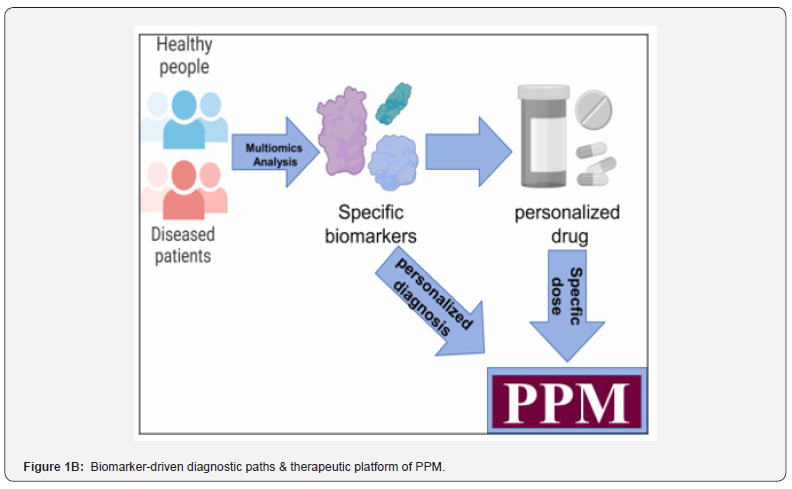
There are still many open questions in data-analytic research pertaining to biomarker development in the era of PPM, OMICS-technologies, Bioinformatics and IT-based resources, and Big Data. Among them is the question of what constitutes best practice for the extraction of prioritized lists of candidate biomarkers to be used in the right way in daily clinical practice and personalized therapy ecosystem (Figure 1A), as well in biomarker-driven drug discovery and development (Figure 1B).
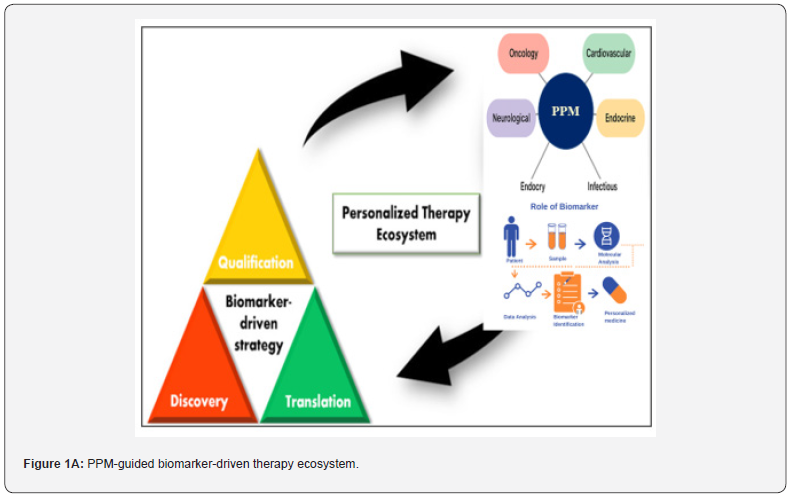
To develop PPM-guided clinical practice, the need to identify various disease stages of the patients is facilitated by biomarkers, which are mostly focused on multi-OMICS technologies. Molecular diagnostics is a biomarker-driven strategy to analyze and to assess the biomarkers as bio-entities. To achieve PPM for each patient, the potential biomarkers need to be identified, verified and evaluated, whilst forming a personalized therapy ecosystem.
A biomarker “lifecycle” is broken down into three stages - discovery, translation and qualification. Biomarker testing in the clinic generates real-world data/evidence that feeds back into (supports) all stages of biomarker-driven drug development. Increased efficiency in development leads to more clinically validated biomarkers that can be used in clinical practice as a key segment of personalized therapy ecosystem.
Biomarker-driven therapies have led to breakthroughs in personalized treatments for various diseases. For instance, in oncology, specific genetic mutations in tumors have been used as biomarkers to develop therapies targeting those mutations, leading to more effective and less toxic treatments. In other fields, such as cardiovascular disease and infectious diseases, biomarkers also guide treatment decisions.
PPM aims to offer accurate, biomarker-driven individualized treatment to patients and aid in the improved diagnosis, treatment, and prevention of diseases. Through analyzing the integrated panel of multi-OMICS data of each patient or person-at-risk, medical professionals can achieve a greater knowledge of how diseases develop, predict patient responses to drugs with greater precision, and formulate PPM-guided treatment plans. The latter can improve treatment outcomes while reducing the occurrence of unnecessary side effects and drug waste. As technology continues to advance and society provides support, PPM will expand the horizons of biomarker-driven medical care, enhance patient health and offer more efficient pharmacotherapeutic treatment.
As research continues to evolve, the promise of biomarker-driven therapies offers hope for more effective treatments and better patient outcomes.
Biomarkers being essential and crucial for the development of PPM and PPM-driven technologies, are used in the daily clinical practice as a generation of the ready-to-be-used monitoring tools in a broad scope of clinical settings to facilitate medical product development and inform patient care decisions. Along with clinical ecosystem, biomarkers are also used for drug development in the drug design-inspired translational research and applications [3,4,8-12].
A biomarker is a defined characteristic that is measured as an indicator of normal biological processes, pathogenic processes, or responses to an exposure or intervention, including therapeutic interventions. In this sense, among the main challenges to implementation of PPM into routine medical practice is a knowledge gap of professionals about biomarkers and biomarkers-driven tools to be used by the practitioners in their daily work.
Biomarkers can help to define subpopulations of patients who profit or do not profit from therapy. Relevant markers may differ between the various types of targeted therapy and are under continuous development. Any biomarker used as a basis for patient selection must be validated and demonstrate excellent sensitivity and specificity as the risk of not treating patients who might benefit would otherwise be unacceptably high.
Moreover, biomarkers are useful for enrichment in regular clinical trials and identifying the “right” patients to enroll in clinical trials, whilst acting their crucial role as key contributors to drug design, drug discovery and drug development success as a whole. Biomarkers are used in drug development to help define mechanisms of action, drug target selection, stratification, patient selection, enrichment, dose selection, safety assessment, efficacy assessment, molecular pathways leading to disease, and preclinical safety assessment [2,13].
The unique molecular and genomic heterogeneity of the living systems, including humans, constitutes a potentially rich source of candidate biomarkers. Screening for biomarkers as covariates within classic statistical models requires that error rates be controlled in a manner that accounts for test multiplicity [14]. In this sense, the refinement of a set of candidate biomarkers can be achieved through many different pipelines. But clearly, the identification of better candidate biomarkers at the beginning of the development pipeline will prove beneficial in the later stages of the process.
In general, biomarkers can indicate a variety of health or disease characteristics, including the level or type of exposure to an environmental factor, genetic susceptibility, genetic responses to exposures, markers of subclinical or clinical disease, or indicators of response to therapy. Thus, a simplistic way to think of biomarkers is as indicators of disease trait (risk factor or risk marker), disease state (subclinical or clinical), or disease rate (progression) [9,15].
Conceivably relevant biomarkers can be used to define subgroups of patients, and a patient’s subgroup affiliation can be incorporated into evidence-based medical decisions. Biomarkers such as Prostate-Specific Antigen (PSA)and specific mutations in genes (e.g., genes, encoding BRCA1/BRCA2, raising breast and ovarian cancer risk), have been utilized in clinical practice for some time [16]. And thus, expectations regarding the level of precision for such tools will likely be increased by the perception that Big Data and Data Banks (for example, clinical databases, high-throughput experimental datasets, IT-resources) can be translated into clinically relevant and useful information.
Biomarkers are extremely important in cancer research and Personalized and Precision Oncology (PPO); they are crucial for risk assessment, screening, differential diagnosis, prognosis determination, prediction of disease recurrence and response to therapy, and progression monitoring [3,15,17,18]. With cutting-edge proteomic and genomic technologies, DNA and tissue microarrays, gel electrophoresis, mass spectrometry, and protein assays, as well as improved bioinformatics tools, the evolution of biomarkers to reliably assess the results of cancer mitigation and therapy is now possible. Looking forward, a urine or a serum test for each stage of cancer may possibly drive clinical decision making, complementing, or even replacing presently available invasive methods [3,18].
Due to the individualization of cancer therapy, the identification of cancer- and oncology-specific biomarkers has become a foremost goal for cancer researchers [3,18]. The common usage of Prostate-Specific Antigen (PSA) in prostate cancer screening has prompted investigators to look for appropriate biomarkers for screening other kinds of cancer. Targeted medicines, such as Iressa® (gefitinib), Gleevec® (imatinib), and Herceptin® (trastuzumab), are currently available and may benefit from a more targeted treatment based on diagnostic testing.
In the clinic, biomarkers may help identify individuals who are most likely to react to a medication, enable real-time monitoring of treatment effectiveness, or detect early indications of drug toxicity. Furthermore, biomarkers are heavily used in go/no go decision making throughout the drug development cycle, from early discovery to preclinical assessment.
Meanwhile, with the emergence of more sensitive and specific technologies that are now able to be run in clinical settings and the ability to accurately measure biomarkers, there is a need to understand how biomarkers are defined, and how they are used in conjunction with drug treatment or with the frame of protocols of clinical trials [9-11].
Innovative clinical trial designs are needed to address the difficulties and issues in the development and validation of biomarker-based personalized therapies [13]. Designing trials for biomarker-guided therapy has many challenges, including:
a) being almost always unblinded, they are prone to bias
b) the control group, most frequently ‘usual care’ group, is open to contamination and has inevitably better outcome than in real non-trial ‘usual care
c) being per essence ‘strategy-trials’ rather than simple intervention trials, causality is difficult to establish
d) therapy optimization as a result of change in the tested biomarker may be left to the decision of the investigator, only instructed to follow best guideline medical therapy, or decided per-protocol using more or less sophisticated algorithms, which, although guideline-based, may vary according to the protocol [9-11].
Biomarker approaches have entered into early clinical trials and are increasingly being used to develop new diagnostics that help to differentiate or stratify the likely outcomes of therapeutic intervention [5-13]. The utility of biomarkers in the evidence-based clinical decision and personalized therapy guidance seeks to improve the patient outcomes and decrease wasteful and harmful treatment. Efficient and validated biomarkers are crucial for the advancement of diagnoses, better molecular targeted therapy, along with therapeutic, prophylactic and rehabilitative advantages in a broad spectrum of various diseases or pre-illness conditions. Despite recent advances in the discovery of biomarkers, the advancement route to a clinically validated biomarker remains intensely challenging, and many of the candidate biomarkers do not progress to clinical applications, thereby widening the innovation gap between research and application.
Biomarkers can be classified as antecedent biomarkers (identifying the risk of developing an illness), screening biomarkers (screening for subclinical disease), diagnostic biomarkers (recognizing overt disease), staging biomarkers (categorizing disease severity), or prognostic biomarkers (predicting future disease course, including recurrence and response to therapy, and monitoring efficacy of therapy) [5,19].
In strategic sense, there are three key categories of biomarkers, including:
a) diagnostic biomarkers (to identify individuals with a disease or condition of interest or to define a subset of the disease),
b) prognostic biomarkers (indicate the likelihood of a clinical event, disease recurrence, or progression),
c) predictive biomarkers (to identify individuals who are likely to experience a favorable or unfavorable effect from a specific intervention or exposure),
d) safety biomarkers
e) pharmacodynamic (response) biomarkers [20]
f) monitoring biomarker; and
g) susceptibility (risk) biomarkers (Figure 2).
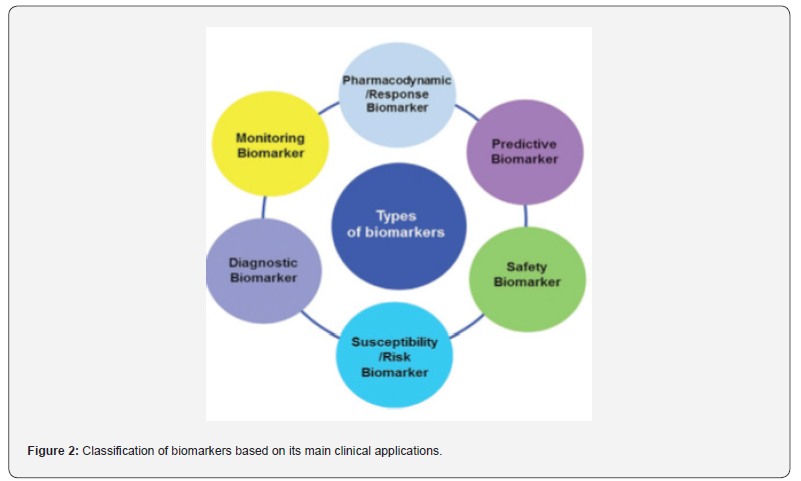
A canonical diagnostic biomarker is applied daily to identify individuals with a disease or condition of interest or to define a subset of the disease. A prognostic biomarker is used to estimate the outcome for a patient in the absence of a treatment. A predictive biomarker is used to estimate the benefit for a specific treatment, while being used to monitor the effectiveness of a prescribed treatment [21,22].
Analyzing and assessing the above-mentioned diagram, let me stress that predictive and pharmacodynamic biomarkers would play a crucial role in identifying patients or persons-at-risk who are more likely to respond favorably to specific treatments [1,2,8,9,11,12,16]. By unraveling the underlying molecular mechanisms associated with treatment response, these biomarkers pave the way for targeted interventions, optimizing treatment outcomes and minimizing unnecessary adverse effects. For instance, the identification of EGFR-related mutations in lung cancer, determines the response to EGFR inhibitors, leading to improved treatment efficacy and patient survival rates. The advent of those biomarkers has revolutionized the field of PPM, where treatments are tailored to individual patients based on their unique disease characteristics. By providing insights into the likelihood of treatment response, predictive biomarkers empower clinicians to make informed decisions and optimize therapeutic interventions [10].
In contrast to the fully validated and FDA-approved biomarkers, many exploratory biomarkers and biomarker candidates have potential applications. Prognostic biomarkers are of particular significance for malignant conditions and monitoring cancer-related conditions. Similarly, canonical diagnostic biomarkers are important in autoimmune diseases. Disease severity biomarkers are helpful tools in the treatment for chronic inflammatory diseases. Identification, qualification and implementation of the different kinds of biomarkers are challenging and frequently necessitate collaborative efforts. This is particularly true for stratification biomarkers that require a companion diagnostic marker (theranosticums) that is co-developed with a certain drug. The latter in the future of PPM, being and serving as a valuable guidance, would play a crucial role in clinical practice since are possessing their accuracy to be crucial for the success of the therapeutic, preventive, prophylactic and rehabilitative choice.
All emerging treatments and associated biomarkers require clinical trials to confirm their properties and to inform and influence daily clinical practices, as well regulatory reporting before achieving approval for professional and/or commercial release.
Biomarkers can be used in clinical settings to facilitate drug repurposing and inform patient care decisions, and can be incorporated into drug development through the drug approval process, scientific community consensus followed by regulatory acceptance, and biomarker qualification.
The involvement of biomarkers in clinical practices will be more and more common in the next 5–10 years because of the development in medical-related biological and transdisciplinary research, as well as in Biodesign-inspired and biotech-driven translational applications. More clinical questions need to be answered about the biomarker and its role in disease process, and therefore more biomarker-related clinical trials will be designed to answer those specific questions. More flexible trials serving multiple purposes are expected due to the intricate relation between biomarkers and the disease.
Meanwhile, a principally new generation of biomarkers is required that define all aspects of the variability of unified system indicators. For instance, circulating microRNAs (miRNAs) are attracting interest in the burgeoning field of PPM and associated subfields, with data supporting their diagnostic, prognostic and predictive biomarker potential. Effective miRNA profiling calls for reproducible, sensitive and specific tools with turn-around times fast enough to support Biodesign-inspired translational research and applications into what can be a rapidly changing disease progression and treatment environment.
Moreover, following the clinical aims and objectives of the next step generation and having a complete understanding of a drug’s pathway, interactome, and network interactions could expedite the identification of sensitizing mutations, drug interactions, or the risks of drug combinations to guide biomarker discovery, including simple, combinatorial, and Network-Based Biomarkers (NBBs) (Figure 3A & 3B).
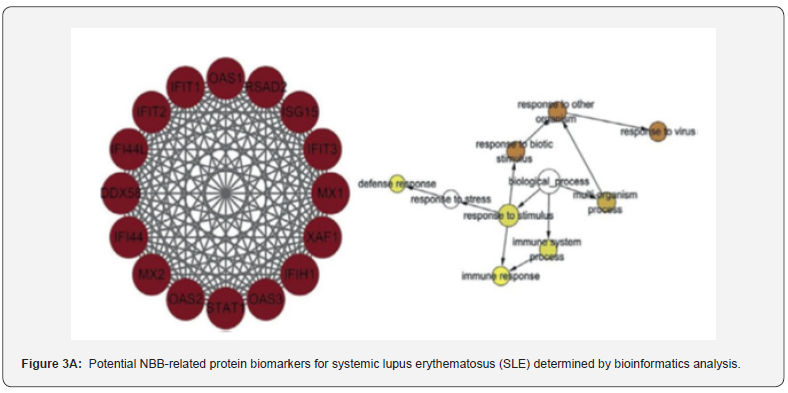
SLE is a heterogeneous autoimmune disorder, featuring with 90 (82 up- and 8 downregulated) Differentially Expressed Genes (DEGs) common to female LN-, female LN+, and male LN+ using the GSE65391 and GSE49454 gene expression datasets from Gene Expression Omnibus database. The Protein–Protein Interaction (PPI) network of 70 DEGs was constructed using STRING and cytoscape, and the Gene ontology and Kyoto Encyclopedia of Genes and Genomes pathway enrichment analysis showed that the PPI network was significantly enriched in defense response to virus, cytosol, protein binding, and measles. Sixteen hub genes were identified from this PPI network, and Literature Mining Gene Networks molecular of GenCLiP 2.0 showed strong interaction between STAT1, DDX58, and IFIT1. Enrichment analysis of hub genes in published literature showed the involvement of immune response and interferon-related genes in the pathogenesis of SLE. In addition, the transcription factors STAT1 and 2 and IRF6 and 9 had high Normalized Enrichment Score. The 70 DEGs with PPI network and 16 hub genes are potential biomarkers of SLE, and can help improve diagnosis and develop individualized therapies. NBBs, network-based biomarkers.
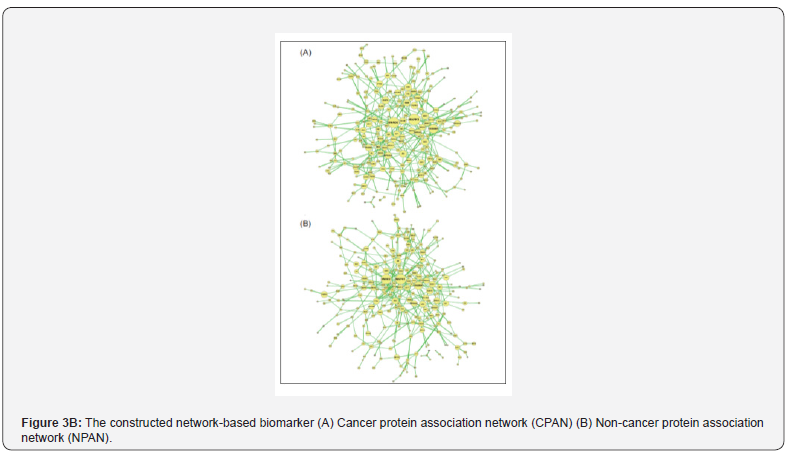
The node size is proportional to the CRV for each protein and the edge width represents the magnitude of the association ability between the two proteins. The figures are created using Cytoscape.
We may also identify specific pathways and interactome-based networks involved in diseases for which drugs have not yet been explored in appropriately designed trials. In this sense, NBBs help determine the probability of developing chronic pathologies or autoimmunity- or cancer-predisposed conditions. Key factors contributing to the growth of the global NBBs-related healthcare services market include high prevalence of chronic autoimmune diseases and cancer; rising adoption of biomarkers for diagnostic, predictive, and prognostic applications; and increasing application in drug discovery and development.
A NBB using constructed protein association networks is a useful tool to highlight the pathways and mechanisms of the lung carcinogenic process and, more importantly, provides potential therapeutic targets to combat cancer. From a systems perspective, the constructed network-based biomarker further evaluated the targeted carcinogenic process by use of significant protein identification and diagnostic evaluation. More importantly, the significant proteins identified by the NBBs give mechanistic insights into the carcinogenic process and provide potential therapeutic targets to combat cancer in the real clinical practice. Novel biomarkers may also identify specific pathways involved in risk, where drugs interrupting such mediator bio-targets have not yet been explored in appropriately designed trials [9,11].
The use of biomarkers is highly encouraged by regulatory agencies such as the US FDA and EMA to increase the efficiency and success rate of drug development and clinical trials. According to the FDA, biomarkers are one of the most important things we can strive for in drug development. The context of use of these biomarkers varies across the continuum of the drug discovery and development process. The FDA biomarker qualification program presents an opportunity for bioindustry stakeholders alike to propose biomarkers that may improve clinical trial design and implementation. Because biomarkers of the latest generations are evaluated on the risks of inaccurately diagnosing disease or predicting a therapeutic response, the margin of error is necessarily narrow.
As science advances, medical and regulatory frameworks continue to adjust and evolve to accommodate new tools and methods. As biomarkers become increasingly relevant in indicating the workings and effects of novel therapies, their potential as valuable clinical and regulatory endpoints is also gaining recognition. Biomarkers can play a crucial role throughout clinical development, especially in early phases. For novel therapies, they provide essential support in proving concepts, and advancing understanding of efficacy, safety and mechanism of action. All of this lays the groundwork for later phases, where regulators are becoming increasingly receptive to biomarkers as surrogate endpoints. The parallel evolution of novel therapies, biomarker endpoints and regulatory evolution may signal a new paradigm for clinical drug development over the coming years.
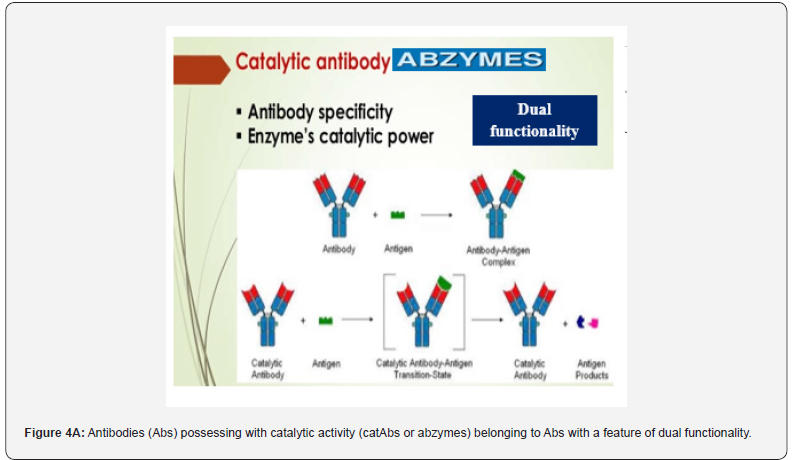
Regarding biomarkers of the latest innovative trends, let me add that along with canonical antibodies (Abs) serving a crucial role as biomarkers in clinical settings, some of the Ab-based families proven to occur are Abs possessing with catalytic activity (catAbs or abzymes) and thus to belong to Abs with a feature of functionality (Figure 4A & 4B)! [8].
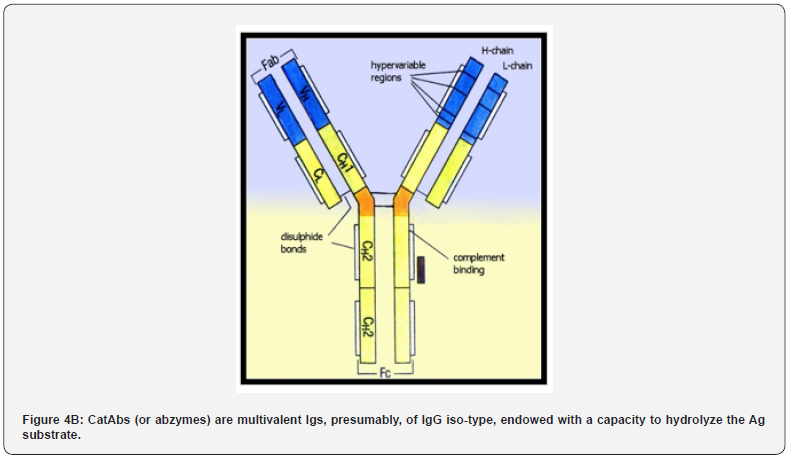
The property is buried in the Fab-fragment of the Ig molecule and is appearing to sound as a functional property of the Ab molecule. In this sense, proteolytic Abs (or Ab-proteases) as a significant portion of the big family of abzymes represent Abs endowed with a capacity to provide targeted proteolytic effect.
CatAbs (or abzymes) are multivalent Igs, presumably of IgG isotype, endowed with a capacity to hydrolyze Ags. The enzymatic activity is located in the Fab fragment of the Ig molecule, which endows such antibodies with the ability to bind to specific antigens and hydrolyze them. Proteolytic Abs (or Ab-proteases) represent a significant portion of the family of abzymes that PPM uses to target specific Ags. Because of their Ag specificity, Ab-proteases also may be used as biomarkers able to control autoimmune disease progression to transform from subclinical into clinical stages, and to predict complications. Moreover, sequence-specific Ab-proteases have proved to be greatly informative and thus valuable as biomarkers to monitor autoimmune diseases at both subclinical and clinical stages while demonstrating their predictive value for the development of the disorder [8].
You might see from the above-mentioned, that biomarkers can be used along with tools in clinical practice, as drug development tools and can be incorporated into drug development through the drug approval process, scientific community consensus followed by regulatory acceptance, and biomarker qualification. This would offer a new way to optimize treatment, decrease rehabilitation costs, and facilitate building new products and services in this area, viz. multimarker-based companion diagnostics.
For instance, biomarkers, defined as alterations in the constituents of tissues or body fluids, provide a powerful approach to understanding the spectrum of cardiovascular diseases and chronic autoimmune myocarditis with applications in at screening, diagnosis, prognostication, prediction of disease recurrence, and therapeutic monitoring.
The unique diagnostic and predictive potential of specific biomarkers and its efficacy correlating with phenotypical expression, would cover neuroinflammation and neurodegeneration, including the applications of biomarker-based strategy in Multiple Sclerosis (MS), Parkinson and Alzheimer diseases.
A comprehensive understanding of the relevance of each cancer biomarker will be very important not only for diagnozing the disease reliably, but also help in the choice of multiple therapeutic alternatives currently available that is likely to benefit the patients. Cancer biomarkers are broadly categorized into three divisions based on the specific signature it is associated with: diagnostic, predictive and prognostic biomarkers. The therapeutic potential of different biomarkers and their use in clinical trials has also been discussed. Despite the recent advancements, a comprehensive approach on biomarker biogenesis is required to integrate the available information and to translate them as tools of prognostic and diagnostic potential [5].
Biomarkers of the future would be used for:
a) screening the general population or individuals at risk (panels of screening and predisposition biomarkers);
b) the detection of the presence of a particular type of cancer (panels of diagnostic and prognostic biomarkers);
c) monitoring the progression of autoimmune inflammation, and predicting the complications and outcome (panels of prognostic biomarkers);
d) understanding whether a patient will benefit from a specific drug treatment (panels of predictive biomarkers); and
e) evaluating the drug’s efficacy and optimizing the treatment, providing the tool to tailor treatment for individual autoimmunity-related patients or persons at risk (panels of pharmacodynamics biomarkers).
Meanwhile, a number of limitations of multimarker-based panels should be acknowledged. These include potential multiplexing and analytical challenges in assaying multiple biomarkers at once as well as the challenges of interpretation for the clinician due to different cut-offs for each of the separate markers [14]. Nevertheless, it can be anticipated that scoring calculators and algorithms will increasingly use circulating biomarkers in combination with clinical variables to allow appropriate surveillance and fully informed counselling of the patients, persons-at-risk, their families and other stakeholders in the process of patient care.
Anyway, biomarkers have gained immense scientific and clinical value and interest in the practice of PPM and PPM-related subareas. Biomarkers are potentially useful along the whole spectrum of the disease process. During diagnosis, a set of specialized biomarkers can determine staging, grading, and selection of initial therapy. During treatment, they can be used to monitor therapy, select additional therapy, or monitor recurrent diseases and complications. Advances in multi-OMICS-technologies and molecular pathology have generated many candidate biomarkers with potential clinical value. In the future, integration of biomarkers, identified using emerging high-throughput technologies, into PPM-related evidence-based medical practice will be necessary to achieve ‘personalization’ of treatment and disease prevention [6,7].
A growing area of biomarker research in autoimmunity and cancer-related conditions is the search for biomarkers that can predict successful drug-free remission. Stratifying diseases classified according to phenotype is not the only way that biomarkers can be used to forge a molecular taxonomy of disease: they can do so also by breaking down the boundaries of current classifications. That is, biomarkers can be used to uncover molecular similarities between diseases thought to be distinct.
The use of biomarkers has transformed the design-driven drug discovery & development process, and pharmaceutical industry as a whole by allowing researchers and biodesigners to develop therapies that target specific pathways in diseases. Biomarkers and PPM have introduced a novel way of thought processes, appraising diseases, in applying novel advanced technologies, and emphasizing proactive and preventive medicines. By identifying how specific biomarkers correlate with diseases, pharmaceutical companies aim to develop drugs that are more effective and safer to individuals, and are thus investing heavily in targeted medicines, and with good reason. Tightly defined patient populations, selected via biomarker tests performed on cells, tissues, and blood, can boost success rates.
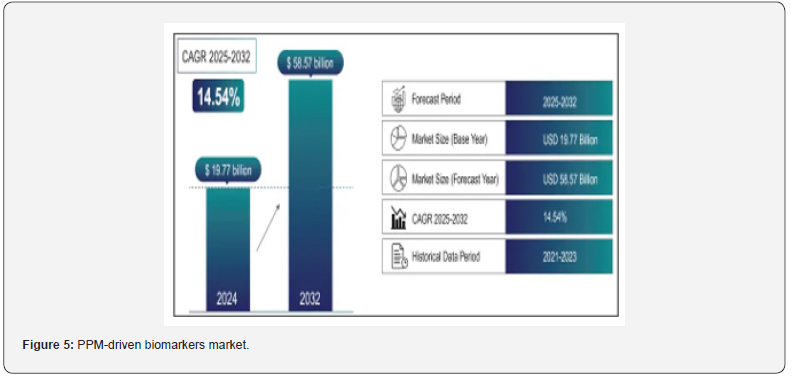
Biomarkers are providing value across the entire drug development spectrum and the shift is impacting both the patients, pre-illness persons-at-risk, and the entire landscape of the healthcare system. In this sense, the global Biomarkers Market is emerging as a critical segment of PPM, driven by the growing need for non-invasive disease detection and personalized healthcare (Figure 5).
The PPM-related biomarkers market was valued at USD 19.77 billion in 2024 and is expected to reach USD 58.57 billion by 2032, growing at a CAGR of 14.54% from 2025-2032. The market is rapidly advancing, driven by PPM and the demand for biomarker-driven targeted therapies. Biomarkers enable tailored treatments by identifying patients likely to respond to specific therapies, improving outcomes and reducing side effects.
The PPM-driven biomarkers market is rapidly expanding as healthcare ecosystems shift toward precision-based diagnostics and targeted treatment strategies. The market focuses on identifying biological indicators that enable PPM-driven diagnosis, prognosis, and therapy selection across chronic and genetic diseases. The PPM-driven biomarkers market analysis indicates increasing adoption across hospitals, diagnostic laboratories, and research institutes, supporting early detection and improved clinical outcomes through biomarker-driven healthcare solutions. In this sense, continuous collaborations between clinical hospitals, practitioners, biodesigners, bioengineers and academic institutions, along with increasing funding for biomarker discovery and validation, are expected to strengthen commercialization efforts. As demand for minimally invasive diagnostics continues to rise, upgraded generations of biomarkers are positioned to play a transformative role in the future of disease detection and clinical decision-making.
References
- Carrigan P, Krahn T (2015) Impact of Biomarkers on Personalized Medicine. In: Nielsch U, Fuhrmann, U, Jaroch S (eds) New Approaches to Drug Discovery. Handbook of Experimental Pharmacology pp. 232.
- S Food and Drug Administration (2016) The BEST Resource: Harmonizing Biomarker Terminology.
- Handbook of Biomarkers and Precision Medicine (2019) In: Carini C, Fidock M, Gool AV (1st), ImprintChapman and Hall/CRC, New York.
- Chaffey B, Silmon A (2016) Biomarkers in personalized medicine: discovery and delivery. The Biochemist 38(1): 43-47.
- Das S, Dey MK, Devireddy R, Gartia MR (2024) Biomarkers in cancer detection, diagnosis, and prognosis. Sensors 24(1): 37.
- Jiang Z, Zhang H, Gao Y, Sun Y (2025) Multi-omics strategies for biomarker discovery and application in personalized oncology. Mol Biomed 6(1): 115.
- Chen C, Wang J, Pan D, Wang X, Xu Y, et al. (2023) Applications of multi-omics analysis in human diseases. MedComm 4(4): e315.
- Silverstein A, Dudaev A, Studneva M, Aitken J, Blokh S, et al. (2022) Evolution of biomarker research in autoimmunity conditions for health professionals and clinical practice. In: Chapter 8. Progress in Molecular Biology and Translational Science 190(1): 219-276.
- He P (2015) Personalized medicine: challenges in biomarker-related clinical trial design. Clin Invest (Lond) 5(2): 175-188.
- Kraus L (2023) Predictive Biomarkers: Shaping the Future of Personalized Medicine. Biomarkers Journal 9(2): 20.
- Lai TZ, Lavori PW, Shih MIC, Siki BI, Genis AB, et al. (2018) Clinical trial designs for testing biomarker-based personalized therapies. Transitioning from usual care to biomarker-based personalized and precision medicine in heart failure: call for action. European Heart Journal 39(30): 2793-2799.
- Fountzilas E, Tsimberidou AM, Vo HH (2022) Clinical trial design in the era of precision medicine. Genome Med 14(1): 101.
- Yendamuri S, Dragnev KH (2024) Biomarker-Driven Personalized Immunoprevention: Toward More Efficient Clinical Trials? Cancer Prev Res (Phila) 17(9): 399-400.
- Bayes GA, Llanos OJ (2015) Multiple biomarker strategies for risk stratification in heart failure. Clin Chim Acta 443: 120-125.
- Fox N, Growdon JH (2004) Biomarkers and surrogates. Neuro Rx 1 :181.
- De SJ, Carlson B, Caputa N, Vojta D, Sandy L, et al. (2013) Growth of molecular diagnostics and genetic testing in the USA, 2008–2011: analysis and implications. Pers Med 10: 785-792.
- Dewik NIA, Salma N, Essa MM, Pathak S, Qoronfleh W (2022) Making Biomarkers Relevant to Healthcare Innovation and Precision Medicine. Processes 10(6): 1107.
- Gutman S, Kessler LG (2006) The US Food and Drug Administration perspective on cancer biomarker development. Nat. Rev. Cancer 6: 565–571.
- Biomarkers Definitions Working Group (2001) Biomarkers and surrogate endpoints: preferred definitions and conceptual framework. Clin Pharmacol Ther 69(3) :89-95.
- Antona RC, Taron M (2015) Pharmacogenomic biomarkers for personalized cancer Treatment. J Intern Med 277: 201-17.
- Jameson JL, Longo DL (2015) Precision medicine: personalized, problematic, and promising. N Engl J Med 372: 2229-2234.
- Bernardini R, Gancitano G, Balice A, Mauro RD, Cantarella G, et al. (2018) Personalized medicine: biomarkers and companion diagnostics. Farmeconomia. Health economics and therapeutic pathways 19(1): 21-26.

























