




 GJPPS Home



Abstract
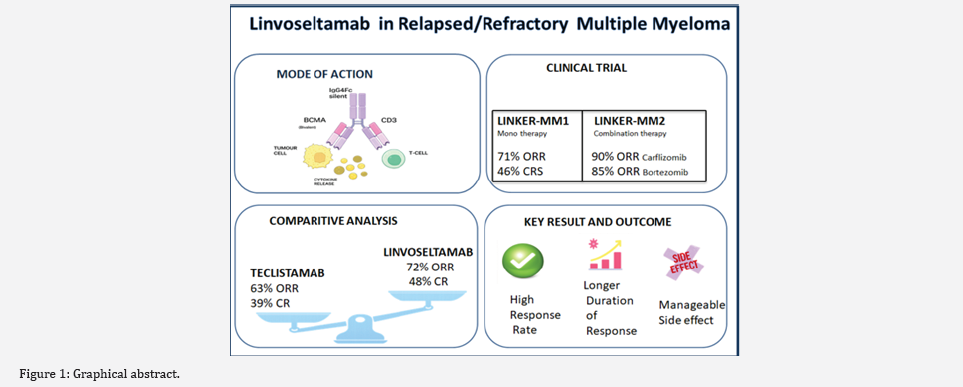
Patients with relapsed or refractory multiple myeloma (RRMM), a kind of blood cancer, desperately need novel, efficient, and well-tolerated treatments that can induce long-lasting remission. In this article we discuss the working mechanism, clinical development, and comparative analysis of linvoseltamab. The clinical development of linvoseltamab was primarily evaluated in two key studies. First one is Linker-MM1 trial. This study focused on determining safety, tolerability, and preliminary efficacy. Effects in the linker-MM1 study, including an objective response rate of around 71%. Common side events included neurological toxicity at 52%. In addition, the ongoing Linker-MM2 trial is investigating linvoseltamab in combination with proteasome inhibitors which include carfilzomib or bortezomib as combination partners. To further assess its clinical benefit, linvoseltamab was compared with teclistamab, another BCMA-targeting bispecific antibody. The indirect comparison with teclistamab indicated that linvoseltamab produced better clinical outcomes. Managing the recognized adverse effects, including CRS and infections, is one of the ongoing challenges.
Keywords:Linvoseltamab; Regeneron Pharmaceuticals; Multiple Myeloma; FDA-Approved, Refractory or Relapsed Multiple Myeloma; Bi- Specific Monoclonal Antibody; b-Cell Maturation Antigen; cd3; T-cells; Linker-MM1; linker-MM2; Objective Response Rate; Overall Survival; Duration of Response; Neurologic Toxicity; Cytokine Effector Cell-Associated Neurotoxicity; Triple Class Exposed
Abbreviations:RRMM: Relapsed or Refractory Multiple Myeloma; MM: Multiple Myeloma; MGUS: Monoclonal Gammopathy of Undetermined Significance; SMM: Smoldering Multiple Myeloma; ndMM: Newly Diagnosed Multiple Myeloma; HRD: High-Risk Disease; IMWG: International Myeloma Working Group’s; IMID: Immune Modulator Medications; MABS: Monoclonal Antibodies; PIS: Proteasome Inhibitors; MSCS: Mesenchymal Stromal Cells; FDA: Food and Drug Administration; BCMA: b-Cell Maturation Antigen; cd3: Cluster of Differentiation 3; TNF: Tumor Necrosis Factor (Figure 1)
Introduction
About multiple myeloma
A specific form of cancer known as multiple myeloma develops within certain types of immune cells, specifically plasma cells [1]. In individuals afflicted with multiple myeloma, tumorous growths develop within areas of denser tissue within their bones, arising from the uncontrolled proliferation of abnormally behaving plasma cells found in their bone marrow. As they grow, these tumors degrade bone structures. Additionally, this situation impairs the bone marrow’s capacity to generate viable red blood cells and clotting factors [2]. Healthy plasma cells manufacture antibodies that help combat diseases. Antibodies combat pathogens through specific mechanisms of action [1]. Multiple myeloma (MM) accounts for 0.9% of all malignancies and 10% of haematological tumors, making it the second most common blood cancer [3]. In 2019, 155,688 instances were reported nationwide [4]. Multiple myeloma is expected to cause about 36,000 new cases per year, and by 2025, 12,300 people may die from the condition [5].
Causes
multiple myeloma (MM) develops through a complex series of genetic and molecular changes. Its initiation and progression are influenced by factors such as aneuploidy, chromosomal translocations, genetic mutations, and epigenetic alterations. When dna double-strand breaks occur alongside other genetic abnormalities, they can lead to chromosome translocations and abnormal gene fusions. These oncogene-related translocations play a crucial role in the development of disorders such as monoclonal gaMMopathy of undetermined significance (MGUS), smoldering multiple myeloma (SMM), and multiple myeloma (MM) [4]. Numerous environmental factors, such as exposure to radiation, organic solvents, pesticides, agent orange, alcohol, and obesity, can contribute to the development of the condition [6]. Around 20% of individuals with newly diagnosed multiple myeloma (ndMM) present with high-risk disease (hrd). In this meta-analysis, 2,340 newly diagnosed MM patients (including 1,982 with standard risk and 358 with high-risk cytogenetics) and 673 patients with relapsed or refractory MM were included [3].
Cytogenetics plays a crucial role as a prognostic indicator in assessing risk. Adverse effects are mostly linked to three prevalent genetic abnormalities: translocations t (4;14) and t (14;16), and deletions on chromosome 17p. Furthermore, irregularities involving chromosome 1 are also indicative of a poor prognosis [7]. Despite advancements in treatments for anti-myeloma, multiple myeloma (MM) remains an incurable blood cancer. There is a demand for therapies that are well-tolerated and employ various mechanisms to achieve deep and enduring remission... [3]. The covid-19 pandemic has put a significant strain on health systems globally and contributed to morbidity and mortality. Infections are more common in individuals with multiple myeloma (MM). In 2020, MM patients had a greater excess mortality (9%, 95%) (cl: 4.4-13.2) and increased risk of contracting sars-cov-2 infection (RR: 2.09, 95% cl: 1.58-2.76) than non-MM patients [8]. At least 10% of the bone marrow must contain clonal plasma cells, according to the international myeloma working group’s (IMWG) diagnostic criteria for MM. Nearly all MM patients eventually experience another relapse. Actually, multiple remissions and relapses are hallmarks of MM [7]. Among the common drug classes are immune modulator medications (IMID), anti-cd38 monoclonal antibodies (MABS), proteasome inhibitors (PIS), and others [9].
The full implications of triple-class exposure to intensive pre-treatment (which includes at least a pi, IMID, and anticd38 monoclonal antibody) are not yet fully understood [10]. Induction, consolidation, and maintenance are the three stages of conventional MM treatment [11]. The complex interaction between multiple myeloma (MM) cells and mesenchymal stromal cells (MSCS) leads to an overproduction of growth factors and cytokines that support and sustain tumour development, progression, and treatment resistance [12]. There are three patient groups when it comes to relapsed and/or refractory conditions. The first is a category of individuals with “relapsed” disease, which comprises those whose initial progression happens without any treatment after a successful initial course of treatment.
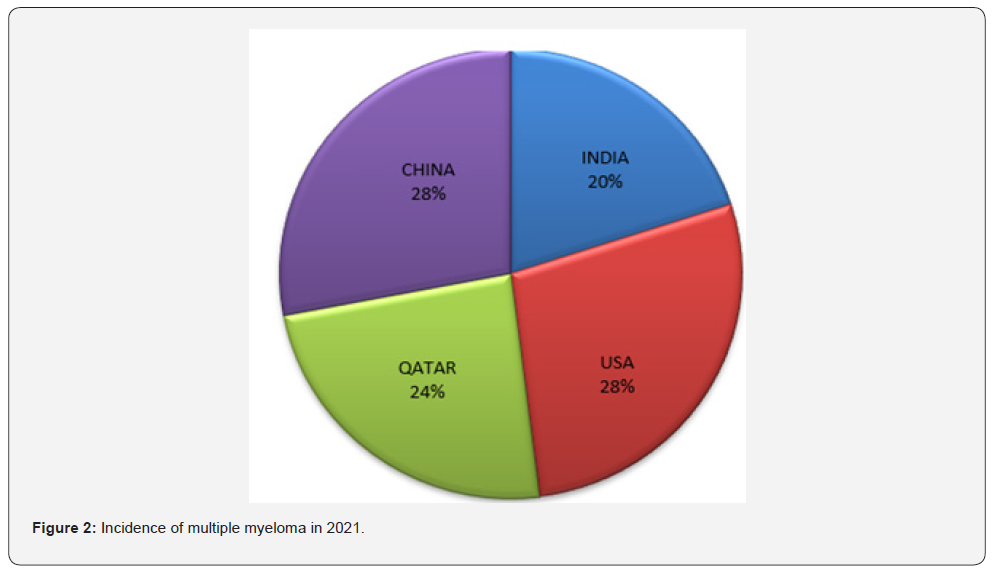
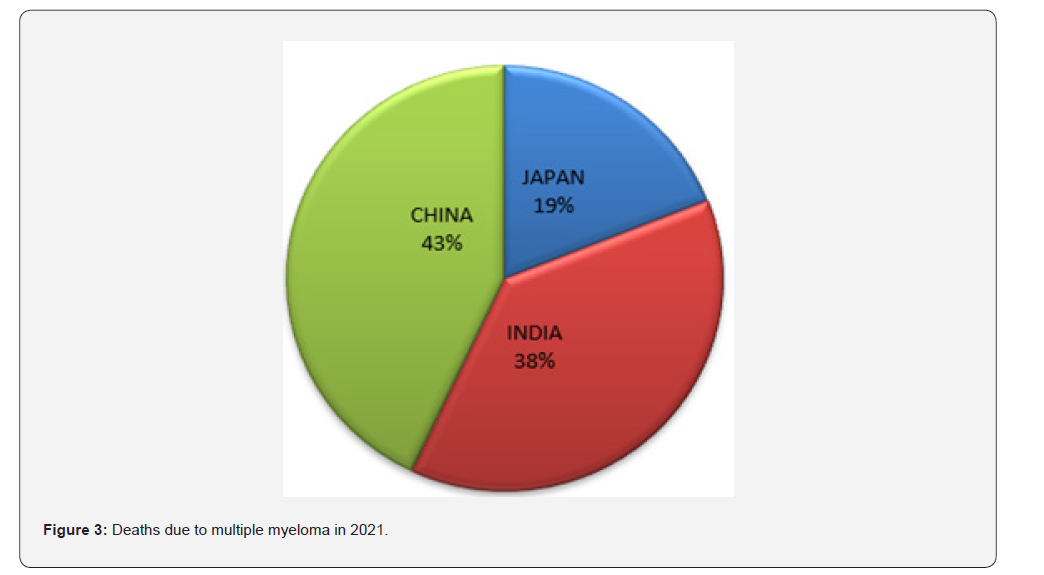
Patients with relapsed and refractory disease-defined as progression on a particular therapy- make up the following category. Primary refractory individuals, the last category, are a potentially difficult group of patients who did not respond to induction therapy [13]. (age-standardized prevalence rate): a statistical metric that compares the frequency of an illness or condition in several populations while accounting for variations in age distribution. With an ASPR of 23.18/100,000, Australia had the highest MM in 2021. Western Europe came in second with 15.99/100,000, and the Caribbean took 10.47/100,000. In comparison, central Africa has the lowest ASPR values (0.53/100,000) [14]. The United States (17690), china (17250), Qatar (15000), and India (12590) had the highest incidence of MM in 2021 as shown in (Figure 2) [14]. The countries with the greatest recorded MM death rates in 2021 were china (12980), India (11640), and Japan (5800) as shown in (Figure 3) [14].
About linvoseltamab
Lynozyfic, a brand name for linvoseltamab, was approved for medical use in the us in July 2025, following its clearance in Europe in April 2025. Linvoseltamab us prescribing information includes an enclosed alert for neurologic damage, including immunological effector cell-associated neurotoxicity and potentially fatal cytokine release syndrome [15]. On July 2, 2025, Lynozyfic received accelerated approval from the uUS food and drug administration (FDA) for the treatment of patients with relapsed or refractory multiple myeloma [3]. A bi-specific monoclonal antibody called linvoseltamab targets both cd3 and b-cell maturation antigen (BCMA) [16]. In patients with RRMM, including those with highrisk myeloma and a significant tumour load, linvoseltamab 200 mg produced profound responses [17]. Intravenous infusion is the method of administration. Additionally, do not freeze; instead, keep in the refrigerator between 2° and 8°. Shield from the light [18]. A complex interaction between genetic changes, epigenetic dysregulation, and support from the bone marrow environment drives the development of multiple myeloma (MM) disease [17]. Linvoseltamab can bind to myeloma cancer cells and t cells simultaneously. It serves as a link that brings t cells close to the cancer cells. This interaction activates the t cells, causing them to release toxic substances that kill the tumor cells [19].
Development
Description
Drug name: linvoseltamab
Brand name: Lynozyfic
Other name: regn5458, regn-5458, linvoseltamab-gcpt
Type: whole antibody
Molecular formula: c6455h9955n1721s47
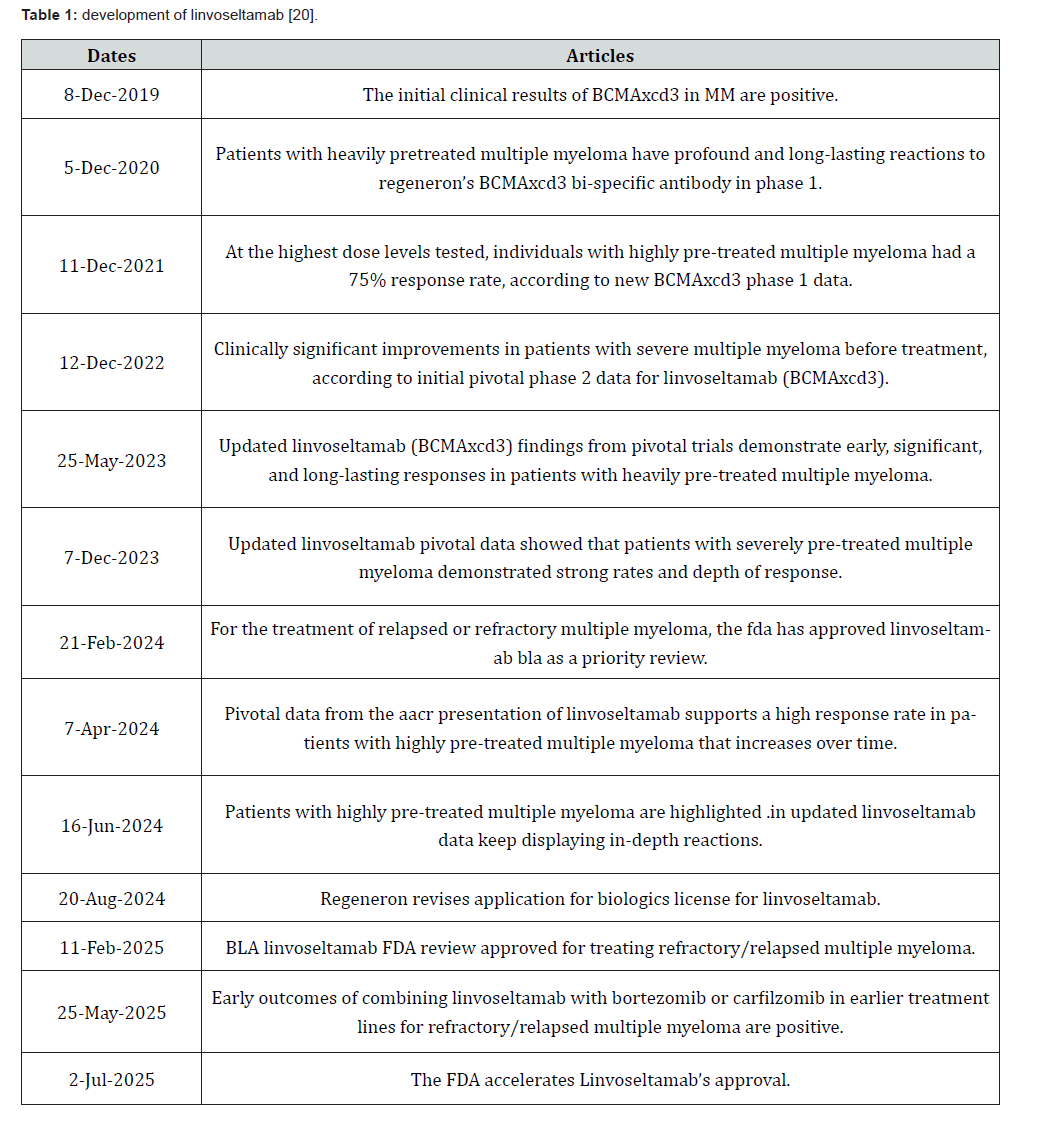
Molecular weight: 145800.47 g/mol or 146 kda (Table 1)
[20,21].
Target: cd3 and BCMA
Manufacturer: it is manufactured by the United States
at Regeneron pharmaceuticals, inc., 81 Columbia turnpike,
Rensselaer, new york 12144 [22,23].
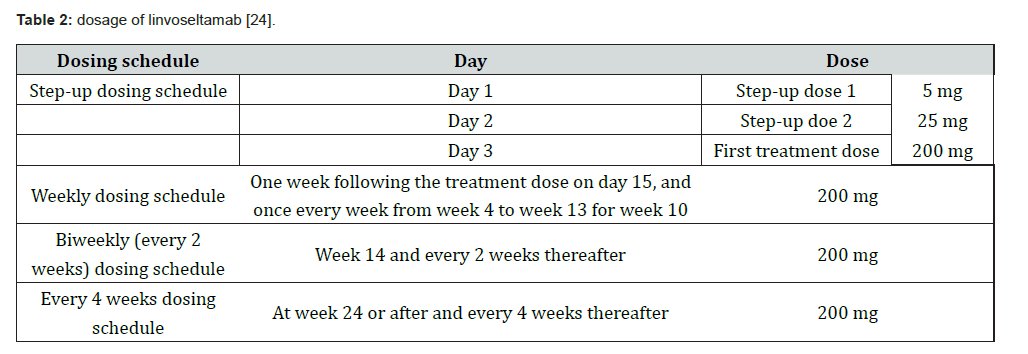
Dosage and administration
Mode of action
Linvoseltamab is designed to bind to BCMA (beta-cell maturation antigen), a compressed protein strongly expressed on myeloma cell surfaces. This makes it a very curious pharmacological target (Table 2) [24,25]. On myeloma cells and cd3 (cluster of differentiation 3) on t cells, which play crucial roles in the immune system. By creating a link between these two types of cells, linvoseltamab brings t cells near the cancer cells, prompting them to release toxic substances that kill the tumour cells as illustrated in (Figures 4 & 5) [26].
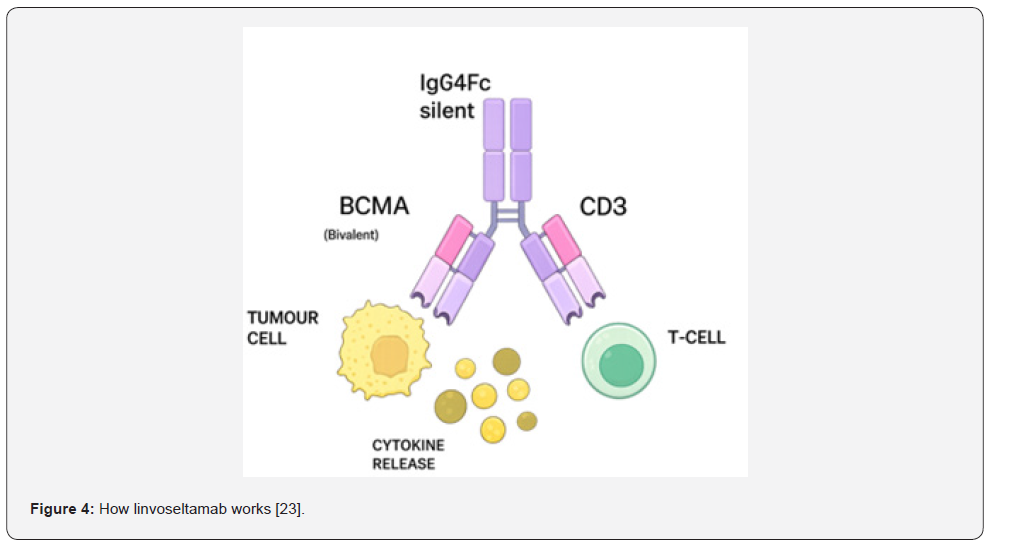
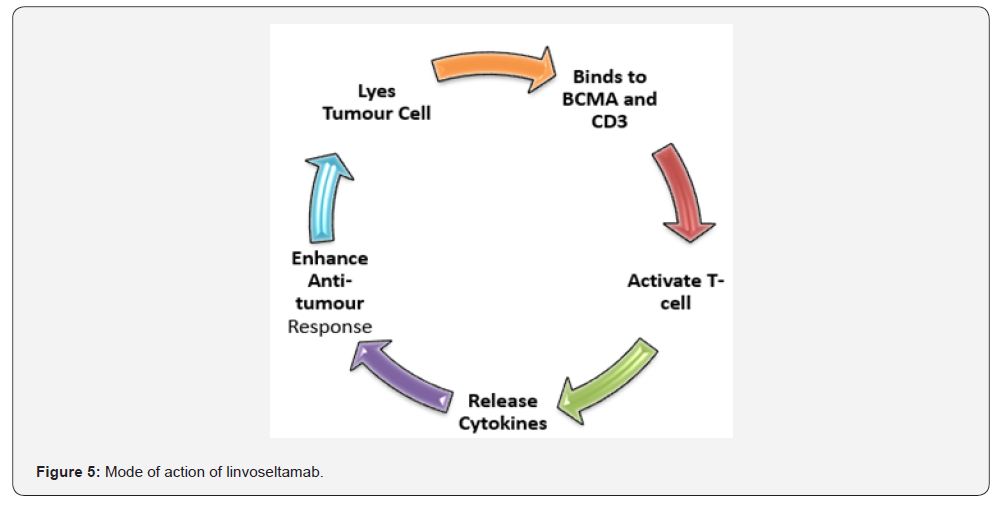
A bispecific monoclonal antibody known as linvoseltamab binds to cd3 on t cells and BCMA on myeloma cells, bringing these two types of cells into closer proximity. This interaction activates t cells, forming an immunological synapse that leads to specific cytotoxicity aimed at plasma cells that express BCMA. Linvoseltamab enhances t-cell activation, proliferation, and the release of pro-inflammatory cytokines such as interleukin-2 (il- 2), tumor necrosis factor (TNF), and interferon-γ (IFN-γ) during this interaction. These cytokines further enhance anti-tumour responses and assist in the lists of tumour cells [27].
Binding epitope
Linvoseltamab 3.4 å cryo em structure. A disulphide bond stabilizes the long, heavy chain cdr3 of linvoseltamab, which is shown in the fab fragment attached to the BCMA extracellular domain. This bond is crucial for binding because it inserts into a groove on the BCMA surface. Linvoseltamab interacts with 16 BCMA residues in total, most of which overlap with the teclistamab and Elranatamab epitopes that have been identified. But linvoseltamab also attaches itself to the very end of BCMA’s n-terminus, indicating that it has a specific binding orientation and is oriented towards the BCMA n-terminus [28].
Pharmacodynamic
Linvoseltamab promotes t-cell reprogramming and the formation of immunological synapses by binding to cd3 on t cells and BCMA on malignant plasma cells. This association leads to the selective lists of myeloma cells that express BCMA and facilitates t-cell activation, proliferation, and production of pro-inflammatory cytokines. T-cell activation markers and dosedependent elevations in cytokine levels, such as il-2, IFN-γ, and TNF, were observed as early as the first dosage. These increases were associated with declines in the concentration of soluble BCMA and tumour burden [27].
Pharmacokinetic
Adsorption
Cmaxa)
After the 12th 200-mg dose: 127 mg/l
b) After the 16th 200-mg dose: 97.9 mg/l
c) Steady-state at week 28: 64.8 mg/l [27].
Distribution
The calculated mean (cv%) of linvoseltamab volume of distribution at equilibrium is predicted by the overall pharmacokinetic model to be 7.05 l (33.6%) [29].
Metabolism
Like other medicinal protein compounds, garadacimab is likely to be metabolized down into more compact peptides and amino acids by non-specific catabolic mechanisms [27].
Elimination
A nonlinear, saturable, target-mediated pathway and a linear, non-saturable catabolic process work in tandem to eliminate linvoseltamab [27]. At baseline, linvoseltamab-gcpt clearance was 0.68 l/day (52.2%), and at steady state, it was 0.43 l/day (83.8%). A 97% decrease in Cmax will be expected with linvoseltamab-gcpt at a median (5th to 95th percentile) time of 77.7 (18 to 154) days following the last dosage [30].
Methods
Pre-clinical and clinical studies
In vitro study
Researchers tested the binding capabilities of regn5458 and linvoseltamab to BCMA proteins (targets on specific cells) using a technique known as SPR-biocore, which measures how strongly molecules interact with each other. Regn5458: it shows strong binding to the human BCMA protein and a weaker one to the monkey BCMA protein. It shows no binding to either mouse or rat BCMA. Linvoseltamab: it did not bind to rat or mouse BCMA but bound strongly to human BCMA and weakly to monkey BCMA.
T cell binding
Primary t cells- actual immune cells extracted from humans and cynomolgus monkeys- were used to test linvoseltamab. It showed similar binding affinity to both monkey and human t cells.
Jurkat t cell binding
Jurkat cells, a common t cell model used in research, were also
used for testing.
Two types of jurkat cells were employed:
a) Jurkat/nfat-luc – these have normal human cd3 on their
surface.
b) Jurkat/nfat-luc/mfcd3 – these were engineered to have
monkey cd3 instead of human cd3.
Linvoseltamab demonstrated binding capability to both
human and monkey jurkat cells.
1.1.1. Binding to engineered hek293 cells
“laboratory-grown cells, like hek293 cells, are often used for studying protein interactions. Hek293/hBCMA (human BCMA) shows strong binding to linvoseltamab. Hek293/mfBCMA (monkey BCMA0) showed strong binding with linvoseltamab. Although linvoseltamab binds to its targets (BCMA and cd3), it does not kill cdc (complement-dependent cytotoxicity) or ADCC (antibody-dependent cellular cytotoxicity). It was designed as an igg4 antibody that prevents these “extra killing” pathways; therefore, this procedure is deliberately done. It does not directly activate NK (natural killer) cells or complement; rather, it only brings t cells close to myeloma cells so that the t cells may carry out the killing.
In vivo study
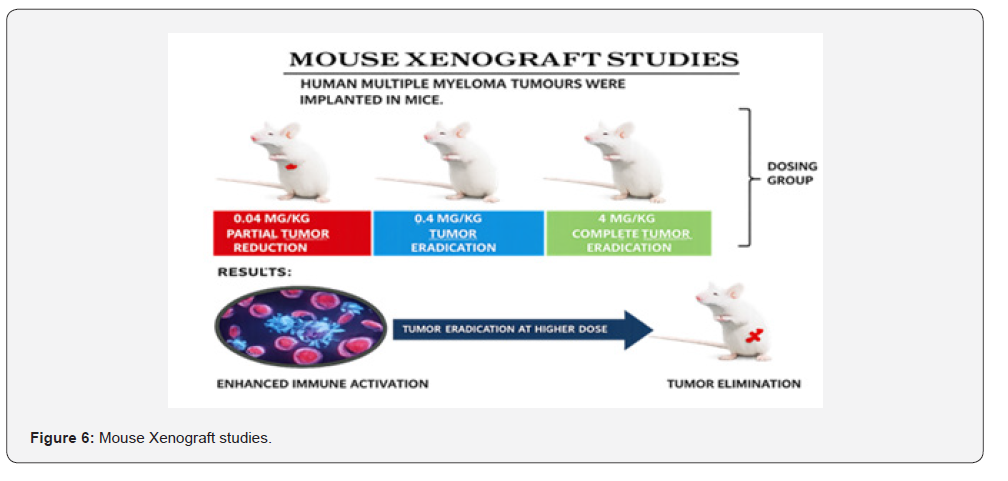
Mouse xenograft studies
Human multiple myeloma tumours were implanted in mice by the researchers. The mice were given varying doses (0.04, 0.4, and 4 mg/kg).
Results
all animals had their tumours eradicated at the end of treatment at 0.4 and 4 mg/kg; the effect was less noticeable at 0.04 mg/kg. Increased immune activation and tumour elimination result from higher dosages as demonstrated in (Figure 6).
Mice co-implanted with human immune cells + tumors
Mice were co-implanted with human cells and tumour cells treated with a 0.04, 0.4, or 4 mg/kg dose.
Results
tumour growth was inhibited at 0.4 and 4 mg/kg, but not in the control group. Mice remain tumour-free until day 55, 4 weeks after the last injection. The 4 mg/kg dose exhibited significantly stronger tumour control by day 19 compared to 0.4 mg/kg [22].
Pivotal clinical trials of Linvoseltemab
Linker-MM1 (phase 1/2 trial)
Design and supervision of the study
The linker-MM1 experiment was a phase 1/2, open-label, first-in-human (fIH) investigation. Both dosage expansion and dose escalation are included [31]. The us (14), south Korea (3), Belgium (2), Germany (2), and Spain (2) were among the 23 locations around the world where the clinical trial was conducted [32]. Patients with refractory or relapsed multiple myeloma (MM) who had undergone at least three previous lines of treatment- including an anti-cd38 antibody, an immunemodulatory medication, and a proteasome inhibitor (IP) - were included in the research [31]. To guarantee participant safety and ethical compliance, the study was carried out in agreement with international ethical norms, including the declaration of Helsinki and good clinical practice standards. The study protocol and any modifications were examined and approved by the independent ethics committee at each site [32].
Dosing schedule
They employed a step-up dosage strategy, starting with small
doses (50 mg) before administering the full amount (200 mg), to
reduce cytokine release syndrome [26].
Weeks 1-14 = take 200 mg once a week.
Weeks 15-24 = take every 2 weeks.
After 24 weeks = if the response is good, take every 4 weeks
[33].
Before step-up dosages and the first full dose, patients used NSAIDS, dexamethasone, antihistamines, or acetaminophen to avoid side effects. After the first two step-up dosages, patients were initially required to remain in the hospital for 24 hours; however, this requirement was gradually lowered [32].
Phase 1: the primary focus of linker-MM1’s phase i doseescalation
component was to assess the medication’s safety,
tolerability, and dose-limiting toxicities at nine distinct dosage
levels and delivery times [31].
Phase 2: objective response rate (ORR) is the major target of
phase ii, whereas duration of response (DOR), progression-free
survival (PFS), low residual disease negativity rate, and overall
survival (OS) are important secondary outcomes [31].
Outcome
Linker-MM2 (combination therapy)
Linvoseltamab in combination with carfilzomib or bortezomib
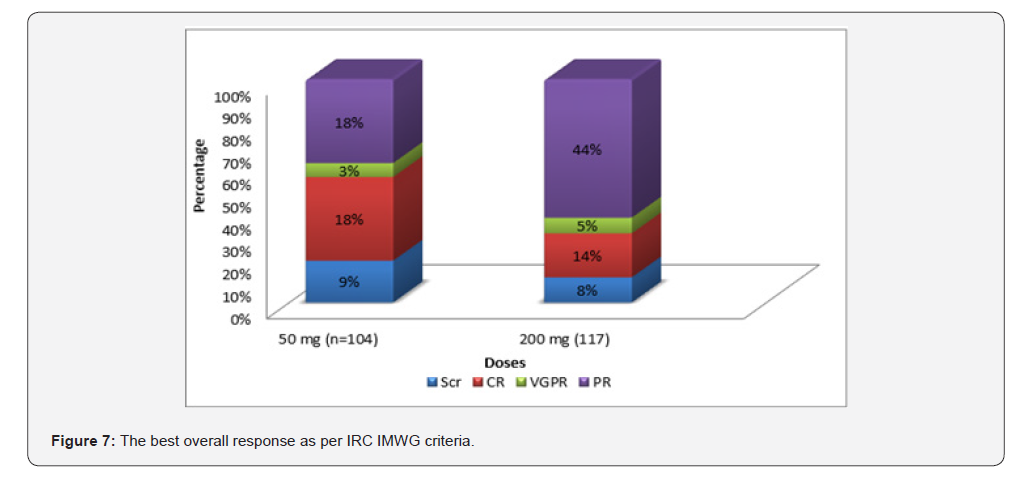
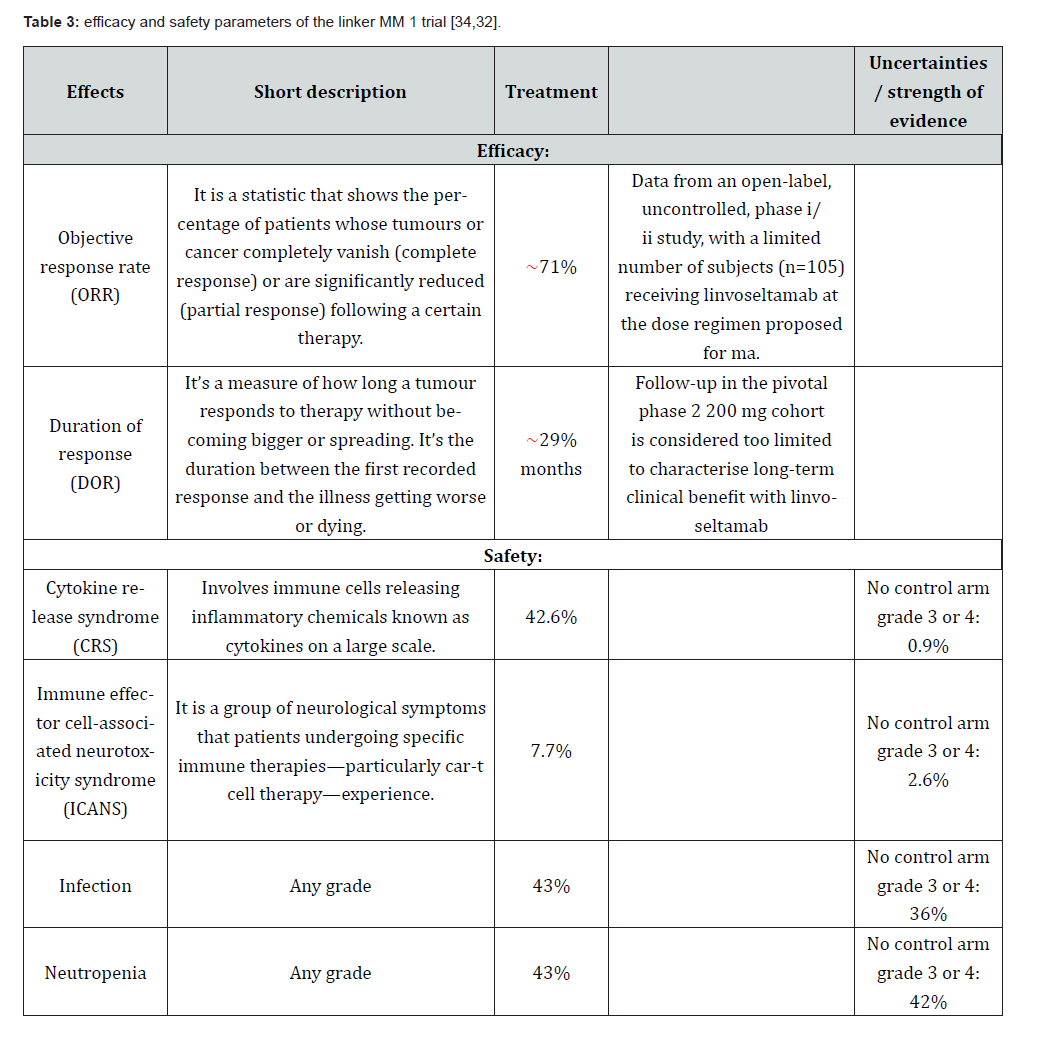
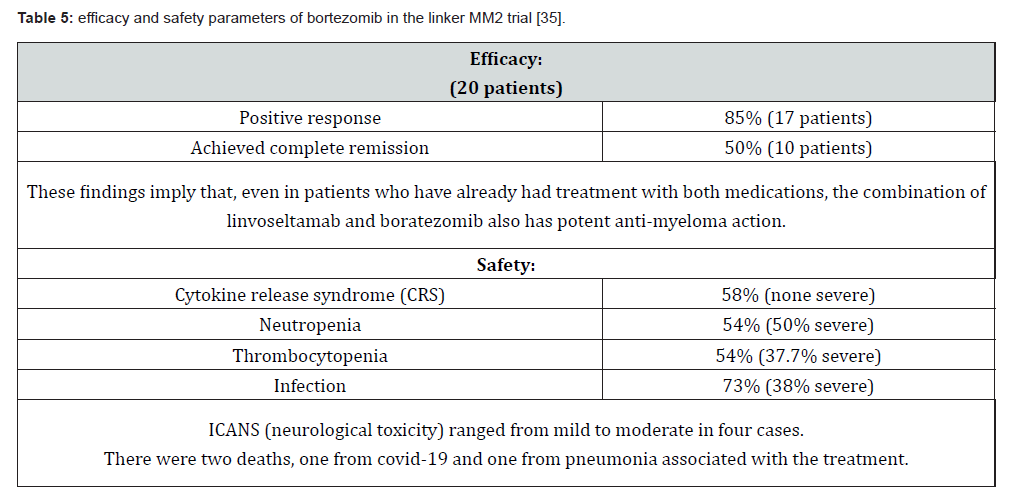
Combination of linvoseltamab with other anti-cancer drugs, especially proteasome inhibitors like carfilzomib and bortezomib. Linker-MM2, an ongoing phase 1b clinical study, aims to evaluate the safety and effectiveness of linvoseltamab in conjunction with these proteasome inhibitors in patients with r/r MM. The main goal of the linker-MM2 study is to ascertain whether combining linvoseltamab with proteasome inhibitors can improve treatment results for patients whose illness has already progressed after numerous lines of therapy (Table 3) (Figure 7) [32,34,35]. Because linvoseltamab showed encouraging results when used as a monotherapy in earlier studies, researchers anticipated that combining it with popular MM drugs might produce even more effective and long-lasting effects.
We are testing the following combinations:
Carfilzomib + linvoseltamab
bortezomib + linvoseltamab
Carfilzomib and bortezomib are examples of protease inhibitors that stop cancer cells from getting rid of damaged proteins, which leads to cell death. This combination is designed to attack myeloma cells in multiple ways. Patients and doctors are both aware of the treatments being given because the linker-MM2 trial is an open-label phase 1b study. The study’s target population is adults with refractory or relapsed multiple myeloma who have previously undergone at least two lines of treatment [36]. Patients were divided into two main groups, or “cohorts”.
Group of carfilzomc combinations, Combination group for bortezomib. Before starting the combined medication, patients received step-up doses of linvoseltamab alone (100 mg, 150 mg, or 200 mg) to lessen the risk of immunological adverse effects. A proteasome inhibitor (bortezomib or carfilzomib) was added to the treatment plan after this induction phase [37].
a) Group of carfilzomib combinations
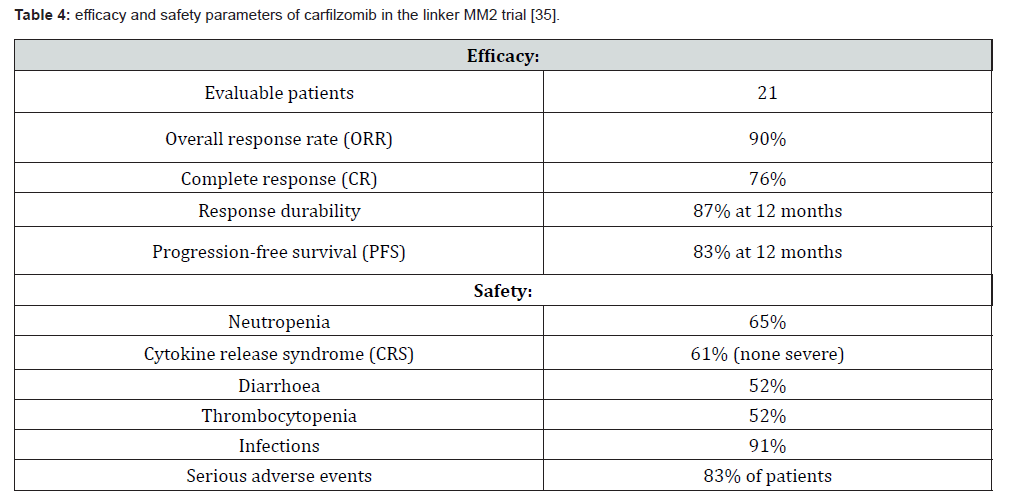
Twenty-three patients who had previously been exposed to proteasome inhibitors were treated in the carfilzomib group. Because 48% of the patients had soft tissue plasma-cytomas and 39% of the patients were over 75, the group was deemed high-risk outcomes: The combination of drug treatment showed remarkable effectiveness with controllable but noticeable side effects as shown in (Table 4) [37].
b) Group of bortezomib combinations
The study’s second arm examined 24 patients receiving bortezomib and linvoseltamab together. Before bortezomib was added, linvoseltamab dosages of 100 mg and 200 mg were administered to six and eighteen individuals, respectively.
Outcomes
In a patient group that is challenging to treat, the combination of linvoseltamab with either carfilzomib or bortezomib has shown good anti-tumor effectiveness and tolerability as displayed in (Tables 4 & 5). These preliminary findings are encouraging for the development of immune-based combination treatments for multiple myeloma that are more effective. With continued clinical research and international cooperation, linvoseltamab could play a significant role in next-generation cancer treatment plans [37].
Linker – SMM1 (phase 2 in smoldering multiple myeloma)
Before multiple myeloma develops, smoldering multiple myeloma (SMM), an asymptomatic clonal plasma cell disease, occurs. To determine the safety and efficacy of linvoseltamab monotherapy in adult SMM patients who are at high risk of developing MM, an open-label, phase 2 study known as linkersMM1 was developed. The following parameters are regarded as high-risk: serum m-protein >2 g/dl, bone marrow (bm) plasma cells >20%, and free light chain ratio >20. Immunoparesis and ≥95% clonal plasma cells in the BM are also involved. The study will be divided into two halves and will be carried out at about 15 different places across Spain [38].
Part 1: (safety run-in) to assess linvoseltamab initial safety and tolerability. Linvoseltamab will be administered to a minimum of six individuals in part 1, beginning with a step-up schedule and ending with the maximal dosage. All ensuing fulldose linvoseltamab treatments will be administered over 28-day cycles until 24 cycles are finished. The endpoint of part 1 is mainly focused on tracking and measuring the safety of the drug by looking at both common side effects or adverse effects, which are cytokine release syndrome and immune effector cell-associated neurotoxicity syndrome, how often they occur, and how serious they are [39].
Part 2: (expansion/activity) to assess the chosen dosage regimen’s clinical performance. In accordance with the dosage schedule specified in part 1, an extra 34 participants will be enrolled in part 2. The end point of part 2 includes orr, dor, sustained mrd negativity, time to myeloma-defining event (how long it takes before the disease becomes full MM), overall survival, immnogenicity, and serum concentration [38].
Linker-MM3 (phase 3)
Evaluating elotuzumab + pomalidomide + dexamethasone (epd) versus linvoseltamab monotherapy in patients with RRMM who have had one to four previous treatments. PFS, or progression-free survival, is the main outcome. The head-to-head study will compare how well the drug works and its side effects versus the established pomalidomide drug [40].
Indirect comparison of linvoseltamab vs teclistamab
Although their chemical structures are slightly different, both medications target the same receptor (BCMA). In august 2022, the provisionally approved teclistamab, and in October 2022, the FDA expedited its approval for the treatment of adult patients with TCE RRMM. Targeting cd3 on t-cells and BCMA (b-cell maturation antigen) on myeloma/plasma cells, these bi-specific antibodies get t cells close enough to destroy the cancerous cells [17].
About teclistamab
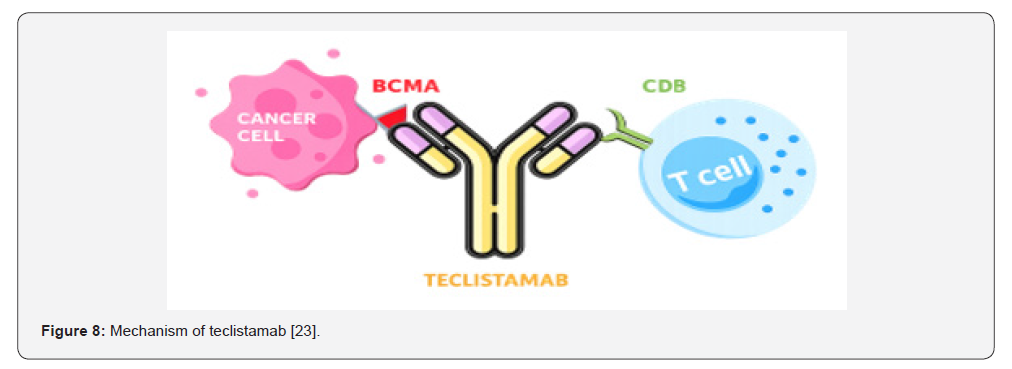
The first BCMA bi-specific antibody to be approved by the FDA was teclistamab, which was created by Janssen/Johnson & Johnson. Additionally, it targets cd3 on t cells and BCMA on myeloma cells which presented in (Figure 8).
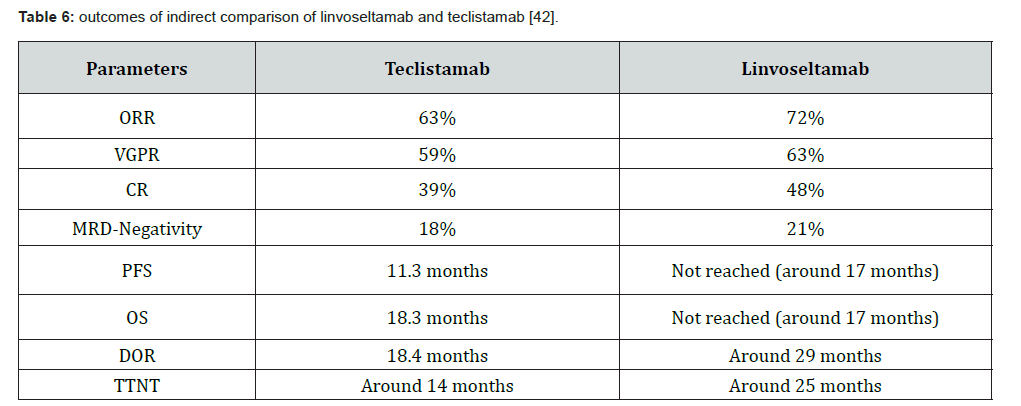
The majestec-1 trial (nct03145181, nct04557098), which included 165 patients with triple-class-exposed RRMM, demonstrated its effectiveness. A subcutaneous dose of 1.5 mg/ kg was advised. A complete response (CR) rate of 39% and an objective response rate (ORR) of 63% were reported by the majestec-1 research. Approximately 18 months was the overall survival (OS), and 11.3 months was the median progression-free survival (PFS). The clinical advantage of teclistamab was validated by these results, but they also showed that many patients continued to have illness relapse within a year [41]. Although linvoseltamab and teclistamab both demonstrated effectiveness in independent trials, it is difficult to directly compare their findings because each study had distinct patient characteristics, eligibility requirements, and follow-up times. Researchers can statistically correct for these differences using a matching-adjusted indirect comparison (MAIC) [17].
Researchers compared the two datasets based on six
important prognostic criteria that global experts have determined
are most important for outcome prediction:
a) Level of cytogenetic risk
b) Age range
c) Refractory condition in three classes
d) Disease stage according to the International Staging
System (ISS)
e) Status of performance (ECOG score)
f) Extramedullary illness is present [17].
Standard multiple myeloma trial effectiveness endpoints were compared in this analysis
a) Objective response rate, or orr, is the proportion of
patients whose tumours shrink noticeably.
b) Significant tumour reduction is demonstrated by deeper
responses with vgpr (very good partial response or better).
c) ≥CR (complete response or better): visible myeloma
disappears.
d) Absence of cancer cells with a sensitivity of 1 in 100,000
cells is known as MRD-negativity.
e) The patient’s duration of remission is known as the DOR
(duration of response).
f) Time to illness progression or death is known as PFS
(progression-free survival).
g) OS (overall survival) is the overall amount of time alive
after beginning treatment.
h) Time to next treatment (TTNT): the amount of time until
a new course of treatment is needed [17].
Outcome
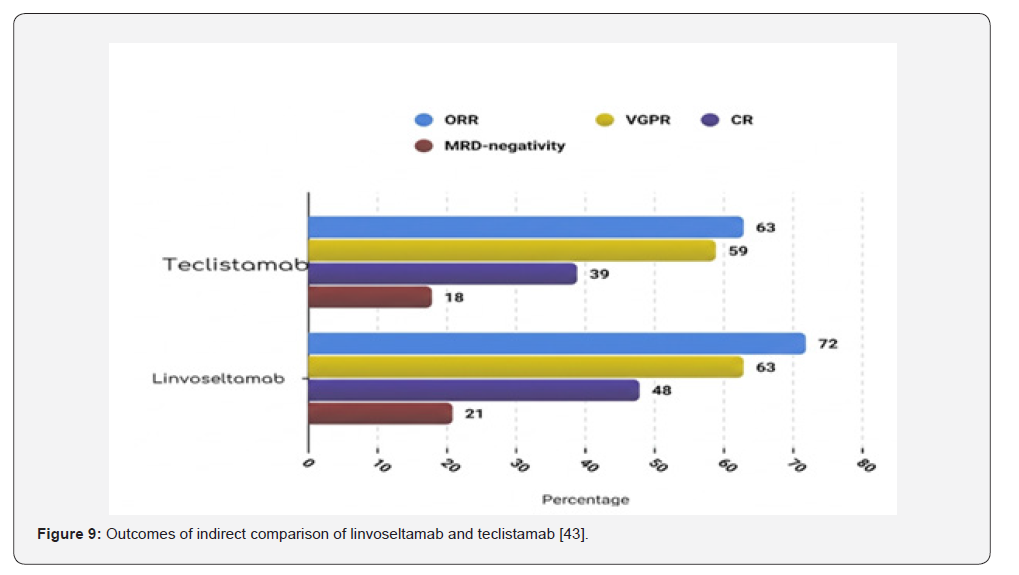
(Table 6) (Figure 9) [42,43] These findings demonstrate in (Table 6) [42] that linvoseltamab not only produced greater stability reactions but also maintained disease control. In tripleclass- exposed RRMM, this study offers the first quantifiable proof that linvoseltamab produces better clinical results than teclistamab [44]. The steady benefit across endpoints raises the possibility that linvoseltamab improved efficacy is due in part to its molecular makeup or dosage regimen [42].
Limitations
This study shows the following limitations:
a) Indirect nature of comparison: some differences could
not be completely controlled because the data came from two
different single-arm trials.
b) Missing variables: in both studies, certain biological data
were unavailable, such as serum β2-microglobulin levels or the
percentage of bone marrow plasma cells.
c) Impact of covid-19: both studies were conducted during
the pandemic, and covid-19, not the advancement of cancer, was
the cause of multiple deaths.
d) Geographical differences: overall survival outcomes may have been impacted by differences in patient treatment between nations [41].
Adverse effects
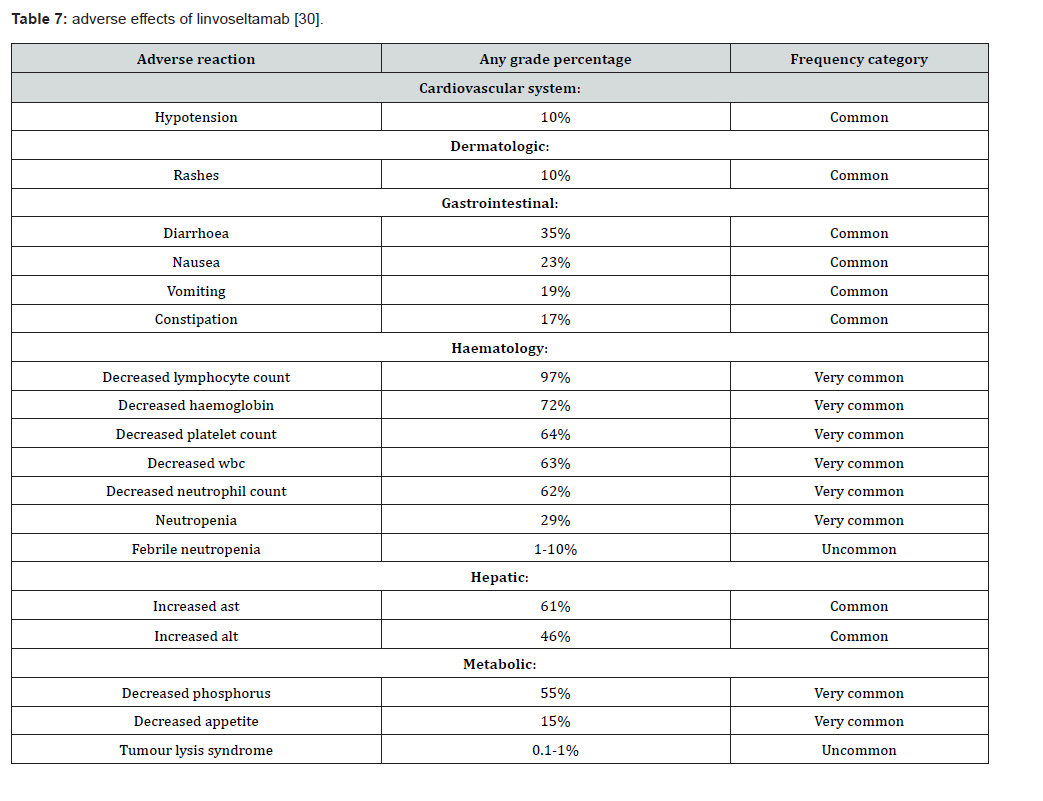
Clinical safety in immunocompromised patients with RRMM is known to be impacted by covid-19. Following their recovery from covid-19, these patients require close observation to make sure that any new infections are promptly identified and treated [34] (Table 7) (Figure 10)./p>
Warnings
Cytokine release syndrome
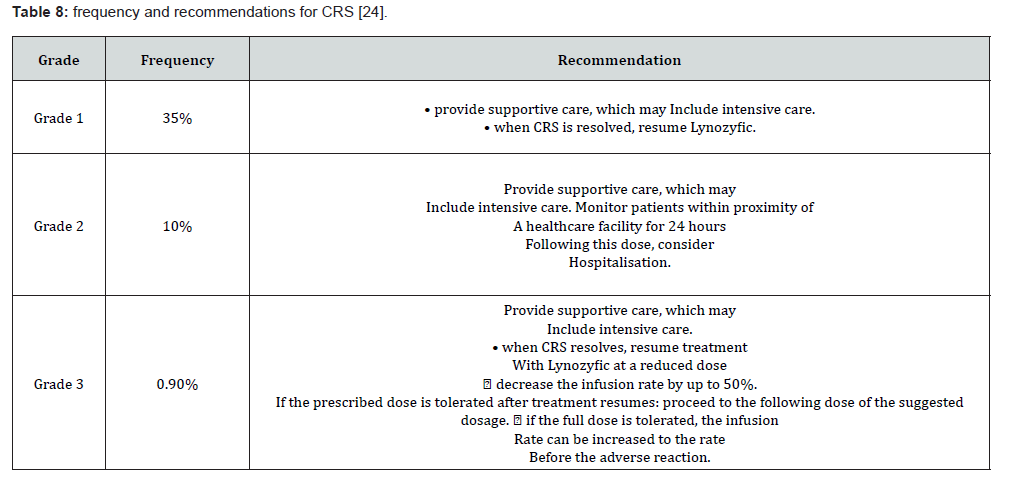
Numerous serious or deadly incidents were reported. To reduce the risk of CRS start treatment with a step-up dose [45]. CRS developed in 46% (54/117) of linker-MM1 individuals when Lynozyfic was given at the prescribed dosage; grade 1 CRS occurred in 35% (41/117), grade 2 in 10% (12/117), and grade 3 in 0.9%. By beginning therapy and giving pre-treatment medications in compliance with the Lynozyfic step-up dose, one might lessen the frequency and severity of CRS [30] (Table 8).
Neurologic toxicity
Linvoseltamab may lead to neurotoxic effects, which include immune-effector cell-associated neurotoxicity syndromes known as ICANS; there have been reported occurrences of serious or fatal incidents [30].
Infection
In the linker-MM1 study, 42% of patients who took Lynozyfic at the recommended dose experienced serious infections, including opportunistic infections. About 38% had infections that were considered severe (grade 3 or 4), and 4% had infections that led to fatal infection. The most common serious infections were sepsis and pneumonia, each reported in 10% or more of patients [24].
Pregnancy and lactation
If linvoseltamab is used during pregnancy, it may harm the fetus. Human immunoglobulin (igg) can cross the placenta after the first trimester, meaning it can pass from the mother to the developing fetus [45]. To avoid this, patients who can become pregnant should use effective contraception during treatment and for at least three months after the last dose of Lynozyfic. Breastfeeding is not recommended during treatment and for three months after the final dose, as breastfed babies may have serious side effects [45].
Further study
Future studies should seek to:
1. Perform a direct comparison of teclistamab and
linvoseltamab in a randomized head-to-head trial.
2. Look for combination treatments that use linvoseltamab
in conjunction with other medications like selinexor or
daratumumab [42].
Results
On July 2, 2025, linvoseltamab (Lynozyfic) received expedited FDA approval due to its exceptional, profound, and long-lasting efficacy in treating heavily pre-treated relapsed/refractory multiple myeloma (RRMM). In this difficult patient population, the key linker-MM1 monotherapy trial demonstrated an encouraging duration of response of around 29 months and an impressive objective response rate of about 71%. Linvoseltamab had exceptional anti-tumor efficacy in the linker-MM2 combination trials, with ORRS of 90% with carfilzomib and 85% with bortezomib. additionally, an indirect comparison indicates that linvoseltamab outperforms teclistamab in some important effectiveness metrics, such as a longer DOR (about 29 months vs. 18.4 months) and a greater ORR (72% vs. 63%).
Conclusion
A crucial new treatment option for RRMM is linvoseltamab, an efficient BCMAxcd3 bispecific antibody that provides profound and long-lasting responses even in highly pre-treated and highrisk patients. Its potential to improve long-term clinical outcomes in multiple myeloma is highlighted by its better efficacy, which is indicated by indirect comparison with the current standard. In order to incorporate linvoseltamab into next-generation cancer treatment programs, future research should concentrate on direct head-to-head comparisons, validation of real-world data, and additional investigation of combination regimens.
References
- Multiple myeloma - symptoms and causes. Mayoclinic.
- Warren B (2025) Multiple myeloma. Medlineplus medical encyclopedia.
- Tacchetti P, Barbato S, Mancuso K, Zamagni E, Cavo M, et al. (2024) Bispecific antibodies for the management of relapsed/refractory multiple myeloma. cancers (basel) 16(13): 1-24.
- Yang P, Qu Y, Wang M, Chu B, Chen W, et al. (2022) Pathogenesis and treatment of multiple myeloma. john wiley and sons inc 3(2): e146.
- Myeloma - cancer stat facts. National Cancer Institute.
- Albagoush SA, Shumway C, Azevedo AM (2026) Multiple myeloma - statpearls - ncbi bookshelf.
- Rajkumar SV, Kumar S (2020) Multiple myeloma current treatment algorithms. Blood cancer j 10(9).
- Martinez lJ, Hernandez IG, Alonso R, Sanchez PJM, Zamanillo I, et al. (2021) Impact of covid-19 in patients with multiple myeloma based on a global data network. Blood cancer j 11(12): 198.
- Mateos MV (2022) Locmmotion: a prospective, non-interventional, multinational study of real-life current standards of care in patients with relapsed and/or refractory multiple myeloma. Leukemia 36(4): 1371-1376.
- Kumar S, Jagannath S, Weisel KC, Dachs LR, Dimopoulos MA, et al. (2024) Comparative Effectiveness of Linvoseltamab versus current real-world standard of care therapies in triple-class exposed relapsed/refractory multiple myeloma treated at IMWG sites. Blood 144 (Supplement 1): 7039.
- Bhausaheb B, Avinash B (2019) Induction therapy in newly diagnosed multiple myeloma: current research scenario and questions for the future. Cancer res Stat Treat 2(1): 76-82.
- Waldschmidt JM, Rasche L, Kortüm KM, Einsele H (2025) Comprehensive review of bispecific antibody constructs in multiple myeloma: affinities, dosing strategies and future perspectives. Clin Lymphoma myeloma leuk 25(5): 309-315.
- Lonial S (2010) Relapsed multiple myeloma. hematology am Soc Hematol Educ Program pp. 303-309.
- Zhuge L, Lin X, Fan Z, Jia M, Lin C, et al. (2025) Global, regional and national epidemiological trends of multiple myeloma from 1990 to 2021: a systematic analysis of the global burden of disease study 2021. Front Public heal 13(1): 1-14.
- Avigan ZM, Rattu MA, Richter J (2025) An evaluation of linvoseltamab for treatment of relapsed/refractory multiple myeloma. Expert Opin Biol Ther 25(3): 221-228.
- (2024) Linvoseltamab BLA for treatment of relapsed/refractory multiple myeloma accepted for FDA priority review. Regeneron pharmaceuticals p. 0-1.
- Lee HC, Bumma N, Richter J, Zonder JA, Hoffman J, et al. (2025) Indirect comparison of Linvoseltamab vs Teclistamab for the treatment of triple-class exposed relapsed/refractory multiple myeloma. Clin Lymphoma myeloma Leuk 25(12): 897-909.
- center for drug evaluation and proprietary name review.
- Oncodaily (2025) No title linvoseltamab (lynozyfic) 2025 updates. oncodaily.
- lynozyfic (linvoseltamab-gcpt) fda approval history - drugs.com.
- (2025) Assessment report of lynozyfic. Eur Med Agency 31(1): 129.
- Ronzon T (2025) Lynozyfictm full prescribing information | Regeneron. sustain. 11(5): 1-14.
- Sumners C (2023) Your questions about BCMA and multiple myeloma, answered. The university of texas md anderson cancer center.
- (2025) Linvoseltamab (lynozyfic) 2025 updates: uses in cancer, dosage, side effects, expectations, and more. Oncodaily.
- Drug bank.
- Lee K, Zhou Y, Franklin M, Ullman E, Hermann A, et al. (2024) Characterization of linvoseltamab’s BCMA binding epitope and efficacy against BCMA mutations in relapsed/refractory multiple myeloma. blood 144(Supplement 1): 3265-3265.
- Kalss S, Oppitz M, Torggler U, Winner M (2021) Annex I. Eu mark Abus Regul.
- Cunha JP (2025) Lynozyfic (linvoseltamab-gcpt injection): side effects, uses, dosage, interactions, warnings.
- James D (2025) Phase I/II linker-MM1 trial data show depth of response with linvoseltamab for relapsed/refractory multiple myeloma. Appl Clin Trials.
- Bumma N (2024) Linvoseltamab for treatment of relapsed/refractory multiple myeloma. j Clin Oncol 42(22): 2702-2712.
- Shah MR, Richter J, Lee HC, Suvannasankha A, Hoffman JE, et al. (2024) Linvoseltamab in patients with relapsed/refractory multiple myeloma: longer follow-up and selected high-risk subgroup analyses of the linker-MM1 study. Blood 144(Supplement 1): 3369-3369.
- Food US (2024) updated linvoseltamab data showcase continued deepening of responses in patients with heavily pre-treated multiple myeloma. pp. 3-5.
- Edt PM (2025) Linvoseltamab in combination with carfilzomib or bortezomib shows promising initial results in earlier lines of treatment for relapsed / refractory multiple myeloma.
- (2025) Linvoseltamab with carfilzomib/bortezomib shows promise in early treatment of relapsed/refractory multiple myeloma. Synapse by patsnap.
- (2025) Linvoseltamab in combination with carfilzomib or bortezomib shows promising initial results in earlier lines of treatment for relapsed/refractory multiple myeloma. drugs.com mednews. drug.com.
- Otero PR, Mateos MV, Aina O, Sinha A, Steele AJ, et al. (2023) Trial in progress: a phase 2 study of linvoseltamab for the treatment of high-risk smoldering multiple myeloma (LINKER-SMM1). Blood 142.
- (2025) Lynozyfic™ (linvoseltamab-gcpt) Recevies FDA Acceletared approval for treatment of relapsed or refractory MM. Biospace.
- Otero PR, Mateos MV, Aina O, Sinha A, Steele AJ, et al. (2023) Trial in progress: a phase 2 study of linvoseltamab for the treatment of high-risk smoldering multiple myeloma (LINKER-SMM1). Blood 142: 3393-3393.
- Lee HC (2025) Indirect comparison of linvoseltamab versus teclistamab for the treatment of triple-class exposed relapsed/refractory multiple myeloma. Clin Lymphoma Myeloma Leuk.
- Jagannath S (2024) Indirect comparison of linvoseltamab versus teclistamab for triple-class exposed (tce) relapsed/refractory multiple myeloma (RRMM). J Clin Oncol 22: 7560-7560.
- Napkin Ai.
- Richter J (2024) Indirect comparison of linvoseltamab versus talquetamab for triple-class exposed (tce) relapsed/refractory multiple myeloma (RRMM). eventscribw.net.
- Lynozyfic (linvoseltamab) dosing, indications, interactions, adverse effects, and more. Medscape.

























