




 GJAA Home



Evaluate Archaeological Leather Binding in Bad Storage: Inhibition Microbial Growth and Conservation
Sahar Ismael1*, Nagah R Abou Seif2 and Fatma El-Wekeel3
1 Conservation Department, Faculty of Archaeology, Fayoum University, Fayoum, Egypt
2 Conservation Department, Civilization Museum, Cairo, Egypt
3 Microbiology Department, Conservation Center, Grand Egyptian Museum, Giza, Egypt
Submission: August 05, 2025; Published: September 17, 2025
*Corresponding author: Sahar Ismael, Conservation Department, Faculty of Archaeology, Fayoum University, Fayoum, Egypt
How to cite this article:Sahar Ismael, Nagah R Abou Seif and Fatma El-Wekeel. Evaluate Archaeological Leather Binding in Bad Storage: Inhibition Microbial Growth and Conservation. Glob J Arch & Anthropol. 2025; 14(3): 555889. DOI: 10.19080/GJAA.2025.14.555889
Abstract
Archaeological leather in bad store affected with biology deterioration especially microbial growth. Microorganisms cause physical and chemical deterioration in archaeological leather because of enzymes production. Research aims to study book cover of leather suffer from bad storage for identifying microorganisms; evaluate microbe’s effects and inhibition with conservation. Research use devices as USB Microscope, stereo microscope, optical microscope (OM), ribosomal ribonucleic acid (rRNA), Fourier Transform Infrared Spectroscopy (FTIR), and Scanning Electron Microscope with EDX analysis unit (SEM-EDX), in addition materials of microcides and PH Strip meter. Research evaluates physical and chemical properties changes of the leather on similar kind of modern leather affected with microorganisms. Results showed goat leather for the leather binding by stereo microscope and Bacillus subtilis for bacteria by (OM) and (rRNA) analysis. Optical microscope identified fungi as A niger, A. flavus, P. purpurgenum, Rhizopus oryaze, F. poae, P. canescens and Cheatomum elatium. The results approved also changes in physical and chemical properties for modern simulate sample and cleared that penta-chlorophenol at 900 ppm is the best microcide. Conservation used penta-chlorophenol 900 ppm and required restoration materials.
Keywords: Leather, Inhibition, Properties, OM, rRNA, FTIR, SEM-EDX, Conservation
Introduction
Leather is an important material used from prehistory while the ancient manufacturer knew how to prepare the leather to use. Ancient manufacturer drying leather in sun or smoking then knew tanning process by Vegetable tanning and use of alum [1], also fatty materials like oil and egg-yolk. The oldest people who knew perfect tanning were the ancient Egyptians and that is proven in engraving on granite stone in Berlin Museum. Vegetable tanning is most important in ancient times and tanning with metal salts like iron, aluminum and chromium known lately. Chromium salts the most famous salts of tanning as commercial way [2] used since 19th century [3].
The skin consists of three layers: the epidermis, the dermis, and a fatty layer attached to the dermis. Because 60% of the skin is water, tanning process work to remove water and fats then holds protein fibers in the dermis layer together [4]. Leather were used in footwear, leather thongs, part of musical instruments (drum, harp), furniture, chariot (since new kingdom), clothing, [5] helmets, horse-armour and shields for human in Islamic period [6]. In addition the famous use of leather is in book cover. Earliest binding was from Coptic Egypt. Leather binding had decorative with painting, inlaying (Precious stones), filigree leather, incised lines, add metal (gold, silver) or ivory and gilded work. The inner lining was from wood in the beginning then from paper [7].
The leather objects condition dependent on surrounding site or in excavations [8]. leather exhibited objects are small number compare with in mosques and museum’s storage rooms (or in separated storage building attached museum) which have not ideal and stable environment [9] because of little space and accumulation of objects, that is leads to biological infection which may not be detected due to accumulate, [10] In addition external influences like groundwater, earthquakes, fires and deterioration phenomena (temperature, humidity, light, air pollution, insects and microorganisms) [11,12]. The dry air is causing brittle leather, Photo oxidation causes leather degradation and humidity help in leather hydrolysis especial on presence of gas pollutants in addition encourages growth bacteria and fungi. Fungi needs less humidity and have big tolerance for environmental conditions, so it is more dangerous than bacteria, but both hade physical and chemical influence [13,14].
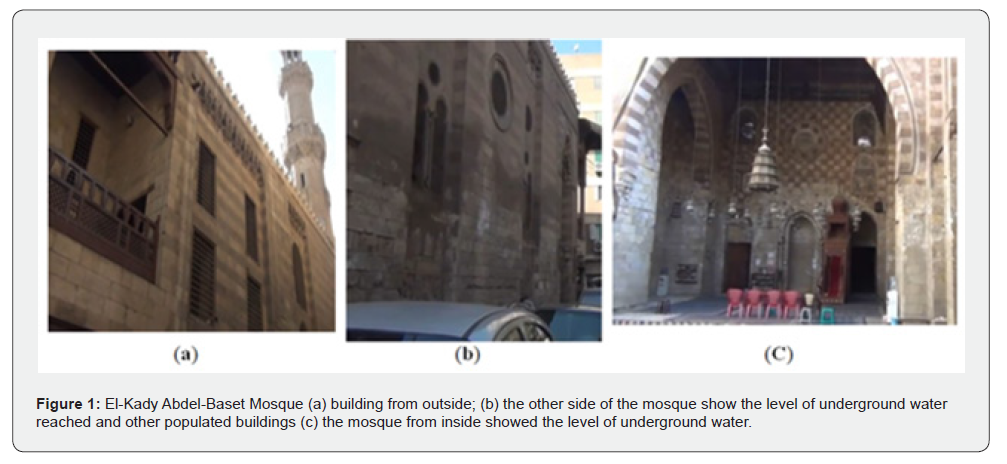
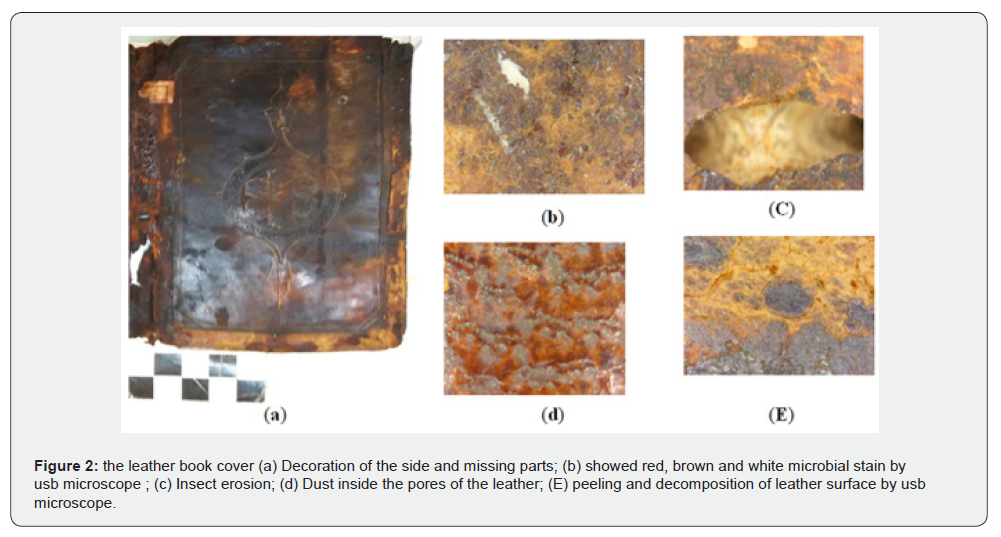
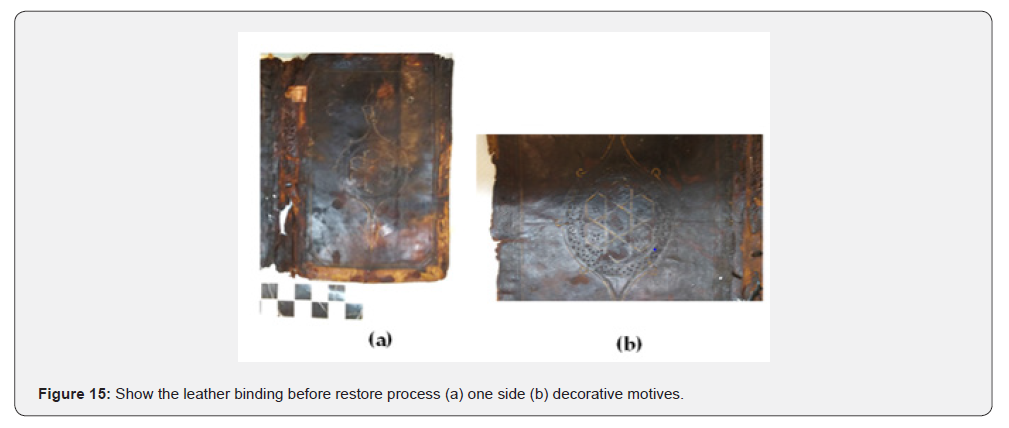
The object for this research is leather cover book objects found in El-Kady Abdel-Baset Mosque which suffer from bad storage because of ground water (Figure 1) which cause high humidity effected on manuscripts especially the mosque in the middle of populated buildings in Bab Al-Shaareya in Cairo with number 60 and dated in (822 H.D, 1420 A.D). The leather book binding (cover) of part of Quran part from the Mamluk era with incised and gilded decorative 15 × 22 cm for each side, it is suffering from microbial stains, dust, acidity, loss of parts, Insect erosion and surface peeling (Figure 2).
The leather suffer from microbial growth could be treatment by different materials such as nanomaterial, essential oils, plant extract, chemical pesticides, [15] and ionized radiation. Some radiation could use for leather like X-Ray and Gamma ray but UV irradiation damage it. Irradiation with X-rays for Inhibition microbial growth of leather use amount of 1000- 5000 Gy, but Irradiation with gamma uses 5-30 K-Gy [16,17,18]. in the bad storage condition chemical microsides compounds prefer because of its stability and their effect are continues. They microbial inhibition depend on change proteins cause gentotoxic throw disrupting membranes cause metabolic activation absence through solubilizing lipids and denaturing proteins. The cell is more permeable to protons and ATP synthetase is destroyed results in the end to cell die [19,20,21]. Therefore microcides like Pentachlorophenol, p-chloro-meta-crysol and plant extract of Ceratophyllum demersum chosen for this research.
Pentachlorophenol (PCP) is an organic compound (C6 Cl5 OH), it is used as antimicrobial [22] and was wide use for wooden monuments preservation. It still could measure by devices, the measured amount depend on concentration [23,24]. p-chlorometa- crysol is also organic compound, it is preservative and antimicrobial material has a lot of uses like cosmetics products (up to 0.5% [25] and 0.2% in Europe) [26,27] and in industry as preservative material for adhesive, paints, paper, leather, textiles and etc. in range 0.02% : 5% [28]. It is name also 4-chloro-mcresol [29] and used as antimicrobial for archaeological material [30]. Plant extract of Ceratophyllum demersum consider save it is could use as medical chemical, it has antioxidant, antitoxic and anti-inflammatory properties [31,32]. It used also in microbial treatment of archaeological objects, [33] it is don’t change material color because of antioxidant properties so it is chosen for this research.
This research aims to evaluate changes in Leather binding by studying new leather (in the same kind) was deliberately infected with the same microbes and experiment inhibition microcides mentioned before to applied the best one for conservation. The conservation in this research needs to restoration processes like cleaning (mechanical, chemical), Tenderizing and complete missing parts.
Materials and Methods
Materials
The three microcides Pentachlorophenol from Sigma Aldrich, No: P2604, p-chloro-meta-crysol imported from Loba Chemie Pvt. Ltd., Mumbai, India, No: 02750 and extract of Ceratophyllum demersum It was prepared laboratory by soaking the dried plant powder in methanol. Protein agar, nutrient agar and Starch nitrate agar media [34,35,36] were used to isolate microorganisms. Conservation material are carton acid free for replacement old deteriorated internal support for book binding, Glycerin for refine leather, new leather from same kind to complete missing parts.
Methods
Identification leather kind
USB Microscope up to 500 X and stereo microscope (Lica MZ6) Ministry of petroleum, the Egyptian mineral resources authority, Central laboratories.
Identify fungi and bacteria
Optical microscope (OM) (CarlZies Microscope with digital camera) in Grand Egyptian Museum, Ministry of Antiquities and sequencing of ribosomal ribonucleic acid rRNA genes at Solgent Company, South Korea were used as the following: four sterilized cotton swabs taken from infected surface and transferred right onto three prepared agar media (protein agar for fungi, Nutrient agar for bacteria and Starch nitrate agar for actinomycetes). Plates were incubated at 28-30°C for 1- 21 days depending on the microorganism.
Fungi colonies grown on protein agar plates medium were purified on the same medium. Because of fungi have specific shape under microscope, each single colony was picked for identification according to references by determining morphological characteristics using light microscope [37,38,39].
Bacteria identification is more complicated there are many from one and has the same shape we cannot differentiate between them only by using the sequencing of the 16S rRNA gene, [40,41] so bacterial isolated were grown on nutrient agar at 28°C for 4 days and DNA was extracted and isolated using SolGent purification (A small amount bacterial culture was scraped by sterile spatula suspended in 100μl sterile distilled water in 2ml sterile vials and boiled at 100°C for 15 minutes). The ribosomal rRNA gene was amplified using the polymerase chain reaction (PCR) technique in which two universal bacterial primers 27F (forward) and 1492R (reverse) as follow sample: 27F(5’TACGGYTACCTTGTTACGACTT) and (5’AGAGTTTGATCMTGGCTCAG)1492R. The purified PCR were reconfirmed using a size nucleotide marker (100 base pairs) on 1% agarose gel and incorporation of dideoxynucleotides (dd NTPs) in the mixture [42]. Sequences were analyzed using the National Center of Biotechnology Information (NCBI) website. Phylogenetic analysis of sequences was done with the help of Meg Align (DNA Star) software version 5.05. Identification of bacterial isolates was done by sequencing of rRNA gene at Solgent Company, South Korea.
Enzyme production:
To determine protease enzymes activity flasks with 100 ml of the medium (sucrose replaced with 10g of gelatin) were sterilized at 121°C for 15min then after cooling inoculated with 2ml of standard inoculums of each isolate. The inoculated flasks were incubated at 28 -30°C for proper time. At the end of incubation period the liquid cultures were centrifuged at 3000 rpm for 15 minutes. The supernatant was taken for determination of protease enzymes activity.
Enzymes assay:
After solidify sterile Petri dishes, a sterile cork borer (15mm diameter) was used to make three cups in each plate and 0.1 ml of the pervious supernatant (cell free enzyme) of each isolate was placed into the three cups. Plates were incubated at 30ºC for 24h after which plates were flooded with 20 ml aliquots of the detection medium solution (mercuric chloride) [43] to assay protease. Enzyme activities were compared based on the diameter (mm) of clear zone.
Determination of minimal inhibitory concentration (MIC) of microorganisms
To test the effect of antimicrobial agents on the isolated microorganisms, three microcides Pentachlorophenol, p-chlorom- crysol and plant extract of Ceratophyllum demersum. At concentrations (800, 900, 1000, 2000 ppm/ L) in ethyl alcohol 95%, were prepared and applied on the isolated microorganisms. The minimal inhibitory concentration (MIC) was determined by measuring the inhibition zone according to the method reference [44] for each species.
Evaluate the effect of isolated microorganisms on new of same kind leather
Fourier Transform Infrared Spectroscopy (FTIR) (Shimadzo, Peristege 21 in IR Lab. at Grand Egyptian museum & Jasco 4100 in analysis center at Cairo University) and Scanning Electron Microscope with EDX analysis unit (SEM-EDX) (Quanta 250 FEG with accelerating voltage 30 KV, magnification 14x up to 106, Ministry of petroleum, the Egyptian mineral resources authority, Central laboratories & Tescan SEM, TESCAN VEGA 3, Czech Republic, National Research Center) were used to evaluate physical and chemical properties changes of the leather on similar kind of modern leather affected with microorganisms.
Conservation
Conservation is the process under taken to prevent archaeological objects from loss its properties or damage while restoration is restoring some of the lost characteristics of the antiquity. Conservation processes depend on condition of leather artifacts and what it exposes from deterioration factors. Sometimes the restoration process is part of the conservation and complementary to it, as in the case of the object in this research. The leather binding suffers from dirt and microbial deterioration which caused dryness plus missing parts. It is need for clean, moisturize, inhibition exist microbes and complete missing parts.
It is known that glycerin 30% ethanol/water treatment with biocides so effective for dried leather and follow with one of leather dressing like British Museum leather dressing (BML) [45]. The leather should not be wet and completion materials for missing parts in object depend on its location and the strength they will bear, it is often use new similar leather. The adhesive uses with leather prefer dissolvent in organic solvent and do not penetrate the leather but sometimes adhesive with water base is useful for relaxing leather by increase moisture content [46]. There is a consensus on the use of cellulose adhesives because they are stable, such as Klucel G-F 2% in alcohol and add SC6000 as wax for improving properties and prevent surface shining [47,48].
Results
Identification leather kind
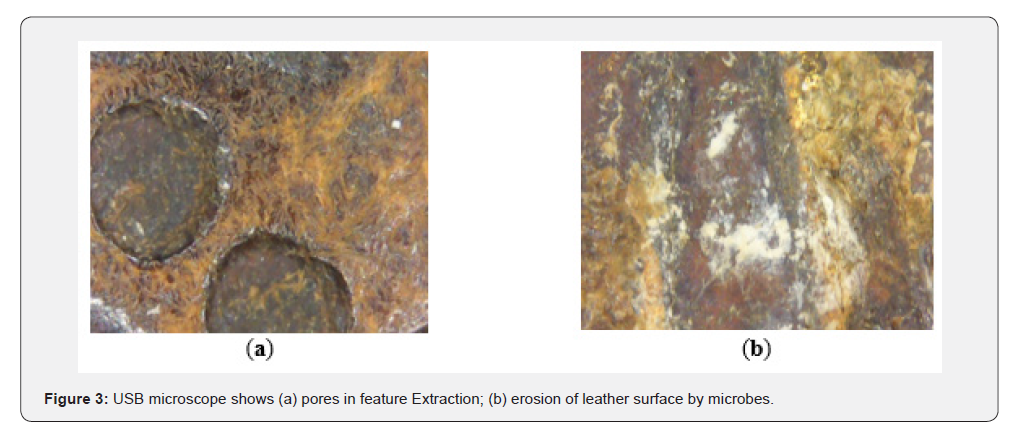
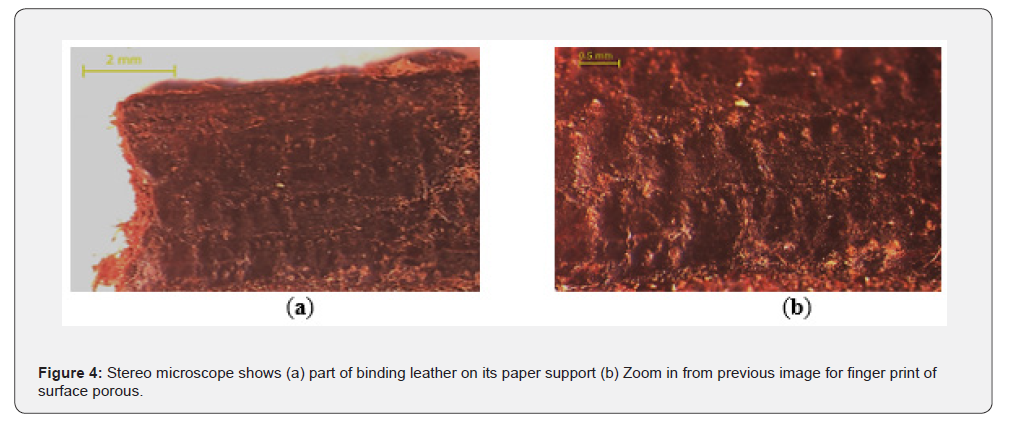
Comparing standard references [49,50] with USB microscope Figures in (Figure 2-d and Figure 3) and stereo microscope in figure 4 showed that the binding leather is Goat leather.
Identify fungi and bacteria
Optical microscope
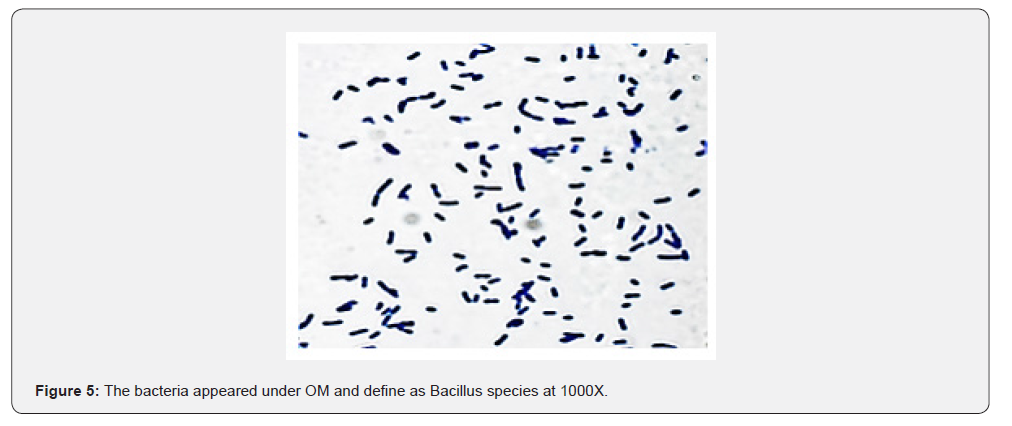
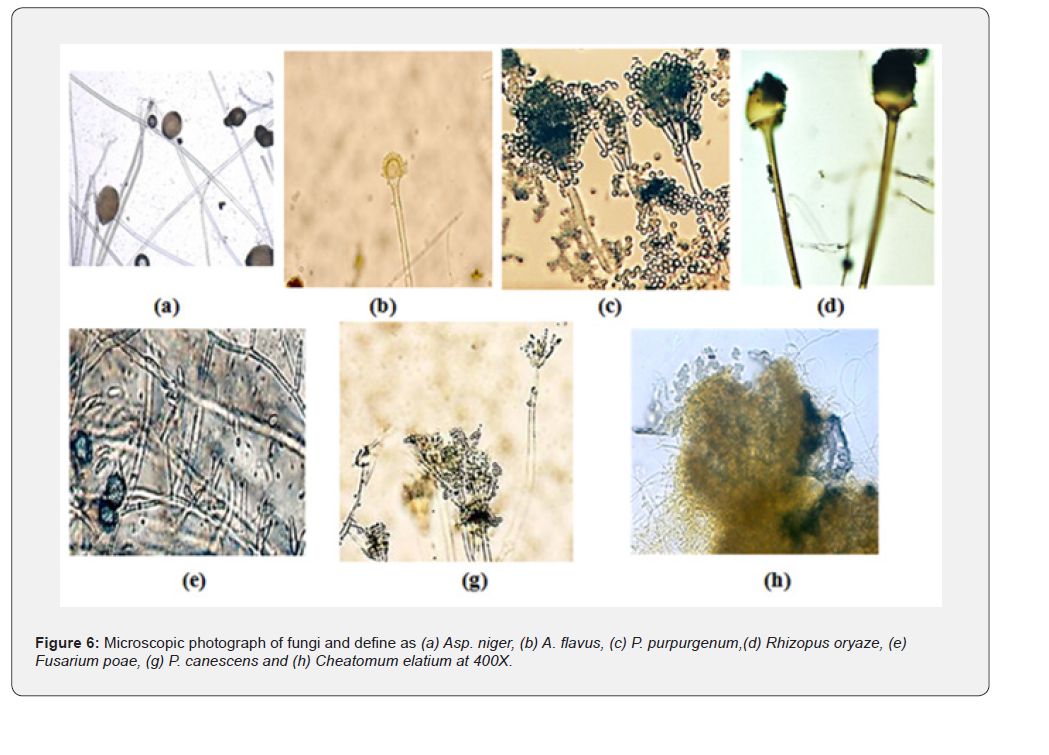
The resulted microbial colonies were subjected to characterization depending on the type of organism and according to morphology characterized with optical microscope (CarlZies with digital camera) appears A niger, A. flavus, P. purpurgenum, Rhizopus oryaze, Fusarium poae, P. canescens and Cheatomum elatium for fungi and Bacillus species for bacteria (Figures 5 and 6).
rRNA analysis
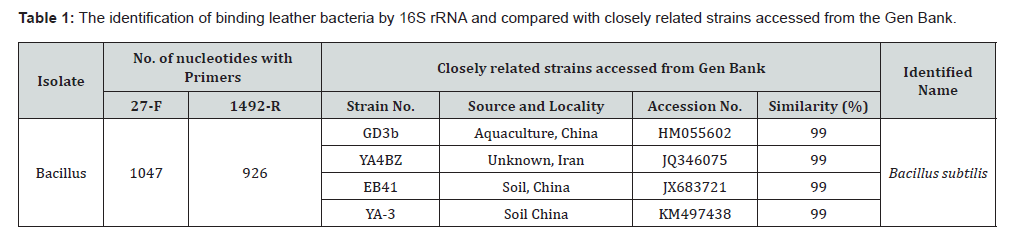
The bacteria were determined analyzed by 16S rRNA sequencing analysis and compared with closely related strains accessed from the Gen Bank. The result confirmed presence of Bacillus subtilis bacteria as showen in Table 1.
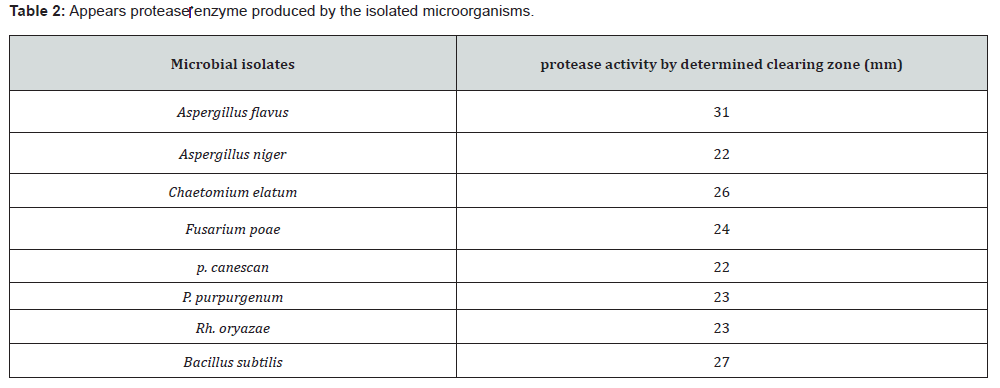
Determine protease enzyme produced by the isolated microorganisms with cup plate technique
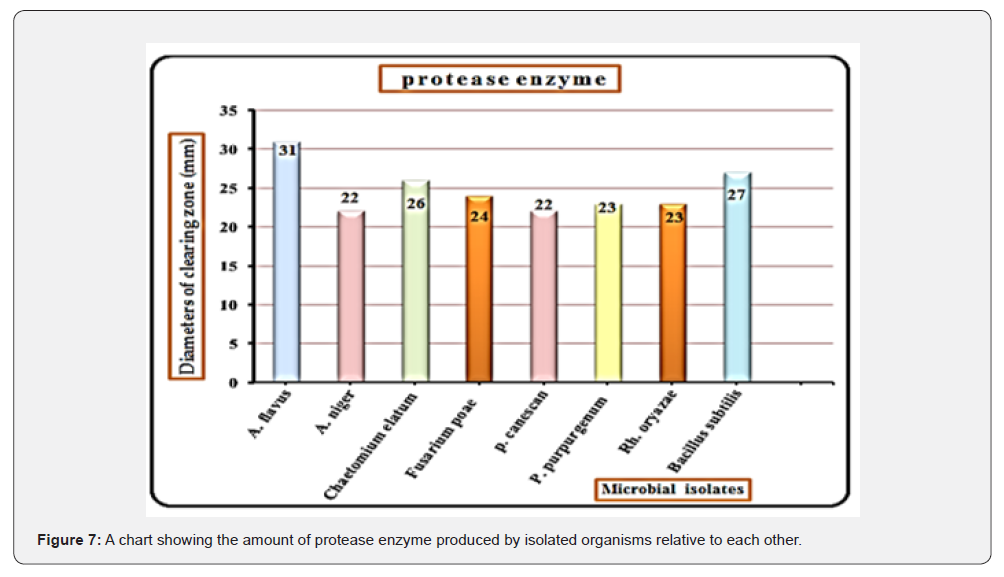
Microorganisms varied in their abilities of producing the enzymes, thus vary in the degree of decomposing protein. The tabulated data in Table 2 show the highest activities proteolytic activity was observed by Aspergillus flavus, (Figure 7).
Determination of minimal inhibitory concentration (MIC) of microorganisms
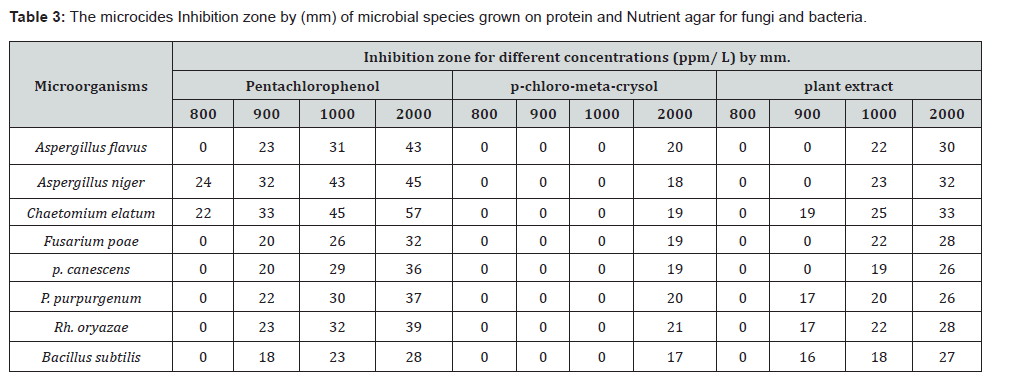
One ml of microorganisms isolate suspension was spread onto nutrient agar and protein agar plates for suspension of bacteria and fungi spore respectively. Three pores in each plate with a cork purer (diameter 15 mm) were done. A 100μl of each concentration (800, 900, 1000, 2000 ppm/ L) of the tested microcides (Pentachlorophenol, p-chloro-meta-crysol and plant extract of Ceratophyllum demersum) were placed in the three pores of each plate. Plates were incubated at 30oC for suitable time (1-3 day for bacteria and 7-15 day for fungi) and comparing with Control plates (ethyl alcohol instead of microcides). The results are in Table 3.
Evaluate the effect of isolated microorganisms on new of same kind leather
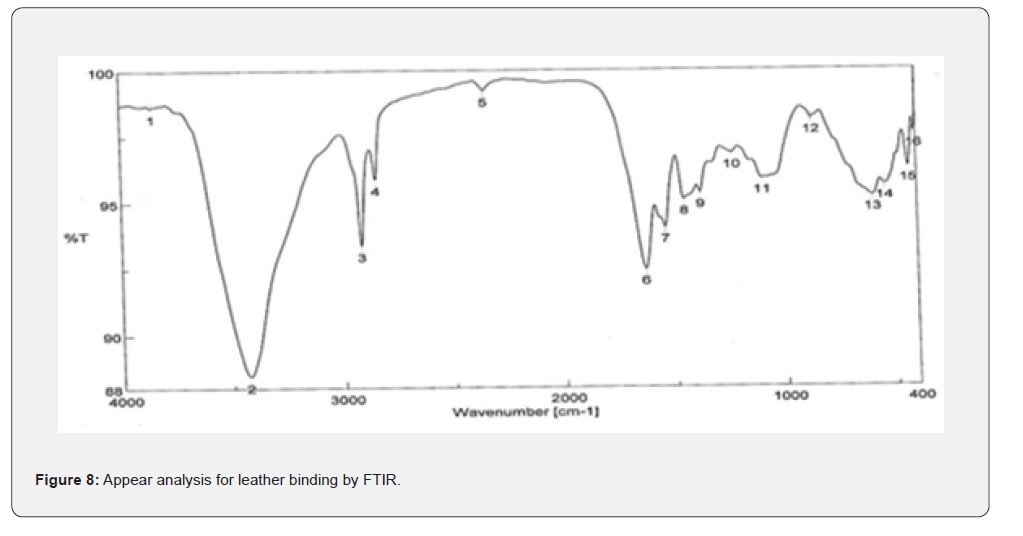
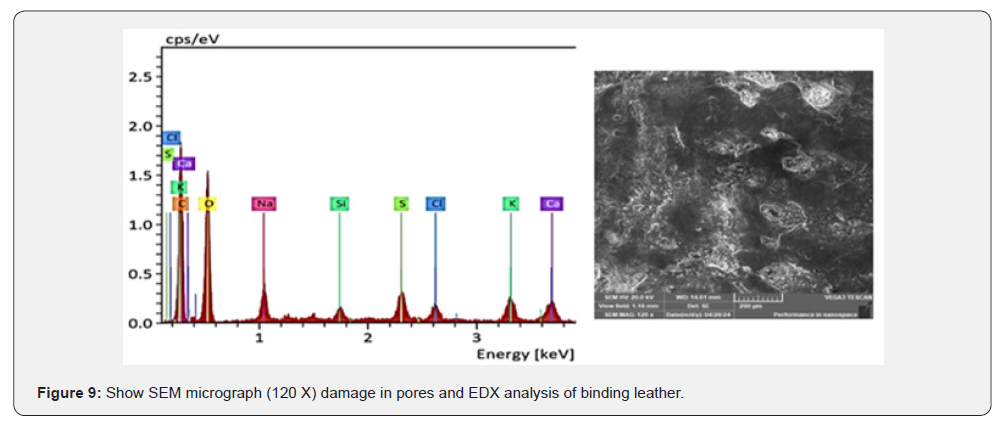
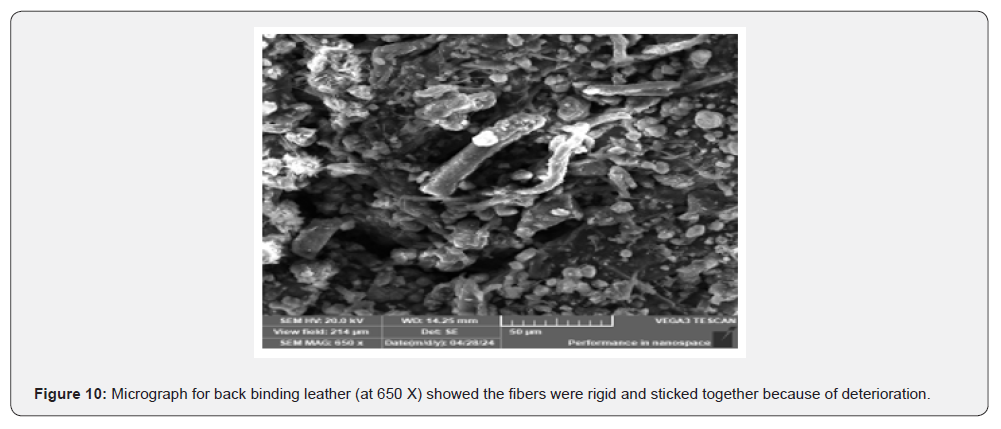
The object (binding leather) was analyzed by FT-IR (Figure 8) and SEM with EDX unit (Figures 9, 10) to stand for its condition. The EDX analysis show elements O, C, Ca, Na, K, S, Cl and Si with percentage (43.11, 38.43, 2.44, 2.30, 2.29, 1.86, 1.10, 0.47) respectively. The FTIR main peaks show presence of N-H amino chain for peak 2 at 3429 cm-1 or C=C and oak tannin, lipid Ι (C-H2) at 2919 cm-1 (peak No.3), lipid ΙΙ (C-H2) at 2851 (peak No.4), the collagen range 1656 to 1241 cm-1 so include peaks from 6 to 10 (as 6 at 1636 cm-1 of double bond for C=C or C=O corresponds to amid Ι, No.7 at 1544 cm-1 for alphatic nitro compounds C-N or N-H corresponds to amid ΙΙ, No.8 at 1457 cm-1 for carbonate ion, No.9 at 1384 for organic sulfate and No. 10 at 1240 for collagen), No.11 at 1105 cm-1 for sulfate ion or Si-O-C chain, No. 12 at 873 for C-H meta bond, No. 13 at 602 cm-1 for C-Cl pound (this bond take range 600-800 cm-1) and No.15 at 439 cm-1 for polysulfide (S-S), which indicate to vegetable tanning [51-54]. PH stripe meter show 4.5-5 degree.
To determine the effect of microorganisms there are modern pieces of leather that have been infected with isolated microorganisms. The pieces were inoculated with the spore suspension of each specific isolate by spraying 5 ml of suspension of each microbial isolate, containing 0.5x10⁶ CFU (colony-forming unit). The infected modern pieces were incubated for two months at ambient temperature and 60-70% humidity (like in El-Kady Abdel-Baset Mosque which the leather binding found in it).
Physical and chemical properties of leather pieces were determined before and after inoculation as described below.
Physical properties of the infected modern leather
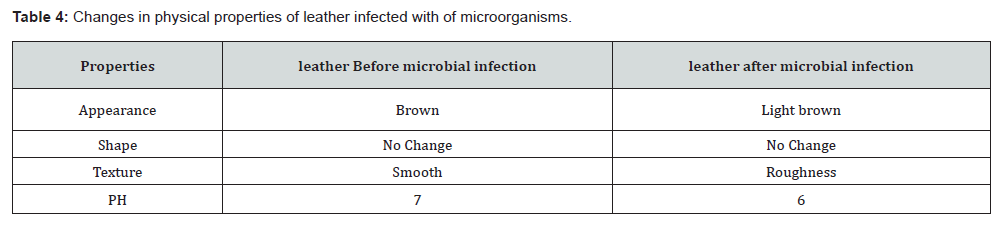
Results presented in Table 4 illustrate changes in physical properties of leather. Results showed that Light brown spots occurred on the infected pieces of leather. Data also show that pH of leather decrease as a result of acid production resulting from digesting organic matter by microbial attack, thereby altering and weakening those materials.
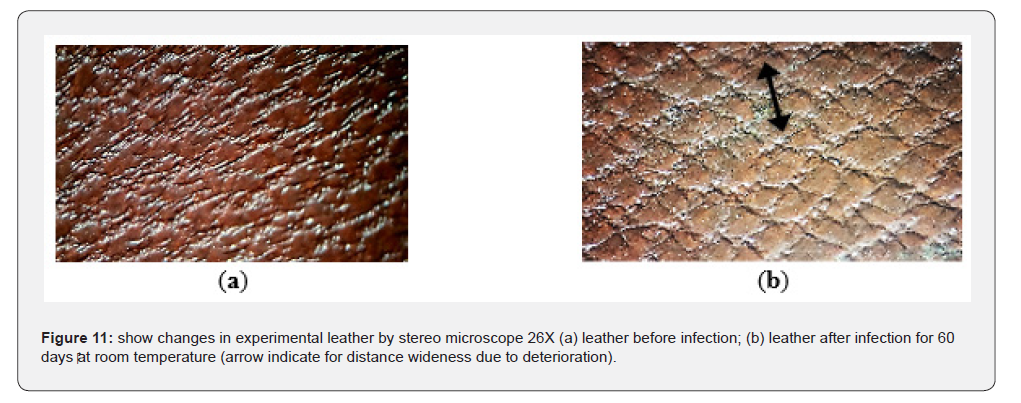
Morphological data obtained by using stereo microscope which showed the widening of the spaces between the pores and revealed fungal hyphaeon on the surface of modern leather sample after infection for 60 days at room temperature (Figure 11).
Chemical properties of the infected modern leather
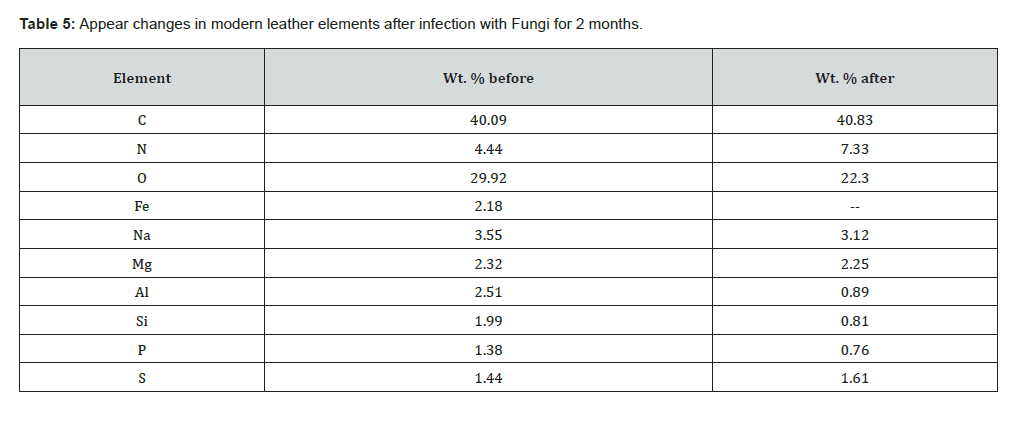
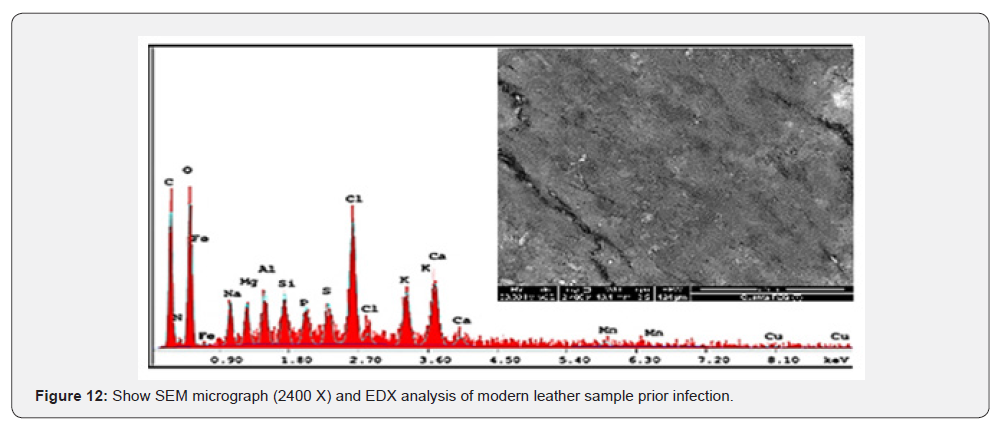
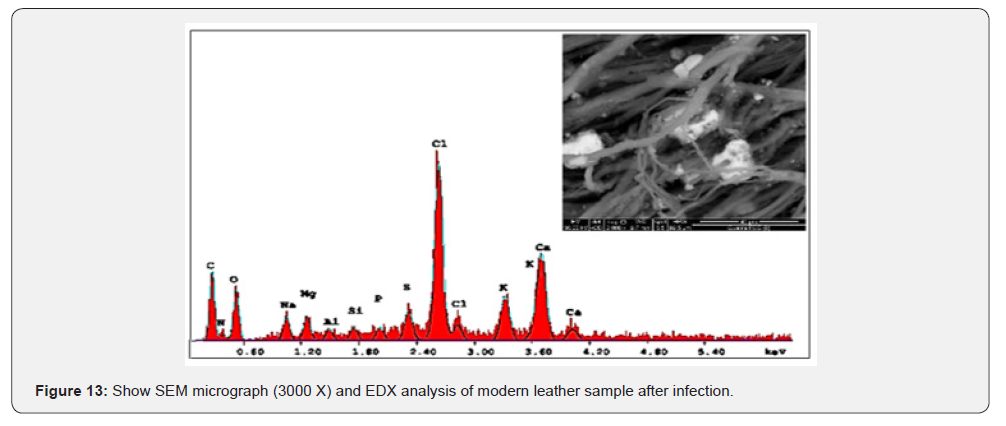
One of the infected modern leather was studied by analysis with SEM-EDX and FTIR and compare results with no infected leather. SEM Micrograph and EDX analysis cleared fungal growth and changes in elements concentration, (Figures 12, 13 and Table 5).
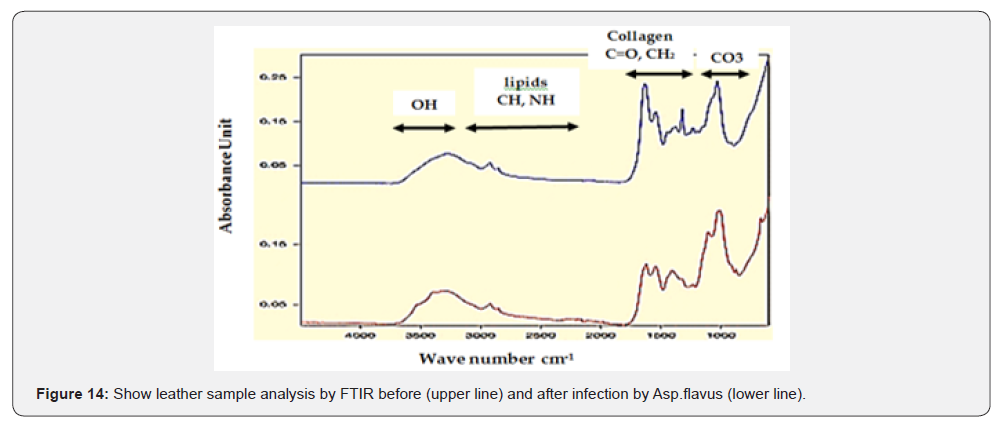
Analysis with FTIR revealed chemical changes inside the leather structure resulted from affected of large organic compounds (having certain chemical functional groups) by the action of extra cellular enzymes secreted by fungi which affected the lipids, collagen and function group of OH and CO3 causing decrease in intensity of the peaks (except CO3 and movement peaks changes of OH in wavenumber), (Figure 14).
Conservation
The El-Kady Abdel-Baset Mosque which leather binding in was restored, the underground water problem was ended, during that the manuscripts were restored and transported to stores of Ministry of Antiquities. The leather binding 15×22cm of 1420 A.D with incised and gilded decorative Figure 15, is suffering from microbial stains, dust, loss of parts, Insect erosion and surface peeling.
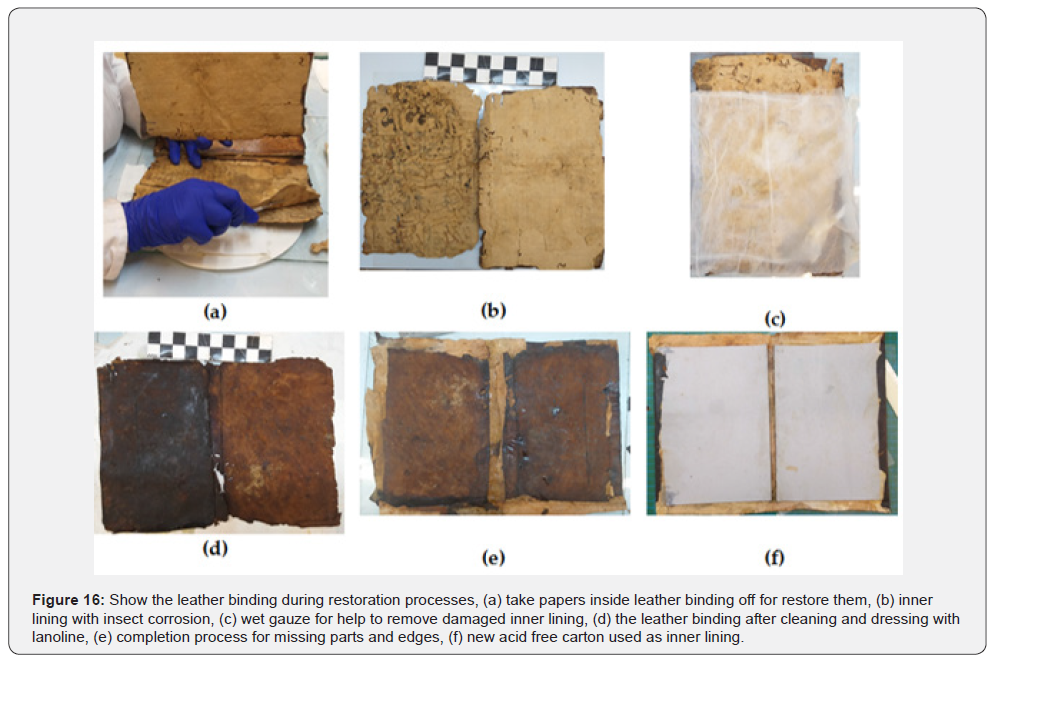
The restoration process of leather binding was as follow; sprayed with microside to inhibite microbial growth, take off the papers inside to restored in another section, then the restores processes will done as show in Figure 16.
The leather binding was cleaned and moisturized by solution of 30% glycerin in water/ethanol (1:2). The inner lining is complete destroyed by insects so it must be removed. Wet gauze used to help removing damaged inner lining then dressing by lanolin 15% in hexane solvent. New leather in same kind and near color was used to complete missing parts, then new inner lining from acid free carton were used. The adhesive used is Funori. There is old paper on binding leather; it is historical as a historical marked so we keep it. Papers which in leather binding were return after restored them and the new inner lining was covered with new leather, Figure 17.
Discussion
The results by stereo and USB microscope showed that the leather binding is from goat leather which corresponds with Quran manuscripts in Mamluk era and have at close dimensions [55]. The goat leather is wide use in binding because of its little thickness so its effected with deterioration factors is great, especially microorganisms. Bacteria and fungi Produce enzymes which decompose proteins the results in this research approved that and show the highest activities proteolytic activity by Aspergillus flavus. These results were in agreement with references [56]. The insect corrosion shape on inner lining (figure 16-b) indicate to woodworms and that is mean the humidity is so high. [9]. The PH of leather binding is 4.5-5 and the standard range is 4-6 [55].
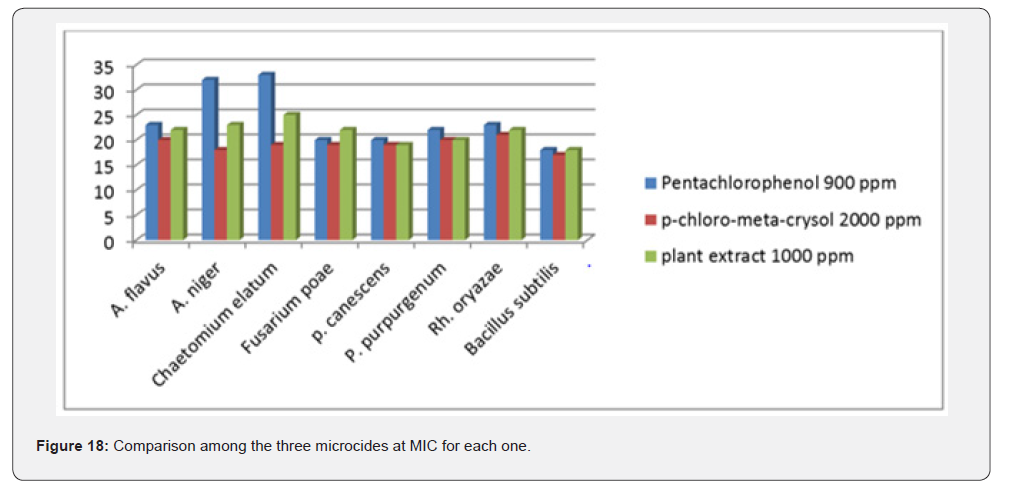
Results of Pentachlorophenol showed that at concentration of 900 ppm, all isolates were inhibited. Therefore, it can be concluded the MIC of Pentachlorophenol that inhibits all the tested isolates was 900ppm, and the mean diameter of inhibition zone ranged between 18-33 mm. Results of p-chloro-m-cresol cleared that up to 1000 ppm, no inhibition was detected. At 2000 ppm, all isolates were inhibited, where the diameter of inhibition zone ranged between 17-21 mm. Results for plant extract of Ceratophyllum demersum appeared that 1000 ppm was the minimum concentration that inhibited all the isolated where the diameter of inhibition zone ranged between 18-25 mm (Figure 18).
From the above results, it can be concluded that pentachlorophenol at 900ppm was the best microcide to stop the growth of all microbial isolates using the lowest possible concentration. These results coincide with references who recommended using pentachlorophenol up to (0.20-0.25%) for protecting of microbial deterioration [57], [22].
The microorganisms isolated in this research showed changes in quality and value of a new experimental leather and that agreed with references which mentioned that microorganisms make materials less functional in utilization because of hydrolytic enzymes, it is responsible of the formation of acidic products that cause chemical alteration in the under attack leather [58]. For that the SEM-EDX analysis results show decrease in all elements except Cl, S, N, K and Ca they are increased. Cl, S and N elements indicate to degradation of leather by enzymes produced from microorganisms or gas pollution (SO2, NO2, Cl+) [59] especially with humidity because of ground water. Ca returns to preparation process (using CaCO3 and CaSO4.2H2 O for remove hair and fats) increase by accumulation after leather decayed. K could be due to impurities or dust or ground water pollutant. Fibers of leather binding are hardly appearing and that indicate to gelatinization because of changes in chemical composition Figure 10 so that is confirms what we say.
The result of analysis by FTIR showed most of elements appeared in SEM-EDX analyses exist. In the other hand FTIR showed absence of 1740 cm-1 (lipid ΙΙΙ) that is peak doesn’t appear in archeological leather [60]. The FTIR showed that the collagen turned to gelatin, the collagen peak at 1655 cm-1 and range (1710- 1635 cm-1 for Amid Ι) in gelatin become 1600-1634 cm-1 and 1535 cm-1 for Amid ΙΙ. The FTIR analysis indicate to metal soap (metal carboxlates) which exist by reaction fatty acid with dyes and fatty acid with Ca in lime and gypsum (CaCO3 and CaSO4.2H2 O), at peaks (no.7, 3, 4 in figure 8). peak no 7 at 1544 cm-1 could be also indicate to Ca stearate which is a result of saponification reaction of metal soap [61] and that component attract the humidity that is exist in the El-Kady Abdel-Baset Mosque, that is increase deterioration of leather binding.
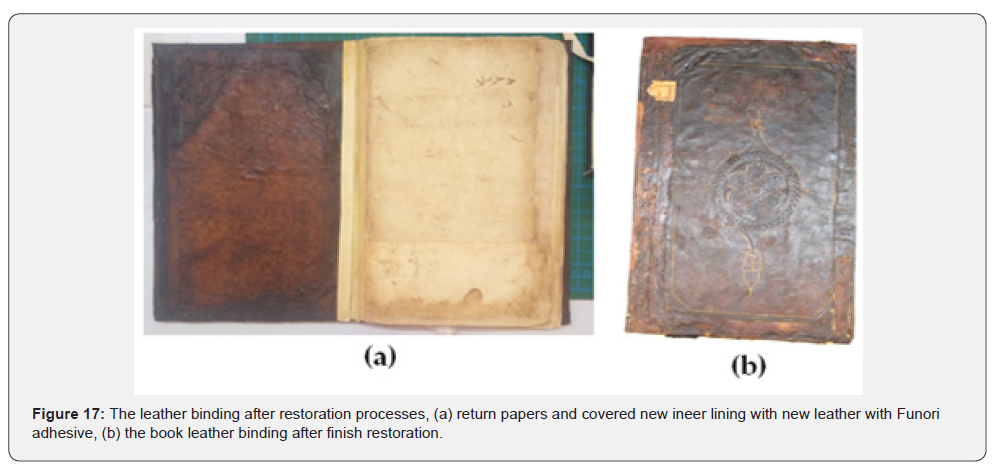
The conservation process of leather binding in this research must include restoration processes because the book (object) doesn’t do its role without making it in good condition. The Funori was used as green material for conservation [62,63]. Because the maintenance process requires controlled condition of humidity, temperature, light and air pollutant free the leather binding was stored in the ministry of antiquities stores.
Conclusion
Bad condition makes leather objects deteriorated faster especially leather binding because it is thin. The first deterioration factor exists and common is microbial growth of fungi and bacteria which causing darkness, microbial stain, stiffness and missing parts as in leather binding in El-Kady Abdel-Baset Mosque which suffers from humidity because of underground water. The study conclude that the leather kind of binding is goat leather and identified Bacillus subtilis for bacteria by (OM) and (rRNA) analysis. Optical microscope identified fungi, it is are A. niger, A. flavus, P. purpurgenum, Rhizopus oryaze, F. poae, P. canescens and Cheatomum elatium. The inner lining had corrosion by woodworm insect. Pentachlorophenol of 900 ppm is the MIC microcode for isolated Microorganisms. The binding leather partially turned to gelatinization that is appearing with SEM micrograph and FTIR analysis with indication of metal soap. That is inner deterioration due the object components.
The isolated microorganisms affected on modern samples of goat leather causing changes in physical and chemical properties, so the object had microbial infection should be conserved. Conservation could be contain restoration depending on object condition but in the all cases must be have controlled humidity, temperature, light and air pollutant, so the leather binding was transported to good store of the Ministry of Antiquities.
References
- Nawaz khan I (2025) History of Leather.
- Procter HR (2018) The Principles of Leather Manufacture, Project Gutenberg eBook, pp. 2-4.
- Bhavya KS, Raji P, Selvarani JA, Samrot AV, Javad PTM, et al. (2019) Leather Processing, Its Effects on Environment and Alternatives of Chrome Tanning. International Journal of Advanced Research in Engineering and Technology (IJARET) 10(6): 69-79.
- Britannica (2025) Tanning.
- Andre J (2016) Foundation, Leather Work in Ancient Egypt, in Encyclopedia of the History of Science, Technology, and Medicine in Non-Western Cultures. Third Edition, In: Selin H (ed.), Springer eBook, pp. 2540-2546.
- Nicolle D (2020) Leather Armour in the Islamic World: a Classic Problem, Millitarch.ru, pp. 87-116.
- Ghosh S (2020) Art of the book: a brief history of decorative book binding. The Chitrolekha Journal on Art and Design 4(2): 1-19.
- Peacock EE (2000) Leather, archaeological: on-site conservation. In: Ellis L (ed.), Archaeological Method and Theory: An Encyclopedia, Garland Publishing Inc., New York, USA, pp. 325-329.
- Christensen JE, Knudsen LR, & Kollias CG (2016) New Concept for Museum Storage Buildings – Evaluation of Building Performance Model for Simulation of Storage. In International Conference on Architecture and Civil Engineering.
- Lambert S, Mottus T (2014) Museum storage space estimations: In theory and practice, ICOM-CC 17th Triennial Conference.
- Lucchi E (2018) Review of preventive conservation in museum buildings. Journal of Cultural Heritage 29: 180-193.
- Erturk N (2021) Protection of Cultural Heritage: Risk Management in Museums in Turkey. Kültür Araştırmaları Dergisi 10: 82-96.
- Valentín N (2007) Microbial Contamination in Archives and Museums: Health Hazards and Preventive Strategies Using Air Ventilation Systems, The Getty Conservation Institute, Contribution to the Experts’ Roundtable on Sustainable Climate Management Strategies, in Tenerife, Spain.
- Hejazi B, Frick J and Garrecht H (2020) Deterioration Factors of Delicate Materials. Otto-Graf-Journal 19: 71-90.
- Ismael S, Omar A and Maher M (2021) Comparative Inhibition Study by Nanomaterial, Plant Extract and Chemical Microcide on the Screaming Mummy in Egyptian Museum Store. heritage 4(3): 2481-2493.
- Cappitelli F, Cattò C and Villa F (2020) The Control of Cultural Heritage Microbial Deterioration. Microorganisms 8: 1542.
- Vadrucci M, De Bellis G, Mazzuca C, Mercuri F, Borgognoni F, et al. (2020) Effects of the Ionizing Radiation Disinfection Treatment on Historical Leather. Frontiers in Materials 7(21).
- Verde SC, Nunes I, Silva T, Dias MI, Prudencio I, et al. (2017)Gamma Radiation for Microbial Decontamination of Cultural Heritage: Case Studies with Parchment and Ceramic Tiles, Chapter 19 in Uses of Ionizing Radiation for Tangible Cultural Heritage Conservation, Series No. 6, International Atomic Energy Agency (IAEA), Vienna, Austria, pp. 163-172.
- Badanthadka M and Mehendale HM (2014) Chlorophenols, In: Wexler P., Encyclopedia of Toxicology (Third Edition), Academic Press, pp. 896-899.
- OpenStax (2024) “Using Chemicals to Control Microorganisms” chapter 13 in Microbiology, Liber Texts, California, USA, p. 585.
- P. A., (2006), Cosmetic microbiology, a practical approach, Second edition, Taylor and Francis Group is the Academic Division of Informa plc., pp. 227-281.
- Hazardous Substances Series (2001) Pentachlorophenol, OSPAR Commission, pp. 1-31.
- Emenike CU, He Q and Koushika K (2024) Pentachlorophenol and its effect on different environmental matrices: the need for an alternative wood preservative, Sustainable Earth Reviews 7: 22.
- Kraševec I, Nemecˇek N, Štamcar ML, Cigic´ IK, and Prosen H (2021) Non-Destructive Detection of Pentachlorophenol Residues in Historical Wooden Objects. Polymers 13: 1052.
- Cosmetic Ingredient Review(CIR) (2006) Final Report on the Safety Assessment of Sodium p-Chloro-m-Cresol, p-Chloro-m-Cresol, Chlorothymol, Mixed Cresols, m-Cresol, o-Cresol, p-Cresol, Isopropyl Cresols, Thymol, o-Cymen-5-ol, and Carvacrol1, International Journal of Toxicology 25(Suppl. 1): 29-127.
- Andersen FA (1997) Final report on the safety assessment of p-chloro-m-cresol. International Journal of Toxicology 16: 235-268.
- Cosmetics INFO (2025) p-Chloro-m-Cresol.
- Rossi LA (1997) Reregistration Eligibility Decision (RED), p-Chloro-m-cresol, United States Environmental Protection Agency, Office of Pesticide Programs, Review, p. 30.
- Chemotechnique Diagnostics (2025) Patient Information Sheet p-Chloro-m-Cresol.
- Omar A, Taha A, El-Wekeel F (2019) Microbial degradation of ancient textiles in the Egyptian textile museum and methods of its control. Egypt. J Archaeol Restor Stud 9: 27-37.
- Emsen B and Dogan M (2018) Evaluation of antioxidant activity of in vitro propagated medicinal Ceratophyllum demersum L. extracts. Acta Sci Pol Hortorum Cultus 17(1): 23-33.
- Syed I, Fatima H, Mohammed A and Siddiqui MA (2018) Ceratophyllum demersum a Free-floating Aquatic Plant: A Review, Indian Journal of Pharmaceutical and Biological Research (IJPBR) 6(2): 10-17.
- Omar AM, Taha AS, Mohamed AA and El wekeel FM (2019) Fumigation is the ideal method in treating damaged archaeological paper using Ceratophyllum demersum L extract: A case study. Journal of Basic and Environmental Sciences 6(1): 17-22.
- Barrow GI, Feltham RKA (1993) Cowan and Steel's Manual for the Identification of Medical Bacteria, 3rd Cambridge University Press, London, U.K., pp. 51-180.
- Difco Laboratories, (1984), Manual of Dehydrated Culture Media and Reagents for Microbiological and Clinical Laboratory procedures, Difco Laboratories Incorporated, 10th Edition, Detroit, Michigan, USA, pp. 689-691.
- Zimbro MJ, Power DA, Miller SM, Wilson GE and Johnson JA (2009) DIFCO & BBL Manual of Microbiological Culture Media, 2nd edition, Becton, Dickinson and Company Sparks, Maryland 21152, USA.
- Gilman JC (1974) A manual of Soil Fungi. Indian Edition published by arrangement with the original American publishers Iowa State University press, USA, pp. 217-251.
- Domsch KH, Gams W and Anderson TH (1980 a) Compendium of soil fungi, V.1, Academic Press Ltd, London, U.K., pp. 21-328.
- Domsch KH, Gams W and Anderson TH (1980 b) Compendium of soil fungi. V.2, Academic Press Ltd, London, U.K., pp. 541-747.
- Sidorenko AV, Novik GI, Akimov VN (2008) Application of the methods of molecular systematics to classification and identification of bacteria of the genus Bifidobacterium. Mikrobiologiia 77(3): 293-302.
- Ludwig W (2007) Nucleic acid techniques in bacterial systematics and identification. International Journal of Food Microbiology 120(3): 225-236.
- Lane DJ (1991) 16S/23S rRNA Sequencing. In: Stackebrandt E and Goodfellow M (Eds.), Nucleic Acid Techniques in Bacterial Systematic, John Wiley and Sons, New York, pp. 115-175.
- Gordillo-Fuenzalida F, Echeverria-Vega A, Cuadros-Orellana S, Faundez C, Kähne T, et al. (2019) Cellulases Production by a Trichoderma sp. Using Food Manufacturing Wastes. Appl Sci 9(20): 4419.
- Brantner A, Peiffer KP and Grein E (1993) Antibacterial assays of the pharmacopoeias: diffusion tests of natural substances and evaluation. J Planta Med 59(7): 675-680.
- Smith CW, (2014) Leather Archaeological: conservation and preservation, In: Smith C, Encyclopedia of Global Archaeology, 1st edition, Springer, New York, USA, pp. 4462-4469.
- Kite M, Thomson R and Angus A (2006) Materials and techniques: past and present. Conservation of leather and related materials, In: Kite M and Thomson R (eds.), First edition, Elsevier, Oxford, UK, pp. 121-129.
- Ruzicka G, Zyats P, Reidell S and Primanis O (2006) Leather Conservation – bookbinding leather consolidants. Conservation of leather and related materials, In: Kite M and Thomson R, (eds.), First edition., Elsevier, Oxford, UK, pp. 230-232.
- Johnson A (2013) Evaluation of the use of SC6000 in conjunction with Klucel G as a conservation treatment for bookbinding leather: notes on a preliminary study. Journal of the Institute of Conservation 36(2): 125-144.
- Duffy C (2013) Here’s looking at you kid: Under the microscope with leather, British library.
- Jawahar M, Vani K and Chandra Babu NK (2016) Leather Species Identification Based on Surface Morphological Characteristics using Image Analysis Technique. Journal of the American Leather Chemists Association (JALCA) 111(8): 308-314.
- Nandiyanto ABD, Oktiani R and Ragadhita R (2019) How to Read and Interpret FTIR Spectroscope of Organic Material, Indonesian Journal of Science & Technology 4(1): 97-118.
- Mega lecture (2025) IR Spectroscopy, pp. 277-294.
- El-shamy EN and Othman M (2021) Analytical Study of the Archaeological Leather Document Preserved in Egyptian Museum and New Proposal for Museum Exhibition. JGUAA 6(1): 136-153.
- Abdel-Maksoud G, Abdel-Nasser M, Sultan MH, Eid AM, Alotaibi SH, et al. (2022) Fungal Biodeterioration of a Historical Manuscript Dating Back to the 14th Century: An Insight into Various Fungal Strains and Their Enzymatic Activities. Life 12: 1821.
- Hassan R, Ali M, Fahmy A, Ali H and Salem M (2020) Documentation and Evaluation of an Ancient Paper Manuscript with Leather Binding Using Spectrometric Methods. Journal of Chemistry.
- Pangallo P, Simonovicova A, Chovanova K and Ferianc P (2007) Wooden art objects and the museum environment identification and biodegrative characteristics of isolated microflora, Applied Microbiology 45(1): 87-94.
- Shash NR and Arya A (1999) Problems of biodeterioration a case study, 3rd Int Symp On restoration and conservation of monuments, Hyderabad, India, pp. 155-158.
- Naji KM, Abdullah QYM, AL-Zaqri AQM and Alghalibi SM (2014) Evaluating the Biodeterioration Enzymatic Activities of Fungal Contamination Isolated from Some Ancient Yemeni Mummies Preserved in the National Museum. Biochemistry Research International, pp. 1-9.
- Florian MLE (2006) The mechanisms of deterioration in leather. In: Kite M and Thomson R, conservation of leather and related materials, First edition., Elsevier, Oxford, UK, pp. 36-57.
- Halldorsdottri HH, William SR, Greene EM and Taylor G (2024) Rapid deterioration in buried leather: Archaeological implications RSC Advances 14: 3762-3770.
- Vichi A, Eliazyan G and Kazarian SG (2018) Study of the Degradation and Conservation of Historical Leather Book Covers with Macro Attenuated Total Reflection−Fourier Transform Infrared Spectroscopic Imaging. ACS Omega 3: 7150-7157.
- Baudone F (2019) Funori seaweed extracts as alternative material to semi-synthetic products used in paper conservation, ECR – Estudos de Conservação e Restauro 10: 6-18.
- Gattuso C, Campanella L, Valeria C, Giosafatto L, Mariniello L, et al. (2021) The consolidating and adhesive properties of funori: microscopy findings on common and ancient paper samples. Journal of Cultural Heritage 48: 153-160.

























