



 CTBEB Home



Abstract
Dental caries is a chronic condition exclusive to humans and one of the most well-known major oral health issues in the world today. Microorganisms age as a result of the breakdown of dental hard acellular tissue brought on by the acidic by-products of dietary carbohydrates, particularly sucrose. Dental caries is a frequent oral infection. Changes in the natural equilibrium of the oral pit can often lead to dental cavities. Their unmistakable proof, we can look at evasion and control measures for an extensive variety of cariogenic bacteria and variables. Along these lines, the connection between polymicrobial associations and the improvement of dental caries should be appropriately organized. From a biological perspective, caries arises from an inherent imbalance in the microbiota, triggered either by internal factors that disturb homeostasis or by the proliferation and multiplication of cariogenic bacteria in response to external stimuli. This page does a good job of summarizing the biology-based approaches to dental caries prevention and treatment, including the primary cariogenic microbiota, bacterial majority identification, natural biofilm arrangement, and preventive strategies. By considering the latest rational viewpoints, dental caries can be effectively prevented by adopting a preventative approach that views the disease from an environmental perspective.
Keywords: Novel; Microbial Enzyme; Product; Treat; Dental Caries; Caves; Oral Symbiotic Bacteria; Glucosyltransferases; Biofilm; Cariogenic Microorganisms; Antimicrobial Compounds
Abbreviations: Gtfs: Glucosyltransferases; EPS: Extracellular Polymeric Substance; QS: Quorum Sensing; CSP: Competence-Stimulating Peptide; SHP: Short Hydrophobic Peptide; SAM: S-Adenosyl-l-Methionine; AMPs: Antimicrobial Peptides; HAP: Hydroxyapatite
Introduction
Dental caries, which can affect a person at any stage of life, is one of the most well-known illnesses that can be avoided in youngsters. It is the main reason for mouth pain and dental discomfort. Caries tends to be detected and maybe treated in its early phases, despite the fact that it is frequently not self-restricting and can advance until the tooth is entirely damaged if treatment is not received. Consequently, dental caries and its causes should be understood by medical experts and other service providers. This workshop aims to give doctors current information about dental caries and how to manage it, as well as to motivate them to include pertinent caries counteraction and control techniques into their regular practices and offer advice on when to refer patients to a dentist specialist. Arguably the most well-known preventative disease, dental caries is assumed to be the main culprit behind tooth misfortune and oral pain. It is a severe oral health issue that makes it difficult to obtain and promote dental health in people of all ages. WHO observed that the worldwide issue of oral sickness persists despite appreciable progress in the oral health of the populace in many nations. The World Health Organization has established a connection between repeated infections and a number of oral disorders, and it has been shown that poor oral health can significantly affect general health and happiness
Dental caries is the term used to describe the restricted breakdown of sensitive dental hard tissues by acids that are created when bacteria break down carbohydrates in meals. A biological imbalance in the balance between tooth minerals and oral biofilms (plaque) causes a chronic illness that typically worsens over time for most people. The biofilm is represented by microbial motility, which causes fluctuations in plaque pH. This happens because saliva and the surrounding tooth tissue act as a buffer against the corrosive growth of bacteria. The tooth surface and its surroundings are in perfect harmony in this way. When the pH falls below a specific point, polish, dentine, or cementum get demineralized; when the pH rises, new minerals are added, a process known as remineralization takes place. The process of demineralization and remineralization takes up the majority of the day. This touch eventually results in dental cavities or in the maintenance and healing of an injury.
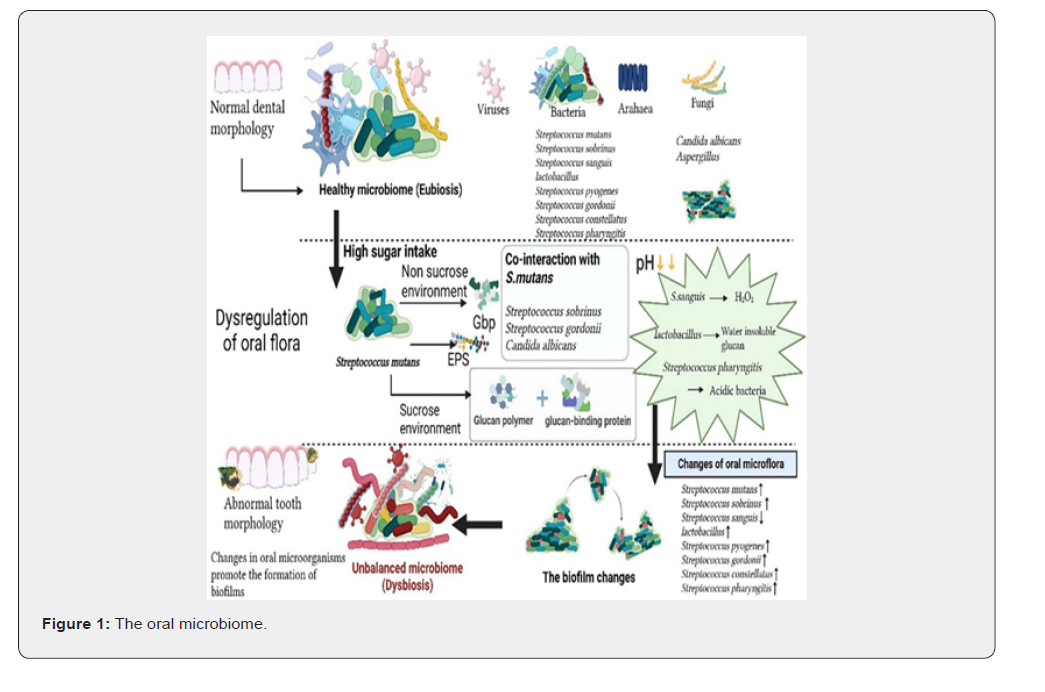
Dental caries is a result of food particles and bacteria interacting, and it is framed by the complex natural environment of the oral depression. Various oral exercises, including the improvement of biofilms and the production of destructive synthetics when bacteria in tooth plaque separate starches, shape caries. Next comes destructive demineralizing dental facade. Cariogenic bacteria build biofilms of extracellular polysaccharide frameworks that create environments that are confined to them and other microbes. For instance, in cariogenic biofilms, S. mutans’s glucosyltransferases (Gtfs), which are part of the layer and attach to microbial surfaces, offer the extracellular polymeric substance (EPS) that gives cariogenic bacteria a place to live. Dental caries is mostly caused by overconsumption of sweets and carbohydrates, and exogenous stimuli have the ability to change the oral microbiota’s favorable interaction with the host to a dysbiotic one. In the oral pit, where acidogenic and aciduric microbes contribute to the demineralization of dental veneer, long-term selection of the dominant microbiota takes place. The microbiota under selection is acidogenic and promotes demineralization. The safe corrosive microbiota and those that produce corrosives will predominate in a warming climate (Figure 1).
Literature Review
A thorough report led by [1] zeroed in on the adequacy of laser-helped methods in forestalling shine caries for north of a decade. The audit explored the different laser modes and what they meant for the expectation of clean caries. Due to its precision and negligible prominence, laser development has arisen as a practical dental instrument. The review features how lasers can change the surface qualities of facade, improve remineralization, and repress bacterial colonization. Furthermore, the extended results of laser-helped evasion strategies are assessed, offering a brief look into their practicability and reasonableness in clinical settings. The discoveries highlight the need of consistent evaluation endeavors pointed toward propelling laser limits and further developing guidelines for ideal clean caries counteraction.
To explore the effect of chlorhexidine, a regularly utilized antibacterial specialist, on dental number related improvement, [2] led an in vitro examination. Tartar, frequently known as dental math, is a calcified type of plaque that is a bet to improve periodontal disease. The audit portrays how bacterial biofilm disturbance and mineralization process concealment allow chlorhexidine to assuage investigation plan. The discoveries give knowledge into the range of capabilities that chlorhexidine acts in oral medical services past its generally expected application as a sanitizer. The audit accentuates the requirement for more clinical examination to affirm the attainability of chlorhexidinebased intercessions in forestalling periodontal difficulties and underscores the significance of advantageous treatments in plaque decrease.
[3] examine the antibacterial properties of many plant separates, for example, Azadirachta indica (neem), Pongamia pinnata, Psidium guajava (guava), and Mangifera indica (mango), against Streptococcus mutans, a key bacterium ensnared in the production of dental caries. The survey explains the parts of action of these normal synthetic compounds, offering understanding into their actual potential as supplemental or elective dental cures. The outcomes show the scope of antibacterial systems utilized by plant extracts, from cracking bacterial cell walls to obstructing imperative metabolic pathways. This examination features the great many normal products’ pharmacological properties in the fight against oral microbes and focuses the way for future examination into the making of state-of-the-art antimicrobial dental claims to fame.
Waghmode et al. [4] investigate the idea of a probiotic sugar treats parlor upgraded with flax seeds, exhibiting the food product’s genuine potential as a helpful food thing with dental medical advantages. Probiotics are striking for their commitment to working on oral wellbeing and controlling the bacteria in the mouth. Rich in lignans and omega-3 unsaturated fats, flax seeds have extra mending potential when consumed orally. The assessment assesses the sweets parlor’s actual characteristics, similarity for probiotics, and generally speaking wellbeing profile, underlining its true capacity as a satisfying and health advancing bite. This study gives a reasonable way to deal with working on oral wellbeing through dietary intercessions by integrating probiotics and flax seeds into a regularly eaten food structure. The survey accentuates the worth of innovative conveyance techniques for helpful substances to advance oral wellbeing and forestall dental sicknesses.
The Dental Caries History
Archeological proof recommends that dental caries is a wellestablished condition that extends back to somewhere in the range of 12,000-and 3,000-years BC (before Christ). A “tooth worm” was connected to dental caries in China, Japan, Egypt, and India in a report from 5000 BC. Old China is where a few customary procedures for foreseeing dental cavities were made. For example, they treated tooth torment with arsenic trioxide, a substance still being used today. In the sixteenth hundred years, Antonie van Leeuwenhoek suggested that minuscule living beings were liable for tooth caries when he utilized a magnifying lens to see bacteria on his own plaque. Harking back to the 1800s, a factory administrator recommended that minute life forms in the oral wretchedness might utilize carbon hydrates as a wellspring of burning compounds, which would rush the demineralization of teeth. This counterfeit parasite etiology added to the headway of the bacterial examination of tooth caries. Of the four, it is trusted that bacteria, or tooth plaque, is the main part conveying an etiologic variable. Considering these realities, the best methodology to forestall and treat dental cavities is to utilize antimicrobial subject matter experts or hostile to contamination treatments.
Dental Caries and Supragingival Microbial Biofilms
Oral Microbiota
The “substance bacteria hypothesis” on dental caries was first proposed by Plant Administrator in the book “Creatures in the human mouth” in 1890. As per this view, the dental biofilm is made up basically of microorganisms. The oral microbiota is a diverse organic system found in the mouth that incorporates bacteria, yeasts, contaminations, mycoplasmas, protozoa, and archaea. The oral opening controls bacterial colonization to hold undesirable species back from hurting the oral microbiota as well as offering it a warm and solid climate. The oral bacteria are imperative to the upkeep of dental wellbeing. Regardless, bacterial attack can cause a lopsided commensal microbial neighborhood the host under particular conditions, which could bring about dental disease.
Dental Biofilms
The oral microbiota on the outer layer of teeth principally shapes the polymicrobial network known as dental biofilm. It is presently settled that the organization of extracellular polymers (EPS) gives an obsessional common habitat to cariogenic bacteria. A lot of proof proposes that dental caries is basically a biofilmprovoked sickness as opposed to an irreversible one, with the disease cycle beginning in the biofilm covering the tooth’s external layer. As well as being wealthy in EPS, caries biofilm, or biofilm with the possibility to cause caries, likewise has an exceptionally powerful and muddled climate (Figure 2). The biofilm begins to shape when a dental pellicle, or salivary glycoprotein film, covers a tooth surface. Then, gram-positive bacteria, including streptococci of the mitis and mutans species (said to be quick to attack the biofilm), fabricate EPS, working on the adherence of various living organic entities. Ongoing examination demonstrates that destructive delivering bacterial species from the genera Scardovia, Lactobacillus, Propionibacterium, and Veillonella might be the wellspring of cariogenic conditions in the mouth. These bacteria might be available as colonizers in the dental biofilm. By giving other destructive delivering microorganisms new, obliged settings, the EPS make them more hazardous. The microbiological construction of cariogenic biofilms was the focal point of early review; however, it is currently turning out to be evident that the basic and metabolic properties of EPS are vital for the improvement of caries. The EPS network’s mechanical strength and affirmation make the biofilm impervious to antibacterial treatments and testing to eliminate.
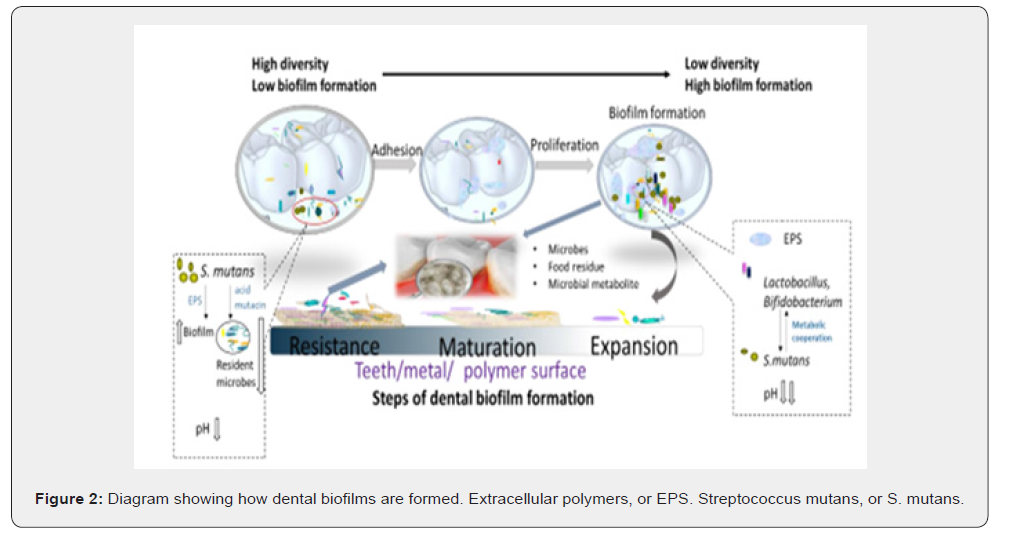
The possible cariogenicity of Streptococcus mutans biofilm is proven and factual. The three primary parts of this potential are (I) acid production; (ii) acid resistance, which allows the organic entity to get by in low pH conditions and convert a lot of carbs into normal acids; and (iii) the capacity to organize EPS, which ought to be clear as a cycle that advances improvement by safeguarding cells and subsequently empowering them to get by in unforgiving conditions. A cariogenic biofilm is framed by three S. mutans matrix conveying enzymes known as glucosyltransferases (Gtf BCD). Regardless, because of advancements in the examination of caries avoidance and treatment, it is presently realized that main diminishing sugar consumption and focusing on S. mutans isn’t sufficient to forestall dental caries. The principal extracellular polymeric substances (EPS) found in cariogenic biofilms incorporate polysaccharides, including those delivered by S. mutans, dissolvable glucans, and fructans created by various species, including Actinomyces, Streptococcus salivarius, and Streptococcus gordonii. Albeit subatomic examinations are still underway, they have distinguished a pathogenic vegetable involving parasites, (for example, Candida albicans) and bacteria (like Actinomyces and Scardovia) that are not unequivocally streptococci. Notwithstanding this, organic entities like S. mutans, Bifidobacterium, Lactobacillus, and Scardovia are likewise viewed as intruders connected to caries. Past examinations have shown a significant connection between the variety of microorganisms and the biofilms’ weakness to antimicrobial specialists, added substances, or compounds that are hurtful to holding. Since cariogenic bacteria have a strong power, microbial flood decreases as cariogenic biofilms develop. The pathogenesis of caries is believed to be answerable for the prevalence of cariogenic microorganisms over commensal species that are connected to wellbeing. Thus, hindrances to the counteraction of dental caries incorporate the unpredictability of the biofilm grid and the huge number of microorganisms.
The Microbiological Causes of Dental Caries
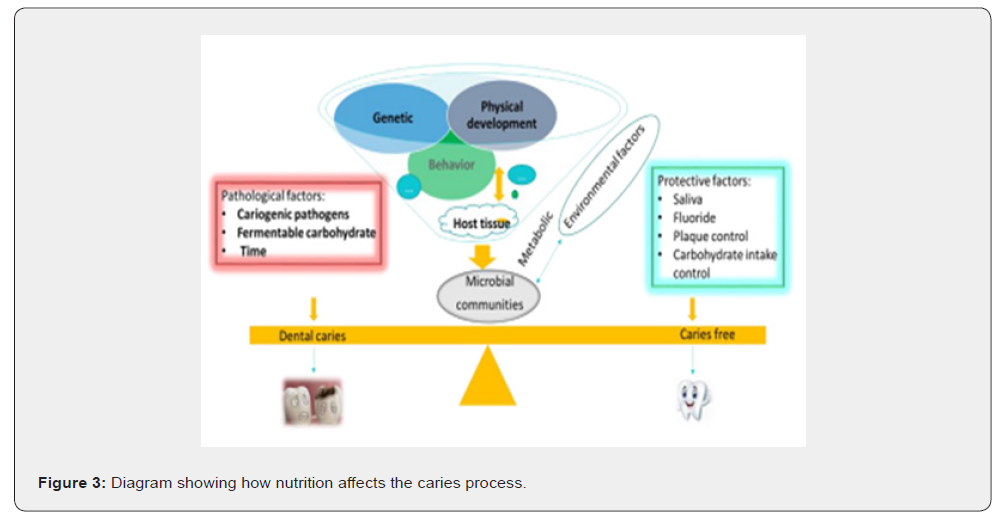
It is currently perceived that dental pits result from a hazy interchange between bacteria that make acid and starches that can possibly mature. While the oral microbiota impacts the development of dental caries, an assortment of host factors, including teeth and spit, can impact the recuperation from caries, bringing about a disease that generally endures and deteriorates after some time (Figure 3). Caries risk factors are the construction’s unpredictability, the resistance characteristics’ exchange, and the genuine security that EPS offers. Various investigations have shown that controlling the dental biofilm could forestall tooth decay; by and by, this accompanies extra obstacles as there is certainly not a solitary, clear objective for powerful intercession and since secretly exhorted treatments are deplorably as yet being utilized.
Recent Developments in Naturally Occurring Antimicrobial Compounds to Prevent Dental Caries
Cariogenic Biofilm Inhibitors Derived from Plants
Plants that are bountiful in naturally happening antibacterial synthetics are turning out to be increasingly well known. Society dental specialists know about the worth of restorative plants as dependable wellsprings of drug. Certain plants that don’t cause unfavorable impacts have even shown more prominent viability in restraining tooth caries than produced prescriptions. Roughly 80% of individuals around the world, as indicated by the World Wellbeing Association, utilize home grown solutions for fix different ailments, and most of these cures incorporate something like one plant part. It is vital to take note of that a ton of exploration has been finished on phytochemicals’ bioactivity and bioavailability. When contrasted with sodium fluoride, licorice extricate showed a discernibly more grounded inhibitory effect on oral diseases, as indicated by studies. To work on the counter cancer-causing characteristics of oral cleanliness items including toothpaste, mouthwash, and oral consideration useful food varieties, fluid or dry plant extricates are added. Meanwhile, caries inconvenience is treated utilizing plant-based dental fillings. Most of antibacterial compounds found in plants are optional metabolites with extraordinary physiological jobs yet no fundamental job in plant growth. Alkaloids, phenols, flavonoids, and natural acids are normally among them. There is a requirement for research on the organic impacts of plant-derived compounds on their hosts as well as the cycles fundamental their enemy of cancer-causing movement.
Plants have been utilized for quite a long time as natural cures that work on oral wellbeing; a portion of these have antibacterial characteristics that assistance to forestall contaminations. Hindering glucosyltransferase, an enzyme fundamental for the production of water-insoluble glucan, is another way that enemy of caries compounds work to stop the advancement of cariogenic biofilms. Concentrating on plant extricates is fundamental since they are wealthy in numerous bioactive substances. Studies have shown that the counter tooth rot spices coriander, clove, and cinnamon function admirably. Regardless, it is very much perceived that the hindrance of microbe cytokinesis is one of the systems behind alkaloids’ antimicrobial action. It is notable that polyphenols add to the deactivation of microorganisms’ cell enzymes. To study the method of activity of hostile to caries bioactive substances, more examination is vital. Since polyphenols and flavonoids are available in plants, they regularly have innate cell reinforcement properties notwithstanding their antibacterial movement. As an extra treatment to mechanical dental biofilm control, natural plants can be utilized.
Impact on the Growth of Bacteria
The capability of bioactive compounds derived from plants to block the growth of cariogenic microscopic organisms has been explored. It has been laid out that a natural ointment has pharmacological characteristics like the capacity to battle microorganisms. Caries prevention can be accomplished by utilizing an assortment of plant removes with muddled compound organizations, including as alkaloids, avonoids, isoavonoids, tannins, cumarins, glycosides, terpens, phenolic, phenylpropanol, monoterpene liquor, and monoterpenaldehyde. showed how extricates from Pongamia pinnata, Azadirachta indica, Psidium guajava, and Mangifera indica might be utilized in the future to forestall dental caries. Utilizing the microdilution technique, these analysts inspected the antibacterial action of the previously mentioned plants against S. mutans. They showed the meaning of spices in dentistry by estimating the synergistic capacity of the spices utilizing the checkerboard strategy. It has been recommended that phytochemicals extricated from explicit spices utilized in customary medication could be a reasonable substitute for cariogenic microorganisms, which cause dental caries. Clinical tests have inspected antimicrobial compounds, for example, lipophilic alkylamides tracked down in various spices. Also, it has been exhibited that extra antimicrobial substances remembered for natural cures have antibacterial movement against oral contaminations and hinder receptor creation and the growth of cariogenic microorganisms on tooth surfaces.
Modification of Adhesion, Aggregation, and Integrity at First
Utilizing biosurfactants and bioemulsifiers to adjust the synthetic and actual attributes of the cell surface and lessen microbial adhesion is the principal line of safeguard against biofilm advancement. Glycyrrhizin works by affecting glucosyltransferase movement, which forestalls S. mutans from sticking. The concealment of Sortase An and Sortase A-intervened S. mutans aggregation can be one of the components behind the antibacterial and hostile to biofilm exercises of glycosides. Customary Tibetan medication known as “Padma hepaten” has a strong polyphenolic combination produced using various spices. The component by which Padma hepaten bioactive synthetic substances decrease the cariogenic biofilm is through downregulating the EPS-coding qualities gtfB, gtfC, and ftf. By glancing through information bases of randomized controlled preliminaries, analysts looked at home grown and non-natural toothpastes and found that the previous was better at diminishing dental biofilm.
Bacterial Quorum Sensing Modulation
One significant modulator of destructiveness in cariogenic biofilms is quorum sensing (QS). The sign intervened QS framework is the establishment for biofilm improvement. Plant removes can smother QS qualities, QS-managed factors, and disturb the development of biofilms. Also, they can target numerous bacterial digestion pathways. It was found that the methanolic concentrates of Thuja orientalis and Camellia japonica might have the option to recognize quorums in oral diseases. Cranberry extricates high in polyphenols were found to bring down the acidogenicity and metabolic movement of S emphatically. mutans-C. albicans biofilms, as indicated by Philip’s examination concerning the impacts of cranberry extricates on the destructiveness of these biofilms.
Probiotics as Microbial Cariogenic Biofilm Inhibitors
In the beyond couple of years, there has been an expansion in interest in the likely advantages of probiotics on dental caries prevention because of the irreversible idea of microbial metabolic acids’ solubilization of tooth minerals and the unreasonable idea of treatment without prevention. At the point when given in adequate amounts, probiotics - live microorganisms - benefit the host by colonizing the human body. Probiotics can modify the make-up of the microbial populaces inside a specific host organ or tissue. Eventually, oral microbial networks’ homeostasis and dysbiosis cause wellbeing or sickness, separately. Exogenous probiotic microscopic organisms, nonetheless, struggle with colonizing the laid out oral microbiota. Moving past the obstructions to probiotic colonization in the oral cavity is in this way troublesome. Natural mouth microorganisms can change the pH of the oral climate, show double probiotic impacts, and forestall the growth of cariogenic species. These probiotics have been displayed to can bring down the quantity of cariogenic microorganisms and direct the pH of plaque. Clinical analyses have as of late been led to explore the impacts of L. rhamnosus, L. reuteri, and B. lactis after they were added to dental consideration things such biting gum, capsules, and tablets. Their battle for essential supplements is their enemy of conveying instrument. In the in the meantime, the host can be safeguarded from the overgrowth of contaminations by the union of antibacterial substances, for example, hydrogen peroxide, natural acids, and bacteriocin. A few probiotic strains contain bacteriocins, which are notable bioactive substances that successfully battle oral contaminations. Instances of these compounds are nisin, pediocin, and reuterine.
Incorporating Natural Antimicrobials in Dental Caries
Treatments for dental caries prevention that incorporate natural fixings might be more affordable to regulate while making less antagonistic impacts. Clinical preliminaries and in vivo harmfulness examinations are as yet required, in any case. Ongoing examination has approved the counter cancer-causing properties of probiotics and natural substances derived from flavors and spices. Their essential instrument of activity includes three unmistakable impacts: bringing down the speed of bacterial growth, diminishing the limit of microorganisms to stick, and repressing the enzymatic exercises of glucosyltransferase and amylase. Treatment with a solitary portion of a natural item smothered the cariogenic biofilm in a portion subordinate way, while probiotics and plant separates together showed synergistic impacts. It has been accounted for that probiotics or plant separates taken alone didn’t altogether decrease microorganisms however much probiotics and green tea remove did. demonstrated that a Chinese natural medication and probiotics matured together made a synergistic antifungal difference.
Mechanism of Quorum Sensing in The Dental Caries Pathogenesis
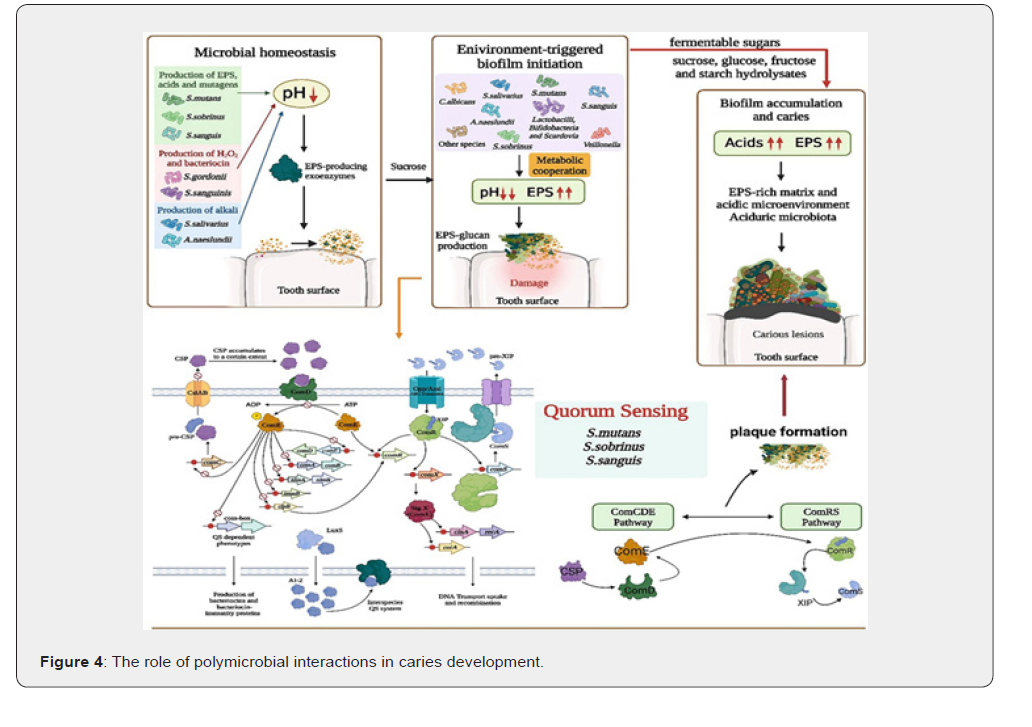
Interbacterial communication networks allow bacteria to share data about their present status, processing, and other perseverance information by extracellular sign transmission, which sets off various physiological exercises. Quorum sensing (QS) in gram-positive bacteria is worked with by peptide pheromones, which go about as extracellular hailing particles to distinguish contrasts in quality enunciation and at last trigger an arranged populace reaction. Autoinducer-2 (re-enacted insight 2) and competence-stimulating peptide (CSP) are two peptide pheromones that are essentially utilized by oral bacteria to work with the development of biofilms and contribute fundamentally to their advancement.
Streptococcus mutans’ QS system
Analysts focused on the association between bacterial QS and caries, as well as the capability that S. mutans plays in the development of dental plaque. S. mutans has a short hydrophobic peptide (SHP)/Rgg quorum sensing structure that produces ribosomally coupled and post-translationally changed peptides and manages a specific biosynthetic regulator. This system is made conceivable by the progressive SAM (S-adenosyl-l-methionine) (RaS) enzyme. The dental plaque production example is constrained by the S. mutans thickness subordinate QS setup. S. mutans prompts genetic change through the peptide pheromones CSP and com X inducing peptide (XIP). Various pivotal parts of this QS system, including as the oral biofilm plan, hereditary breaking point, acid production, bacterial destructiveness activity, and EPS production, help in the variation of bacteria to their unfriendly environmental factors.
CSP
Peptide against microbials, which can team up with microorganisms to target limited supplements in the climate, are one of the most negative parts of CSP. The Com CDE system distinguishes CSP and certainly prompts competence. A system for intercellular communication oversees competence because of delivered peptide hailing particles. The 21-CSP that S. mutans discharges is changed into dynamic 18-CSP by the film-bound protease SepM. This 18-CSP then ties to the ComD receptor and advances the improvement of biofilms in the oral hole. The species’ thickness subordinate QS arrangement, which for the most part includes CSP and the ComD/ComE two-section signal transduction structure, controls the advancement model of S. mutans-related dental plaque.
Com X
The pathogenicity and cariogenicity of S. mutans are likewise confined, and two hailing systems - Com CDE and HK/RR11 - are restrained simultaneously. Audit results showed that steadiness was altogether improved at a beginning phase in contrast with untreated seed biofilms, with vicR expression being especially all around expressed. Com D and Com X expression was altogether upregulated in the tough kind of S. mutans contrasted with that in the seeds (S. mutans cells). Monstrosities with lacking Com C, - D, or - E quality expression show lower log stage acid resistance reactions (ATR) in S. mutans biofilm cells. A populace sensing structure expected for cell thickness subordinate acknowledgment of heredity is encoded by ComC, D, and E. An engineered CSP was given to comC monstrosities to fix the ATR (Figure 4).
LuxS/AI-2 QS system
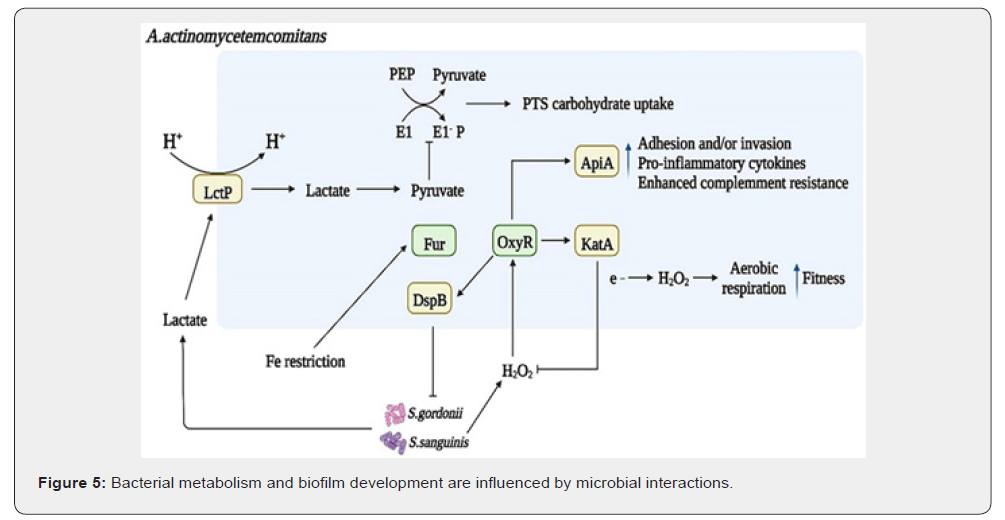
Another S. mutans QS part utilizes recreated insight 2, which is a consequence of LuxS-mediated methyl processing. S. gordonii and mixed species biofilms of S. mutans, which colonize tooth surfaces, are smothered by the LuxS/man-made knowledge 2 QS populace sensing structure. The LuxS/mimicked knowledge 2 QS framework tends to the expression of relevant elements in S. mutans as well as biofilm development, acid versatility, and acid age. Reenacted insight 2 is basic for the development of the S. mutans biofilm and can upregulate cariogenic qualities. LuxS modifications because of man-made insight 2-interced QS debilitate acid production, acid resistance, and biofilm game plan. Additionally, amazing QS regulators of S. mutans can be invigorated by minor oral bacteria like Aggregatibacter actinomycetemcomitans (A. act) (Figure 5). By utilizing the S. gordonii metabolite H2 O2 as a hailing molecule, A. act can improve the development of resistance protein ApiA and increment the production of cytoplasmic catalase (Tweaked structure). A. acti likewise diminished oxidative tension related attributes, though S. mutans upgraded the unadulterated QS regulon (transformants and mutagens).
Other Classical Agents Antimicrobial
Various central antimicrobials are not well characterized or were not made to address bacteria or problems of the mouth. Since elective antibacterial claims to fame, including as fluoride, chlorhexidine, quaternary ammonium salts, and antimicrobial peptides (AMPs), have been created to target oral microorganisms that cause oral contaminations, the utilization of essential antimicrobials has steadily decreased as of late.
Fluoride
Fluoride, which is the most effectively reachable type of the mineral, is likewise among the best in forestalling sorrow, especially regarding dental depressions. Fluoride is ordinarily added to drinking water and dental wellbeing products like toothpastes, mouthwashes, and enhancements, despite the fact that it’s additional in unassuming sums. There is still vulnerability over fluoride’s capacity to forestall dental pits. Besides, studies have exhibited that fluoride represses enolase, an enzyme urgent to the glycolytic cycle. Oral streptococci, similar to S. mutans, mature all the more leisurely and discharge less acid when enolase is restricted. Be that as it may, considering the advancement of fluorine-safe oral bacteria and dental and skeletal fluorosis, the fluoride framework has been reevaluated.
Chlorhexidine
Of the relative multitude of suggested treatments for dental caries, the cationic poly biguanide chlorhexidine ended up being the best. Jacinto et al. 1972 concentrate on the plaque-controlling properties of chlorhexidine demonstrated for certain that students forestalled the improvement of hidden dental caries by washing with a 0.2% chlorhexidine arrangement two times every day and flushing with a sucrose arrangement nine times each day for a time of 22 days. As indicated by antiplaque experts, chlorhexidine stays the “best quality level” right now. Chlorhexidine can decrease plaque adherence by obstructing the acidic glycoprotein totals present in spit. This is helpful in plaque control. By appending to extracellular polysaccharides and contending with calcium particles for restricting to plaque, chlorhexidine can diminish the number of bacteria that stick to dental surfaces. Notwithstanding, kidney, oral mucosal, and leukocyte cells all experience DNA harm from chlorhexidine, which brings about genotoxicity. Furthermore, it might cause cell demise.
Remineralizing Agents
Times of demineralization and remineralization coexist with repeating dental caries. The hydroxyapatite (HAP) pearl framework is restored in ionic designs during the remineralization cycle, which recharges the mineral substance of teeth. Numerous remineralizing compounds are currently being explored, and some are being used in clinical settings to treat dental caries with for the most part sure outcomes. Notwithstanding the fluorides recently talked about, remineralizing experts have been totally classified into the accompanying classes: polydopamine, oligopeptides, theobromine, arginine, nanoparticles, sodium calcium phosphosilicate, alpha tricalcium phosphate, and Nano bioactive glass materials [5-16].
Conclusion
The most well-known oral irreversible illness that affects people of all ages, from young to old, is dental caries. When it comes to treating dental caries, using drugs that target the specific cariogenic microbe is often the best option when compared to basic anti-microbials. Additionally, there is the theory that a microbial local area coexists with the human oral cavity. However, few studies have looked into how anti-infection drugs affect the oral microbial community and how it connects to oral health issues. Given the close links between diseases and the microbiome, maintaining the biological balance is essential for treating oral health issues and will also have an impact on the development of novel antimicrobial specialties that will be used in oral depression. Expanding our insight into the factors impacting dental caries has shown that oral cariogenic bacteria can raise the caries rate autonomously or related to each other for shared benefit. Besides, there is a cozy connection between the speculation of oral bacteria, the populace’s impact, and the event of dental caries.
References
1. Al-Maliky MA, Frentzen M, Meister J (2019) Laser-assisted prevention
of enamel caries: A 10-year review of the literature. Laser Med Sci
35(1): 1-18.
2. Sakaue Y, Takenaka S, Ohsumi T, Domon H, Terao Y, et al. (2018) The
effect of chlorhexidine on dental calculus formation: An in vitro study.
BMC Oral Health 18: 52.
3. Bodiba DC, Prasad P, Srivastava A, Crampton B, Lall NS (2018)
Antibacterial activity of Azadirachta indica, Pongamia pinnata, Psidium
guajava, and Mangifera indica and their mechanism of action against
Streptococcus mutans. Pharmacogn Mag 14(53): 76.
4. Waghmode M, Gunjal A, Patil N (2020) Probiotic sugar confectionery
fortified with flax seeds (Linum usitatissimum L.). J Food Sci Technol
57(5): 1964-1970.
5. Stsepetova J, Truu J, Runnel R, Nommela R, Saag M, et al. (2019) Impact
of polyols on oral microbiome of Estonian schoolchildren. BMC Oral
Health 19(1): 10.
6. Peres MA, Macpherson LMD, Weyant RJ, Daly B, Venturelli R, et al.
(2019) Oral diseases: A global public health challenge. Lancet 394:
249-260.
7. Mosaddad SA, Tahmasebi E, Yazdanian A, Rezvani MB, Seifalian A, et al.
(2019) Oral microbial biofilms: An update. Eur J Clin Microbiol Infect
Dis 38(11): 2005-2019.
8. Yadav K, Prakash S (2017) Dental Caries: A microbiological approach. J
Clin Infect Dis Pract 2: 1-5.
9. Naumova EA, Weber L, Pankratz V, Czenskowski V, Arnold WH (2019)
Bacterial viability in oral biofilm after tooth brushing with amine
fluoride or sodium fluoride. Arch Oral Biol 97: 91-96.
10. Chauhan DN, Singh PR, Shah K, Chauhan NS (2020) Natural oral care
in dental therapy: Current and future prospects. Nat Oral Care Dent
Ther p. 1-29.
11. Goel A, Halami PM, Tamang JP (2020) Genome Analysis of Lactobacillus
plantarum isolated from some indian fermented foods for bacteriocin
production and probiotic marker genes. Front Microbiol 11: 40.
12. Rodríguez G, Ruiz B, Faleiros S, Vistoso A, Marró M, et al. (2016)
Probiotic compared with standard milk for high-caries children: A
cluster randomized trial. J Dent Res 95(4): 402-407.
13. Lamont RJ, Koo H, Hajishengallis G (2018) The oral microbiota:
Dynamic communities and host interactions. Nat Rev Microbiol 16:
745-759.
14. Al Dahaan S, Al-Ansari N, Knutsson S (2016) Influence of groundwater
hypothetical salts on electrical conductivity total dissolved solids:
Engineering 8(11): 823-830.
15. Chowdhury S, Khakzad H, Bergdahl GE, Lood R, Ekstrom S, et al. (2021)
Streptococcus pyogenes forms serotype- and local environmentdependent
interspecies protein complexes. mSystems 6(5): e0027121.
16. Dashper SG, Mitchell HL, Cao KL, Carpenter L, Gussy MG, et al. (2019)
Temporal development of the oral microbiome and prediction of early
childhood caries. Sci Rep 9(1): 19732.
17. Fragkou S, Balasouli C, Tsuzukibashi O, Argyropoulou A, Menexes G
(2016) Streptococcus mutans, Streptococcus sobrinus and Candida
albicans in oral samples from caries-free and caries-active children.
Eur Arch Paediatr Dent 17(5): 367-375.
18. Gabe V, Kacergius T, Abu-Lafi S, Kalesinskas P, Masalha M, et al. (2019)
Inhibitory effects of ethyl gallate on Streptococcus mutans biofilm
formation by optical profilometry and gene expression analysis.
Molecules 24(3): 529.
19. Krucinska J, Falcone E, Erlandsen H, Hazeen A, Lombardo MN, et
al. (2019) Structural and functional studies of bacterial enolase, a
potential target against gram-negative pathogens. Biochem 58(9):
1188-1197.
20. Patel M (2020) Dental caries vaccine: Are we there yet? Lett Appl
Microbiol 70(1): 2-12.

























