




 APBIJ Home




Abstract
Hypertensive Disorders of Pregnancy (HDP), including gestational hypertension and preeclampsia, are increasingly recognized not only as pregnancy-specific complications but also as early indicators of future cardiovascular disease (CVD). Women affected by HDP experience an elevated long-term burden of hypertension, ischemic heart disease, stroke, heart failure, and other cardiometabolic disorders, highlighting pregnancy as an important window for identifying previously unrecognized cardiovascular vulnerability. Endothelial dysfunction provides a plausible biological bridge between hypertensive pregnancy and subsequent cardiovascular disease. Abnormal placental angiogenic signaling, oxidative stress, systemic inflammation, and vascular injury can impair endothelial homeostasis during pregnancy, while incomplete vascular recovery after delivery may contribute to persistent arterial dysfunction and later cardiovascular pathology. This review explores current evidence linking HDP with long-term cardiovascular risk, emphasizing endothelial mechanisms that may underlie this transition. It further examines the inter-pregnancy period as a clinically important opportunity for cardiovascular risk assessment, blood pressure optimization, cardiometabolic management, lifestyle modification, and preconception counseling. Particular attention is given to integrated care models that connect obstetric services with primary and cardiovascular care beyond the immediate postpartum period. The review also evaluates approaches to long-term surveillance, including blood pressure, metabolic, renal, and vascular risk assessment, alongside emerging biomarker and digital monitoring strategies. Integrating pregnancy history into routine cardiovascular risk assessment may facilitate earlier identification of high-risk women and strengthen preventive care. Future research should prioritize standardized surveillance pathways, mechanism-informed risk stratification, and scalable models capable of sustaining cardiovascular prevention across the life course.
Keywords: Hypertensive disorders; Preeclampsia; Cardiovascular disease; Endothelial dysfunction; Inter-pregnancy care; Cardiovascular surveillance
Introduction
Hypertensive Disorders of Pregnancy (HDP), encompassing chronic hypertension, gestational hypertension, preeclampsia, and related phenotypes, are major causes of maternal morbidity and mortality and increasingly recognized as indicators of later cardiovascular vulnerability [1]. Contemporary guidance emphasizes that pregnancy-related hypertension is not confined to the obstetric period; affected women have greater subsequent risks of chronic hypertension, ischemic heart disease, stroke, and heart failure [2]. Meta-analytic evidence involving more than 1.2 million women with prior HDP demonstrates substantially elevated risks of later hypertension, ischemic heart disease, and heart failure, reinforcing the prognostic significance of pregnancy history [3].
The cardiovascular consequences of HDP are clinically important because pregnancy may expose latent vascular and metabolic susceptibility before conventional cardiovascular disease becomes apparent. Normal pregnancy requires marked reductions in systemic vascular resistance, increases in cardiac output and blood volume, and coordinated vascular adaptation; disruption of these processes is associated with hypertensive pregnancy phenotypes [4]. Genetic evidence also supports an association between HDP and coronary artery disease and stroke that is not fully explained by cardiometabolic factors, suggesting that pregnancy-associated hypertension may reflect, and potentially contribute to, persistent cardiovascular pathology [5]. These observations have shifted attention from pregnancy complications as isolated events toward their role in life-course cardiovascular risk assessment [2].
Endothelial dysfunction provides a biologically plausible pathway connecting abnormal pregnancy adaptation with later cardiovascular disease [6]. In preeclampsia, impaired trophoblast invasion and spiral-artery remodeling can promote placental hypoxia, angiogenic imbalance, oxidative stress, and inflammatory activation, with circulating mediators such as soluble fms-like tyrosine kinase-1 and soluble endoglin contributing to systemic endothelial injury [7-9]. Vascular dysfunction may persist beyond delivery and has been proposed as a substrate for later hypertension and cardiovascular disease, although contemporary studies indicate heterogeneity in the persistence and measurable expression of endothelial abnormalities [10]. Understanding these mechanisms is therefore important for identifying clinically meaningful biomarkers and refining cardiovascular risk stratification [6].
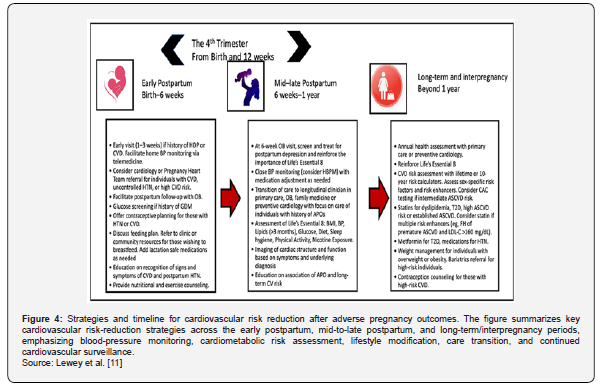
Recognition of HDP as a cardiovascular risk marker offers an opportunity to intervene during the postpartum and inter-pregnancy periods, for identifying and modifying risk factors before overt disease develops [11]. Evidence supports assessment of blood pressure, lipids, glucose metabolism, weight, and lifestyle, with transition from obstetric to primary or cardiovascular care [12]. Remote blood-pressure monitoring and digital approaches may improve care continuity, although evidence for effects on long-term cardiovascular outcomes remains limited across settings [11]. Long-term follow-up should move beyond postpartum recovery toward sustained cardiovascular prevention across the life course and between pregnancies, where appropriate [2].
This review examines hypertension in pregnancy as a clinically meaningful marker of future cardiovascular disease and synthesizes evidence across biological, clinical, and preventive dimensions. It first considers the spectrum of hypertensive disorders of pregnancy and the subsequent burden of cardiovascular disease, emphasizing how pregnancy-related hypertension may identify women with increased susceptibility to chronic hypertension, ischemic heart disease, stroke, and heart failure. It then examines endothelial dysfunction as a central mechanistic pathway, focusing on abnormal placental and angiogenic signaling, oxidative stress, inflammation, vascular injury, and the persistence of vascular abnormalities after delivery. The review subsequently evaluates the inter-pregnancy period as an opportunity for cardiovascular risk modification, including postpartum risk assessment, blood pressure and cardiometabolic management, lifestyle optimization, preconception counseling, and integrated models linking obstetric, primary, and cardiovascular services. Long-term surveillance strategies are also considered, with attention to blood pressure, metabolic, renal, and vascular assessment and the emerging roles of biomarkers, remote monitoring, and digital health approaches. Finally, the review considers how pregnancy history can be incorporated into cardiovascular risk stratification and preventive practice, while identifying implementation barriers and priorities for future research. By connecting pathophysiological mechanisms with practical care pathways, the review aims to clarify how recognition of cardiovascular vulnerability after hypertensive pregnancy can support earlier, sustained, and individualized prevention across the life course. Particular attention is given to the heterogeneity of hypertensive pregnancy phenotypes, the timing and severity of disease, and the distinction between transient postpartum abnormalities and persistent cardiovascular risk. The review also highlights the need for coordinated follow-up that remains feasible across different healthcare settings and supports continuity beyond the traditional postpartum period.
Hypertensive Disorders of Pregnancy and Subsequent Cardiovascular Risk
Hypertensive Disorders of Pregnancy (HDP) are clinically heterogeneous conditions whose significance extends beyond pregnancy. Their timing, severity, recurrence, and coexistence with chronic hypertension influence both immediate maternal complications and subsequent cardiovascular vulnerability. This section therefore considers HDP as a spectrum of phenotypes and examines the evidence linking these phenotypes with long-term cardiovascular outcomes.
Spectrum and Clinical Phenotypes of Hypertensive Disorders of Pregnancy
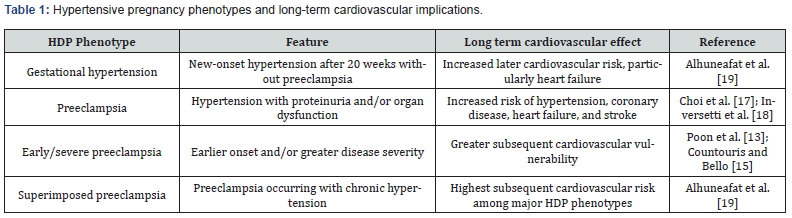
HDP comprise chronic hypertension, gestational hypertension, preeclampsia/eclampsia, and chronic hypertension with superimposed preeclampsia. Gestational hypertension is characterized by new-onset hypertension after 20 weeks without features of preeclampsia, whereas preeclampsia involves hypertension accompanied by proteinuria and/or maternal organ dysfunction. Chronic hypertension predates pregnancy or is identified early in gestation, while superimposed preeclampsia represents the development of preeclamptic features in women with chronic hypertension [13,14]. These distinctions are important because HDP do not confer a uniform long-term cardiovascular burden. Within preeclampsia, timing and severity further define clinically relevant phenotypes. Early-onset and severe disease, recurrent preeclampsia, and superimposed preeclampsia are associated with greater subsequent cardiovascular vulnerability than less complicated forms of pregnancy hypertension [13,15]. Cardiovascular changes may also become evident during the affected pregnancy itself. A systematic review and meta-analysis found greater cardiac remodeling among women with HDP, including increased left ventricular hypertrophy, concentric remodeling, left atrial diameter, and aortic-root dimensions compared with normotensive pregnancies [16]. These findings support viewing HDP phenotypes not simply as diagnostic categories but as markers of differing degrees of maternal cardiovascular maladaptation (Table 1).
Epidemiological Association with Future Cardiovascular Disease
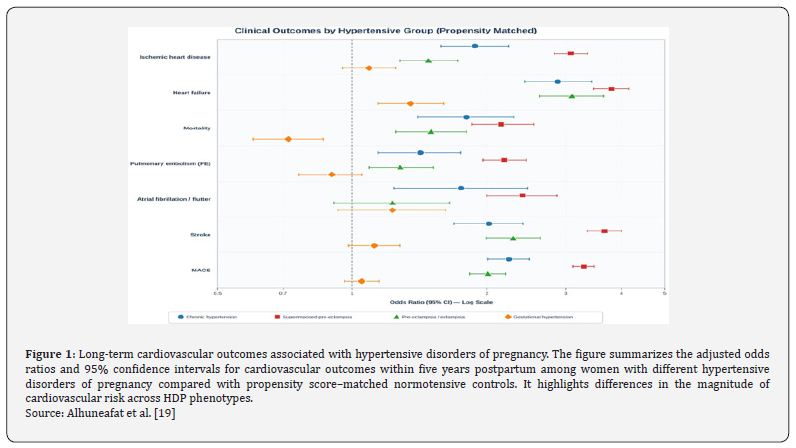
The association between HDP and later cardiovascular disease (CVD) is consistently demonstrated across large cohorts and systematic reviews. In a population-based Korean cohort of 68,658 women followed for up to 22 years, previous preeclampsia was associated with increased risks of ischemic heart disease and stroke, with adjusted hazard ratios of 1.66 and 1.48, respectively; a meta-analysis of Asian studies produced similarly elevated estimates [17]. These findings extend evidence from predominantly Western populations and support the relevance of preeclampsia as a cardiovascular risk marker across populations. The magnitude of risk is particularly well established for preeclampsia. A systematic review and meta-analysis of 22 adjusted studies found that previous preeclampsia was associated with approximately twofold higher risks of cardiovascular death and coronary artery disease, while risks of heart failure and stroke were also substantially increased. Importantly, excess risk was detectable within 1–3 years after pregnancy and persisted over several decades [18]. Genetic epidemiological evidence further supports associations between HDP and coronary artery disease, ischemic stroke, and heart failure, although these analyses do not by themselves establish the precise biological mechanisms underlying those relationships [5]. Recent evidence emphasizes that HDP subtype matters. In a large 2026 propensity-matched analysis, all major HDP subtypes were associated with increased cardiovascular risk, but the greatest estimates were observed among women with superimposed preeclampsia. Gestational hypertension showed a more limited association, particularly with heart failure, illustrating why long-term risk assessment should retain information about the specific pregnancy phenotype rather than treating all HDP as equivalent [19].
Long-Term Cardiovascular Outcomes After Hypertensive Pregnancy
Chronic hypertension is the most prominent intermediate cardiovascular outcome after HDP. Approximately 30% of women with previous preeclampsia develop chronic hypertension within 10 years, and a 2025 systematic review involving 197,793 women identified recurrent preeclampsia and several pregnancy and maternal characteristics as important predictors of later hypertension [20]. Persistent hypertension is clinically important because it can subsequently amplify risks of coronary disease, stroke, heart failure, and other cardiovascular events. The long-term burden extends beyond blood pressure. Previous preeclampsia is associated with increased risks of coronary artery disease, heart failure, stroke, and cardiovascular mortality, with evidence indicating that these outcomes can emerge relatively early after pregnancy and remain elevated over the subsequent decades [15,18]. The clinical trajectory is also influenced by the severity and phenotype of HDP. Recent subtype-specific evidence demonstrates particularly high cardiovascular risk following superimposed preeclampsia, while cardiac remodeling observed during HDP provides a potential intermediate phenotype between pregnancy hypertension and later cardiovascular disease [16,19]. Collectively, these findings establish HDP as an important life-course cardiovascular risk marker, with the greatest concern among women with early-onset, severe, recurrent, or superimposed preeclampsia. The persistence of risk despite the resolution of pregnancy itself provides the clinical rationale for examining the vascular and endothelial pathways that may connect HDP with later cardiovascular disease (Figure 1).
Endothelial Dysfunction as a Mechanistic Link
The transition from hypertensive pregnancy to later cardiovascular disease is unlikely to result from elevated blood pressure alone. Increasing evidence implicates a network of placental, angiogenic, metabolic, inflammatory, and vascular abnormalities that converge on endothelial dysfunction. This endothelial phenotype can promote impaired vasodilation, vascular permeability, inflammation, thrombogenicity, and vascular remodeling during pregnancy, while incomplete vascular recovery may leave a persistent substrate for later cardiovascular disease. The mechanistic evidence therefore provides an important bridge between the pregnancy phenotype and the long-term cardiovascular outcomes described above.
Placental and Angiogenic Dysregulation
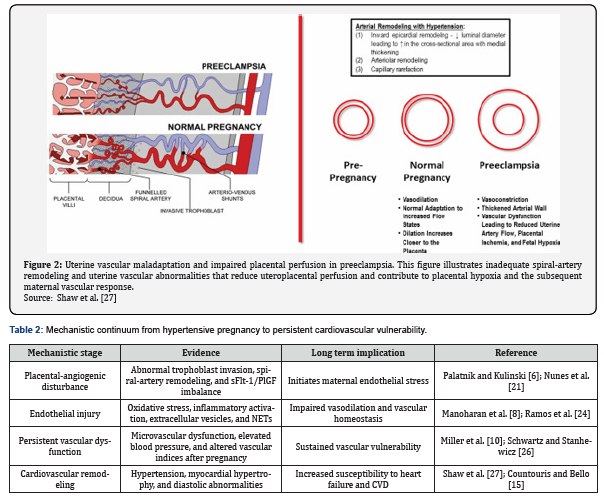
Abnormal trophoblast invasion and inadequate remodeling of the maternal spiral arteries reduce uteroplacental perfusion and expose the placenta to hypoxic and ischemia–reperfusion stress. The stressed placenta subsequently releases circulating factors that alter maternal vascular homeostasis. Among the best characterized are Soluble Fms-Like Tyrosine Kinase-1 (sFlt-1), Soluble Endoglin (sEng), Vascular Endothelial Growth Factor (VEGF), and Placental Growth Factor (PlGF). Increased sFlt-1 sequesters VEGF and PlGF, whereas sEng interferes with transforming growth factor-β signaling, collectively reducing pro-angiogenic and endothelial-protective signaling. The resulting angiogenic imbalance contributes to impaired nitric oxide-dependent vasodilation, endothelial barrier disruption, and increased vascular tone [6,9]. The relationship between angiogenic imbalance and endothelial injury also appears to involve cellular metabolism. Nunes et al. [21] found that increasing sFlt-1/PlGF ratios were associated with endothelial damage, oxidative stress-related injury, and metabolic reprogramming, including alterations in succinate, glycine, lactate, and glucose. These findings suggest that anti-angiogenic signaling may influence endothelial cellular energetics in addition to conventional receptor-mediated vascular effects. The endothelial glycocalyx may provide another interface between angiogenic imbalance and vascular injury, with recent work proposing that its disruption could facilitate inflammatory and complement-mediated endothelial damage in severe preeclampsia and HELLP syndrome [21,22] (Figure 2).
Oxidative Stress, Inflammation, and Endothelial Injury
Placental hypoxia and ischemia–reperfusion increase Reactive Oxygen Species (ROS) generation, mitochondrial dysfunction, and lipid peroxidation. Excess ROS can reduce nitric oxide bioavailability, impair endothelial nitric oxide synthase signaling, and promote vasoconstriction, vascular permeability, and a prothrombotic phenotype. The metabolic theory of preeclampsia integrates these processes by linking placental hypoxia to oxidative stress, mitochondrial injury, inflammatory signaling, and the systemic release of vasoactive factors that act on maternal endothelium [8,23]. Recent evidence further indicates that angiogenic imbalance itself can induce oxidative and metabolic stress within endothelial cells [21]. Inflammatory pathways amplify this vascular injury. Preeclamptic pregnancy is associated with activation of cytokine, complement, leukocyte, and coagulation pathways, creating an environment in which endothelial activation and vascular inflammation reinforce one another. Ramos et al. [24] demonstrated experimentally that extracellular vesicles from preeclamptic pregnancies increased endothelial von Willebrand factor, VCAM-1, and ROS, while neutrophil extracellular traps increased endothelial injury and complement deposition. These findings provide direct evidence that circulating placental and immune-derived mediators can transmit vascular injury beyond the placenta. Oxidative and inflammatory injury may also involve more specialized forms of cellular stress. Recent evidence has linked altered ferroptosis-related markers to preeclamptic placental tissue, although the available findings do not establish ferroptosis as a direct cause of maternal vascular dysfunction. This distinction is important because mechanistic associations observed in placental tissue should not automatically be interpreted as demonstrated systemic vascular mechanisms [25].
Persistent Vascular Dysfunction after Pregnancy
Removal of the placenta after delivery substantially reduces the circulating angiogenic stimulus, but vascular recovery may be incomplete. Women with previous preeclampsia have been reported to exhibit persistent abnormalities in microvascular function, arterial stiffness, blood pressure, and other vascular measures beyond the puerperium. Schwartz and Stanhewicz [26] describe persistent microvascular dysfunction after preeclamptic pregnancy, including abnormalities in endothelial-dependent vascular responses, suggesting that the vascular phenotype may outlast the clinical pregnancy disorder. However, persistence is not uniform across vascular measures. The EPOCH study evaluated women at a mean of 5.7 years after their affected pregnancy and found higher blood pressure, hypertension prevalence, calculated ASCVD risk, and augmentation index among women with previous HDP, but no significant differences in reactive hyperemia index, carotid intima-media thickness, or several measures of arterial stiffness. This mixed pattern indicates that postpartum vascular dysfunction is heterogeneous and that different vascular beds or measurement modalities may capture different stages of residual injury [10]. This heterogeneity is mechanistically important. Persistent vascular abnormalities may reflect the combined effects of residual endothelial injury, altered vascular smooth-muscle function, arterial remodeling, inflammation, metabolic dysfunction, and the subsequent development of conventional cardiovascular risk factors. Palatnik and Kulinski [6] therefore emphasize vascular dysfunction as a potential intermediate phenotype linking HDP with later cardiovascular disease, while Collins et al. [4] highlight the importance of standardized assessment of maternal vascular and cardiovascular physiology across pregnancy and postpartum (Table 2).
Progression from Vascular Dysfunction to Cardiovascular Disease
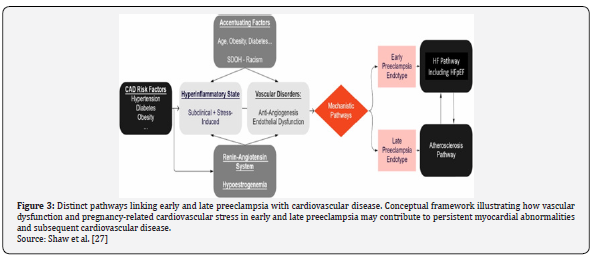
Persistent endothelial and vascular abnormalities can progressively influence the cardiovascular system through sustained hypertension, increased arterial stiffness, impaired coronary and microvascular function, ventricular remodeling, and altered myocardial relaxation. These processes may interact with conventional risk factors acquired after pregnancy, thereby converting an initially subclinical vascular phenotype into clinically apparent cardiovascular disease. The relationship is likely to be particularly important after early or severe preeclampsia, where greater vascular dysfunction and myocardial maladaptation have been described [15,27]. Shaw et al. [27] propose that early preeclampsia may represent a vascular endotype in which systemic vascular dysfunction contributes to myocardial hypertrophy and diastolic abnormalities, creating a pathway toward heart failure. Their model also distinguishes this from later-onset disease, in which pre-existing cardiovascular risk factors may interact more strongly with pregnancy-related vascular stress. Countouris and Bello [15] similarly identify endothelial dysfunction, inflammation, reactive oxygen species, renin–angiotensin–aldosterone system activation, ischemia, myocardial fibrosis, and hypertrophy as interconnected features that may contribute to heart-failure susceptibility after preeclampsia. Thus, endothelial dysfunction should be viewed as a central intermediary rather than a single causal mechanism. Placental malperfusion initiates angiogenic and metabolic disturbances; oxidative, inflammatory, immune, and extracellular-vesicle pathways amplify endothelial injury; incomplete vascular recovery may sustain vascular abnormalities after delivery; and persistent vascular stress can interact with hypertension and cardiometabolic risk to promote myocardial and vascular remodeling. This integrated model provides a mechanistic explanation for why cardiovascular risk can persist long after the hypertensive pregnancy has clinically resolved [6,27-29] (Figure 3).
Inter-Pregnancy Care as a Cardiovascular Prevention Window
The inter-pregnancy period represents an important opportunity to translate recognition of Hypertensive Disorders of Pregnancy (HDP) into sustained cardiovascular prevention. Cardiovascular risk factors may persist or emerge after delivery, while the processes contributing to later cardiovascular disease can become established before a subsequent pregnancy. Accordingly, postpartum care should extend beyond resolution of pregnancy-related hypertension to systematic cardiovascular risk assessment, risk-factor modification, and continuity of care. The American Heart Association identifies both the postpartum and inter-pregnancy periods as important windows for optimizing cardiovascular health, while longitudinal evidence demonstrates increased predicted long-term cardiovascular risk among women with previous adverse pregnancy outcomes within several years after delivery [11,30,31].
Postpartum Cardiovascular Risk Assessment
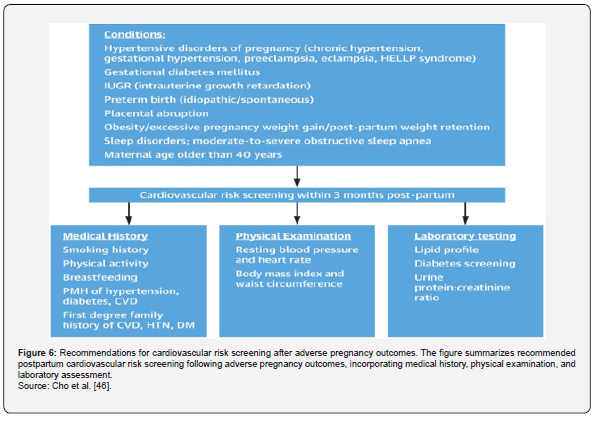
Postpartum cardiovascular assessment should document the HDP phenotype, severity, and recurrence together with conventional cardiovascular risk factors, including blood pressure, adiposity, lipid status, glucose regulation, smoking or nicotine exposure, physical activity, and family history. Early assessment is particularly important because cardiovascular risk factors may become evident soon after pregnancy. In a cohort of 4,194 women with HDP, only 28% underwent blood-pressure screening within 6–12 months postpartum; those screened early had a substantially higher rate of subsequent detection of hypertension, prediabetes, diabetes, or hyperlipidemia than women screened later [32]. Risk assessment should continue beyond the first postpartum year. Among 4,273 women assessed 2–7 years after delivery, previous adverse pregnancy outcomes were associated with higher predicted 30-year cardiovascular disease risk, with risk increasing as adverse pregnancy outcomes accumulated [31]. These findings support repeated assessment during the inter-pregnancy period rather than treating postpartum review as a single encounter.
Blood Pressure and Cardiometabolic Risk Management
Blood-pressure control is a central component of cardiovascular prevention after HDP. Persistent hypertension should be identified and treated appropriately, while management should transition from acute postpartum care to long-term cardiovascular risk reduction. Current guidance recommends sustained blood-pressure management together with assessment of lipid and glucose abnormalities and other modifiable cardiovascular risk factors [11]. Self-management and remote approaches may complement conventional care. A 2025 systematic review and meta-analysis of 16 studies involving 2,200 women found that self-care interventions were associated with modest reductions in systolic and diastolic blood pressure and a lower risk of postpartum hypertension readmission, although evidence remained insufficient to establish effects on chronic hypertension or cardiovascular events [33]. Thus, these approaches should be viewed as adjuncts to, rather than substitutes for, clinical risk-factor management. Cardiometabolic management should extend beyond blood pressure to obesity, dyslipidemia, impaired glucose regulation, physical inactivity, and nicotine exposure. The inter-pregnancy period allows these factors to be identified and modified before another pregnancy. Preconception cardiovascular optimization is particularly relevant because cardiovascular health before conception influences both pregnancy outcomes and longer-term maternal health [12,30].
Lifestyle and Preconception Risk Modification
Lifestyle modification should form a core component of inter-pregnancy cardiovascular prevention. Dietary quality, regular physical activity, healthy weight management, smoking or nicotine cessation, and other components of cardiovascular health should be addressed within an individualized preconception plan [11,30,34]. The objective is to establish sustainable cardiovascular health rather than simply optimize readiness for a subsequent pregnancy. Recent intervention evidence provides preliminary support for structured approaches. A 2025 prospective study of 190 women with previous HDP found that a 12-month technology-enabled behavior-change program involving health coaching and primary-care risk-factor management was associated with reductions in cardiovascular risk scores, body weight, waist circumference, hypertension, metabolic syndrome, and selected lipid measures, alongside improvements in physical activity, diet, and medication adherence [35]. Because the study used a single-arm pre–post design, these findings support feasibility and potential benefit but do not establish causality. Preconception management should also include review of antihypertensive and other cardiometabolic medications, optimization of existing conditions, and appropriate reproductive planning. Effective control of hypertension and diabetes before conception may reduce the risk of subsequent adverse pregnancy outcomes while simultaneously addressing established cardiovascular risk [12,30].
Integrated Inter-Pregnancy Care Models
Sustained prevention requires effective transition from obstetric care to primary and cardiovascular care. Obstetric services provide an important entry point for identifying HDP and initiating postpartum risk assessment, whereas primary care and cardiovascular services are essential for longer-term management of hypertension, metabolic risk, lifestyle factors, and future pregnancy planning. The AHA therefore emphasizes coordinated, multidisciplinary approaches that extend beyond the immediate postpartum period [12]. Recent implementation evidence supports structured care pathways. In a 2025 retrospective cohort study, establishment of a dedicated postpartum cardiovascular care pathway for women with HDP was associated with markedly higher rates of cardiometabolic screening during the first postpartum year, including lipid testing, lipoprotein(a), apolipoprotein B, and HbA1c assessment [36]. Although the study assessed screening rather than cardiovascular events, it demonstrates that structured pathways can improve implementation of preventive assessment. Dedicated postpartum cardiovascular prevention clinics may further strengthen continuity and patient engagement. In a 2025 mixed-methods study, participants attending a postpartum cardiovascular prevention clinic reported improved understanding of their condition and healthy behaviors, while a combination of in-person and virtual follow-up was preferred [37]. However, evidence for effects on long-term cardiovascular events remains limited, supporting the need for prospective outcome studies. Implementation must also account for unequal access to preventive care. Analysis of 42,858 postpartum individuals with HDP in the United States found substantial socioeconomic and racial/ethnic differences in postpartum visit attendance, while many women who attended visits reported not receiving lifestyle counseling, smoking assessment, or diabetes testing [38]. Such gaps indicate that effective inter-pregnancy models require not only clinical integration but also accessible and equitable delivery of preventive services (Figure 4).
Long-Term Cardiovascular Surveillance
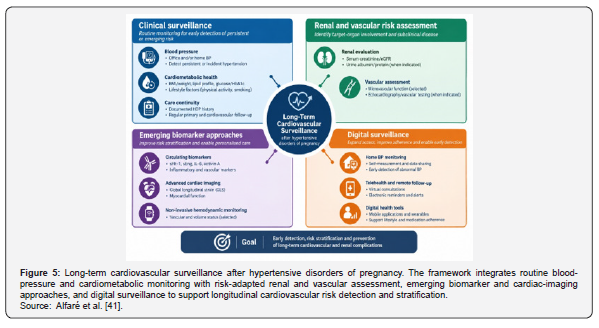
Long-term cardiovascular surveillance after Hypertensive Disorders of Pregnancy (HDP) should extend beyond the early postpartum period because cardiovascular and renal abnormalities may persist or become clinically apparent years after delivery. Surveillance therefore needs to move from short-term blood-pressure follow-up toward periodic assessment of blood pressure, cardiometabolic health, renal function, and selected vascular or cardiac markers. Current guidance recognizes the increased long-term cardiovascular and cardiometabolic risk associated with previous gestational hypertension and preeclampsia, while emerging research is investigating biomarkers, advanced echocardiography, and non-invasive hemodynamic monitoring for more individualized risk detection [39-41].
Blood pressure and Cardiometabolic Monitoring
Blood pressure should remain the foundation of long-term surveillance after HDP. Women with previous gestational hypertension or preeclampsia remain at increased risk of developing chronic hypertension and other cardiovascular risk factors, making periodic BP assessment important even when pregnancy-associated hypertension has resolved. The 2025 AHA/ACC hypertension guideline emphasizes continued follow-up of individuals with previous pregnancy-associated hypertension and recognizes their elevated risk of subsequent cardiometabolic disease [40]. Long-term surveillance should also include body weight, lipid profile, glucose regulation, and lifestyle-related risk factors. Early postpartum screening is clinically relevant because women assessed within 6–12 months after HDP have greater detection of hypertension, dyslipidemia, prediabetes, and diabetes than those screened later [32]. Thus, surveillance should begin during the first postpartum year and continue periodically thereafter rather than being limited to a single postpartum assessment. Home BP monitoring and telehealth can complement clinic-based surveillance by increasing opportunities to detect abnormal BP between visits. Evidence from remote postpartum hypertension programs indicates improved BP monitoring and clinical follow-up, although these approaches should remain integrated with clinician-directed care rather than replace longitudinal cardiovascular assessment [42]. The 2025 hypertension guideline similarly recognizes home BP monitoring and team-based telehealth as useful components of postpartum BP management [40].
Renal and Vascular Risk Assessment
Renal surveillance is an important but frequently underemphasized component of long-term follow-up after HDP. Preeclampsia and other adverse pregnancy outcomes are associated with increased subsequent risk of chronic kidney disease, supporting consideration of renal assessment alongside cardiovascular monitoring [39,43]. Renal evaluation may include serum creatinine with estimated glomerular filtration rate and urinary albumin or protein assessment, particularly among women with severe or recurrent preeclampsia, persistent hypertension, pregnancy-associated kidney injury, or other clinical indicators of renal disease. The cardio-renal relationship is particularly relevant because hypertension, endothelial dysfunction, and renal impairment may reinforce one another after pregnancy. Davidson et al. [39] describe long-term cardio-renal-metabolic complications following preeclampsia, highlighting the need for surveillance that extends beyond conventional cardiovascular risk factors. Crump et al. [43] further demonstrated associations between adverse pregnancy outcomes and subsequent chronic kidney disease, supporting pregnancy history as an important component of later renal risk assessment. Vascular surveillance may provide additional information in selected high-risk individuals. Persistent microvascular and BP abnormalities have been demonstrated years after preeclampsia, suggesting that apparently resolved pregnancy hypertension may leave measurable vascular alterations [44]. However, specialized measures of endothelial or microvascular function are not yet established as routine population screening tools and are better considered within targeted clinical assessment or research settings [6] (Table 3).
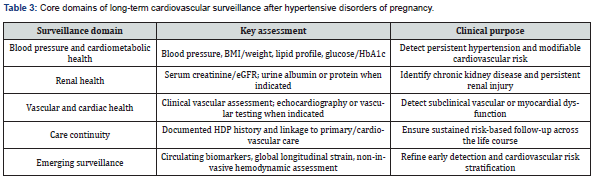
Adapted from Crump et al. [43]; Lewey et al. [11]; Jälmby et al.[44]; Alfaré et al. [41]
Transition from Obstetric to Primary and Cardiovascular Care
Long-term surveillance requires a clear transition from pregnancy-specific care to longitudinal primary and cardiovascular care. The obstetric encounter provides an opportunity to document the HDP phenotype and initiate risk assessment, but continued surveillance should become integrated into routine primary-care or cardiovascular prevention pathways. An enhanced postpartum transition program demonstrated that structured referral from obstetric care to primary care was associated with greater completion of primary-care visits, cholesterol testing, and HbA1c assessment during the first 13 months postpartum [45]. The transition should therefore involve more than a referral letter. Relevant pregnancy history, including HDP subtype, severity, gestational age at onset, recurrence, and associated complications, should be communicated to the clinician responsible for long-term care. This information can then be incorporated into subsequent cardiovascular and renal risk assessment. Such continuity is particularly important because cardiovascular risk may become increasingly apparent after the immediate postpartum period, when contact with obstetric services naturally declines. A life-course approach is consequently more appropriate than a pregnancy-limited model. Recent literature emphasizes the need to integrate BP management, cardiometabolic prevention, risk stratification, and long-term follow-up after HDP rather than treating pregnancy-associated hypertension as an isolated episode [2,46].
Emerging Biomarker and Digital Surveillance Approaches
Emerging approaches may eventually improve identification of women whose cardiovascular vulnerability persists despite apparently normal conventional measurements. Alfaré et al. [41] reviewed circulating biomarkers, advanced echocardiography, and non-invasive hemodynamic monitoring as potential approaches for cardiovascular risk prediction after preeclampsia. Candidate biomarkers include antiangiogenic factors such as Soluble Fms-like Tyrosine Kinase-1 (sFlt-1) and soluble endoglin, inflammatory markers such as interleukin-6, and markers of cardiac stress such as activin A. Global longitudinal strain has also attracted attention as a sensitive measure of early myocardial dysfunction, while non-invasive hemodynamic monitoring may provide additional information about cardiovascular adaptation. Recent work also supports investigation of placental biomarkers as potential indicators of later cardiovascular vulnerability. Mery et al. [47] examined placental antiangiogenic and inflammatory markers in relation to postpartum cardiovascular risk following preeclampsia, contributing to the emerging concept that pregnancy-derived biological information may complement conventional post-pregnancy risk assessment. However, these approaches remain investigational and require validation in larger prospective populations before they can be incorporated into routine surveillance. Digital approaches are more immediately applicable. Home BP monitoring, telehealth follow-up, electronic reminders, and remote clinical review can increase opportunities for surveillance, particularly for individuals who face barriers to repeated in-person care [40,42]. Their principal value is currently in improving monitoring and continuity rather than replacing established clinical assessment. Overall, long-term surveillance after HDP should combine routine clinical monitoring with risk-adapted renal and vascular assessment and emerging technologies where clinically appropriate. BP and cardiometabolic measurements should remain the foundation, while renal assessment addresses an important parallel pathway of long-term morbidity. Biomarkers, advanced cardiac imaging, and digital monitoring may eventually permit more individualized surveillance, but their clinical utility remains under active investigation [41,48] (Figure 5).
Translating Pregnancy History into Cardiovascular Prevention
Pregnancy history provides a clinically relevant window for identifying women who may benefit from earlier cardiovascular risk assessment and prevention. Adverse pregnancy outcomes, particularly hypertensive disorders of pregnancy, gestational diabetes, preterm birth, and fetal growth restriction, are associated with increased subsequent cardiovascular risk and should therefore be incorporated into routine cardiovascular history-taking and risk assessment [49]. Following an adverse pregnancy outcome, assessment of blood pressure, glucose metabolism, lipid profile, body weight, and other conventional cardiovascular risk factors can help identify modifiable risks before clinical cardiovascular disease develops. Hypertensive disorders warrant particular attention because persistent or recurrent hypertension after pregnancy contributes substantially to long-term cardiovascular risk [1]. The postpartum period consequently represents an important transition from pregnancy-related care to lifelong cardiovascular prevention. Rather than limiting follow-up to resolution of the pregnancy complication, care should include individualized lifestyle counseling, optimization of blood pressure and metabolic risk factors, and appropriate referral for continued primary-care or cardiovascular follow-up [11, 50]. Preconception assessment also provides an opportunity to identify and modify cardiovascular risk factors before subsequent pregnancy, particularly among women with previous adverse pregnancy outcomes [30]. Integrating pregnancy history into electronic health records and routine clinical documentation could improve continuity of risk recognition across obstetric, primary-care, and cardiovascular services [11,50]. However, translating this evidence into routine practice remains constrained by fragmented healthcare systems, inconsistent documentation of pregnancy complications, limited postpartum follow-up, and insufficient awareness of the long-term cardiovascular implications of adverse pregnancy outcomes. Strengthening communication between obstetric and primary-care providers, standardizing postpartum cardiovascular assessment, and improving patient education could facilitate earlier identification and management of modifiable risk factors [11]. Thus, pregnancy history should be viewed not simply as a record of previous reproductive events, but as a clinically actionable component of life-course cardiovascular prevention, enabling risk recognition and preventive intervention at an earlier stage [30, 49] (Figure 6).
Future Directions
Future research should move beyond establishing associations between adverse pregnancy outcomes and cardiovascular disease toward developing validated approaches for risk prediction, early intervention, and long-term prevention. Existing evidence supports pregnancy history as an important cardiovascular risk marker, but its incremental value when added to conventional risk factors remains inconsistent, highlighting the need for validated female-specific prediction models that appropriately incorporate the type, severity, timing, and cumulative burden of adverse pregnancy outcomes [51,52]. Prospective studies should also determine whether systematic postpartum assessment and targeted lifestyle or pharmacological interventions translate into reductions in long-term cardiovascular events, as large-scale intervention trials remain limited [49]. Future studies should additionally prioritize diverse populations and implementation research, particularly in settings where maternal and cardiovascular services remain poorly integrated. Research should examine practical models for incorporating pregnancy history into electronic health records, primary-care workflows, and longitudinal cardiovascular assessment, while evaluating barriers related to healthcare access and continuity of care. Greater attention to preconception and interpregnancy prevention may further enable earlier modification of cardiometabolic risk before subsequent pregnancies [30]. Collectively, these priorities can help transform pregnancy history from a retrospective clinical record into a standardized component of life-course cardiovascular risk assessment and prevention.
Conclusion
Pregnancy provides a valuable window into a woman’s future cardiovascular health, as adverse pregnancy outcomes can reveal underlying or emerging cardiometabolic vulnerability long before clinical cardiovascular disease becomes apparent. Recognizing pregnancy history as part of routine cardiovascular assessment creates an opportunity for earlier identification of risk, timely modification of preventable factors, and continuity of care beyond the postpartum period. Integrating obstetric history with conventional cardiovascular risk assessment, strengthening postpartum and primary-care follow-up, and improving coordination across healthcare services can help establish a more effective life-course approach to prevention. Ultimately, pregnancy should be viewed not only as a reproductive event but also as an important opportunity to initiate sustained cardiovascular health promotion and reduce the long-term burden of cardiovascular disease among women.
Authors’ Contributions
The authors of this research have significantly contributed to the study’s conception, data collection, and manuscript development. All authors were involved in writing the manuscript or critically reviewing it for its intellectual value. They have reviewed and approved the final version for submission and publication and accepted full responsibility for the content and integrity of the work.
Acknowledgement
We thank all the researchers who contributed to the success of this research work.
References
- Garovic VD, Dechend R, Easterling T, Karumanchi SA, McMurtry BS, et al. (2022) Hypertension in Pregnancy: Diagnosis, Blood Pressure Goals, and Pharmacotherapy: A Scientific Statement from the American Heart Association. Hypertension 79(2): e21-e41.
- Staff AC, Costa ML, Dechend R, Jacobsen DP, Sugulle M (2024) Hypertensive disorders of pregnancy and long-term maternal cardiovascular risk: Bridging epidemiological knowledge into personalized postpartum care and follow-up. Pregnancy hypertension 36: 101127.
- Sukmanee J, Liabsuetrakul T (2022) Risk of future cardiovascular diseases in different years postpartum after hypertensive disorders of pregnancy: A systematic review and meta-analysis. Medicine 101(30): e29646.
- Collins HE, Alexander BT, Care AS, Davenport MH, Davidge ST, et al. (2024) Guidelines for assessing maternal cardiovascular physiology during pregnancy and postpartum. American journal of physiology. Heart and circulatory physiology 327(1): H191-H220.
- Rayes B, Ardissino M, Slob EAW, Patel KHK, Girling J, (2023) Association of Hypertensive Disorders of Pregnancy with Future Cardiovascular Disease. JAMA network open 6(2): e230034.
- Palatnik A, Kulinski J (2024) Hypertensive disorders of pregnancy & vascular dysfunction. Frontiers in cardiovascular medicine 11: 1411424.
- Powe CE, Levine RJ, Karumanchi SA (2011) Preeclampsia, a disease of the maternal endothelium: the role of antiangiogenic factors and implications for later cardiovascular disease. Circulation 123(24): 2856-2869.
- Manoharan MM, Montes GC, Acquarone M, Swan KF, Pridjian GC, et al. (2024) Metabolic theory of preeclampsia: implications for maternal cardiovascular health. Am J Physiol Heart Circ Physiol 327(3): H582-H597.
- Torres TJ, Espino YSS, Martinez PR, Borboa OH, Estrada GG, et al. (2024) A Narrative Review on the Pathophysiology of Preeclampsia. International journal of molecular sciences 25(14): 7569.
- Miller HE, Tierney S, Stefanick ML, Mayo JA, Sedan O, et al. (2024) Vascular health years after a hypertensive disorder of pregnancy: The EPOCH study. American heart journal 272: 96-105.
- Lewey J, Beckie TM, Brown HL, Brown SD, Garovic VD, et al. (2024a) Opportunities in the Postpartum Period to Reduce Cardiovascular Disease Risk After Adverse Pregnancy Outcomes: A Scientific Statement from the American Heart Association. Circulation 149(7): e330-e346.
- Lewey J, Sheehan M, Bello NA, Levine LD (2024b) Cardiovascular Risk Factor Management After Hypertensive Disorders of Pregnancy. Obstetrics and gynecology 144(3): 346-357.
- Poon LC, Nguyen HL, Smith GN, Bergman L, O'Brien P, et al. (2023) Hypertensive disorders of pregnancy and long-term cardiovascular health: FIGO Best Practice Advice. International Journal of Gynecology & Obstetrics 160(1): 22-34.
- Newman C, Petruzzi V, Ramirez PT, Hobday C (2024) Hypertensive Disorders of Pregnancy. Methodist DeBakey cardiovascular journal 20(2): 4-12.
- Countouris ME, Bello NA (2025) Advances in Our Understanding of Cardiovascular Diseases After Preeclampsia. Circulation research 136(6): 583-593.
- Eghan P, Folson AA, Donkor A, Kokuro C, Wiafe YA (2024) Relationship between hypertensive disorders of pregnancy (HDP) and cardiac remodeling during pregnancy: Systematic review and meta-analysis. European Journal of Obstetrics & Gynecology and Reproductive Biology 298: 108-115.
- Choi ES, Jung YM, Kim D, Cho SE, Park ES, et al. (2024) Long-term cardiovascular outcome in women with preeclampsia in Korea: a large population-based cohort study and meta-analysis. Scientific reports 14(1): 7480.
- Inversetti A, Pivato CA, Cristodoro M, Latini AC, Condorelli G, et al. (2024) Update on long-term cardiovascular risk after pre-eclampsia: A systematic review and meta-analysis. Eur Heart J Qual Care Clin Outcomes 10(1): 4-13.
- Alhuneafat L, Obeidat O, Mohammed D, Sumzin N, Ikbariah K, et al. (2026) Five-year cardiovascular outcomes across hypertensive disorders of pregnancy subtypes: A propensity-matched analysis. Frontiers in Cardiovascular Medicine 13: 1875409.
- Voskamp LW, Rousian M, Koerts JJ, Steegers TRPM, Danser AHJ, et al. (2025) Risk factors for chronic hypertension 5 years after a pregnancy complicated by preeclampsia: a systematic review and meta-analysis. Journal of hypertension 43(6): 939-948.
- Nunes PR, Bruder RM, Kaihara JNS, Moraes FR, Tasic L, et al. (2025) Endothelial responses to angiogenic modulators highlight metabolic mechanisms underlying vascular dysfunction in preeclampsia. Placenta 171: 178-187.
- Atallah A, Sarda MN, McCarey C, Massardier J, Huissoud C (2025) Endothelial glycocalyx: The missing link between angiogenic imbalance in preeclampsia and systemic inflammation in HELLP syndrome. Comprehensive Physiology 15(4): e70032.
- Okwah MN, Abah MA, Oladosu MA, Blessing CT, Agid et al. (2026) Anti-inflammatory effects of omega-3 fatty acids: Evidence from circulating biomarkers and inflammatory gene-expression studies. African Research Reports 2(4): 365-382.
- Ramos A, Youssef L, Molina P, Moix ST, Sanchez JM, et al. (2024) Circulating extracellular vesicles and neutrophil extracellular traps contribute to endothelial dysfunction in preeclampsia. Frontiers in Immunology 15: 1488127.
- Ng SW, Ng AC, Ng MC, Ng SK, Arcuri F, et al. (2025) Preeclampsia is associated with altered expression of ferroptosis biomarkers in placental but not maternal vasculature. Reproductive Sciences 32(9): 3074-3085.
- Schwartz KS, Stanhewicz AE (2024) Maternal microvascular dysfunction during and after preeclamptic pregnancy. Comprehensive Physiology 14(4): 5703-5727.
- Shaw LJ, Patel K, Lala TA, Feltovich H, Vieira L, et al. (2024) Pathophysiology of preeclampsia-induced vascular dysfunction and implications for subclinical myocardial damage and heart failure. JACC: Advances 3(6): 100980.
- Abah MA, Oladosu MA, Elijah OK, Chikelum EP, Olanrewaju AB, et al. (2025) The evolving role of sodium-glucose linked transporter-2 (SGLT2) inhibitors in heart failure management: A paradigm shift. Open Journal of Cardiology & Heart Diseases 5(1).
- Dohi Y (2025) Hypertensive disorders of pregnancy: Impact on future blood pressure and cardiovascular disease. Hypertension Research 48: 1189-1191.
- Khan SS, Brewer LC, Canobbio MM, Cipolla MJ, Grobman WA, et al. (2023) Optimizing Prepregnancy Cardiovascular Health to Improve Outcomes in Pregnant and Postpartum Individuals and Offspring: A Scientific Statement From the American Heart Association. Circulation 147(7): e76-e91.
- Venkatesh KK, Khan SS, Yee LM, Wu J, McNeil R, et al. (2024) Adverse pregnancy outcomes and predicted 30-year risk of maternal cardiovascular disease 2–7 years after delivery. Obstetrics & Gynecology 143(6): 775-784.
- Daubert MA, Stebbins A, Peragallo UR, Chiswell K, Loop MS, et al. (2024) Early postpartum blood pressure screening is associated with increased detection of cardiovascular risk factors in women with hypertensive disorders of pregnancy. American heart journal 273: 130-139.
- Mai TDT, Katsuragawa S, McDougall A, Nguyen PY, Romero L, et al. (2025) Self-care interventions for preventing cardiovascular diseases after hypertensive pregnancy disorders: A systematic review and meta-analysis. BJOG: An International Journal of Obstetrics & Gynaecology 132(10): 1350-1361.
- Farinde TD, Abah MA, Oladosu MA, Agida OD, Njemanze OC, et al. (2025) The impact of plant-based diets on cardiovascular health: A comprehensive review. Plant Science Archives 10(4).
- Saxon CE, Bast J, Chou JC (2024) Short and long-term complications of hypertensive disorders of pregnancy: lifelong cardiovascular risks we cannot ignore. Current opinion in cardiology 39(4):259-265.
- Hurwitz M, Rayani A, Spitz JA, Nguyen AH, Shajihan A, et al. (2025) Cardiovascular screening rates with establishment of postpartum cardiovascular care pathway for hypertensive disorders of pregnancy. JACC: Advances 4(9): 102088.
- Dubrofsky L, Boesch L, Cox C, Wyne A, Anpalaga T, et al. (2025) Evaluation of a postpartum cardiovascular prevention clinic after hypertensive disorders of pregnancy: A mixed-methods study. Journal of Obstetrics and Gynaecology Canada 47(9): 103024.
- McLaughlin MM, Ghaffari N, Lee C, Countouris ME, Ashley P et al. (2025) Correction to: Disparities in Postpartum Care After a Hypertensive Disorder of Pregnancy in the United States. Hypertension 82(7): e141.
- Davidson B, Rayner B, Wearne N, Barday Z, Jones ESW (2025) Long-term cardio-renal-metabolic complications following pre-eclampsia. Cardiology Clinics 43(3): 457-467.
- Writing Committee Members, Jones DW, Ferdinand KC, Taler SJ, Johnson HM, et al. (2025) 2025 AHA/ACC/AANP/AAPA/ABC/ACCP/ACPM/AGS/AMA/ASPC/NMA/PCNA/SGIM Guideline for the Prevention, Detection, Evaluation and Management of High Blood Pressure in Adults: A Report of the American College of Cardiology/American Heart Association Joint Committee on Clinical Practice Guidelines. Hypertension 82(10): e212-e316.
- Alfaré C, Giesen EM, Huhn EA, Ghi T, Verlohren S, et al. (2026) Predicting cardiovascular disease after preeclampsia: Emerging tools and early detection approaches. Journal of reproductive immunology 173: 104827.
- Lemon LS, Quinn B, Binstock A, Larkin JC, Simhan HN et al. (2024) Clinical Outcomes Associated with a Remote Postpartum Hypertension Monitoring Program. Obstetrics and gynecology 144(3): 377-385.
- Crump C, Sundquist J, Sundquist K (2024) Adverse pregnancy outcomes and long-term risk of chronic kidney disease in women: national cohort and co-sibling study. American journal of obstetrics and gynecology 230(5): 563.e1-563.e20.
- Jälmby M, Edvinsson C, Lykou D, Karampas G, Erlandsson L, et al. (2025) Long-term microvascular and blood pressure dysregulation after Preeclampsia. Hypertension research: official journal of the Japanese Society of Hypertension 48(6): 1972-1982.
- Cameron NA, Birdsell H, Niznik CM, Michon R, Donelan E, et al. (2024) An enhanced postpartum transition program to primary care. Journal of Women's Health 33(10).
- Cho L, Davis M, Elgendy I, Epps K, Lindley KJ, et al. (2020) Summary of Updated Recommendations for Primary Prevention of Cardiovascular Disease in Women: JACC State-of-the-Art Review. Journal of the American College of Cardiology 75(20): 2602-2618.
- Mery EE, Hajjar J, Sudade S, Vasam G, Benton S, et al. (2026) Placental anti-angiogenic and inflammatory markers and postpartum cardiovascular risk following preeclampsia. Placenta 176: 43-52.
- Thadhani R, Cerdeira AS, Karumanchi SA (2024) Translation of mechanistic advances in preeclampsia to the clinic: Long and winding road. FASEB J 38(3): e23441.
- Parikh NI, Gonzalez JM, Anderson CAM, Judd SE, Rexrode KM, et al. (2021) Adverse Pregnancy Outcomes and Cardiovascular Disease Risk: Unique Opportunities for Cardiovascular Disease Prevention in Women: A Scientific Statement From the American Heart Association. Circulation 143(18): e902-e916.
- American College of Obstetricians and Gynecologists (2018) Optimizing postpartum care. Obstetrics & Gynecology 131(5): e140-e150.
- Minhas AS, Ying W, Ogunwole SM, Miller M, Zakaria S, et al. (2020) The Association of Adverse Pregnancy Outcomes and Cardiovascular Disease: Current Knowledge and Future Directions. Current treatment options in cardiovascular medicine 22(12): 61.
- Liu T, Vonen HD, Henao R, Pencina MJ, Rexrode KM, et al. (2026) Lifetime Adverse Pregnancy Outcome History and Cardiovascular Risk. Hypertension 83(6): e25916.