

 JPFMTS Home



Abstract
Background: Relative Energy Deficiency in Sport (RED-S) is a syndrome affecting multiple physiological systems in athletes due to an imbalance between energy intake and expenditure. Understanding RED-S among Athlete Support Personnel (ASP) is crucial for prevention, early detection, and management. In Ethiopia, research on RED-S is scarce, prompting this qualitative study to explore the knowledge gap among Ethiopian ASP.
Methods: A qualitative study with phenomenological design was conducted among 42 ASP supporting elite endurance athletes. The interviews were transcribed and subsequently translated into English. Thematic analysis, facilitated by ATLAS.ti version 23.2.1, was employed to code the data segment by segment, with similar codes grouped to form themes.
Results: A total of 42 Key Informant Interviews were conducted. Participants’ average age was 47 years including 15 coaches, 11 medical staff, 9 athlete representatives and 7 athlete administrators. Four key themes emerged: (1) knowledge gap, (2) sources of knowledge, (3) barriers to effective knowledge, and (4) recommendations. RED-S knowledge varied significantly, with some but few participants showing expertlevel understanding.
Conclusions: Variation in RED-S knowledge across ASP roles underscores the need for targeted education and integrating RED-S awareness into daily practices to improve the health and performance of Ethiopia’s elite endurance athletes..
Keywords: Athletics; Athlete supporting personnel; Ethiopia; Qualitative study; Relative Energy Deficiency in Sport
Introduction
Relative Energy Deficiency in Sport (RED-S) is a recently emerged concept recognized by the International Olympic Committee (IOC) [1,2]. It is defined as a condition where an athlete’s energy intake fails to meet their total energy expenditure, resulting in low energy availability (LEA). LEA occurs when energy intake is insufficient relative to energy expenditure, lasting for several weeks or months [1,3]. Prolonged LEA presents serious health risks, including menstrual and libido disturbances, gastrointestinal and cardiovascular dysfunction, and compromised bone health, all of which can negatively impact athletic performance [2,4]. Before 2014, RED-S was formally recognized as the Female Athlete Triad, a condition found in physically active female athletes that encompassed eating disorders, amenorrhea, and osteoporosis [1,5]. This term excluded male athletes and didn’t address the broader effects of LEA [6]. In 2014, the IOC adopted RED-S to include both sexes and highlight LEA’s diverse impacts on all athletes [7]. Athletes in aesthetic, endurance, and weight-bearing sports are particularly at risk. Diagnosing RED-S is challenging due to its overlap with overtraining syndrome [8-10]. Early detection and treatment by an interdisciplinary team are essential to prevent long-term health issues. The IOC working group has developed guidelines and tools for managing RED-S, which is outlined with recommended actions [11,12]. Endurance athletes, particularly long-distance runners, are especially vulnerable due to the high training volumes and the need to maintain low body fat alongside muscle mass [13]. This condition, stemming from LEA, can result in long-term health consequences that undermine both athletic performance and overall well-being [3,14].
Ethiopia is renowned for its dominance in endurance running. While there are multiple determinants explaining the lasting domination of East African runners [15], one should not underestimate the role of the collaborative efforts of ASP, including coaches, trainers, and medical professionals [15,16]. These support teams could play an indispensable role in the early identification and prevention of RED-S. However, insufficient understanding of the syndrome among ASP may lead to missed warning signs, exacerbating the risk for athletes of impaired health and performance [11,15]. ASP in general and coaches in particular, positioned at the forefront of an athlete’s training, are instrumental in monitoring both health and performance [5,17]. Therefore, their awareness of RED-S is critical for timely intervention. Yet, existing literature reveals a concerning gap in RED-S knowledge, as ASP often prioritize immediate performance over the long-term health of athletes [14, 18]. Significant knowledge gaps persist despite increasing recognition of the dangers associated with LEA [19]. A 2018 study found that only 33% of athletic trainers had heard of RED-S, and many healthcare professionals displayed limited awareness of both LEA and its broader implications [14,20]. This study aims to evaluate the knowledge and understanding of RED-S among Ethiopian ASP. The objective is to identify existing knowledge gaps, assess current practices, and offer targeted recommendations to enhance education and awareness, thereby improving both the health and performance outcomes for athletes under the care of these support teams.
Methods
Study Setting
The study was conducted in Addis Ababa, Ethiopia, within the Ethiopian Athletics Federation (EAF). The Federation manages approximately 4000 athletes nationwide, with about 1,200 support staff, including 300 based in Addis Ababa during the competition season. During this time, athletes and their ASP, comprising individuals from across Ethiopia, gather in Addis Ababa to prepare for international competitions. This study focused on these ASP, which include medical teams, coaches, managers, and administrative officials, all crucial to elite athletes’ performance and well-being. Although the Ethiopian federation provides various training and accommodation facilities, training sessions lack standardization across the federation, and dietary practices remain inconsistent due to the absence of national guidelines on athlete nutrition. This gap represents a critical focus of the study, particularly regarding how different teams manage these aspects of athletes’ preparation. This research primarily took place in settings where elite athletes and their entourages engage in intensive training, including national camps, training facilities, athletic clubs, competition venues, sport clinics, workshops, and the Federation’s headquarters.
Study Design
The study employed a phenomenological design, effectively capturing the lived experiences and perceptions of ASP regarding their understanding of RED-S. This approach provided valuable insights into how ASP perceives RED-S and how their awareness influences their management of athletes’ health and performance. Using social cognitive theory, the research examined how knowledge, social interactions, and observational learning within the athlete-support network influence the understanding and management of RED-S. This framework was chosen for its focus on the interplay of cognitive, environmental, and behavioral factors, making it ideal for exploring how organizational contexts shape RED-S awareness. A key tenet of the theory, behavioral capability, emphasizes the role of knowledge in managing behavior-specifically, the knowledge required by ASP to identify and address RED-S effectively.
Study Population
The term ASP usually encompasses all individuals associated with an Athletics athlete and across its various endurance disciplines. This includes, without limitation, coaches, medical professionals, physiotherapists, massage therapists, club personnel, athlete representatives (AR), from sports organizations, sponsors, legal advisors, and any other parties contributing to the promotion and development of the athlete’s career, including family members [21,22]. However, considering the broadness of ASP, our study population focused on Ethiopian Athletics Federation officials, elite athletes’ coaches, AR, and medical personnel, all of whom may have a role to play in RED-S diagnosis and management.
Inclusion and Exclusion Criteria
The study targeted a group of experienced ASPS which were chosen based on inclusion and exclusion criteria. Inclusion criteria required participants to be 18-year-old or older, involved in Athletics athlete’s health or performance decision-making, and proficient in Amharic or Afan Oromo or Tigrinya, or English to facilitate accurate data collection. Exclusion criteria filtered out individuals with less than two years of experience in the described position, those unable to communicate effectively, or those unwilling to provide consent.
Sample Size and Sampling Technique
In qualitative research, sample size is determined by the point of saturation, where no new insights are gained. This study initial ly set a sample size of 42 participants to ensure thorough exploration and diverse findings. The sample included 7 Ethiopian Athletics Federation officials (all male), 15 coaches (1 female, 14 males), 9 AR (2 females, 7 males), and 11 medical personnel (3 females, 8 males), all of them dealing with elite Athletics on a regular basis. A purposive sampling strategy was used to select participants with the necessary experience with the help of the federation.
Data Collection Methods
The data collection methodology was designed to capture detailed insights into the perspectives and experiences of ASP regarding RED-S among elite Ethiopian endurance athletes. A semi-structured interview guide with open-ended questions was used to explore participants’ knowledge, experiences, and attitudes toward RED-S, covering topics such as its symptoms, prevention, and impact on athletes’ health and performance. The guide was customized to suit the specific roles of ASP, with questions tailored for coaches, nutritionists, and medical staff based on their expertise and involvement in athlete care. Probing questions were included to uncover knowledge gaps and encourage deeper responses. Data collection was conducted by three trained facilitators who underwent a daylong training session on the study’s objectives, interview techniques, and data management. This preparation ensured they were equipped to engage participants effectively and sensitively. The interviews were held face-to-face. All interviews were audio-recorded, and field notes were taken to capture additional observations. To protect participant confidentiality, all data, including recordings, notes, and transcripts, were securely stored, and with identifiable information removed to ensure anonymity. Access was restricted to the research team.
Data Analysis
Ensuring the credibility, transferability, conformability, and trustworthiness of the study was essential to uphold its integrity. To ensure dependability, an independent reviewer verified the accuracy and consistency of the coding process and addressing potential discrepancies. Triangulation was used by incorporating multiple data sources, including records, and field notes, to crosscheck and validate the findings [14,20]. The data were transcribed and translated by the data collectors, with interview notes and audio recordings compiled into a comprehensive dataset. To ensure accuracy, translations were crosschecked and verified by an external reviewer. Transcribed data were imported into ATLAS.ti version 23.2.1 software for analysis. Thematic analysis was used to identify key themes, uncovering recurring patterns that provided valuable insights. This approach was ideal for exploring commonalities in participants’ experiences, particularly their awareness of RED-S. The analysis began with familiarizing ourselves with the data through repeated readings. Initial codes were then created by segmenting and labeling responses. These codes were grouped into broader themes, such as “knowledge gaps” and “information dissemination”. As coding progressed, the codes were refined and reorganized into categories, forming the final thematic structure. The themes were then revisited to ensure they aligned with the research objectives and emerging insights. Finally, thematic analysis was applied to describe and interpret key patterns, supported by participant quotes to illustrate each theme.
Ethical Considerations
Ethical approval was granted from the institutional review board (IRB) at Addis Ababa University, ensuring the study complied with ethical protocols. A letter of support was also obtained from the EAF, permitting the research to be conducted during international preparation and national athletes’ competitions. Participants were fully informed about the study’s objectives, methods, potential risks, and their right to withdraw at any time without penalty. Informed written consent was obtained from each participant.
Results
Characteristics of Participants
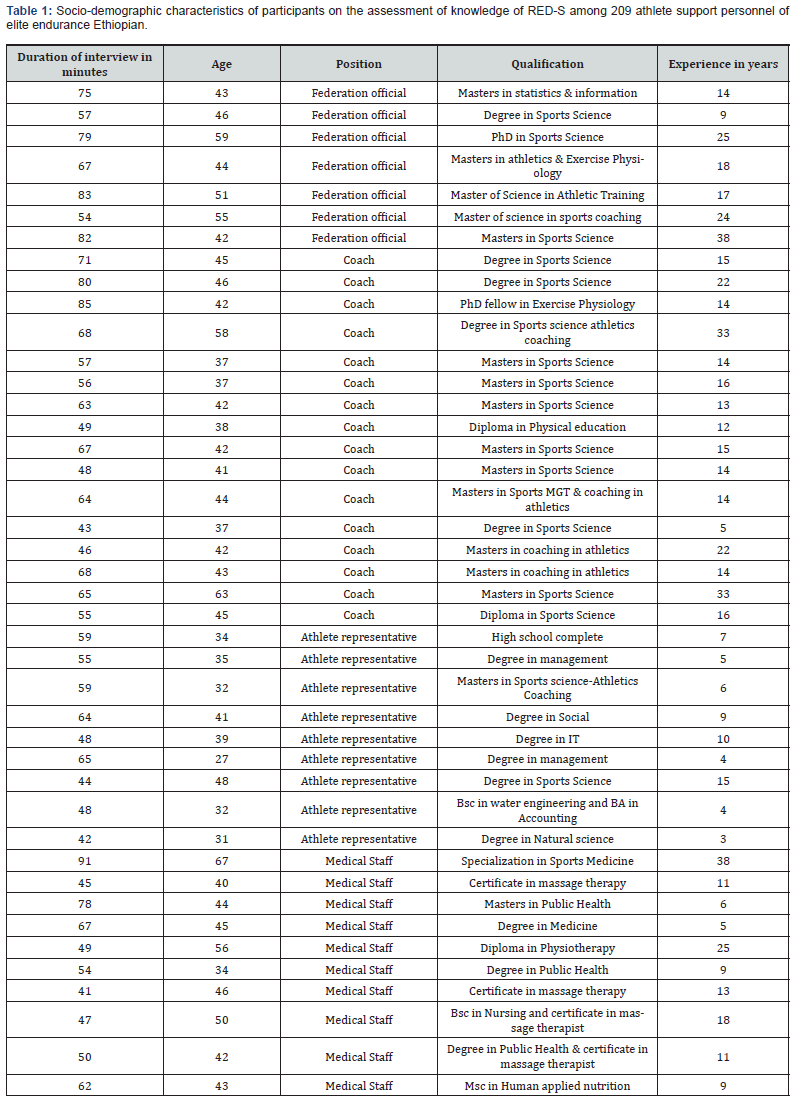
The participants were predominantly male, with 36 males and 6 females, aged 27 to 67 years, and a mean age of 47.5 years (SD = 7.2 years). Most participants (36 out of 42) were married, 5 were single, and 1 was divorced. Religious affiliations included 31 Orthodox, 5 Protestant, 5 Muslim, and 1 other. In terms of education, 17 participants held master’s degrees, 2 had PhDs, 17 had bachelor’s degrees, and 6 held diplomas. As shown in Table 1, Professional experience ranged from 3 to 38 years, with an average of 14.7 years. Monthly incomes varied, with 13 earnings below 250 USD, 15 earnings between 250 USD and 500 USD, 8 earning above 500 USD, and 6 earning over 1000 USD.
Findings of the Thematic Analysis
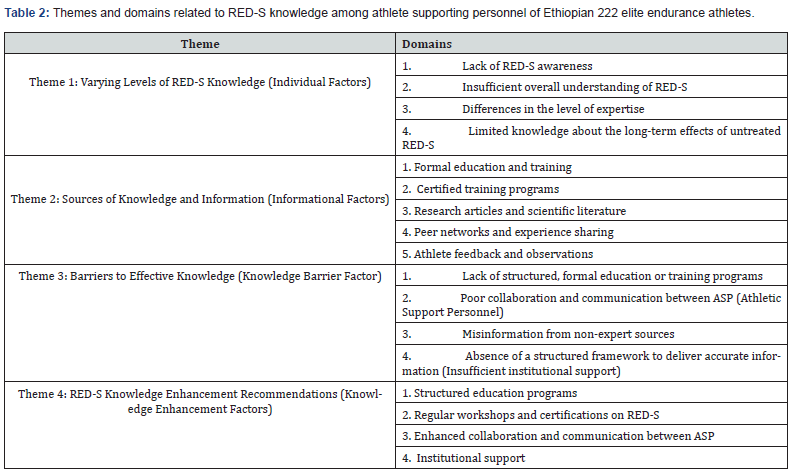
As illustrated in Table 2, 3 Thematic analysis identified four key themes. The first revealed significant variation in RED-S knowledge among ASP, ranging from novice knowledge to a more advanced understanding. The second theme highlighted sources of knowledge, including formal education, specialized training, research articles, and peer networks. The third theme identified barriers to effective knowledge, such as the lack of formal training programs, poor communication among ASP members, and the absence of standardized guidelines or institutional support. The fourth theme addressed recommendations to fill the knowledge gaps by establishing standardized education programs, regular workshops, and 220 certification courses, with stronger institutional support to disseminate accurate, up-to-date RED-S information.
Knowledge Gap on RED-S among ASP (Theme 1)
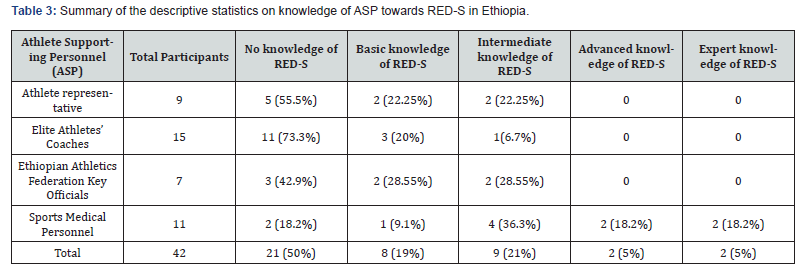
Thematic analysis revealed significant variation in RED-S knowledge among ASP. Their level of knowledge is categorized into five: novice, basic, intermediate, advanced, and expert, with notable differences in comprehension. Among the 9 AR five showed either no knowledge or superficial awareness. “I have heard of RED-S, but I don’t know much and cannot say further.” Two AR had basic knowledge, and two more showed intermediate understanding. “I know RED-S is related to any food that goes inside for energy, and it has to match the training and overall body need. If not, it can affect, and I have seen many cases where the health and performance of athletes were determined by their food intake, especially females, though I’m not sure about all the specific details associated with RED-S.” Interviews revealed that some AR understood energy balance’s importance in athletic performance but lacked technical knowledge about low energy. A few recognized the link between injuries and low energy during intense training but were unaware of RED-S as a specific condition. “I’m aware that energy is important, but I don’t know the technical aspect of when their energy is low; I leave it for the coaches and doctors.”
Although AR maintained close relationships with athletes, many acknowledged their limited knowledge of RED-S hindered their support. Two AR with basic knowledge identified symptoms like frequent injuries, menstrual irregularities in female athletes, and performance changes during intense training. However, their understanding remained superficial. Some understood the link between energy balance and injuries but lacked awareness of RED-S complexities. Two AR had an intermediate understanding of RED-S, recognizing it as affecting hormonal balance, bone density, and overall health. However, they still lacked full awareness of the condition’s nuances. “RED-S is not only defined as athletes getting under-fueled for their training needs only, but beyond that, it has physical and mental consequences affecting the whole athlete.”
None of the AR demonstrated advanced or expert-level knowledge, highlighting a significant gap that could hinder effective management of athletes’ health and performance. “RED-S is not just about the athlete’s overall consumed calories imbalance; it is a condition that can affect an athlete’s whole system and everyone should pay close attention to it.” The study assessed revealing a wide range of understanding among coaches. Most coaches had limited knowledge, with many of them unfamiliar with the term RED-S. “I’ve never heard of this RED-S term; what it is, I cannot tell if it is a medical term or a sport term.” Some coaches recognized a link to energy deficiency but lacked clarity on the science behind it, indicating a significant gap in understanding. “From the RED-S word, I think it has something to do with energy deficiency, but I don’t really understand the science behind it.” Several coaches could not identify RED-S symptoms or consequences, with one suggesting rest instead of addressing the energy deficit. Most linked RED-S only to disorder eating, neglecting other issues like hormonal imbalances and immune function decline. “I don’t know the specific symptoms, but if I notice something wrong with my athlete, I’d probably just give them the day off to rest and come back the next day and also eat and drink more water.” Another participant also mentions it as follows: “I think RED-S is just when athletes are not eating properly, right? As I haven’t heard much beyond that” Three coaches had basic knowledge, recognizing the link between energy imbalance and athlete health but lacking a deeper understanding, especially in elite endurance athletes. They identified symptoms such as repeated injuries and menstrual irregularities but were unaware of RED-S’s long-term effects. “I know RED-S is related to energy balance when athletes don’t get enough fuel and hydration to meet the demands of their hard training, but I’m not confident to talk about all the symptoms or how to identify RED-S.”
One coach demonstrated an intermediate understanding of RED-S, gained through personal experience. No coaches exhibited expert-level knowledge. All coaches agreed on the need for specific training to better support athletes in international competitions, where current guidance is lacking. “As a coach, I try my best to work with health professionals to educate my athletes and my coaching staff about the importance of balancing energy intake with training demands. I monitor my athlete’s training load to ensure enough recovery time and avoid low energy availability issues. The study assessed the knowledge of RED-S among key officials of the Ethiopian Athletics Federation. Of the seven participants, three of them had a limited understanding of RED-S. They were familiar with basic energy balance concepts but lacked a clear grasp of RED-S and its implications. Their knowledge was superficial, and they were unaware of the crucial role energy availability plays in athletes’ health and performance. “I have heard about the Female Athlete Triad before, but I am not sure what RED-S is, is it a replacement name for the same issue?” “I’ve always thought energy deficiency issues only happen to women because of their periods, who have heavy bleeds, and men athletes don’t deal with these kinds of problems.” Many officials confused RED-S with other conditions, such as the Female Athlete Triad, and believed it only affected female athletes due to menstrual issues. These officials also placed responsibility for addressing RED-S solely on coaches and medical staff, rather than viewing it as an issue requiring broader awareness.
“I always assumed, as a person working in the federation, I’m not expected to know in detail about REDS because it is the coach and medical staff’s responsibility on the ground to support athletes with their diet or energy balance.” Two officials showed basic knowledge of RED-S, understanding its general concept and recognizing some symptoms. However, they lacked insight into its physiological and clinical complexities. They acknowledged the connection between under-fueling and performance but did not grasp the long-term consequences or explore preventive strategies. “RED-S happens when athletes don’t eat enough according to their body’s needs. If they keep on not eating right according to their training demand, it can lead to health problems, so it is important that athletes should eat enough and rest properly.”
“After hard training, athletes should fuel up to recover. If they don’t eat well properly, it could lead to sports injuries or other illnesses. That’s why it’s important to make sure they’re eating well.” Two other officials demonstrated intermediate knowledge, recognizing RED-S as a complex syndrome affecting not only energy availability but also hormonal function, bone health, and immune function. They discussed the importance of prevention and comprehensive strategies, including nutrition and recovery, to address RED-S-related issues.
“One of the most concerning long-term effects of RED-S is the risk to bone health that is a risk of stress fractures.” “Using standard screening tools to monitor training load and nutrition is important to catch potential cases early, and this is why I strongly suggest coaches and health professionals work closely with the federation.”
No official displayed advanced knowledge of RED-S
The knowledge of RED-S among sports medical personnel varied across different levels of expertise. Of the 11 participants, two exhibited limited knowledge, one had basic knowledge, four showed intermediate knowledge, two possessed advanced knowledge, and two were considered experts. Two massage therapists with a health background had limited knowledge of RED-S. They were unfamiliar with the term and its significance for athletic performance and health. They often confused RED-S with other conditions like fatigue or overtraining. One therapist stated, “I have not heard of RED-S before, but I am aware that athletes can have problems if they don’t eat well or train too much.” Another commented, “I know female athletes sometimes lose their periods during hard training, but I didn’t know it’s called RED-S or that it could lead to other health problems.” One physiotherapist demonstrated basic knowledge, recognizing RED-S as related to low energy availability and its symptoms, such as fatigue, weight loss, and menstrual irregularities in female athletes. However, they lacked a deeper understanding of its impact on bone health and the immune system. “I know that if an athlete isn’t eating enough to match their training load, it can cause fatigue and even menstrual problems, but I’m not sure how it affects their bones or immune system.” Five medical personnel, including general practitioners and health officers, exhibited intermediate knowledge. They identified common symptoms like repeated sports-related injuries, menstrual irregularities in female athletes, and reduced endurance performance, especially during competitionspecific training. However, their understanding was limited regarding long-term health consequences. One remarked, “My understanding of RED-S mostly comes from what I see during hard training-athletes not completing their training program, getting injured repeatedly, and showing inconsistent performance-but I don’t fully understand the main causes of this condition unless I am specifically taught.” These individuals also screened athletes but rarely used standard diagnostic tools. One health officer said, “When athletes come to our clinic with repeated injuries, I tell them to rest and give them sick leave, but I don’t always understand the basic reasons for the injuries and their relation to energy deficiencies.” Two medical professionals, a sports nutritionist and a sports physician, had advanced knowledge of REDS. They understood its effects on hormonal regulation, bone health, and overall performance. Both used specialized diagnostic tools, such as hormone tests, to detect RED-S early. The sports physician explained, “RED-S is caused by a chronic state of low energy availability. At my clinic, I use biomarkers like hormone tests to detect it early, focusing on improving energy availability and advising coaches to reduce training loads for athletes at risk of RED-S.” The nutritionist added, “RED-S occurs when dietary needs fail to meet the energy demands of training, affecting bone density, muscle function, and long-term health. When I see the key indicators of RED-S, I follow a multidisciplinary approach, involving medical professionals, coaches, and sometimes psychologists to address the issue.” Two experts, both deeply knowledgeable about RED-S, had a comprehensive understanding of its multisystem effects. They were familiar with its impact on hormones, bone density, immune function, and long-term athletic health. One sports medicine specialist noted, “RED-S is a complex, multisystem issue that affects all aspects of health. Its consequences extend beyond performance, potentially suppressing the immune system and impacting on an athlete’s overall health, particularly for endurance athletes who push their bodies to the limit.” The other expert highlighted the misconception among coaches that RED-S only affects female athletes. “Many coaches believe low energy availability only affects female athletes, but RED-S can also impact male athletes, leading to low testosterone, reduced muscle mass, and impaired recovery.” This expert also discussed the increased risk of stress fractures due to RED-S, which can force athletes to withdraw from training or competitions. Both experts emphasized the importance of continued education and awareness, advocating for a multidisciplinary approach to managing RED-S. They recommended using technology- driven platforms for awareness sessions and encouraged collaboration among sports physicians, nutritionists, psychologists, and coaches. One expert concluded, “RED-S is preventable. With the right knowledge and collaborative monitoring programs in place, we can create a system where performance and health are aligned to protect the well-being of our athletes.”
Sources of knowledge and Information on RED-S (Theme 2)
The second theme from the thematic analysis focused on sources of knowledge about RED-S among Ethiopian ASP. Among the 42 ASP interviewed, only two sports medicine specialists cited formal education, particularly postdoctoral programs abroad, as their primary source of knowledge. These specialists emphasized that RED-S is more commonly discussed in international training, unlike in Ethiopia, where higher education programs for sports science students rarely cover RED-S in depth. One specialist noted, “After my postdoctoral training in Germany, I was exposed to RED-S research, which significantly improved my approach to prevention and treatment.” Certified training programs were identified by 8 participants as crucial sources of RED-S knowledge, including 1 AR, 1 coach, 5 medical professionals, and 1 nutritionist. These courses helped participants understand RED-S’s effects on athlete health and performance. For example, a nutritionist stated, “I had to seek additional certified training programs beyond my formal education to understand RED-S in marathon athletes.” Despite the availability of courses, many ASP in Ethiopia faced difficulties accessing these resources. Scientific literature was a primary source for only 5 participants, including 1 coach and 4 medical professionals. These individuals actively sought reputable journals, especially regarding energy deficiencies in endurance athletes. One coach explained, “I refer to academic journals to understand energy deficiency risks, particularly during competition preparations.” However, participants noted challenges in applying scientific findings due to complex terminology and limited access to research materials. Additionally, peer networks and informal exchanges were vital sources of knowledge for 9 participants. Coaches and medical staff shared experiences and treatment strategies through conversations at training sessions and events. Despite the benefits, some participants warned against relying solely on peer networks due to the potential for misinformation. As one AR noted, “Relying on peer networks can lead to the spread of incorrect information.”
Personal observations and athlete feedback also played an important role in identifying early signs of REDS. Coaches relied on athletes’ reports of fatigue and changes in performance but noted that feedback often came too late to prevent symptoms. One coach admitted, “While athlete feedback is valuable, it typically comes after noticeable signs of RED-S have emerged.” Overall, many participants expressed concerns about the lack of reliable, consistent resources for RED-S. As one coach remarked, “I often question whether the information from peers or athletes is accurate, piecing together details from different sources.” This highlights the need for clear, evidence-based guidelines to manage RED-S effectively.
Barriers to Effective Knowledge towards RED-S (theme 3)
The third theme identified was the barriers to acquiring effective knowledge on RED-S among ASP. Key obstacles included insufficient formal education on RED-S. Twelve ASP, including 4 AR, 7 coaches, and 1 physiotherapist, cited the lack of incorporating RED-S in the education program, is the main factor limiting their understanding of RED-S’s impact on athlete health and performance. “As a sports science professional I’m aware of basic nutrition, but I can say that not taking any RED-S courses during my formal education years has limited my understanding, impacting my knowledge on how I look RED-S recently.” Respondents linked their lack of knowledge to RED-S being a relatively new concept and the absence of specialized courses. Coaches noted that without formal training, they struggled to identify RED-S symptoms and their long-term effects. One coach stated, “I was taught about energy balance, but I haven’t had formal training on RED-S, so I focused on performance and overlooked energy deficiency.” Limited inclusion of RED-S in formal health science curricula further hindered understanding. A physiotherapist explained: “I’ve been working in athletics for 6 years, but RED-S wasn’t something that was covered in my initial physiotherapy higher education. I believe it is the real barrier to recognize the signs beyond physical injuries.” Another barrier to effective RED-S knowledge, noted by 3 ASP (2 coaches and 1 physician), was the lack of integration and communication among professionals involved in athlete care.
Participants stressed that RED-S requires a multidisciplinary approach, including coaches, AR, physicians, nutritionists, psychologists, and federation officials. However, they observed that most athlete care systems operate in silos, with poor communication between professionals. This disconnect can lead to misinterpreting energy deficiency signs, such as fatigue or poor performance, as a lack of motivation rather than RED-S symptoms. The absence of cohesive collaboration, particularly among medical staff, impedes effective knowledge sharing. As described by a physician “Some coaches prefer to follow the performance by themselves instead of integrating with other medical personnel’s leading them to ignoring the long-term consequences of energy deficiency on elite athlete’s health and performance”. Respondents, including 3 AR, 2 physicians, and 2 coaches, identified the EAF inadequate support systems as a major barrier to RED-S knowledge. They pointed to the lack of structured guidelines, resources, and protocols for identifying and treating RED-S. Without institutional support or updated resources, athlete supporting personnel were left to manage RED-S independently, complicating efforts to address the condition. “Without adequate and updated resource of information about RED-S from the Federation, we’re left to manage health issues on our own, which creates a challenge to address a condition as complex as RED-S.” Coaches specifically noted the Federation’s failure to provide educational resources or structured support for managing health issues like RED-S. Some respondents also expressed concern over the neglect of REDS by both the Federation and the Ethiopian Federal Ministry of Health, which lacked systems for educating physicians. This lack of support led to delayed access to vital information, hindering athlete care and performance. The responses highlighted the significant gap in resources and commitment from the Federation in addressing RED-S. “I believe RED-S is a health topic that has been largely neglected, the Federation and also the Ethiopian federal ministry of health does not have an effective system to support the education of RED-S knowledge for physicians.”
Recommendation from Athlete Supporting Personnel (Theme 4)
ASP in this study offered key recommendations to improve RED-S knowledge. These suggestions emphasized the need for enhanced education, better resources, and more collaborative teamwork among ASP to effectively address RED-S in elite Ethiopian endurance athletes. A primary recommendation was integrating RED-S awareness into ongoing training programs for coaches, nutritionists, sports physicians, and other relevant professionals. Participants advocated for mandatory, scheduled training sessions for all ASP, particularly coaches and medical staff, to help them recognize REDS signs and implement preventive measures. Furthermore, it was suggested that RED-S education be incorporated into the broader educational system, ensuring that all individuals working with athletes are equipped to identify and address RED-S. These recommendations underscored the importance of continuous education and training for both athletes and support personnel, focusing on recognizing the signs, symptoms, long-term consequences, and impact of RED-S on athletic performance and health. Participants highlighted the need for improved communication and collaboration among ASP to more effectively manage and prevent RED-S. They recommended a multidisciplinary approach that includes both medical staff and coaches, ensuring universal awareness of RED-S and its potential impact. It was also suggested that health professionals actively share critical information with coaches and train them on RED-S, facilitating earlier detection and prevention. Participants emphasized that strong interdisciplinary communication within the athlete-sup porting network is crucial for safeguarding athletes’ health and performance. “If health professionals share valuable information to coaches and also train them, then it would be easier to detect and prevent RED-S.” A substantial number of participants emphasized the need for institutional support from the EAF to address RED-S. They recommended that the Federation takes a proactive role in providing essential resources for managing and preventing RED-S. Key suggestions included establishing a structured system within the Federation, incorporating regular health check-ups for athletes, educational programs, and clear guidelines for health professionals working with elite athletes. Additionally, participants called for the Federation to implement a standardized protocol for RED-S detection and management, enabling early identification and appropriate intervention to prevent longterm health and performance issues. There was a consensus that improving RED-S awareness and knowledge required a collaborative approach, focusing on education, communication, and institutional support, all of which would enhance the effective prevention and management of RED-S in elite athletes.
Discussion
Ethiopia is renowned for producing world-class athletes who excel in international endurance competitions [15,23]. However, research on RED-S is limited, despite its global relevance at national level [4]. The issue of RED-S among Ethiopian ASP has yet to be explored [6,8,9,24]. Therefore, this study is the first large-scale qualitative investigation into ASP’s awareness of RED-S, a critical factor in athlete health and performance [22, 25]. This study identified four key findings. First, ASP demonstrated varying levels of RED-S knowledge, from novice to expert. Second, they relied on diverse sources of information, with no single universally applicable source. Third, several barriers hinder effective knowledge dissemination. Lastly, potential recommendations were proposed to address these issues. As noted in prior research [15,26-28], these themes are vital for improving athletes’ performance.ASP and especially coaches and medical personnel play a vital role in managing RED-S and its consequences. Therefore, they need to be equipped with up-to-date knowledge regarding RED-S syndrome, prevention and intervention, and the confidence to manage it [29]. Despite huge expectations with Ethiopia’s success in long-distance [30]. ASP are not equipped with RED-S knowledge, most of them demonstrating a novice understanding of RED-S, indicating the need for intervention [14,25,28,31] lining up with other previous studies conducted elsewhere [19,32,33]. Coaches spend a considerable amount of time with their athletes and identifying and helping to manage RED-S fall under their responsibility. However, the coaches interviewed displayed significantly lower knowledge compared to medical staff, who exhibited advanced or expert-level understanding. These findings align with the study by O’Donnell and colleagues who found that awareness of RED-S among athletes and coaches was generally inadequate, while medical professionals had some awareness [3]. Such a disparity underscores the lack of RED-S training for coaches, as highlighted in other studies [5,12,22,26,31,32].
Coaches should ideally promote behaviors that enhance performance and long-term well-being. However, in this study, ASP demonstrated limited understanding of RED-S complications, such as acute and chronic physiological and psychological effects, which increase the risk of illness and injury, and aligns with findings from other studies [5,9,20,24,25,33,34]. The lack of awareness, especially concerning long-term complications such as bone density loss, menstrual dysfunction, and metabolic disturbances, emphasizes the need for evidence-based interventions for ASP. This is particularly important in Ethiopia, a country known for its huge reservoir of talented athletes [29]. However, it can also be hypothesized that such a source of national pride paradoxically prevents from tackling RED-S in Ethiopia and likely in other East African countries. Indeed, in the context of fierce competition to reach the elite level, athletes underperforming or injured because of RED-S will immediately be replaced by healthy athletes, the latter still bringing victories and medals to maintain the country’s success in competitions. These successes, despite RED-S existence, are not conducive to changes by the ASP (including the EAF) [35]. These findings align with a study conducted in Kenya, which reported that the absence of comprehensive national support systems may have led to the neglect of critical issues such as RED-S [36]. Although Western countries with fewer successful elite long-distance runners, have established comprehensive educational programs and systematic multidisciplinary monitoring to address issues like RED-S [37-39], the Ethiopian Athletics system while focusing on immediate performance outcomes, may unintentionally neglects the long-term health of athletes as well as their career duration. Implementing structured support systems, like those in Western countries, could address RED-S in Ethiopia by assuring both the well-being of athletes and sustaining the country’s success in athletics creating a culture of duty of care which includes training on early detection and intervention crucial to mitigating RED-S risks and their complications [3,7,33]. Medical personnel assess RED-S severity and risk using the IOC’s color system to categorize its range of severity [2,3,7]. Study outcomes from Verhoef and his fellow researchers investigated the knowledge of RED-S among various healthcare professionals showing 22% of surveyed professionals had not even heard of RED-S with sports physicians (92.9%) having advanced to expert knowledge and lowest among general practitioners (10.1%) [22] , however, this study revealed that only a small number of medical staff had advanced knowledge of RED-S including health professionals working with athletes highlighting a critical need for targeted education on RED-S for front-line health professionals who encounter affected athletes. This finding aligns with studies conducted in Australia [9], Sri-Lanka [30], New York [31], and other regions [22]. Effective communication across disciplines is crucial for enhancing knowledge and improving RED-S management. However, participants in this study reported that experience shar ing through professional networks, both formal and informal, was nearly non-existent.
As observed in other studies [14], ASP acquire knowledge of RED-S from various sources, including formal education, training, professional networks, scientific communication, social media, and experience sharing [3]. However, no single method was employed for disseminating information nationwide, suggesting that Ethiopia should integrate RED-S into sports science curricula [7,30,33]. This study indicates that knowledge transfer through formal training, scientific publications, peer networks, and experience sharing was limited among ASP, reflecting a need for expanded formal training. These findings align with studies conducted elsewhere [9,30, 31,40]. Additionally, enhancing RED-S knowledge through digital tools and integrating them into formal training would be crucial for equipping ASP with the most current evidence-based information on RED-S [41].
Understanding the barriers to RED-S is essential for overcoming the challenges. Findings from this study also identified having a limited experienced female ASP where only 14% of the study participants were female which can be an attributing barrier for female athletes to share their concerns openly with female ASP who are more approachable for discussing issues related to menstrual health, use of contraceptives eating habits and body image topics that may be uncomfortable discussing with a male personnel [42,43]. A Japanese study reported notable difference between male and female coaches and ASP about awareness of RED-S. Their study disclosed that female coaches were significantly more likely to be informed about RED-S, taking part in discussions about menstrual health, with their athletes [37]. The study collectively detected a critical gap in the gender representation of ASP which may serve as a barrier to effective communication in RED-S prevention and intervention, as scarce representation of experienced female ASP not only narrow opportunities for female athletes to comfortably discuss sensitive health issues but also fuels differences in RED-S awareness.
Study participants also identified language barriers to understand scientific and clinical information related to RED-S for managing performance, nutrition, athlete health and well-being. The majority of scientific and clinical information related to RED-S is available in English, while few ASPS reported to have insufficient proficiency in English language to understand the information thus impeding their ability to understand and utilize scientific and clinical information related to RED-S. This language barrier creates a significant challenge to understand the knowledge acquisition and implementation where these findings underscore the necessity of addressing language barriers to improve the understanding and management of RED-S among ASP. Translating key resources into local languages like Amharic and other widely spoken Ethiopian languages such as Afan Oromo could be a practical and impactful solution to enhance accessibility and understanding by significantly enhancing the effectiveness of RED-S knowledge in Ethiopia. Other barriers to effective RED-S knowledge dissemination included the lack of integration into national curriculum, the absence of formal training, misinformation, and insufficient institutional support. These challenges hinder ASP from obtaining up-to-date knowledge, leading to poor RED-S management, as noted in other studies [9,14]. This gap reflects a broader failure to update the education system to address emerging health concerns in sports, leaving ASP ill-prepared to manage RED-S effectively [23,33]. Institution support is important to enable support staff access RED-S knowledge and provide accessible, evidence-based resources to promote early identification and intervention for RED-S [19,22]. Analysis from this study also revealed that the EAF has not provided adequate support or formal training programs on RED-S, further contributing to the knowledge gap. This echoes similar findings from a study in Sri Lanka, which identified challenges due to significant gaps from governing sports bodies, lack of support and infrastructure to implement effective nutrition strategies for athletes [30]. Similar challenges have also been documented in Kenya, where majority of Kenyan athletes prefer to relocate to foreign countries in search of better management, indicating a gap in local support systems [30]. To address these issues, the EAF and other stakeholders must prioritize institutional support to equip ASP with the necessary knowledge and confidence to manage RED-S [19,22]. These findings highlight the urgent need for a more structured, collaborative approach to RED-S education [4,22]. ASPs need to be equipped with the knowledge to prevent complications, so staying informed is essential to improve the prevention, diagnosis and treatment of RED-S [1, 24]. Several studies have highlighted the importance of updating ASPs’ knowledge through various methods to effectively manage RED-S complications [22,30,31]. This study also highlights the need to integrate RED-S into formal training programs and continuing education through printed materials, infographics, educational videos, testimonials prepared in local languages widely used in Ethiopia to address knowledge gaps and ensure continuous professional development to prevent complications. Institutional supports, sharing of experience through peer networks and skills development is critical for effective RED-S management and are urgently needed to prevent immediate complications [24,35].
Conclusions
This study reveals a widespread knowledge gap and challenges in knowledge transfer regarding RED-S among ASP in Ethiopia, highlighting significant deficiencies in both basic and advanced understanding of the condition. These gaps, stemming from a lack of formal education, limited resources, insufficient professional development, and inadequate institutional support, pose health and performance risks to a large population of elite endurance athletes. To address these issues and protect athlete health, it is crucial to integrate RED-S into Ethiopian sports science and ASP initial and continuous training programs, ensuring future ASP have a solid understanding of the condition. Furthermore, the EAF and relevant stakeholders should implement regular training programs despite having a large national reservoir of talented athletes to equip ASP with the necessary skills and current knowledge. Improving access to digital resources and scientific literature in various local languages is also vital to keep ASP informed of the latest evidence and best practices.
Funding
This study was funded by the IOC Medical and Scientific Research Fund
References
- Mountjoy M, Sundgot-Borgen J, Burke L, Ackerman KE, Blauwet C, Constantini N, Budgett R (2018) International Olympic Committee (IOC) Consensus Statement on Relative Energy Deficiency in Sport (RED-S): 2018 Update. Int J Sport Nutr Exerc Metab 28(11): 316-331.
- Shanley D, Hassan A, Lunan E, Carmody S (2023) Relative Energy Deficiency in Sport: Diagnosis and Management in Primary Care. InnovAiT 16: 229-235.
- O'Donnell J, White C, Dobbin N (2023) Perspectives on Relative Energy Deficiency in Sport (REDS): A Qualitative Case Study of Athletes Coaches and Medical Professionals from a Super League Netball Club. PLoS ONE 18(5): e0285040.
- Ackerman KE, Rogers MA, Heikura IA, Burke LM, Stellingwerff T, et al. (2023) Methodology for Studying Relative Energy Deficiency in Sport (REDs): A Narrative Review by a Subgroup of the International Olympic Committee (IOC) Consensus on REDs. Scand. J. Med. Sci. Sports 57(17): 1136-1147.
- Cabre HE, Moore SR, Smith-Ryan AE, Hackney AC (2022) Relative Energy Deficiency in Sport (REDS): Scientific Clinical and Practical Implications for the Female Athlete. Dtsch Z Sportmed 73(7): 225-234.
- Gallant TL Ong LF Wong L Sparks M Wilson E Puglisi JL Gerriets VA (2025) Low Energy Availability and Relative Energy Deficiency in Sport: A Systematic Review and Meta-analysis. Sports Med 55(2): 325-339.
- Mountjoy M, Ackerman KE, Bailey DM, Burke LM, Constantini N, et al. (2023) 2023 International Olympic Committee’s (IOC) Consensus Statement on Relative Energy Deficiency in Sport (REDs). Br J Sports Med 57(17): 1073-1097.
- Hamer J, Desbrow B, Irwin C, Shaw G, Disher A, et al. (2024) Evaluating the Impact of a Coach Educational Intervention on Relative Energy Deficiency in Sport: A Pilot Study. Int J Sports Sci Coac 20(2): 782-786.
- Gillbanks L, Mountjoy M, Filbay SR (2022) Insufficient Knowledge and Inappropriate Physiotherapy Management of Relative Energy Deficiency in Sport (RED-S) in Lightweight Rowers. Phys Ther Sport 54: 8-15.
- Stellingwerff T, Heikura IA, Meeusen R, Bermon S, Seiler S, Mountjoy ML, Burke LM (2021) Overtraining Syndrome (OTS) and Relative Energy Deficiency in Sport (RED-S): Shared Pathways Symptoms and Complexities. Sports Med 51(11): 2251-2280.
- Fortington LV, Badenhorst M, Bolling C, Derman W, Emery CA, et al. (2023) Are We Leveling the Playing Field? A Qualitative Case Study of the Awareness Uptake and Relevance of the IOC Consensus Statements in Two Countries. Br J Sports Med 57(21): 1371-1381
- Kroshus E, DeFreese JD, Kerr ZY (2018) Collegiate Athletic Trainers' Knowledge of the Female Athlete Triad and Relative Energy Deficiency in Sport. J Athl Train 53(1): 51-59.
- Stewart DG, Allen JB, Kirkland A (2023) Relative Energy Deficiency in Sport and the Role of Ultra marathon Coaches According to Two Female Ultra marathon Runners. Int J Sports Sci Coach 18: 1978-1991.
- Hamer J, Desbrow B, Irwin C (2021) Are Coaches of Female Athletes Informed of Relative Energy Deficiency in Sport? A Scoping Review. Women Sport Phys Act J 29(1): 38-46.
- Jembere A, Eba A, Fikadu T, Teka M, Chalchisa E, Wondirad S (2024) Effectiveness and Contribution of the Ethiopian Sport Academy (ESA) to Ethiopian National Athletics Team. Ethiop J Sport Sci 5: 84-96.
- Yemiru ZG (2020) The Effect of Coach Leadership Style on Athletes' Performance of Athletics Club of Addis Ababa. Int J Sports Sci Med 4(1): 022-025.
- Charlton BT, Forsyth S, Clarke DC (2022) Low Energy Availability and Relative Energy Deficiency in Sport: What Coaches Should Know. Int J Sports Sci 17: 445-460.
- Wasserfurth P, Palmowski J, Hahn A, Krüger K (2020) Reasons for and Consequences of Low Energy Availability in Female and Male Athletes: Social Environment Adaptations and Prevention. Sports Med. Open 6(1): 2-14.
- Lodge MT, Ackerman KE, Garay J (2022) Knowledge of the Female Athlete Triad and Relative Energy Deficiency in Sport Among Female Cross-Country Athletes and Support Staff. J. Athl. Train 57(1): 385-392.
- Tenforde AS, Beauchesne AR, Borg-Stein J, Hollander K, McInnis K, et al. (2020) Awareness and Comfort Treating the Female Athlete Triad and Relative Energy Deficiency in Sport Among Healthcare Providers. Dtsch Z Sportmed 71(3): 76-80.
- Dijkstra HP, Pollock N, Chakraverty R, Alonso JM (2014) Managing the Health of the Elite Athlete: A New Integrated Performance Health Management and Coaching Model. Br J Sports Med 48(7): 523-531.
- Verhoef SJ, Wielink MC, Achterberg EA, Bongers MY, Goossens SMTA (2024) Knowledge on Relative Energy Deficiency in Sport Among Physiotherapists and Physicians. Eur J Sport Sci 24(1): 156-163.
- Gebremeskel HS, Ibrahim Y, Dahamodharan M (2018) The Association Between Organizational Structure Resource Decision Making and Communication in Athletics Clubs of Ethiopia: A Contingency Theory Perspective. GIS Bus 3: 152-158.
- Hamer J, Desbrow B, Irwin CA (2022) Review Exploring Coach Knowledge Attitudes/Beliefs and Behaviors Towards Low Energy Availability in Athletes. Int J Sports Sci 18: 945-969.
- Logue DM, Madigan SM, Melin A, Delahunt E, Heinen M, et al. (2020) Low Energy Availability in Athletes 2020: An Updated Narrative Review of Prevalence Risk Within-Day Energy Balance Knowledge and Impact on Sports Performance. Nutrients 12(3): 835-854.
- Tadesse SW, Haddera TA, Tessema AT (2023) Strategic Plan and Performance of Selected Ethiopian Sports Federations. Sport Educ Sci 25(3): 61-67.
- Mukherjee S, Chand V, Wong XX, Choong PP, Lau VSM, et al. (2016) Perceptions Awareness and Knowledge of the Female Athlete Triad Amongst Coaches – Are We Meeting the Expectations for Athlete Safety? Int J Sports Sci 11: 545-551.
- Frideres JE, Mottinger SG, Palao JM (2015) Design Validation and Reliability of Survey to Measure Female Athlete Triad Knowledge Among Coaches. Rev Educ Fís 21: 148-157.
- Vancini RL, Pesquero JB, Fachina RJ, Andrade Mdos S, Borin JP, et al. (2014) Genetic Aspects of Athletic Performance: The African Runners Phenomenon. J Sports Med 5: 123-127.
- Jayawardena R, Weerasinghe K, Madhujith T, Hills AP, Kalupahana N (2024) Perceptions of the Importance of Sports Nutrition Knowledge and Barriers in Implementing Them: A Qualitative Study Among Track and Field Stakeholders in Sri Lanka. BMC Nutr 10(1): 17.
- Warrick AE, Hassid B, Coleman B, Cansino C, Faustin M (2023) Multidisciplinary Physician Survey Assessing Knowledge of the Female Athlete Triad and Relative Energy Deficiency in Sport. J Eat Disord 11(1): 70.
- Pai NN, Brown RC, Black KE (2022) The Development and Validation of a Questionnaire to Assess Relative Energy Deficiency in Sport (RED-S) Knowledge. J Sci Med Sport 25(10): 794-799.
- Warrick A, Faustin M, Waite B (2020) Comparison of Female Athlete Triad (Triad) and Relative Energy Deficiency in Sport (RED-S): A Review of Low Energy Availability Multidisciplinary Awareness Screening Tools and Education. Phys Med Rehabil Rep 8(4): 373-384.
- Kopp CRK, Dreser K, Resmark G, Königstein K (2024) Relative Energy Deficiency in Sports (REDS): A Clinical Review. Sport Med 75: 157-162.
- Yitbareket B, Tadesse T, Tadesse A, Bekele Z (2024) Elite Distance Runners and Their Management: The State and Nature of Athlete Managers’ Contribution. Ethiop J Sport Sci 4: 67-79.
- Kanyiba LR Mwisukha A Onywera LR (2015) The Gap Between the Management and Success of Elite Middle- and Long-Distance Runners in Kenya. AJPHES 21(2): 586-595.
- Tsukahara Y, Kamada H, Torii S, Yamamoto H, Yamasawa F (2023) Awareness and Knowledge of Medical Issues Related to Female Athletes Among Track and Field Coaches. Open Access J Sports Med 14: 9-19.
- Dijkstra HP, Pollock N, Chakraverty R, Alonso JM (2014) Managing the Health of the Elite Athlete: A New Integrated Performance Health Management and Coaching Model. Br J Sports Med 48(7): 523-531.
- Meyer A, Haigis D, Klos B, Zipfel S, Resmark G, et al. (2025) Relative Energy Deficiency in Sport-Multidisciplinary Treatment in Clinical Practice. MDPI 17(2): 228.
- Curry EJ, Logan C, Ackerman K, McInnis KC, Matzkin EG (2015) Female Athlete Triad Awareness Among Multispecialty Physicians. Sports Med Open 1(1): 38.
- Rudin R, Harris L, White H, Hammond L (2025) Exploring Different Interventions for Relative Energy Deficiency in Sport (RED-S): A Systematic Review. JSAMS Plus 5: 1-11.
- Murray P, Lorimer R (2018) The Influence of Gender on Perceptions of Coaches’ Relationships with Their Athletes: A Novel Video-Based Methodology. Sports J Aug: 1-12.
- Hook M, Bergstrom M, Saether SA, McGawley K (2021) "Do Elite Sport First Get Your Period Back Later." Are Barriers to Communication Hindering Female Athletes? Int. J. Environ. Res. Public Health 18(22): 1-18.